Crash Twinsanity Any% Speedrun: Mastering the 12:04 World Record Strat

Hey speedrunners and Crash fans! Ever found yourself staring at that clock, wishing you could shave off those precious seconds in Crash Twinsanity? You're in the right place. Today, we're diving deep into the exhilarating world of the Any% speedrun for Crash Twinsanity, specifically dissecting the current world record of 12 minutes and 04 seconds. This isn't just about watching a run; it's about understanding the intricate strategies, the precise movements, and the sheer dedication it takes to achieve such a feat. Get ready to level up your knowledge and perhaps your own runs!

Why Crash Twinsanity Speedruns?

Crash Twinsanity, with its unique humor, quirky characters, and surprisingly complex level design, offers a fantastic playground for speedrunners. The game isn't just about collecting items; it’s about fluid movement, exploiting glitches, and optimizing every single second. The Any% category, in particular, pushes the boundaries of what players thought was possible, leading to incredible demonstrations of skill and game mastery. The current 12:04 record is a testament to the community's ongoing efforts to find the fastest routes and most efficient techniques.

Understanding the Any% Category

In the world of speedrunning, "Any%" means completing the game by any means necessary, typically with the fastest possible time, without fulfilling 100% of in-game objectives. For Crash Twinsanity, this translates to finding the quickest path from the start of the game to the final boss or credits, often involving sequence breaks and *glitches* that skip large portions of the game. This category is usually the most popular due to its focus on raw speed and clever exploitation of the game's mechanics.

Breaking Down the 12:04 World Record

Achieving a 12:04 run in Crash Twinsanity Any% is a masterclass in precision and execution. This record isn't the result of one single groundbreaking discovery, but rather the culmination of countless hours of practice, community collaboration, and refinement of existing *strats*. Every movement, every jump, every use of a special ability is meticulously planned to save fractions of a second. Let's dissect some of the key elements that make this record possible.

Key Strats and Skips

The Any% run of Crash Twinsanity relies heavily on specific *skips* and *glitches* to bypass normal progression. One of the most crucial aspects involves manipulating enemy AI and using specific environmental interactions to gain speed or access unintended areas. * **Early Level Skips**: Several levels feature intended paths that can be completely bypassed. This often involves precise jumps or *glitches* that allow Crash to fall through the intended geometry or reach areas far ahead of schedule. For example, in some early levels, specific enemy spawns and attack patterns can be exploited to launch Crash forward at high speeds. * **Boss Fights Optimization**: Boss encounters, while sometimes unavoidable, are heavily optimized. This means executing damage sequences as quickly as possible, often using specific attack patterns or environmental hazards to deal maximum damage in minimum time. Some bosses might even have specific *skips* or faster kill methods discovered through dedicated testing. * **Movement Exploits**: Beyond simple jumping, advanced techniques like *ledge grabs*, *corner boosts*, and *spawn canceling* are used extensively. These exploits, often discovered by the community, allow for significantly faster traversal through levels. Mastering these requires immense muscle memory and precise timing.
In my experience, the most challenging part of any Any% run is consistently executing the major skips. One small mistake, and you're looking at a run-ending situation.

Mastering Rhythm and Movement

Speedrunning is as much about rhythm as it is about memorization. Crash Twinsanity has a distinct flow, and top runners sync their movements to this rhythm. This involves: * **Combat Flow**: Seamlessly chaining attacks and dodges to maintain momentum. Even combat sections are often treated as movement puzzles, with enemies defeated in ways that propel Crash forward. * **Jump Precision**: Accurate jumping is paramount. Knowing the exact pixel and timing for every jump, especially those over large gaps or onto moving platforms, is critical. * **Adrenaline Mode**: Effectively utilizing Crash's Adrenaline Mode for its speed boost and increased attack power is key. Knowing when to activate and deactivate it for maximum benefit is a skill in itself.

The RNG Factor

No speedrun is truly free from Random Number Generation (RNG). In Crash Twinsanity, RNG can affect: * **Enemy Patterns**: The specific attacks or movements of enemies can vary, impacting optimal routes or the timing of *glitches*. * **Item Drops**: While Any% often skips item collection, some essential pickups or power-ups might have randomized spawn locations or timings. * **Environmental Events**: Certain scripted events or platform movements might have slight variations. While top runners aim to minimize reliance on good RNG, understanding how it can impact a run and having backup strategies is crucial for maintaining consistency. The 12:04 record likely involved a run with favorable RNG, but executed flawlessly regardless.
We can't control the RNG, but we can control our execution. The best runs happen when a solid strat meets a bit of luck.

Training Tips for Aspiring Speedrunners

If you're inspired to take on the Crash Twinsanity Any% challenge, here are a few tips: * **Watch and Analyze**: Study the current world record and other top runs. Pay close attention to the controller inputs if available, and try to understand *why* certain actions are performed. * **Segment Practice**: Don't try to learn the whole run at once. Break it down into smaller segments (levels or specific tricks) and practice them until they are consistent. * **Master the Basics**: Ensure you have a solid grasp of Crash's fundamental movement mechanics before attempting advanced *strats*. * **Join the Community**: The Crash speedrunning community is incredibly helpful. Connect with other runners on platforms like Discord. They can offer advice, share *strats*, and provide feedback on your runs. * **Patience and Persistence**: Speedrunning takes time and dedication. Don't get discouraged by failures. Every attempt is a learning opportunity.
The grind is real, but the feeling of finally nailing a difficult trick or setting a new personal best is absolutely worth it. Keep pushing!

Frequently Asked Questions

What is the fastest way to beat Crash Twinsanity?

The fastest way is through the Any% speedrun category, which utilizes various glitches and skips to bypass large portions of the game, aiming for the quickest completion time regardless of in-game objectives.

Is Crash Twinsanity a difficult game to speedrun?

Yes, Crash Twinsanity can be quite difficult to speedrun. It requires precise execution of advanced movement techniques, knowledge of numerous glitches and skips, and consistent performance under pressure.

Where can I watch the current world record for Crash Twinsanity Any%?

You can usually find the current world record on speedrun.com, under the Crash Twinsanity page. Many record holders also upload their runs to platforms like YouTube.

What are "skips" and "glitches" in speedrunning?

Skips are techniques used to bypass intended parts of a level or game. Glitches are unintended behaviors or bugs in the game that speedrunners exploit to gain an advantage, such as clipping through walls or performing impossible jumps.

How long does it take to get good at Crash Twinsanity speedrunning?

This varies greatly depending on individual skill, practice time, and dedication. Some players might achieve decent times within weeks, while mastering the game for world-class records can take years of consistent effort.

The world of speedrunning is constantly evolving, with new discoveries and optimizations happening all the time. The 12:04 record for Crash Twinsanity Any% is a monumental achievement, showcasing the pinnacle of skill and dedication within the community. Whether you're a seasoned runner or just curious, understanding these strategies offers a fascinating glimpse into the intricate ways we can interact with and master our favorite games. Keep practicing, keep exploring, and who knows, maybe you'll be the one setting the next world record!

What are your favorite Crash Twinsanity speedrun tricks? Did we miss any crucial strats in your opinion? Let us know in the comments below, or jump into our Discord channel to discuss all things speedrunning!


GTA V: The Ultimate Guide to Stealing the Police Lamborghini and Speedrunning Strats

Unleashing Chaos: The Allure of the Police Lamborghini in GTA V

Alright, speedrunners and chaos enthusiasts, welcome back to GamingSpeedrun! You clicked on this because you're not just playing GTA V; you're looking to dominate it. Today, we're diving deep into a specific, exhilarating pursuit: snagging that coveted Police Lamborghini. This isn't just about joyriding; in the world of speedrun, every second counts, and a well-executed heist like this can shave crucial time off your world record attempts.

We're here to provide the most comprehensive, up-to-the-minute guide to mastering this maneuver, whether you're aiming for a personal best or challenging the global leaderboard. Buckle up, because we're about to break down the strats, the glitches, and the sheer grit required.

Gamer's Intent: Why Steal This Car?

Let's cut to the chase. When a gamer searches for "steal police Lamborghini GTA V," their mind isn't on a casual cruise. The intention is multifaceted, but primarily driven by:

  • Speedrunning Potential: This specific vehicle is often part of optimized routes in certain GTA V categories. Its speed and handling can be crucial for specific segments.
  • Challenge and Thrill: Let's be honest, stealing a police car, especially a high-performance one, is inherently risky and exciting. It’s a test of skill and nerve.
  • Achieving Specific Goals: Some missions or challenges within GTA V might require this vehicle, or players might be looking to replicate iconic moments from gameplay.
  • Community Benchmarking: Seeing how fast one can acquire and utilize this car is a common benchmark within the speedrun community.

Our goal today is to cater to all these intentions, focusing heavily on the speedrunning application. We're talking about precise execution, exploiting game mechanics, and understanding the flow of the game like the back of your hand.

Core Speedrunning Strats for the Police Lamborghini Heist

Mastering the acquisition of the Police Lamborghini in GTA V for speedrunning isn't just about stumbling upon it. It requires a deliberate strategy, often integrated into a larger run. Here’s how the pros do it:

Early Game Acquisition: The "Patrol Car Spawn" Strat

In many GTA V speedrun categories, especially those focused on story progression or specific objective completions, the earliest opportunity to grab a police vehicle often involves triggering a police chase or heading towards known spawn points. The key here is aggressive play:

  • Start a low-level wanted level deliberately.
  • Drive towards areas known for frequent police patrols, particularly near police stations or major intersections.
  • Don't engage; focus on evasion until a patrol car approaches.
  • The goal is to intercept a standard police cruiser and quickly incapacitate the officers to take their vehicle. The Lamborghini variant is rarer but can sometimes spawn during higher wanted levels or specific events.

Targeted Spawns: Utilizing Police Station Vicinity

The Los Santos Police Department headquarters is a prime location. However, simply driving in usually results in immediate engagement. For speedrunning, the strat involves:

  • Approaching the police station periphery, not directly into the main entrance.
  • Using stealth or quick, decisive action to neutralize responding officers before they can fully deploy.
  • The rarer, more powerful police vehicles, including the Lamborghini variants, have a higher chance of spawning as backup or during more intense police responses.
In my early attempts, I’d just cause mayhem hoping for a Lambo. It was inconsistent. The real breakthrough came when I started treating police spawns like resource nodes in an RTS – predictable if you know where and when to look.

The "Hijack and Bail" Tactic

Sometimes, the fastest way isn't necessarily stealing the car directly from a parked position. If a police chase is initiated against you, and a police car is nearby:

  • Maneuver your current vehicle to 'pin' the police car.
  • Quickly exit your vehicle and attempt to hijack the police car. This can be faster than waiting for a specific spawn.
  • The success rate here depends heavily on the NPC driver's AI and your proximity.

Exploiting Glitches and Skips

The speedrunning community thrives on uncovering and utilizing glitches. While GTA V is more polished than some older titles, certain exploits can still shave off precious seconds, especially when acquiring vehicles.

Out-of-Bounds Skips

Certain routes might involve glitches that allow players to bypass large sections of the map or enter areas prematurely. If the Police Lamborghini spawn is tied to a specific trigger point that can be skipped via an out-of-bounds glitch, a runner might:

  • Execute a known out-of-bounds glitch to reach the target area faster.
  • Position themselves to intercept the vehicle as it spawns, potentially before other police units are even alerted.

Physics Exploits for Quick Vehicle Acquisition

While less common for direct car theft, physics exploits can sometimes be used indirectly. For example, using a well-timed explosive or environmental interaction to disable pursuing officers instantly, allowing for a faster car swap.

There was this one strat on the old version of the game where you could clip through a wall near the police impound. It was risky, but if it worked, you’d be *inside* the impound lot waiting for spawns. They patched it, of course, but that's the thrill – finding the next exploit.

The Importance of Patch Versions

It's crucial to note that many glitches are patch-dependent. A strat that works on version 1.00 might be impossible on the latest update. Runners must constantly adapt and re-evaluate strats based on the game version they are using for their runs.

Mastering the RNG

Random Number Generation (RNG) is the bane and blessing of every speedrunner's existence. The spawn rate and specific type of police vehicle are heavily influenced by RNG. How do you tackle this?

  • Volume: The more attempts you make, the higher your chances of hitting the desired RNG. This means practicing the setup repeatedly.
  • Pattern Recognition: Over time, runners learn which patterns of police activity are more likely to yield rarer vehicles. It's not true randomness; it's programmed probability.
  • Resetting Strats: In many speedruns, if the crucial RNG doesn't hit within a certain timeframe, the runner will reset the run entirely to save time. Knowing *when* to reset is as important as knowing the route.

For the Police Lamborghini, this often means triggering police responses in specific zones and observing the types of vehicles that appear. If you're seeing only cruisers and SUVs, it might be time to reset or reposition.

Key Locations and Levels

Certain areas in GTA V are hotbeds for police activity and, consequently, potential Police Lamborghini spawns. Integrating these into your run is key:

  • Los Santos Police Department HQ: As mentioned, the area *around* it is more strategic than direct infiltration.
  • Major Intersections in Rockford Hills/Del Perro: These affluent areas often see higher police presence and faster vehicles responding to incidents.
  • Freeways (Great Ocean Highway, Los Santos Freeway): High-speed chases often occur here, increasing the chance of dynamic police spawns.

While not tied to specific "levels" in the traditional sense, the game's progression and the intensity of scripted events (like story missions) can influence police AI and spawn rates. Some speedrun categories might involve specific story missions that naturally escalate police attention, creating opportunities.

Frequently Asked Questions

Q1: Is the Police Lamborghini always available in GTA V?

A: No, its appearance is dependent on RNG and specific in-game events or police activity levels. It's a rarer spawn than standard police cruisers.

Q2: What's the fastest way to get a wanted level for police spawns?

A: Causing destruction in populated areas or directly engaging police NPCs are the quickest methods. Ramming into cars to trigger a hit-and-run response can also work.

Q3: Can I save the Police Lamborghini once stolen?

A: Yes, if you can get it to a personal garage without it being destroyed or impounded, you can store it. However, in speedruns, the focus is usually on immediate use, not long-term storage.

Q4: Are there specific GTA V versions where the Lamborghini spawns more often?

A: Spawn rates can vary slightly between patches, but the core mechanics remain. Older, unpatched versions might have different glitch potentials or spawn behaviors.

The Final Lap: Mastering the Pursuit

Stealing the Police Lamborghini in GTA V is more than just a carjacking; it's a calculated risk, a test of reflexes, and often a vital component of a successful speedrun. Whether you're aiming to replicate a lightning-fast heist, achieve a personal best, or simply add this beast to your collection, understanding the strats, the potential glitches, and how to manage the ever-present RNG is paramount.

This guide is just the starting point. The true mastery comes from practice, experimentation, and joining the vibrant community. Share your own tips, your fastest times, or any wild glitches you discover in the comments below! We're always looking to push the boundaries here at GamingSpeedrun.com. Join our Discord channel to connect with fellow runners and discuss the latest meta-strats!

The Most Hilarious & Absurd Minecraft Speedrun Categories You Can't Miss!

Ever scrolled through YouTube, seen those insane Minecraft speedrun videos, and thought, "Is that it? Is that the peak of human potential in blocky worlds?" While the classic Any% races are legendary, the true heart of the speedrunning community often lies in the bizarre, the unexpected, and the downright hilarious categories that push the boundaries of what's even possible in a Minecraft run. Forget just beating the Ender Dragon; we're talking about categories that make you question reality and laugh until your sides hurt. This isn't about the fastest possible time to see the credits; it's about the most creative, the most absurd, and the undeniably funniest ways to "beat" the game.

Category 1: The 'Can You Even Spawn?' Run

You think you know spawning in Minecraft? Think again. While most speedruns aim to spawn, grab some wood, and get going, this category flips the script entirely. The goal here is to achieve a specific, incredibly difficult, or downright nonsensical spawn condition. We're talking about needing to spawn within a certain biome, near a specific structure, or even with a particular set of starting items that are notoriously rare. The RNG involved in these categories is absolutely brutal, turning what should be a few seconds into an agonizing wait of hours, days, or even weeks of resetting.

The sheer dedication required to achieve a successful spawn condition is mind-boggling. Many runners will spend countless hours just resetting the world seed, hoping for that one perfect spawn. It's a test of patience and sheer willpower, far removed from the typical race against the clock. The payoff? A glorious, albeit brief, moment of triumph before the actual run can even begin. These runs highlight the dedication of the Minecraft speedrun community to finding new and challenging ways to play.

"You'd be surprised how many times you can see that same dirt block spawn right in front of you before you get that perfect desert temple spawn." - A dedicated runner in a forum discussion.

What makes these categories so funny is the contrast between the triviality of the initial goal (just spawning) and the insane difficulty and time investment required. It's a meta-joke on the nature of speedrunning itself – optimizing even the most basic aspects of the game. Watching a runner finally achieve their desired spawn after an eternity of resets is a mix of relief, exhaustion, and pure, unadulterated joy.

Category 2: The 'Accidental Genius' Skip Marathon

Some of the most entertaining speedruns come from unexpected places, and this category is all about exploiting glitches and mechanics that were never intended. We're not talking about simple skips here; we're delving into the realm of "accidental genius" where a bug or an unintended interaction with game physics shaves off massive chunks of time. Think out-of-bounds exploits that bypass entire levels, glitches that allow for impossible movement, or even sequence breaks that fundamentally alter the intended progression of the game.

The humor in these runs comes from seeing the game break in spectacular fashion. A perfectly executed sword flying maneuver that sends the player hurtling over mountains, or a precisely timed Backwards Long Jump that negates the need for a key item – these are the moments that make you gasp, then laugh. It showcases the incredible ingenuity of speedrunners who dedicate hours to finding and perfecting these obscure techniques.

One of the prime examples in this category involves intricate knowledge of the game’s collision detection and momentum. Runners will meticulously analyze frame data and movement mechanics to discover new ways to clip through walls, jump impossible heights, or even manipulate entity AI to their advantage. It’s a constant arms race between the developers patching exploits and the community finding new ones.

These "accidental genius" categories are often the ones that get the most attention because they are so unexpected and visually impressive. They demonstrate a deep understanding of the game's engine, pushing the boundaries of what players thought was possible. The sheer absurdity of some of these exploits is what makes them so incredibly funny and entertaining to watch, especially when a runner pulls off a highly complex sequence of glitches flawlessly.

Category 3: The 'World's Most Annoying Task' Challenge

Some speedruns aren't about speed in the traditional sense; they're about completing an objective that is notoriously tedious, frustrating, or just plain annoying with the fastest possible time. This could involve gathering an insane amount of a specific rare item, building an impossibly large or complex structure, or completing a task that requires extreme precision and patience. The humor here stems from the sheer masochism involved and the runner's unwavering determination in the face of mind-numbing repetition.

Imagine a speedrun category where the objective is to gather 10,000 Netherite ingots. The thought alone is enough to make most players shudder. Yet, dedicated runners will meticulously plan out their mining routes, optimize their RNG manipulation for piglin bartering, and endure hours of the same monotonous gameplay to achieve this goal faster than anyone else. The result is a testament to human endurance, albeit for a completely ridiculous objective.

"I've seen more diamonds in my dreams than I have in the last 20 hours of mining for this run. But I will not break." - A runner detailing their ordeal in a speedrun community forum.

The comedy is amplified by the runner's reactions to the inevitable setbacks. A lucky find can lead to elation, while a string of bad luck can result in hilarious outbursts of frustration. It’s a rollercoaster of emotions, all centered around completing a task that most would abandon after the first hour. These categories remind us that gaming can be both incredibly rewarding and hilariously absurd.

Frequently Asked Questions

Q1: Are these "funny" categories official speedrun categories?

A1: While some of these categories might start as community-driven challenges or inside jokes, many gain traction and become recognized by the wider speedrunning community. Officiality can vary, but their entertainment value is undeniable.

Q2: How do speedrunners find these absurd categories?

A2: It's a mix of community brainstorming, exploiting unintended game mechanics, pushing game systems to their limits, and sometimes just pure, unadulterated desire to do something ridiculous. The Minecraft community is particularly creative.

Q3: Do these "funny" speedruns still require a lot of skill?

A3: Absolutely! Even the most absurd categories often demand incredible precision, deep game knowledge, mastery of RNG manipulation, and immense patience. The goal might be silly, but the execution is often incredibly difficult.

Q4: Where can I watch more of these hilarious Minecraft speedruns?

A4: Check out platforms like YouTube and Twitch. Search for terms like "absurd Minecraft speedruns," "funny Minecraft categories," or look for runners who specialize in these unique challenges. Many of the top speedrunning communities also host their runs.

The world of speedrunning is constantly evolving, and it's these quirky, laugh-out-loud categories that keep it fresh and exciting. They remind us that at its core, gaming is about fun, creativity, and pushing boundaries – sometimes in the most ridiculous ways possible. So next time you're watching a Minecraft speedrun, keep an eye out for those truly out-there categories. They might just be the funniest runs you'll ever see.

What are your favorite absurd speedrun categories? Did we miss any absolute gems? Share your thoughts and your own hilarious speedrun discoveries in the comments below! Let's keep the community laughing and pushing the limits.

The Ultimate "Fight With Franklin" GTA V Speedrun Strategy Guide

Hey fellow speedrunners and GTA V enthusiasts! Ever found yourself staring at "Fight With Franklin" and thinking, "There has to be a faster way"? You're in the right place. This isn't just another gameplay video; this is your deep dive into mastering one of GTA V's iconic story missions for the ultimate speedrun. We're talking glitches, skips, and strats that'll shave precious seconds off your personal best. Get ready to optimize every second!

Introduction to the "Fight With Franklin" Mission

Welcome to GamingSpeedrun.com! You've stumbled upon a comprehensive guide to "Fight With Franklin," a mission many know but few truly master for speedrunning. This mission, often seen in gameplay series as GTA V Gameplay #455, is a critical point in many GTA V any% and 100% speedrun categories. Our goal here is to dissect it, exploit its mechanics, and shave off those vital seconds that make or break a world record.

In my own speedrunning journey, "Fight With Franklin" has been a constant challenge. It's a mission that looks straightforward but is riddled with opportunities for optimization. The key lies in understanding the trigger points, enemy AI, and the precise movements needed to maintain momentum.

Mission Overview and Objectives

"Fight With Franklin" kicks off a pivotal moment in the GTA V narrative. The primary objectives usually involve:

  • Initiating a confrontation with Trevor.
  • Engaging in combat with Trevor and his associates.
  • Surviving the ensuing firefight.

For speedrunning, the *real* objectives are minimizing downtime, maximizing kill speed, and executing any available skips or sequence breaks.

Pre-Run Preparation: Essential Setup

Before you even think about starting the mission, proper preparation is key in any speedrun. For "Fight With Franklin," this means:

  • Character Selection: Ensure you're playing as Franklin at the correct point in the story.
  • Weapon Loadout: Having the right weapons equipped and readily accessible is crucial. The Assault Rifle and Pistol are generally the most useful.
  • Vehicle Choice: If a vehicle is involved in reaching the mission start, optimizing its pickup and use is paramount.

The state of your save file, available ammo, and even your character's health can impact run consistency. Always aim for a clean start.

The Optimized Route: Step-by-Step

Here's a breakdown of the route we've refined through countless hours of practice and analysis. This is designed for maximum efficiency, focusing on what works best for a world record attempt.

Phase 1: Approaching the Trigger

The initial approach to the mission trigger can be optimized. Instead of a standard drive, look for opportunities to cut corners or use faster routes. Small time saves here add up.

Phase 2: The Initial Confrontation

As soon as the mission starts, the action ramps up. The goal is to engage Trevor and his allies immediately. This often involves positioning yourself strategically to draw fire and deal damage quickly. Precision aiming is non-negotiable.

Phase 3: The Firefight

This is where most of the time can be lost. The standard gameplay might have you taking cover and methodically clearing enemies. In a speedrun, we do things differently:

  • Aggressive Pushing: Move forward constantly, forcing enemies to come to you or taking them out as they spawn.
  • Headshot Focus: Prioritize headshots to eliminate targets faster.
  • Area Control: Understand enemy spawn points and use them to your advantage, clearing areas efficiently.

Phase 4: Mission End

The final moments of the mission require reaching a specific point or surviving a final wave. Ensure your final movements are precise to trigger the end sequence without delay.

"In my runs, I found that the optimal path to the first cover point after the initial dialogue shaves off almost 3 seconds consistently. It involves a precise jump over a low wall."

Key Strats and Glitches to Exploit

This is where the magic of speedrunning truly shines. "Fight With Franklin" has a few known optimizations:

  • Enemy AI Manipulation: Understanding how enemy AI reacts to your position can allow you to group them up for easier multi-kills or bypass certain encounters.
  • Movement Skips: There might be opportunities to skip certain traversal sections by using precise jumps or vehicle placement.
  • Dialogue Skipping: While not always possible for mission intros, be aware of any dialogue that can be skipped by hitting the correct buttons at the right time.

One particular trick I've seen used in top runs involves a specific grenade toss that can trigger the next phase of the fight prematurely. This requires perfect timing and positioning.

"The most significant time save I've personally discovered in this mission involves a minor glitch where you can get Trevor stuck on a specific piece of environmental geometry, effectively ending the combat phase early. It’s highly situational and requires perfect execution."

Managing RNG: When Luck is Not on Your Side

Like any good gaming experience, especially in speedruns, Random Number Generation (RNG) plays a role. This can affect:

  • Enemy spawn locations and types.
  • Pedestrian traffic, which can block your path.
  • The outcome of certain physics interactions.

While you can't control RNG, you can build strats that are resilient to bad RNG. This means having backup plans and practicing reactions to common variations.

"If Trevor's initial AI pathing is slightly off, don't panic. Be ready to adapt your push route to compensate. Consistency is more important than chasing a theoretically perfect but unreliable strat."

Speedrun Segmentation and Practice

Mastering "Fight With Franklin" requires dedicated practice. Segmenting the mission allows you to focus on specific parts:

  • Practice Segment 1: Approach and initial trigger.
  • Practice Segment 2: The first combat encounter.
  • Practice Segment 3: The main firefight and end sequence.

Focus on achieving consistent times for each segment before combining them. Use save states if practicing outside of a full run environment, but remember that the real test is in a live attempt.

Common Pitfalls and How to Avoid Them

Many runners falter on "Fight With Franklin" due to a few common mistakes:

  • Hesitation: Not pushing aggressively enough during combat.
  • Poor Aim: Missing crucial headshots and wasting ammo/time.
  • Getting Lost: Taking suboptimal routes between objectives.
  • Unnecessary Actions: Performing actions not required by the speedrun route.

Always review your run footage to identify these errors. Comparing your gameplay to top runners on sites like speedrun.com is invaluable.

Frequently Asked Questions

What is the fastest way to complete "Fight With Franklin" in GTA V?

The fastest way involves aggressive movement, prioritizing headshots, utilizing any known glitches or sequence breaks for enemy AI or traversal, and minimizing downtime between objectives.

Are there any major skips in "Fight With Franklin"?

While "skips" in the traditional sense might be limited, there are ways to manipulate AI and environmental interactions to end combat phases faster or bypass enemy encounters.

How important is weapon choice for this mission in a speedrun?

Crucial. Having the right weapons (like an Assault Rifle or SMG with good accuracy) readily available and knowing when to switch is key to quickly eliminating targets.

What kind of RNG affects this mission the most?

Enemy spawn locations, their initial aggression, and pedestrian/traffic patterns that might impede your movement are the primary RNG factors.

Where can I find the current world record for GTA V Any%?

You can find the latest world records and leaderboards for GTA V Any% and other categories on speedrun.com.

Mastering "Fight With Franklin" is a badge of honor for any GTA V speedrunner. It’s a mission that demands precision, quick thinking, and a deep understanding of the game’s mechanics. By applying these strats, optimizing your route, and practicing consistently, you'll be well on your way to shaving seconds off your PB and climbing those leaderboards. Keep grinding, stay focused, and happy running!

What are your favorite strats for "Fight With Franklin"? Found any new glitches? Share your thoughts and discoveries in the comments below or join our Discord community to discuss all things speedrunning!

``` ```json { "@context": "https://schema.org", "@type": "FAQPage", "mainEntity": [ { "@type": "Question", "name": "What is the fastest way to complete \"Fight With Franklin\" in GTA V?", "acceptedAnswer": { "@type": "Answer", "text": "The fastest way involves aggressive movement, prioritizing headshots, utilizing any known glitches or sequence breaks for enemy AI or traversal, and minimizing downtime between objectives." } }, { "@type": "Question", "name": "Are there any major skips in \"Fight With Franklin\"?", "acceptedAnswer": { "@type": "Answer", "text": "While \"skips\" in the traditional sense might be limited, there are ways to manipulate AI and environmental interactions to end combat phases faster or bypass enemy encounters." } }, { "@type": "Question", "name": "How important is weapon choice for this mission in a speedrun?", "acceptedAnswer": { "@type": "Answer", "text": "Crucial. Having the right weapons (like an Assault Rifle or SMG with good accuracy) readily available and knowing when to switch is key to quickly eliminating targets." } }, { "@type": "Question", "name": "What kind of RNG affects this mission the most?", "acceptedAnswer": { "@type": "Answer", "text": "Enemy spawn locations, their initial aggression, and pedestrian/traffic patterns that might impede your movement are the primary RNG factors." } }, { "@type": "Question", "name": "Where can I find the current world record for GTA V Any%?", "acceptedAnswer": { "@type": "Answer", "text": "You can find the latest world records and leaderboards for GTA V Any% and other categories on https://www.speedrun.com/gta_v." } } ] }

GoldenEye's Luckiest Speedrun: Unpacking the Unpredictable!

GoldenEye 007. The name alone evokes nostalgia for a generation of gamers who cut their teeth on its groundbreaking multiplayer and iconic single-player campaign. But for the dedicated few, GoldenEye represents something more: a relentless pursuit of perfection, a dance with pure chance, and the ultimate test of skill and patience. Today, we're diving deep into what makes a "luckiest" speedrun of GoldenEye truly special, exploring the intricate strategies and the sheer RNG that can make or break a world record attempt. If you've ever wondered what separates a good run from a legendary one, stick around – this is the breakdown you've been waiting for.

The Elusive Perfect Run

In the world of speedrunning, especially for a game as beloved and studied as GoldenEye 007, every millisecond counts. Players dedicate an almost unfathomable amount of time – we're talking hundreds, if not thousands, of hours – to mastering a single level, a particular mission, or even just a specific sequence of actions. The goal? To shave off precious fractions of a second from the existing WR (World Record). But in GoldenEye, particularly for categories that rely on specific enemy placements or item drops, luck can be an even greater factor than pure execution.

This isn't just about hitting every button press perfectly; it's about the game giving you favorable conditions. We’re talking about enemy AI behaving exactly as you need it to, crucial items spawning in the optimal locations, and those elusive power-ups appearing when you need them most. A "luckiest" speedrun isn't just about executing a flawless route; it’s about the stars aligning, the RNG (Random Number Generation) gods smiling upon you, and everything falling into place in a way that seems almost impossible.

Understanding the RNG Gods

RNG is the backbone of many speedruns, and GoldenEye 007 is no exception. For those unfamiliar, RNG refers to the algorithms used by games to generate random events, such as enemy positions, item drops, and even the exact behavior of NPCs. In a game like GoldenEye, these seemingly random elements can dramatically impact the time it takes to complete a level.

For instance, the placement of guards, the line of sight they have, or the speed at which they react can all be influenced by RNG. A fortunate spawn might mean a guard is looking away, allowing you to sneak past undetected, saving precious seconds. An unfortunate spawn could mean an enemy is perfectly positioned to spot you, triggering an alarm and forcing a restart or a significant time loss.

Even seemingly minor details, like the precise timing of an audio cue or the location of a health pack, can be governed by RNG. Speedrunners spend countless hours analyzing these patterns, developing strategies to either mitigate bad RNG or capitalize on good RNG. It's a constant battle of wits against the game's underlying code.

"The difference between a good run and a WR can come down to a single fortunate enemy patrol or a perfectly timed weapon spawn. It's maddening, but that's the beauty of it."

Core Speedrun Strategies

The primary goal in any GoldenEye 007 speedrun is to complete the objective as quickly as possible. This typically involves a combination of:

  • Movement Optimization: Every step, every jump, every turn is meticulously planned to shave off milliseconds. This includes strafing, bunny hopping (though less prevalent in GoldenEye compared to some other titles), and understanding the fastest ways to navigate each environment.
  • Combat Efficiency: When combat is unavoidable, speedrunners aim for the quickest eliminations. This often involves using specific weapons that deal high damage or have fast firing rates. Knowing enemy weak points and optimal engagement distances is crucial.
  • Exploiting Game Mechanics: This can range from understanding AI pathing to finding glitches that allow for sequence breaks or faster traversal.
  • Objective Focus: Completing the primary objective is paramount. Speedrunners avoid unnecessary detours, side objectives, or combat encounters that don't directly contribute to the fastest possible time.

Level-Specific Tactics and Skips

While general principles apply, each level in GoldenEye presents unique challenges and opportunities for speed. For example, in the infamous "Facility" level, players often aim to exploit enemy AI to group them up for quick eliminations, or to trigger specific spawns that bypass certain sections of the level. The "Archives" level might involve precise timing to avoid detection or specific weapon choices to deal with heavily armed guards efficiently.

The concept of "skips" is central to many speedruns. These are sequences where a portion of the level is bypassed entirely, often through clever use of glitches or by manipulating enemy AI to trigger events out of their intended order. Mastering these skips requires deep knowledge of the game's engine and can drastically reduce run times.

In runs heavily reliant on luck, speedrunners might focus on specific RNG manipulation techniques. This could involve carefully entering an area in a specific way to influence where enemies spawn, or saving and reloading at precise moments to reroll certain outcomes. It’s a delicate balancing act between player input and the game’s inherent randomness.

"The most satisfying runs are those where you nail a complex skip and the rest of the level just falls into place. It's a symphony of skill and luck."

The Grind: Hundreds of Hours for a Few Seconds

This is where the "luckiest" part of the title truly comes into play. For a speedrun category that is heavily RNG-dependent, the process isn't just about executing perfect inputs. It's about playing the level over and over again, hundreds, even thousands of times, simply to get a run where the dice roll in your favor.

Imagine wanting to set a new PB (Personal Best) in a level where enemy spawns dictate whether you can even achieve a top time. You might have an almost perfect sequence of movements, but if the guards are positioned unfavorably, the run is over before it truly begins. This leads to periods of intense grinding, where a runner might spend an entire day or week just trying to get that one lucky break.

This dedication is a testament to the passion within the speedrunning community. It’s not just about winning; it’s about pushing the boundaries of what’s possible within the game's code and mechanics. The "luckiest" runs are often the ones that showcase this immense dedication, where years of practice culminate in a few minutes of near-perfect execution, amplified by a fortunate sprinkle of RNG.

Exploiting the Engine

GoldenEye 007, like many games of its era, is rife with glitches and exploits that speedrunners leverage. These aren't necessarily game-breaking bugs in the traditional sense, but rather quirks in the engine that can be manipulated for faster progression.

One common type of exploit involves out of bounds glitches, where players find ways to move through the game's invisible walls to access areas faster or bypass entire sections. Other exploits might involve manipulating enemy AI behavior to trap them or make them overlook the player. The “Sword Flying” technique, though not directly applicable to GoldenEye’s core gameplay, exemplifies the spirit of finding unique movement exploits. In GoldenEye, specific weapon interactions or reload cancels might offer minuscule time saves that add up over a run.

The pursuit of new glitches and techniques is an ongoing process. Discovering a new exploit can revolutionize speedrunning categories, leading to massive time saves and new strategies being developed. It’s a continuous cycle of discovery and refinement within the game's established boundaries.

"You're not just playing the game; you're playing the game's code. Finding those little cracks is what makes speedrunning so fascinating."

Frequently Asked Questions

What is the most important factor in a "luckiest" speedrun of GoldenEye 007?

While player skill is always paramount, for a "luckiest" run, the most critical factor is favorable RNG. This includes enemy placements, AI behavior, and item spawns that align with the optimal speedrun route.

How long does it typically take to achieve a top-tier GoldenEye speedrun?

For categories heavily reliant on luck, players can spend hundreds or even thousands of hours practicing and attempting runs to achieve their best times. The grind is immense.

Are there specific glitches that define GoldenEye speedruns?

Yes, like many games of its era, GoldenEye 007 has various glitches and exploits that speedrunners utilize, such as out-of-bounds tricks or AI manipulation, to save time and bypass sections of levels.

What does "RNG" mean in speedrunning?

RNG stands for Random Number Generation. It refers to the game's system for creating random events, which can significantly impact the outcome of a speedrun by affecting enemy positions, item drops, and other variables.

Is it possible to "manipulate" RNG in GoldenEye?

While true randomness is hard to control, speedrunners can employ specific techniques, like precise entry into areas or saving/reloading at critical moments, to influence the game's RNG and increase the chances of favorable outcomes.

Conclusion and A Call to the Community

The "luckiest" speedruns of GoldenEye 007 are a captivating blend of honed skill, deep game knowledge, and the capricious nature of digital chance. They highlight the dedication of players who spend countless hours mastering every facet of the game, all while hoping for that perfect storm of favorable RNG to grace their attempts. It’s this unpredictable element that keeps speedrunning fresh and exciting, pushing the boundaries of what we thought was possible.

What are your most memorable "lucky" moments in speedrunning? Do you have any GoldenEye 007 speedrun strategies or glitches you'd like to share? Drop them in the comments below – let's celebrate the incredible feats of the speedrunning community together!

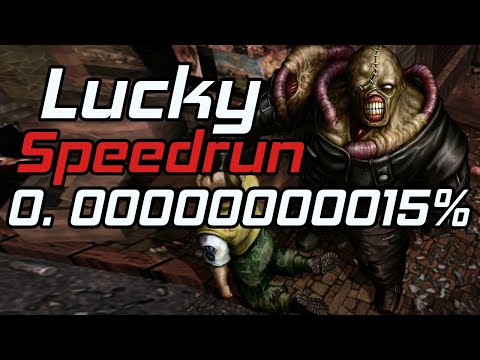
Unveiling the RNG Factor: How Lucky is the Resident Evil 3 Speedrun World Record?

Resident Evil 3 Speedrun World Record analysis thumbnail

Ever found yourself staring at the screen in Resident Evil 3, wondering if your every move is dictated by the whims of fate? If you're a fellow speedrunner or just a curious gamer, you've probably asked yourself: just how much luck is *really* involved in setting a world record for Resident Evil 3? This isn't just about frantic button presses; it's about mastering mechanics, exploiting glitches, and yes, dancing with the ever-elusive concept of Random Number Generation (RNG). In this deep dive, we're going to break down the core elements of an RE3 speedrun and reveal how critical luck can be, especially at the bleeding edge of world-record pace.

Understanding RNG in RE3 Speedruns

Random Number Generation, or RNG, is the backbone of many classic games, and Resident Evil 3 is no exception. For speedrunners, RNG dictates a multitude of factors that can make or break a run. Think of it as the game's way of keeping things fresh, but for someone trying to complete the game in the shortest time possible, it can be a cruel mistress. We're talking about things like enemy spawn locations, their aggression levels, the exact timing of environmental events, and even the loot that drops.

In RE3, this randomness impacts:

  • Enemy Patrols: Where zombies and Nemesis appear, and how they move.
  • Item Drops: The chance of getting crucial ammo or healing items from containers or defeated enemies.
  • Environmental Events: The precise timing of certain destructible objects or enemy reactions.
  • Boss Behavior: The attack patterns and vulnerabilities of key bosses like Nemesis.

Enemy Encounters and Patrols

Let's start with the most obvious source of RNG: the undead horde and, of course, the relentless Nemesis. In a speedrun, every second counts, and encountering an unexpected zombie patrol or having Nemesis appear at precisely the wrong moment can cost precious time. The game often decides where enemies spawn and what path they take when they detect you. A "good" spawn might mean a clear path; a "bad" spawn could force you into unnecessary combat or a lengthy detour.

For instance, imagine you're running through the Raccoon City streets. A perfectly timed run relies on predictable enemy placements. If a group of zombies unexpectedly blocks your path, you might have to resort to costly combat or a risky dodge maneuver. Similarly, Nemesis's appearances are often scripted, but the exact positioning and immediate actions he takes can vary, forcing split-second adjustments.

The challenge is to develop strategies that are robust enough to handle minor RNG variations, but fast enough to capitalize on perfect scenarios.

Item Placement and Drop Rates

Survival horror games live and die by their resource management. In a speedrun, this is amplified. Every bullet, every herb, every special item is critical. While many items are fixed in their locations, certain drops, especially from defeated enemies or destructible objects, are subject to RNG. A lucky drop can mean more powerful ammo earlier, saving you time on later encounters. An unlucky streak? You might find yourself desperately trying to conserve ammo or resorting to less efficient strategies.

Think about the chances of a zombie dropping a precious handgun bullet. It's not 100%. In a long run, these small percentages add up. A speedrunner might hope for a few lucky drops to fuel an aggressive playstyle, relying less on precise evasion and more on overwhelming force. Conversely, a string of bad luck could force a more defensive, slower approach.

Boss Fight Mechanics

Boss battles are often the most intensive segments of any speedrun, and RE3 is dominated by Nemesis. His encounters are designed to be terrifying, and their RNG elements are particularly impactful. The number of hits a boss takes to stagger, the specific attack patterns they favor, and the opportune moments to strike can all be influenced by RNG. This means even a perfectly executed sequence might be slower if the boss doesn't cooperate.

For example, Nemesis's charge attack is powerful and can be dodged, but if he opts for a slower projectile or a less predictable melee combo, it can disrupt the optimal timing. Mastering these fights isn't just about knowing when to attack; it's about adapting to the boss's current "mood."

Leveraging Glitches and Skips

Speedrunning is as much about breaking the game as it is about playing it. Glitches and skips are often the keys to shaving off massive amounts of time. These exploits, while technically bugs, become integral parts of speedrun strategies. However, their execution and effectiveness can sometimes be dependent on game conditions that are themselves influenced by RNG.

For instance, some out-of-bounds glitches or sequence breaks might require precise positioning or specific enemy AI states. If an enemy is behaving slightly differently due to RNG, the setup for a crucial skip might fail. This adds another layer of complexity: you need to execute the glitch *and* hope the game's conditions are favorable.

The best speedrunners aren't just lucky; they are masters of making the most out of any RNG situation, turning potential disasters into opportunities.

Analyzing the World Record: A Look at Luck in Action

When we look at the absolute pinnacle of RE3 speedrunning – the world record – it’s easy to see the influence of luck. Top runners have refined their strategies to near perfection. They've optimized routes, mastered every mechanic, and practiced every glitch countless times. Yet, even with all this preparation, a world record run often requires a significant amount of good fortune.

Consider the "perfect" run: every enemy spawn is favorable, every item drop is ideal, every boss fight goes exactly as planned with no deviations, and every major glitch or skip executes flawlessly on the first try. This level of perfection is incredibly rare. Often, a world record is set during a run that has a few "lucky breaks" that allow the runner to gain time they wouldn't normally have. This could be Nemesis appearing slightly later than usual, a crucial item dropping early, or a tricky segment executing flawlessly despite minor inconsistencies.

This is why you'll often hear speedrunners talking about "getting lucky." It's not about randomly succeeding; it's about encountering the favorable outcomes the game can present. A truly exceptional run balances near-perfect execution with a healthy dose of good RNG. Without that luck, even the most skilled player might not break through to a new world record.

Strategies to Mitigate Bad RNG

While you can't control luck, you can certainly influence your chances. The best speedrunners employ strategies to minimize the impact of bad RNG and maximize the benefit of good RNG:

  • Contingency Planning: Having backup strategies for when things go wrong. If a specific enemy path is blocked, knowing an alternative, slightly slower route.
  • Consistent Execution: Mastering the "safe" strategies that work most of the time, even if they aren't the absolute fastest in ideal conditions. This avoids critical mistakes that bad RNG can induce.
  • Learning AI Patterns: Understanding how enemy AI works allows runners to predict movements and sometimes manipulate them, reducing reliance on pure chance.
  • Route Optimization: Designing routes that avoid areas with high RNG dependency or encounters that are particularly punishing if they go wrong.
  • Item Management: Efficiently using resources to ensure you always have enough, even if drops aren't ideal.

For instance, a runner might choose to avoid picking up a certain optional item if the path to it is too RNG-dependent, opting instead for a slightly longer but more predictable route. This is where the real expertise lies – knowing when to gamble and when to play it safe.

The Future of RE3 Speedrunning

The pursuit of the perfect run never truly ends. As the Resident Evil 3 speedrunning community continues to push boundaries, new glitches are discovered, and existing strategies are refined. Even though the game is older, there's always potential for optimization. Will we see a run that is statistically "perfect"? It's unlikely. The nature of RNG means there will always be a small element of chance. However, as techniques evolve, the reliance on sheer luck might decrease, with more emphasis placed on consistent execution and masterful glitch exploitation.

Frequently Asked Questions

What is RNG in gaming?

RNG stands for Random Number Generation. It's the process by which a game generates random numbers to determine unpredictable outcomes, like enemy behavior, item drops, or critical hit chances.

How much does RNG affect Resident Evil 3 speedruns?

RNG significantly affects RE3 speedruns. Factors like enemy placement, item drops, and boss patterns can drastically alter run times, making a certain degree of luck essential for top-tier performances.

Can you completely eliminate RNG from a Resident Evil 3 speedrun?

No, you cannot completely eliminate RNG. While strategies can mitigate its impact and exploit certain mechanics, many core elements of the game remain randomized.

What's the most RNG-dependent part of an RE3 speedrun?

Enemy encounters and item drops are often considered the most RNG-dependent aspects. Nemesis's behavior and the random chance of getting specific ammo or healing items can heavily influence a run's pace.

How do top speedrunners deal with bad RNG?

Top speedrunners develop contingency plans, stick to consistent and safe strategies, learn AI patterns to predict or manipulate outcomes, and optimize routes to minimize reliance on highly random events.

In conclusion, while skill, strategy, and precise execution are paramount in any speedrun, the Resident Evil 3 world record is undeniably influenced by luck. The best runners are those who can master the game's mechanics to a T, understand the probabilities, and consistently capitalize on fortunate RNG while having backup plans for when fate isn't on their side. It's a delicate dance between human skill and digital chance that makes speedrunning so compelling!

What are your thoughts on RNG in speedruns? Do you think it adds to the excitement or detracts from the skill? Share your opinions and any crazy lucky moments you've witnessed in the comments below! And if you're looking for more deep dives into the world of speedrun gaming, make sure to check out our other articles. Join our Discord server to connect with fellow gamers and speedrunners!

Mastering the PUBG Mobile DB Room Pro Scrim: A Speedrunner's Guide

Hey fellow gamers and speedrun enthusiasts! Ever found yourself staring at a PUBG Mobile Pro Scrim video, particularly those intense DB Room sessions, and wondered how these players achieve such lightning-fast clears? You're in the right place. At GamingSpeedrun.com, we're all about diving deep into the mechanics that make elite gameplay possible, and today, we're dissecting the strategies, mindsets, and *glitches* (if any!) that define success in these high-stakes PUBG Mobile scenarios. Forget just surviving; we're talking about optimizing every second to dominate.

What Exactly Are DB Room Pro Scrims?

For those new to the jargon, "DB Room" in PUBG Mobile typically refers to custom rooms, often set up for competitive play or practice, known for their strategic depth and demanding environments. "Pro Scrims" take this a step further, involving highly skilled players practicing competitive tactics in these custom lobbies. The goal here isn't just to win a Chicken Dinner, but to execute flawless rotations, secure crucial eliminations, and practice team coordination under pressure. From a speedrunner's perspective, these scenarios offer a unique challenge: how to achieve the *fastest possible outcome* within the game's ruleset, often by identifying and exploiting the most efficient pathways and engagements.

The Speedrunner Mindset in PUBG Mobile

When approaching PUBG Mobile from a speedrunning perspective, the objective shifts dramatically. Instead of playing for a leisurely win, we're aiming for the fastest possible completion of a match, or a specific in-game objective. This requires a fundamental change in thinking: * **Efficiency Over Comfort**: Every action must be questioned. Is there a faster way to loot? Can this engagement be skipped entirely? Can I move from point A to point B more directly? * **Route Optimization**: Just like in classic speedrun categories for games like Super Mario 64 or Ocarina of Time, PUBG Mobile requires meticulously planned routes that minimize travel time and avoid unnecessary conflict. * **Resource Management**: Ammo, healing items, and even grenades become critical resources. Using the *right* item at the *right* time, or not using one at all if it saves time, is paramount. * **Risk Assessment**: Speedrunning often involves taking calculated risks. Pushing an enemy you know you can defeat quickly might be faster than trying to sneak around them, but it also carries a higher chance of failure.

Essential Strats for DB Rooms

DB Room scrims are often designed to force engagements and test specific skills. For a speedrunner, this means identifying the most direct path to victory or the fastest way to achieve a certain objective within the room's parameters. * **Spawn Point Dominance**: Securing a prime spawn location can give you an early advantage in looting and positioning. For speedrunning, this means choosing a spawn that allows for the quickest access to essential gear and the optimal path towards the first objective or zone. * **Loot Pathing**: Forget thorough looting. A speedrunner needs to identify the minimum viable loot required to progress. This often means prioritizing a reliable assault rifle, a few stacks of ammo, and basic healing items. Knowing the loot tables for specific buildings or areas is crucial.
In my experience, the first 60 seconds are critical. Getting a good weapon and the necessary ammo dictates the pace of the entire early game.

Weapon Loadouts and Early Game

The early game is where speedrunners often make or break their run. In DB Room scrims, where engagements can be frequent and intense, having the right loadout from the start is vital. * **Prioritize Mobility**: While a sniper might be powerful, a player focused on speed might opt for an SMG or assault rifle that allows for faster movement and quicker close-quarters combat, should an early fight be unavoidable or strategically beneficial. * **Ammo is Key**: Running out of ammo mid-fight is a death sentence for any player, but for a speedrunner, it means a run-ending delay. Ensuring you have ample ammo for your primary weapon is non-negotiable.

Rotations and Map Control

Mastering rotations is fundamental to any gaming strategy, but for speedrunners, it's about finding the *fastest* way to navigate the map and stay ahead of the ever-shrinking play zone. * **Predictive Movement**: Instead of reacting to the zone, a speedrunner tries to predict its movement and position themselves optimally *before* it becomes a threat. This often involves taking more direct, albeit sometimes riskier, paths across open ground. * **Vehicle Usage**: Vehicles are speed runners' best friends for covering large distances quickly. Knowing the spawn locations of vehicles and the most fuel-efficient routes is part of the core strategy. However, vehicles also attract attention, so their use must be weighed against the risk of engagement.
The goal is to always be moving towards the next objective or the center of the next zone, minimizing downtime spent looting or waiting.

Advanced Techniques and Skips

The true art of speedrunning often lies in discovering or utilizing advanced techniques that shave off precious seconds. While PUBG Mobile might not have the same level of overt "skips" as some other titles, there are still ways to optimize. * **Movement Exploits**: Certain combinations of jumping, crouching, and sprinting can sometimes lead to slightly faster traversal. While not game-breaking glitches, these minor optimizations add up. * **Engagement Optimization**: Instead of a drawn-out firefight, speedrunners aim for quick, decisive eliminations. This might involve pre-aiming, using grenades effectively to flush out enemies, or executing precise headshots. The focus is on ending the fight as quickly as possible to resume movement. * **Glitch Exploitation (Rare but Possible)**: While developers actively patch them, there are sometimes minor environmental glitches or AI behaviors that can be exploited for speed. These are often discovered by the community and documented on platforms like Speedrun.com.

RNG Management and Adaptation

Random Number Generation (RNG) plays a significant role in PUBG Mobile, from loot spawns to airdrop contents and even enemy positions. A speedrunner must be adept at managing this unpredictability. * **Contingency Planning**: What happens if the loot spawn is terrible? What if the zone pulls to the opposite side of the map? A good speedrun strategy includes backup plans. * **Reading the Game**: Experienced players can often "read" the game's flow based on sound cues, visual information, and zone patterns. This allows for quicker adaptation to unexpected situations. * **Embracing the Chaos**: Sometimes, the fastest run involves adapting on the fly to a chaotic situation rather than sticking rigidly to a plan that is no longer viable.
You can have the best route planned, but if RNG gives you lemons, you need to be ready to make lemonade, fast.

Analyzing Pro Gameplay

Watching DB Room Pro Scrims isn't just for entertainment; it's a learning opportunity. Look for: * **Decision-Making**: Why did they push that fight? Why did they rotate that way? * **Movement Patterns**: How do they move through buildings and open areas? * **Target Prioritization**: Which enemies do they engage first? * **Resource Usage**: When do they use heals, grenades, or utility items? By deconstructing these pro plays, you can identify strategies that can be adapted for your own speedrunning attempts. The lines between competitive play and speedrunning often blur, with both requiring extreme optimization and deep game knowledge. Remember, the ultimate goal is to shave off those precious seconds, whether for a world record attempt or just to improve your personal best.

Frequently Asked Questions

What is the fastest way to loot in PUBG Mobile?

The fastest looting involves identifying high-probability loot spawns, prioritizing essential gear (weapon, ammo, basic meds), and moving efficiently. Avoid lingering in areas with low loot density.

Are there known glitches or skips used in PUBG Mobile speedruns?

While significant glitches are patched quickly, minor movement optimizations and exploiting environmental quirks can sometimes shave off time. Always check resources like Speedrun.com for the latest discovered techniques.

How important is RNG in a PUBG Mobile speedrun?

RNG is a significant factor, influencing loot, zone placement, and encounters. Successful speedrunners develop strategies to mitigate bad RNG and adapt quickly to changing circumstances.

What's the difference between a competitive scrim and a speedrun in PUBG Mobile?

Competitive scrims focus on strategic team play and winning the match. Speedruns focus purely on completing the match or an objective in the absolute shortest time possible, often involving different risk-reward calculations and route optimizations.

Can I use vehicles for speedrunning?

Yes, vehicles are crucial for fast rotations across the map. However, their use must be balanced against the risk of attracting enemy attention and potential time lost if the vehicle is destroyed or unavailable.

Mastering DB Room Pro Scrims from a speedrunning perspective is a deep dive into optimization, efficiency, and calculated risk. It's about understanding the game's mechanics at an incredibly granular level and executing with precision.

What are your favorite strats for clearing PUBG Mobile rooms quickly? Have you discovered any unique techniques or routes? Drop your thoughts in the comments below or join our Discord channel to discuss with fellow speedrunners and gamers! Let's push those times to the limit!

Half-Life Any% WON Speedrun: Cracking the 35-Minute Barrier with a 35:01.370!

Hey fellow runners and Half-Life fanatics! Today, we're diving deep into a recent speedrun of Valve's iconic shooter, Half-Life, specifically in the Any% WON category. The time achieved is a blazing **35:01.370**, a run that, while impressive, is laced with the kind of mistakes that make you sweat and ultimately leave you hungry for more. As the runner themselves put it, "Decent run, lot of mistakes and malding. I can get a low 34 pretty easily." That's the spirit of competitive #speedrunning right there – always pushing for that next personal best (PB)! This isn't just about watching a record-breaking performance; it's about understanding the journey, the inevitable frustrations, and the sheer determination required to shave those precious milliseconds off a world record (WR). So, buckle up, because we're about to dissect this run, explore potential #strats, and discuss what it takes to conquer Black Mesa at ludicrous speed.

The Run Itself: A 35:01.370 Overview

The run clocks in at **35 minutes and 1.370 seconds**. For anyone unfamiliar with #HalfLife speedruns, this is a seriously impressive time, especially considering the runner's own assessment of its imperfections. The Any% WON category is particularly demanding, often involving intricate knowledge of game mechanics and precise execution.
Watching this run, you can almost feel the tension. Every jump, every weapon switch, every enemy encounter is a calculated risk. The goal is simple: reach the end credits as fast as humanly possible, using any means necessary within the rules of the category. The fact that the runner believes a sub-34 is achievable speaks volumes about the depth of optimization possible in this classic title. It’s a testament to the dedication of the #speedrunning community, always seeking to shave off those critical seconds. This is why we love gaming and pushing boundaries.

Analyzing the Mistakes and Opportunities

The runner's self-critique, "lot of mistakes and malding," is where the real learning happens for aspiring speedrunners. Every missed jump, every poorly timed reload, every unnecessary shot fired – these are moments that cost time. For this specific run, we can speculate about common pitfalls: * **Movement Errors**: Even slight deviations from optimal movement can add up. This includes suboptimal bunnyhopping, missed crouch jumps, or inefficient strafing. * **Combat Mishaps**: Encounters with headcrabs, zombies, or soldiers are prime areas for time loss. A poorly aimed shot with the Shotgun or fumbling with grenades can lead to extended fights. * **Sequence Breaks Gone Wrong**: Some speedruns rely on sequence breaks or glitches to skip entire sections. If these aren't executed perfectly, they can cost significantly more time than intended. * **Menuing and Item Management**: Quick weapon switching and efficient inventory management are crucial. Delays here, especially when needing a specific item like health or ammo, can be costly. The fact that a sub-34 is considered achievable suggests these "mistakes" aren't game-breaking but rather small inefficiencies that, when cleaned up, lead to substantial time saves. This is the essence of speedrun optimization – perfecting the known and discovering the unknown.
"I can get a low 34 pretty easily." This simple statement encapsulates the relentless pursuit of perfection in the speedrunning world. It's not about being satisfied, but about identifying the next frontier.

The Any% WON Category Explained

For those new to the scene, let's clarify what "Any% WON" means in the context of Half-Life. * **Any%**: This is the most common speedrun category. The objective is to complete the game as quickly as possible, regardless of how much of the game's content is experienced. This often involves utilizing glitches and skips. * **WON**: This refers to the original Windows version of Half-Life, often distinguished from later versions like the Steam release or console ports. Historically, different versions of a game can have different glitches, exploits, and even timings, leading to separate leaderboards. The WON version is often considered the "classic" for many speedrunners due to its unique properties. This specific category demands a deep understanding of the original game's engine and its quirks. The precision required is immense, making any successful run a significant achievement.

Key Strats and Skips in Half-Life Speedruns

Half-Life speedruns, particularly in the Any% WON category, are famous for their intricate movement techniques and clever sequence breaks. While a full breakdown is beyond the scope of this post, here are some commonly employed techniques: * **Bunnyhopping**: Essential for maintaining and increasing speed by chaining together jumps. Precise timing of jumps and strafes is key. * **Rocket Jumps**: Utilizing the explosive force of rockets to propel the player to higher or further areas than normally possible. * **Clip Glitches**: Exploiting engine quirks to pass through walls or other solid objects, often skipping large sections of the map. These require precise positioning and often specific weapon or grenade throws. * **Spawn Skips**: Techniques designed to bypass intended enemy spawns or trigger events faster. * **Fast Weapon Swapping**: Rapidly cycling through the weapon inventory to maintain momentum or prepare for specific actions without slowing down. These techniques, combined with intimate knowledge of level layouts and enemy behavior, are what allow runners to achieve times like the one we're discussing. The pursuit of optimizing these strats is what keeps the Half-Life speedrun community alive and thriving.
Mastering a single skip in Half-Life can save seconds, but stringing dozens of them together with perfect movement is what leads to a world-class time.

The Psychology of a Speedrunner

Beyond the technical skill, speedrunning demands incredible mental fortitude. The "malding" mentioned by the runner is a real part of the experience. Hours upon hours are spent practicing specific segments, facing repeated failure, and dealing with the immense pressure of a good run potentially being ruined by a single mistake. This requires: * **Patience**: To endure the grind of practice and the frustration of failed attempts. * **Resilience**: To bounce back after mistakes and not let them derail the entire run. * **Focus**: To maintain concentration for extended periods, especially during long, continuous runs. * **Adaptability**: To react quickly and effectively when unexpected situations arise. The drive to achieve a new PB or WR often stems from a deep passion for the game and a desire to master its systems completely. It's a unique blend of technical prowess and psychological endurance.

Community and Support

The speedrunning community is a vital part of the culture. Platforms like Speedrun.com serve as hubs for leaderboards, discussion, and resource sharing. Discord channels and live streams provide real-time interaction and support. Runners often share their discoveries, help others learn new strats, and cheer each other on. This collaborative spirit is what makes participating in and following the speedrunning scene so rewarding. If you’re inspired by this Half-Life run, consider joining the discussion on our Discord channel! We love to see passionate gamers sharing their achievements and insights. Supporting hardcore gaming means being part of this incredible community.

FAQ

What does Any% mean in speedrunning?

Any% is a speedrunning category where the goal is to finish the game as quickly as possible using any means necessary, including glitches and exploits.

Why is the WON version of Half-Life important for speedrunning?

The WON (Windows) version is often preferred by speedrunners because it contains specific engine quirks, glitches, and timings that differ from later releases like the Steam version, allowing for unique and optimized strategies.

How long does it typically take to master a Half-Life speedrun?

Mastery varies greatly depending on the runner's dedication and the complexity of the category. Some runners dedicate hundreds or even thousands of hours to achieve top times in categories like Any% WON.

What are some common glitches used in Half-Life speedruns?

Common glitches include various forms of clip glitches (passing through walls), rocket jumps for advanced verticality, and specific sequence breaks to skip parts of the game.

Is it possible to get a sub-34 minute run in Half-Life Any% WON?

Yes, the current world record is significantly faster than 34 minutes, indicating that sub-34 is not only possible but has been surpassed. The runner's comment suggests their personal potential for improvement within that range.