Half-Life Any% WON Speedrun: Cracking the 35-Minute Barrier with a 35:01.370!

Hey fellow runners and Half-Life fanatics! Today, we're diving deep into a recent speedrun of Valve's iconic shooter, Half-Life, specifically in the Any% WON category. The time achieved is a blazing **35:01.370**, a run that, while impressive, is laced with the kind of mistakes that make you sweat and ultimately leave you hungry for more. As the runner themselves put it, "Decent run, lot of mistakes and malding. I can get a low 34 pretty easily." That's the spirit of competitive #speedrunning right there – always pushing for that next personal best (PB)! This isn't just about watching a record-breaking performance; it's about understanding the journey, the inevitable frustrations, and the sheer determination required to shave those precious milliseconds off a world record (WR). So, buckle up, because we're about to dissect this run, explore potential #strats, and discuss what it takes to conquer Black Mesa at ludicrous speed.

The Run Itself: A 35:01.370 Overview

The run clocks in at **35 minutes and 1.370 seconds**. For anyone unfamiliar with #HalfLife speedruns, this is a seriously impressive time, especially considering the runner's own assessment of its imperfections. The Any% WON category is particularly demanding, often involving intricate knowledge of game mechanics and precise execution.
Watching this run, you can almost feel the tension. Every jump, every weapon switch, every enemy encounter is a calculated risk. The goal is simple: reach the end credits as fast as humanly possible, using any means necessary within the rules of the category. The fact that the runner believes a sub-34 is achievable speaks volumes about the depth of optimization possible in this classic title. It’s a testament to the dedication of the #speedrunning community, always seeking to shave off those critical seconds. This is why we love gaming and pushing boundaries.

Analyzing the Mistakes and Opportunities

The runner's self-critique, "lot of mistakes and malding," is where the real learning happens for aspiring speedrunners. Every missed jump, every poorly timed reload, every unnecessary shot fired – these are moments that cost time. For this specific run, we can speculate about common pitfalls: * **Movement Errors**: Even slight deviations from optimal movement can add up. This includes suboptimal bunnyhopping, missed crouch jumps, or inefficient strafing. * **Combat Mishaps**: Encounters with headcrabs, zombies, or soldiers are prime areas for time loss. A poorly aimed shot with the Shotgun or fumbling with grenades can lead to extended fights. * **Sequence Breaks Gone Wrong**: Some speedruns rely on sequence breaks or glitches to skip entire sections. If these aren't executed perfectly, they can cost significantly more time than intended. * **Menuing and Item Management**: Quick weapon switching and efficient inventory management are crucial. Delays here, especially when needing a specific item like health or ammo, can be costly. The fact that a sub-34 is considered achievable suggests these "mistakes" aren't game-breaking but rather small inefficiencies that, when cleaned up, lead to substantial time saves. This is the essence of speedrun optimization – perfecting the known and discovering the unknown.
"I can get a low 34 pretty easily." This simple statement encapsulates the relentless pursuit of perfection in the speedrunning world. It's not about being satisfied, but about identifying the next frontier.

The Any% WON Category Explained

For those new to the scene, let's clarify what "Any% WON" means in the context of Half-Life. * **Any%**: This is the most common speedrun category. The objective is to complete the game as quickly as possible, regardless of how much of the game's content is experienced. This often involves utilizing glitches and skips. * **WON**: This refers to the original Windows version of Half-Life, often distinguished from later versions like the Steam release or console ports. Historically, different versions of a game can have different glitches, exploits, and even timings, leading to separate leaderboards. The WON version is often considered the "classic" for many speedrunners due to its unique properties. This specific category demands a deep understanding of the original game's engine and its quirks. The precision required is immense, making any successful run a significant achievement.

Key Strats and Skips in Half-Life Speedruns

Half-Life speedruns, particularly in the Any% WON category, are famous for their intricate movement techniques and clever sequence breaks. While a full breakdown is beyond the scope of this post, here are some commonly employed techniques: * **Bunnyhopping**: Essential for maintaining and increasing speed by chaining together jumps. Precise timing of jumps and strafes is key. * **Rocket Jumps**: Utilizing the explosive force of rockets to propel the player to higher or further areas than normally possible. * **Clip Glitches**: Exploiting engine quirks to pass through walls or other solid objects, often skipping large sections of the map. These require precise positioning and often specific weapon or grenade throws. * **Spawn Skips**: Techniques designed to bypass intended enemy spawns or trigger events faster. * **Fast Weapon Swapping**: Rapidly cycling through the weapon inventory to maintain momentum or prepare for specific actions without slowing down. These techniques, combined with intimate knowledge of level layouts and enemy behavior, are what allow runners to achieve times like the one we're discussing. The pursuit of optimizing these strats is what keeps the Half-Life speedrun community alive and thriving.
Mastering a single skip in Half-Life can save seconds, but stringing dozens of them together with perfect movement is what leads to a world-class time.

The Psychology of a Speedrunner

Beyond the technical skill, speedrunning demands incredible mental fortitude. The "malding" mentioned by the runner is a real part of the experience. Hours upon hours are spent practicing specific segments, facing repeated failure, and dealing with the immense pressure of a good run potentially being ruined by a single mistake. This requires: * **Patience**: To endure the grind of practice and the frustration of failed attempts. * **Resilience**: To bounce back after mistakes and not let them derail the entire run. * **Focus**: To maintain concentration for extended periods, especially during long, continuous runs. * **Adaptability**: To react quickly and effectively when unexpected situations arise. The drive to achieve a new PB or WR often stems from a deep passion for the game and a desire to master its systems completely. It's a unique blend of technical prowess and psychological endurance.

Community and Support

The speedrunning community is a vital part of the culture. Platforms like Speedrun.com serve as hubs for leaderboards, discussion, and resource sharing. Discord channels and live streams provide real-time interaction and support. Runners often share their discoveries, help others learn new strats, and cheer each other on. This collaborative spirit is what makes participating in and following the speedrunning scene so rewarding. If you’re inspired by this Half-Life run, consider joining the discussion on our Discord channel! We love to see passionate gamers sharing their achievements and insights. Supporting hardcore gaming means being part of this incredible community.

FAQ

What does Any% mean in speedrunning?

Any% is a speedrunning category where the goal is to finish the game as quickly as possible using any means necessary, including glitches and exploits.

Why is the WON version of Half-Life important for speedrunning?

The WON (Windows) version is often preferred by speedrunners because it contains specific engine quirks, glitches, and timings that differ from later releases like the Steam version, allowing for unique and optimized strategies.

How long does it typically take to master a Half-Life speedrun?

Mastery varies greatly depending on the runner's dedication and the complexity of the category. Some runners dedicate hundreds or even thousands of hours to achieve top times in categories like Any% WON.

What are some common glitches used in Half-Life speedruns?

Common glitches include various forms of clip glitches (passing through walls), rocket jumps for advanced verticality, and specific sequence breaks to skip parts of the game.

Is it possible to get a sub-34 minute run in Half-Life Any% WON?

Yes, the current world record is significantly faster than 34 minutes, indicating that sub-34 is not only possible but has been surpassed. The runner's comment suggests their personal potential for improvement within that range.

[TAS] N64 Super Mario 64 Extreme Edition: The Ultimate 157-Star Speedrun Breakdown

Hey there, fellow speedrunners and Nintendo 64 enthusiasts! If you're here, you're likely captivated by the sheer dedication and insane skill that goes into Tool-Assisted Speedruns (TAS). Today, we're diving deep into a legendary run: the **[TAS] N64 Super Mario 64 Extreme Edition "157 Stars"** by the incredible team of Frame, RSw, homerfunky, sm64expert, galo, Superdavo0001, and Somebro. This isn't just any speedrun; it's a masterclass in pixel-perfect execution, pushing the boundaries of what we thought was possible in the beloved SM64 romhack. This particular TAS achieved a mind-blowing time of **1 hour, 55 minutes, and 31.37 seconds** to collect all 157 stars. That's right, *every single star*, including the notoriously difficult ones, all while maintaining the rigorous challenge of collecting 100 coins in each level. It’s a testament to the dedication of the speedrunning community and the power of TAS tools to achieve the seemingly impossible.

What is Super Mario 64 Extreme Edition?

Super Mario 64 Extreme Edition isn't your standard Mario 64 experience. It's a highly challenging romhack that takes the already difficult original SM64 74 hack and cranks the difficulty up to eleven. Imagine playing through Peach's Castle, but with familiar levels twisted into nightmarish playgrounds. Lava pools where serene water used to be? Check. Insane enemy placements? Absolutely. This hack was designed for players who have mastered the original and crave a truly brutal test of skill. The creators of Extreme Edition didn't just reskin levels; they meticulously redesigned them, introducing new challenges, traps, and requiring advanced movement techniques. It’s a romhack that demands not just knowledge of the game, but mastery of every jump, every dive, and every trick Mario can possibly perform.

The 157-Star Challenge: Beyond the Original

The original Super Mario 64 has 120 stars. The SM64 74 hack, which Extreme Edition is based on, already added more stars. This Extreme Edition takes it even further, offering a whopping 157 stars. This TAS specifically aimed to collect *all* of them, including the standard 70 from the original, plus an additional 87 stars that have been added and re-imagined within the romhack. This means tackling stars that require: * Complex platforming sequences. * Precise navigation through treacherous environments. * Extremely difficult enemy encounters. * And, crucially, collecting 100 coins in *every single level*, regardless of whether the star itself requires it. This adds a massive layer of difficulty, as coin placement is often a puzzle in itself within these remixed levels. Collecting every star in a game or romhack is often referred to as a "100%" or "120%" run in the original game. In this context, the 157-star goal is the ultimate completionist objective for Super Mario 64 Extreme Edition.

TAS Explained: Precision and Perfection

For those new to the terminology, TAS stands for Tool-Assisted Speedrun. Unlike a standard speedrun where a player uses their own skills and reflexes in real-time, a TAS run utilizes emulators and other tools to allow for frame-by-frame input. Think of it as playing the game at a level of perfection that is humanly impossible. This means: * **Frame-Perfect Inputs**: Every jump, every turn, every action is executed at the *exact* optimal frame. * **Exploiting Glitches and Mechanics**: TAS runners can discover and utilize glitches or obscure game mechanics that might be too difficult or risky for a live runner. * **Eliminating RNG**: Random Number Generator (RNG) elements that can affect gameplay are often minimized or completely bypassed through precise inputs and strategies.
This isn't about raw reaction time; it's about absolute planning and flawless execution, achieved through the power of emulation tools.
The TAS approach allows runners to find the theoretically fastest possible time for a game or category, pushing the limits of what's achievable. This 157-star run is a prime example of this philosophy in action.

Breaking Down the Strat: Key Moments and Glitches

While a full breakdown of every single frame strategy would be an article in itself, we can highlight some of the crucial elements that make this TAS so impressive: * **Advanced Movement Techniques**: Expect to see extended infinite rocket jumps, complex wall kicks, and incredibly precise long jumps. In Extreme Edition, these are often required just to reach certain areas, let alone grab stars. * **Enemy Manipulation**: TAS runners often find ways to manipulate enemy AI to their advantage, making them move out of the way or positioning them for specific techniques. * **Glitches and Skips**: While the goal is 157 stars, TAS often involves finding ways to skip parts of levels or even entire sections using glitches. However, in a 157-star run *within a romhack*, the focus is often on executing the designed challenges perfectly rather than skipping them. The "glitches" here might be more about obscure mechanics or unintended interactions within the romhack's code. * **Level-Specific Strats**: Each of the newly designed levels in Extreme Edition comes with its own set of unique challenges. For instance, a star might require navigating a sea of lava using precise jumps off fleeting platforms, or collecting 100 coins might involve a complex routing that utilizes wall clips to reach hidden coin caches.
The sheer amount of planning that goes into a TAS like this is staggering. Every single movement is calculated for maximum efficiency.
For detailed breakdowns of specific strats, the speedrunning community often relies on resources like speedrun.com and dedicated forums where runners share their discoveries.

Collecting Every Coin: The True Test

In the original Super Mario 64, collecting 100 coins in a level is often a challenge in itself, but it's usually tied to earning a star. In this 157-star TAS of Extreme Edition, collecting 100 coins is a mandatory part of the process for *every* level, even if the star itself doesn't require it. This significantly lengthens the run and adds immense complexity. Why is this so hard? * **Coin Placement**: Romhack creators often place coins in difficult-to-reach spots or as part of complex puzzles. * **Time Sink**: Actively hunting for coins consumes precious time, forcing runners to find incredibly fast routes to maintain a competitive pace. * **RNG Dependence (for live runners)**: While TAS minimizes RNG, for a live runner, coin respawns or enemy positions can make coin collection unpredictable. The TAS overcomes this by knowing exactly where and when each coin will be available. This aspect of the run truly separates the elite from the rest. It's not just about grabbing the stars; it's about mastering the entire level in its most challenging form.

Behind the Scenes: The Team Effort

A TAS of this magnitude is rarely the work of a single individual. The names credited – Frame, RSw, homerfunky, sm64expert, galo, Superdavo0001, and Somebro – represent a collaborative effort. These runners likely worked together, sharing discoveries, testing strategies, and meticulously planning each segment. * **Division of Labor**: It's common for different runners to specialize in different aspects of a TAS, perhaps one focusing on specific levels, another on movement tech, and another on glitch exploitation. * **Shared Knowledge**: The speedrunning community thrives on shared knowledge. What one runner discovers, they often share with others, leading to faster times for everyone. * **Community Support**: The passion and dedication of the speedrunning community are what drive these incredible achievements. This run is a shining example of what can be accomplished when talented individuals pool their expertise and passion.

What Makes This Run Legendary?

Several factors contribute to the legendary status of this particular TAS: 1. **The Romhack Itself**: Super Mario 64 Extreme Edition is renowned for its brutal difficulty. Conquering it with a TAS is an achievement in itself. 2. **The 157-Star Goal**: Collecting every single star, including the 100-coin requirement for each level, is an immense undertaking. 3. **The Precision**: The near-flawless execution, characteristic of a TAS, makes it a spectacle of gaming perfection. 4. **The Time**: Achieving such a fast time on such a difficult challenge is simply astounding. 5. **The Collaborative Effort**: The fact that it was achieved by a team underscores the dedication and collaborative spirit of the gaming community. This run isn't just about beating a game; it's about demonstrating the absolute peak of performance possible within its complex, remixed world. It’s a piece of gaming art.

How to Watch and Support

If you want to witness this incredible feat of gaming prowess, you can usually find TAS runs on platforms like YouTube. Search for "[TAS] Super Mario 64 Extreme Edition 157 Stars" to find the video. To support the creators and the broader speedrunning community: * **Watch the Video**: Views and engagement help promote their work. * **Like and Subscribe**: Show your appreciation on platforms like YouTube. * **Join the Community**: Engage in discussions on forums, Discord servers, or Twitch streams related to SM64 speedrunning. * **Consider Supporting Creators**: If they have Patreon, donation links, or merchandise, consider supporting them directly if you appreciate their efforts. Remember, this is hardcore gaming at its finest! If you enjoy this kind of content and want to dive deeper into the world of speedruns and challenging gaming, make sure to follow GamingSpeedrun.com.

Frequently Asked Questions

What is a TAS in speedrunning?

TAS stands for Tool-Assisted Speedrun. It's a type of speedrun created using emulators and other tools that allow for frame-by-frame control, enabling a level of precision and perfection that is impossible for human players in real-time.

Is Super Mario 64 Extreme Edition an official game?

No, Super Mario 64 Extreme Edition is a fan-made romhack. It's a modified version of the original Super Mario 64 game created by talented individuals within the gaming community.

Why are there 157 stars in this version?

The romhack creators expanded the original game's content significantly. The 157 stars represent all the primary objectives and challenges designed within the Extreme Edition romhack, including a mandatory 100-coin collection in every level.

How long did it take to create this TAS?

TAS runs, especially for complex romhacks with numerous objectives, can take months or even years to plan, execute, and perfect. The exact creation time for this specific run is not detailed but is undoubtedly extensive.

Where can I find more Super Mario 64 romhacks?

Websites like speedrun.com, Romhacking.net, and various dedicated SM64 communities on platforms like Reddit and Discord are excellent resources for discovering and discussing Super Mario 64 romhacks.

This 157-star TAS of Super Mario 64 Extreme Edition is more than just a speedrun; it's a monument to dedication, precision, and the incredible creativity of the gaming community. It showcases the pinnacle of what's possible when TAS tools meet a brutally challenging romhack. It inspires us to push our own limits, whether in live runs or just in our passion for gaming.

What do you think of this run? Have you attempted Super Mario 64 Extreme Edition yourself? Let us know your thoughts and any insane strats you've discovered in the comments below! Join our Discord to connect with other hardcore gamers and speedrunners!

The Absolute Fastest Video Game Speedruns: A Deep Dive into Lightning-Fast Playthroughs

Welcome, fellow speed demons and gaming enthusiasts, to the ultimate sanctuary for all things speedrunning! You've landed on GamingSpeedrun.com, and if you're here, you're likely captivated by the sheer audacity and skill required to shave milliseconds off impossibly fast video game playthroughs. We're talking about pushing games to their absolute limits, exploiting every glitch, mastering every sequence, and achieving what many thought was humanly impossible. Today, we're diving deep into the world of the fastest speedruns, exploring what makes them tick, and celebrating the incredible dedication of the players who achieve these legendary feats. Get ready to witness gaming at its most extreme.

What Exactly Is Speedrunning?

At its core, speedrunning is a competitive genre of gaming focused on completing a video game, or a section of one, as quickly as possible. This isn't just about playing through a game; it's about dissecting it, understanding its mechanics on a profound level, and then executing a flawless, optimized route. Speedrunners meticulously plan their runs, often down to the exact frame, to achieve the shortest possible completion time. It's a testament to human perseverance, pattern recognition, and incredible execution. The pursuit of a new World Record (WR) can consume hundreds, if not thousands, of hours.
In my experience, the truly mind-blowing speedruns aren't just about raw skill; they're about a deep, almost spiritual connection with the game's code and design.
This dedication is what fuels the most incredible speedruns we see, pushing the boundaries of what's possible. Whether it's a classic title or a modern AAA game, the speedrunning community finds ways to break them.

The Art of the #AnyPercent Run

When we talk about the absolute fastest speedruns, we are almost always referring to the "#AnyPercent" category. This is the most popular and often the most competitive category in speedrunning. In an #AnyPercent run, the goal is simply to reach the end credits of the game in the shortest amount of time possible, regardless of completion percentage. This means players will actively seek out skips, glitches, and sequence breaks to bypass entire sections of the game, often using techniques that seem to defy logic.
Mastering an #AnyPercent run requires an intimate knowledge of the game's engine and a willingness to exploit its quirks. It's where the most creative and fastest strategies are born.
The development of strategies for #AnyPercent categories is a continuous process. What might be the fastest route today could be optimized further tomorrow with a new discovery. This constant evolution is part of what makes speedrunning so exciting. You can find dedicated communities discussing these strategies on platforms like speedrun.com.

Glitches and Exploits: The Speedrunner's Arsenal

Glitches and exploits are not seen as bugs by speedrunners; they are tools. These unexpected behaviors in game code can be manipulated to achieve incredible shortcuts. Think of "out of bounds" glitches, where players find ways to move their character outside the intended playable area, allowing them to bypass entire levels. Then there are "sequence breaks," which allow players to perform actions or reach areas before the game designers intended, fundamentally altering the progression of the game.
Techniques like "Rage quitting" to save time in certain games, or intricate "butterflying" maneuvers in platformers, are examples of how sophisticated these exploits can become. Discovering a new, significant glitch can revolutionize a speedrun category overnight and often leads to new WR attempts. For many, the thrill of discovering and mastering these techniques is a huge part of the appeal of speedrunning, making games like those developed by ArkaneStudios particularly interesting for their complex level design.

The Most Impressive Speedruns of All Time

Pinpointing the *absolute* fastest speedruns is tricky, as it depends on the game's length, complexity, and the category. However, some games consistently produce jaw-droppingly short times. * **Super Mario Bros.:** The original NES classic has been optimized to an absurd degree. The #AnyPercent run is under 5 minutes, a feat achieved through pixel-perfect jumps and frame-perfect inputs. * **DOOM (Classic):** These games are built for speed and combat. Speedrunners navigate intense levels, often using rocket jumps and other advanced techniques to blast through demons at breakneck speeds. The #AnyPercent runs are incredibly fast and action-packed. * **Portal:** This puzzle-platformer relies on clever use of the portal gun. Speedrunners exploit physics and portal mechanics to create routes that are both ingenious and incredibly fast, often completing the game in mere minutes. * **Celeste:** Known for its challenging platforming, Celeste also has a thriving speedrunning community. The #AnyPercent runs are a masterclass in precision movement and timing. These are just a few examples, and the world of speedrunning is vast. From massive open-world RPGs to linear action games, there's a speedrun for almost everything. Exploring these runs on platforms like speedrun.com is a rabbit hole of incredible gaming achievements.

Category Essentials: 100% vs. #AnyPercent

While #AnyPercent focuses on raw speed, other categories offer different challenges. The "100%" category requires the player to achieve a 100% completion rate of in-game objectives before finishing. This often involves collecting every item, defeating every optional boss, or completing all side quests. These runs are typically much longer but demonstrate a different kind of mastery – thoroughness and endurance. Then there are "Low%" runs, where the objective is to finish the game with the lowest possible percentage of completion or a specific low stat. These runs often involve intricate glitches and require an even deeper understanding of game mechanics to avoid triggering completion flags. Each category appeals to a different aspect of the speedrunning community's passion for optimization and challenge.

Training and Dedication: What It Takes

Achieving a top-tier speedrun is not for the faint of heart. It requires immense dedication and a rigorous training regimen. * **Practice:** Runners will practice specific sections of a game hundreds, if not thousands, of times to achieve consistency. * **Research:** Studying existing runs, watching other top players, and analyzing strategy guides are crucial for learning optimal routes and techniques. * **Execution:** Performing the required inputs with precision and speed, often under immense pressure, is paramount. This involves perfect timing, precise movement, and quick decision-making. * **Adaptability:** Games can change with patches, and new discoveries are constantly made. Runners must be adaptable and willing to learn new strategies. The sheer willpower involved in countless hours of practice, overcoming frustrating failures, and the relentless pursuit of perfection is what truly defines a speedrunner. It's this level of commitment that earns them respect within the ComunidadGamer.

Community and Competition

The speedrunning community is a vibrant and supportive ecosystem. While competition is fierce, especially for WRs, there's a strong sense of camaraderie. Major events like Games Done Quick (GDQ), including AGDQ2020, showcase incredible speedruns for charity, bringing the community together and exposing new audiences to the spectacle. Discord servers, forums, and Twitch streams are hubs for discussion, strategy sharing, and finding fellow runners. This collaborative spirit, combined with the competitive drive, creates a unique environment where records are constantly being challenged and broken. It's a testament to the shared passion for gaming and optimization.

The Future of Speedrunning

As new games are released, the speedrunning community is quick to embrace them, finding new challenges and routes. We can expect to see even more creative exploits, innovative strategies, and mind-bending optimizations in the years to come. The boundaries of what's possible in gaming continue to be pushed, and speedrunners are at the forefront of that exploration. Whether you're a seasoned runner or just curious about the phenomenon, the world of fast-paced gaming offers endless fascination. So, next time you boot up a game, consider how quickly you could conquer it – the speedrunning challenge awaits!

Frequently Asked Questions

What is the fastest speedrun ever recorded?

This is subjective and depends heavily on the game's length and complexity. For example, some very short indie games can be completed in under a minute. However, for major titles, runs of games like "Super Mario Bros." or "Portal" that are under 5 minutes are considered exceptionally fast.

How do speedrunners find glitches?

Glitches are often found through extensive experimentation, playing the game in unintended ways, analyzing game code, or by sharing discoveries within the speedrunning community. It's a mix of brute force testing and clever deduction.

Is speedrunning just for hardcore gamers?

While many hardcore gamers are involved, the accessibility of speedrunning is growing. Many games have beginner-friendly categories, and communities are generally welcoming to newcomers who are eager to learn and improve.

What is the difference between WR and PB?

WR stands for World Record, which is the fastest time achieved by *any* runner in a specific category and game. PB stands for Personal Best, which is the fastest time achieved by an individual runner for themselves.

How can I get started with speedrunning?

Start by picking a game you love and are familiar with. Watch existing speedruns for that game, join its community (usually on Discord or Twitch), and practice a specific category, often starting with #AnyPercent or a beginner-friendly route. Don't be afraid to ask questions! What are your favorite lightning-fast speedruns? Which games do you think have the most impressive speedrunning potential? Drop your thoughts in the comments below, and join our Discord to connect with other gamers and speedrunning enthusiasts! Let's push those limits together.

Mastering the myhouse.wad Lawnmower Speedrun: The Ultimate UV 6:58 Strategy Guide

Welcome, fellow gamers and speedrun enthusiasts, to Gaming Speedrun! In this comprehensive guide, we're diving headfirst into the exhilarating world of the myhouse.wad Lawnmower Speedrun. Get ready for an adrenaline-fueled journey as we dissect the strategies, glitches, and sheer skill required to achieve that coveted UV 6:58 record. Whether you're a seasoned speedrunner aiming for a new personal best (PB) or a curious newcomer, this is your roadmap to conquering this iconic Doom II custom map.

Understanding myhouse.wad: The Canvas for Chaos

Before we can talk about shaving off milliseconds, we need to understand the battlefield. myhouse.wad, a masterpiece crafted by the legendary Mark 'BlazingFingers' Johnson, isn't just another Doom II wad. It's a sprawling, intricate mansion designed to test your navigation skills, combat prowess, and, most importantly, your ability to move with blinding speed. The core objective is deceptively simple: navigate the labyrinthine corridors, unlock a series of doors, and "mow down" hordes of demons. However, the UV (Ultra-Violence) difficulty and the pressure of the clock transform this into a high-stakes dance of death. In my experience, the layout itself is a puzzle, and finding the fastest path is the first major hurdle.
The intensity of this speedrun is unparalleled, making it a favorite among speedrunning communities for its blend of challenging navigation and intense combat.

Essential Techniques and Strategies for Speed

Achieving a sub-7-minute run on UV in myhouse.wad requires more than just good aim. It demands mastery of specific techniques that, when combined, create a near-flawless execution. We'll break down each critical element, from the macro-level route planning to the micro-level movement nuances.

Route Planning and Optimization: Every Second Counts

This is arguably the most crucial aspect of any speedrun, and myhouse.wad is no exception. A suboptimal route can add precious seconds, or even minutes, to your final time. Meticulous planning involves: * **Mapping the Mansion:** Understanding the flow of the map, where keys are located, and the most direct paths between objectives. * **Identifying Shortcuts:** Discovering hidden paths or sequence breaks that the level designer might not have intended for casual play. * **Minimizing Detours:** Avoiding backtracking and unnecessary room clearings. In a speedrun, if an enemy isn't on your immediate path or blocking a critical objective, you often bypass it. * **Key Item Acquisition:** Planning the most efficient way to grab necessary keys (like the Blue Key, Red Key, etc.) without losing momentum. The best runners have the optimal route memorized so perfectly that they can execute it blindfolded.

Precise Movement and Strafing: The Dance of Doom

Doom's movement mechanics are surprisingly deep, and mastering them is key to shaving off those vital seconds. Forget simply walking; you need to *fly*. * **Strafe-Running:** The cornerstone of fast movement in Doom. By holding forward and strafing simultaneously, you move significantly faster than just forward movement. * **Bunny-Hopping (or Jump-Running):** While Doom doesn't have traditional bunny-hopping like some other games, timed jumps can sometimes maintain or slightly increase momentum. Understanding when and how to incorporate jumps is essential. * **Corner Turning:** Executing tight turns around corners without losing speed requires practice and precise mouse control.
Master the art of strafe-running, bunny-hopping, and precise jumps to maneuver swiftly through the mansion's treacherous terrain. Practice these movements until they become second nature, and watch your speedrun times plummet.

Efficient Door Manipulation: Bypassing Obstacles

Doors in Doom can be your greatest enemy or your best friend. In a speedrun, they are often obstacles to be overcome with extreme prejudice. * **Door Gliding:** Sometimes, opening a door and immediately strafing into it can allow you to "clip" through or bypass the opening animation faster. * **Door Bumping:** Using the door's opening animation to push yourself forward slightly faster. * **Door Skipping:** In certain instances, specific enemy or player positioning might cause a door to open prematurely or allow passage without a key. Learning the timing for these maneuvers can save crucial seconds, especially when multiple doors block your path.

Enemy Engagement and Ammo Conservation: Calculated Carnage

You can't afford to waste bullets on every demon that crosses your path. Efficient combat is about calculated aggression. * **Prioritization:** Identify which enemies pose the biggest threat or are blocking your progress and focus on them first. Arch-viles and Mancubi often require immediate attention. * **Weapon Choice:** Knowing which weapon is most effective against specific enemy types while conserving ammo for more dangerous encounters. The Plasma Rifle and Rocket Launcher are often key for crowd control, while the Super Shotgun excels at single-target damage. * **Ammo Management:** Scavenging for ammo efficiently without deviating too much from the optimal route. Sometimes, it's faster to take a few hits than to backtrack for a health pack or ammo box.

Observing Record-Breaking Speedruns: Learning from the Masters

There's no substitute for learning from those who have perfected the run. Watching top-tier speedrunners is invaluable. * **Replays and VODs:** Analyze how world record holders navigate the map, their weapon choices, and their reactions to unexpected enemy spawns. * **Live Streams:** Engaging with streamers allows you to ask questions in real-time and see strategies as they are being developed or refined. * **Tutorials:** Many dedicated runners create video guides breaking down specific sections or techniques. Look for runners on speedrun.com for the Doom II leaderboards, and specifically search for myhouse.wad runs.
Observe their movement, routing decisions, and enemy management techniques to refine your own approach. Every detail matters when aiming for the top.

Community Engagement and Collaboration: The Speedrunning Spirit

Speedrunning is a communal activity. Sharing knowledge and experiences can accelerate everyone's progress. * **Forums and Discord:** Engage with communities like Doomworld or dedicated speedrunning Discord servers. Share your own findings, ask for advice on tricky sections, and learn new strats. * **Collaborative Runs:** Sometimes, the best way to overcome a difficult segment is by discussing it with others who have faced the same challenges. The camaraderie within the speedrun community is a huge part of the fun!

Frequently Asked Questions

What is the primary goal in myhouse.wad for a speedrun?

The primary goal is to complete the map on Ultra-Violence (UV) difficulty as quickly as possible, typically measured in minutes and seconds. This involves navigating the mansion, defeating enemies, and reaching the end trigger.

What are the most important skills to practice for this speedrun?

Precise movement (strafe-running), efficient route memorization, optimal enemy engagement, and mastering door manipulation techniques are the most critical skills.

Are there any major glitches or skips used in the UV 6:58 run?

While the 6:58 run focuses on near-perfect execution of intended mechanics and routing, advanced runs might incorporate minor glitches or sequence breaks discovered by the community to save fractions of seconds. However, the core strategy relies on mastery of the game's engine.

How can I improve my time if I'm consistently getting 8 minutes or slower?

Focus on refining your route to eliminate any wasted movement. Practice strafe-running and cornering to increase your base movement speed. Analyze enemy encounters to ensure you're dispatching them efficiently without wasting ammo. Watching top runners is crucial for identifying areas where you're losing time.

Where can I find resources and communities for myhouse.wad speedrunning?

Websites like speedrun.com (for leaderboards and guides), Doomworld forums, and various dedicated Doom/speedrunning Discord servers are excellent places to find information, connect with other runners, and get help.

Conclusion

The myhouse.wad Lawnmower Speedrun on UV difficulty is a true test of skill, precision, and dedication. By mastering the optimal route, refining your movement, understanding enemy behavior, and efficiently manipulating the environment, you can shave off those critical seconds and aim for records like the incredible 6:58. Remember, speedrunning is a journey of continuous improvement. Practice consistently, analyze your runs, learn from the best, and most importantly, have fun pushing the limits! Hello and welcome to Gaming Speedrun. You are watching the myhouse.wad Lawnmower Speedrun [UV 6:58]. We aim to be the most complete and updated gaming blog on the internet. Follow us on social networks and don't forget to visit our main page: gamingspeedrun.blogspot.com. If you like what we do and want to support TRUE hardcore gaming, we invite you to visit our store to buy cheap and exclusive NFTs: https://mintable.app/u/cha0smagick. Join our Discord channel. Click here!

Unlocking the Impossible: How Speedrunners Achieve 25 Shines Before the Game Even Begins in Super Mario Sunshine

The Unthinkable Feat

Ever watched a speedrun and thought, "How is that even possible?" The title "How Speedrunners get 25 Shines before the game starts" is a prime example of that awe-inspiring question. For most players, reaching 25 Shines in Super Mario Sunshine involves countless hours of exploration, mastering FLUDD, and navigating the vibrant yet challenging island of Isle Delfino. But for elite speedrunners, the game's start is merely a suggestion, a playground for exploiting its deepest mechanics to shave off precious seconds, or in this case, achieve what seems like the impossible. This isn't about completing the main story; it's about breaking the game's intended progression to achieve a goal that defies conventional gameplay.

What Does "Before the Game Starts" Actually Mean?

The phrase "before the game starts" in this context is a bit of a speedrunner's trick, a way to describe achieving a significant in-game milestone *before* the official progression of the narrative or gameplay typically allows. In Super Mario Sunshine, the "start" can be interpreted as the point after the introductory cutscenes and the player is given control of Mario on the beach. Collecting 25 Shines without progressing through the story, without clearing certain obstacles, and without even officially "starting" the game in a traditional sense, is a testament to the incredible depth of knowledge speedrunners possess about game engines. It's a category that often pushes the boundaries of what players thought was achievable within the game's code.

Mastering Super Mario Sunshine's Engine: Glitches and Skips

Super Mario Sunshine, like many Nintendo titles of its era, is rich with glitches and exploits that speedrunners have meticulously cataloged and utilized. Achieving 25 Shines pre-gameplay isn't about brute force; it's about precision execution of highly specific techniques. These often involve:
  • Out of Bounds (OOB) Glitches: Finding ways to push Mario or manipulate his position outside the intended playable areas of the game. These can grant access to levels or Shine Sprites early.
  • Object Clipping: Using environmental objects or enemy behaviors to clip through walls or floors, bypassing normal progression routes.
  • FLUDD Manipulation: Creative uses of Mario's water-spraying device, FLUDD, to achieve higher jumps, faster movement, or even break certain collision detections. Techniques like "hoverless jumps" or precise water-rocket maneuvers are crucial.
  • Menu Glitches: Exploiting the game's menus to reset Mario's state, trigger events out of sequence, or gain unintended advantages.
These aren't bugs to be fixed; they are the tools of the trade for any serious speedrunner aiming for top times. The community at speedrunning communities constantly shares and refines these techniques.

The 25 Shine Strategy: A Breakdown

The specific route to achieving 25 Shines before the official start of the game is an intricate dance of precise movements and glitch execution. While the exact sequence can vary slightly between runners and patches, the core principles remain:
  • Early Access to Key Areas: Speedrunners utilize OOB techniques within the initial areas (like the Grandmas' Beach) to gain access to levels or sections of levels that are normally gated behind story progression or specific Shine collection.
  • Strategic Shine Collection: Not all Shines are created equal. Runners will target Shines that are accessible via glitches with minimal setup time. This often means collecting Shines that require intricate platforming or precise FLUDD usage, but can be reached earlier than intended.
  • Skip Critical Cutscenes and Dialogues: Every second counts. Runners have mastered the art of skipping all non-essential dialogues and cutscenes to save time.
  • Optimized Movement: From the moment Mario gains control, every jump, every hover, and every dive is calculated for maximum efficiency. This includes techniques like corner corrects and dive-cancels.
The goal is to chain these early-game exploits together seamlessly, treating each collected Shine as a stepping stone to the next, all without triggering the "official" start of your adventure in Delfino Plaza.

A Speedrunner's Perspective: The Grind and the Glory

For the dedicated speedrunner, achieving such a feat is the culmination of hundreds, if not thousands, of hours of practice. It's about:
  • Muscle Memory: Executing complex glitch sequences requires near-perfect muscle memory. One missed input can mean starting over or losing significant time.
  • RNG Manipulation: While some RNG elements are present, speedrunners often employ strategies to influence or bypass unfavorable RNG, ensuring consistency.
  • Constant Refinement: The speedrunning community is always pushing the envelope. New skips and tricks are discovered, demanding continuous adaptation and practice.
  • The Thrill of the PB: The personal best (PB) is the ultimate goal. Achieving a new PB, especially on a category as demanding as this, is an immense satisfaction.

Advanced Techniques and Mind Games

Beyond the fundamental glitches, advanced speedrunners employ a variety of techniques to shave off those critical milliseconds:
  • Frame-Perfect Inputs: Some glitches require inputs to be performed with frame-perfect precision, demanding incredible timing and concentration.
  • Strategic Movement Optimization: This goes beyond just running fast. It includes precise angles for jumps, optimal use of dive momentum, and even the rare instances of "wall clipping" or "corner clipping" to maintain speed.
  • Game Knowledge: Understanding enemy patrol patterns, level geometry, and the game's physics engine inside and out is paramount. This allows runners to anticipate and exploit game behaviors.
It's a constant battle against the game's design, where every millisecond saved is a victory.

Impact on the Speedrunning Community

Feats like collecting 25 Shines before the game truly "starts" have a significant impact on the speedrunning community. They:
  • Inspire Innovation: Discoveries in one game often inspire runners in other games to look for similar exploits or develop new techniques.
  • Push Boundaries: These runs redefine what is considered "possible" within a game, encouraging runners to explore previously unthought-of strategies.
  • Entertain and Educate: Watching these incredible feats is not only entertaining but also educational for aspiring speedrunners, showcasing the pinnacle of skill and game knowledge.
The pursuit of such extreme goals is what keeps the GamingSpeedrun community vibrant and ever-evolving. It's a testament to human ingenuity and dedication within the digital realm.

Frequently Asked Questions

Q1: Is this considered "cheating" in a traditional sense?

No, in speedrunning, exploiting glitches and unintended mechanics that are part of the game's code is not considered cheating. It's known as "glitching" or "exploiting" and is a core part of many speedrun categories. Cheating would typically refer to using external tools or hacks that modify the game beyond its intended engine.

Q2: How long does it typically take a speedrunner to achieve this?

Achieving 25 Shines before the game starts requires immense practice. While the run itself might be under 15 minutes (once mastered), the path to mastering it can take hundreds of hours of dedicated practice and learning the precise strats and RNG manipulations.

Q3: Are these glitches specific to a particular version or platform of Super Mario Sunshine?

Often, yes. Glitches can be patched out in later versions or may behave differently on different emulators or hardware. Speedrunners typically focus on specific versions (e.g., the original GameCube release) where the known glitches are present and consistent.

Q4: What is the category name for this type of speedrun?

This particular challenge is often referred to as "Any% Pre-Sequence" or a similar variation, indicating the fastest possible completion of a set objective without following the game's intended narrative progression. The specific goal of 25 Shines is a community-defined benchmark within that category.

Q5: Where can I learn more about Super Mario Sunshine speedrunning?

The best places to learn are communities like Speedrun.com, dedicated Discord servers for Super Mario Sunshine speedrunning, and watching top runners on platforms like Twitch and YouTube.

In conclusion, the ability of speedrunners to collect 25 Shines before the "game starts" in Super Mario Sunshine is a breathtaking demonstration of deep game knowledge, precise execution, and the relentless pursuit of optimization. It's a reminder that games are far more than their intended design, offering a hidden layer of mechanics waiting to be discovered and exploited by the dedicated few. What are your thoughts on these incredible speedrunning feats? Have you ever attempted any advanced glitches in your favorite games? Share your experiences and any other speedrun strategies you'd like to see covered in the comments below! Let's keep the conversation going and push the boundaries of gaming together.

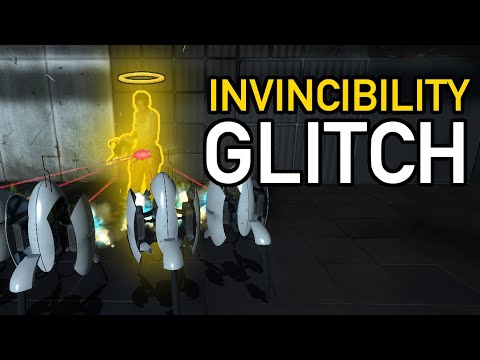
Portal 2 Speedrunners Stumble Upon Accidental Invincibility Glitch

Hey speedrunning fanatics and Portal enthusiasts! Ever dreamt of breaking a game in ways developers never intended? Today, we're diving deep into a truly bizarre and awesome discovery within the beloved chambers of Portal 2. While attempting to shave precious seconds off a cutscene, a dedicated speedrunner accidentally uncovered a powerful invincibility glitch. How can a simple skip lead to god-like status in the Aperture Science testing facilities? Let's break it down.

What Exactly is the Invincibility Glitch?

In the world of speedrun and glitch hunting, finding unintended mechanics can redefine how a game is played. This particular glitch in Portal 2 grants the player temporary, and in some cases, sustained invincibility. This means hazards that would normally spell instant death – crushing pistons, deadly lasers, toxic goo – become mere inconveniences. For speedrunners, whose entire goal is to bypass or mitigate threats as quickly as possible, a true invincibility strategy is the holy grail. It allows for aggressive, risky maneuvers that are normally impossible, potentially shaving huge chunks of time off established records.

The Accidental Discovery: A Cutscene Skip Gone Wild

The magic, or rather the bug, happened during a standard attempt to skip a cutscene. Speedrunners are masters of identifying and exploiting even the smallest opportune moments. In this case, the player was trying to execute a very specific sequence of actions to bypass a narrative sequence and jump straight back into gameplay. The intention was simple: save time. However, the complex interaction of game states, player inputs, and perhaps some poorly timed event triggers during the cutscene skip created a cascade effect. The result? The game failed to properly register the player as vulnerable, effectively granting them a temporary shield against all damage. It’s a classic case of “you’re not supposed to do that!” leading to an unexpected outcome.

It's moments like these that make speedrunning so fascinating. You're pushing the game to its absolute limits, and sometimes, the game pushes back with something completely new.

Impact on the Portal 2 Speedrun Community

The discovery of new glitches, especially those as significant as invincibility, sends ripples through any speedrunning community. For Portal 2, a game with a highly optimized and deeply explored speedrun, finding something like this is monumental. It immediately raises questions: Can this glitch be reliably triggered? Is it applicable to major categories (like any% or 100%)? Does it create new, faster routes? The community will undoubtedly spend countless hours testing, verifying, and attempting to integrate this into optimal strats. It’s a thrilling time for PB chasers and WR hunters, as potential new records become a tangible possibility. This could also reignite interest in older categories or inspire new ones focused on utilizing this powerful glitch.

In my experience, discovering a glitch like this often starts with one runner, but it quickly becomes a collaborative effort. Theorycrafting, sharing footage, and refining the execution are key. It’s a testament to the dedication of the gaming and speedrun communities.

Technical Breakdown: Why Does This Glitch Work?

While a full frame-by-frame analysis would require deep dives into game code, we can speculate on the technical reasons. Games often manage player invulnerability through flags or states. When a player takes damage, the game checks a flag to see if they are currently "vulnerable." If they are, damage is applied, and then often a brief invincibility period follows to prevent rapid deaths from continuous damage. Cutscenes are typically scripted sequences where player control is limited or removed entirely.

It's probable that the specific inputs used to skip the cutscene, combined with the game’s transition out of the scripted event, confused the damage-handling system. Perhaps the player character’s state was incorrectly set during the transition, or the "vulnerable" flag was never properly reset after the cutscene ended. This could leave the player in a permanent "protected" state, even if visually they appear normal. Debugging tools used by runners sometimes reveal these kinds of state errors, showing that the game *thinks* the player is invulnerable, even though no explicit invincibility power-up was collected.

These unintended mechanics are often born from complex interactions within the game's engine. A slight miscalculation in timing or state management can lead to wild results.

Community Reaction and Future Implications

The reaction online has been a mix of awe and excitement. Watching runners navigate previously impossible sections with ease is always a spectacle. Many are speculating about how this might alter established speedrun categories. Will it become a mandatory part of the any% run, or will it be relegated to a separate "glitch% category"? The debate is already heating up on forums and Discord servers.

Furthermore, this discovery highlights the ongoing relevance of Portal 2 within the gaming and speedrun spheres. Even years after its release, players are still finding new ways to interact with its mechanics. This is a fantastic example of the speedrun community’s dedication and ingenuity. For those who love exploring the boundaries of games, this is a golden age. We're seeing similar discoveries in many other titles, proving that there are always more secrets to uncover.

It’s also a great reminder of the power of streaming and sharing gameplay. What might have been a private discovery for one player quickly becomes a shared piece of knowledge thanks to platforms like Twitch and YouTube. This democratization of discovery is what makes following the speedrun scene so engaging.

Playing with Invincibility: Fun or Exploitation?

The question often arises with major glitches: Is it "fun" to play with invincibility? For speedrunners, the answer is generally yes, within the context of their specific goals. Exploiting glitches is a core part of the hobby. It's about understanding the game’s systems so intimately that you can break them. For casual players, however, an invincibility glitch might detract from the intended challenge and puzzle-solving experience.

But let's be honest, who wouldn't want to run through a turret field unscathed just to see what happens? It offers a different kind of engagement with the game – one focused on mastery of unintended mechanics rather than adherence to design. It allows players to experiment and see the game world in a new light, free from the usual constraints.

Portal 2 has a rich history of discovered glitches and skips. Runners have mastered techniques like Out of Bounds (OOB) exploration, precise bunny hops, and sequence breaks that were unthinkable in the early days. For example, early runs might have involved completing entire test chambers as intended, whereas modern speedruns often involve clipping through walls or using physics exploits to bypass large sections of levels. The community has cataloged numerous ways to manipulate the game's physics engine, from rocket jumps (if you could call them that in Portal) to exploiting portal placement on specific surfaces to gain momentum or reach inaccessible areas. This invincibility glitch is just the latest chapter in that ongoing saga of discovery and optimization within the PC gamer community and on consoles like the Xbox and Playstation.

Preguntas Frecuentes

Is this glitch the first major discovery in Portal 2 speedrunning?

No, Portal 2 has a long history of glitch discoveries and optimization. However, a reliable invincibility glitch is a significant find that could drastically alter run strategies.

Can this glitch be used in official speedrun competitions?

It depends on the specific ruleset for the category. Some categories allow major glitches, while others have restrictions. This is something the community will debate and decide.

Is the invincibility glitch hard to perform?

Based on its accidental discovery during a cutscene skip, it might require very specific timing and inputs, potentially making it difficult to execute consistently.

Will this glitch be patched by Valve?

Valve has largely moved on from Portal 2. While it's unlikely to receive official patches, community-made mods might address or incorporate such glitches.

What do you think of this groundbreaking discovery? Have you seen it in action? Share your thoughts and any other cool glitches you've encountered in the comments below! Let's keep the conversation going on our Discord server and celebrate the endless ingenuity of the gaming community!

``` ```json { "@context": "http://schema.org", "@type": "BlogPosting", "headline": "Portal 2 Speedrunners Stumble Upon Accidental Invincibility Glitch", "image": "
", "author": { "@type": "Person", "name": "El Equipo de GamingSpeedrun" }, "publisher": { "@type": "Organization", "name": "GamingSpeedrun.com", "logo": { "@type": "ImageObject", "url": "URL_TO_YOUR_LOGO_IMAGE" } }, "datePublished": "2021-12-30T10:01:00Z", "dateModified": "2021-12-30T10:01:00Z", "description": "Discover how Portal 2 speedrunners accidentally found an invincibility glitch while attempting to skip a cutscene, and its potential impact on the speedrunning world.", "mainEntityOfPage": { "@type": "WebPage", "@id": "CURRENT_POST_URL" } } ``` ```json { "@context": "http://schema.org", "@type": "FAQPage", "mainEntity": [ { "@type": "Question", "name": "Is this glitch the first major discovery in Portal 2 speedrunning?", "acceptedAnswer": { "@type": "Answer", "text": "No, Portal 2 has a long history of glitch discoveries and optimization. However, a reliable invincibility glitch is a significant find that could drastically alter run strategies." } }, { "@type": "Question", "name": "Can this glitch be used in official speedrun competitions?", "acceptedAnswer": { "@type": "Answer", "text": "It depends on the specific ruleset for the category. Some categories allow major glitches, while others have restrictions. This is something the community will debate and decide." } }, { "@type": "Question", "name": "Is the invincibility glitch hard to perform?", "acceptedAnswer": { "@type": "Answer", "text": "Based on its accidental discovery during a cutscene skip, it might require very specific timing and inputs, potentially making it difficult to execute consistently." } }, { "@type": "Question", "name": "Will this glitch be patched by Valve?", "acceptedAnswer": { "@type": "Answer", "text": "Valve has largely moved on from Portal 2. While it's unlikely to receive official patches, community-made mods might address or incorporate such glitches." } } ] }

Portal Speedrunning: The Quest for Glitchless Under 15 Minutes

Ever stared at the clock in Portal, dreaming of shaving precious seconds off your run? The "Glitchless" category is a true test of pure skill, precise execution, and deep game knowledge. For many, the ultimate goal is to break the coveted 15-minute barrier without relying on any unintended game mechanics. It's a monumental challenge that pushes players to their absolute limits.

In this deep dive, we're not just looking at the world record progression; we're dissecting the strategies, the mental fortitude, and the sheer dedication it takes to achieve a sub-15-minute Portal Glitchless run. Whether you're a seasoned speedrunner or just curious about what makes these runs tick, get ready to explore the intricate world of optimized movement and perfect puzzle solutions.

Understanding the Goal: Glitchless Under 15

The "Glitchless" category in Portal speedrunning is precisely what it sounds like: completing the game from start to finish without exploiting any known bugs or unintended mechanics. This means no Wrong Warp, no Arbitrary Code Execution, and certainly no Sequence Break that bypasses core gameplay elements.

The target of under 15 minutes is incredibly demanding. It requires near-perfect execution of every movement, every puzzle solution, and every portal placement. Even a single misplaced portal or a fraction of a second lost in a chamber can mean the difference between a personal best and a failed attempt.

The entity at the heart of this challenge is, of course, Portal itself. The game's unique puzzle mechanics, centered around the Aperture Science Handheld Portal Device, are designed to be mastered, not circumvented. Achieving a sub-15 run is a testament to understanding these mechanics at an almost microscopic level.

Key Strategies and Techniques

To achieve such a blistering pace, speedrunners employ a variety of advanced techniques. These aren't glitches; they are legitimate, albeit highly optimized, ways to move through the game's environments.

  • Precise Portal Placement: This is the absolute cornerstone. Knowing exactly where to place your portals to create momentum, reach platforms quickly, and slingshot yourself across gaps is crucial. Every millisecond counts.
  • Movement Optimization: Runners utilize advanced movement tech like vertical boosts and precise strafe jumps. The goal is to maintain maximum velocity at all times.
  • "Rocket Jumping" Equivalents: While not a traditional rocket jump, players use the momentum gained from falling into portals and landing with a slight jump to achieve greater distances and speeds.
  • Early Aerial Disc Grab: In chambers where you need to grab a disc, finding ways to do so earlier than intended, without glitches, can save significant time.

Consider the iconic "Test Chamber 07." The intended solution involves navigating a series of platforms and laser fields. A speedrunner, however, will look for the fastest possible route, possibly involving a near-instantaneous portal placement to carry momentum and bypass several steps. This requires immense practice and understanding of the game's physics engine.

"The beauty of Glitchless is that it's pure skill. No exploits, just you, the game, and your ability to perfectly execute every single move."

The RNG (Random Number Generator) in Portal is generally quite stable for core mechanics, which is a boon for glitchless runs. This means predictable outcomes, allowing runners to focus on execution rather than hoping for lucky spawns or events.

Weapon and Gear Considerations

In Portal, your primary tool is the Aperture Science Handheld Portal Device. There are no other "weapons" or "gear" in the traditional sense, making the focus entirely on mastering portal mechanics. However, understanding how the game's mechanics interact with your portals is key.

For example, in chambers involving Energy Pellets, a runner will know the exact timing and placement required to redirect them efficiently, often in conjunction with portal placements that speed up the process of moving the pellet or yourself to the receptacle.

The reliance on the Portal Device means that any mistake in its usage, such as a misfired portal, a poorly timed portal, or a portal placed in a suboptimal location, can cost you valuable seconds. This emphasizes the need for muscle memory and deep understanding of how portals behave.

Puzzle Chamber Optimization

Each test chamber presents a unique challenge. For a glitchless run, the strategy isn't about finding a shortcut that breaks the game, but rather the *fastest legitimate path* through the intended mechanics.

  • Chamber 00: Even the first chamber requires efficient movement. A quick portal placement to gain initial momentum and a precise jump can shave off crucial seconds early on.
  • Chamber 05: This chamber often involves using a cube to weigh down a button. Runners will optimize the cube retrieval and placement to minimize travel time.
  • Chamber 17 (Cube Rolling): The infamous cube-rolling puzzle requires precise portals to guide the cube. A practiced runner can do this much faster than the average player.
  • The Boss Fight: While not a traditional boss, the "escape" sequence involves navigating automated turrets and energy fields. Perfect portal timing is essential to get past these obstacles with minimal delay.

The efficiency here comes from knowing the exact number of frames required for certain actions and executing them flawlessly. For instance, a specific portal placement might allow you to Butterflying across a gap faster than a standard jump and portal combo.

The Mental Game and Practice

Achieving a sub-15-minute Portal Glitchless run is as much a mental challenge as a physical one. It requires:

  • Patience: Speedrunning, especially glitchless categories, involves countless hours of practice. You'll fail. A lot. The ability to learn from each failed run and try again is paramount.
  • Focus: In the heat of a run, distractions can be fatal. Maintaining absolute concentration on the game, your portals, and your movement is non-negotiable.
  • Adaptability: While glitchless runs are more predictable, slight variations in physics or player input can occur. Being able to react and adjust on the fly is a hallmark of a great speedrunner.
  • Grit: The journey to a Personal Best (PB) can be long and arduous. Pushing through plateaus and setbacks requires immense dedication and a true love for the game.
"You don't just 'get' a sub-15 glitchless run. You earn it through thousands of attempts, refining every single movement until it's second nature."

Many top runners dedicate months, if not years, to perfecting their runs. Watching top streamers like Msushi, Shizzal, or Dinoz can offer incredible insights into the dedication required.

The pursuit of the World Record (WR) in Portal Glitchless has seen incredible advancements. Initially, runs might have hovered around the 20-minute mark. However, with community discovery of new Speedrunning Strategies and increasingly precise execution, the times have been driven down dramatically.

The introduction of new, highly optimized routes and movement techniques has been the primary driver. For instance, a seemingly minor tweak in how a portal is placed to gain momentum off a Gels surface could save fractions of a second that, over the course of the entire game, add up significantly. This constant refinement is what makes speedrunning so fascinating.

While I don't have real-time data for the absolute latest WR, the trend has been a continuous shaving of time through better understanding of the game's physics and more refined execution. This is a prime example of how Gaming Community efforts can push the boundaries of what's considered possible.

This journey to sub-15 is a testament to the ingenuity and perseverance of the Portal speedrunning community. It's a category that demands perfection and rewards it with exhilarating, lightning-fast gameplay. The continuous discovery of faster, legitimate strats keeps this category alive and exciting for both runners and viewers.

Frequently Asked Questions

What is the primary goal of the Portal Glitchless speedrun category?

The main objective is to complete the entire game of Portal as quickly as possible without using any unintended glitches or exploits, adhering strictly to the game's intended mechanics.

How crucial is movement optimization in a Glitchless run?

It's paramount. Every jump, every portal placement, and every bit of momentum gained from them is meticulously optimized to shave off milliseconds, aiming to achieve a sub-15-minute completion time.

Can I use specific seeds for Glitchless runs?

For Glitchless categories, the standard is usually "Random Seed" (RSG), meaning each run starts with a new, unpredictable game state. However, some categories might allow for "Set Seed" to practice specific routes consistently. For the sub-15-minute goal, precision with random seeds is the ultimate challenge.

What makes a Glitchless run different from other Portal speedrun categories?

Glitchless runs focus purely on mastering the game's intended mechanics, movement physics, and puzzle-solving without any exploits. Other categories, like Any% or specific glitch categories, actively utilize game-breaking mechanics to skip large portions of the game.

How much practice is typically required to achieve a sub-15-minute Glitchless run?

It varies greatly depending on the individual, but it typically involves hundreds to thousands of hours of dedicated practice, learning precise strategies, and perfecting execution.

The pursuit of that sub-15-minute Glitchless run in Portal is a journey of dedication, precision, and an unwavering love for the game. It’s a category that highlights the pure skill ceiling of mastering intended mechanics. The constant evolution of strategies, the shared knowledge within the Speedrunning Community, and the sheer determination of the runners are what make this endeavor so captivating.

What are your favorite moments from Portal speedruns? Have you ever attempted a glitchless run yourself? Share your thoughts, strategies, or even your own PBs in the comments below! We're always eager to hear from our fellow gamers. Join the GamingCommunity discussion on our forums!