Mastering the OXY & ARGON Titan Rockets: A Speedrunner's Guide to the War Robots Test Server WR

Welcome, fellow speed demons and War Robots enthusiasts! If you're anything like me, the thrill of shaving off milliseconds, discovering new strats, and pushing the boundaries of what's possible in a game is what keeps you glued to your screen. Today, we're diving headfirst into something that's causing a serious buzz in the community: the groundbreaking performance of the new OXY & ARGON Titan Rockets on the War Robots Test Server, captured in a recent World Record run. Let's break down what makes these weapons so revolutionary and how they're impacting the speedrun scene.

The OXY & ARGON Revolution

In the fast-paced world of War Robots, staying ahead means constantly adapting to new hardware and gaming meta. The introduction of the OXY and ARGON Titan Rockets is more than just an update; it's a paradigm shift. For those of us who live and breathe speedrunning, these new Titans aren't just tools – they're potential game-changers, opening up entirely new avenues for optimization and pushing the limits of what we thought was achievable. I've spent countless hours dissecting gameplay, and trust me, the potential here is immense.

Unpacking the OXY Titan Rocket

Let's talk specifics. The OXY Titan Rocket, in my experience, is all about agility and battlefield control. Its primary draw is the incredible speed boost it offers. Imagine this: you're pinned down, enemies closing in, and suddenly you activate the OXY. It’s not just a slight increase; it’s a significant surge that allows you to reposition, flank, or even make a daring escape. This enhanced mobility is crucial for speedrunners who need to navigate complex maps efficiently, bypass enemy choke points, and reach objectives faster than ever before.

  • Key Feature: Speed Boost - Provides a significant, short-duration burst of movement speed.
  • Tactical Advantage: Repositioning - Allows for rapid changes in position to evade fire or set up ambushes.
  • Speedrun Relevance: Map Traversal - Dramatically reduces travel time between points of interest on the map.

Unpacking the ARGON Titan Rocket

If the OXY is about speed, the ARGON is the brute force counterpart. This variant focuses on raw destructive power. Its increased damage output and wider explosion radius are designed to decimate enemy formations. For a speedrunner, this translates into clearing obstacles or hostile groups more efficiently. Think about those levels where you have to fight through waves of enemies – the ARGON can potentially shorten these encounters dramatically, saving precious seconds. The splash damage is no joke; it can clear out multiple targets simultaneously, which is a huge boon for maintaining momentum.

The ARGON's ability to clear groups of enemies quickly is a game-changer for objective-based runs where time is of the essence.
  • Key Feature: Increased Damage & AoE - Deals more damage and has a larger blast radius than standard weaponry.
  • Tactical Advantage: Crowd Control - Ideal for taking out multiple enemies at once.
  • Speedrun Relevance: Encounter Clearing - Significantly reduces time spent in combat against groups.

Impact on Speedrunning: New Strats and Skips

The implications of these new Titans for speedrunning are profound. We're talking about potentially entirely new routes and glitches that leverage the unique properties of OXY and ARGON. For instance, the OXY's speed boost might enable players to reach previously inaccessible areas, creating shortcuts or 'skips' that shave significant time off runs. I've seen some early attempts in community discussions that hint at using the OXY's momentum to "rocket jump" or bypass certain environmental hazards. Similarly, the ARGON's area-of-effect damage could be used to trigger environmental effects or destroy key structures faster, opening up different tactical approaches. The RNG factor in enemy placement becomes less of a hurdle when you can clear threats so rapidly.

Analyzing the WR Gameplay

Witnessing the recent World Record run featuring the OXY & ARGON Titans was nothing short of spectacular. The player masterfully integrated the OXY's speed boost to navigate the map with breathtaking efficiency, cutting corners and reaching objectives at an unprecedented pace. There was a particular moment where they used the OXY to evade a devastating attack, a move that would have been impossible with older loadouts. Then came the ARGON – deployed strategically to obliterate a heavily fortified position, clearing the path forward in seconds. This wasn't just about having powerful weapons; it was about the execution, the precise timing of abilities, and the intelligent application of these new tools to optimize every second. The record wasn't just set; it was shattered.

The synergy between the OXY's mobility and the ARGON's firepower was the defining characteristic of this WR run.

Customization: Tailoring Your Titan

One of the most exciting aspects, especially for min-maxers and speedrunners, is the customization potential. The ability to fine-tune your loadout means you can adapt the OXY & ARGON Titans to your specific playstyle and the demands of a particular speedrun category. Whether you prioritize sustained speed, burst acceleration, wider blast radius, or concentrated damage, the options appear extensive. Experimenting with different ammo types and weapon modifications will be key to unlocking peak performance. In my runs, I'll be looking at mods that enhance the duration of the OXY's speed boost or further increase the ARGON's splash damage.

Getting Your Hands on Them

For those eager to experience this power firsthand, the OXY & ARGON Titan Rockets are currently accessible on the War Robots Test Server. This is your chance to get ahead of the curve, practice with these game-changing weapons, and contribute valuable feedback to the developers before their official global release. Hopping onto the test server is essential for anyone serious about competing at the highest level or simply wanting to understand the new meta. Don't miss out on the opportunity to be among the first to master these incredible new additions.

Frequently Asked Questions

Q1: Are the OXY & ARGON Titans available in the main game yet?

A1: Currently, they are only available on the War Robots Test Server. Their global release date is yet to be announced, but access on the test server allows players to try them out beforehand.

Q2: How significantly do these weapons impact speedrun times?

A2: Early analysis and the recent WR suggest a substantial impact. The OXY's speed boost can enable new routes and skips, while the ARGON's firepower can shorten combat encounters, potentially shaving minutes off previous records.

Q3: What makes the OXY different from the ARGON?

A3: The OXY primarily offers a significant speed boost for mobility and repositioning, whereas the ARGON focuses on high damage output with a large area of effect to clear multiple enemies.

Q4: Can I use these weapons in competitive matchmaking yet?

A4: No, not until they are officially released from the test server into the main game. The test server is for trial and feedback purposes.

Conclusion: The Future of Speedrunning is Here

The OXY & ARGON Titan Rockets represent a thrilling evolution in War Robots. For the speedrunning community, they offer a tantalizing glimpse into the future, packed with potential for groundbreaking records and innovative strategies. Mastering their unique capabilities on the test server is crucial for staying at the forefront. I, for one, am incredibly excited to see how the community pushes these weapons to their absolute limits. Keep practicing, keep experimenting, and keep those PB (World Record) attempts coming!

What are your thoughts on the OXY & ARGON Titans? Have you tried them on the test server? Share your fastest times, craziest strategies, or any potential glitches you've discovered in the comments below! Join our Discord channel to discuss all things speedrunning and War Robots.
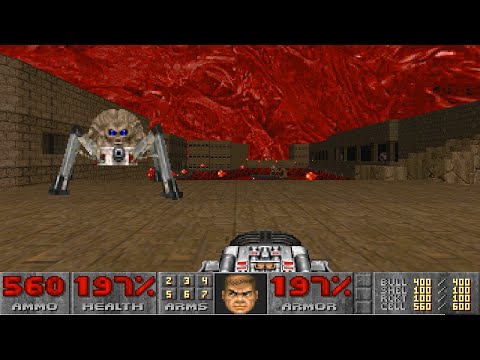
Final Doom: Plutonia Experiment Nightmare! Speedrun Shatters Records in 34:28

Hey there, fellow Doom enthusiasts and speedrun fanatics! You've landed on GamingSpeedrun.com because you're hungry for that adrenaline rush, that perfect sequence of pixel-perfect movements and strategic monster management that defines the ultimate speedrun. Today, we're diving deep into the fiery depths of Final Doom: The Plutonia Experiment, specifically a jaw-dropping Nightmare! category run by the legendary Zero-Master that clocked in at an unbelievable 34 minutes and 28 seconds. Forget your casual playthroughs; this is high-octane gaming at its absolute finest.

Introduction: The Plutonia Nightmare Unveiled

When you think of speedrunning some of the hardest Doom WADs out there, Final Doom: The Plutonia Experiment on Nightmare! difficulty is often mentioned in hushed, fearful tones. It's a brutal test of skill, patience, and pure gaming grit. So, when Zero-Master dropped a new World Record (WR) of 34:28, it sent ripples through the community. This wasn't just a minor improvement; it was a massive leap forward, proving that even the most daunting challenges can be overcome with dedication and a mastery of the game's mechanics. This run is a masterclass in Doom speedrunning, showcasing incredible route optimization and flawless execution.

Run Details: The Anatomy of a Record

Let's break down the core stats of this incredible feat. This run was published on October 29, 2020, pushing the boundaries of what was thought possible for this notoriously difficult WAD.

  • Runner: Zero-Master
  • Date: 2020-10-29
  • IWAD: Plutonia.wad
  • Category: NM-Speed (Nightmare! Speedrun)
  • Map Progression: D2All (Maps 1-30)
  • Source Port: Crispy Doom v5.9.2
  • Total Time: 34:28

The improvement over the previous record, held by S6kana, was a staggering 3 minutes and 32 seconds. Considering the razor-thin margins in most speedruns, this is monumental. Even more impressively, it was nearly 10 minutes faster than Zero-Master's own previous best run. This speaks volumes about the dedication to route refinement and skill development.

Map-by-Map Breakdown: Strategies and Close Calls

What makes this run so fascinating are the specific strategies employed on each map and the moments where disaster could have struck. Zero-Master provides some insightful commentary on the challenges and triumphs within each level.

Map 01: A Welcoming Warm-up?

The opening map often sets the tone. For Plutonia, even Map 01 can be tricky on Nightmare!. Zero-Master notes a smart strat from S6kana: instead of dealing with a single Mancubus head-on, using the chaingun to "painstate" the second one significantly eases the start. This allows for a quicker exit and conserves precious health and ammo.

Map 04: Navigating the Cacodemon's Lair

Map 04 presents a unique challenge. Zero-Master explains a crucial maneuver: moving backward off the starting platform to avoid agitating a Cacodemon that's positioned in an acid pit. This Cacodemon needs to be dealt with if it teleports out, so avoiding unnecessary engagement here is key. Precision is paramount to hitting the switch without being caught off guard by stray fire.

Map 07: The Arachnotron Enigma

Some levels, like Map 07, offer less defined strats due to enemy unpredictability. Zero-Master admits to not having a solid plan for the Arachnotrons after crossing a gap, highlighting the inherent risk and reliance on adaptation in speedrunning.

Map 10: Arming Up for Survival

Map 10 is particularly dangerous because the armor acquired here is vital for Map 12. The strategy involves clearing out some Chaingunners and executing a quick linedef skip on the Revenant closet. The tension is palpable as the runner hopes to avoid Cacodemon fire while securing essential gear.

The need for that armor in Map 10 makes it a high-stakes gamble. One bad hit and the entire run could be compromised before you even reach the next critical stage.

Map 16: A Near-Disastrous Start

The start of Map 16 was, by Zero-Master's own admission, "a real mess." Uncertainty about the number and position of Shotgunners led to a near-fatal encounter when going for a linedef skip. Surviving that initial onslaught was a testament to quick reflexes and a bit of luck.

Map 18: Calculated Risks and Hitscanner Havoc

Map 18 offered a suboptimal start, with Zero-Master preferring to get a Shotgunner to teleport in first for potential infighting with an Imp. The close call came from an Imp while trying to dodge hitscanner fire. Failing to secure the MegaSphere here would have been fatal. The exit Arch-Vile jump, however, proved relatively straightforward.

Map 20: Baron of Hell's Unfortunate Positioning

In Map 20, the second Baron of Hell's movement out of a corridor took an agonizingly long time. Coupled with their unfavorable positioning, Zero-Master had to rely on sheer health reserves to survive. This map exemplifies how enemy AI and placement can drastically impact a run.

Map 22: The Linedef Skip and Spectre Scares

A different setup for the linedef skip on the red key trap, believed to be by JCD, made things a bit easier. However, the yellow key section poses a significant threat. Getting blocked by Spectres on the lowering bridge is a potential disaster, likely leading to a run-ending death.

Map 23: Navigating the 50/50 and BFG Drops

Map 23 has historically been a struggle, often described as a "50/50" level. Recent routing changes, possibly by S6kana, have significantly improved the approach. Starting by grabbing the blue key first (thanks to health from Map 22) is a major advantage. Dropping onto the platform near the yellow key switch with the BFG and executing a glide after clearing monsters near the red key gap are now key strategies for conserving health.

The routing improvements on Map 23 are a perfect example of how the speedrunning community constantly innovates, turning nightmare maps into manageable challenges through clever optimization and shared knowledge.

Map 24: The Arch-Vile Jump Gambit

Map 24 is relatively simple if the Arch-Vile jump is executed correctly. The main risk? Expecting the Arch-Vile to hit you, only for it to be killed by something else, causing the jump to fail. An alternative involves activating the bridge, but this allows the Arch-Vile to advance, potentially causing problems later.

Map 25: Megasphere Mania

Despite heavy initial damage, the plan for Map 25 was always clear: grab the MegaSphere and clear the room swiftly. The rocket jump required is considered easy, making this a relatively smooth segment if executed correctly.

Map 26: Pain Elemental Peril

Zero-Master expresses surprise at nearly dying to Pain Elementals on Map 26, despite having sufficient health. This serves as a stark reminder that even with a health advantage, the sheer number and threat of enemies on Nightmare! difficulty can be overwhelming.

It's moments like these on Map 26 that truly highlight the pressure of a speedrun. Even with a comfortable health buffer, the relentless assault can create unexpected peril.

Map 30: The Cyberdemon Showdown

The final map, Map 30, often involves strategies to weaken the Cyberdemon before engaging it directly. The idea is to prevent it from having a window to respawn after being damaged from below. This final encounter demands precision and a deep understanding of enemy behavior.

The Legacy of the Run and Future Potential

Zero-Master's run is more than just a time on a screen; it's a testament to the enduring appeal of Doom and the incredible dedication of its speedrunning community. The fact that this run was achieved with Crispy Doom, a modern-source port, shows how far gaming technology and technique have evolved.

When asked about how low the time could go, Zero-Master admits, "No idea." This leaves the door wide open for future attempts and innovations. Could we see this time drop even further? With the Plutonia WAD's notorious difficulty, any further improvement will require near-perfect execution and potentially groundbreaking new strategies. It's exciting to think about what the future holds for this classic map set.

For those interested in cooperative runs, Zero-Master mentions that JCD and S6kana might attempt a co-op playthrough on Nightmare!. You can find their previous Nightmare! record and UV co-op record on S6kana's YouTube channel.

The pursuit of perfection in speedrunning never truly ends. Each record broken simply sets a new benchmark, inspiring the next generation of players to push the limits.

Frequently Asked Questions

Q1: What makes The Plutonia Experiment so difficult on Nightmare! difficulty?
A1: Nightmare! difficulty significantly increases enemy damage, speed, and aggression, while also restricting saves. Plutonia itself features extremely challenging map design, traps, and enemy placements, making it one of the hardest official Doom WADs.

Q2: What is a "linedef skip" in Doom speedrunning?
A2: A linedef skip is a glitch or exploit where a player manipulates game physics or triggers to bypass a section of a map by passing through a specific trigger line (linedef) that wasn't intended to be crossed in that manner.

Q3: Why is the armor in Map 10 so important?
A3: The armor acquired in Map 10 is crucial for surviving the increased damage output from enemies in subsequent maps, particularly Map 12, which is known for its intense combat scenarios. Having that extra protection is vital for maintaining run viability.

Q4: Can this run be replicated on other source ports?
A4: While the core strategies are transferable, specific glitches and exploits like linedef skips can sometimes behave differently or be impossible in different source ports due to variations in engine emulation. Crispy Doom is known for its compatibility and faithfulness to original Doom behavior.

This incredible speedrun by Zero-Master is a milestone for Final Doom: The Plutonia Experiment. It showcases the pinnacle of skill, dedication, and strategic thinking in the gaming world. We encourage you to watch the run, study the strats, and maybe even try to beat your own personal bests! What are your thoughts on this record-breaking run? Did any specific map strategy surprise you? Let us know in the comments below or join the discussion on our GamingSpeedrun Discord server!

``` ```json { "@context": "https://schema.org", "@type": "FAQPage", "mainEntity": [ { "@type": "Question", "name": "What makes The Plutonia Experiment so difficult on Nightmare! difficulty?", "acceptedAnswer": { "@type": "Answer", "text": "Nightmare! difficulty significantly increases enemy damage, speed, and aggression, while also restricting saves. Plutonia itself features extremely challenging map design, traps, and enemy placements, making it one of the hardest official Doom WADs." } }, { "@type": "Question", "name": "What is a \"linedef skip\" in Doom speedrunning?", "acceptedAnswer": { "@type": "Answer", "text": "A linedef skip is a glitch or exploit where a player manipulates game physics or triggers to bypass a section of a map by passing through a specific trigger line (linedef) that wasn't intended to be crossed in that manner." } }, { "@type": "Question", "name": "Why is the armor in Map 10 so important?", "acceptedAnswer": { "@type": "Answer", "text": "The armor acquired in Map 10 is crucial for surviving the increased damage output from enemies in subsequent maps, particularly Map 12, which is known for its intense combat scenarios. Having that extra protection is vital for maintaining run viability." } }, { "@type": "Question", "name": "Can this run be replicated on other source ports?", "acceptedAnswer": { "@type": "Answer", "text": "While the core strategies are transferable, specific glitches and exploits like linedef skips can sometimes behave differently or be impossible in different source ports due to variations in engine emulation. Crispy Doom is known for its compatibility and faithfulness to original Doom behavior." } } ] }

Portal Speedrunning: The Quest for Glitchless Under 15 Minutes

Ever stared at the clock in Portal, dreaming of shaving precious seconds off your run? The "Glitchless" category is a true test of pure skill, precise execution, and deep game knowledge. For many, the ultimate goal is to break the coveted 15-minute barrier without relying on any unintended game mechanics. It's a monumental challenge that pushes players to their absolute limits.

In this deep dive, we're not just looking at the world record progression; we're dissecting the strategies, the mental fortitude, and the sheer dedication it takes to achieve a sub-15-minute Portal Glitchless run. Whether you're a seasoned speedrunner or just curious about what makes these runs tick, get ready to explore the intricate world of optimized movement and perfect puzzle solutions.

Understanding the Goal: Glitchless Under 15

The "Glitchless" category in Portal speedrunning is precisely what it sounds like: completing the game from start to finish without exploiting any known bugs or unintended mechanics. This means no Wrong Warp, no Arbitrary Code Execution, and certainly no Sequence Break that bypasses core gameplay elements.

The target of under 15 minutes is incredibly demanding. It requires near-perfect execution of every movement, every puzzle solution, and every portal placement. Even a single misplaced portal or a fraction of a second lost in a chamber can mean the difference between a personal best and a failed attempt.

The entity at the heart of this challenge is, of course, Portal itself. The game's unique puzzle mechanics, centered around the Aperture Science Handheld Portal Device, are designed to be mastered, not circumvented. Achieving a sub-15 run is a testament to understanding these mechanics at an almost microscopic level.

Key Strategies and Techniques

To achieve such a blistering pace, speedrunners employ a variety of advanced techniques. These aren't glitches; they are legitimate, albeit highly optimized, ways to move through the game's environments.

  • Precise Portal Placement: This is the absolute cornerstone. Knowing exactly where to place your portals to create momentum, reach platforms quickly, and slingshot yourself across gaps is crucial. Every millisecond counts.
  • Movement Optimization: Runners utilize advanced movement tech like vertical boosts and precise strafe jumps. The goal is to maintain maximum velocity at all times.
  • "Rocket Jumping" Equivalents: While not a traditional rocket jump, players use the momentum gained from falling into portals and landing with a slight jump to achieve greater distances and speeds.
  • Early Aerial Disc Grab: In chambers where you need to grab a disc, finding ways to do so earlier than intended, without glitches, can save significant time.

Consider the iconic "Test Chamber 07." The intended solution involves navigating a series of platforms and laser fields. A speedrunner, however, will look for the fastest possible route, possibly involving a near-instantaneous portal placement to carry momentum and bypass several steps. This requires immense practice and understanding of the game's physics engine.

"The beauty of Glitchless is that it's pure skill. No exploits, just you, the game, and your ability to perfectly execute every single move."

The RNG (Random Number Generator) in Portal is generally quite stable for core mechanics, which is a boon for glitchless runs. This means predictable outcomes, allowing runners to focus on execution rather than hoping for lucky spawns or events.

Weapon and Gear Considerations

In Portal, your primary tool is the Aperture Science Handheld Portal Device. There are no other "weapons" or "gear" in the traditional sense, making the focus entirely on mastering portal mechanics. However, understanding how the game's mechanics interact with your portals is key.

For example, in chambers involving Energy Pellets, a runner will know the exact timing and placement required to redirect them efficiently, often in conjunction with portal placements that speed up the process of moving the pellet or yourself to the receptacle.

The reliance on the Portal Device means that any mistake in its usage, such as a misfired portal, a poorly timed portal, or a portal placed in a suboptimal location, can cost you valuable seconds. This emphasizes the need for muscle memory and deep understanding of how portals behave.

Puzzle Chamber Optimization

Each test chamber presents a unique challenge. For a glitchless run, the strategy isn't about finding a shortcut that breaks the game, but rather the *fastest legitimate path* through the intended mechanics.

  • Chamber 00: Even the first chamber requires efficient movement. A quick portal placement to gain initial momentum and a precise jump can shave off crucial seconds early on.
  • Chamber 05: This chamber often involves using a cube to weigh down a button. Runners will optimize the cube retrieval and placement to minimize travel time.
  • Chamber 17 (Cube Rolling): The infamous cube-rolling puzzle requires precise portals to guide the cube. A practiced runner can do this much faster than the average player.
  • The Boss Fight: While not a traditional boss, the "escape" sequence involves navigating automated turrets and energy fields. Perfect portal timing is essential to get past these obstacles with minimal delay.

The efficiency here comes from knowing the exact number of frames required for certain actions and executing them flawlessly. For instance, a specific portal placement might allow you to Butterflying across a gap faster than a standard jump and portal combo.

The Mental Game and Practice

Achieving a sub-15-minute Portal Glitchless run is as much a mental challenge as a physical one. It requires:

  • Patience: Speedrunning, especially glitchless categories, involves countless hours of practice. You'll fail. A lot. The ability to learn from each failed run and try again is paramount.
  • Focus: In the heat of a run, distractions can be fatal. Maintaining absolute concentration on the game, your portals, and your movement is non-negotiable.
  • Adaptability: While glitchless runs are more predictable, slight variations in physics or player input can occur. Being able to react and adjust on the fly is a hallmark of a great speedrunner.
  • Grit: The journey to a Personal Best (PB) can be long and arduous. Pushing through plateaus and setbacks requires immense dedication and a true love for the game.
"You don't just 'get' a sub-15 glitchless run. You earn it through thousands of attempts, refining every single movement until it's second nature."

Many top runners dedicate months, if not years, to perfecting their runs. Watching top streamers like Msushi, Shizzal, or Dinoz can offer incredible insights into the dedication required.

The pursuit of the World Record (WR) in Portal Glitchless has seen incredible advancements. Initially, runs might have hovered around the 20-minute mark. However, with community discovery of new Speedrunning Strategies and increasingly precise execution, the times have been driven down dramatically.

The introduction of new, highly optimized routes and movement techniques has been the primary driver. For instance, a seemingly minor tweak in how a portal is placed to gain momentum off a Gels surface could save fractions of a second that, over the course of the entire game, add up significantly. This constant refinement is what makes speedrunning so fascinating.

While I don't have real-time data for the absolute latest WR, the trend has been a continuous shaving of time through better understanding of the game's physics and more refined execution. This is a prime example of how Gaming Community efforts can push the boundaries of what's considered possible.

This journey to sub-15 is a testament to the ingenuity and perseverance of the Portal speedrunning community. It's a category that demands perfection and rewards it with exhilarating, lightning-fast gameplay. The continuous discovery of faster, legitimate strats keeps this category alive and exciting for both runners and viewers.

Frequently Asked Questions

What is the primary goal of the Portal Glitchless speedrun category?

The main objective is to complete the entire game of Portal as quickly as possible without using any unintended glitches or exploits, adhering strictly to the game's intended mechanics.

How crucial is movement optimization in a Glitchless run?

It's paramount. Every jump, every portal placement, and every bit of momentum gained from them is meticulously optimized to shave off milliseconds, aiming to achieve a sub-15-minute completion time.

Can I use specific seeds for Glitchless runs?

For Glitchless categories, the standard is usually "Random Seed" (RSG), meaning each run starts with a new, unpredictable game state. However, some categories might allow for "Set Seed" to practice specific routes consistently. For the sub-15-minute goal, precision with random seeds is the ultimate challenge.

What makes a Glitchless run different from other Portal speedrun categories?

Glitchless runs focus purely on mastering the game's intended mechanics, movement physics, and puzzle-solving without any exploits. Other categories, like Any% or specific glitch categories, actively utilize game-breaking mechanics to skip large portions of the game.

How much practice is typically required to achieve a sub-15-minute Glitchless run?

It varies greatly depending on the individual, but it typically involves hundreds to thousands of hours of dedicated practice, learning precise strategies, and perfecting execution.

The pursuit of that sub-15-minute Glitchless run in Portal is a journey of dedication, precision, and an unwavering love for the game. It’s a category that highlights the pure skill ceiling of mastering intended mechanics. The constant evolution of strategies, the shared knowledge within the Speedrunning Community, and the sheer determination of the runners are what make this endeavor so captivating.

What are your favorite moments from Portal speedruns? Have you ever attempted a glitchless run yourself? Share your thoughts, strategies, or even your own PBs in the comments below! We're always eager to hear from our fellow gamers. Join the GamingCommunity discussion on our forums!

Mastering Resident Evil 4 Remake: Your Ultimate Speedrunning & Veteran Gameplay Guide

Resident Evil 4 Remake isn't just a game; it's a masterclass in tension, combat, and strategic survival. Whether you're a seasoned speedrunner looking to shave off precious seconds or a veteran player aiming for that flawless Veteran run, you've landed in the right place. Forget those basic walkthroughs; we're diving deep into the trenches of this iconic title, dissecting every mechanic, glitch, and strat. Get ready to transform your gameplay from hesitant survivor to a force of nature that Leon S. Kennedy himself would be proud of.

Introduction: The Essence of RE4 Remake

Resident Evil 4, in its reimagined form, takes the beloved core of the original and injects it with modern polish, visceral combat, and an even deeper sense of dread. As a speedrun enthusiast, I've spent countless hours dissecting its code, finding the optimal path, and perfecting the execution. For the gaming veterans among you, this remake offers a familiar yet refreshingly challenging experience. Our mission here is to equip you with the knowledge to not just play, but to conquer Resident Evil 4 Remake, whether you aim for a blistering world record or a methodical survival on the highest difficulty.

Leon's Grueling Journey: Story & Setting

The narrative thrusts you back into the boots of U.S. agent Leon S. Kennedy, tasked with a grim mission: rescue the President's daughter, Ashley Graham, from a mysterious cult known as Los Iluminados. This isn't your typical rescue op. You'll find yourself deep in a remote European village, a place steeped in dark rituals and overrun by a parasitic infection that turns its inhabitants into relentless, chainsaw-wielding maniacs. The atmosphere is thick with foreboding, a perfect canvas for the intense action that defines this world record contender. Every step Leon takes is a gamble, every corner could hide a gruesome surprise.

Mastering the Arsenal: Combat and Survival

The combat in RE4 Remake is a brutal ballet of resource management and aggressive engagement. Unlike its predecessors, RE4 Remake emphasizes a more dynamic combat system where stunning enemies and utilizing the environment are key. * **Weapon Management**: Your inventory is finite. Prioritize which weapons to upgrade and carry. The starting handgun is surprisingly effective with upgrades, but a shotgun or rifle becomes essential for crowd control and dealing with tougher foes. * **Melee System**: The kick and suplex moves are crucial. Stunning a Ganado with a well-aimed shot to the head or leg opens them up for a devastating melee attack, which not only deals significant damage but can also knock down nearby enemies, creating breathing room. * **Resourcefulness**: Ammo conservation is paramount. Crafting ammo and health items using the attaché case system is vital. Don't be afraid to use explosive barrels or environmental hazards to your advantage.

Hordes and Horrors: Understanding the Ganados

The primary antagonists, the Ganados, are far more than mere fodder. Each variant requires a slightly different approach. * **Standard Ganados**: These villagers are your bread and butter. Headshots are your friend, but beware of their tenacity. * **Brutes (El Gigante, Garrador, etc.)**: These are mini-boss encounters within the standard gameplay. Focus on weak points and exploit any openings. * **Chainsaw Maniacs (Dr. Salvador)**: These are your immediate threats. Their chilling laughter signals imminent danger. Maintain distance, use your shotgun, and always be ready to dodge.
In my experience, the shotgun is non-negotiable for dealing with multiple enemies, especially when facing a chainsaw-wielding maniac. A quick blast to the face can interrupt their charge and give you precious seconds to reposition.

The Apex Predators: Boss Battle Strategies

Resident Evil 4 Remake's boss battles are legendary for a reason. They are intense, multi-phased encounters that test your mastery of the game's mechanics. * **El Gigante**: Weak spots are the eyes. Use the knife for quick damage during its enraged state or powerful firearms when it's vulnerable. * **Verdugo**: This fast-moving foe requires constant movement and precise aiming. Utilize the environment, especially the freezing mechanism in the sewers, to gain the upper hand. * **Salazar**: A grotesque puppet master, Salazar himself is vulnerable after his monstrous form, "Super Salazar," is exposed. Keep an eye on his tentacles and his projectiles.

The Speedrunner's Edge: Exploiting the Engine

For those chasing speedrun glory, RE4 Remake is a playground of emergent techniques and precise execution. * **Movement Optimization**: Learning the fastest routes, incorporating knife dashes, and mastering the quick-turn are foundational. Every second counts. * **Glitch Exploitation**: While the remake is more stable than the original, certain sequence breaks or unintended interactions can still shave time. Researching current world record runs on speedrun.com is essential. * **Enemy Manipulation**: Luring enemies into specific positions for multi-kills with grenades or shotgun blasts can save time compared to fighting them individually. Understanding aggro mechanics is key.
The infamous "rocket jump" or similar movement tech might not be as prevalent as in the original, but finding these tiny optimizations in enemy AI or environmental triggers is what separates a good run from a great one.

Veteran Difficulty: Pushing Your Limits

Veteran difficulty is where Resident Evil 4 Remake truly bites back. Every enemy encounter becomes a life-or-death struggle. * **Aggressive Playstyle**: Survival is often achieved through calculated aggression. Don't let enemies surround you; push forward, stagger enemies, and use melee attacks to create space. * **Ammo Scarcity**: Every bullet matters. Utilize the bolt-action rifle for precise headshots and the TMP for quick bursts when absolutely necessary. * **Stealth and Avoidance**: Sometimes, the best strategy is not to fight. Learn which encounters can be bypassed or minimized.

Beyond the Main Path: Side Missions and Collectibles

While speedrunners often focus purely on the main story, the side content in RE4 Remake offers valuable rewards and adds depth. * **Merchant Requests**: These often involve hunting specific enemies or retrieving items, rewarding you with Spinels used to trade for powerful upgrades and exclusive items. * **Treasures**: Collecting treasures and combining them with specific jewels can yield significant cash, crucial for upgrading weapons and acquiring powerful gear like the Infinite Rocket Launcher (for subsequent playthroughs).

Frequently Asked Questions

What is the fastest way to get rich in Resident Evil 4 Remake?

The most efficient way to earn cash is by completing Merchant Requests and meticulously hunting down treasures. Combining treasures with the correct jewels can exponentially increase their sell value. For subsequent runs, acquiring the Infinite Rocket Launcher drastically speeds up combat and resource collection.

Is Resident Evil 4 Remake harder than the original?

The remake introduces more complex enemy AI, a refined combat system, and enhanced survival horror elements, which can make it feel more challenging, especially on higher difficulties like Veteran. However, the addition of crafting and a more robust melee system offers new strategic options.

What are the best weapons for a speedrun?

Typically, speedrunners prioritize weapons with high DPS and ammo efficiency. The Riot Gun and Stingray rifle are often favored for their versatility, alongside the Red9 handgun for its stopping power when fully upgraded. The Infinite Rocket Launcher is a staple for any Any% or similar categories.

How do I deal with the Regenerators/Iron Maidens?

These enemies require targeting their weak points: the glowing implants. Using the Thermal Scope attachment for the rifle is the most effective way to locate these implants. Aim carefully and unload your highest-damage weapons on them.

Is there a NG+ mode in Resident Evil 4 Remake?

Yes, after completing the game, you unlock a New Game Plus mode. This allows you to carry over all weapons, treasures, and upgrades into a subsequent playthrough, making higher difficulties more manageable and enabling you to experiment with different strategies and weapon loadouts.

Conclusion and Community Call

Resident Evil 4 Remake is a masterfully crafted experience that rewards dedication and strategic thinking. Whether you're a speedrunner honing your craft or a veteran player seeking the ultimate challenge, the journey through this cursed village is unforgettable. We’ve only scratched the surface of the deep strategies and secrets this game holds. Now it's your turn! What are your favorite strats? Have you discovered any unique glitches or time-saving tricks? Share your experiences and tips in the comments below! Join our Discord community to connect with fellow speedrunners and gamers, share your runs, and discuss the latest in gaming news. Your insights could be the key for someone else's next world record!

MADZI & Lianju - Speedrun (Extended Mix): The Ultimate Gamer's Guide to Dominating

Alright, fellow gamers and aspiring speed demons! You've landed on GamingSpeedrun.com, your ultimate hub for all things lightning-fast in the gaming universe. Today, we're diving headfirst into the electrifying world of "MADZI & Lianju - Speedrun (Extended Mix)." If you're here, you're itching to shave off those precious seconds and claim your spot on the leaderboards. We're talking glitches, skips, insane strats, and the pure, unadulterated thrill of beating the game before it even knows what hit it. Get ready, because this guide is packed with the knowledge you need to master this game.

What is Speedrunning?

For the uninitiated, speedrunning is more than just finishing a game quickly; it's an art form. It's about pushing the boundaries of what's possible within a game's engine, often discovering intricate mechanics and sequences that the developers themselves might not have anticipated. We're talking about frame-perfect inputs, out-of-bounds tricks, and strats that make the game's intended progression look like a leisurely stroll.

The thrill comes from the immense skill ceiling, the constant innovation from the community, and the sheer satisfaction of executing a perfect run. It's a subculture within gaming that thrives on competition, collaboration, and an obsessive dedication to optimization. Whether it's a classic retro title or a brand-new release, if it has a timer, you can bet someone is trying to break it.

Exploring "MADZI & Lianju - Speedrun (Extended Mix)"

Now, let's get down to the nitty-gritty of "MADZI & Lianju - Speedrun (Extended Mix)". This title has truly captured the attention of the speedrunning community, and for good reason. Its blend of high-octane action, challenging platforming, and a killer soundtrack creates an almost perfect canvas for speedrunning.

The core gameplay loop is designed to be fast, demanding, and incredibly rewarding when you nail it. From the moment you start, you're in a race against the clock. Every jump, every dash, every power-up collected is a potential time-saver or a costly mistake.

In my experience, "MADZI & Lianju - Speedrun (Extended Mix)" offers a unique challenge. The levels are designed with speed in mind, but they also hide secrets that only the most dedicated runners will find.

We'll be breaking down the essential elements that make this game a speedrunner's dream, from the most basic controls to the most advanced glitches that can save you vital seconds.

Mastering the Controls

Let's be real: you can't speedrun anything if you don't have a vice-like grip on the controls. For "MADZI & Lianju - Speedrun (Extended Mix)", this means internalizing every button press, every analog stick movement, and every combination. Precision is paramount.

  • Movement: Get comfortable with the character's base speed, acceleration, and deceleration. Knowing exactly how long it takes to reach top speed is crucial for planning short bursts of movement.
  • Jumping: Understand jump height, air control, and the nuances of short hops versus full jumps. Can you cancel a jump animation? Can you initiate a dash immediately after landing? These details add up.
  • Dashing/Special Abilities: If there's a dash mechanic, a special attack, or a unique movement ability, that's your bread and butter. Practice chaining these abilities together seamlessly. Mastering the timing of a dash to gain maximum momentum after a jump can be a game-changer.

Spend time in training modes or early levels just moving. Forget about the objective for a bit and focus on how your character *feels*. The goal is to make your inputs second nature, so you can focus on the game's obstacles and opportunities rather than fighting the controls.

Identifying Shortcuts and Glitches

This is where speedrunning truly shines, and "MADZI & Lianju - Speedrun (Extended Mix)" is a goldmine for these techniques. Shortcuts and glitches are the secrets that separate a good run from a world record.

Shortcuts are often intentional design elements that allow players to bypass sections of a level. These could be hidden platforms, destructible walls, or sequences that can be completed faster by taking an alternate route. Explore every corner, even areas that seem out of bounds or too difficult to reach.

Glitches, on the other hand, are unintended behaviors in the game's code. These can range from minor visual hiccups to game-breaking exploits:

  • Sequence Breaks: Performing actions out of the intended order to skip entire sections.
  • Out-of-Bounds (OOB): Using precise movements or glitches to get the player character outside the playable map geometry. This can often lead to skipping large portions of levels.
  • Physics Exploits: Manipulating the game's physics engine to achieve impossible movement, like rocket jumping or wall-clipping.

The speedrunning community on platforms like speedrun.com is invaluable for discovering and verifying these tricks. Don't be afraid to experiment. What looks like a bug might just be your ticket to a new personal best (PB).

I remember spending hours trying to replicate a specific out-of-bounds trick in another game. When I finally nailed it, it felt like I had truly broken the game – and that's the addictive part of discovering these glitches.

Optimizing Route Planning

Once you've got a handle on the controls and a list of potential shortcuts and glitches, the next critical step is planning your route. This isn't just about knowing where to go; it's about knowing the *fastest* way to get there.

Segmenting the Game: Many runners break the game down into smaller segments or levels. They optimize each segment individually before attempting to string them all together. This allows for focused practice and easier identification of time-saving opportunities.

Resource Management: Are there items, power-ups, or limited-use abilities that are crucial for specific sections? You need to plan when and where to pick these up, and whether picking them up is faster than going without.

Enemy and Hazard Avoidance: While some runners might find strats to eliminate enemies quickly, often the fastest route involves skillfully avoiding them altogether. Understanding enemy patterns and level hazards is key to minimizing unnecessary combat or damage.

Practice, Practice, Practice: Route planning is theoretical until it's put into practice. You'll discover new challenges and refine your path with every attempt. A route that looks perfect on paper might be too risky or difficult to execute consistently.

Embracing Risk vs. Reward

The highest levels of speedrunning are defined by calculated risks. Executing a difficult trick that saves five seconds is only worthwhile if you can land it consistently. If the trick fails 50% of the time and costs you 30 seconds, it's likely not worth it for an optimal run.

Assessing Risk: Before committing to a high-risk, high-reward strategy, ask yourself: How difficult is this? What's the success rate in the community? What's the penalty for failure? Sometimes, a slightly slower but safer path is the better choice, especially when you're starting out.

Pushing Boundaries: As you get more comfortable, you'll naturally start pushing these boundaries. The goal is to find that sweet spot where you're consistently performing difficult techniques that give you the edge. This is often where new world records are born.

The moment you commit to an out-of-bounds trick that puts you miles off the intended path is terrifying, but the feeling of emerging exactly where you need to be, saving a massive chunk of time, is unparalleled.

It's a constant balancing act, and learning to make split-second decisions under pressure is a skill that develops with experience.

Join the Speedrunning Community

You're not alone in this quest for speed! The speedrunning community is incredibly passionate and welcoming. Connecting with other players is one of the best ways to improve.

  • Forums and Discord: Many games have dedicated forums or Discord servers where runners share strategies, ask questions, and help each other out.
  • Twitch and YouTube: Watching top runners stream their attempts and practice sessions is a fantastic way to learn new techniques and routes. Pay attention to their commentary and strategies.
  • Leaderboards: Sites like speedrun.com not only list records but often have links to community resources and discussions for specific games.

Don't hesitate to ask questions, share your own discoveries, and participate in discussions. The collective knowledge of the community is vast, and you'll undoubtedly learn more by engaging with it.

Frequently Asked Questions

What is the fastest way to learn speedrunning for "MADZI & Lianju - Speedrun (Extended Mix)"?

Start by mastering the basic controls and movement. Then, watch top runners on Twitch or YouTube to understand established routes and glitches. Practice segments repeatedly and don't be afraid to ask the community for tips.

Are there any major glitches that are essential for speedrunning this game?

Glitches like sequence breaks or out-of-bounds tricks are often crucial for top-tier runs. You'll need to research specific exploits discovered by the community for "MADZI & Lianju - Speedrun (Extended Mix)".

How much time can I realistically save with advanced strategies?

Depending on the game and the strategies, you can save anywhere from a few seconds to minutes, or even hours, compared to a casual playthrough. Advanced techniques are what differentiate casual play from competitive speedruns.

Is "MADZI & Lianju - Speedrun (Extended Mix)" a difficult game to speedrun?

The difficulty depends on the player's skill and dedication. The game's design in "MADZI & Lianju - Speedrun (Extended Mix)" is fast-paced, demanding precise execution, which can make it challenging but highly rewarding for speedrunners.

Where can I find the current world record for this game?

The best place to find official world records is typically on speedrun.com. They maintain leaderboards for a vast number of games, including most popular speedrun titles.

So there you have it! The journey to becoming a master speedrunner in "MADZI & Lianju - Speedrun (Extended Mix)" is challenging, exhilarating, and incredibly rewarding. Keep practicing, stay curious, and push those limits. We're always looking for the next big discovery here at GamingSpeedrun.com, so dive deep, experiment, and maybe you'll be the one setting the next world record!

What are your favorite strats or glitches in this game? Did you discover a shortcut we missed? Let us know in the comments below! Join our Discord server to connect with fellow speedrunners and share your progress. Happy running!

DOOM (2016) Any% Speedrun: The Ultimate Strategy Breakdown

Are you ready to Rip and Tear through DOOM (2016) at an unbelievable pace? The Any% speedrun of this demon-slaying masterpiece is a breathtaking display of pure skill, precision, and intimate game knowledge. Forget slow exploration; we're talking about blasting through hell in record time. If you've ever watched a speedrunner and thought, "How is that even possible?", you're in the right place. This isn't just a highlight reel; it's a deep dive, an explanation, a masterclass from one of the best in the business.

We've teamed up with the current DOOM Any% world record holder, seeker, to pull back the curtain on what it takes to achieve those mind-boggling times. Get ready to learn the cutting-edge strats, the game-breaking glitches, and the intricate dance of mechanics that define the speedrun for DOOM (2016). Whether you're a seasoned speedrunner looking to shave off those crucial frames or a curious gamer wanting to understand the magic, this guide is for you.

DOOM (2016) Any% Speedrun: The Core Mechanics

At its heart, the Any% speedrun of DOOM (2016) is about maximum efficiency and leveraging the game's incredible movement and combat systems. The core objective is simple: reach the end of the game as fast as possible, with no specific requirements for completion percentage or difficulty.

This means the run prioritizes speed above all else. We're not here to collect every upgrade or defeat every optional enemy. Every action, every jump, every shot is meticulously planned to shave off milliseconds. The player character, the Doom Slayer, is a force of nature, and the speedrun amplifies this by utilizing his full arsenal of abilities and weapons in ways the developers might not have even intended.

Key to the speedrun is understanding the flow of combat. Enemies are not obstacles to be cleared at leisure; they are often strategically engaged to gain resources (ammo, health, armor) or to position the player for the next sequence. The game's aggressive combat loop, encouraging glory kills and chainsaw kills, becomes a vital tool for sustaining momentum and avoiding downtime.

"DOOM 2016 is a fast-paced and intense speedrun. For this video, I teamed up with seeker, current DOOM Any% world record holder to bring you a video breaking down the speedrun as it's happening."

Mastering The Movement: Railboosting and Beyond

Movement is king in the DOOM speedrun. The ability to traverse the environment at breakneck speeds is paramount. The most iconic and crucial technique is Railboosting. This involves precisely timing weapon fire, specifically the Gauss Cannon's charged shot, with your jumps to gain an incredible burst of speed.

The effectiveness of Railboosting is heavily dependent on your frame rate. As seeker notes, maintaining a high and stable FPS is critical. "This is why we run the game with all the settings I just went over, and try to maintain a steady 200 FPS," he explains. "Railboosting at FPSs lower than 200 just won’t cut it." At lower frame rates, the game simply doesn't register the inputs correctly, leading to inconsistent boosts and lost time.

Beyond Railboosting, other movement techniques include well-timed dashes, double jumps, and strategically using the environment to maintain momentum. Wall-running, while not as prominent as in later installments, also plays a role in specific sections. Understanding how to chain these abilities together seamlessly is what separates a good run from a great one.

The speedrunners also employ precise pathing, often hugging walls or using specific enemy placements to their advantage. For instance, "He also hugs the left wall to avoid getting hit by a Possessed, which saves time since the enemy won’t have to recover from the animation before turning back towards seeker afterwards," highlights the meticulous nature of these runs. Every centimeter of movement is optimized.

Weapon Loadouts and Damage Optimization

While raw speed is key, dealing damage efficiently is equally important. The speedrun doesn't necessarily use every weapon, but it focuses on those that offer the highest damage output or utility for specific encounters. The Super Shotgun is a staple for close-range devastation, while the Plasma Rifle and Rocket Launcher are excellent for dealing with groups and heavier demons.

The Gauss Cannon, especially with its charged shots, is integral for both speed and damage. Understanding the weapon mods, like the Siege Mode for the Gauss Cannon, and when to deploy them, is crucial. For certain powerful demons, like the Cyberdemon or the Hell Knight, specific weapon combinations and targeting of weak points are essential to take them down as quickly as possible.

The concept of "clipping" with certain enemy attacks or weapon effects is also a major part of advanced play. As noted in the original commentary, "You may also be asking how we have both jump and mod bound to the scroll wheel, and the answer to that is pretty simple. DOOM 2016 allows the player to bind actions to both ‘Scroll Wheel Up’ and ‘Scroll Wheel Down,’ so we bind jump to one and mod to the other." This allows for rapid weapon switching and ability usage, crucial for maintaining offensive pressure.

"When he’s damaging Possessed to setup GK clips, the body parts that seeker shoots are very intentional. The Possessed have to be in a specific animation with a specific GK performed in order to perform each individual clip."

Exploiting The Engine: Key Glitches and Skips

No speedrun is complete without exploring the boundaries of the game engine. DOOM (2016) has its fair share of glitches and skips that allow runners to bypass entire sections or perform impossible feats.

One of the most notable techniques involves going out of bounds (OOB). In certain levels, skilled players can find ways to break through the intended level geometry, allowing them to traverse areas unseen and skip significant portions of the map. For example, "seeker discharges 12 times in a row, which is to time out how far he’s running since he has no visual frame of reference while out-of-bounds in this level." This demonstrates the precision required to navigate these unintended spaces.

These OOB sections often require precise movement and knowledge of enemy AI to avoid falling into death planes or being reset by the game. Other skips might involve manipulating enemy AI to have them block doors, or finding specific jump sequences that lead to unintended pathways. The discovery and implementation of these glitches are what constantly push the boundaries of speedrun records.

Navigating Hell: Level-Specific Strategies

Each level in DOOM (2016) presents unique challenges and opportunities for speedrunners. The strategies employed can vary drastically from one map to the next.

Early levels often focus on establishing basic movement and combat routines. However, as the game progresses, the complexity increases. For instance, certain arenas might require specific #CombatesÉpicos to be initiated and concluded in a particular order to open the path forward, while others might have opportunities for major skips.

Consider the Argent Facility, where precise movement and early acquisition of key weapons are vital. Later areas, like the Foundry or Lazarus Labs, introduce more complex enemy combinations and environmental hazards that demand mastery of all the learned techniques. The goal is always to minimize downtime, whether that's enemy encounter time, traversal time, or even loading screen time.

The Technical Side: FPS, Bindings, and Loading Times

Speedrunning on PC, especially for a game like DOOM (2016), involves a significant technical component. As mentioned, maintaining a high and consistent frame rate (FPS) is non-negotiable for optimal performance, particularly for techniques like Railboosting.

Custom keybinds are essential. The ability to bind multiple actions to a single input, such as scrolling the mouse wheel up and down for jump and mod, allows for incredibly fast and fluid execution of complex maneuvers. This is standard practice in many PC speedruns, and DOOM is no exception.

The way leaderboards are calculated also plays a role. "Like most PC speedruns, DOOM’s leaderboard is organized by in-game time, taking into account how long each individual’s loading screens are," it's explained. "Loading screens aren’t counted into your final time due to hardware differences between PCs, so it’s worth it to access another loading screen if it skips having to wait for something in real time." This means runners might intentionally trigger an extra loading screen if it shaves more time off the actual gameplay than it adds to the total run time.

Embarking on Your Speedrunning Journey

The allure of speedrunning DOOM (2016) extends beyond the elite. The community is welcoming, and the game itself is incredibly fun to master. "seeker makes everything in the game look so simple to do, but really, it isn’t. That being said, I implore you to learn the speedrun of this game, because it is actually really fun to learn and to practice," the commentary encourages. "I myself haven’t actually completed a full run yet, but I’ve been learning it on and off for about two months now and enjoy every second of practice with this game. It’s just a game that lends itself really well to speedruns."

Getting started involves:

  • Watching top runners like seeker and other pioneers.
  • Studying speedrun routes and strategies.
  • Practicing individual glitches and movement techniques in isolation.
  • Gradually attempting full runs.
  • Joining the DOOM speedrunning community to ask questions and get feedback.

The journey is as rewarding as the destination. Each small improvement, each mastered technique, brings a sense of accomplishment.

Frequently Asked Questions

What is the Any% category in DOOM (2016)?

Any% means completing the game as quickly as possible, without any restrictions on what can be done. This category often utilizes glitches and sequence breaks to skip large portions of the game.

Why is a high FPS important for this speedrun?

A high and stable frame rate (specifically around 200 FPS) is crucial for accurate and consistent execution of advanced movement techniques like Railboosting. Lower FPS can lead to failed inputs and significantly slower times.

What are the most important weapons for the speedrun?

Key weapons include the Super Shotgun for close-range burst damage, the Gauss Cannon for its charged shots and railboosting potential, and the Rocket Launcher for area damage and stagger. Specific enemy encounters might call for other weapon choices.

How do speedrunners use glitches in DOOM (2016)?

Glitches such as going out of bounds (OOB) are frequently used to skip entire levels or sections. Other glitches might involve manipulating enemy AI or animation states to achieve faster traversal or damage.

Where can I learn more about DOOM speedrunning?

The best place to start is by watching top runners on platforms like YouTube and Twitch, and by joining the dedicated DOOM speedrunning communities on Discord and speedrun.com. These resources offer guides, tips, and a supportive environment for learning.

The world of DOOM (2016) speedrunning is a vibrant and dynamic one. The constant pursuit of new strats, the refinement of existing techniques, and the dedication of runners like seeker continue to push the limits of what's possible. Mastering this game at speed is a testament to patience, practice, and a deep understanding of game mechanics.

What are your personal best times in DOOM (2016)? Have you attempted any speedruns yourself? Share your experiences, your favorite glitches, or any strategies you've discovered in the comments below! We’re always eager to hear from our community. For more in-depth discussions and to connect with fellow speedrunners, consider joining our GamingSpeedrun Discord. Let's keep pushing those records!

DOOM Eternal Any% Speedrun: The Ultimate Breakdown for Maximum Slayers

``` ```json { "@context": "https://schema.org", "@type": "BlogPosting", "headline": "DOOM Eternal Any% Speedrun: The Ultimate Breakdown for Maximum Slayers", "image": "https://img.youtube.com/vi/ASm42DNN4ds/hqdefault.jpg", "author": { "@type": "Person", "name": "The GamingSpeedrun Team" }, "publisher": { "@type": "Organization", "name": "GamingSpeedrun.com" }, "datePublished": "2023-10-27", "dateModified": "2023-10-27" } ``` ```html
Hey Slayer! Ever watched those insane speedruns of DOOM Eternal and thought, "How in the Nine Hells did they do that?" You've landed in the right place. The "Any%" category, meaning beating the game as fast as possible with no specific restrictions other than completing the main objective, is where pure skill and knowledge of the game's mechanics shine. This isn't just about pointing and shooting; it's about precision movement, exploiting every little quirk, and a dash of calculated risk. We're diving deep into the Any% speedrun of DOOM Eternal, breaking down the strategies that allow players like seeker to absolutely obliterate the game in record time. Get ready to learn the secrets behind those jaw-dropping runs.

What is Any% in DOOM Eternal?

In the world of speedrunning, "Any%" signifies the most straightforward objective: finish the game from start to finish using any means necessary. For DOOM Eternal, this means the Doom Slayer is unleashed with the sole purpose of ending the game as quickly as humanly possible. This category often involves the discovery and exploitation of glitches, sequence breaks, and highly optimized combat encounters. It's a testament to the community's deep understanding of the game's engine and design. Unlike categories like "100%," which require collecting every item and completing every objective, Any% prioritizes raw speed above all else. The current World Record is a prime example of this intense focus, showcasing a level of mastery that’s truly breathtaking.

Movement is Key: The Art of Slayer's Path

DOOM Eternal's incredible mobility toolkit is the foundation of its speedruns. Mastering the dash, double jump, dash-jumping, and wall climbing isn't just about survival; it's about shaving milliseconds off every transition. A good speedrunner uses movement to not only traverse the environment quickly but also to position themselves optimally for combat and to set up for specific skips. The idea is to maintain momentum at all times, flowing from one action to the next without any wasted input. Techniques like "wave dashing" (though less prevalent in DOOM Eternal compared to some other games, the principle of using animations to gain speed is there) and precise aerial control are paramount. Think of it as an intricate dance with the game's physics engine.
"In DOOM Eternal, movement isn't just about getting from A to B; it's an offensive weapon in itself. Every dash, every jump, is a chance to gain an advantage."

Combat Optimization: Shredding Through Demons

While Any% speedruns often focus on skipping combat where possible, DOOM Eternal's combat is so integral that many encounters are optimized for speed. This means knowing precisely which demons to target, in what order, and with which weapons to eliminate them as efficiently as possible. The goal isn't just to kill them, but to kill them *fast* while setting up for the next encounter or transition. This involves understanding enemy weak points, utilizing glory kills for ammo and health boosts, and chaining abilities to maximize damage output. A perfectly executed combat arena in a speedrun feels less like a struggle and more like a choreographed ballet of destruction. You'll see runners using the chainsaw not just for ammo, but for its quick animation and iframes, and specific weapon combos to instantly dispatch high-threat targets.

Weapon Swapping: The Symphony of Destruction

The DOOM Slayer has an arsenal at his disposal, and knowing how and when to switch between them is crucial for speed. This isn't just about picking the "best" weapon for a situation, but about the fastest way to deal damage. Many speedrunners employ a rapid weapon-swap technique, often called "weapon canceling" or "quick switching," to maximize DPS. For instance, firing a rocket and immediately switching to the shotgun to cancel the rocket's reload animation can lead to a significant damage-per-second increase. Understanding the damage output, firing rates, and reload times of each weapon, and how they synergize, is a deep dive into the game's combat mechanics. It's a rhythm game disguised as a shooter, and mastering it is key to shaving off those precious seconds.

Glitches and Skips: Breaking the Game (and Records)

This is where the "broken" aspect of DOOM Eternal speedruns truly comes into play. The Any% category often leverages glitches to bypass large sections of the game, reach areas out of bounds, or manipulate enemy AI. These are not just minor bugs; they are often carefully discovered and exploited techniques that drastically shorten the intended path. Examples might include: * **Out-of-Bounds (OOB) Exploits:** Finding ways to push the Slayer outside the playable map boundaries to bypass entire levels or segments. * **Sequence Breaks:** Triggering events or reaching areas out of the intended order. * **AI Manipulation:** Using game mechanics or glitches to make enemies behave in unintended ways, such as making them ignore the player or get stuck. These tricks are what make Any% runs so exciting and unpredictable. They require immense practice and a deep understanding of the game's collision detection and scripting. The video often features explanations of these specific glitches and skips, detailing how they're performed and why they work.
The discovery of a new glitch can completely redefine a speedrun category. It's a constant arms race between runners finding exploits and developers patching them.

Route Planning: Every Second Counts

A successful Any% speedrun is meticulously planned. This involves creating a "route" – a precise sequence of actions, movements, and combat encounters designed to be the fastest possible path through the game. This route is developed through countless hours of practice, analysis, and community collaboration. Runners will meticulously map out every movement, every weapon swap, every encounter. They'll study existing runs, look for optimizations, and even use advanced tools to analyze frame data and movement timings. The goal is to minimize downtime and maximize efficiency. Even a single poorly executed jump or a slightly delayed weapon swap can cost valuable seconds, making route adherence critical.

Practice and Dedication: The Speedrunner's Creed

Achieving a world record or even a personal best (PB) in DOOM Eternal's Any% category requires an insane amount of dedication. Speedrunners spend hundreds, if not thousands, of hours practicing specific segments, mastering complex glitches, and perfecting their routes. It's not uncommon for runners to break down their runs into individual levels or even specific encounters, practicing them repeatedly until they are muscle memory. The mental fortitude required to consistently execute difficult sequences, especially under the pressure of a World Record attempt, is immense. It’s this relentless pursuit of perfection that defines the spirit of speedrunning.

Frequently Asked Questions

What is the primary goal of a DOOM Eternal Any% speedrun?

The main objective is to complete the game from start to finish as quickly as possible, using any available in-game mechanics, glitches, or exploits.

How do speedrunners learn their routes and strategies?

Routes are developed through extensive practice, experimentation, and collaboration within the speedrunning community. Runners often watch and analyze existing world records and share discoveries on platforms like Twitch and YouTube.

Are glitches allowed in Any% speedruns?

Yes, glitches and unintended exploits are not only allowed but often essential for achieving the fastest times in the Any% category. They are what allow runners to bypass large sections of the game.

What's the difference between Any% and other DOOM Eternal speedrun categories?

Any% focuses purely on beating the game. Categories like "100%" require completing all objectives and collecting all items, while "Glitchless" runs prohibit the use of major exploits, leading to significantly different strategies and times.

How much practice does it typically take to be competitive in DOOM Eternal Any%?

To be competitive at a high level, runners often dedicate hundreds of hours to practice, mastering specific techniques and memorizing routes. Achieving a World Record can take years of dedication.


The thrill of the chase for a new Personal Best or a coveted World Record is what drives the DOOM Eternal speedrunning community. It's a constant evolution of skill and discovery.

The Any% speedrun of DOOM Eternal is a breathtaking display of player skill, game mastery, and community innovation. From the lightning-fast movement to the intricate combat optimization and the boundary-pushing glitches, it’s a category that truly pushes the limits of what's possible. If you're looking to understand the absolute peak of DOOM Eternal performance, diving into these runs is an absolute must. Keep practicing, keep exploring, and who knows, maybe you’ll be the one setting the next record!

What are your favorite DOOM Eternal speedrun moments or tricks? Share them in the comments below! Have you tried any of these strategies yourself? Let us know your personal bests and join the discussion on our Discord server to connect with fellow speedrunners and discuss the latest strats!

``` ```json { "@context": "https://schema.org", "@type": "FAQPage", "mainEntity": [ { "@type": "Question", "name": "What is the primary goal of a DOOM Eternal Any% speedrun?", "acceptedAnswer": { "@type": "Answer", "text": "The main objective is to complete the game from start to finish as quickly as possible, using any available in-game mechanics, glitches, or exploits." } }, { "@type": "Question", "name": "How do speedrunners learn their routes and strategies?", "acceptedAnswer": { "@type": "Answer", "text": "Routes are developed through extensive practice, experimentation, and collaboration within the speedrunning community. Runners often watch and analyze existing world records and share discoveries on platforms like Twitch and YouTube." } }, { "@type": "Question", "name": "Are glitches allowed in Any% speedruns?", "acceptedAnswer": { "@type": "Answer", "text": "Yes, glitches and unintended exploits are not only allowed but often essential for achieving the fastest times in the Any% category. They are what allow runners to bypass large sections of the game." } }, { "@type": "Question", "name": "What's the difference between Any% and other DOOM Eternal speedrun categories?", "acceptedAnswer": { "@type": "Answer", "text": "Any% focuses purely on beating the game. Categories like \"100%\" require completing all objectives and collecting all items, while \"Glitchless\" runs prohibit the use of major exploits, leading to significantly different strategies and times." } }, { "@type": "Question", "name": "How much practice does it typically take to be competitive in DOOM Eternal Any%?", "acceptedAnswer": { "@type": "Answer", "text": "To be competitive at a high level, runners often dedicate hundreds of hours to practice, mastering specific techniques and memorizing routes. Achieving a World Record can take years of dedication." } } ] }