What's up, speedrunners and Tactics Ogre aficionados! Welcome back to the ultimate hub for all things **speedrun**. Today, we're diving deep into a seemingly niche, yet incredibly potent technique for *Tactics Ogre: Reborn*'s Chapter 3: the "Basketball Pivot." If you've been grinding those \***world records*** or just looking to shave precious seconds off your personal best, you've come to the right place. This isn't just a casual tip; this is a game-changer that can redefine your Chapter 3 runs.
The "Basketball Pivot" is a **speedrun** technique in *Tactics Ogre: Reborn* that leverages unit positioning and movement to effectively "pivot" around enemies or obstacles, minimizing wasted turns and maximizing forward momentum. Think of a basketball player pivoting on one foot to change direction without losing possession – that's the core idea here. In *Tactics Ogre*, it involves careful placement and movement of your units, often using specific character abilities or terrain advantages, to create a chain reaction of movement that propels your key units forward or achieves an objective faster than standard play. It's less about a single glitch and more about exploiting the game's movement and AI logic to its absolute limit.
Why is it So Effective in Chapter 3?
Chapter 3 of *Tactics Ogre: Reborn* presents unique challenges and opportunities for **speedrunning**. The map layouts, enemy compositions, and specific objectives often create chokepoints or require traversing specific areas quickly. The "Basketball Pivot" shines here because it allows players to:
* **Bypass enemy formations**: Instead of engaging every unit head-on, you can use the pivot to create gaps and move through enemy lines.
* **Accelerate objective completion**: If the goal is to reach a certain point on the map or defeat a specific enemy quickly, the pivot shaves off crucial movement turns.
* **Optimize AP/TP generation**: By moving efficiently and engaging strategically, you can maintain momentum and prepare for subsequent abilities without costly delays.
* **Manage RNG more effectively**: While RNG (Random Number Generation) is always a factor, precise movement techniques like the pivot can mitigate its negative impact by ensuring you're always in a favorable position.
In my own runs, I've found that mastering this **strategy** can easily save 30-60 seconds per attempt on Chapter 3 maps where it's applicable, which is massive in the competitive **speedrun** scene.
The "Basketball Pivot" isn't just about moving fast; it's about moving smart. It's about understanding the game's engine and using it to your advantage, much like exploiting a \textit{glitch} or a \textit{skip}, but through pure strategic positioning.
Execution: Step-by-Step Breakdown
Let's break down how to execute the "Basketball Pivot" in a typical Chapter 3 scenario. The exact implementation will vary depending on the map, but the core principles remain the same.
1. **Initial Setup**: Position your units so that the "pivot" unit is adjacent to the target point or enemy you wish to bypass or reposition around. This unit should ideally have high mobility or abilities that allow for quick repositioning, like a certain **class** or specific **items**.
2. **The Pivot Move**: The pivot unit performs a single step in a direction that creates space, often drawing aggro or positioning itself to block an enemy's path. This step is crucial; it's the "pivot" itself.
3. **Follow-Up Movement**: Immediately after the pivot, one or more of your other key units move into the space vacated by the pivot unit, or use the newly created path. This chain reaction is what makes the technique efficient. The goal is for your main damage dealers or objective units to advance significantly in a single turn.
4. **Enemy AI Exploitation**: Often, the enemy AI will react to the pivot unit's position. By positioning the pivot unit correctly, you can manipulate the AI into moving in predictable ways, opening up pathways for your other units. This often involves understanding enemy **AI logic** and predicting their moves.
5. **Turn Management**: The entire sequence should aim to consume the minimum number of turns possible, ideally setting up your units for a strong follow-up on the next turn or even securing the objective within the current turn.
## Unit Setup and Considerations
The effectiveness of the "Basketball Pivot" heavily relies on your **unit setup**. Here are key factors to consider:
* **Mobility**: Units with high movement points (e.g., winged units, fast **classes** like Swift) are ideal for the pivot role.
* **Positioning Skills**: Abilities that allow for repositioning allies or enemies (e.g., Push/Pull skills, certain **spells**) can enhance the pivot.
* **Aggro Management**: Having units that can reliably draw enemy attention (tanks, high-defense characters) is vital to control enemy movement during the pivot.
* **Damage Output**: Ensure your core damage dealers are positioned to capitalize on the openings created by the pivot.
* **Class Synergies**: Certain **class** combinations can create powerful pivot opportunities. For instance, a fast scout unit might initiate the pivot, drawing enemies, while a powerful offensive unit follows through.
* **Terrain**: Utilizing terrain features like elevation, choke points, or damaging tiles can amplify the effectiveness of the pivot.
I remember the first time I successfully pulled off the Basketball Pivot on the infamous Balmorha map. It felt like unlocking a cheat code. Suddenly, those tough early battles felt manageable, and my **speedrun** times started to plummet.
## Common Pitfalls and How to Avoid Them
Even the best **strategies** have their tricky aspects. Here are common mistakes to watch out for:
* **Wasted Movement**: Performing the pivot move incorrectly can result in your unit taking an unnecessary step, wasting precious AP. Always double-check your movement range and the resulting position.
* **Incorrect AI Prediction**: Misjudging how the enemy AI will react can lead to your pivot being ineffective or even detrimental. Observing enemy patterns in previous **games** is key.
* **Poor Follow-Up**: The pivot is only half the battle. If your subsequent units can't capitalize on the opening, the entire maneuver is wasted. Plan your follow-up moves in advance.
* **Unit Vulnerability**: Ensure the pivot unit and those following aren't left overly exposed to enemy attacks after the maneuver.
* **Ignoring Objectives**: Don't get so caught up in the technical execution that you forget the primary goal of the battle. The pivot must serve the objective.
## Advanced Variations and Synergies
The "Basketball Pivot" isn't a static technique. Experienced **speedrunners** have developed numerous variations:
* **Multi-Unit Pivots**: Using two or more units in tandem to create complex movement chains.
* **Environmental Pivots**: Specifically using environmental hazards or terrain advantages to facilitate the pivot.
* **RNG Manipulation Pivots**: Combining the pivot with specific actions to influence favorable **RNG** outcomes.
* **Synergy with Class Abilities**: For example, using a **Warrior**'s charge combined with a pivot move from a nearby unit to create a powerful opening.
Impact on Other Chapters and Games
While this guide focuses on Chapter 3 of *Tactics Ogre: Reborn*, the principles of the "Basketball Pivot" can be adapted to other parts of the game and even other tactical RPGs. Understanding how to manipulate unit positioning and enemy AI is a fundamental **speedrunning** skill. Keep an eye out for similar opportunities in other challenging **RPGs** or games with grid-based movement. The core concept of efficient, strategic movement transcends specific titles and is a hallmark of expert play in the **gaming** community.
Real-World Speedrun Examples
Seeing the "Basketball Pivot" in action is the best way to truly grasp its power. Many top-tier **speedrunners** incorporate this technique into their Any% or 100% runs. If you're looking for visual examples, I highly recommend checking out runs on [speedrun.com](https://www.speedrun.com/)^(external link) for *Tactics Ogre: Reborn*. Search for top players and analyze their Chapter 3 strategies. You'll often see subtle, yet brilliant, uses of this **strategy** that shave off vital seconds. Watching these elite players is an invaluable part of improving your own **speedrun** attempts and understanding the nuances of high-level **gaming**.
Frequently Asked Questions
What is the "Basketball Pivot" in Tactics Ogre: Reborn?
The "Basketball Pivot" is a **speedrun** technique involving strategic unit positioning and movement to bypass enemies, accelerate objective completion, and optimize turn efficiency in Chapter 3.
Why is this technique important for speedrunning?
It allows players to save significant time by avoiding unnecessary combat, reaching objectives faster, and manipulating enemy AI, which is crucial for achieving low **world record** times.
Do I need specific units or classes to perform the Basketball Pivot?
While certain units with high mobility or specific skills are ideal, the core technique relies more on strategic positioning and understanding movement mechanics. However, having units with high movement points definitely helps.
Can this technique be used in other games?
Yes, the underlying principles of strategic positioning and AI manipulation are applicable to many tactical RPGs and other **games** with similar movement mechanics.
Where can I see examples of the Basketball Pivot being used?
You can find examples by watching top **speedrun** videos for *Tactics Ogre: Reborn* on platforms like YouTube or by checking leaderboards on sites like [speedrun.com](https://www.speedrun.com/)^(external link).
Mastering the "Basketball Pivot" is more than just learning a trick; it's about fundamentally understanding how to approach **Tactics Ogre: Reborn** from a **speedrunner**'s perspective. It requires practice, patience, and a willingness to experiment. Integrate this technique into your runs, and you'll undoubtedly see improvements.
What are your experiences with the "Basketball Pivot"? Have you discovered any unique variations or applications? Share your thoughts, tips, and tricks in the comments below! Let's push the boundaries of **speedrunning** together. And if you’re looking for a community to share your passion and strategies, join our [Discord channel](https://discord.gg/example)! Let's get those PBs!
Alright, fellow speedrunners and Roblox enthusiasts! Are you staring at that 1:42 time for the Arsenal Prologue Badge and thinking, "How on earth do they do that?" You've landed in the right place. As someone who lives and breathes speedrunning and understands the grind, I'm here to break down exactly what it takes to dominate the Arsenal Prologue. Forget just playing; we're talking about *executing* with pixel-perfect precision.
This isn't just about reaching the end; it's about shaving off every millisecond, mastering every jump, and knowing the map like the back of your hand. We'll dive deep into the exact strats, movement tech, and maybe even a few cheeky exploits that separate the good runs from the world records. Get ready to optimize your gameplay and aim for that coveted WR!
What is the Arsenal Prologue Badge Speedrun?
So, what exactly are we aiming for with the Arsenal Prologue Badge Speedrun? It's a highly competitive category within the ever-popular Roblox FPS, Arsenal. The goal is simple: complete the initial "Prologue" mission in the absolute fastest time possible. The current benchmark, the World Record (WR), stands at an astonishing 1 minute and 42 seconds.
Achieving this WR isn't just about pointing and shooting. It demands an intricate understanding of the game's mechanics, precise execution of advanced movement techniques, and knowledge of the optimal path through the level. Every second counts, and tiny mistakes can cost you dearly. This speedrun is a true test of skill, reaction time, and strategic planning.
Mastering Movement: Strafing, Bunny Hopping, and Quick Scoping
The backbone of any successful speedrun, especially in a fast-paced shooter like Arsenal, is superior movement. To get close to that 1:42 mark, you need to move like a blur. Let's break down the essential techniques:
Strafing: This isn't just random side-to-side movement. In a speedrun context, strafing involves moving laterally while actively aiming. This allows you to maintain a good pace while keeping your crosshair ready, crucial for engaging targets quickly without losing momentum.
Bunny Hopping (Bhop): The classic FPS movement tech. By timing your jumps perfectly as you land, you can chain jumps together to maintain and even gain speed. In Arsenal, effective bhop can make navigating open areas significantly faster. It takes practice to get the rhythm down, but the payoff is huge.
Quick Scoping: For those critical headshots that take down enemies instantly, quick scoping is key. It involves rapidly aiming down sights (ADS) and firing almost simultaneously. Mastering this ensures you eliminate threats with minimal delay, preventing unnecessary downtime.
In my experience, combining these three movement styles fluidly is what truly elevates a run. You're not just running; you're air-strafing, bhop-ing between cover, and snapping to targets. It feels incredible when you get into that flow state.
Level Layout and Route Optimization
Memorizing the Prologue's layout is non-negotiable. You need to know every corner, every doorway, and every potential enemy spawn point. But beyond just knowing the map, you need the *optimal route*. This means identifying the path that minimizes travel time and engagement opportunities.
Think about it: taking a slightly longer but enemy-free path might be faster than a shorter route riddled with opponents. For the Arsenal Prologue, this often involves hugging walls, utilizing verticality where possible, and understanding where NPCs or environmental triggers are located. Using distinct landmarks as mental checkpoints can be incredibly helpful when you're pushing your limits at high speed.
The key is to internalize the map so you're not thinking about where to go, but rather focusing entirely on execution and reaction.
Weapon Choice: The Glock 18 and Beyond
Your choice of armament can make or break a speedrun. For the Arsenal Prologue, the consensus often leans towards weapons that offer a balance of accuracy, damage, and fire rate, especially for close-to-medium range engagements.
The Glock 18 is frequently cited as a top-tier choice for this specific run. Its high accuracy and rapid fire rate make it exceptionally effective at dispatching enemies quickly, minimizing the time spent in combat. However, speedrunning is personal. What works for one player might not perfectly align with another's playstyle or muscle memory.
I always encourage runners to experiment. Spend time in practice runs with different loadouts. Find the weapon that you can consistently land headshots with, that feels responsive, and that you can rely on when milliseconds matter. While the Glock 18 is a strong contender, don't be afraid to find your own perfect match.
Exploiting Glitches and Skips
Ah, the spicy part of any good speedrun: glitches and skips! These are often unintended mechanics that players discover and exploit to bypass sections of a level or gain a significant time advantage. For Arsenal, these can vary and may even be patched out over time, so staying updated with the community is vital.
A classic example mentioned is using environmental objects, like cars, to reach elevated positions or bypass checkpoints faster. These tricks often require precise positioning and timing. Discovering and mastering these skips can be the difference between a personal best and a true world record.
Finding a good skip feels like discovering hidden treasure. It's a rush!
Always check resources like speedrun.com for the latest discovered strats and potential sequence breaks. What works today might be patched tomorrow, so continuous learning is key in the speedrun meta.
The Importance of Practice and Refinement
Let's be blunt: you won't hit 1:42 on your first try. Or your tenth. Achieving a world record requires immense dedication and countless hours of practice. You need to drill the movement, perfect the routes, and internalize the timing of every action.
Break down your runs. Focus on mastering one aspect at a time. Can you consistently hit those quick scopes? Are you executing the bhop flawlessly? Is your strafing efficient? Dedicate sessions to just practicing movement, or specifically targeting difficult sections. Review your own gameplay – identifying mistakes is crucial for improvement.
The journey to a WR is paved with failed attempts. Embrace them as learning opportunities.
Every run, even a bad one, provides valuable data. Analyze where you lost time, what went wrong, and how you can correct it next time. This iterative process of practice, analysis, and refinement is the core of any serious world record attempt.
Frequently Asked Questions
What is the current world record for the Arsenal Prologue Badge Speedrun?
As of my last update, the world record stands at an incredible 1 minute and 42 seconds (1:42).
What are the most important movement techniques for this speedrun?
The key techniques are strafing (moving sideways while aiming), bunny hopping (timed jumps for speed), and quick scoping (rapid aim and fire for headshots).
Is the Glock 18 the only viable weapon for this speedrun?
While the Glock 18 is highly recommended due to its performance, players should experiment to find the weapon they are most comfortable and consistent with for achieving fast eliminations.
How can I find out about the latest glitches and skips?
Staying active in the Roblox Arsenal speedrunning community is crucial. Check dedicated forums, Discord servers, and platforms like speedrun.com for updated strategies and discoveries.
How much practice does it typically take to achieve a good time?
It varies greatly depending on individual skill and dedication, but achieving a top-tier time or WR often requires hundreds, if not thousands, of hours of dedicated practice.
Conclusion: Your Speedrun Journey Starts Now
So there you have it – a deep dive into what it takes to conquer the Arsenal Prologue Badge Speedrun and push towards that 1:42 WR. It’s a challenging but incredibly rewarding endeavor that combines precise movement, strategic routing, optimal weapon usage, and a bit of glitch exploitation.
Remember, the journey to the top is built on countless hours of practice and refinement. Don't get discouraged by setbacks; learn from them. Master the techniques, internalize the map, and keep pushing your limits. The speedrunning community is always evolving, so stay engaged, share your progress, and maybe you’ll be the next one setting a new world record!
What are your personal best times? Have you discovered any unique strats for the Prologue? Drop a comment below and let us know! And if you're serious about improving, consider joining our GamingSpeedrun Discord community. We're always discussing the latest gaming strats and celebrating amazing speedrun achievements!
Ah, SpongeBob SquarePants: Battle for Bikini Bottom. A game that brings back waves of nostalgia for many of us who grew up with it. But have you ever wondered just how fast a dedicated speedrunner can blast through it, collecting every single shiny object along the way? The title itself, "Speedrun of SpongeBob SquarePants: Battle for Bikini Bottom (SPEEDRUN EXPLAINED - 100%)", tells you exactly what we're diving into: a meticulous breakdown of the ultimate challenge – achieving 100% completion in the fastest time possible. This isn't just about finishing the game; it's about dissecting every frame, optimizing every jump, and mastering every trick to shave off precious seconds. Forget casual playthroughs; we're talking about precision, execution, and a deep understanding of the game's mechanics.
The journey to a 100% completion speedrun in SpongeBob SquarePants: Battle for Bikini Bottom is a testament to dedication and deep game knowledge. It’s not enough to just beat the bosses or collect a few items; every single collectible, every golden spatula, every required item needs to be secured in the shortest possible time. This category demands a complete mastery of the game's layout, enemy patterns, and most importantly, its hidden mechanics and exploitable glitches. The pursuit of a World Record in this category is a constant battle against the game's design and the limitations of human execution. We're here to break down exactly what goes into a run that shaves off minutes from a casual playthrough, showcasing the incredible skill and planning involved.
Gameplay Overview & Speedrun Categories
Battle for Bikini Bottom, developed by Heavy Iron Studios and published by THQ, is a 3D platformer that sees players controlling SpongeBob, Patrick, and Sandy. Each character has unique abilities that are crucial for progression and, as speedrunners have discovered, for finding shortcuts and exploiting the game's engine. The core objective of a 100% run is to collect all Golden Spatulas and Patrick's Underwear. While the Any% category focuses on simply reaching the end credits as fast as possible, often utilizing major glitches and sequence breaks, the 100% category adds a significant layer of complexity. Every collectible becomes a target, and the optimal route must account for acquiring them efficiently. This requires a different set of strategies, often involving very precise movement and sometimes specific character swaps to access otherwise unreachable areas or items quickly.
Key Strategies and Glitches
Speedrunning this game is all about optimizing movement and exploiting game mechanics. One of the most iconic techniques seen in many speedruns, not just for this game but across many platformers, is effective movement tech. In Battle for Bikini Bottom, this includes precise jumping, utilizing character-specific abilities like SpongeBob's bubble-blowing or Patrick's rolling attack, and understanding enemy behaviors to use them for traversal boosts.
"The 100% category really shines when runners find ways to optimize collectible collection. It’s not just about speed, but about efficiency in every single action."
Specific glitches and exploits are vital for shaving off time. For instance, "cruise boosting" is a technique where players can gain significant speed by repeatedly using Patrick's cruise ability in conjunction with certain environmental interactions. Another crucial aspect is understanding RNG (Random Number Generation). While some elements are fixed, understanding how certain events or item drops might vary can lead to route adjustments for faster runs. For a 100% run, knowing the exact locations and optimal ways to collect every item without backtracking is paramount. This often involves finding "out of bounds" tricks or specific jump sequences to grab collectibles that would normally require much more time to acquire.
Level Breakdowns and Major Skips
Each level in Battle for Bikini Bottom presents unique challenges and opportunities for speedrunners. In Jellyfish Fields, for example, runners might employ specific strategies to collect all the Golden Spatulas with minimal wasted movement. This could involve utilizing SpongeBob's bubble-wand attacks to reach platforms or clear enemies faster.
Sandy's areas often require precise use of her lasso and jump abilities. A key segment might involve a sequence of precise jumps and lasso swings to collect a group of spatulas without falling or losing momentum. The goal is always to minimize the time spent on the ground and maximize aerial traversal.
Even seemingly small skips can add up. For example, in certain areas, a well-timed jump might allow a runner to skip a small platforming section or avoid a group of enemies. These are the small victories that, when combined, lead to a significant overall time save. The current World Record holders are constantly experimenting with new routes and glitches to shave off fractions of a second. This game, despite its age, still holds many secrets for the dedicated speedrunning community.
Advanced Techniques and Movement
Beyond basic glitches, speedrunners delve into the nuanced physics of the game. Techniques like "corner clipping" or "wall clipping" can allow players to pass through geometry, bypassing entire sections of a level. The ability to perform precise jumps, often referred to as "frame-perfect" inputs, is also critical for executing certain advanced maneuvers. For a 100% run, these techniques are often used to access collectible areas faster or to chain together multiple collectibles in quick succession.
"Mastering the movement in BfBB is like learning a dance. Each step, each jump, needs to be precise to maintain speed and reach your objective."
For instance, a runner might use a specific jump-cancel or a ledge grab exploit to gain height or speed that wouldn't be possible with standard gameplay. These are the kinds of speedrunning techniques that separate good runs from great ones. The continuous discovery of new strats and the refinement of existing ones are what keep the speedrunning community vibrant.
Comparison to SpongeBob SquarePants: Battle for Bikini Bottom - Rehydrated
It's worth noting that the original 2003 classic is very different from its 2020 remake, SpongeBob SquarePants: Battle for Bikini Bottom - Rehydrated. While Rehydrated offers updated graphics and some quality-of-life improvements, speedrunning categories and strategies can differ significantly. Remakes often introduce new bugs or fix old ones, leading to entirely new routes and techniques. Many speedrunners of the original game will still hold a special place for its unique quirks and the deep dive into its mechanics that have been explored over two decades. Understanding the original's engine is key to appreciating the mastery shown in these runs.
Tips for Aspiring Runners
If you're inspired to try a 100% speedrun of Battle for Bikini Bottom yourself, here are a few pointers:
Watch and Learn: Study top runners like SHiFT. Observe their routes, their movement, and how they execute glitches. Sites like speedrun.com are invaluable for finding leaderboards and resources.
Practice Each Segment: Don't try to run the whole game at once. Break it down level by level, or even section by section, and practice until you can execute each part consistently.
Master the Movement: Focus on character movement. Understand how each character controls and how to maintain speed. Bunny hopping and other movement tech are essential.
Understand the RNG: While not as prevalent as in some other games, be aware of any random elements that might affect your run and learn how to adapt.
Join the Community: Connect with other speedrunners. Discord servers and forums are great places to ask questions, get advice, and share your progress. The speedrunning community is generally very supportive.
Achieving a good Personal Best is a rewarding experience, and pushing for those World Records is the ultimate goal for many. The dedication required is immense, but the satisfaction of mastering a game to such a degree is unparalleled.
Frequently Asked Questions
What is the difference between Any% and 100% speedruns in Battle for Bikini Bottom?
Any% focuses on reaching the end credits as fast as possible, often using major glitches to skip large portions of the game. 100% requires collecting all major items (Golden Spatulas, Patrick's Underwear) within the fastest time, demanding a much more comprehensive and precise route.
What are some common glitches used in speedruns of this game?
Common glitches include cruise boosting, out-of-bounds tricks, and various clipping exploits that allow runners to bypass intended level geometry or collect items faster.
Is SpongeBob SquarePants: Battle for Bikini Bottom Rehydrated different for speedrunning?
Yes, the remake has updated mechanics and potentially different glitches or fixes, leading to different optimal strategies and routes compared to the original game.
How do I get started with speedrunning this game?
Start by watching top runs, learning the basic strategies, practicing individual levels, and joining the game's speedrunning community for guidance.
Is there a lot of RNG in a 100% speedrun of this game?
While some elements might have minor RNG, the 100% category is primarily about route optimization and execution rather than heavy reliance on random chance. Understanding where potential RNG lies can still help optimize runs.
The 100% speedrun of SpongeBob SquarePants: Battle for Bikini Bottom is more than just a race; it's a masterclass in game exploitation and precision. The dedication of runners like SHiFT to meticulously plan and execute these runs is what pushes the boundaries of what's possible. Whether you're a seasoned speedrunner or just a fan of Bikini Bottom, understanding the intricacies of these runs offers a fascinating glimpse into the competitive gaming world. Keep an eye out for new discoveries and personal bests, as the pursuit of perfection never truly ends in the speedrunning community!
What are your favorite moments from speedruns of Battle for Bikini Bottom? Share your thoughts and any personal bests you've achieved in the comments below! If you found this guide helpful, consider sharing it with fellow fans. And for more deep dives into the fastest ways to play your favorite games, make sure to follow #GamingSpeedrun!
Hey speedrunning enthusiasts! Welcome back to GamingSpeedrun.com, your ultimate hub for all things fast-paced gaming. In this installment of "Swag Strats in Speedrunning," we're diving deep into the subtle yet powerful techniques that shave precious seconds off your runs. Forget just walking; we're talking about exploiting game mechanics, executing pixel-perfect inputs, and understanding the core of what makes a speedrun truly exceptional. This isn't just about finishing fast; it's about finishing with style and efficiency. If you're aiming for that next WR or even just a personal best (PB), pay close attention to the tactics showcased here.
This video compilation, "Swag Strats In Speedrunning #2," is a testament to the ingenuity of the speedrunning community. It's not just about mastering existing routes, but about discovering and implementing those "swag" strats – the clever, often unexpected maneuvers that redefine how a game can be played at its fastest. These strats can range from simple input tricks to complex sequence breaks that bypass entire sections of a game. The goal is always the same: to achieve the fastest possible completion time.
A massive shout-out to the incredible runners and creators whose clips are featured: Shift, HRNagato, GothicLogic, Limcube, ThaRixer, Kuitar, Ax2u, Kosmic, GoombaNL, OptimisticEmo, and fGeorjje. Their contributions are vital to the progression of speedrunning knowledge.
The Art of the Skip
Skips are the bread and butter of many speedruns. They are intended shortcuts, glitches, or sequence breaks that allow players to bypass sections of a game. In "Swag Strats," we see examples of how creative players find these opportunities. The "XD Skip" in Super Mario Odyssey, for example, is a brilliant demonstration of how understanding character movement and level geometry can lead to significant time saves. It’s a perfect illustration of how seemingly small discoveries can have a massive impact on a run's viability for a worldrecord.
The truly 'swag' skips are often those that are difficult to discover, requiring deep game knowledge and extensive experimentation.
Another notable mention is the "Randomly Getting Swingers BBBJ in One Segment." While the name might be a bit niche, the concept is universal: finding ways to execute complex sequences or bypass challenges efficiently. These strats often require precise timing and execution, pushing the boundaries of player skill.
Exploiting Game Physics
Many games are built on physics engines, and speedrunners are masters at finding ways to bend these rules. The "Bomb Impact Launch" videos are prime examples. By strategically placing and detonating explosives, players can achieve incredible feats of movement, launching themselves across gaps or over obstacles that would otherwise require much longer routes. It’s a testament to how understanding the underlying mechanics can unlock entirely new pathways.
We also see the "Hover Glitch" in the Jak series. This glitch allows players to negate gravity or gain unintended vertical movement, drastically altering traversal. Tutorials for these glitches, like the ones linked for Jak 3 and Jak II, are crucial for the community to learn and replicate these powerful techniques. This isn't just a bug; it's a tool for faster progression, especially in categories like Any%.
Mastering game physics is often the difference between a good speedrun and a world record.
Advanced Movement Techniques
Beyond skips and physics exploits, speedrunning often involves mastering advanced movement techniques unique to each game. The "Scarab to Scarab" strat in Halo 3 exemplifies this, likely involving a specific way to navigate or use vehicles for maximum speed. Similarly, the "Barrel Roll" and "THUG LIFE" mentions hint at techniques that leverage specific game mechanics for rapid movement or traversable shortcuts.
Even seemingly simple games can have incredibly deep movement systems. Take the "6 Frame Perfect Tricks - Walljump yump walljump yump." This refers to extremely precise inputs required in games like Super Mario World to perform rapid walljumps, chaining them together for incredible speed. The linked video demonstrating the "Super Mario World 1 Yump RTA" shows just how fast this can be when executed perfectly, making it a key strat for SMW runners.
In Mario Kart Double Dash!!, techniques like "Sideways Boost" and "A-Tech" (likely referring to advanced drifting or boosting mechanics) are crucial for shaving milliseconds on every turn and straightaway, vital for competitive runs aiming for the fastest times.
Resource Management and RNG
While many "swag strats" focus on execution, others involve smart resource management or strategic manipulation of Random Number Generation (RNG). In games like Hollow Knight, understanding which spells and charms to use, like the "Fireball Spell," and how to chain abilities like "Dashing," is essential for optimal traversal. The mention of "Hollow Knight Homoball" might refer to a specific, possibly humorous, strategy or setup.
For games with significant RNG, like many RPG or MMORPG speedruns, a "swag strat" might involve knowing when to reset a run based on unfavorable drops or enemy spawns, or how to manipulate RNG to get the best possible outcomes. This is often combined with efficient routing and movement to make the most of a good RNG seed.
The "Swag Coins 4-1" in Super Mario Bros. suggests a strategy related to coin collection, perhaps for a specific category or as a prerequisite for another strat. Even in classic titles, new strategies are constantly being discovered.
Patience and deep game knowledge are key to mastering both execution-based and RNG-based 'swag strats.'
Community Showcase
The linked videos and tweets represent a broad spectrum of gaming and speedrun content. From Battle for Bikini Bottom Any% WR to Need for Speed: Carbon NG, and even Goose Game WR, this compilation highlights the diversity of the gaming community and the dedication of its runners. The collection of Breath of the Wild clips, primarily from Twitter, shows how players are constantly finding new ways to interact with the game world, often leading to emergent strategies that can be adopted by the speedrun community.
It's important to credit the creators and players whose work is featured. Links to their YouTube channels, Twitch streams, and Twitter profiles are essential for fostering the community spirit. Supporting these creators through subscriptions, follows, and donations on platforms like Patreon helps ensure that this content continues to be produced.
For those interested in competitive play, the "protoman5 vs m0m0 | Semifinals | GSA SM64 70 Star League D2 Season 1" clip shows high-level competition, where every decision and execution counts towards victory.
Frequently Asked Questions
What exactly is a "swag strat" in speedrunning?
A "swag strat" is an unconventional, stylish, or particularly clever technique used in speedrunning that often involves exploiting game mechanics, glitches, or advanced movement to save time in a visually impressive or unexpected way.
Are these strats always glitches?
Not necessarily. While many swag strats utilize glitches or bugs, they can also be highly optimized sequences of intended game mechanics performed with exceptional skill and precision. The key is that they are often non-obvious and demonstrate a deep understanding of the game.
How do I find swag strats for my favorite game?
Discovering new strats often comes from extensive practice, experimentation, watching top runners, and engaging with the game's community on platforms like Discord, Reddit, and speedrun.com. Sometimes, breakthroughs happen by simply playing the game differently or trying unexpected actions.
Is it important to learn swag strats for casual speedruns?
While not essential for casual runs, learning swag strats can make your speedruns more exciting to execute and watch. They are crucial for competitive runs aiming for top times, as even small time saves can mean the difference between ranks.
The world of speedrunning is constantly evolving, driven by the innovation and dedication of players worldwide. "Swag Strats In Speedrunning #2" offers a fantastic glimpse into this ongoing evolution. By understanding and mastering these techniques, you can elevate your own runs and contribute to the ever-growing knowledge base of the community.
What are your favorite "swag strats" you've seen or used? Did any of these techniques surprise you? Share your thoughts, discoveries, and any awesome strats you know of in the comments below! If you found this content valuable, consider supporting us on Patreon and join our Discord server to connect with fellow runners and discuss strategies in real-time. Let's keep pushing those boundaries!
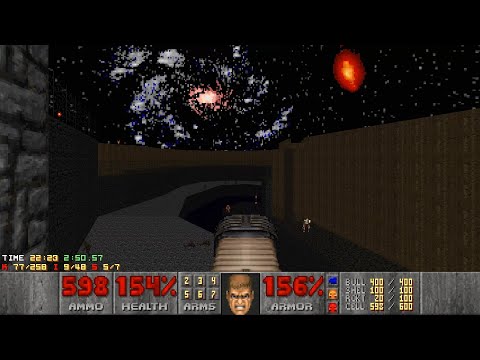
Welcome, fellow gamers and speedrun enthusiasts, to Gaming Speedrun! In this comprehensive guide, we're diving headfirst into the exhilarating world of the myhouse.wad Lawnmower Speedrun. Get ready for an adrenaline-fueled journey as we dissect the strategies, glitches, and sheer skill required to achieve that coveted UV 6:58 record. Whether you're a seasoned speedrunner aiming for a new personal best (PB) or a curious newcomer, this is your roadmap to conquering this iconic Doom II custom map.
Before we can talk about shaving off milliseconds, we need to understand the battlefield. myhouse.wad, a masterpiece crafted by the legendary Mark 'BlazingFingers' Johnson, isn't just another Doom II wad. It's a sprawling, intricate mansion designed to test your navigation skills, combat prowess, and, most importantly, your ability to move with blinding speed. The core objective is deceptively simple: navigate the labyrinthine corridors, unlock a series of doors, and "mow down" hordes of demons. However, the UV (Ultra-Violence) difficulty and the pressure of the clock transform this into a high-stakes dance of death. In my experience, the layout itself is a puzzle, and finding the fastest path is the first major hurdle.
The intensity of this speedrun is unparalleled, making it a favorite among speedrunning communities for its blend of challenging navigation and intense combat.
Essential Techniques and Strategies for Speed
Achieving a sub-7-minute run on UV in myhouse.wad requires more than just good aim. It demands mastery of specific techniques that, when combined, create a near-flawless execution. We'll break down each critical element, from the macro-level route planning to the micro-level movement nuances.
Route Planning and Optimization: Every Second Counts
This is arguably the most crucial aspect of any speedrun, and myhouse.wad is no exception. A suboptimal route can add precious seconds, or even minutes, to your final time. Meticulous planning involves:
* **Mapping the Mansion:** Understanding the flow of the map, where keys are located, and the most direct paths between objectives.
* **Identifying Shortcuts:** Discovering hidden paths or sequence breaks that the level designer might not have intended for casual play.
* **Minimizing Detours:** Avoiding backtracking and unnecessary room clearings. In a speedrun, if an enemy isn't on your immediate path or blocking a critical objective, you often bypass it.
* **Key Item Acquisition:** Planning the most efficient way to grab necessary keys (like the Blue Key, Red Key, etc.) without losing momentum.
The best runners have the optimal route memorized so perfectly that they can execute it blindfolded.
Precise Movement and Strafing: The Dance of Doom
Doom's movement mechanics are surprisingly deep, and mastering them is key to shaving off those vital seconds. Forget simply walking; you need to *fly*.
* **Strafe-Running:** The cornerstone of fast movement in Doom. By holding forward and strafing simultaneously, you move significantly faster than just forward movement.
* **Bunny-Hopping (or Jump-Running):** While Doom doesn't have traditional bunny-hopping like some other games, timed jumps can sometimes maintain or slightly increase momentum. Understanding when and how to incorporate jumps is essential.
* **Corner Turning:** Executing tight turns around corners without losing speed requires practice and precise mouse control.
Master the art of strafe-running, bunny-hopping, and precise jumps to maneuver swiftly through the mansion's treacherous terrain. Practice these movements until they become second nature, and watch your speedrun times plummet.
Efficient Door Manipulation: Bypassing Obstacles
Doors in Doom can be your greatest enemy or your best friend. In a speedrun, they are often obstacles to be overcome with extreme prejudice.
* **Door Gliding:** Sometimes, opening a door and immediately strafing into it can allow you to "clip" through or bypass the opening animation faster.
* **Door Bumping:** Using the door's opening animation to push yourself forward slightly faster.
* **Door Skipping:** In certain instances, specific enemy or player positioning might cause a door to open prematurely or allow passage without a key.
Learning the timing for these maneuvers can save crucial seconds, especially when multiple doors block your path.
Enemy Engagement and Ammo Conservation: Calculated Carnage
You can't afford to waste bullets on every demon that crosses your path. Efficient combat is about calculated aggression.
* **Prioritization:** Identify which enemies pose the biggest threat or are blocking your progress and focus on them first. Arch-viles and Mancubi often require immediate attention.
* **Weapon Choice:** Knowing which weapon is most effective against specific enemy types while conserving ammo for more dangerous encounters. The Plasma Rifle and Rocket Launcher are often key for crowd control, while the Super Shotgun excels at single-target damage.
* **Ammo Management:** Scavenging for ammo efficiently without deviating too much from the optimal route. Sometimes, it's faster to take a few hits than to backtrack for a health pack or ammo box.
Observing Record-Breaking Speedruns: Learning from the Masters
There's no substitute for learning from those who have perfected the run. Watching top-tier speedrunners is invaluable.
* **Replays and VODs:** Analyze how world record holders navigate the map, their weapon choices, and their reactions to unexpected enemy spawns.
* **Live Streams:** Engaging with streamers allows you to ask questions in real-time and see strategies as they are being developed or refined.
* **Tutorials:** Many dedicated runners create video guides breaking down specific sections or techniques.
Look for runners on speedrun.com for the Doom II leaderboards, and specifically search for myhouse.wad runs.
Observe their movement, routing decisions, and enemy management techniques to refine your own approach. Every detail matters when aiming for the top.
Community Engagement and Collaboration: The Speedrunning Spirit
Speedrunning is a communal activity. Sharing knowledge and experiences can accelerate everyone's progress.
* **Forums and Discord:** Engage with communities like Doomworld or dedicated speedrunning Discord servers. Share your own findings, ask for advice on tricky sections, and learn new strats.
* **Collaborative Runs:** Sometimes, the best way to overcome a difficult segment is by discussing it with others who have faced the same challenges.
The camaraderie within the speedrun community is a huge part of the fun!
Frequently Asked Questions
What is the primary goal in myhouse.wad for a speedrun?
The primary goal is to complete the map on Ultra-Violence (UV) difficulty as quickly as possible, typically measured in minutes and seconds. This involves navigating the mansion, defeating enemies, and reaching the end trigger.
What are the most important skills to practice for this speedrun?
Precise movement (strafe-running), efficient route memorization, optimal enemy engagement, and mastering door manipulation techniques are the most critical skills.
Are there any major glitches or skips used in the UV 6:58 run?
While the 6:58 run focuses on near-perfect execution of intended mechanics and routing, advanced runs might incorporate minor glitches or sequence breaks discovered by the community to save fractions of seconds. However, the core strategy relies on mastery of the game's engine.
How can I improve my time if I'm consistently getting 8 minutes or slower?
Focus on refining your route to eliminate any wasted movement. Practice strafe-running and cornering to increase your base movement speed. Analyze enemy encounters to ensure you're dispatching them efficiently without wasting ammo. Watching top runners is crucial for identifying areas where you're losing time.
Where can I find resources and communities for myhouse.wad speedrunning?
Websites like speedrun.com (for leaderboards and guides), Doomworld forums, and various dedicated Doom/speedrunning Discord servers are excellent places to find information, connect with other runners, and get help.
Conclusion
The myhouse.wad Lawnmower Speedrun on UV difficulty is a true test of skill, precision, and dedication. By mastering the optimal route, refining your movement, understanding enemy behavior, and efficiently manipulating the environment, you can shave off those critical seconds and aim for records like the incredible 6:58. Remember, speedrunning is a journey of continuous improvement. Practice consistently, analyze your runs, learn from the best, and most importantly, have fun pushing the limits!
Hello and welcome to Gaming Speedrun. You are watching the myhouse.wad Lawnmower Speedrun [UV 6:58]. We aim to be the most complete and updated gaming blog on the internet. Follow us on social networks and don't forget to visit our main page: gamingspeedrun.blogspot.com. If you like what we do and want to support TRUE hardcore gaming, we invite you to visit our store to buy cheap and exclusive NFTs: https://mintable.app/u/cha0smagick. Join our Discord channel. Click here!
Hey fellow gamers and speedrunning enthusiasts! If you're anything like me, you live for that adrenaline rush of shaving seconds off your personal best, especially in a classic like Final Doom: TNT Evilution. This absolute gem of a first-person shooter, dropping back in '96, still holds a special place in our hearts and on our hard drives. Speedrunning isn't just about finishing a game; it's an art form, a test of precision, and a deep dive into a game's mechanics. Today, we're dissecting an incredible feat: a sub-35-minute Ultra-Violence run of TNT Evilution, clocking in at a mind-blowing 34 minutes and 36 seconds. Stick around as we break down the strategies, the mindsets, and what it takes to achieve such a monumental run, and more importantly, how you can improve your own times.
Understanding the Final Doom: TNT Evilution - Ultra-Violence Speedrun
Achieving a 34:36 run on Ultra-Violence difficulty in TNT Evilution is nothing short of legendary. This isn't just about blasting through enemies; it's a meticulously planned assault on all 32 levels, demanding peak performance and flawless execution. The Ultra-Violence setting means enemies hit harder and are more numerous, turning every encounter into a potential run-ender. To shave precious seconds, runners rely on an arsenal of advanced techniques.
The core of any great speedrun lies in efficiency. For this particular run, it means:
Aggressively exploiting glitches and discovering hidden shortcuts that bypass entire sections of maps.
Mastering rapid weapon switching to maximize damage output and minimize downtime.
Developing a deep understanding of each level's geometry and enemy placement to create the most optimal route.
It's a high-stakes dance with the game's engine, pushing its limits to achieve the impossible. This level of mastery is what the speedrun community thrives on.
Mastering Movement: The Foundation of Speed
If you're looking to shave time off your own TNT Evilution runs, the absolute first thing you need to master is the game's movement. Forget just running forward; we're talking about advanced maneuvers that feel almost like a dance.
Key movement techniques to nail include:
Strafing: Moving sideways while facing forward is crucial for dodging projectiles and maintaining momentum.
Circle Strafing: A more advanced form of strafing, essential for crowd control and keeping enemies in your line of sight while evading.
Jump Boosting: While not as pronounced as in some other games, understanding how jumping interacts with speed and certain geometry can sometimes provide small, but vital, advantages.
In my experience, spending hours just practicing movement in empty maps made a world of difference. You need to feel the game's physics in your bones. Smooth, fast movement is the bedrock upon which all other speedrun strategies are built.
Route Planning and Level Knowledge
Simply knowing the controls isn't enough. A successful speedrun hinges on meticulous planning. This means:
Memorizing Every Level Layout: You need to know the shortest path from point A to point B without hesitation.
Optimizing Enemy Engagement: Sometimes, it's faster to run past enemies than to fight them. Other times, you need to take out specific threats to clear a path or grab a crucial item.
Item and Power-up Placement: Knowing where health, armor, ammo, and keycards are located allows for efficient collection without deviation.
The 34:36 run likely involved a route that skipped optional areas, killed only essential enemies, and utilized precise movement to navigate the maps as quickly as possible. Each second saved in one area compounds over the 32 levels.
The Art of Glitches and Exploits
Speedrunning, at its core, is about playing the game *as intended*, but also about discovering and exploiting unintended behaviors. In Final Doom: TNT Evilution, like many id Tech engine games, there are opportunities for clever players to bend the rules.
"Exploiting glitches isn't about cheating; it's about understanding the game's engine so intimately that you can make it do things the developers never imagined."
These might include:
Noclipping/Out-of-Bounds: Finding ways to pass through walls or get outside the intended playable area to skip large sections.
Bunny Hopping Variations: Maximizing speed through precise timing of jumps and movement.
Enemy Manipulation: Tricking enemies into specific behaviors or positions to dispatch them quickly or avoid them entirely.
Mastering these requires patience and a willingness to experiment. Many world record runs rely on one or two key exploits that can save significant time.
Optimizing Weapon Swapping
In the fast-paced chaos of TNT Evilution, the difference between a good run and a great run can be as simple as how quickly you switch weapons. Here’s why it’s critical:
Chainsaw vs. Shotgun vs. Chaingun: Knowing which weapon is best for close-range, medium-range, and crowd control is vital. Rapidly switching between them ensures you always have the optimal tool for the job.
Rocket Launcher and Plasma Rifle: These heavy hitters are essential for larger enemies and groups, but their slower projectile speed means you need to anticipate their use.
Quick Weapon Changes: Advanced players can often chain weapon swaps with movement and firing to maximize DPS and minimize the time spent in less effective weapons.
The 34:36 run undoubtedly showcases incredibly fluid weapon switching, seamlessly transitioning between weapons to obliterate threats with maximum efficiency.
Practice, Practice, Practice!
There's no magic bullet here. Achieving a record-breaking speedrun like this takes thousands of hours of dedicated practice. It involves:
Segmented Practice: Breaking the game down into individual levels or sections and perfecting each one before attempting a full run.
VOD Review: Watching successful runs (like the one we're discussing!) and your own attempts to identify mistakes and areas for improvement.
Staying Updated: The speedrun community is constantly evolving. New strats, glitches, and optimizations are discovered regularly. Keeping up with these developments is key.
The dedication shown by runners to achieve times like 34:36 is truly inspiring and a testament to the enduring appeal of gaming and the competitive spirit of the community.
Frequently Asked Questions
Q1: What is the Ultra-Violence difficulty in Final Doom: TNT Evilution?
Ultra-Violence is the second-highest difficulty level in Final Doom: TNT Evilution. It significantly increases enemy count, aggression, and damage dealt, making it a substantial challenge for players.
Q2: How long is a typical full run of Final Doom: TNT Evilution on Ultra-Violence?
A casual playthrough might take several hours. However, for a speedrun aiming for optimization, times can range from under an hour to the record-breaking 34:36 we're discussing, depending on the category (e.g., any%, glitchless, etc.).
Q3: Are there any major skips or glitches commonly used in TNT Evilution speedruns?
Yes, like many classic FPS games, TNT Evilution has numerous potential skips and glitches. These can range from out-of-bounds exploits to sequence breaks that allow players to bypass entire sections of levels. The specific glitches used can vary depending on the current discovered strats.
Q4: What kind of practice is most effective for improving my TNT Evilution speedrun times?
Practicing individual levels or segments is highly recommended. Focus on mastering movement mechanics, learning optimal enemy engagement, and executing known skips consistently. Watching top runners and analyzing their techniques is also invaluable.
Q5: Where can I find more information or community discussions about Final Doom speedruns?
Websites like Speedrun.com are the central hubs for leaderboards, resources, and forums dedicated to speedrunning specific games, including Final Doom: TNT Evilution. Joining related Discord communities is also a great way to connect with other runners.
Final Doom: TNT Evilution remains a timeless classic, and the dedication poured into its speedrun community is a testament to its lasting legacy. The 34:36 Ultra-Violence run is a masterclass in precision, game knowledge, and sheer willpower. By focusing on mastering movement, planning your routes, understanding the game's mechanics, and yes, practicing relentlessly, you too can climb the leaderboards and achieve your own personal bests.
Here at GamingSpeedrun.com, we're all about pushing the limits and celebrating these incredible achievements. If you're looking to elevate your own gaming setup to match your speedrunning ambitions, check out our curated selection of gaming accessories. Every purchase helps us continue bringing you the deepest dives into the world of speedrunning. What are your personal bests for TNT Evilution? Share your favorite strats or any tips you have in the comments below! Let's keep the conversation going and support each other in our quest for speed!
Alright, fellow demonslayers and speedrunning enthusiasts! If you've been lurking in the shadows of the GamingSpeedrun community, you've likely heard whispers of a legendary challenge. It's not just about beating DOOM; it's about absolute mastery. The quest? To conquer E1M1 on Ultra-Violence (UV) MAX difficulty in under 35 seconds. This isn't just a speedrun; it's a test of pure skill, precise execution, and an intimate understanding of DOOM's intricate mechanics. Forget your casual playthroughs; this is where true legends are forged.
The original call to arms, posted back in January 2020, sparked a firestorm. Two pre-order copies of DOOM Eternal were on the line for anyone who could achieve this blistering time. It was a bold move, a direct challenge to the most dedicated players. But what makes this particular challenge so "legit"? It boils down to stripping away all but the most fundamental skills, forcing players to rely on perfect movement, optimal enemy engagement, and near-flawless weapon management.
Unpacking DOOM's E1M1 UV MAX: More Than Just Speed
When we talk about the E1M1 UV MAX challenge, we're not just talking about sprinting from point A to point B. This category demands perfection. "UV MAX" means you're facing the full onslaught of enemies on the highest difficulty, and you must kill *every single one* of them. No skips, no mercy, just pure, unadulterated combat efficiency.
The original DOOM's first level, E1M1 (Hangar), is deceptively simple. It's designed as an introduction, a tutorial in a hostile environment. However, for speedrunners, it becomes a crucible. The layout, enemy placement, and item distribution are meticulously studied. Every frame counts. Achieving a sub-35-second run requires understanding:
Optimal enemy aggro and positioning.
The fastest routes through the level.
The most efficient weapon swaps for each encounter.
Precise movement tech to minimize downtime.
This isn't a scenario where brute force with a super shotgun will cut it. You need finesse, knowledge, and a touch of RNG manipulation if you're pushing the absolute limits.
Mastering the Ultra-Violence MAX: Key Strategies and Mechanics
The core of any successful speedrun lies in its strategy. For E1M1 UV MAX, it's about creating a symphony of destruction. The ideal run often involves:
Opening Volley: Immediately upon spawning, the player needs to dispatch the initial Imp and Pistol Imps with precise shots. The goal is to clear these threats as quickly as possible to gain momentum.
Central Arena Engagement: The central area is teeming with Pinkies and Spectres. The strategy here often involves luring them into a specific formation to be taken down efficiently, often with the Super Shotgun or Plasma Rifle. Mastering movement tech is crucial to avoid getting cornered.
Key Item Acquisition: Grabbing essential items like the shotgun and ammo are critical. The timing and path taken to acquire these items can make or break a run.
Final Push: The final set of enemies often requires rapid targeting and execution to maintain the speed necessary for a sub-35 time. This might involve quick weapon switches and perfectly timed shots.
Many runners utilize techniques like "enemy stacking" or "monster trapping" to group enemies together for maximum damage output. This requires a deep understanding of enemy AI and level geometry. It’s about playing the game in a way that its developers likely never intended, pushing the engine to its limits.
Essential DOOM Skills for a Legit Challenge
Beyond memorizing a route, becoming proficient at this challenge requires honing several core DOOM skills. These aren't just for E1M1; they are foundational for any serious speedrunner tackling the series.
Weapon Switching Speed: The ability to swap between weapons instantaneously is paramount. A fraction of a second lost in weapon selection can mean losing valuable time. Mastering hotkeys or quick-switch mechanics is non-negotiable.
Aiming Precision: Even on lower difficulties, missing shots wastes ammo and time. On UV MAX, every bullet counts. Critical hits or precise targeting can significantly speed up enemy takedowns.
Resource Management: Knowing exactly how much ammo you need for each enemy and how to acquire more efficiently is vital. Running out of bullets at a critical moment is a run-killer.
Enemy Prioritization: Understanding which enemies pose the biggest threat and need to be eliminated first is key. In E1M1, this might mean dealing with the Baron of Hell (if present in a specific version) before focusing on weaker foes.
For those looking to improve, practicing individual segments of the level repeatedly is a common strategy. Analyzing your own demos and comparing them to top runners is also invaluable for identifying areas for improvement.
Weapon Loadouts for Maximum Efficiency
While E1M1 in the original DOOM has a limited set of weapons available early on, the choice and order of acquisition can drastically impact your speed. The standard progression generally involves:
Pistol: Your starting weapon. Useful for picking off the initial Imps, but quickly becomes obsolete.
Shotgun: The workhorse of early-game DOOM. Essential for dealing with Pinkies and Spectres effectively. Mastering its close-range power is crucial.
Super Shotgun: (If available in the specific version/run category) The undisputed king of close-quarters combat. A well-timed double-barrel blast can vaporize tougher demons.
Plasma Rifle: Offers sustained damage output and can be excellent for clearing groups of faster enemies like Imps and Cacodemons (though Cacodemons are typically not in E1M1).
The challenge of E1M1 UV MAX is that you often need to grab the shotgun very early and then quickly transition to optimal damage. This means knowing exactly where the ammo pickups are and how to collect them without losing speed.
The Art of Movement: Dodging, Straffing, and More
In DOOM, movement isn't just about getting from A to B; it's an offensive and defensive tool. For a speedrun like E1M1 UV MAX, mastering movement is as important as aiming:
Strafe-Jumping: While not as pronounced as in some later games, precise strafing can help you dodge projectiles and position yourself optimally for attacks.
Circle-Strafing: Essential for dealing with tougher enemies like Pinkies. By circling them, you can avoid their charges while delivering consistent damage.
Corner-Tricks: Using corners to your advantage can isolate enemies or block off threats temporarily.
Bunny Hopping (in certain versions): Some DOOM engines allow for bunny hopping, which can increase movement speed. This technique is more relevant in community mods or specific engine ports but understanding its potential is key.
The ability to chain these movement techniques seamlessly allows runners to maintain high speeds even while engaging enemies. It's a dance of death, a ballet of bullets.
"The difference between a good run and a great run often comes down to a few frames saved in movement. It's about making every step count, every jump purposeful."
Common Pitfalls and How to Avoid Them
Even with the best strategy, E1M1 UV MAX is unforgiving. Here are common mistakes and how to sidestep them:
Ammo Scarcity: Forgetting ammo locations or wasting shots can lead to a premature end. Always know where your next ammo pack is.
Getting Cornered: On UV MAX, getting trapped by Pinkies or Spectres is a death sentence. Constant awareness of enemy positioning and using the environment to your advantage is critical.
Suboptimal Weapon Swaps: Using the wrong weapon for the job wastes precious seconds. Practice switching to the most effective weapon for each enemy type.
RNG Dependence: While some RNG is unavoidable, relying too heavily on perfect enemy spawns can be detrimental. Aim for strategies that are robust even with slightly unfavorable RNG.
Mental Fatigue: This challenge requires immense focus. Burnout is real. Take breaks and practice in shorter sessions.
The key is consistent practice and learning from every failed run. Each death is a lesson, not a defeat.
The Competitive Spirit: Prizes and the Speedrunning Community
The original challenge, offering pre-order copies of DOOM Eternal, highlighted the vibrant nature of the speedrunning community. It's not just about personal bests (PBs); it's about pushing the boundaries of what's possible and fostering a sense of shared endeavor.
The official DOOM speedrunning Discord servers and platforms like speedrun.com are invaluable resources. Here, players share strategies, analyze runs, and celebrate each other's achievements. The community thrives on a blend of intense competition and mutual respect. Whether you're aiming for a WR or just trying to break 40 seconds, there's a place for you.
"The real prize is the knowledge gained and the connections made within the community. But hey, an extra copy of DOOM Eternal never hurt anyone!"
This kind of challenge embodies the spirit of GamingSpeedrun: pushing the limits, celebrating skill, and fostering a passionate community around classic and modern titles alike. The pursuit of a sub-35 E1M1 UV MAX run is a testament to the enduring appeal of DOOM and the dedication of its players.
Frequently Asked Questions
Q: What is the fastest recorded time for E1M1 UV MAX in DOOM?
A: While times are always being pushed, historically, top runners have achieved times well under 30 seconds, with the absolute bleeding edge of skill and RNG potentially dipping even lower. The 35-second mark is a significant benchmark for a "legit" challenge.
Q: Do I need to use a specific version of DOOM?
A: The original challenge mentioned "any version of DOOM," but most competitive speedruns today adhere to specific versions (e.g., Chocolate Doom, GZDoom with specific settings) to ensure fairness and consistency. Always check the rules for the specific competition or community standard you're aiming for.
Q: What are the most important weapons for this run?
A: Primarily the Shotgun and Super Shotgun (if applicable to the version). Their high damage output at close range is essential for clearing the map quickly and efficiently.
Q: How important is RNG in this challenge?
A: RNG (Random Number Generation) plays a role in enemy placement and behavior. While a perfect run requires excellent execution, good RNG can shave off crucial seconds. Top runners develop strategies that are resilient to minor RNG fluctuations.
Q: Where can I find more resources and connect with other DOOM speedrunners?
A: The official DOOM speedrunning Discord and platforms like speedrun.com are excellent places to start. You can find guides, leaderboards, and connect with a vibrant community.
So, what are you waiting for? Grab your favorite DOOM version, load up E1M1, and see if you have what it takes to conquer this legendary challenge. Share your best times and strategies in the comments below! What other DOOM speedrunning challenges should we explore?