Super Mario Sunshine Sunglasses% Speedrun: Making Mario Cooler Than Ever, Faster Than Ever!

Hey speedrunning fanatics and Mario lovers! Ever felt like Mario was a bit, well, *vanilla*? Tired of him always striking out with Peach? We get it. This run is all about flipping the script, giving everyone's favorite plumber the ultimate glow-up, and doing it at ludicrous speed. We're diving headfirst into the **Super Mario Sunshine Sunglasses% speedrun**, a category dedicated to making Mario the coolest cat on Isle Delfino, pronto. This isn't just about finishing the game; it's about achieving peak Mario swag in the shortest time possible. Get ready, because we're about to break down how this iconic run works, the tricks involved, and what makes it a community favorite.

What Exactly IS the Sunglasses% Speedrun?

Forget your typical Any% or 100% runs. The Sunglasses% category in Super Mario Sunshine focuses specifically on acquiring the iconic sunglasses for Mario as quickly as humanly possible. This means the entire objective of the run is to reach the point in the game where Mario dons those stylish shades and finishes the sequence. It's a shorter, more focused category that really highlights specific game mechanics and routes designed solely for speed and that single, crucial objective. For many, it's the ultimate way to see Mario at his absolute coolest, hence the "make Mario cool as fast as possible" mantra. This run epitomizes the dedication of the speedrun community to finding the fastest routes for even the most niche objectives.

Why the Obsession with Sunglasses?

In the context of Super Mario Sunshine, the sunglasses aren't just a cosmetic item; they represent a turning point in the narrative and a significant moment for Mario's characterization within the game. After being wrongfully accused and tasked with cleaning up Delfino Plaza, Mario finally gets a moment of personal style. It's a visual gag that resonates with players, making Mario seem more self-assured and, frankly, cooler. The speedrunning community, with its love for optimization and unique challenges, latched onto this moment. It's a contained, achievable goal that allows for intense route planning and execution, perfect for both showcasing skill and providing a fun, thematic run. It’s this blend of narrative relevance and speedrunning potential that makes the Sunglasses% run so compelling.
The pursuit of speed is often about achieving seemingly small goals in the most efficient way possible. The Sunglasses% run is a perfect example of this, turning a simple cosmetic acquisition into a competitive challenge.

Key Strats and Tricks for Maximum Coolness

Executing a fast Sunglasses% run requires mastering several key techniques and understanding optimal routing. The initial segments of the game are crucial, as any time lost early on significantly impacts the final time. * **FLUDD Optimization**: Your trusty F.L.U.D.D. is essential. Knowing exactly when and how to use its various nozzles (especially the initial Hover Nozzle and later the Spray Nozzle) is paramount. Efficiently moving across the environment using hover jumps and precise water streams can save valuable seconds. * **Glitches and Skips (Route Dependent)**: Depending on the specific ruleset of the category (e.g., glitches allowed or not), runners might employ certain glitches to skip sections or perform advanced movement. For instance, understanding frame-perfect inputs for certain jumps or finding ways to clip through specific geometry can shave off significant time. However, for a category focused on a specific narrative point like Sunglasses%, often the focus is on optimized movement rather than major sequence breaks that bypass the objective entirely. * **Precise Platforming**: Super Mario Sunshine is known for its sometimes-frustrating platforming. Mastering the timing and positioning for jumps, wall kicks, and navigating hazardous areas without falling or taking damage is critical. Every missed jump or unnecessary recovery adds up. * **Menuing and Inventory Management**: While not as extensive as in some other games, quick menuing to switch nozzles or access items efficiently can be a small but important time-saver. * **Route Memorization**: The absolute key is knowing the fastest path from the start of the game to the point where the sunglasses are acquired. This involves understanding the most direct routes through each area, minimizing backtracking, and planning movements to chain actions seamlessly.

Category Breakdown: The % Difference

When we talk about "Sunglasses%", the "%" symbol usually refers to the percentage of game completion. However, in this specific context, it's more of a thematic identifier for the "Sunglasses" objective. Unlike a standard Any% run where the goal is to beat the game as fast as possible regardless of completion percentage, or a 100% run requiring all collectibles and story events, Sunglasses% is a custom or niche category. Its primary goal is to trigger the cutscene where Mario puts on his sunglasses as quickly as possible. This typically involves completing specific story missions or reaching certain points in the game that unlock this event. The "completion" aspect is defined by reaching this specific narrative beat, not by a traditional in-game percentage counter. This allows runners to focus their efforts on the fastest path to that single, stylish outcome. Many such categories evolve organically within the community, driven by a shared appreciation for specific game moments or challenges.
Niche speedrun categories like Sunglasses% demonstrate the incredible creativity and dedication within the gaming community, finding new ways to challenge beloved titles.

Challenges and RNG: The Unpredictable Elements

Even in a category as seemingly straightforward as obtaining sunglasses, challenges and elements of Random Number Generation (RNG) can play a role. * **Enemy Placement**: While not a major factor for this specific objective, the placement and behavior of certain enemies can sometimes disrupt a runner's planned path or force them to take evasive maneuvers, costing precious seconds. * **Physics Quirks**: Super Mario Sunshine has its own unique physics engine. Sometimes, slight variations in how Mario interacts with the environment or F.L.U.D.D. can lead to slightly different outcomes in jumps or movements. While most core mechanics are consistent, small variances can occur. * **Loading Times**: On older hardware or even certain PC setups, loading times between areas can be a significant factor. Runners often optimize their routes to minimize the number of area transitions. * **Execution Consistency**: The biggest challenge is often the runner's own consistency. Executing precise inputs, especially under pressure, requires immense practice. A single mistake can mean the difference between a personal best (PB) and a failed attempt.

Impact on the Community and the Future

The Sunglasses% speedrun, while perhaps not as widely known as the main Any% or 100% categories, holds a special place in the Super Mario Sunshine speedrunning community. It represents a more lighthearted and thematic approach to speedrunning, focusing on a specific, iconic moment. It serves as an excellent entry point for newer runners who might find the main categories too daunting. The shorter nature and clear objective make it more accessible for practice and learning. Furthermore, the existence of such categories encourages creativity, potentially inspiring the creation of even more unique challenges within the game. It highlights how the community constantly finds new ways to engage with and master their favorite games, pushing the boundaries of what's possible and celebrating specific aspects of game design and narrative. This run is a testament to the enduring appeal of Super Mario Sunshine and the ingenuity of its player base.

Tips for Aspiring Runners

If you're inspired to take on the Sunglasses% challenge, here are a few tips to get you started: 1. **Watch Existing Runs**: Study the world record (WR) and other top runs on platforms like speedrun.com. Pay close attention to the exact movements, jumps, and nozzle usage. 2. **Practice in Sections**: Don't try to do the whole run at once initially. Break it down into smaller segments (e.g., the opening sequence, reaching a specific point) and master each part before linking them together. 3. **Master F.L.U.D.D.**: Get comfortable with precise F.L.U.D.D. control. Practice hover jumps, strafing, and using the spray efficiently. 4. **Understand the Objective**: Know exactly what triggers the sunglasses cutscene and what path is needed to reach it fastest. 5. **Join the Community**: Engage with the Super Mario Sunshine speedrunning community on Discord or forums. They are often the best resource for learning advanced techniques and getting advice. 6. **Be Patient**: Speedrunning takes time and dedication. Don't get discouraged by failures. Every attempt is a learning opportunity. Celebrate your personal bests (PBs) along the way!

Frequently Asked Questions

What is the goal of the Super Mario Sunshine Sunglasses% speedrun?

The primary goal is to reach the in-game cutscene where Mario puts on his sunglasses as quickly as possible from the start of the game.

Does this category require collecting any specific items?

Generally, no. The focus is solely on reaching the trigger point for the sunglasses cutscene in the fastest time, not on collecting Shines or other items beyond what's necessary for progression to that point.

Are glitches allowed in this run?

It depends on the specific ruleset defined by the community or the runner. Some versions might allow certain glitches if they aid in reaching the objective faster, while others might focus purely on optimized gameplay without exploiting major bugs.

How long does a typical Sunglasses% run take?

Times can vary significantly based on the runner's skill and whether glitches are used, but they are generally much shorter than Any% or 100% runs, often clocking in at just a few minutes.

Where can I find leaderboards for this category?

You can typically find leaderboards and watch runs on sites like speedrun.com, specifically on the Super Mario Sunshine page, where niche categories are often listed.

This run is a fantastic example of how the gaming community finds unique ways to celebrate beloved titles. By focusing on a single, stylish moment, the Sunglasses% speedrun offers a fresh and exciting challenge for fans of Super Mario Sunshine and speedrunning alike. Whether you're aiming for a new world record or just want to see Mario at peak coolness speed, this run delivers!

What are your favorite speedrun categories? Did this Sunglasses% run inspire you to pick up a controller? Let us know in the comments below, or join the conversation on our Discord server!

How Long to Speedrun Every Super Mario Game? A Deep Dive into Mario's Fastest Runs

So, you've been watching those incredible speedrun videos, maybe you've even dabbled yourself. You hear about players shaving off milliseconds and pulling off insane glitches to beat games in record time. It's a whole different world from just enjoying a game casually. But when you think about a franchise as massive as Super Mario, a question naturally pops into your head: "How long would it *actually* take to speedrun *all* of them?" It sounds simple, but as any seasoned gamer knows, the devil is in the details, and the Super Mario franchise is a labyrinth of them.

The Sheer Scale of Mario

The Super Mario universe isn't just a few games; it's a sprawling collection that spans decades and genres. From the iconic 2D platformers that started it all to 3D adventures, kart racers, RPGs, and even party games, Nintendo has consistently delivered new ways to experience their flagship franchise. This sheer volume makes any attempt to calculate a "total speedrun time" incredibly complex. It's not just about the number of games, but also the different versions, the evolving speedrun categories for each, and the constant discovery of new strats and glitches.

Understanding Speedrun Categories: Any% vs. 100% and Beyond

When we talk about speedruns, the first thing any true gamer knows is that "speedrun" isn't a single, monolithic goal. The most popular category is typically Any%, which means beating the game as quickly as possible, regardless of what you collect or achieve in-game. This often involves exploiting game exploits and glitches that bypass large portions of the game. On the other hand, 100% Completion runs require you to achieve every in-game goal, collect every item, and perform every necessary action. These are significantly longer and often require different, less glitch-reliant strategies.

Then there are even more niche categories, like Low% (completing the game with the absolute minimum requirements), All Bosses, or specific challenge runs. For a franchise like Mario, this means the potential time investment skyrockets when you consider all the possible ways to play.

The sheer variety of categories for a single Mario game can drastically alter the perceived "speedrun length." A Super Mario World Any% run is vastly different in time and strategy from its 100% counterpart.

The Core Mario Experience: How Long for the Mainline Titles?

Let's break down some of the most iconic mainline Super Mario titles. These are the games that define the franchise:

  • Super Mario Bros. (NES): A classic. Any% runs are incredibly short, often under 5 minutes thanks to TAS-level precision and sequence breaks. A 100% run would be considerably longer, focusing on completing every level perfectly.
  • Super Mario Bros. 3 (NES): Introduced more complex level design and power-ups. Any% runs utilize warp whistles and precise movement to achieve times under 10 minutes.
  • Super Mario World (SNES): Famous for its hidden exits and the introduction of Yoshi. Any% runs are famously around 13-15 minutes, often involving the famous Backwards Long Jump (BLJ) or similar game mechanics exploitation.
  • Super Mario 64 (N64): A revolutionary 3D title. Its speedrun is legendary, with the Any% category (often targeting 70 Stars) being highly optimized and sitting around 15-20 minutes. The 120 Star run is a much longer, more comprehensive challenge, taking over an hour.
  • Super Mario Sunshine (GCN): Known for its unique FLUDD mechanics. Any% runs can be around 30-45 minutes, involving intricate routing and precise usage of FLUDD for movement and butterflying techniques.
  • New Super Mario Bros. Wii (Wii): A return to 2D side-scrolling with a modern twist. Runs are generally around 20-30 minutes for Any%.
  • Super Mario Galaxy (Wii): Praised for its creative level design and music. Any% runs are typically around 1 hour and 15 minutes, with specific speedrun strategies involving sword flying and precise inputs.
  • Super Mario Galaxy 2 (Wii): An even more refined experience. Runs are similar to the first, often clocking in around 1 hour and 10 minutes for Any%.
  • Super Mario 3D Land (3DS): A unique blend of 2D and 3D elements. Any% runs are around 30-40 minutes.
  • Super Mario 3D World + Bowser's Fury (Switch): A massive game with a robust multiplayer and a significant amount of content. Any% runs for 3D World alone are around 1 hour and 30 minutes, with Bowser's Fury adding another significant chunk for any% completion.
  • Super Mario Odyssey (Switch): Known for its open-ended sandbox kingdoms and the capture mechanic. The Any% run, often requiring around 130 moons, is a masterclass in movement tech and routing, typically around 55 minutes to 1 hour.

Just these mainline titles already represent a considerable time investment if you were to run them all back-to-back. Imagine adding in every single one of them!

Beyond the Platforming: Speedrunning Mario's Spin-offs

But Mario isn't just about jumping! Think about:

  • Mario Kart games: Many of these have Any% categories focusing on winning races quickly, often utilizing item strategies and shortcuts. Times can vary from a few minutes per cup to hours for a full 150cc Grand Prix run.
  • Mario RPGs (e.g., Super Mario RPG, Paper Mario series, Mario & Luigi series): These typically have longer Any% runs, often in the 2-5 hour range, due to their story-driven nature and turn-based combat. Exploiting battle mechanics and dialogue skips are key.
  • Mario Party games: Speedrunning these is less common in the traditional sense, as they rely heavily on multiplayer and RNG. However, some communities attempt "fastest board" or "most coins in X turns" challenges.
  • Sports titles (e.g., Mario Tennis, Mario Golf): These often have categories based on winning tournaments or achieving specific feats quickly.

The sheer diversity means you'd need to learn entirely different speedrunning strategies for each sub-series.

Calculating the Total Time: The Ultimate Speedrunner's Quest

So, let's try to rough out an estimate. If we take the Any% times for just the mainline platformers mentioned above (averaging around 5-6 hours if you were to play them sequentially without breaks and accounting for setup), that’s already a significant commitment. Now, factor in dozens of spin-off titles, each with their own unique speedrunning meta and categories. Add the time it takes to learn each game's specific speedrun analysis, practice difficult speedrun tech, and perfect the routing. You're likely looking at well over 100 hours, and that's a conservative estimate for just Any% runs across a broad selection of Mario games.

If you were to attempt 100% runs for every game? That number would easily climb into the hundreds, possibly even thousands, of hours. It's a task that requires immense dedication and a deep love for the Super Mario franchise.

The most dedicated runners spend years mastering a single game's speedrun. Doing that for the entire Super Mario franchise is a monumental, lifelong endeavor.

The Role of the Speedrunning Community

The beauty of the speedrunning community is its collaborative nature. Resources like speedrun.com, dedicated Discords, and YouTube tutorials are invaluable. Runners constantly share new gaming strategies, discover new game exploits, and refine existing routes. For Mario games, this means that the "optimal" time to beat a game can change overnight thanks to a new discovery.

The data presented here is based on current video game records and community-accepted times, but this landscape is always shifting. What might be a 15-minute run today could be a 14-minute run tomorrow with a new speedrun technique.

Frequently Asked Questions

What is the fastest Super Mario speedrun?

The fastest speedruns are typically for the earliest 2D titles like Super Mario Bros., which can be completed in under 5 minutes using precise glitch execution. However, for a game like Super Mario Odyssey, the Any% speedrun is closer to an hour.

How do speedrunners find new glitches?

Speedrunners often use memory viewers, debug tools, and practice different inputs or actions in unusual sequences to discover new glitches or sequence breaks. It's a process of trial, error, and deep understanding of the game's code.

Is it possible to speedrun ALL Super Mario games?

Technically yes, but it would take an extraordinary amount of time and dedication, likely thousands of hours, to master the speedruns for every title and category within the vast Super Mario franchise.

What's the difference between Any% and 100% speedruns?

Any% focuses on finishing the game as quickly as possible using any means necessary, often including glitches. 100% requires completing all in-game objectives, collecting all items, and finishing with the highest possible completion percentage, which usually takes much longer.

Where can I find specific Mario speedrun times and strategies?

The best resource is speedrun.com, where you can find leaderboards, guides, and videos for almost every game imaginable, including all the Super Mario titles.

Ultimately, the question of "how long" is less about a definitive number and more about appreciating the incredible dedication and skill involved in mastering these beloved games at breakneck speeds. Whether you're aiming for a world record or just want to shave a few minutes off your personal best, the Super Mario franchise offers a lifetime of challenges.

What's your personal favorite Mario speedrun category to watch or attempt? Share your thoughts and any Mario speedrunning tips you have in the comments below! If there's another game or franchise you'd like us to break down, let us know!

Unlocking the Impossible: How Speedrunners Achieve 25 Shines Before the Game Even Begins in Super Mario Sunshine

The Unthinkable Feat

Ever watched a speedrun and thought, "How is that even possible?" The title "How Speedrunners get 25 Shines before the game starts" is a prime example of that awe-inspiring question. For most players, reaching 25 Shines in Super Mario Sunshine involves countless hours of exploration, mastering FLUDD, and navigating the vibrant yet challenging island of Isle Delfino. But for elite speedrunners, the game's start is merely a suggestion, a playground for exploiting its deepest mechanics to shave off precious seconds, or in this case, achieve what seems like the impossible. This isn't about completing the main story; it's about breaking the game's intended progression to achieve a goal that defies conventional gameplay.

What Does "Before the Game Starts" Actually Mean?

The phrase "before the game starts" in this context is a bit of a speedrunner's trick, a way to describe achieving a significant in-game milestone *before* the official progression of the narrative or gameplay typically allows. In Super Mario Sunshine, the "start" can be interpreted as the point after the introductory cutscenes and the player is given control of Mario on the beach. Collecting 25 Shines without progressing through the story, without clearing certain obstacles, and without even officially "starting" the game in a traditional sense, is a testament to the incredible depth of knowledge speedrunners possess about game engines. It's a category that often pushes the boundaries of what players thought was achievable within the game's code.

Mastering Super Mario Sunshine's Engine: Glitches and Skips

Super Mario Sunshine, like many Nintendo titles of its era, is rich with glitches and exploits that speedrunners have meticulously cataloged and utilized. Achieving 25 Shines pre-gameplay isn't about brute force; it's about precision execution of highly specific techniques. These often involve:
  • Out of Bounds (OOB) Glitches: Finding ways to push Mario or manipulate his position outside the intended playable areas of the game. These can grant access to levels or Shine Sprites early.
  • Object Clipping: Using environmental objects or enemy behaviors to clip through walls or floors, bypassing normal progression routes.
  • FLUDD Manipulation: Creative uses of Mario's water-spraying device, FLUDD, to achieve higher jumps, faster movement, or even break certain collision detections. Techniques like "hoverless jumps" or precise water-rocket maneuvers are crucial.
  • Menu Glitches: Exploiting the game's menus to reset Mario's state, trigger events out of sequence, or gain unintended advantages.
These aren't bugs to be fixed; they are the tools of the trade for any serious speedrunner aiming for top times. The community at speedrunning communities constantly shares and refines these techniques.

The 25 Shine Strategy: A Breakdown

The specific route to achieving 25 Shines before the official start of the game is an intricate dance of precise movements and glitch execution. While the exact sequence can vary slightly between runners and patches, the core principles remain:
  • Early Access to Key Areas: Speedrunners utilize OOB techniques within the initial areas (like the Grandmas' Beach) to gain access to levels or sections of levels that are normally gated behind story progression or specific Shine collection.
  • Strategic Shine Collection: Not all Shines are created equal. Runners will target Shines that are accessible via glitches with minimal setup time. This often means collecting Shines that require intricate platforming or precise FLUDD usage, but can be reached earlier than intended.
  • Skip Critical Cutscenes and Dialogues: Every second counts. Runners have mastered the art of skipping all non-essential dialogues and cutscenes to save time.
  • Optimized Movement: From the moment Mario gains control, every jump, every hover, and every dive is calculated for maximum efficiency. This includes techniques like corner corrects and dive-cancels.
The goal is to chain these early-game exploits together seamlessly, treating each collected Shine as a stepping stone to the next, all without triggering the "official" start of your adventure in Delfino Plaza.

A Speedrunner's Perspective: The Grind and the Glory

For the dedicated speedrunner, achieving such a feat is the culmination of hundreds, if not thousands, of hours of practice. It's about:
  • Muscle Memory: Executing complex glitch sequences requires near-perfect muscle memory. One missed input can mean starting over or losing significant time.
  • RNG Manipulation: While some RNG elements are present, speedrunners often employ strategies to influence or bypass unfavorable RNG, ensuring consistency.
  • Constant Refinement: The speedrunning community is always pushing the envelope. New skips and tricks are discovered, demanding continuous adaptation and practice.
  • The Thrill of the PB: The personal best (PB) is the ultimate goal. Achieving a new PB, especially on a category as demanding as this, is an immense satisfaction.

Advanced Techniques and Mind Games

Beyond the fundamental glitches, advanced speedrunners employ a variety of techniques to shave off those critical milliseconds:
  • Frame-Perfect Inputs: Some glitches require inputs to be performed with frame-perfect precision, demanding incredible timing and concentration.
  • Strategic Movement Optimization: This goes beyond just running fast. It includes precise angles for jumps, optimal use of dive momentum, and even the rare instances of "wall clipping" or "corner clipping" to maintain speed.
  • Game Knowledge: Understanding enemy patrol patterns, level geometry, and the game's physics engine inside and out is paramount. This allows runners to anticipate and exploit game behaviors.
It's a constant battle against the game's design, where every millisecond saved is a victory.

Impact on the Speedrunning Community

Feats like collecting 25 Shines before the game truly "starts" have a significant impact on the speedrunning community. They:
  • Inspire Innovation: Discoveries in one game often inspire runners in other games to look for similar exploits or develop new techniques.
  • Push Boundaries: These runs redefine what is considered "possible" within a game, encouraging runners to explore previously unthought-of strategies.
  • Entertain and Educate: Watching these incredible feats is not only entertaining but also educational for aspiring speedrunners, showcasing the pinnacle of skill and game knowledge.
The pursuit of such extreme goals is what keeps the GamingSpeedrun community vibrant and ever-evolving. It's a testament to human ingenuity and dedication within the digital realm.

Frequently Asked Questions

Q1: Is this considered "cheating" in a traditional sense?

No, in speedrunning, exploiting glitches and unintended mechanics that are part of the game's code is not considered cheating. It's known as "glitching" or "exploiting" and is a core part of many speedrun categories. Cheating would typically refer to using external tools or hacks that modify the game beyond its intended engine.

Q2: How long does it typically take a speedrunner to achieve this?

Achieving 25 Shines before the game starts requires immense practice. While the run itself might be under 15 minutes (once mastered), the path to mastering it can take hundreds of hours of dedicated practice and learning the precise strats and RNG manipulations.

Q3: Are these glitches specific to a particular version or platform of Super Mario Sunshine?

Often, yes. Glitches can be patched out in later versions or may behave differently on different emulators or hardware. Speedrunners typically focus on specific versions (e.g., the original GameCube release) where the known glitches are present and consistent.

Q4: What is the category name for this type of speedrun?

This particular challenge is often referred to as "Any% Pre-Sequence" or a similar variation, indicating the fastest possible completion of a set objective without following the game's intended narrative progression. The specific goal of 25 Shines is a community-defined benchmark within that category.

Q5: Where can I learn more about Super Mario Sunshine speedrunning?

The best places to learn are communities like Speedrun.com, dedicated Discord servers for Super Mario Sunshine speedrunning, and watching top runners on platforms like Twitch and YouTube.

In conclusion, the ability of speedrunners to collect 25 Shines before the "game starts" in Super Mario Sunshine is a breathtaking demonstration of deep game knowledge, precise execution, and the relentless pursuit of optimization. It's a reminder that games are far more than their intended design, offering a hidden layer of mechanics waiting to be discovered and exploited by the dedicated few. What are your thoughts on these incredible speedrunning feats? Have you ever attempted any advanced glitches in your favorite games? Share your experiences and any other speedrun strategies you'd like to see covered in the comments below! Let's keep the conversation going and push the boundaries of gaming together.

Análisis del Récord Mundial de Super Mario Sunshine: Cómo se Rompió la Barrera de las 2h 54m en 120 Shines

Análisis del Récord Mundial de Super Mario Sunshine: Cómo se Rompió la Barrera de las 2h 54m en 120 Shines

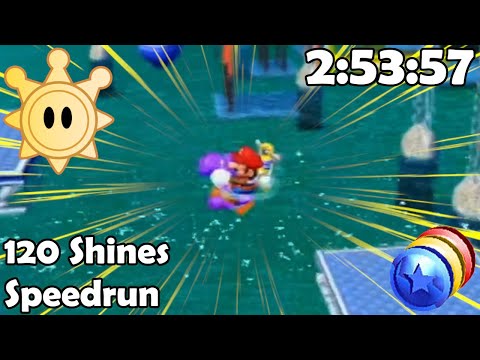
Análisis del Récord Mundial de Super Mario Sunshine 120 Shines sub 2:54 - Mario volando con F.L.U.D.D. sobre la Isla Delfino
¿Alguna vez has sentido la tensión de un PB (Personal Best) a punto de caer? El sonido rítmico de los botones, el sudor frío, la concentración absoluta en cada salto y cada frame. Ahora, imagina esa sensación elevada a la potencia de un world record. Eso es exactamente lo que vamos a desgranar hoy. La comunidad de speedrunning de Super Mario Sunshine se paralizó ante una hazaña que parecía inalcanzable: completar la categoría 120 Shines en menos de 2 horas y 54 minutos. En este artículo de GamingSpeedrun.com, no solo te mostraremos la run. Vamos a sumergirnos en las profundidades de la Isla Delfino para analizar las estrategias, los `skips` que ahorraron segundos vitales y la ejecución casi perfecta que se necesita para grabar tu nombre en la historia. Si eres un speedrunner aspirante o simplemente un fanático del fontanero de Nintendo, prepárate. Estás a punto de descubrir los secretos detrás de una de las runs más exigentes del gaming competitivo.

¿Qué es un Speedrun de 120 Shines y por qué es tan brutal?

Antes de meternos de lleno en el análisis, es crucial entender la bestia a la que nos enfrentamos. A diferencia de las categorías Any%, donde el objetivo es llegar a los créditos finales lo más rápido posible usando cualquier medio, la categoría 120 Shines es una prueba de resistencia, conocimiento y ejecución. Es la definición de un `completionist run`. Para conseguirlo, un jugador debe:
  • Obtener los 96 Shine Sprites repartidos en los 7 mundos principales (Bianco Hills, Ricco Harbor, Gelato Beach, Pinna Park, Sirena Beach, Noki Bay, Pianta Village) y en Delfino Plaza.
  • Conseguir los 24 Shine Sprites ocultos que se obtienen al recolectar las 240 Monedas Azules.
Es esta última condición la que convierte la run en una maratón de precisión milimétrica. La ruta para las Monedas Azules es increíblemente compleja y cualquier pequeño desvío puede costar minutos preciosos. No hay margen para el error; cada movimiento está coreografiado.
En el speedrunning de 120%, no solo luchas contra el reloj, luchas contra la entropía del juego mismo. Cada moneda, cada `NPC`, cada ciclo de plataforma es una variable que puede arruinarlo todo.

La Anatomía del Récord: Desglosando la Run de 2:53:57

Ver un WR es una cosa, pero entenderlo es otra. Aquí te presentamos la run en todo su esplendor. A continuación, analizaremos los momentos clave que definieron esta hazaña histórica.
La ejecución se puede dividir en tres actos críticos:

Acto 1: El Early Game - Dominio de la Isla y Optimización Inicial

Los primeros 45-60 minutos son cruciales. El jugador debe establecer un ritmo endiablado en mundos como Bianco Hills y Ricco Harbor. Aquí, el dominio del movimiento con F.L.U.D.D. es fundamental. Vimos un uso magistral del `dive slide` y del `hover nozzle cancel` para mantener una velocidad constante. La ruta de las primeras Monedas Azules fue impecable, recogiendo coleccionables que otros runners dejan para más tarde, optimizando así el `backtracking`.

Acto 2: El Mid-Game - El Infierno de las Monedas Azules y los Niveles Secretos

Esta es la sección donde muchas runs mueren. Mundos como Noki Bay y sus enrevesados niveles submarinos, o el caos vertical de Pianta Village, ponen a prueba los nervios de cualquiera. La clave del éxito en esta run fue la consistencia en los niveles secretos "sin F.L.U.D.D.". Cada uno de estos desafíos de plataformas fue superado en el primer intento, ahorrando ciclos de carga y frustración. La gestión de Yoshi también fue de libro, utilizando su capacidad para comer fruta y eliminar el `goop` naranja de forma estratégica.

Acto 3: El Endgame - La Limpieza Final y el Asalto a Corona Mountain

Con la mayoría de los Shines en el bolsillo, la presión alcanza su punto máximo. La fase final consiste en recoger los últimos Shines de Delfino Plaza y enfrentar el desafío final en Corona Mountain. El movimiento en la barca de lava fue perfecto, evitando los obstáculos que fácilmente pueden provocar una muerte y una pérdida de tiempo catastrófica. La batalla final contra Bowser se ejecutó sin fallos, con `ground pounds` precisos en cada una de las cinco plataformas, cerrando el cronómetro en un tiempo que dejó a todos boquiabiertos.

Strats y Glitches Clave que Destrozaron el Cronómetro

Un récord de este calibre no se consigue solo jugando bien. Se basa en años de descubrimientos y optimizaciones por parte de la comunidad gamer. Aquí están algunas de las técnicas que marcaron la diferencia.

El "Gelato Skip" para el Shine de la Duna

Una de las `strats` más conocidas. Permite a Mario usar una combinación de saltos y el `hover nozzle` para llegar al Shine que normalmente requiere limpiar toda la duna de arena, ahorrando un tiempo considerable. La ejecución en esta run fue `frame perfect`.

Uso avanzado del "Rocket Nozzle Storage"

Este es un glitch que permite a Mario mantener el estado de "carga" del Rocket Nozzle incluso después de cambiar a otra boquilla. Esto se usó en Delfino Plaza para alcanzar alturas increíbles y optimizar la ruta entre los Shines de la ciudad, un claro ejemplo de Game Breakers que redefine las posibilidades del juego.

Manipulación de Ciclos en Pinna Park

En el nivel de la montaña rusa, el jugador manipuló el ciclo de los cañones de Bullet Bills para poder pasar sin detenerse. Esto requiere un conocimiento profundo del funcionamiento interno del juego y un `timing` perfecto.

El Factor RNG: La Batalla Mental contra el Azar

Incluso con una ejecución perfecta, hay un enemigo silencioso: el RNG (Random Number Generation). En Super Mario Sunshine, esto se manifiesta principalmente en el Hotel Delfino, en la misión del Rey Boo. Como el propio runner mencionó, esta run tuvo "cuatro ciclos extra del Rey Boo", lo que significa que la suerte no estuvo de su lado.
Haber conseguido el récord mundial A PESAR de un mal RNG en uno de los momentos más críticos, demuestra un nivel de optimización en el resto de la run que es simplemente sobrehumano.
Superar un mal RNG sin perder la compostura es lo que separa a los buenos `speedrunners` de las leyendas. Es una prueba de fortaleza mental, de no dejar que la frustración de un `choke` o de la mala suerte te saque de la zona.

La Evolución del Récord: De lo Imposible a la Realidad

Para apreciar plenamente este 2:53:57, hay que mirar atrás. Hace unos años, un tiempo por debajo de las 3 horas era considerado la cima del potencial humano. Poco a poco, con nuevas rutas para las Monedas Azules y la implementación de `glitches` sutiles, la barrera comenzó a romperse. Este nuevo récord no es solo una mejora de unos pocos segundos; es la culminación de miles de horas de trabajo colectivo de toda una comunidad. Runners de todo el mundo han contribuido a perfeccionar la ruta, compartiendo descubrimientos y empujando los límites del juego. Para ver la progresión completa, no hay mejor fuente que los leaderboards oficiales en speedrun.com. Este logro redefine lo que es posible y, sin duda, inspirará a la próxima generación de runners a encontrar los próximos segundos que se esconden en el código de este clásico de GameCube.

Preguntas Frecuentes sobre el Speedrun de 120 Shines

1. ¿Cuál es la parte más difícil del speedrun de 120 Shines?

La mayoría de los runners coinciden en que la recolección de las 240 Monedas Azules es, con diferencia, la parte más difícil. Requiere una memorización perfecta de una ruta extremadamente larga y compleja, y un solo olvido puede obligar a un costoso `backtracking` o incluso arruinar la run.

2. ¿Qué significa exactamente "120 Shines" en Super Mario Sunshine?

Significa completar el juego al 100%. Implica recolectar todos los Shine Sprites (Soles) disponibles en el juego. Esto incluye los que se obtienen en las misiones principales, los secretos, los de las 100 monedas en cada nivel, y los que se compran con Monedas Azules.

3. ¿Es la categoría Any% mucho más rápida que la de 120 Shines?

Sí, significativamente. La categoría Any% de Super Mario Sunshine se centra en derrotar a Bowser lo más rápido posible, ignorando la gran mayoría de los Shines. Los récords mundiales de Any% suelen estar por debajo de 1 hora y 15 minutos, mientras que el de 120 Shines, como hemos visto, se acerca a las 3 horas.

4. ¿Qué versión del juego y qué consola se utilizan para estos récords?

Generalmente, los récords se establecen en la versión original japonesa (NTSC-J) del juego en una consola Nintendo GameCube, ya que tiene tiempos de carga ligeramente más rápidos y texto más veloz. Sin embargo, también hay categorías para otras versiones y para la versión de la colección 3D All-Stars en Nintendo Switch.

Conclusión: Un Nuevo Hito para la Historia del Gaming

El récord de 2:53:57 en Super Mario Sunshine 120 Shines es más que un simple número en una pantalla. Es un testimonio de la dedicación, la habilidad y la pasión que definen a la comunidad speedrunning. Es la prueba de que incluso en un juego con más de 20 años, siempre hay nuevos límites que romper y nuevas estrategias por descubrir. Esta hazaña no es el final del camino, sino un nuevo punto de partida. La pregunta ahora es: ¿quién será el primero en romper la barrera de las 2:53? El cronómetro no se detiene, y la comunidad ya está buscando el siguiente frame que ahorrar. ¡Ahora te toca a ti! ¿Qué te ha parecido esta increíble run? ¿Crees que este récord durará mucho tiempo? Comparte tus PBs de Super Mario Sunshine o tus momentos más épicos de speedrun en los comentarios. ¡Queremos conocer tus hazañas! Y si te apasiona discutir sobre `strats` y récords, ¡únete a nuestro Discord para hablar con otros apasionados del speedrun!

Las 10 Remontadas Más Legendarias del Speedrunning: Cuando un WR Parecía Perdido

Las 10 Remontadas Más Legendarias del Speedrunning: Cuando un WR Parecía Perdido

Miniatura del video de YouTube sobre los 10 mejores comebacks en la historia del speedrunning
Colega runner, todos conocemos esa sensación. Ese vacío en el estómago cuando un error estúpido te cuesta segundos preciosos. Ves tus splits pasar de verde a rojo y la frustración te invade. La mayoría de nosotros pulsaría 'reset'. Pero los titanes del speedrunning no son como la mayoría. En el filo de la navaja, cuando todo parece perdido, es cuando su leyenda se forja. Este no es un artículo sobre runs perfectas. Es un homenaje a la resiliencia, a la habilidad sobrehumana y a la pura fuerza de voluntad. Vamos a desgranar 10 momentos en los que un speedrunner miró al abismo de un PB fallido y, contra todo pronóstico, remontó para lograr lo imposible. Prepárate para una clase magistral de cómo convertir un desastre en una victoria épica.

1. Torje - La Calma Divina en Ocarina of Time

El Juego: The Legend of Zelda: Ocarina of Time
La Categoría: Any%

Empezamos con un clásico. La categoría Any% de Ocarina of Time es una de las más competidas en la historia. En una de sus runs, el legendario Torje cometió un error garrafal al principio, perdiendo un tiempo que en esta comunidad se mide en frames. El chat se llenó de "RIP Run". Pero Torje no se inmutó.

Lo que siguió fue una demostración de ejecución casi inhumana. Cada movimiento, cada skip, cada manipulación de la cámara fue frame perfect. No solo recuperó el tiempo perdido, sino que empezó a pulverizar sus propios splits. La remontada se basó en una consistencia absoluta, demostrando que la mentalidad es tan importante como la habilidad técnica. Un verdadero testamento a la concentración de un pro-player.

2. TheBlacktastic - Dominando el RNG en Mega Man 9

El Juego: Mega Man 9
La Categoría: Any% (Proto Man)

Mega Man 9 es conocido por su dificultad endiablada y, para los speedrunners, por su brutal RNG. TheBlacktastic estaba en una run con ritmo de récord mundial cuando un jefe decidió no cooperar. Patrones de ataque horribles le hicieron perder una cantidad de tiempo que parecía insalvable.

En lugar de rendirse, TheBlacktastic se adaptó. Cambió su estrategia sobre la marcha, jugando de forma más agresiva en las siguientes fases para compensar.

La remontada culminó en la fase final, donde consiguió un ciclo de jefe perfecto, casi como si el juego le pidiera perdón por el mal RNG anterior. Fue un ejemplo magistral de cómo un conocimiento profundo de las mecánicas de un juego puede vencer hasta a la peor suerte.

3. Paperario - La Perfección bajo Presión en Super Mario Sunshine

El Juego: Super Mario Sunshine
La Categoría: 120 Shines

Las runs largas como la de 120 Shines en Super Mario Sunshine son maratones de resistencia mental. Un error al principio puede pesar en la mente del jugador durante horas. Paperario sufrió una serie de fallos en los niveles de Pachinko y Lily Pad, dos de los shines más infames y propensos a errores.

Con varios minutos de desventaja, la run parecía destinada al fracaso. Pero Paperario canalizó su frustración en una concentración láser. Ejecutó los shines de la segunda mitad del juego con una precisión quirúrgica, incluyendo algunos de los niveles secretos más difíciles sin un solo fallo. Su movimiento era tan fluido y optimizado que, poco a poco, el rojo de sus splits se fue tiñendo de un verde glorioso. La remontada no se debió a un gran glitch, sino a cientos de pequeñas optimizaciones y una ejecución perfecta cuando más importaba.

4. SHiFT - El Baile con los Glitches en Battle for Bikini Bottom

El Juego: Spongebob Squarepants: Battle for Bikini Bottom
La Categoría: Any%

No te dejes engañar por su apariencia infantil; el speedrun de este juego es una pesadilla técnica llena de glitches increíblemente precisos. SHiFT, uno de los maestros del juego, estaba en una run prometedora cuando falló un "Cruise Boost", un glitch fundamental que le hizo perder una cantidad enorme de tiempo.

¿Su respuesta? Una "YOLO strat" de manual. Decidió intentar una serie de skips y glitches alternativos, mucho más arriesgados y menos consistentes. El chat contuvo la respiración mientras SHiFT encadenaba un truco imposible tras otro. Fue un despliegue de confianza y habilidad que le permitió saltarse secciones enteras, recuperando todo el tiempo perdido y más, asegurando un nuevo WR de forma espectacular.

5. OutrageousJosh - El Árbol de la Esperanza en Jak and Daxter

El Juego: Jak and Daxter: The Precursor Legacy
La Categoría: 100%

OutrageousJosh es una leyenda en la comunidad de Jak and Daxter. Durante un intento de world record en la categoría 100%, un error de movimiento en una plataforma aparentemente simple le hizo caer y perder casi 30 segundos, una eternidad en el speedrunning de alto nivel.

La run parecía muerta. Sin embargo, Josh se enfrentaba a una sección notoriamente difícil conocida como el "árbol de la muerte". En lugar de optar por la ruta segura, decidió intentar el "Tree Hop", una estrategia increíblemente arriesgada que, si se hacía a la perfección, podía ahorrar una cantidad masiva de tiempo. Lo clavó. A la primera. No solo recuperó los 30 segundos, sino que se puso por delante del ritmo del récord. Su explosión de alegría y la del chat son ya historia del gaming.

6. ZFG - El Rey del 100% en Ocarina of Time

El Juego: The Legend of Zelda: Ocarina of Time
La Categoría: 100%

Si hablamos de Ocarina of Time, es imposible no mencionar a ZFG, el rey indiscutible de la categoría 100%. En una de sus runs más memorables para romper la barrera de las 4 horas, un error en el Templo del Agua (cómo no) le dejó muy por detrás del ritmo necesario. Una run de esta longitud requiere una fortaleza mental sobrehumana.

ZFG no es solo rápido, es consistente. Su remontada fue una maratón de precisión. Realizó los trucos y puzzles del Templo de las Sombras y del Templo del Espíritu con una velocidad y una limpieza que parecían sacadas de un TAS (Tool-Assisted Speedrun).

Cada input contaba, y él no falló ni uno. Ver cómo el split final se ponía en verde por apenas unos segundos después de casi 4 horas de juego fue uno de los momentos más tensos y gratificantes de la historia del speedrunning.

7. English Ben - El 'Instapass' que lo Cambió Todo en Vice City

El Juego: Grand Theft Auto: Vice City
La Categoría: Any% No SSU

Las runs de GTA son una mezcla caótica de conducción habilidosa, manipulación de misiones y mucha suerte con el tráfico. English Ben estaba en una run de récord cuando un coche de un NPC apareció de la nada, provocando un accidente que le costó un tiempo vital.

La remontada llegó en forma de un glitch legendario y muy dependiente del RNG: el "instapass". Ciertas misiones pueden completarse instantáneamente si se cumplen unas condiciones muy específicas y aleatorias. Ben, sabiendo que la run estaba casi perdida, se arriesgó en una misión donde el instapass es posible pero muy improbable. Y ocurrió. La misión se completó al instante, ahorrándole minutos y catapultándolo no solo de vuelta a la carrera, sino a un nuevo y aplastante World Record. Puedes aprender más sobre esta técnica en la wiki de GTA.

8. Simply - La Estrella Más Difícil de Super Mario 64

El Juego: Super Mario 64
La Categoría: 120 Star

El Super Mario 64 120 Star es el santo grial para muchos speedrunners. Simply, uno de sus mayores exponentes, estaba en una run histórica cuando tuvo problemas en varias estrellas de la primera mitad, acumulando un déficit preocupante.

La remontada llegó en el último y más temido desafío: "Rainbow Ride 100 coins". Esta estrella es una notoria "run killer", que requiere una recolección de monedas casi perfecta en un nivel lleno de vacíos mortales. Simply, bajo una presión inmensa, ejecutó la estrella de forma impecable, con un movimiento tan optimizado que dejó a la comunidad boquiabierta. No solo recuperó el tiempo, sino que marcó un "gold split" (su mejor tiempo personal para ese segmento) que le aseguró el récord mundial en un final de infarto.

9. Illumina - La Guerra del RNG en Minecraft

El Juego: Minecraft
La Categoría: Random Seed Glitchless

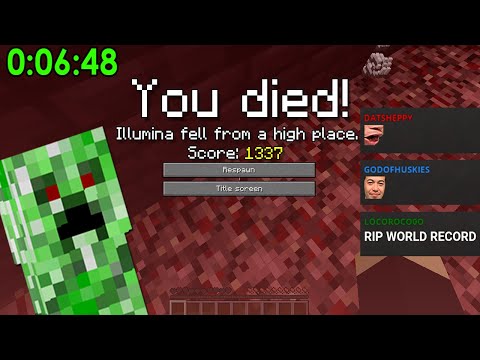
El speedrun de Minecraft es una batalla constante contra el RNG. Illumina, uno de los pioneros, tuvo una de las peores semillas imaginables. Un mal spawn, sin recursos cercanos, y una fortaleza del Nether que parecía inencontrable. La run debería haber sido un 'reset' instantáneo.

Pero Illumina perseveró. Su conocimiento del juego le permitió tomar decisiones ultra eficientes, optimizando cada segundo. La remontada fue una combinación de habilidad y una racha de buena suerte que desafió toda probabilidad: encontró la fortaleza, consiguió los blaze rods necesarios en tiempo récord y, en el Overworld, los ojos de ender le llevaron directamente al portal. Su victoria no fue solo contra el reloj, sino contra las propias probabilidades del juego, un momento que inspiró a toda la comunidad de Minecraft.

10. El Vuelo Imposible - El 'Cheat%' de Spyro

El Juego: Spyro The Dragon
La Categoría: Cheat%

Para nuestro último puesto, algo diferente. En la categoría Cheat% de Spyro, se permite usar un código para acceder a cualquier nivel, llevando a una run ultra corta. El récord parecía insuperable, medido en apenas un par de minutos. Tras un error de input en el menú, cualquier esperanza de récord parecía desvanecida.

Sin embargo, el runner realizó una maniobra de vuelo en el nivel final, Coveless, que se consideraba casi imposible en un intento RTA (Real-Time Attack). Ahorró los segundos cruciales que necesitaba, logrando el récord por un margen mínimo. Fue un recordatorio de que incluso en las categorías más cortas y optimizadas, siempre hay espacio para un momento de brillantez que lo cambie todo. Puedes consultar estos récords en el leaderboard oficial de speedrun.com.

La Lección Final: Nunca te Rindas

Estas historias son más que simples récords mundiales. Son una prueba de que en el speedrunning, y en el gaming en general, la partida no termina hasta que aparecen los créditos. La capacidad de mantener la calma, adaptarse y ejecutar bajo presión es lo que separa a los buenos jugadores de las leyendas.

Esperamos que este viaje por algunos de los momentos más clutch te haya inspirado. Ahora queremos escucharte a ti.

¿Cuál es la remontada más increíble que has presenciado? ¿Tienes tu propia historia de un comeback épico en un juego? ¡Comparte tus momentos en los comentarios y únete a la conversación en nuestro Discord!

Preguntas Frecuentes

¿Qué es un 'choke' o 'ahogo' en speedrunning?
Un 'choke' en el mundo del speedrunning ocurre cuando un jugador comete un error simple o una serie de errores graves hacia el final de una run, usualmente por la presión de estar en ritmo de récord mundial (WR) o de marca personal (PB). Este fallo a menudo arruina una carrera que, hasta ese momento, era casi perfecta.

¿Cómo influye el RNG en una remontada de speedrun?
El RNG (Generador de Números Aleatorios) es un factor de suerte que puede arruinar o salvar una run. En una remontada, un mal RNG puede ser la causa inicial de la pérdida de tiempo (ej. un jefe con un patrón de ataque desfavorable). Sin embargo, un golpe de suerte con un RNG increíblemente bueno más adelante puede compensar ese tiempo perdido, permitiendo al speedrunner obtener un drop raro, un patrón de enemigos fácil o un evento aleatorio favorable que lo ponga de nuevo en la carrera por el récord.

¿Qué significa una 'YOLO strat' y por qué es clave en los comebacks?
Una 'YOLO strat' (de 'You Only Live Once' o 'Solo se vive una vez') es una estrategia de alto riesgo y alta recompensa que un speedrunner normalmente no intentaría en una run con buen ritmo. Cuando una run va mal y se ha perdido mucho tiempo, el jugador puede decidir arriesgarlo todo con una 'YOLO strat'. Si falla, la run termina, pero si tiene éxito, puede ahorrar una cantidad masiva de tiempo, siendo a menudo el catalizador de las remontadas más espectaculares.

Top 10 Biggest Skips in Speedrunning History: A Deep Dive

Alright speedrunners and gaming enthusiasts, buckle up! We're diving deep into the glorious, game-breaking world of skips. These aren't just little shortcuts; we're talking about massive sequence breaks, clever glitches, and insane strat twists that have not only shaved seconds but *minutes* off world records. Ever wondered how some runs bypass entire sections of a game? That's the magic of a good skip. In this list, we're counting down the Top 10 Biggest Skips in Speedrunning History, the ones that made the community gasp, re-evaluate strategies, and set new benchmarks.

What are Game Skips?

In the realm of speedrunning, a "skip" refers to any technique, glitch, or exploit that allows a player to bypass a significant portion of a game. This could mean skipping entire levels, bosses, cutscenes, or even key objectives. The goal is always to shave off precious time, and the most impactful skips often become the cornerstone of new Any% or Category strategies. They are the holy grail for many runners, pushing the boundaries of what players thought was possible in a game.

Mastering these skips requires immense dedication, precise execution, and often a deep understanding of the game's engine. Some skips are easy to perform once learned, while others demand pixel-perfect timing and frame-perfect inputs. The community's ingenuity in discovering and refining these skips is what keeps the speedrun scene so vibrant and ever-evolving.

#10: The Legend of Zelda: Ocarina of Time - Forest Temple Skip

Ocarina of Time is a speedrunning titan, and its skips are legendary. The Forest Temple skip, often achieved through a complex challenge run technique involving bomb hovers and precise positioning, allows runners to bypass a significant portion of this iconic dungeon. It's a prime example of how a seemingly simple mechanic can be exploited for massive time savings.

In my runs, nailing the timing on this skip felt like a huge accomplishment, opening up so many possibilities for a better time.

#9: The Legend of Zelda: Breath of the Wild - Hyrule Castle Skip

Breath of the Wild's open world offers numerous opportunities for skips. The Hyrule Castle skip, which allows players to bypass the conventional approach to the castle, is a testament to the community's ability to break the game's intended progression. This strat often involves clever use of physics, updrafts, and sometimes even shield surfing to reach key areas much earlier than anticipated.

#8: Super Mario 64 - Bob-omb Battlefield Infinite

Super Mario 64 is the birthplace of many speedrunning techniques. While not a traditional "skip" in the sense of bypassing a level, the Bob-omb Battlefield Infinite (often involving collecting 8 red coins in a specific way) showcases how players found ways to manipulate game mechanics for ultra-fast completions in certain categories. It's a classic example of finding unintended shortcuts.

#7: Metroid Prime - Frigate Orpheon Skip

Metroid Prime is known for its intricate level design and, consequently, its complex speedrun strats. The Frigate Orpheon skip is a critical sequence break that allows players to avoid fighting certain bosses or navigating specific sections of the ship. It relies on precise beam usage and movement to clip through or bypass intended pathways, demonstrating the deep technical knowledge speedrunners possess.

#6: Elden Ring - Stormveil Castle Early Access

FromSoftware games are notoriously difficult, and Elden Ring is no exception. However, the speedrunning community quickly discovered ways to skip large parts of Stormveil Castle. This often involves clever jumps, enemy manipulation, or even using specific Ashes of War to bypass areas that would normally require defeating powerful bosses like Margit. It’s a testament to the community’s desire to conquer challenges as quickly as possible.

#5: Portal 2 - GLaDOS Escape Skip

Portal 2's ingenious puzzle design lends itself to creative solutions. The GLaDOS escape skip is a prime example of players using portal mechanics in unintended ways to bypass large sections of the game's final act. This skip requires a deep understanding of portal physics and precise placement, often leading to jaw-dropping moments.

Seeing players pull off these complex portal skips in Portal 2 is always mind-blowing. It's like they speak the game's engine fluently.

#4: Castlevania: Symphony of the Night - Merman Skip

Symphony of the Night is a classic for a reason, and its speedrun is full of ingenious tricks. The Merman skip, achieved by using a specific sequence of movements and abilities to bypass a challenging enemy encounter early in the game, is a foundational skip for many runs. It demonstrates how understanding enemy AI and player movement can lead to significant time gains.

#3: Half-Life 2 - Fast Loading Skips

While not a skip in the traditional sense of bypassing gameplay, the "fast loading" or "map load" skips in Half-Life 2 are crucial for top-tier runs. These techniques involve exploiting how the game loads new areas to trigger map changes faster than intended, saving precious seconds during transitions. It’s a more subtle but equally important form of optimization.

#2: Super Mario Sunshine - Isle Delfino Gate Skip

Super Mario Sunshine's speedrun is characterized by its highly technical movement and tricks. The Isle Delfino Gate skip is a prime example of this, allowing runners to bypass the initial introductory sequence and gate, jumping straight into the gameplay. It requires precise platforming and often utilizes FLUDD mechanics in creative ways.

#1: The Legend of Zelda: Majora's Mask - Stone Tower Temple Skip

At the pinnacle of game-breaking skips, the Majora's Mask Stone Tower Temple skip is arguably one of the most famous and impactful. This incredibly complex strat allows runners to bypass the entire temple, including its unique inverted mechanics, by using a series of precise jumps, glitches, and potentially wrong warps. It fundamentally changed the Any% category for this game and remains a legendary feat of speedrunning.

The Impact of Skips on Speedrunning

Skips are more than just glitches; they are catalysts for innovation in the speedrunning community. They:

  • Redefine Categories: Major skips often lead to new route discoveries and sometimes even the creation of new speedrun categories (e.g., Any% vs. Glitchless).
  • Push Boundaries: They force runners to master incredibly difficult execution, showcasing peak gaming skill.
  • Extend Game Lifespans: Discovering new skips breathes new life into older games, keeping them relevant in the speedrunning scene for years.
  • Community Collaboration: The discovery and refinement of skips are often collaborative efforts, highlighting the power of community engagement.

From the early days of console gaming to the modern era of PC titles, the pursuit of the fastest time has always led players to probe the limits of game design. The skips listed here represent some of the most significant breaks from intended gameplay, forever etched in speedrunning history. They are a testament to player ingenuity and the endless possibilities that emerge when players truly master a game.

Frequently Asked Questions

Q1: What's the difference between a skip and a glitch?
A1: While often intertwined, a skip is the outcome (bypassing a section), and a glitch is often the method used to achieve that outcome (an unintended behavior of the game engine).

Q2: Are skips considered cheating in speedrunning?
A2: No, in most speedrunning communities, any glitch or exploit that can be performed within the game's mechanics is allowed, especially in categories like Any%. Specific categories (like Glitchless) exist to avoid these.

Q3: How are new skips discovered?
A3: New skips are typically found through dedicated practice, experimentation, random discoveries during gameplay, and analysis of the game's code or physics engine by the community.

Q4: Do all speedruns use skips?
A4: Not necessarily. It depends on the game and the specific speedrun category. Some categories explicitly prohibit glitches and skips.

We hope you enjoyed this deep dive into the most epic skips in speedrunning! What are your favorite game-breaking moments? Let us know in the comments below, or join our Discord server to discuss strats and share your own runs!

Los 10 Momentos MÁS Desafortunados del Speedrunning (Que Te Harán Gritar a la Pantalla)

Los 10 Momentos MÁS Desafortunados del Speedrunning (Que Te Harán Gritar a la Pantalla)

Un speedrunner reacciona con frustración frente a su pantalla, ilustrando los momentos más desafortunados del speedrunning.
Todos hemos estado ahí. El corazón latiendo a mil por hora, las manos sudorosas sobre el teclado o el mando. Estás en *la run*. El ritmo es perfecto, los *skips* han salido a la primera y tu *split* marca un verde intenso que promete un nuevo PB (Personal Best), o quizás... algo más. Quizás el tan ansiado WR (World Record). Y entonces, ocurre. Un error de un píxel, un enemigo que aparece donde nunca antes lo había hecho, un capricho del dios del RNG. La run muere. El silencio en la sala solo es roto por un grito de frustración. El speedrunning no es solo una disciplina de habilidad y memorización; es una batalla constante contra el caos, la probabilidad y la mala suerte. Hoy no celebramos las victorias, sino que rendimos homenaje a esos momentos de dolor puro, esos fallos tan épicos que se han convertido en leyenda dentro de la Comunidad Gamer. Prepárate para un viaje de infarto por los 10 momentos más desafortunados de la historia del speedrunning. Abróchate el cinturón, porque esto va a doler. El siguiente vídeo, una joya de la comunidad, inspiró este análisis profundo. Míralo y luego acompáñanos a desgranar el dolor, frame a frame.

1. El Cangrejo de un Millón de Dólares en Super Mario Sunshine

Imagina esto: estás en la final de un torneo de speedrunning con un premio de miles de dólares en juego. Llevas una run casi perfecta en Super Mario Sunshine. El speedrunner AverageTrey estaba viviendo este sueño (o pesadilla). En la categoría Any%, uno de los últimos obstáculos es un simple mini-jefe, un Klantentacle (un cangrejo azul), que requiere un *ground pound* preciso.

Trey iba por delante, con el récord y el dinero al alcance de la mano. Saltó, preparó el *ground pound*... y el juego simplemente dijo "no". Por una colisión inexplicable, un *glitch* de un fotograma, Mario atravesó al enemigo sin hacerle daño. La audiencia contuvo la respiración. Trey lo intentó de nuevo. Y de nuevo. El cangrejo, que normalmente es un trámite de 5 segundos, se convirtió en un muro infranqueable que le costó la carrera y el premio. Un momento tan doloroso como icónico.

"A veces, no importa lo bueno que seas. El juego tiene la última palabra."

2. El Lanzamiento Final de Bowser en Super Mario 64

El final de Super Mario 64 es un ritual para cualquier speedrunner. Tras más de una hora y media de saltos imposibles, *clips* a través de paredes y el famoso *Backwards Long Jump* (BLJ), solo queda una cosa: lanzar a Bowser contra una de las bombas que rodean la arena.

El runner japonés Akki estaba en una run de 120 estrellas que apuntaba a romper el récord mundial. Llegó a Bowser en un tiempo estratosférico. Agarró al Rey Koopa, empezó a girar... y en el lanzamiento final, el que decidía todo, falló el ángulo por un margen minúsculo. Bowser impactó en el suelo, a centímetros de la bomba. La run no murió, pero los 10-15 segundos perdidos en ese solo error fueron suficientes para que el récord se le escapara de las manos. La perfección durante 1 hora y 40 minutos, borrada en el último segundo.

3. La Puerta que No Abrió en Resident Evil

Los juegos antiguos son un campo de minas de *glitches*. El speedrunner de Resident Evil HD Remaster, CarcinogenSDA, lo descubrió de la peor manera. Estaba en una carrera en vivo durante un evento de Games Done Quick, con miles de personas viéndole.

En una sección conocida como el Guardhouse, hay una puerta que es crucial para avanzar. Carcinogen llegó a ella, presionó el botón de acción y... nada. La puerta, que había funcionado perfectamente en miles de runs anteriores, se negó a abrirse. Un *softlock* en toda regla. Intentó de todo: recargar el arma, moverse, volver a entrar en la sala. La puerta estaba sellada. La cara de desconcierto y la risa nerviosa de Carcinogen mientras el cronómetro seguía corriendo se convirtieron en un meme instantáneo en la comunidad de speedrunning.

4. La Traición del Ascensor en Half-Life

Half-Life es uno de los reyes del speedrunning técnico, lleno de *bunny hopping*, *grenade jumps* y físicas rotas. Pero a veces, el enemigo más simple es el más letal. El speedrunner coolkid estaba destrozando el récord mundial de Any%.

En el capítulo "Questionable Ethics", hay un ascensor que debes tomar para subir. Es un trámite, algo que haces sin pensar. Coolkid saltó al ascensor, pero en lugar de subir, el ascensor lo aplastó contra el techo, matándolo instantáneamente. Un *glitch* aleatorio y extremadamente raro que nadie había visto de esa manera. Ver cómo una run de récord mundial es aniquilada por un ascensor es el tipo de tragedia cómica que solo el speedrun puede ofrecer.

5. Cuando RNGesus te Abandona en Minecraft

El speedrunning de Minecraft es una masterclass en gestión del RNG (Random Number Generation), o lo que es lo mismo, la suerte. Necesitas que los cerdos te den carne, que los Blazes te den varas y que los Endermen te den perlas. El runner Illumina estaba en una run de categoría Set Seed Glitchless que iba camino de ser una de las mejores de la historia.

Llegó al End con un equipo perfecto y un tiempo increíble. Solo quedaba matar al Dragón del End. Pero el dragón se negó a cooperar. Durante varios minutos, en lugar de posarse en el centro para ser atacado, se dedicó a volar en círculos y lanzar bolas de fuego, un patrón de comportamiento extremadamente raro y desafortunado. Cada segundo que el dragón pasaba en el aire, el récord se alejaba más y más. Fue una muerte lenta y agónica de una run legendaria, todo por culpa de la mala suerte.

En Minecraft, puedes ser el mejor jugador del mundo, pero si el RNG no está de tu lado, estás perdido.

6. El "Fantasma de la Ópera" en Dark Souls

Dark Souls es sinónimo de dificultad, y sus speedruns son un ballet de precisión milimétrica. El runner Elajjaz se enfrentaba a Ornstein y Smough, uno de los jefes más icónicos y difíciles del juego, en una run que iba para récord.

La estrategia habitual es separar a los dos jefes para luchar contra ellos uno por uno. Elajjaz lo hizo a la perfección, derrotó a Smough y se quedó solo contra Super Ornstein. Con el jefe a un solo golpe de morir, Elajjaz se preparó para el golpe de gracia. De repente, desde fuera de la pantalla, fue empalado y levantado en el aire... por un Smough invisible y "muerto". Un *glitch* rarísimo hizo que el *hitbox* del martillo de Smough permaneciera activo después de su muerte, provocando un ataque fantasma que mató a Elajjaz y arruinó la run. La cara de incredulidad lo dijo todo.

7. El Disparo Imposible en GoldenEye 007

En los speedruns de GoldenEye 007, cada bala cuenta y cada segundo es oro. En el nivel "Silo", el runner RWhiteGoose estaba ejecutando una estrategia increíblemente difícil para conseguir el récord mundial.

La run dependía de manipular la IA de los guardias para que no activaran la alarma. Todo iba perfecto hasta la última sala. Un solo guardia quedaba entre él y la gloria. Apuntó, disparó... y la bala, por alguna razón cósmica, atravesó al guardia sin registrar el impacto. El guardia, ileso, activó la alarma, fallando el objetivo principal de la misión y matando la run a un segundo de terminar. Puedes ver la repetición frame a frame y la bala pasa limpiamente a través del modelo del personaje. Un fallo que desafía las leyes de la física del juego.

8. La Muerte en la Pantalla de Victoria de Cuphead

Cuphead es un juego diseñado para causar dolor, y su speedrun es un test de resistencia. Un jugador anónimo (el clip se hizo viral) estaba en la batalla final contra el Diablo. Tras una lucha infernal, consiguió el último golpe. La pantalla se congeló, la música de victoria sonó y las palabras "A KNOCKOUT!" empezaron a aparecer.

El jugador suspiró aliviado. Pero uno de los proyectiles del jefe, que seguía en pantalla, se deslizó lentamente y tocó a Cuphead *durante* la animación de victoria. El juego registró la muerte. La pantalla de "KNOCKOUT!" se desvaneció y fue reemplazada por el "YOU DIED". Ganar y perder en el mismo instante. Posiblemente, la forma más cruel en que un juego te puede decir "no has ganado todavía".

9. El Salto de Fe Fallido en Celeste

Las "Golden Strawberry" (Fresas Doradas) de Celeste son uno de los mayores desafíos en el mundo de los videojuegos. Requieren completar un nivel entero sin morir ni una sola vez. El speedrunner TGH estaba intentando la fresa dorada de "Farewell", el nivel más largo y difícil del juego, un desafío que lleva más de 30 minutos de ejecución perfecta.

Llegó a la pantalla final. El último salto del nivel. Un salto que había practicado miles de veces. Saltó, hizo el *dash*... y calculó mal la distancia por un solo píxel. Madeline cayó al vacío. Más de media hora de concentración sobrehumana y perfección, arruinados en el último input. El grito ahogado de TGH resonó en la comunidad como un símbolo del dolor del perfeccionista.

10. El Legendario "Choke" de Cosmo en Ocarina of Time

No todo es mala suerte o *glitches*. A veces, la presión es el peor enemigo. Cosmo Wright fue durante años el rey indiscutible de The Legend of Zelda: Ocarina of Time. En 2014, durante un maratón de SGDQ, intentó batir su propio récord mundial en directo.

La run era impecable, una obra de arte. Iba varios segundos por delante del récord. Llegó al colapso de la Torre de Ganon, la última sección de movimiento del juego. Solo tenía que correr en línea recta y hacer un par de saltos sencillos. Pero la presión de la audiencia, del evento y del récord le pudo. Falló un salto trivial, luego otro, perdiendo segundos preciosos en una cadena de errores impropios de él. Terminó la run fallando el WR por menos de dos segundos. Este momento, conocido como "The Choke", es un recordatorio brutal de que incluso los dioses del speedrunning son humanos. Para más información sobre récords y la comunidad, la web oficial de speedrun.com es el mejor recurso.

Preguntas Frecuentes

¿Qué es el RNG en el contexto del speedrunning?
El RNG (Random Number Generation) se refiere a todos los elementos de un juego que son aleatorios. Esto puede incluir el comportamiento de los enemigos, los objetos que sueltan (drops), el daño de los ataques o la disposición de ciertos niveles. Un "buen RNG" es cuando la suerte favorece al runner, mientras que un "mal RNG" puede arruinar una run perfecta, como se ve en varios ejemplos de esta lista.

¿Cuál es la diferencia entre un 'PB' y un 'WR'?
Un PB significa "Personal Best" (Mejor Marca Personal) y es el mejor tiempo que un speedrunner ha conseguido en una categoría específica. Un WR significa "World Record" (Récord Mundial) y es el mejor tiempo conseguido en esa categoría a nivel global por cualquier persona, verificado por comunidades como Speedrun.com.

¿Qué significa que una "run ha muerto"?
"La run ha muerto" (o "run is dead") es una expresión común que usan los speedrunners cuando cometen un error tan grave que ya no es posible conseguir el tiempo que buscaban (ya sea un PB o un WR). En ese momento, suelen reiniciar la partida para empezar de nuevo.

El Dolor Compartido que Nos Une

Estos momentos, aunque desgarradores para los jugadores que los sufrieron, se han convertido en parte de la historia del Gaming History. Nos recuerdan que detrás de cada récord increíble hay cientos, si no miles, de intentos fallidos. Son una lección de humildad y perseverancia que define a la comunidad de speedrunning.

Cada fallo es una historia, y cada "run muerta" es el preludio de una futura victoria. Ahora te toca a ti. ¿Cuál es el momento más desafortunado que has presenciado o vivido en un speedrun? ¿Hay alguna leyenda que nos hayamos dejado fuera?

¡Comparte tus historias de terror en los comentarios y únete a nuestro Discord para debatir las mejores estrategias y llorar juntos por las runs perdidas!