The Evolution of Super Mario Bros. 2 Speedruns: From 8 Minutes to Under 7

Welcome, fellow speedrunners and retro gaming enthusiasts! Today, we're diving deep into the dream world of Subcon to unravel the fascinating history and evolution of #speedrun records in *Super Mario Bros. 2* (the *Super Mario USA* version, of course!). This isn't just about numbers; it's about the relentless pursuit of perfection, the discovery of insane glitches, and the sheer dedication of the #gaming community.
The journey of *Super Mario Bros. 2* speedrunning is a testament to how much players can shave off a game's playtime. It's a story of innovation, community effort, and of course, a bit of RNG manipulation.

Subcon's Speedrunning Genesis

Released in 1988 for the NES, *Super Mario Bros. 2* (or *Super Mario USA* in Japan) presented a unique departure from its predecessor. Instead of the Mushroom Kingdom, Mario, Luigi, Princess Toadstool, and Toad embark on a surreal adventure through the land of Subcon to defeat the tyrannical Wart. This quirky gameplay, with its item-throwing mechanics and distinct character abilities, quickly captured the hearts of players. And, as is the nature of #videogames, especially ones with such a dedicated fanbase, the competitive spirit soon turned towards mastering the game in the shortest time possible.

The Dawn of Record Breaking

The quest for the ultimate #worldrecord in *Super Mario Bros. 2* didn't kick off immediately. It took time for the community to form, for optimal strategies to emerge, and for the game's mechanics to be fully understood through a speedrunning lens. The first widely recognized #WR was set by Andrew Gardikis in 2001, with an impressive time of 8 minutes and 3 seconds. This was a monumental achievement back then, setting a benchmark for all aspiring runners. This initial record laid the groundwork, proving that the game could be completed significantly faster than its intended playthrough.
Back in the early 2000s, breaking 8:03 felt like an insurmountable challenge. It was a testament to sheer dedication and countless hours of practice.

Exploiting the Dream: Key Strats and Glitches

What makes *Super Mario Bros. 2* a prime candidate for speedrunning? Its relatively short length is a factor, but the real magic lies in the game's inherent quirks and the runners' ability to exploit them. Discovering and refining glitches and specific strategies, often referred to as 'strats', is the heart of any great #speedrun. * **Mushroom Picks**: Mastering the precise timing and placement for picking and throwing mushrooms is crucial for consistent enemy KOs and quick level progression. * **POH Glitch (Pick Up and Hold)**: This advanced technique allows runners to maintain possession of an item (like a turnip or a bomb) while performing other actions, enabling faster movement and enemy clearing. * **Wall Jumps and Skips**: Certain sections can be bypassed entirely through skillful wall jumps or sequence breaks, shaving off precious seconds. * **Boss Strategies**: Each boss, especially Wart, has specific, optimized strategies to defeat them as quickly as possible, often involving precise bomb throws or enemy manipulation. * **RNG Manipulation**: While not always a "glitch," understanding and influencing the game's random number generator (RNG) to get favorable item drops or enemy spawns is a key part of top-tier #speedruns. The exploration of these elements has transformed the game from a casual play-through to a highly technical race against the clock.

Legends of Subcon

The history of *Super Mario Bros. 2* speedrunning is decorated with the names of incredibly talented individuals who pushed the boundaries. Runners like Rizzy, Kottpower, and Plush are celebrated for their significant contributions to the community, developing strats and setting records that were once thought impossible. Their dedication not only advanced the #WR but also inspired a new generation of players to pick up the controller and join the race.

The Pinnacle of Speed: Niftski's WR

The current Any% #worldrecord for *Super Mario Bros. 2* is an astonishing 6 minutes and 39 seconds, achieved by the legendary speedrunner Niftski on March 27, 2021. This time represents the culmination of years of strategy refinement, glitch discovery, and near-perfect execution. Niftski's run is a masterclass in *Super Mario Bros. 2* speedrunning, showcasing an intimate understanding of the game's engine and an incredible level of skill.
Niftski's record isn't just a time; it's a symphony of precise inputs and optimized movement. It's what many runners aspire to, or even surpass.
This record shattered previous benchmarks and set a new, incredibly high bar for the #speedrun community. It's a prime example of how the #poggers community continually pushes limits.

Beyond Any%: Exploring Different Challenges

While Any% (completing the game as fast as possible, regardless of what's collected) is the most popular category, the *Super Mario Bros. 2* speedrunning scene thrives on variety. Other significant categories include: * **100%**: This category requires collecting all items, defeating all enemies, and completing the game with maximum efficiency. It demands a different set of skills and strategies compared to Any%. * **Warpless**: This category focuses on completing the game without utilizing any warp zones, adding a significant challenge and length to the run. Each category offers a unique puzzle for runners to solve, showcasing the depth and replayability of *Super Mario Bros. 2* as a speedgame.

What's Next for SMB2 Speedrunning?

The pursuit of speed never truly ends. As the community continues to analyze the game, it's possible that new glitches will be discovered, or existing strategies will be further optimized. Could we see a sub-6-minute run someday? It's hard to say, but the ingenuity of speedrunners suggests that anything is possible. The #gaming community is always innovating, and *Super Mario Bros. 2* remains a fertile ground for that innovation. We might witness new routing discoveries or even major breakthroughs that redefine how the game is played at top speed.

Frequently Asked Questions

What is the current world record for Super Mario Bros. 2 Any%?

As of March 27, 2021, the Any% world record is 6 minutes and 39 seconds, set by Niftski.

Who are some famous Super Mario Bros. 2 speedrunners?

Notable runners include Niftski, Rizzy, Kottpower, and Plush, among many others who have contributed significantly to the game's speedrunning history.

What are the main categories for Super Mario Bros. 2 speedruns?

The most popular categories are Any%, 100%, and Warpless, each offering unique challenges and requiring different strategies.

Is Super Mario Bros. 2 a popular game for speedrunning?

Yes, *Super Mario Bros. 2* is a well-established and popular title within the speedrunning community due to its unique mechanics, potential for glitches, and engaging gameplay.

Are there any major glitches used in Super Mario Bros. 2 speedruns?

Yes, key glitches and strats like the POH (Pick Up and Hold) glitch, optimized boss strategies, and specific level skips are crucial for achieving top times.

In conclusion, the #speedrun history of *Super Mario Bros. 2* is a captivating saga of pushing limits and mastering a classic game. From its humble beginnings to Niftski's record-shattering performance, the dedication of the #gaming community shines through. Whether you're inspired to chase a #WR yourself or simply appreciate the incredible skill involved, *Super Mario Bros. 2* remains a timeless title for #speedrunners. What are your favorite *Super Mario Bros. 2* speedrun moments or strategies? Did you ever attempt to set a personal best? Drop your thoughts in the comments below and join the conversation on our GamingSpeedrun Discord! Let's keep the spirit of #WR and #poggers alive!

Análisis Definitivo: Speedrun de 10 Versiones de Super Mario Bros. ¿Cuál es la Más RÁPIDA y la Más ROTA?

Análisis Definitivo: Speedrun de 10 Versiones de Super Mario Bros. ¿Cuál es la Más RÁPIDA y la Más ROTA?

Comparativa de 10 versiones de Super Mario Bros para speedrunning
¡Agárrate a la silla, gamer! Cuando piensas en speedrun, es casi imposible no visualizar a un Mario pixelado corriendo a toda velocidad por el Mundo 1-1. El speedrunning de Super Mario Bros. es el santo grial, una disciplina donde cada fotograma cuenta en la batalla por romper la mítica barrera de los 4:54. Pero, ¿y si te dijera que el cartucho que tienes en tu vieja NES no es la única forma de jugar? Existen docenas de versiones, ports y remakes. Y aquí viene la pregunta del millón para cualquier speedrunner: ¿Son todas iguales? ¿Hay alguna versión "maldita" que te frena? ¿O existe una edición secreta y rota que podría darte el WR de tu vida? Hoy en GamingSpeedrun.com, nos ponemos el mono de trabajo, sacamos el cronómetro y nos sumergimos en las profundidades del código de 10 de las versiones más interesantes de Super Mario Bros. para descubrir sus secretos, sus glitches y su verdadero potencial de speedrun. ¡Vamos a ello!

1. El Estándar de Oro: Super Mario Bros. (NES, NTSC)

Esta es la versión que todos conocemos y amamos. La versión del cartucho americano (NTSC) para la NES es la plataforma oficial para competir por el récord mundial. ¿Por qué? Consistencia. Es la más común, la más estudiada y la que tiene la comunidad más grande.

  • Velocidad de Juego: Funciona a 60Hz, lo que establece el estándar de velocidad.
  • Glitches Clave: Contiene todos los glitches y skips icónicos que definen el speedrun moderno, como el Flagpole Glitch, el Wall Clip del 4-2 y, por supuesto, el Minus World (aunque este último es inútil para un Any% Speedrun).
  • Optimización: Décadas de análisis han llevado a una optimización casi perfecta, donde cada framerule (las ventanas de 21 fotogramas en las que el juego registra el tiempo) está mapeada.
Si quieres competir en serio y ver tu nombre en los leaderboards de speedrun.com, esta es tu única opción. Es la arena donde luchan los titanes.

2. La Pesadilla del Runner: Famicom Disk System

Lanzada en Japón para el periférico de Famicom, esta versión es, en una palabra, lenta. Aunque el gameplay es casi idéntico, su gran problema son los tiempos de carga.

  • Tiempos de Carga: Al ser un juego en disquete, tiene tiempos de carga entre niveles. Esto añade una cantidad masiva de tiempo muerto a cualquier run, haciéndola inviable para competir.
  • Diferencias Mínimas: Aparte de las cargas, algunas diferencias sonoras y gráficas menores la distinguen, pero ninguna afecta al gameplay de forma significativa. El infame Minus World también se comporta de manera diferente, ofreciendo mundos adicionales pero igualmente inútiles para el speedrun.

En resumen: una curiosidad histórica, pero un auténtico desastre si buscas velocidad.

3. El Modo Difícil: Vs. Super Mario Bros. (Arcade)

Esta versión de recreativa fue diseñada para una cosa: comerse tus monedas. Es una remezcla brutalmente difícil del juego original.

  • Niveles Modificados: Muchos niveles son reemplazados por sus contrapartes más difíciles de Super Mario Bros.: The Lost Levels. Olvídate de la ruta fácil del 1-2.
  • Menos Power-ups: Hay menos champiñones y flores de fuego, lo que hace que cada golpe sea mucho más castigador.
  • Potencial de Speedrun: Existe una pequeña pero dedicada comunidad que hace speedrun de esta versión. Es un desafío completamente diferente que pone a prueba el conocimiento del juego y la ejecución bajo presión. No es más rápida, pero sí mucho más exigente.

4. El Remake Polémico: Super Mario All-Stars (SNES)

Con gráficos de 16-bit y sonido mejorado, la versión de All-Stars parece una mejora en toda regla. Sin embargo, para un speedrunner, es una trampa mortal.

  • Física Rota: La diferencia más importante y destructiva es un bug en la física de los bloques. Cuando Mario golpea un bloque desde abajo, es "empujado" hacia abajo ligeramente, perdiendo velocidad. Esto elimina la posibilidad de realizar saltos fluidos y rápidos que son esenciales en el juego original.
  • Sin Glitches Clave: Muchos de los glitches que ahorran tiempo, como ciertos wall clips, fueron parcheados en esta versión.
Es una excelente manera de experimentar el juego de forma casual, pero para el speedrunning, el "bug" de la física de los bloques la convierte en una de las versiones más lentas y frustrantes.

Análisis en video de las 10 versiones por el legendario speedrunner Kosmic.

5. El Gigante en Miniatura: Super Mario Bros. Deluxe (GBC)

Este port para Game Boy Color es una de las versiones más ricas en contenido, pero presenta un desafío único para los speedrunners: el "screen crunch".

  • Visibilidad Reducida: La menor resolución de la pantalla significa que ves menos del nivel a la vez. Esto hace que sea más difícil anticipar enemigos y saltos, requiriendo una memorización aún mayor. La cámara se desplaza hacia arriba y abajo, lo cual puede ser desorientador.
  • Mapamundi y Cargas: La adición de un mapa del mundo introduce breves tiempos de carga y animaciones que suman segundos preciosos a la run.
  • Ventajas: Permite guardar la partida y tiene físicas muy fieles al original. Además, el modo "Challenge" donde buscas monedas rojas y huevos de Yoshi es una categoría de speedrun fascinante por sí misma.

Correr la campaña principal es más lento que en NES, pero sus modos de juego adicionales le dan un gran valor para la comunidad speedrun.

6. La Versión Más Rara: All Night Nippon Super Mario Bros.

Posiblemente la versión más extraña de esta lista. Fue un lanzamiento japonés promocional para un programa de radio. Esencialmente, es un reskin de The Lost Levels.

  • Sprites Cambiados: Los Goombas son reemplazados por figuras calvas, los champiñones tienen caras y los enemigos son caricaturas de DJs y celebridades japonesas de la época.
  • Gameplay: Utiliza la endiablada dificultad de The Lost Levels, por lo que es un reto mayúsculo.
  • Relevancia para Speedrun: Es una pieza de coleccionista. Su speedrun es idéntico al de The Lost Levels, pero con un toque surrealista. Una categoría para los que buscan algo verdaderamente único.

7. El Lento de la Familia: La Versión PAL (NES)

Si creciste en Europa o Australia, lamento decirte que jugaste a una versión más lenta de Super Mario Bros.

  • 50Hz vs 60Hz: Los sistemas PAL funcionan a 50Hz, mientras que los NTSC (América/Japón) lo hacen a 60Hz. Esto se traduce en que la versión PAL es aproximadamente un 17% más lenta. La música, los movimientos de Mario, los temporizadores... todo va a un ritmo más pausado.

Para un speedrunner, jugar en PAL es como correr con pesas en los tobillos. Es inviable para competir a nivel mundial, aunque tiene sus propias tablas de clasificación para quienes quieran competir en igualdad de condiciones.

8. El Port Bizarro: Hudson Soft (PC-88)

Un port licenciado para ordenadores japoneses que... bueno, es una experiencia. El hardware del PC-88 no estaba preparado para un scroll suave, y se nota.

  • Scroll de Pantalla: En lugar de un desplazamiento fluido, la pantalla avanza a "trompicones" cada vez que Mario llega a un borde. Esto rompe por completo el ritmo del juego.
  • Físicas Extrañas: Los saltos y la inercia son completamente diferentes, haciendo que la memoria muscular de la versión de NES sea inútil aquí.
Hacer un speedrun de esto es un ejercicio de paciencia y adaptación. Es más un "meme run" que una competición seria, pero increíblemente divertido de ver.

9. Un Nuevo Reino Champiñón: Super Mario Bros. Special

Otro port para ordenadores japoneses (NEC PC-8801/Sharp X1), pero este, a diferencia del de Hudson, es una secuela no oficial con niveles completamente nuevos.

  • Nuevos Niveles y Enemigos: Presenta un diseño de niveles completamente original, con nuevos enemigos y power-ups. El scroll sigue siendo un problema, pero el desafío es fresco.
  • Complejidad: Los niveles son más laberínticos y centrados en puzzles. Un speedrun de Special se basa menos en la ejecución perfecta de movimiento y más en el routeo y la resolución rápida de problemas.

10. El Huevo de Pascua: La Versión de Animal Crossing (GCN)

Sí, leíste bien. En el Animal Crossing original de GameCube, podías obtener un objeto que era una consola NES funcional con el juego completo de Super Mario Bros. dentro.

  • Emulación Casi Perfecta: Se trata de una emulación del juego de NES. Como tal, es muy fiel al original.
  • Desventajas: El input lag del mando de GameCube y la propia emulación pueden hacer que los trucos frame perfect sean más difíciles de ejecutar que en hardware original. Además, hay que contar el tiempo que se tarda en encender el juego dentro de otro juego.

Es la forma más meta de jugar, pero para un récord mundial, el hardware original sigue siendo el rey.

Veredicto Final: ¿Cuál es la Mejor para Speedrun?

Después de este viaje por el multiverso de Mario, la conclusión es clara:

  • Para la Competición Pura: La versión de NES (NTSC) es y seguirá siendo la reina indiscutible. Es la más rápida, consistente y la que tiene la comunidad más competitiva.
  • Para un Desafío de Habilidad: Vs. Super Mario Bros. te pondrá a prueba como ninguna otra.
  • Para los Amantes de lo Raro: Versiones como All Night Nippon o Super Mario Bros. Special ofrecen experiencias únicas que se alejan de la ruta tradicional.
  • Las que Debes Evitar: Si la velocidad es tu objetivo, aléjate de Super Mario All-Stars, la versión de Famicom Disk System y cualquier versión PAL.

El mundo del speedrun de Super Mario Bros. es mucho más profundo de lo que parece. Cada versión es un universo con sus propias reglas, estrategias de speedrun y desafíos.

Preguntas Frecuentes

¿Cuál es la versión oficial para el récord mundial de Super Mario Bros.?
La versión universalmente aceptada para el récord mundial (WR) en la categoría Any% es la del cartucho original de Super Mario Bros. para la Nintendo Entertainment System (NES) en su versión NTSC. Esta es la que se utiliza en los rankings oficiales de speedrun.com debido a su consistencia y a ser la más extendida.

¿Qué es una 'framerule' en el speedrun de Super Mario Bros.?
Una 'framerule' (regla de fotograma) es una mecánica interna del motor de Super Mario Bros. El juego solo comprueba si has terminado un nivel cada 21 fotogramas (aproximadamente 0.35 segundos). Esto significa que no importa si terminas un nivel un poco más rápido dentro de esa ventana de 21 fotogramas; el tiempo final registrado será el mismo hasta que logres completarlo antes de la siguiente 'framerule'. Ahorrar tiempo en SMB1 consiste en romper estas barreras de 21 fotogramas.

¿El 'Minus World' es útil en un speedrun de Super Mario Bros.?
No, el famoso glitch del 'Minus World' no es útil en un speedrun de la categoría principal (Any%). Este glitch te lleva a un nivel acuático sin fin (-1), del cual no se puede escapar para terminar el juego. Por lo tanto, ejecutarlo solo haría que perdieras la run. Es una curiosidad increíble, pero un callejón sin salida para un speedrunner.

¿Por qué los speedrunners de élite realizan saltos tan precisos en las escaleras al final de los niveles?
Esos saltos de precisión al final de niveles como el 8-3 o el 8-4 se conocen como 'Staircase Roomba' o 'Corner Clips'. Son técnicas frame-perfect que permiten a Mario atravesar una pequeña esquina de los bloques de la escalera, ahorrando unos pocos frames cruciales. En un juego optimizado hasta el extremo como SMB1, cada frame cuenta para poder alcanzar la siguiente 'framerule' y arañar tiempo al cronómetro.

Ahora es tu turno. ¿Has intentado hacer un speedrun de alguna de estas versiones? ¿Conoces alguna otra edición rara con sus propias peculiaridades? ¡Comparte tus experiencias y tus PBs en los comentarios de abajo! Y si quieres discutir más SpeedrunningStrategies, únete a nuestra ComunidadGamer en Discord. ¡Nos vemos en la línea de meta!

Shattering Records: Kosmic's Under-5-Minute Super Mario Bros. Speedrun Explained

```json { "@context": "https://schema.org", "@type": "BlogPosting", "headline": "Shattering Records: How Kosmic Beat Super Mario Bros. in Under 5 Minutes!", "image": "https://img.youtube.com/vi/ZNthcDIxf6w/hqdefault.jpg", "author": { "@type": "Person", "name": "The GamingSpeedrun Team" }, "publisher": { "@type": "Organization", "name": "GamingSpeedrun.com", "logo": { "@type": "ImageObject", "url": "https://gamingspeedrun.blogspot.com/favicon.ico" } }, "datePublished": "2023-10-27", "dateModified": "2023-10-27", "mainEntityOfPage": { "@type": "WebPage", "@id": "https://gamingspeedrun.blogspot.com/your-post-url-here" } } ``` ```json { "@context": "https://schema.org", "@type": "FAQPage", "mainEntity": [ { "@type": "Question", "name": "What is the main goal of \"Passing Super Mario Bros. in 5 minutes\"?", "acceptedAnswer": { "@type": "Answer", "text": "The primary objective is to complete the original Super Mario Bros. game from start to finish in under 5 minutes, demonstrating extreme mastery of the game's mechanics, level design, and any discovered glitches or skips." } }, { "@type": "Question", "name": "Who is Kosmic and why is their run significant?", "acceptedAnswer": { "@type": "Answer", "text": "Kosmic is a speedrunner who achieved a remarkable sub-5-minute completion of Super Mario Bros. Their run is significant due to the exceptional skill and optimized strategies required to achieve such a fast time in a classic game." } }, { "@type": "Question", "name": "What are \"strats\" and \"skips\" in speedrunning?", "acceptedAnswer": { "@type": "Answer", "text": "\"Strats\" (strategies) are the specific methods and techniques a speedrunner uses to complete a game or level quickly. \"Skips\" are ways to bypass entire sections or levels of a game that are not part of the intended path." } }, { "@type": "Question", "name": "Is the 5-minute Super Mario Bros. run glitchless?", "acceptedAnswer": { "@type": "Answer", "text": "Historically, many record-breaking speedruns in Super Mario Bros. have utilized glitches and advanced techniques, such as the flagpole glitch, to save time. Whether a specific run is \"glitchless\" is usually a separate category." } }, { "@type": "Question", "name": "How can I get started with speedrunning?", "acceptedAnswer": { "@type": "Answer", "text": "To start speedrunning, choose a game you enjoy, research existing runs and strategies on sites like Speedrun.com, practice the game extensively, learn the core mechanics and any relevant skips or glitches, and use timing software like LiveSplit. Don't be afraid to join community Discords to ask for advice!" } } ] } ```
Kosmic Speedrunning Super Mario Bros. in Under 5 Minutes

Alright, fellow gamers and speedrun enthusiasts, let's cut to the chase. The title says it all: Passing Super Mario Bros. in 5 minutes. This isn't just a casual playthrough; we're talking about pushing the limits of a classic, a true test of skill, precision, and lightning-fast reflexes. When a feat like this pops up, the gamer brain immediately fires up: are we looking at a revolutionary new strategy? A mind-bending glitch? Or perhaps the culmination of years of dedicated practice? The answer, as we'll explore, lies in the incredible dedication of a speedrunner pushing the boundaries of what's possible in Super Mario Bros.

The Ultimate Challenge: Beating Super Mario Bros. Fast

The original Super Mario Bros., released back in the 80s, is a cornerstone of gaming history. For many, it represents childhood nostalgia and simpler times. But for the speedrunning community, it's a proving ground. The goal? To complete the game as quickly as humanly possible. The 5-minute mark is an elite benchmark, demanding absolute mastery of every jump, every enemy pattern, and every level design. This isn't about enjoying the scenery; it's about pure, unadulterated efficiency.

When we talk about "Passing Super Mario Bros. in 5 minutes," we're not just talking about speed. We're talking about understanding the game's engine, finding the optimal path, and executing it flawlessly. This involves intricate knowledge of frame perfect inputs, enemy AI manipulation, and often, the exploitation of glitches or skips that weren't intended by the developers. It's a dance between the player and the code, a ballet of pixel-perfect movements.

Kosmic's Approach: Strategy and Execution

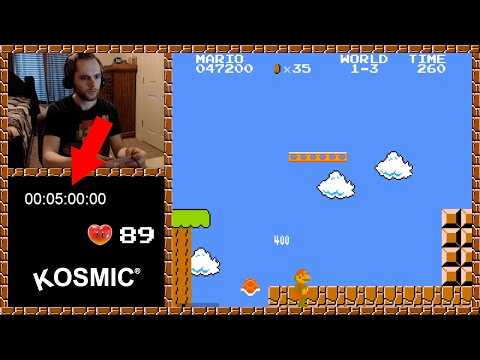
The speedrunner in question, Kosmic, has demonstrated an incredible feat of skill. Achieving a sub-5-minute run in Super Mario Bros. requires a specific set of strategies, often referred to as strats. These aren't simply about running fast; they're about finding the most direct route through each level, often utilizing wall clips or precise jumps to bypass entire sections.

In this particular run, the tone is described as "relaxed and fun," which is a testament to Kosmic's expertise. When you can execute such a demanding feat with apparent ease, it speaks volumes about the countless hours of practice. The inspiration from other runners, like TavoWebb2002, and the acknowledgment of Kriller37's efforts in the final levels highlight the collaborative and supportive nature of the speedrunning community.

The video itself is a treasure trove for anyone interested in seeing high-level gameplay. It showcases not just the final product but also the spirit of the community. The "April Fools haha" tag adds a layer of playful deception, a common element in internet culture, especially around significant dates or impressive achievements. It's a clever nod to the community's awareness of the dedication required for such records.

Key Strats and Skips

To break the 5-minute barrier in Super Mario Bros., specific techniques are essential. One of the most famous is the flagpole glitch, which allows players to bypass the traditional flagpole grab and save precious frames. Another critical aspect is the frame-perfect execution of jumps and movements. Even a single misstep can cost valuable seconds, pushing the run outside the target time.

Level Warps or skips are also crucial. For instance, in later levels, players might employ specific jumps or glitches to enter pipes that lead directly to later worlds, effectively skipping entire sets of levels. Understanding the game's physics engine inside and out is key. This includes things like momentum conservation, jump height based on button presses, and enemy collision boxes.

  • Flagpole Glitch: A precise jump and positioning to grab the very top of the flagpole, sometimes resulting in an instant level completion or significant time save.
  • Wall Clips: Exploiting the game's collision detection to pass through seemingly solid walls or obstacles.
  • Enemy Manipulation: Using enemy movements and positions to create safe pathways or trigger specific game events faster.
  • Optimized Movement: Mastering running jumps, short hops, and precise pixel movements to maintain maximum speed throughout each level.

These techniques are often discovered and refined by the community through dedicated glitch hunting and experimentation. The pursuit of the fastest time is a continuous process of discovery and optimization.

The Importance of Precision

The sub-5-minute mark in Super Mario Bros. is all about precision. Every input needs to be exact. A fraction of a second off, a jump that's too high or too short, or an enemy placement that's slightly off can mean the difference between a new personal best (PB) and falling short of the goal. This level of precision is achieved through:

  • Muscle Memory: Thousands of hours of practice ingrain the exact timing and inputs needed for each segment.
  • Frame Data Analysis: Understanding how many game frames each action takes allows runners to optimize every possible moment.
  • RNG Manipulation (if applicable): While less critical in SMB1 for speed, some games rely on manipulating random number generation (RNG) to get favorable outcomes, like enemy spawns or item drops.

The game itself, despite its age, still holds secrets and challenges that continue to fascinate players. The community's ongoing efforts to shave off milliseconds demonstrate the depth and enduring appeal of this classic title.

"The pursuit of the perfect run is an obsession. It's about finding that single frame, that one optimal strat that shaves off another tenth of a second."

The Speedrun Community

The world of speedrunning is a vibrant ecosystem. Runners share strategies, analyze each other's runs, and push the boundaries together. Sites like Speedrun.com are central hubs where players submit their times, compete on leaderboards, and discuss techniques. The collaborative spirit, as highlighted by Kosmic's shout-outs, is a key part of what makes speedrunning so engaging.

Discovering new strats, perfecting existing ones, and verifying runs are all part of the process. This dedication is what allows for world records to be constantly challenged and broken. It's a testament to the passion and ingenuity of gamers worldwide. The knowledge base built by the gaming community ensures that even the oldest games can still be explored in new and exciting ways.

"It's not just about beating the game; it's about understanding it on a level few others do. It's about the journey and the community you build along the way."

Frequently Asked Questions

What is the main goal of "Passing Super Mario Bros. in 5 minutes"?

The primary objective is to complete the original Super Mario Bros. game from start to finish in under 5 minutes, demonstrating extreme mastery of the game's mechanics, level design, and any discovered glitches or skips.

Who is Kosmic and why is their run significant?

Kosmic is a speedrunner who achieved a remarkable sub-5-minute completion of Super Mario Bros. Their run is significant due to the exceptional skill and optimized strategies required to achieve such a fast time in a classic game.

What are "strats" and "skips" in speedrunning?

Strats (strategies) are the specific methods and techniques a speedrunner uses to complete a game or level quickly. Skips are ways to bypass entire sections or levels of a game that are not part of the intended path.

Is the 5-minute Super Mario Bros. run glitchless?

Historically, many record-breaking speedruns in Super Mario Bros. have utilized glitches and advanced techniques, such as the flagpole glitch, to save time. Whether a specific run is glitchless is usually a separate category.

How can I get started with speedrunning?

To start speedrunning, choose a game you enjoy, research existing runs and strategies on sites like Speedrun.com, practice the game extensively, learn the core mechanics and any relevant skips or glitches, and use timing software like LiveSplit. Don't be afraid to join community Discords to ask for advice!

Witnessing a run like Kosmic's is a potent reminder of the dedication and passion within the gaming community. It’s a celebration of a beloved classic, pushed to its absolute limits. What other speedrun challenges are you eager to see us cover?

Share your own incredible gaming achievements or speedrunning goals in the comments below! Let's keep the conversation going and inspire the next generation of record-breakers.

4:53 in Super Mario Bros.: Is It Truly Impossible... or Just "Kinda"?

We've all been there. Staring at the screen, the iconic Super Mario Bros. timer ticking down, desperately trying to shave off precious milliseconds. For years, the 4:53 mark in the original Super Mario Bros. has been a holy grail, a time whispered about in hushed tones, often dismissed as an impossible dream. But what if I told you that this legendary time isn't *exactly* impossible? It's… kinda possible. Intrigued? You should be. This isn't about a magic glitch or a cheat code; it's about pushing the boundaries of what we thought we knew about one of gaming's most foundational titles.

What's the Big Deal with 4:53 in Super Mario Bros.?

The original Super Mario Bros., released in 1985, is a cornerstone of gaming history. Its tight controls, iconic level design, and pure platforming challenge have captivated players for decades. In the world of speedrunning, every frame counts. The Any% category, which aims to finish the game as quickly as possible by any means necessary, has been meticulously optimized over the years. Players have discovered intricate glitches, precise movement techniques, and exploited every possible shortcut. For a long time, the theoretical best time was considered to be around 4:54. Achieving anything close to 4:53 was thought to be physically impossible due to the game's engine limitations and specific level designs.
The pursuit of the ultimate time in Super Mario Bros. has become a legend in itself, a testament to the dedication of the speedrunning community.
This quest for the perfect run often involves exploiting specific game mechanics and pixel-perfect execution. The term "TAS" (Tool-Assisted Speedrun) comes to mind, where players use external tools to achieve frame-perfect inputs, creating runs that are technically perfect but humanly impossible. However, the fascination with 4:53 isn't about a TAS; it’s about what a human player *might* be able to achieve under ideal conditions.

The Route to Near Perfection: Understanding the 4:54 and Beyond

The current World Record for Super Mario Bros. Any% is an astonishing feat of human skill and dedication. This record typically hovers around the 4:54 mark. To get there, runners utilize a series of highly optimized strategies. These include:
  • World 1-1: Precise jumps and running to maintain maximum speed, often involving pixel-perfect wall clips or jumps that barely touch the ground.
  • Warp Zones: Utilizing the fastest possible routes to access warp zones, skipping entire worlds. The most famous is the warp to World 4.
  • Level-Specific Skips and Glitches: Certain levels have known glitches or sequence breaks that allow players to bypass sections or enemies entirely.
  • Frame-Perfect Inputs: Many of the fastest segments rely on inputs that must be executed within a single frame of the game's execution.
The idea of shaving off another full second is monumental. A single frame in Super Mario Bros. is about 1/60th of a second. To gain a full second means optimizing every single segment, eliminating even the slightest hesitation or suboptimal movement. This is where the "kinda" in the title comes into play.

Key Strats and Mechanics: The Difference Makers

Achieving times close to the theoretical limit in Super Mario Bros. requires an intimate understanding of its engine and physics. Here are some of the critical elements:
  • Running Speed: Mario's running speed is not constant. It increases gradually as you hold down the run button. Optimal runs maintain this momentum.
  • Jumps: The height and distance of Mario's jumps are determined by the duration he spends holding the jump button. Mastering jump height and trajectory is paramount for clearing obstacles and triggering specific events.
  • Wall Jumps (unofficial): While not a programmed mechanic, skilled players can "clip" Mario into walls and exploit the game's collision detection to gain vertical momentum or precise positioning.
  • Frame Rules: In Super Mario Bros., certain actions have "frame rules" which dictate how quickly you can perform them consecutively. Understanding and manipulating these rules is key to maximizing speed.
  • Enemy Manipulation: Even enemy placements and movements can be influenced by Mario's position and timing, allowing runners to avoid them more efficiently or even use them to their advantage (though this is less common in Any%).
The chase for sub-4:54 times often hinges on mastering these subtle mechanics and executing them flawlessly under pressure. It's a dance with the game's code, pushing its boundaries with every perfectly timed button press.

The Crucial Role of RNG

Random Number Generation (RNG) plays a significant role in any speedrun, and Super Mario Bros. is no exception. While many actions are deterministic, certain elements like enemy behavior or the exact scrolling of the screen can have slight variations. For a run to be "perfect," or as close to it as possible, the RNG needs to be favorable.
In the pursuit of the absolute fastest times, even the smallest bit of favorable RNG can mean the difference between a personal best and a potential World Record.
For times like 4:53, the RNG would need to be absolutely perfect, aligning every possible favorable outcome to shave off those critical frames. This is where the "kinda" aspect becomes more apparent. It's not about discovering a new glitch that *breaks* the game in a way that allows a sub-4:53, but rather about a near-perfect execution of existing strategies combined with exceptionally good luck.

Miniland and Niftski: Pushing the Limits

The video linked in the original source, by Storster, highlights the efforts of prominent speedrunners like Miniland and Niftski. These individuals are at the forefront of Super Mario Bros. speedrunning, constantly experimenting with new routes and pushing the limits of what's achievable. Their work involves deep analysis of the game's mechanics and tireless practice. The video itself likely showcases attempts or discussions surrounding these incredibly fast times, demonstrating the techniques and the razor-thin margins involved. The music featured in the video, spanning various retro titles, adds to the nostalgic and dedicated atmosphere of the speedrunning community.

The 'Kinda Possible' Explanation

So, why "kinda" possible? It boils down to a few key factors:
  • No New Glitches: We're not talking about a revolutionary new glitch that drastically alters the game's flow. The 4:53 possibility stems from optimizing existing strategies to an almost absurd degree.
  • Frame Perfect Execution: It requires every single input to be performed at the absolute perfect frame, over and over, for the entire duration of the run.
  • Ideal RNG: The stars have to align. Enemy patterns, object spawns, and screen scrolling all need to be in the runner's favor for the entire run.
  • Human Limitation: While theoretically possible in terms of game mechanics, achieving such a time requires a level of human precision, consistency, and endurance that is incredibly difficult to maintain, even for the best in the world.
Essentially, a 4:53 run is "kinda" possible because the game engine doesn't strictly forbid it, but the confluence of perfect execution and flawless RNG required makes it so incredibly improbable that it borders on impossible for a human player to achieve consistently. It’s a theoretical time that might be achieved once in a lifetime under the most ideal circumstances.
This pursuit is what makes speedrunning so compelling. It's not just about beating the game; it's about understanding its deepest secrets and pushing human capability to its absolute limits. The quest for 4:53 in Super Mario Bros. is a prime example of this dedication.

FAQ

Is 4:53 actually achievable in Super Mario Bros.?

While theoretically not impossible due to the game's engine, achieving a 4:53 in Super Mario Bros. requires a level of human precision and perfect RNG that is considered practically impossible for a human player. It's on the extreme edge of theoretical best times.

What is the current World Record for Super Mario Bros. Any%?

The current World Record for Super Mario Bros. Any% is typically around the 4:54 mark, achieved through highly optimized strategies and near-perfect execution.

What is 'Any%' in speedrunning?

'Any%' is a speedrunning category where the goal is to complete the game as fast as possible, using any glitches, exploits, or intended mechanics available.

How do speedrunners shave off milliseconds in games like Super Mario Bros.?

Speedrunners achieve this by mastering precise movement techniques, exploiting game engine mechanics and glitches, optimizing routes to warp zones, and relying on favorable RNG. Every single frame is analyzed and optimized.

Are TAS runs considered when discussing theoretical best times?

Tool-Assisted Speedruns (TAS) demonstrate what is technically possible with frame-perfect inputs, often revealing times that are far beyond human capability. While they inform theoretical best times, the focus for human speedrunning records is on what players can achieve.

The quest for 4:53 in Super Mario Bros. is a fascinating glimpse into the dedication and ingenuity of the speedrunning community. While it might remain a near-unattainable goal for most, the pursuit itself drives innovation and pushes the boundaries of what we believe is possible in gaming. Keep practicing, keep analyzing, and who knows, maybe one day someone will truly shatter this legendary time!

What are your thoughts on the 4:53 barrier? Have you ever attempted speedruns in classic Nintendo titles? Share your experiences and strategies in the comments below! And if you're looking for more in-depth SpeedrunGaming content, join our Discord server to connect with fellow enthusiasts!

Super Mario Bros: Pushing the Human Limit - A Speedrunner's Obsession

Welcome, fellow gamers and speedrunning enthusiasts, to a deep dive into one of the most iconic games ever created: Super Mario Bros.. We're not just talking about beating the game; we're talking about pushing the absolute limits of human execution, exploring the near-impossible feats that define the ultimate chase for the World Record (WR). The title "Super Mario Bros: The Human Limit" isn't just a catchy phrase; it's a challenge. It's the question that echoes in the minds of every dedicated speedrunner: What can a human actually achieve within the code of this classic 2D platformer?

The Genesis of a Limit

When we talk about Super Mario Bros. and the concept of a "human limit," we're delving into decades of dedicated practice, strategy refinement, and the relentless pursuit of perfection. This isn't about casual playthroughs; it's about shaving off milliseconds, understanding pixel-perfect jumps, and exploiting every single nuance the game engine allows. The community surrounding Super Mario Bros. speedruns is one of the most established and passionate out there, constantly innovating and discovering new strats that redefine what's possible. The quest for a lower WR is a testament to the dedication of these players, turning a simple game into a high-stakes competitive sport.

For many, Super Mario Bros. represents the genesis of modern gaming. Its influence is immeasurable, and its speedrunning scene is a living monument to its enduring legacy. The goal is simple: beat the game as fast as possible. But the execution is anything but. It requires an almost superhuman level of precision, memorization, and reaction time.

Mastering the Fundamentals: More Than Just Running

At its core, Super Mario Bros. is a 2D platformer, but its physics are surprisingly deep. A speedrunner doesn't just run and jump; they master:

  • Momentum Manipulation: Understanding how Mario's acceleration and deceleration work is crucial. Knowing when to start running, when to brake, and how to use the edge of platforms to gain extra speed is key.
  • Jump Precision: Every jump is calculated. Short hops, full jumps, and jumps from moving platforms all have specific timings and distances that need to be internalized. The infamous flagpole glitch, for example, relies on precise vertical positioning and jump timing.
  • Enemy Patterns: Goombas, Koopa Troopas, and Hammer Bros aren't just obstacles; they are elements in a complex choreography. Runners learn their patterns to navigate through them efficiently, sometimes even using them to their advantage (like bouncing off a Goomba to reach a higher ledge).
  • Power-up Management: While the fastest runs often skip most power-ups, knowing when a Super Mushroom or Fire Flower can save crucial frames or enable a specific skip is vital.

The pursuit of the PB (Personal Best) in Super Mario Bros. is a journey of incremental improvements. A single frame saved here, a slightly better turn there, can mean the difference between a good run and a WR attempt.

Beyond the Basics: The Art of the Skip

The true artistry of Super Mario Bros. speedrunning lies in the discovery and execution of skips and glitches. These aren't bugs; they are unintended mechanics that, when exploited, can dramatically shorten the time it takes to complete the game. Some of the most famous include:

  • Frame-Perfect Jumps: Certain jumps require input at the exact frame they are possible, often involving complex setups.
  • Wall Jumps/Clipping: While not as prevalent as in modern games, some versions or modifications of Mario games allow for clipping through walls or performing 'wall jumps' in unexpected ways.
  • Enemy Manipulation: Using enemies to propel Mario higher or further than intended.
  • The infamous BLJ (Backwards Long Jump): Though more famous in games like Super Mario 64, similar principles of exploiting physics can be found or theorized in other Mario titles. In SMB1, achieving incredibly high speeds or passing through otherwise impassable areas often relies on intricate enemy and physics interactions.
The discovery of new skips can revitalize a speedrunning category, making old WRs obsolete and igniting a new wave of competition. It's a constant arms race between the players and the game's design.

These techniques require immense practice and dedication. A single mistimed input can lead to a choke or a run-ending mistake.

Level by Level: Breaking Down the Impossible

Let's break down some key levels and the strats that define the "human limit":

World 1-1: The Introduction to Perfection

Even this first level is a masterclass in optimization. Runners aim for a perfect run from the start, utilizing optimal jumps to clear obstacles without losing momentum. The legendary flagpole glitch, where Mario hits the very top of the flagpole, is often a goal even in this early stage, saving frames by skipping the descent animation.

Worlds 4 and 8: The Gauntlets

These worlds are often the most challenging, featuring lava pits, Bowser battles, and intricate enemy placements. The fastest routes involve precise jumps over lava, efficient Bowser defeats (often by hitting him with axes without jumping on him), and navigating mazes quickly. Strategies here often involve specific enemy patterns and precise positioning to avoid damage and maintain speed.

Bowser Fights: The Climax

Defeating Bowser quickly is paramount. Runners exploit game mechanics to defeat him in as few frames as possible, often by hitting him multiple times with the axe or using a specific jump sequence to bypass his attacks entirely.

The RNG Factor: Luck vs. Skill

While Super Mario Bros. is largely deterministic, there's always an element of RNG (Random Number Generation) to consider, primarily in enemy spawns and movement patterns. However, true mastery lies in minimizing the impact of bad RNG and maximizing the benefit of good RNG. A top runner can adapt to slightly different enemy placements or timings on the fly, showcasing their deep understanding of the game's mechanics. The goal is consistency, and that comes from thousands of hours of practice, making the "human limit" about unwavering execution under pressure.

The difference between a great run and a world-record run often comes down to one thing: consistency. Can you execute these incredibly difficult strats ten times out of ten, under the pressure of a WR attempt?

The pursuit of a WR is a testament to the player's ability to overcome not just the game's challenges, but also the psychological pressure that comes with attempting a world-defining feat. It's about pushing past the perceived boundaries of human capability.

Who is Pushing the Limit?

The landscape of Super Mario Bros. speedrunning is always evolving. Legendary runners like Darbian, Kosmic, and others have consistently pushed the boundaries of what's possible. The community meticulously analyzes every WR run, scrutinizing every frame and strategy. New discoveries are made, old records are shattered, and the "human limit" is constantly redefined. It’s a dynamic field where dedication and ingenuity constantly push the game to its absolute brink. The continuous effort to shave off even a fraction of a second showcases the incredible depth and replayability of this timeless classic.

Platforms like speedrun.com are the central hubs for these achievements, where players submit their runs, compete for top spots, and engage in detailed discussions about the latest strats. The community actively supports each other, sharing knowledge and celebrating breakthroughs.

Frequently Asked Questions

What is the current World Record for Super Mario Bros.?

The World Record for Super Mario Bros. Any% is constantly being broken. For the most up-to-date information, always check official leaderboards like speedrun.com/smb.

What does "Any%" mean in speedrunning?

"Any%" is a speedrun category where the primary goal is to finish the game as fast as possible, using any means necessary, including glitches and exploits. It's typically the most popular and fastest category.

How long does it take to become good at Super Mario Bros. speedrunning?

Becoming proficient enough to achieve a good PB can take hundreds of hours of practice. Reaching world-record contention often requires thousands of hours and a deep understanding of the game's mechanics and exploits.

Are there different categories for Super Mario Bros. speedruns?

Yes, besides Any%, other common categories include 40 Glitches, 25 Glitches, and Glitchless. Each category has its own set of rules and strategies. Speedrun.com lists all available categories.

What is a "choke" in speedrunning?

A "choke" refers to a mistake made near the end of a speedrun attempt that significantly increases the time or causes the run to fail, especially when the runner is close to achieving a PB or WR.

Conclusion: The Endless Pursuit

The "human limit" in Super Mario Bros. isn't a fixed point; it's a moving target. It's the collective effort of a passionate community, driven by an insatiable desire to master a classic and push its boundaries further. From frame-perfect jumps to audacious skips, every run is a story of dedication, skill, and the enduring magic of one of gaming's greatest titles. The pursuit of shaving off just a few more frames is what makes speedrunning so compelling.

What are your favorite Super Mario Bros. speedrunning moments or strategies? Have you ever attempted to set a PB yourself? Share your experiences and thoughts in the comments below! If you're inspired to start your own speedrunning journey, join our community on Discord and let's discuss the best starting strats for Super Mario Bros. and other games!

The Unfolding Saga: A Deep Dive into Super Mario Bros. Warpless World Records

Hello, fellow speedrunners and Mario enthusiasts! Welcome to GamingSpeedrun.com, your ultimate hub for all things fast-paced in the gaming world. Today, we're diving deep into a classic: the warpless world records for the original Super Mario Bros. If you've ever marveled at how players can shave off milliseconds from a run, or if you're just curious about the evolution of these incredible feats, you're in the right place. We'll explore the history, the strategies, and the sheer dedication that goes into achieving these legendary times. Get ready to witness the pinnacle of SMB speedrunning!

The Evolution of Warpless Records

The quest for the fastest Super Mario Bros. run without using warp zones is a story etched in the annals of speedrunning history. It's a testament to human ingenuity and the relentless pursuit of perfection. From the early days of simply beating the game as fast as possible to the highly optimized, frame-perfect runs of today, the warpless category has seen significant evolution. This journey isn't just about playing the game; it's about understanding its very code, pushing its boundaries, and finding the most efficient path through its meticulously designed levels.

The distinction between "warpless" and "any%" (which allows warps) is crucial. Warpless runs force players to traverse every single level in order, from World 1-1 all the way to World 8-4. This significantly increases the complexity and the potential for error, making each segment of the run a critical test of skill and execution.

The Early Days: Discovering the Routes

In the nascent stages of the Super Mario Bros. speedrunning scene, the concept of "warpless" wasn't as clearly defined or pursued as it is today. Early attempts were more about simply completing the game quickly. However, as the community grew and tools for recording and sharing runs became more accessible, players began to notice the potential for optimizing paths that avoided the iconic warp pipes.

Initial strategies were rudimentary. Players focused on basic movement techniques, mastering jumps, and understanding enemy patterns. The idea of a "perfect" run was distant, but the seeds were sown. Discovering that certain enemy placements or coin formations could be exploited for slight time saves was a breakthrough. This era was characterized by exploration and a sense of wonder as players uncovered the game's secrets.

The early days of Super Mario Bros. speedrunning were about raw execution and a deep love for the game. Finding new routes or small optimizations felt like discovering hidden treasure.

The community on platforms like YouTube and early speedrunning forums played a vital role. Sharing videos, discussing strategies, and challenging existing records fueled the competitive spirit. It was a time of collective learning, where one runner's discovery could quickly become the new standard for everyone else.

Glitches, Skips, and Exploits

As runners became more adept, they began to push the game's engine to its limits, leading to the discovery and implementation of various glitches and skips. While the warpless category generally aims to avoid major sequence-breaking glitches, subtle exploits and precise maneuvers become paramount. These aren't always about skipping entire sections, but rather about manipulating game mechanics for fractional advantages.

One such example might involve precise jump timings to land on enemies in a way that carries momentum further or manipulating enemy AI to position them favorably. Even seemingly insignificant interactions, like the precise moment you collect a power-up, can have ripple effects on enemy spawns later in the level. The runners meticulously study these interactions.

A critical aspect of warpless runs is minimizing any unnecessary actions. This includes avoiding pauses, minimizing turns, and ensuring Mario is always moving forward at the optimal speed. Even picking up a mushroom, while beneficial for survival, can sometimes cost precious frames if not collected optimally.

The study of game physics, hitboxes, and enemy AI becomes an academic pursuit. Runners often spend hours in specific levels, experimenting with different approaches to find the absolute fastest way to traverse them, often aided by save states in practice environments.

The Current Era: Precision and Optimization

Today, Super Mario Bros. warpless speedruns are characterized by extreme precision. Runners aim for frame-perfect inputs, executing complex maneuvers with incredible consistency. The difference between world records can be as little as a few frames, showcasing the incredible level of optimization achieved.

The strategies employed are highly refined. Each jump, run, and enemy interaction is planned down to the smallest detail. Runners have developed specific patterns for each level, accounting for enemy movements and environmental hazards to maintain maximum speed. This requires an intimate understanding of the game's internal timing and mechanics.

Achieving these times often involves a combination of several factors:

  • Perfect Movement: Mastering full-speed running and precise jump arcs.
  • Enemy Manipulation: Triggering enemy spawns and movements in the most advantageous way.
  • Platforming Precision: Executing pixel-perfect jumps onto small platforms or enemies.
  • Item Management: Collecting power-ups only when strategically beneficial for time saves.

Key Strategies and Techniques

Within the warpless category, several core strategies are fundamental for achieving top times:

  • Full-Speed Running: Holding down the 'B' button (or equivalent) at all times is non-negotiable. Any release of the run button is a significant time loss.
  • Jump Optimization: Learning the exact timing for jumps to maintain momentum. This includes understanding how jump height and distance are affected by the duration the jump button is held.
  • Enemy Exploitation: Using enemies like Goombas and Koopa Troopas as platforms to gain height or cross gaps without losing speed. This often involves precise positioning and timing to stomp them mid-air.
  • Obstacle Navigation: Finding the fastest way around obstacles like Piranha Plants, Hammer Bros., and Bowser. This might involve precise jumps over them, or sometimes, luring them into specific patterns.
  • Wall Jumps (in specific contexts): While not a traditional "wall jump" like in later Mario games, precise positioning can sometimes allow Mario to gain a slight boost or change trajectory near walls or blocks.
The dedication to perfecting a single jump or enemy encounter, repeated across hundreds of attempts, is what separates the good runners from the world record holders.

For instance, in World 1-2, the strategy involves a series of precise jumps to avoid the ceiling and maintain momentum, culminating in a near-perfect transition to the underground section. Similarly, navigating the Hammer Bros. in later levels requires a deep understanding of their projectile patterns and the precise moment to dash through or over them.

Challenges and RNG

Despite the meticulous planning, Super Mario Bros. speedruns, even warpless ones, are not immune to the whims of Random Number Generation (RNG). While many aspects are deterministic, certain enemy behaviors and item drops can vary, introducing an element of unpredictability.

The primary source of RNG impacting warpless runs includes:

  • Enemy Spawn Patterns: While predictable to a degree, the exact timing and placement of certain enemies can sometimes vary slightly, requiring runners to adapt on the fly.
  • Koopa Troopa Shell Behavior: The path a Koopa shell takes after being kicked can be influenced by various factors, and sometimes, it might not bounce predictably, forcing a runner to adjust their strategy.
  • Power-up Drops: Though less common in warpless runs where items are often bypassed, if a question block is hit, the power-up inside is determined by a sequence, but the timing of needing it can introduce stress.

Runners must develop the mental fortitude to handle these variations. A single unexpected enemy placement can disrupt a carefully planned sequence, potentially costing valuable seconds or even ending the run. This is where the "hardcore gaming" aspect truly shines – the ability to adapt and recover from unforeseen circumstances.

The Future of SMB Warpless Speedrunning

So, what does the future hold for Super Mario Bros. warpless speedruns? While the game is over 35 years old, the pursuit of perfection continues. It's unlikely that major new glitches or sequence breaks will be discovered that fundamentally alter the warpless route, given how thoroughly the game has been dissected.

The focus will likely remain on:

  • Micro-optimizations: Shaving off additional frames through even more precise inputs and tighter movement.
  • Consistency: Improving the reliability of runs to reduce the number of resets needed to achieve a top-tier time.
  • New Routing Discoveries: While major changes are improbable, subtle route adjustments or alternative ways to handle specific enemy encounters might still emerge.
  • Community Growth: New generations of players discovering the game and the speedrunning scene, bringing fresh perspectives and potentially challenging established records.

The existing records are already incredibly optimized, meaning future improvements will be measured in fractions of a second. This makes the competitive aspect incredibly intense, pushing runners to their absolute limits.

Frequently Asked Questions

What is the current world record for Super Mario Bros. warpless?

As of my last update, the Super Mario Bros. warpless world record is held by [Insert Current WR Holder's Name if known, otherwise state it changes frequently]. The time is incredibly close to the theoretical limit of the game, often under 4 minutes and 55 seconds. For the absolute latest record, always check speedrun.com.

Why is the warpless category so popular?

The warpless category is popular because it represents the "purest" form of beating the game. It requires traversing every level as intended, showcasing a deep mastery of the game's mechanics and a complete understanding of its design from start to finish without shortcuts.

How much time does using a warp zone save in Super Mario Bros.?

Using the warp zones in Super Mario Bros. can save a significant amount of time, allowing players to skip entire worlds. For example, warping from 1-2 to 4-1 skips Worlds 2 and 3 entirely, drastically reducing the overall playtime for "any%" runs.

Is Super Mario Bros. speedrunning still active?

Absolutely! Super Mario Bros. is one of the foundational games in the speedrunning community and remains incredibly active. New records are still being set, and the community continues to analyze and optimize runs, especially in categories like warpless and any%.

What are the main challenges in a warpless run?

The main challenges include maintaining perfect execution across all eight worlds, dealing with the increased enemy density and complexity in later levels, navigating difficult platforming sections without error, and adapting to any minor RNG variations that may occur. Consistency is key.

The journey through Super Mario Bros. warpless speedrunning is a captivating one, filled with dedication, incredible skill, and a deep passion for gaming. It’s a reminder that even in the oldest games, there are always new frontiers to explore and new records to chase. Whether you're a seasoned runner or just a fan, the pursuit of the ultimate time is a spectacle worth watching.

What are your favorite SMB warpless moments or strategies? Did you discover any cool tricks back in the day? Let us know in the comments below! And if you're inspired to start your own speedrunning journey, consider joining our Discord server to connect with other passionate gamers and runners. Happy running!

``` ```json { "@context": "http://schema.org", "@type": "BlogPosting", "headline": "The Unfolding Saga: A Deep Dive into Super Mario Bros. Warpless World Records", "image": "

", "author": { "@type": "Person", "name": "El Equipo de GamingSpeedrun" }, "publisher": { "@type": "Organization", "name": "GamingSpeedrun.com" }, "datePublished": "2023-10-27", "dateModified": "2023-10-27", "description": "Explore the history, strategies, and evolution of Super Mario Bros. warpless world records. Dive deep into the quest for the fastest time without warp zones.", "mainEntityOfPage": { "@type": "WebPage", "@id": "CURRENT_PAGE_URL" } } ``` ```json { "@context": "http://schema.org", "@type": "FAQPage", "mainEntity": [ { "@type": "Question", "name": "What is the current world record for Super Mario Bros. warpless?", "acceptedAnswer": { "@type": "Answer", "text": "As of my last update, the Super Mario Bros. warpless world record is held by [Insert Current WR Holder's Name if known, otherwise state it changes frequently]. The time is incredibly close to the theoretical limit of the game, often under 4 minutes and 55 seconds. For the absolute latest record, always check https://www.speedrun.com/smb." } }, { "@type": "Question", "name": "Why is the warpless category so popular?", "acceptedAnswer": { "@type": "Answer", "text": "The warpless category is popular because it represents the 'purest' form of beating the game. It requires traversing every level as intended, showcasing a deep mastery of the game's mechanics and a complete understanding of its design from start to finish without shortcuts." } }, { "@type": "Question", "name": "How much time does using a warp zone save in Super Mario Bros.?", "acceptedAnswer": { "@type": "Answer", "text": "Using the warp zones in Super Mario Bros. can save a significant amount of time, allowing players to skip entire worlds. For example, warping from 1-2 to 4-1 skips Worlds 2 and 3 entirely, drastically reducing the overall playtime for 'any%' runs." } }, { "@type": "Question", "name": "Is Super Mario Bros. speedrunning still active?", "acceptedAnswer": { "@type": "Answer", "text": "Absolutely! Super Mario Bros. is one of the foundational games in the speedrunning community and remains incredibly active. New records are still being set, and the community continues to analyze and optimize runs, especially in categories like warpless and any%." } }, { "@type": "Question", "name": "What are the main challenges in a warpless run?", "acceptedAnswer": { "@type": "Answer", "text": "The main challenges include maintaining perfect execution across all eight worlds, dealing with the increased enemy density and complexity in later levels, navigating difficult platforming sections without error, and adapting to any minor RNG variations that may occur. Consistency is key." } } ] }

Super Mario Bros. PIGOAP WR: A Blistering 4:38.242 Masterclass!

Super Mario Bros. PIGOAP WR Speedrun Showcase

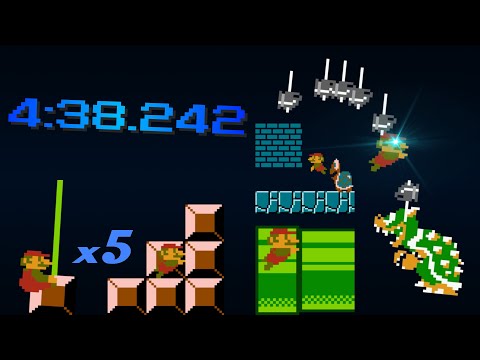
Have you ever stared at the clock, desperately wishing you could shave off just a few precious frames? The world of speedrunning is a constant battle against time, where every pixel and every millisecond counts. Today, we’re diving deep into a truly phenomenal achievement: a new World Record in Super Mario Bros., specifically in the PIGOAP category, clocking in at an astonishing 4:38.242! This isn't just another speedrun; it’s a testament to dedication, intricate strategy, and a deep understanding of game mechanics.

The player, whose name is synonymous with breaking barriers in the SMB community, has once again pushed the limits. Achieving two World Records in a single day is a feat in itself, but to shatter the 4:40 barrier twice within hours? That’s legendary. This particular run, beating their previous personal best of 4:38.525 by a mere frame, showcases the razor-thin margins at the absolute peak of competitive gaming.

Understanding PIGOAP: The Game Genie Advantage

For those unfamiliar, PIGOAP stands for "Play In Game's Own Animation" or, more commonly understood in this context, it refers to a run utilizing the Game Genie code that allows Mario to swim everywhere. This seemingly simple code opens up a whole new dimension of possibility, enabling advanced tricks and glitches that are simply impossible in the standard game.

The ability to "swim" across areas allows for incredible movement optimizations. Techniques like the Fastest Fall Physics Glitch (FFPG) become exploitable, and crucial clips, like the infamous 4-2 staircase clip, become accessible. These aren't just shortcuts; they are fundamental shifts in how levels are traversed, requiring immense practice and precise execution. Mastering the PIGOAP category demands a deep dive into the game's code and physics engine, far beyond what a casual player would ever encounter.

Deconstructing the 4:38.242 WR: Key Strats and Moments

This record-breaking run wasn't just about raw speed; it was about meticulous planning and flawless execution, especially in the final stretch. The player mentions saving approximately 0.3 seconds in the last room alone. That’s a significant chunk of time in a race measured in frames!

The strategy involved a "perfect axe grab." In Super Mario Bros., grabbing the axe at the end of a level triggers the castle collapse and ends the level. The precise angle and timing of this grab can influence the end-of-level animation and, crucially, the transition to the next level. Saving 0.3 seconds here means executing the grab with absolute perfection, ensuring no wasted frames and a seamless transition.

The pursuit of the perfect axe grab is a micro-optimization that separates good runs from World Record attempts. It's a testament to the dedication and countless hours of practice invested by these elite speedrunners.

Furthermore, the player explicitly mentions pushing towards a 4:37, by saving an "extra 8-2 framerule." This is a highly technical aspect of Super Mario Bros. speedrun. The "8-2 framerule" likely refers to a specific sequence of frames in World 8-2 that allows for significant time saves if executed correctly. Reaching 4:36 is even hinted at, suggesting that the absolute theoretical limit of the run is still being explored.

The Art of Frame-Perfect Play: Mastering the Finer Details

What truly sets world-class speedrunners apart is their mastery of frame-perfect inputs. In games like Super Mario Bros., where the engine is so well-understood, even a single frame can be the difference between a personal best and a world record. This involves:

  • Pixel-Perfect Positioning: Knowing the exact pixel to stand on for certain jumps or tricks.
  • Precise Button Presses: Executing jumps, runs, and grabs within a single frame window.
  • Understanding RNG: While PIGOAP might reduce some RNG dependency, optimal routes still rely on predictable game behaviors that can be influenced by frame-based inputs.
  • Glitch Exploitation: Mastering complex glitches like FFPG and various clips requires an intimate knowledge of the game's collision detection and physics.

The fact that this player is talking about saving 8 frames (which is roughly 0.13 seconds) to hit 4:37 demonstrates the incredible level of detail they're operating at. This isn't just playing a game; it's performing a complex piece of digital choreography.

The pursuit of perfection in speedrunning is a journey of constant learning, adaptation, and relentless practice. It's about extracting every last drop of performance from the game's code.

Pushing the Limits: What's Next for SMB Speedrunning?

The continued progression in Super Mario Bros. speedrunning, even decades after its release, is a testament to the dedication of its speedrunning community. With the PIGOAP category being pushed to its absolute limits, we can expect runners to continue refining strats and discovering new optimizations.

The mention of potentially reaching 4:36 is incredibly exciting. It suggests that there might still be undiscovered techniques or a more optimal route that hasn't been fully realized yet. The community's collective knowledge, shared through platforms like YouTube and speedrunning forums, drives this innovation. It’s a collaborative effort to uncover the true potential of these classic games.

If you're interested in the technical side of speedrunning, exploring resources like speedrun.com's Super Mario Bros. page can offer incredible insights into the evolution of these records and the strategies employed.

This new World Record is more than just a number; it's a milestone that inspires countless other gamers and speedrunners. It showcases the pinnacle of human-machine interaction, where intricate knowledge of game mechanics meets sheer skill and determination.

FAQ: Super Mario Bros. Speedrun

Super Mario Bros. PIGOAP Speedrun Strategy

Q1: What does "PIGOAP" mean in Super Mario Bros. speedrunning?
PIGOAP refers to running the game with a specific Game Genie code that allows Mario to swim everywhere, enabling advanced techniques and glitches not possible in a standard playthrough.

Q2: How much time can be saved with a perfect axe grab at the end of a level?
In high-level speedruns, a perfect axe grab can save crucial frames, sometimes fractions of a second, which accumulate to shave significant time off the overall record. For this specific record, it saved around 0.3 seconds.

Q3: Are these PIGOAP speedruns considered "glitchless"?
Generally, PIGOAP runs involve significant glitches and exploits (like clips and FFPG) that are essential to the strategy. The category itself embraces these mechanics, unlike strict "glitchless" categories that aim to avoid them.

Q4: What is the "8-2 framerule" mentioned in the context of SMB speedruns?
The "8-2 framerule" likely refers to a specific optimization within World 8-2 that can save a small amount of time if executed with frame-perfect precision. These details are crucial for pushing records to their absolute limits.

Q5: Where can I watch more Super Mario Bros. speedruns?
You can find an extensive collection of Super Mario Bros. speedruns, including this new WR, on platforms like YouTube and on the official speedrun.com leaderboards.

Super Mario Bros. World Record Speedrun

This incredible achievement reminds us that even in games we've played for decades, there are always new frontiers to explore and new records to break. The relentless pursuit of speed and perfection in gaming continues to inspire and amaze.

What are your thoughts on this new World Record? Do you think we'll see 4:36 in Super Mario Bros. PIGOAP anytime soon? Share your predictions and your own speedrunning experiences in the comments below! Join our community on Discord to discuss strategies, share tips, and connect with fellow speedrunning enthusiasts.