Sonic's NEW Minecraft World Speedrun: Ultimate Strats & Community Secrets!

What's up, speedrunners and Sonic fans! Ever thought you'd see the Blue Blur tearing through a blocky world at ludicrous speed? Well, buckle up, because we're diving headfirst into Sonic's NEW Minecraft World, a phenomenon that’s blending high-speed platforming with infinite creative potential. This isn't just a crossover; it's a masterclass in how two iconic universes can collide, creating something truly special for the speedrunning community. We're here to break down the strats, uncover the hidden gems, and explore what makes this Sonic Minecraft Stories entry a must-watch for any true gamer.

Unleashing Sonic in a Blocky Realm

The arrival of Sonic's NEW Minecraft World has been nothing short of spectacular. It’s a brilliant marriage of Sonic's signature high-octane gameplay and Minecraft's boundless sandbox freedom. Imagine the thrill of a Sonic game – the sheer velocity, the precise jumps, the iconic rings – all transplanted into a world you can literally build and break. This isn't just about smashing blocks; it's about redefining movement and exploration at speeds we've only dreamed of in a Minecraft context. We’re talking about a seamless integration that respects both franchises, offering an experience that feels both familiar and refreshingly new.

Speedrunning Sonic's Minecraft: The Core Mechanics

As seasoned speedrunners, the siren call of a new challenge in Sonic's Minecraft World is impossible to ignore. Whether you’re aiming for a world record or just want to shave seconds off your personal best, understanding the core mechanics is crucial. This is where the real magic happens, blending Sonic's speed with Minecraft's intricacies.

Mastering Sonic's Agility in Minecraft

In this unique environment, mastering Sonic's movement is key. Forget slow, methodical mining; we're talking about pure velocity.

  • Spin Dash Mastery: Perfecting the Spin Dash is your bread and butter. Learn its charge-up time and how to unleash it to clear gaps or gain momentum instantly.
  • Spin Jump Precision: Use the Spin Jump not just for combat, but for navigating tricky platforming sections that might otherwise require slower traversal.
  • Homing Attack Efficiency: The Homing Attack is invaluable for chaining movement between targets, be they enemies or specific environmental objects designed to propel you forward.
Developing muscle memory for these actions will shave vital seconds off your runs.

Leveraging Power-ups and Sonic's Abilities

Scattered throughout Sonic's Minecraft World are power-ups and special abilities that can drastically alter your speedrun potential.

Don't underestimate the elemental shields. A well-timed Fire Shield can clear out enemies blocking your path, saving precious seconds.
Keep an eye out for:
  • Elemental Shields: Fire, Water, and Electricity shields offer not just protection but can also interact with the environment or enemies in unique ways.
  • Speed Boosters: Temporary speed boosts are critical for crossing large distances quickly or completing timed sequences.
  • Special Rings: Beyond collecting them for score, some rings might offer temporary buffs or unlock hidden pathways crucial for optimal routes.

Harnessing Redstone for Speedrunning Gains

This is where Minecraft's true depth meets Sonic's speed. The Redstone system isn't just for building elaborate machines; it's a strategic tool for speedrunners.

I've seen runners create incredible Redstone contraptions that act as instant elevators or timed doors, cutting out entire sections of the map.
Consider integrating Redstone into your runs by:
  • Automated Pathways: Design Redstone circuits that activate bridges, open gates, or launch you across gaps automatically.
  • Shortcut Creation: Identify areas where a well-placed piston or dispenser could create a faster route.
  • RNG Manipulation: In some cases, Redstone timing can help mitigate bad Random Number Generator (RNG) outcomes.
Learning basic Redstone mechanics can unlock entirely new speedrunning strategies.

Sonic Minecraft Stories: Beyond the Speed

While speed is the name of the game for us runners, the Sonic Minecraft Stories component adds a rich narrative layer. These aren't just random levels; they are woven into a compelling storyline that brings together beloved Sonic characters and lore within the Minecraft universe. You might find yourself on epic quests, battling familiar foes reimagined in blocky form, or uncovering mysteries that span the diverse biomes. The blend of high-octane action and imaginative storytelling makes exploring this world a rewarding experience, even when you're not chasing a PB. It’s this narrative depth that truly elevates the experience beyond a simple tech demo.

Joining the Sonic Minecraft Community

This incredible fusion has sparked a vibrant community. If you're diving into Sonic's NEW Minecraft World, don't do it alone! Connecting with fellow gamers is where the real fun amplifies. Share your fastest runs, discover new strats, and get tips from players who are pushing the limits.

The Discord server is where I learned about the most obscure glitches that shaved minutes off my Any% run!
Engage in discussions, participate in community challenges, and maybe even find collaborators for future speedrunning endeavors. The shared passion for both Sonic and Minecraft creates a unique and welcoming environment. Check out communities on platforms like Speedrun.com for leaderboards and discussions.

Frequently Asked Questions

What is Sonic's NEW Minecraft World?

It's a fan-made or officially sanctioned (depending on the specific iteration) mod or game mode that integrates Sonic the Hedgehog's characters, mechanics, and speed-based gameplay into the sandbox world of Minecraft. It allows players to experience Sonic's speed and platforming within a blocky environment.

What are the main speedrunning challenges in this game?

The primary challenges involve mastering Sonic's signature movement abilities (Spin Dash, Homing Attack), efficiently navigating blocky environments, leveraging power-ups and special abilities, and utilizing Minecraft's Redstone mechanics to create shortcuts and optimize routes for the fastest possible completion times.

How does Redstone affect speedrunning in Sonic's Minecraft World?

Redstone can be used to automate pathways, create instant traversal mechanisms like piston launchers or elevators, open timed doors, and generally streamline the player's route through the level, significantly reducing completion times.

Where can I find the Sonic Minecraft Stories?

These stories are typically integrated within the gameplay mods or servers that create Sonic's Minecraft World. You'll experience them as you play through the various levels and challenges presented in the game.

How can I join the Sonic Minecraft community?

You can typically find communities on Discord servers, Reddit subreddits, and forums dedicated to Minecraft mods or Sonic fan games. Searching for "Sonic Minecraft Community" or checking links provided by the creators of the mod/game is a good starting point.

So there you have it – a deep dive into Sonic's NEW Minecraft World. Whether you're a hardcore speedrunner looking to set a new world record or a casual player wanting to experience this unique crossover, there's something here for everyone. The blend of lightning-fast action and creative freedom is truly something special. Now, what are you waiting for? Grab your controller, boot up the game, and start practicing those strats! We can’t wait to see what incredible runs you achieve.

What are your favorite strats for Sonic's Minecraft World? Did we miss any crucial glitches or skips? Let us know in the comments below! Join our GamingSpeedrun Discord to chat with fellow runners and share your triumphs!
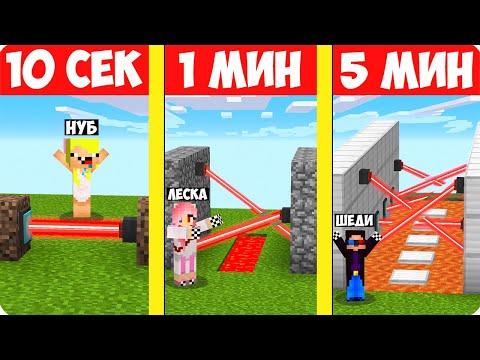
Mastering Minecraft Lasers: 10-Second, 1-Minute, and 5-Minute Builds for Every Player

Hey fellow crafters and speedrun enthusiasts! Ever found yourself staring at a blank canvas in Minecraft, wishing you could whip up a powerful laser in mere moments? Maybe you've spent ages on complex contraptions, only for them to fizzle out. Well, get ready to ditch those frustrations. In this guide, we're diving deep into building some seriously cool lasers in Minecraft, from a lightning-fast 10-second build to a more robust 1-minute version, and even a fiery 5-minute masterpiece. Whether you're a seasoned veteran or just starting your gaming adventure, we've got the strats to get you firing beams in no time.

What Exactly is a "Laser" in Minecraft?

Before we get into the nitty-gritty of build times, let's clarify what we mean by "laser" in the context of Minecraft. While we don't have true directed energy weapons in the vanilla game, we can simulate them using various game mechanics. Think of these "lasers" as rapid-fire projectile dispensers or unique mechanisms that unleash a concentrated burst of something. We'll be focusing on builds that utilize redstone and dispensers to create impressive offensive or visually striking effects, mimicking the power and speed of a laser.

Essential Materials for Your Laser Builds

The beauty of these builds lies in their simplicity. You won't need rare enchanted items or complex redstone circuits. The core components are easily obtainable:
  • Redstone Dust: The backbone of most Minecraft contraptions.
  • Dispensers: These are crucial for firing projectiles or items.
  • Levers: Your primary activation switch.
  • Solid Blocks: Any non-transparent block will do for construction (Stone, Iron Blocks, etc.).
  • Ammunition: Arrows, Fire Charges, depending on your laser type.
Gather these, and you're practically ready to start your speedrun-style build!

The Blazing Fast 10-Second Laser: Simple Light Beam

This is our absolute quickest build, perfect for a quick defense or a fun visual gag. It focuses on a single, upward-firing beam.
This build is all about speed. Don't expect massive damage, but it's undeniably fast to assemble!
Here’s the rundown:
  1. Dig a Hole: Find a spot and dig a single block hole in the ground.
  2. Place Dispenser: Place a Dispenser facing directly upwards into the hole.
  3. Iron Block Cap: Place an Iron Block (or any solid block) directly on top of the Dispenser.
  4. Redstone Trail: Place a piece of Redstone Dust on top of the Iron Block.
  5. Lever Activation: Place a Lever on the side of the Iron Block, adjacent to the Redstone Dust.
  6. Load Up: Fill the Dispenser with Arrows.
  7. Fire!: Pull the lever. The redstone will power the dispenser, firing an arrow straight up, simulating a quick laser burst.
This method is incredibly fast and uses minimal resources. It’s a fantastic demonstration of rapid speedrun principles applied to building.

The Efficient 1-Minute Arrow Barrage

Ready to step up the firepower? This next build utilizes multiple dispensers for a more significant arrow output, achievable in just about a minute.
This build offers a significant increase in firepower, turning your simple contraption into a veritable arrow cannon.
Let's build it:
  1. 3x3 Platform: Construct a small, 3x3 square platform using any solid blocks.
  2. Dispenser Placement: Place four Dispensers on the corners of the platform, all facing inwards towards the center.
  3. Arrow Loading: Fill each of the four dispensers with as many Arrows as you can. Stacks are key here for sustained fire.
  4. Central Redstone Block: Place a Redstone Block in the very center of the 3x3 platform.
  5. Lever Control: Position a Lever on the side of the Redstone Block.
  6. Activate the Swarm: Flip the lever! The Redstone Block will power all adjacent dispensers simultaneously, unleashing a rapid volley of arrows in all directions.
This 1-minute build is excellent for crowd control or taking down multiple targets quickly. It’s a staple for anyone looking to incorporate rapid offensive capabilities into their gaming world.

The Devastating 5-Minute Fireball Cannon

For those who have a little more time and want to bring the heat, this 5-minute build unleashes a fiery barrage.
This is where things get serious. Get ready to set your world ablaze with this powerful fireball launcher!
Here’s how to construct this fiery beast:
  1. 5x5 Foundation: Create a larger 5x5 square platform using your chosen solid blocks.
  2. Corner Dispensers: Place four Dispensers, one at each corner of the 5x5 platform. Ensure they are all facing inwards towards the center of the platform.
  3. svp
  4. Fire Charge Loadout: Load each of the corner dispensers with Fire Charges. The more you have, the longer your fiery onslaught will last.
  5. Centerpiece Power: Place a Redstone Block in the exact center of the 5x5 platform.
  6. Ignition Switch: Affix a Lever to the side of the Redstone Block.
  7. Unleash the Inferno: Activate the lever! This powers all four dispensers, launching a concentrated volley of fireballs that will ignite anything in their path.
This build is incredibly effective for base defense against mobs or for making dramatic entrances. It’s a testament to how quickly you can build powerful tools in Minecraft with the right strategy.

Tips for Optimizing Your Laser Builds

* Direction Matters: Always ensure your dispensers are facing the desired direction. Experiment with outward-facing dispensers for area denial. * Stacking Ammunition: For any dispenser build, maximizing the number of arrows or fire charges is key to sustained output. * Redstone Clock: For continuous fire, you could integrate a redstone clock circuit instead of a lever, but this goes beyond the basic builds. * Aesthetics: Feel free to decorate your builds! Use different block types to make your lasers look more menacing or integrated into your base.

FAQ

Preguntas Frecuentes

  • Q: Can these lasers be used in Minecraft multiplayer servers?
    A: Yes, these dispenser-based builds work perfectly fine in multiplayer environments, provided the server allows redstone contraptions. They can be great for defending a shared base or engaging in player-versus-player combat.
  • Q: Do I need specific enchantments for these lasers?
    A: No, these builds do not require any specific enchantments on your tools or armor. They rely purely on the mechanics of redstone and dispensers.
  • Q: What's the difference between using Arrows and Fire Charges?
    A: Arrows deal direct physical damage, while Fire Charges set targets ablaze, causing damage over time. Fire Charges are also effective against wooden structures and certain mobs.
  • Q: How can I make the laser fire faster?
    A: To achieve faster firing, you'd typically need more dispensers firing simultaneously or a more complex redstone clock circuit. The lever method provides instant, but singular, activation per flip.

Join the Speedrun Community!

Building these quick-fire contraptions is just the tip of the iceberg in the vast world of Minecraft speedrunning and building. We encourage you to experiment, refine these designs, and perhaps even discover your own record-breaking world record strats! What are your favorite quick builds in Minecraft? Do you have a go-to laser design? Drop your thoughts, tips, and fastest build times in the comments below! Let's keep the knowledge flowing and push the boundaries of what's possible in the blocky universe. For more intense guides, discussions, and the latest in speedrunning, join our Discord channel! Happy crafting and even happier speedrunning!

Minecraft's Most Absurd Creations: A Speedrunner's Dream!

If you're a Minecraft enthusiast with a taste for the truly bizarre, buckle up! We're diving headfirst into the most absurd, mind-bending creations ever conjured within the blocky world of Minecraft. Forget your standard survival builds; we're talking about contraptions and structures that push the very limits of imagination, brought to life by the incredible talent of the speedrunning community. Get ready to explore the unbelievable!

The Thrilling World of Minecraft Speedrunning

Before we feast our eyes on pure digital madness, let's quickly touch on what makes this possible: Minecraft speedrunning. This isn't just about playing the game; it's an art form, a relentless pursuit of shaving off milliseconds and mastering every facet of the game's mechanics. Speedrunners exploit glitches, discover hidden shortcuts, and develop intricate strats to beat the game (or achieve specific in-game goals) faster than anyone thought possible. The dedication is immense, and the results constantly redefine what we believe is achievable in gaming.

Crafting the Unimaginable: Absurd Creations

Now, for the main event! The speedrunning community isn't just about breaking records; it's also about showcasing unparalleled creativity. They take the tools and mechanics of Minecraft and twist them into something wonderfully, hilariously absurd. Here are some of the most mind-blowing examples:

1. Gravity-Defying Roller Coasters

Prepare for a serious adrenaline rush! These aren't your grandpa's minecart rides. Minecraft speedrunners have engineered roller coasters that seem to scoff at the laws of physics. Imagine hurtling through the sky, twisting and looping in ways that defy all logic. These aren't just tracks; they're elaborate amusement park rides meticulously crafted with precision. The amount of planning and execution required to build something this intricate, often with specific timing objectives in mind for a world record attempt, is staggering.

In my experience, the sheer ingenuity behind some of these Redstone-powered coasters is breathtaking. They often require perfect timing and understanding of game mechanics that most players never even encounter.

2. Gigantic Floating Islands

Defying gravity? Check. Vast and awe-inspiring? Double-check. Speedrunners have constructed colossal islands that hang suspended in the void, seemingly plucked from a dreamscape. These aren't just simple platforms; they are complex, sprawling structures with intricate pathways and unbelievable detail. Soaring through the sky and navigating these airborne marvels is a sight to behold, a true testament to the limitless imagination fueling the speedrun community.

3. Mind-Bending Redstone Contraptions

Ah, Redstone. For the uninitiated, it's Minecraft's answer to electricity and complex circuitry. Speedrunners are absolute wizards with it. We're talking about fully automated farms that churn out resources at impossible rates, complex logic gates, and even functional calculators built entirely within the game. The complexity and sheer processing power some runners manage to squeeze out of Redstone are astounding. These aren't just contraptions; they're feats of digital engineering that blur the line between game and simulation.

I remember seeing a fully functional 16-bit computer built in Minecraft. It took months, maybe years, of dedicated effort. That's the kind of absurdity we're talking about – pushing the game to its absolute limits.

Join the Absurdity: Become Part of the Community

Feeling inspired? Craving more of this mind-boggling creativity? Dive into the Minecraft adventure yourself! Immerse yourself in the vibrant and passionate community of Minecraft speedrunners. Witness firsthand the unparalleled creativity these players bring to the table. Who knows, maybe you'll be the next one to devise an absurd new strat or build something truly legendary. Unleash your imagination and contribute to this ever-evolving world.

If you found this exploration of absurdity captivating, do your fellow Minecraft enthusiasts a favor. Share this article far and wide! Link to it on your blogs, websites, or social media. Let's celebrate the sheer genius of Minecraft speedrunning together and inspire countless others to explore the wonderfully absurd side of the game.

Want to discover more? Unlocking new horizons in the gaming world is easy. Visit GamingSpeedrun.com for more fascinating articles, in-depth guides, and thrilling insights into the world of speedrunning and gaming. We're dedicated to bringing you the best content the internet has to offer. Explore the endless possibilities and elevate your gaming experience!

The beauty of Minecraft speedrunning lies in its constant evolution. There's always a new glitch to find, a faster route to discover, or a more absurd contraption waiting to be built.

Frequently Asked Questions

  • What is the primary goal of Minecraft speedrunning?
    The main goal is to complete the game's objectives (like defeating the Ender Dragon) in the shortest possible time, utilizing efficient strategies, glitches, and game knowledge.
  • Are Redstone contraptions considered 'absurd' in speedrunning?
    Yes, especially when they are overly complex, achieve tasks far beyond normal gameplay, or are integrated into speedrun strategies in unexpected ways. Their complexity and the Rube Goldberg-esque nature can be considered absurdly brilliant.
  • Where can I find more examples of absurd Minecraft creations?
    Websites like Speedrun.com, YouTube channels dedicated to Minecraft, and the GamingSpeedrun.com blog are excellent resources.
  • Can anyone become a Minecraft speedrunner?
    Absolutely! While top-tier runs require immense dedication and skill, anyone can start practicing speedrunning techniques. The community is generally welcoming to newcomers.

The world of Minecraft speedrunning is a constantly evolving landscape of innovation and sheer willpower. These absurd creations are more than just digital art; they are testaments to human creativity and dedication. What do you think is the most absurd creation you've ever seen in Minecraft? Let us know in the comments below! And if you're ready to dive deeper, join our Discord channel and connect with fellow speedrunning enthusiasts. Let's push the boundaries together!

Las 7 Creaciones y Hazañas Más Épicas que Demuestran el Poder de Minecraft

¡Ey, speedrunners y constructores! Si hay un juego que redefine constantemente los límites de lo posible, ese es Minecraft. Como veteranos curtidos en mil batallas y con el cronómetro siempre en mano, hemos visto maravillas que desafían la lógica. Hoy no vamos a hablar de cómo hacer un portal al Nether en 5 segundos (aunque eso es épico), sino de las **7 creaciones y hazañas más alucinantes** que la comunidad ha logrado. Prepárense para sentir la envidia sana y la pura admiración, porque lo que viene a continuación es pura magia de píxeles.
## 1. La Colosal Torre de Mordor

Hablemos de construcción a escala épica. ¿Recuerdan la Torre de Mordor de "El Señor de los Anillos"? Pues un grupo de jugadores dedicó **más de seis meses** a recrearla en Minecraft. Estamos hablando de una estructura que supera los 200 bloques de altura, con un nivel de detalle que te deja boquiabierto.
El nivel de planificación y coordinación requerido para un proyecto así es una locura. Cada bloque cuenta.
Esto no es solo poner cubos, es arte digital. Muestra la paciencia y el compromiso que pueden tener los jugadores cuando se unen por una visión. Es un testimonio de lo que se puede lograr con trabajo en equipo y una buena dosis de café. Si buscas inspiración para tus propias construcciones monumentales, este es el ejemplo perfecto. ## 2. El Imponente Barco Pirata

Imaginen navegar los siete mares pixelados... en un barco pirata construido hasta el último detalle. Un jugador se embarcó en la titánica tarea de crear un barco pirata a escala, dedicándole **más de un año** de su vida virtual. Y no hablo de un simple casco flotante; este barco cuenta con cañones funcionales, camarotes detallados y hasta un aparejo que parece sacado de un manual de navegación pirata. La dedicación aquí es **monumental**. Cada tablón, cada vela, cada detalle de la cubierta muestra una pasión por el detalle que inspira a cualquiera. Es el tipo de proyecto que te hace pensar en el tiempo que pasamos en nuestros mundos virtuales y cómo podemos convertirlo en algo verdaderamente artístico. Este nivel de arte en Minecraft es digno de un récord. ## 3. La Granja de Redstone que Rompe el Juego

Ahora, cambiemos de tercio hacia la ingeniería pura. Un equipo de **expertos en redstone** diseñó y construyó una granja automatizada que produce la friolera de **más de 100,000 ítems por hora**. Sí, has leído bien. ¡Cien mil ítems!
Dominar la redstone en Minecraft es como ser un ingeniero en el mundo real, pero con más explosiones.
Esta hazaña no se logra sin un conocimiento profundo de las mecánicas del juego y una habilidad asombrosa para diseñar circuitos complejos. La eficiencia y la escala de esta granja son un ejemplo **claro de la profundidad de Minecraft** como juego de simulación y automatización. Es el tipo de logro que te hace ver la redstone con otros ojos. ## 4. La Casa Secreta en la Montaña

¿Quién no ha soñado con tener una base secreta? Pues este jugador llevó el concepto al siguiente nivel. No solo construyó una casa *dentro* de una montaña, sino que la hizo **completamente funcional y autosuficiente**. Estamos hablando de sistemas de iluminación automatizados, ventilación simulada e incluso un jardín interno. Es la fusión perfecta de supervivencia, diseño y creatividad. Muestra cómo un jugador puede transformar un elemento natural del terreno en un hogar acogedor y tecnológicamente avanzado. Es un recordatorio de que la creatividad en Minecraft no tiene límites, y que la belleza puede encontrarse tanto en lo exuberante como en lo oculto. ## 5. El Edén Flotante

Para aquellos que aman lo etéreo y lo visualmente impactante, este jardín flotante es una maravilla. Un grupo de jugadores, usando bloques de tierra y césped, logró crear un **jardín que parece desafiar la gravedad**, suspendido en el aire como una isla celestial. La ejecución de este proyecto requirió una comprensión aguda de la física del juego y un ojo artístico excepcional. El resultado es un oasis de paz visual que demuestra cómo la combinación de bloques puede crear paisajes surrealistas.
Ver este jardín flotante te hace pensar: ¿qué más es posible en este mundo cúbico?
Es una de esas construcciones que te dejan pensando en la magia que se puede crear con herramientas sencillas. ## 6. El Sobreviviente Definitivo (Modo Hardcore)

Pasemos de la construcción a la pura habilidad de supervivencia. Un jugador logró una hazaña casi imposible: **sobrevivir en modo Hardcore durante más de 5 años de tiempo real**. ¡Cinco años! En Hardcore, cada error es fatal; un solo fallo y el mundo se borra para siempre. Este logro es la cúspide de la paciencia, la planificación estratégica y un conocimiento íntimo de las mecánicas de supervivencia de Minecraft. Requiere una gestión de recursos impecable, una toma de decisiones calculada y, seamos honestos, una pizca de suerte con el RNG. Es un ejemplo asombroso de perseverancia y maestría en el modo de supervivencia más desafiante del juego. ¡Un verdadero world record en resistencia! ## 7. El Speedrun de Minecraft Más Veloz

Y ahora, para los que vivimos con el cronómetro en mano, ¡el plato fuerte! Un jugador logró completar la aventura principal de Minecraft en **menos de 10 minutos**. Sí, has leído bien. Menos de diez minutos para derrotar al Dragón del End y ver los créditos.
Ver un speedrun de este nivel es presenciar pura maestría y conocimiento del juego.
Este tipo de speedrun no es solo correr rápido. Implica un conocimiento profundo de las rutas óptimas, la manipulación del RNG para obtener los recursos necesarios (como perlas de ender y minerales), y una ejecución precisa de cada movimiento. Es una danza de habilidad y estrategia que pone de manifiesto el potencial competitivo de Minecraft. ¡Esto es lo que llamamos un WR que te deja sin aliento!

Preguntas Frecuentes

¿Cuánto tiempo se tardó en construir la Torre de Mordor?

La construcción de la Torre de Mordor en Minecraft requirió más de seis meses de dedicación por parte de un equipo de jugadores.

¿Qué hace especial al barco pirata construido en Minecraft?

El barco pirata destaca por su escala, su increíble nivel de detalle y la inclusión de cañones funcionales, siendo una obra de arte que llevó más de un año de trabajo.

¿Qué es la redstone en Minecraft y por qué es importante para las granjas automatizadas?

La redstone es un componente en Minecraft que funciona como electricidad, permitiendo crear circuitos lógicos y automatizar tareas. Las granjas automatizadas de alta eficiencia dependen de complejos diseños de redstone para funcionar.

¿Qué significa "modo Hardcore" en Minecraft?

El modo Hardcore es el nivel de dificultad más alto en Minecraft, donde la muerte es permanente. Si mueres, tu mundo se elimina y no puedes reaparecer. Sobrevivir mucho tiempo en este modo requiere habilidad y precaución extremas.

¿Cómo es posible completar Minecraft en menos de 10 minutos?

Lograr un speedrun tan rápido implica un conocimiento exhaustivo de las mecánicas del juego, rutas optimizadas, manipulación del RNG para obtener recursos clave (como diamantes y perlas de ender) y una ejecución perfecta de todas las acciones.

Y ahí lo tienen, siete ejemplos de pura genialidad y dedicación en el universo de Minecraft. Desde maravillas arquitectónicas hasta hazañas de supervivencia y speedruns que desafían la lógica, este juego sigue demostrando ser una plataforma infinita para la creatividad y la competición. ¿Qué les pareció esta lista? ¿Conocen alguna otra creación o hazaña épica que merezca estar aquí? ¡Déjennos sus comentarios abajo! Y si les va la velocidad y el desafío, no olviden unirse a nuestra comunidad en Discord para compartir sus propios trucos y récords. ¡Nos vemos en la próxima run!

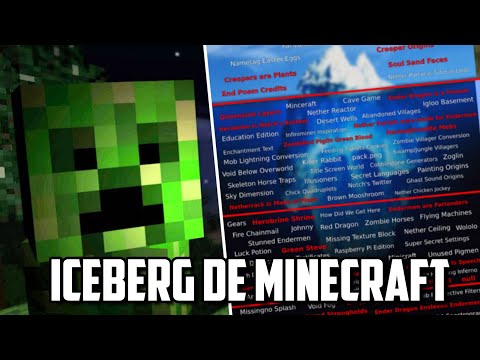
The Minecraft Iceberg Explained: Delving into Mysteries and Theories

What's up, fellow gamers and curious minds! Today, we're diving deep into the vast, blocky ocean of Minecraft to explore something truly fascinating: The Minecraft Iceberg. This isn't just about secrets; it's a journey through the game's deepest lore, the most obscure mechanics, and the wildest community theories. If you've ever wondered about the hidden corners of this legendary sandbox, you're in the right place. Are you ready to descend from the surface of common knowledge into the chilling depths of Minecraft's untold stories? This guide will break down the most intriguing layers of the Minecraft Iceberg, from its most accessible facts to the truly mind-bending concepts lurking in the abyss.

The Surface: Common Knowledge

At the very top of the Minecraft Iceberg, we find the things most players know. This includes basic gameplay mechanics, common mobs, and fundamental crafting recipes.
  • Survival Mode: The core experience of gathering resources, building shelters, and fending off hostile mobs.
  • Creative Mode: Unlimited resources and flight for pure building and exploration.
  • Common Mobs: Creepers, Zombies, Skeletons, Spiders, Endermen – the usual suspects that populate the world.
  • Basic Crafting: How to make tools, weapons, and basic building blocks.
  • The Nether & The End: The two primary dimensions beyond the Overworld.
This layer is where every Minecraft player starts their journey. It’s the foundation upon which all other knowledge is built. Even for experienced players, revisiting these basics can sometimes reveal subtle nuances missed in the rush to conquer the game.

Sunken Ships: Deeper Lore

As we descend slightly, we encounter elements that require a bit more exploration or understanding of the game's world-building.
  • Villager Mechanics: Understanding trading, profession mechanics, and iron golem spawning.
  • Redstone Basics: Simple contraptions like automatic farms or basic doors.
  • Enchanting System: How to get better gear through enchantments.
  • Potions: Brewing various beneficial or detrimental effects.
  • Structure Generation: How villages, temples, and shipwrecks generate within the world.
This level often involves players who have spent a decent amount of time in Minecraft, delving into more complex systems. Understanding villager breeding or basic redstone circuits marks a significant step up in player mastery. It’s where the game starts to reveal more of its intricate design.
The more you explore, the more you realize how much depth Minecraft truly has beyond just survival.

The Trench: Obscure Mechanics & Glitches

Here, things get a bit murkier. This layer includes less common game mechanics, advanced techniques, and well-known *glitches* or *skips* that speedrunners might utilize.
  • Advanced Redstone: Complex contraptions like flying machines, piston doors, and quasi-connectivity.
  • Mob Farms: Highly efficient designs for farming experience and drops.
  • Technical Minecraft: Concepts like mob spawning algorithms, chunk loading, and entity cramming.
  • Less Common Mobs: Understanding the behavior of mobs like the Ghast, Blaze, or Shulker in detail.
  • Known Glitches: Exploits like tree-felling glitches or duping methods (though many dupes are patched).
  • Early Game Strats: Techniques for reaching the Nether or finding diamonds extremely quickly in a new world.
Players who delve this deep are often technically inclined or aspiring speedrunners. Mastering these mechanics requires significant dedication and often involves consulting detailed guides or watching expert players. This is where you start seeing the true optimization potential of the game.

The Abyss: Community Theories & Unconfirmed Myths

We're getting close to the bottom now. This section covers the rampant theories and unconfirmed myths born from the Minecraft community's collective imagination. These often stem from ambiguous lore, creepy details, or player-created stories.
  • Herobrine: The legendary ghost of Notch's brother, a classic creepypasta that has become ingrained in Minecraft lore, despite being debunked countless times.
  • The End Poem: Interpretations of the cryptic text that appears after defeating the Ender Dragon.
  • The Lore of the Endermen: Theories about their origins, their connection to the player, and why they are hostile.
  • The Purpose of Ancient Debris: Speculation on why it exists in the Nether and its connection to past events.
  • The "Drowned" and Lost Civilizations: Theories about what happened to inhabitants of underwater ruins or other structures.
This layer is all about speculation and the fun of shared storytelling within the gaming community. While not official lore, these theories add a rich, often spooky, dimension to the game's experience. Many players grew up with these stories, making them an essential part of the Minecraft cultural iceberg.
Herobrine might be a myth, but the legends surrounding him are a huge part of Minecraft's history.

The Core: Ultimate Mysteries

At the absolute deepest point of the Iceberg lie the most profound, often unexplainable, or fundamentally debated aspects of Minecraft. These are the concepts that even the most dedicated players struggle to fully grasp or confirm.
  • The Nature of Notch's Involvement: The ongoing debate and speculation about his original vision versus the game's current state.
  • Unused Features and Cut Content: Deep dives into alpha/beta versions and what could have been.
  • The "True" Meaning of the Game: Philosophical interpretations of survival, creation, and the player's role in the world.
  • The Mystery of World Seeds: How seemingly impossible or unique world generations occur, leading to "god seeds."
  • Unexplained Mob Behaviors: Rare occurrences or behaviors that defy current understanding of game mechanics.
This deepest layer is where the line between game mechanics, community myth, and pure philosophical interpretation blurs. It's a testament to the enduring mystery and creative freedom that Minecraft offers. Even after years, players are still discovering and debating the fundamental nature of this incredible game.
The true beauty of Minecraft's deepest mysteries is that they invite endless discussion and personal interpretation.
The Minecraft Iceberg is a constantly shifting entity, with new discoveries and theories surfacing all the time. Whether you're a casual builder, a speedrunner chasing a new WR, or a lore enthusiast, there's always something new to uncover in the world of Minecraft.

Frequently Asked Questions

What is the Minecraft Iceberg?

The Minecraft Iceberg is a conceptual diagram representing the vast amount of knowledge, lore, theories, and obscure mechanics related to Minecraft, ranked by obscurity. The "surface" contains common knowledge, while deeper levels include more obscure and debated topics.

Is Herobrine real in Minecraft?

No, Herobrine is a popular creepypasta and community myth. Mojang has repeatedly confirmed that Herobrine is not a real entity in the game, though the legend persists as a significant part of Minecraft's cultural history.

What are some examples of "deep" Minecraft iceberg topics?

Deep topics often include highly technical game mechanics (like chunk loading or advanced redstone), interpretations of obscure lore (like the End Poem or Endermen origins), community-created myths (Herobrine), and discussions about unused or cut content from early game versions.

How do speedrunners use Minecraft knowledge?

Speedrunners utilize deep knowledge of game mechanics, glitches, and specific world seeds to optimize their runs. They master techniques for fast resource gathering, efficient travel, and overcoming obstacles as quickly as possible, often exploiting lesser-known game behaviors. This contributes to the *speedrunning* and *PB* achievements.

Where can I learn more about advanced Minecraft mechanics?

Reputable sources include dedicated technical Minecraft communities on platforms like Reddit (r/technicalminecraft), specialized YouTube channels (like ilmango or Mumbo Jumbo), and comprehensive wikis such as the official Minecraft Wiki or community-run wikis. Engaging with these resources can significantly improve your understanding of advanced gameplay and *speedrun* strategies. What are your favorite obscure Minecraft facts or theories? Did we miss any crucial layers of the Iceberg? Drop your thoughts in the comments below, join our Discord server to discuss #minecraft mysteries, and let's keep the conversation going! Don't forget to share this post if you found it insightful!

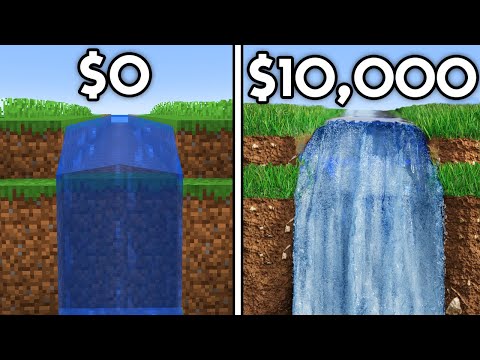
Minecraft's Billionaire's Dream vs. Reality: The $0 vs $10,000 Seed Showdown!

{ "@context": "https://schema.org", "@type": "BlogPosting", "headline": "Minecraft's Billionaire's Dream vs. Reality: The $0 vs $10,000 Seed Showdown!", "image": "https://img.youtube.com/vi/wAle_wSw2lg/hqdefault.jpg", "author": { "@type": "Person", "name": "The GamingSpeedrun Team" }, "publisher": { "@type": "Organization", "name": "GamingSpeedrun.com", "logo": { "@type": "ImageObject", "url": "https://example.com/gaming-speedrun-logo.png" } }, "datePublished": "2024-07-26", "dateModified": "2024-07-26" } ```
Ever wondered what $10,000 really looks like in Minecraft? Is it a god-tier seed, an impenetrable redstone fortress, or just a ludicrously over-engineered chicken farm? In the speedrunning community, we're all about optimization, precision, and shaving off milliseconds. But what happens when the goal shifts from beating the clock to… well, just spending an absurd amount of money in-game? The title "$0 VS $10,000 Minecraft" immediately sparks curiosity. Are we talking about a challenge run, a satirical look at in-game economies, or perhaps a dive into how much *actual* in-game value can be generated through sheer financial might? This isn't just about bragging rights; it's about exploring the extreme ends of what's possible when resources are virtually unlimited. We'll dissect how this massive budget translates into tangible in-game assets, comparing it to the fundamental, resource-scarce beginnings of a standard playthrough. For speedrunners, understanding these extremes can even unlock new perspectives on game mechanics and potential exploits.

What Does $10,000 Actually Buy in Minecraft?

When you see a figure like $10,000 associated with a game like Minecraft, the immediate thought for many is "how?" This isn't about buying in-game currency directly (though that's a dark path for some games). In Minecraft's context, it usually means investing in factors that *accelerate* progress or *enable* massive projects. This could include:
  • Acquiring rare items and resources: Think Netherite, Dragon Eggs, or immense quantities of valuable ores.
  • Commissioning elaborate builds: Hiring players or using pre-made schematics for massive structures.
  • Leveraging powerful command blocks or server plugins: For complex contraptions or custom game modes.
  • Creating an "insane seed": Potentially finding or generating worlds with unparalleled resource density or unique geographical features.
  • Extensive redstone engineering: Building highly complex automated farms or elaborate contraptions that require vast amounts of materials and intricate designs.
The original video likely showcases a combination of these, demonstrating a vision of Minecraft where resource grinding is bypassed in favor of immediate, high-impact in-game assets. It's a peek into a world where the typical progression curve is completely flattened.

The $0 Experience: Pure Skill and RNG

For the vast majority of Minecraft players, and especially for speedrunners, the journey begins with nothing. Your inventory is empty, your world is procedurally generated, and your only assets are your knowledge of the game's mechanics and the luck of the draw – the ever-present **RNG**. This is where true mastery shines. A speedrunner doesn't have $10,000 to spend; they have the skills to find diamonds in the first few minutes, the precision to navigate dangerous caves, and the understanding of game mechanics to perform crucial **skips** and use efficient **strats**. The core of a typical Minecraft speedrun, particularly in categories like Random Seed Glitchless (RSG), revolves around:
  • Efficient resource gathering: Quickly locating iron, diamonds, and obsidian.
  • Strategic mob fighting: Defeating mobs for drops and survival with minimal risk.
  • Nether traversal: Finding a fortress and a bastion to gather Blaze Rods and Ender Pearls.
  • Ender Dragon fight: Utilizing precise arrow aim and bed explosions to defeat the final boss as quickly as possible.
Every action is calculated, every block placed with purpose. This is the antithesis of a "$10,000 build," focusing on ingenuity over expenditure.

Breaking Down the $10,000 Builds: Strats and Skeletons

The "$10,000 version" of Minecraft, as seen in the linked video, likely represents a curated experience. It's not just random wealth; it's wealth *applied* towards specific goals. Let's speculate on what this might entail:
  • The Insane Seed: This is where the money could be spent on generators or finding pre-existing seeds with incredibly advantageous terrain. Imagine starting next to multiple villages, a desert temple, a shipwreck, and an ocean monument all within spawn radius. This bypasses hours of exploration.
  • Redstone Base: This implies a highly automated base. Think automatic farms for every resource imaginable – iron, gold, food, gunpowder, even rare items like mob heads or slime. This would require massive amounts of materials and complex redstone logic, potentially costing a fortune in mined resources or purchased components if a server economy is involved. This level of automation drastically cuts down on manual labor, a key time sink for players.
  • Crazy Builds: Beyond functional farms, $10,000 could fund monumental aesthetic builds, or even functional structures that serve very specific purposes, like instant travel systems or complex puzzle rooms.
The "skeleton" of these builds is the sheer volume of resources. While a speedrunner might need 8 diamonds for a pickaxe and a few more for an enchanting table, a $10,000 project might require thousands of iron ingots, stacks of redstone dust, and countless other materials. The original creator's approach would likely focus on showcasing the *result* of this investment, highlighting the finished products and their impressive scale, rather than the grinding process.
"The beauty of Minecraft lies in its versatility. Whether you're optimizing for a World Record or building a digital palace, the core is still engaging with the game's systems. The $10,000 approach simply bypasses the initial hurdles with sheer financial power."
This approach contrasts sharply with the typical speedrun where every item, every block, every tick of the clock matters. In a speedrun, a single poorly placed block or a missed opportunity can mean the difference between a PB and a lost run.

Speedrunning Implications: Is There Any Overlap?

While a $10,000 Minecraft experience is a far cry from a speedrun, there are fascinating points of intersection. Understanding how to quickly acquire vast amounts of resources, even if through non-traditional means, can inform strategy. For instance, knowing the absolute *most efficient* way to farm a specific item, even if it involves complex redstone mechanics or specific world generation, is knowledge valuable to speedrunners.
"Sometimes, a $10,000 build might inadvertently reveal a game mechanic or exploit that a speedrunner can then leverage in a $0 context. Innovation often comes from exploring the boundaries."
Furthermore, the creator's focus on "insane seeds" might touch upon seed manipulation or generation tools. While typically outside the scope of standard speedrunning categories, understanding how seeds work and how they can be influenced is a deep dive into the game's core. This knowledge could be particularly relevant for categories that allow specific seed generation, or for analyzing the RNG element more deeply. The extreme scale of the $10,000 builds also serves as a testament to what Minecraft's engine is capable of. For players interested in building, it offers inspiration. For speedrunners, it's a reminder of the game's depth and the endless possibilities for optimization and discovery.

The Community Perspective: Hype, Criticism, and Memes

Content like this often sparks lively debate within the gaming community.
  • Hype: Many viewers are drawn to the sheer spectacle. Seeing a massive, automated castle or a world filled with every rare item is visually impressive and aspirational.
  • Criticism: Some players, especially purists, might view spending $10,000 as missing the point of Minecraft's survival and progression. They might argue it devalues the achievement of building something from scratch through traditional gameplay.
  • Memes: Naturally, such a concept is ripe for meme culture. The idea of a "billionaire's Minecraft" or "speedrunning by buying it" can lead to humorous content and community jokes.
Ultimately, the appeal of watching someone spend $10,000 on Minecraft lies in its novelty and its demonstration of extreme possibilities. It's a different kind of challenge, focused on financial investment and grand design rather than skillful execution and time optimization. It showcases a different facet of the game's incredible sandbox nature.

Frequently Asked Questions

What is the primary intent behind a "$0 vs $10,000 Minecraft" video?

The primary intent is usually to showcase the vast difference in gameplay experience and outcomes when comparing a standard, resource-limited Minecraft playthrough (starting at $0) with one where significant financial investment is made to acquire rare items, builds, or unique game seeds. It's a demonstration of the game's potential at its extremes, often for entertainment and curiosity.

Does spending $10,000 in Minecraft affect speedrun times?

Directly, no. Standard speedrun categories prohibit external purchases or cheats that would give an unfair advantage. However, understanding the mechanics behind highly developed in-game economies or resource generation *could* indirectly inform strategies for optimizing resource acquisition in a $0 context.

What are the most valuable items in Minecraft that $10,000 could acquire quickly?

With a $10,000 budget, one could theoretically acquire massive quantities of high-tier resources like Netherite, diamonds, and even rare decorative blocks. It could also fund the creation of highly complex redstone contraptions or entire themed worlds, bypassing the extensive grinding typically required.

Is it possible to "buy" wins in Minecraft speedruns?

No, not in any legitimate speedrunning context. True speedruns rely on player skill, game knowledge, and the procedural generation of the world (RNG). Any form of cheating or external advantage would disqualify a run. The appeal of speedrunning lies in overcoming challenges through mastery, not through expenditure.

How does the community react to high-budget Minecraft content?

Reactions vary. Many viewers are fascinated by the spectacle and the creative possibilities unlocked by such resources. Others, particularly those focused on traditional gameplay or speedrunning, might view it as less about skill and more about spectacle or satire. It often sparks discussions about the game's economy and the definition of achievement. In conclusion, while the "$0 vs $10,000 Minecraft" scenario highlights two vastly different ways to experience the game, both perspectives offer unique insights. The $0 experience is the domain of skill, precision, and the thrill of overcoming odds – the heart of what we love about speedrun gaming. The $10,000 approach, on the other hand, is about unbridled creativity and the exploration of what's possible when limitations are removed. Both are valid ways to engage with the infinite sandbox that is Minecraft, reminding us of the game's incredible breadth and depth. What are your thoughts on this extreme comparison? Have you ever seen a build that cost more in real-world resources than you'd expect? Share your most extreme Minecraft experiences or your favorite speedrunning challenges in the comments below! Let's keep the conversation going and discover more incredible ways to play!

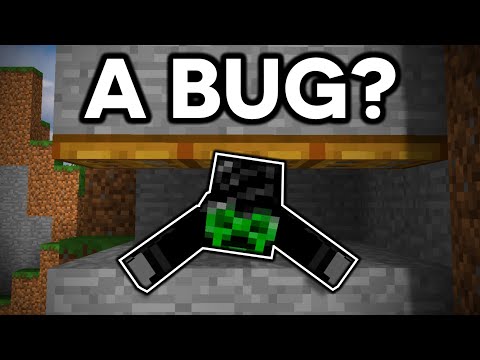
Minecraft's Wildest Bugs: 8 Accidental Glitches That Became Iconic Features

Intro: The Unexpected Evolution of Minecraft

Ever booted up Minecraft and stumbled upon something… unexpected? A creeper that behaves unlike any other, a block floating eerily in the void, or a redstone contraption that works for reasons no one can quite explain? You're not alone. The sandbox world Mojang has crafted is a living testament to player ingenuity and, surprisingly, a playground for bugs that have, against all odds, evolved into celebrated features.

For years, the community has debated, documented, and even exploited these oddities. But which of these unintentional quirks have truly shaped the game we know and love? Today, we're diving deep into the fascinating history of Minecraft's most prominent bugs that, through sheer persistence or developer appreciation, have become permanent fixtures. Get ready to have your mind blown as we uncover the origins of features you use every day!

The Iconic Creeper: From Accidental Model to Beloved Menace

Let's start with one of the most recognizable figures in gaming: the Creeper. Its sudden, silent approach and devastating explosion are etched into the memory of every gamer. But did you know this terrifying mob was born from a coding error?

Originally, developer method was attempting to model a pig. A simple mistake in scaling the dimensions resulted in a tall, thin, four-legged creature with a peculiar texture. Instead of discarding it, Notch decided to keep it, recolor it green, and give it its signature explosive behavior. The result? A terrifying antagonist that became synonymous with Minecraft.

The Creeper's design was a happy accident, a testament to how even mistakes can lead to iconic game elements. It's a perfect example of embracing the unexpected in game development.

This "accident" has led to countless thrilling encounters, emergent gameplay moments, and even inspired speedrunning strategies centered around RNG manipulation to get specific Creeper spawns.

When Squids Took Flight: The Genesis of a Silly Feature

Few things are more amusing than seeing a Minecraft squid gracefully floating through the air. This seemingly bizarre behavior stems from an early bug where squids would attempt to move upwards when in shallow water and then, due to faulty pathfinding, continue their ascent into the sky.

What started as a comical visual glitch was eventually embraced by the developers. Instead of fixing it immediately, they leaned into the absurdity. This led to the "flying squid" becoming a recognized, albeit rare, sight. Many speedrunners even look for specific seeds where this phenomenon occurs to potentially shave off precious seconds in certain categories.

Quasi-Connectivity: The Redstone Enigma

For redstone engineers, quasi-connectivity is a concept both frustrating and fascinating. Essentially, it’s a bug where a piston (or dispenser, dropper, etc.) can be activated by a Redstone signal that is powering a block adjacent to it, even if the signal doesn't directly touch the piston. This behavior is not intended but has become so deeply ingrained in the game's mechanics that removing it would break countless existing contraptions.

Many advanced redstone strategies and complex machines rely on this unintended interaction. Players have developed intricate designs that exploit quasi-connectivity for everything from automated farms to incredibly compact circuit designs. It’s a prime example of how the community adapts and builds upon existing game mechanics, even flawed ones.

Quasi-connectivity is a prime example of emergent gameplay driven by unintended mechanics. The redstone community has turned a bug into a fundamental building block.

Naturally Generated Floating Sand/Gravel: A Visual Anomaly

Have you ever stumbled upon a floating block of sand or gravel, suspended mid-air with no visible support? This is another visual quirk that originates from how chunks are generated. In certain rare circumstances, a sand or gravel block might be placed in a chunk generation process, only for the supporting block beneath it to be removed by a later generation stage.

While not exploitable for speedrun purposes, these floating blocks add a touch of the surreal to Minecraft's landscapes. They serve as a constant reminder of the complex, and sometimes quirky, generation algorithms at play.

Pigmen Dropping XP While Aggro: An Unintended Reward

In the Nether, encountering Pigmen (now Piglins) can be dangerous. However, a peculiar bug used to exist where these mobs would drop experience orbs even when you weren't the one who killed them, provided they were in an "aggro" state. This meant that if a Pigman was fighting another mob, or even another Pigman, you could potentially collect XP from their demise without landing the killing blow yourself.

This unintended XP farm became a popular method for players looking to quickly gain experience for enchanting or other purposes. While Mojang eventually patched this out, it remains a fond memory for many who exploited this generous bug. It highlights how players constantly seek efficiency, even through unforeseen game mechanics.

The Myth of Water Villages: More Than Just a Glitch?

There's a persistent rumor and some visual evidence of villages spawning partially or fully submerged in water. This is generally attributed to world generation quirks, where water levels and terrain generation don't always perfectly align. However, the consistency and sometimes intentional-looking placement have fueled speculation.

While most likely a generation bug, the idea of submerged villages has captured the community's imagination, spawning fan art and discussions about what life would be like in such an environment. It’s a fascinating example of how a visual anomaly can inspire creative interpretations within the player base.

Lowered Sneak & Crawling: Embracing the Crawl

The "Lowered Sneak" or "Crawling" glitch in Minecraft allows players to get into incredibly tight spaces, even below one block height, by precisely timing a sneak action with block placement or movement. This was not an intended mechanic but has become a staple in certain speedrun categories, particularly for Sequence Breaks.

Players have developed highly precise techniques to execute these crawls, allowing them to bypass obstacles, clip through walls, or reach areas that would otherwise be inaccessible. It’s a testament to the dedication of the speedrunning community to push the boundaries of what’s possible within the game's engine. You can often see these techniques showcased by top speedrunners like Kosmic, who are masters of movement.

The Legend of "God Armor": When Bugs Created Overpowered Gear

In the early days of Minecraft, various bugs could lead to players obtaining impossibly powerful armor and tools. These "God Armor" setups often involved combinations of enchantments or item properties that were not meant to coexist or be stacked in such extreme ways. For example, bugs might allow for every possible enchantment to be applied to a single piece of gear, granting absurd defense, durability, and other benefits.

While these were clearly game-breaking, they also fueled a sense of wonder and exploration for players who managed to discover or replicate them. These bugs often led to the creation of special "creative mode" servers or challenge runs focused on obtaining and showcasing such legendary items. It reminds us of the thrill of finding hidden powers within the game.

Frequently Asked Questions

Are these bugs still in Minecraft?

Many of these bugs have been patched over the years as Mojang refines the game. However, some, like quasi-connectivity, have been left in due to their integration into established redstone mechanics and community acceptance. New bugs can also emerge with updates!

Can bugs still become features in other games?

Absolutely! The line between bug and feature is often blurred. Developers sometimes intentionally keep or rework glitches that add depth, unique gameplay, or memorable moments for players. The speedrunning community often highlights these mechanics.

How did developers decide which bugs to keep?

It's a mix of factors. If a bug is harmless and doesn't break the core experience, it might be left in. If it leads to creative strategies or is widely loved by the community (like the Creeper), developers might embrace it. Conversely, game-breaking or frustrating bugs are usually prioritized for fixing.

What's the most famous Minecraft bug that became a feature?

The Creeper is arguably the most famous. It's a worldwide icon recognized even by non-gamers, all thanks to an accidental modeling error.

Are there any dangerous bugs in Minecraft?

While most bugs are minor or even beneficial, some could theoretically lead to world corruption or significant frustration. However, Mojang works diligently to maintain game stability.

Conclusion: The Enduring Legacy of Minecraft's Glitches

The journey of these 8 bugs from accidental code to beloved features is a testament to the dynamic nature of game development and the creativity of the gaming community. Minecraft, more than many games, has shown a remarkable willingness to integrate the unexpected, fostering a world where even errors can lead to innovation and fun.

These aren't just glitches; they are part of Minecraft's rich history. They've influenced how players strategize, how speedrunners optimize their runs, and how we perceive the very definition of a "feature." So next time you encounter something strange in your world, remember that it might just be the next iconic element in the making.

What are YOUR favorite Minecraft bugs that became features? Did we miss any crucial ones? Share your thoughts and any incredible speedrun strats that exploit these quirks in the comments below! Let's keep the conversation going and build an even stronger GamerCommunity!

Skibidi Toilet Challenge in Minecraft: The Ultimate Speedrun Guide

Welcome to GamingSpeedrun.com, your ultimate destination for exhilarating gaming content and mind-blowing speedrun challenges! In this article, we're diving deep into the chaotic and hilarious world of Minecraft with a speedrun category that's taken the community by storm: the Skibidi Toilet Challenge. Forget your typical bases and epic castles; we're talking about constructing a fully functional toilet, and doing it FAST. Strap in, grab your pickaxe, and get ready for a wild ride as we uncover the secrets to conquering this zany quest!

What is the Skibidi Toilet Challenge?

In the ever-evolving landscape of Minecraft, where player creativity constantly pushes boundaries, the Skibidi Toilet Challenge stands out as a uniquely bizarre yet incredibly fun speedrun objective. Inspired by the viral phenomenon, this challenge flips the script on traditional Minecraft gameplay. Instead of survival or building an elaborate base, your primary goal is to construct a functional, and often comically oversized, toilet as quickly as possible. It’s a test of resourcefulness, quick thinking, and a solid sense of humor.

The core of the challenge lies in efficiency. You spawn into a fresh world with one objective: toilet. This means prioritizing resource gathering, understanding basic redstone mechanics for flushing, and planning your build with speedrun tactics in mind. Think of it as a blend of resource management, architectural absurdity, and pure speed.

The Hilarious Journey Begins

Embarking on the Skibidi Toilet Challenge is where the real fun begins. Your initial moments in the world are critical. You'll need to scramble for basic resources – primarily wood and stone – to craft your first tools and a crafting table. Redstone becomes your golden ticket for any functional flushing mechanism. As you gather materials, your mind races, planning the layout of your magnificent porcelain throne. This isn't just about slapping blocks together; it's about creating a toilet that *works*, and doing it faster than anyone else.

The real beauty of this challenge is how it distills Minecraft down to its most fundamental elements: resource gathering, crafting, and a clear, albeit ridiculous, objective.

Players often experiment with different designs, from minimalist single-flush models to multi-stall monstrosities. The key is finding a balance between complexity and speed. A simple, functional toilet is often better than an overly ambitious design that takes too long to complete.

Tips and Strategies for Success

Mastering the Skibidi Toilet Challenge, like any good speedrun, requires more than just brute force. It demands finesse, a deep understanding of Minecraft mechanics, and a bit of strategic planning. Here are some tried-and-true tips to shave precious seconds off your runs and dominate the leaderboards:

Resource Management

Efficiently managing your resources is paramount. Before you even break your first block, have a mental checklist of what you need: wood for crafting, stone for furnaces and tools, and crucially, redstone for the flushing mechanism. Plan your route through the early game to gather these materials with minimal downtime. Don't get sidetracked by mining diamonds or building a cozy cabin; your only focus is the toilet.

  • Prioritize Essentials: Focus on wood, stone, and redstone.
  • Gather in Bulk: Collect enough materials at once to avoid constant trips back and forth.
  • Efficient Tool Usage: Craft the appropriate tools for each resource (axe for wood, pickaxe for stone).

Design and Engineering

This is where your creativity shines, but remember, speed is key. For a functional toilet, you'll typically need:

  1. A base structure (stone, wood, etc.).
  2. A water source (dispenser or direct flow).
  3. A flushing mechanism (lever, button, pressure plate connected to a redstone circuit).
  4. A way to contain the water/flush (slabs, stairs, or full blocks).

Experiment with different redstone layouts. A simple lever connected to a dispenser can be incredibly fast. For more advanced runs, players might incorporate pistons or complex water flow systems, but always weigh the time cost against the aesthetic or functional benefit.

In my personal runs, I found that a compact design using quartz blocks for the bowl and a simple lever-activated water dispenser was the fastest way to achieve a solid time.

Time Management

Speedrunning is all about minimizing time spent on non-essential actions. Every second counts. Optimize your movement, reduce time spent crafting by batching, and learn the most efficient ways to place blocks. Understanding the game's mechanics, like how quickly certain blocks break or how far water can flow, is crucial. Practice makes perfect; the more you run, the more ingrained these optimizations become.

  • Movement Optimization: Learn sprint-jumping and efficient pathing.
  • Batch Crafting: Craft multiple items at once when possible.
  • Minimize Inventory Management: Keep your hotbar organized for quick access to necessary items.

Share Your Creation

Once you've achieved a personal best or a truly spectacular toilet build, don't keep it to yourself! Share screenshots or video clips of your masterpiece on social media, forums like Minecraft Forum, and of course, right here on GamingSpeedrun.com in the comments! Inspire others to take on the challenge and contribute to the growing community around this hilarious speedrun category. Seeing other players' creative solutions is half the fun.

Conclusion: Let the Toilet-ry Begin!

The Skibidi Toilet Challenge injects a potent dose of humor and unconventional fun into the vast world of Minecraft speedruns. It’s a testament to how players can take a simple concept and turn it into a competitive and engaging challenge. Embrace the absurdity, unleash your inner redstone engineer, and embark on an adventure that's truly one of a kind. Remember, at GamingSpeedrun.com, we're dedicated to bringing you the most exciting, challenging, and downright entertaining gaming experiences. So, what are you waiting for? Grab your virtual tools, put on your thinking cap (or maybe a toilet seat?), and dive headfirst into the Skibidi Toilet Challenge. May your runs be swift and your toilets flush flawlessly!

Frequently Asked Questions

What is the primary goal of the Skibidi Toilet Challenge in Minecraft?

The main objective is to construct a fully functional toilet as quickly as possible in a new Minecraft world, testing players' speed, resource management, and building efficiency.

What resources are most important for this challenge?

Wood and stone are crucial for early game tools and building. Redstone is essential for creating a functional flushing mechanism.

Is this a serious speedrun category?

While it started as a humorous challenge, it has evolved into a legitimate speedrun category with dedicated players competing for the fastest times. It tests core speedrunning skills in a unique way.

Can I use creative mode for this challenge?

Typically, speedruns are performed in survival mode to adhere to the challenge of resource gathering and survival mechanics. However, practice runs or community variations might allow creative mode.

Where can I see other Skibidi Toilet Challenge runs?

You can find runs on platforms like YouTube and Twitch by searching for "Minecraft Skibidi Toilet Speedrun." Websites like Speedrun.com also often host leaderboards for various challenges.