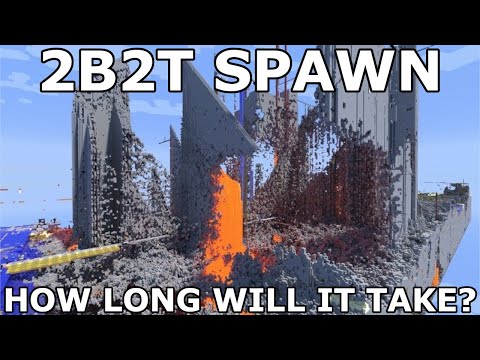
Escaping 2b2t Spawn: An Anxiety-Ridden Speedrun Challenge

Hello fellow speedrunners and gamers! Today, we're diving deep into one of the most intense and anxiety-inducing experiences I've ever undertaken: speedrunning the escape from spawn in the legendary anarchy server, 2b2t. This isn't your typical speedrun with defined routes and predictable mechanics. This is pure, unadulterated chaos, a test of nerves, strategy, and sheer luck. If you've ever wondered what it takes to break free from the most dangerous starting zone in Minecraft, strap in.

What is 2b2t and Why is its Spawn So Notorious?

For those unfamiliar, 2b2t (2builders2tools) is one of the oldest running Minecraft servers, famous for its complete lack of rules, griefing, and anarchy. Its spawn area is a legendary wasteland, a chaotic maze of lava, traps, and hostile players eager to kill any newcomers. Escaping spawn is the first major hurdle for any new player, and doing it quickly is the ultimate flex.

In my experience, spawn is a brutal introduction. You'll find destroyed builds, remnants of past player struggles, and a constant threat from veterans who patrol the area, often with the sole purpose of harassing fresh spawns. The terrain itself is often unforgiving, making simple navigation a challenge.

The Goal: A Blazing Fast Spawn Escape

The objective of this speedrun is straightforward yet incredibly difficult: to escape the immediate spawn zone and reach a safe(r) distance as quickly as possible. This means avoiding death at all costs, bypassing player interference, and finding the most efficient path out. The time starts the moment you spawn in and ends when you've traveled a predetermined distance or reached a specific landmark, signifying you're truly out of the immediate spawn vicinity.

This kind of run relies heavily on route planning, knowledge of the terrain, and a bit of luck. It’s about making split-second decisions under immense pressure.

Pre-Run Preparations and Strategies

Before even joining the queue for 2b2t, meticulous planning is key. This involves studying maps (if available and relevant to the current spawn generation), recalling common spawn layouts, and preparing your mental fortitude. What items might you need immediately? What are the most common spawn traps?

In my attempts, I always try to anticipate the initial few blocks. Are there immediate dangers? Is there a chest nearby with basic supplies? These are the questions you ask yourself before you even hit the ground.

The first few seconds are crucial. A wrong move can mean instant death and restarting the entire process.

Navigating the Hellscape: Early Game Tactics

Once you spawn, the clock is ticking. The immediate priority is to get your bearings and move. I usually try to identify the safest initial direction, avoiding obvious traps like kill-boxes or lava pits. Sometimes, moving in a seemingly counter-intuitive direction can be safer if the obvious path is heavily guarded.

Utilizing the environment is paramount. Trees can offer cover, certain blocks might be easier to traverse, and understanding how to "minexiety" – that specific 2b2t brand of anxiety – is a skill in itself.

Dealing with RNG and Player Encounters

2b2t is the king of Random Number Generation (RNG). The spawn generation itself can vary, and the behavior of other players is wildly unpredictable. You might encounter a helpful stranger, a griefer, or someone just looking to cause chaos. My strategy often involves avoiding contact altogether. Stealth and speed are your best allies.

If you do encounter another player, assess the threat quickly. Are they geared? Do they seem hostile? Sometimes, a quick sprint in a different direction is all it takes. Other times, you might need to use terrain to break line of sight.

Essential Items and Survival Tips

While speedrunning, you can't afford to spend much time gathering resources. However, certain items are game-changers. A water bucket is almost mandatory for putting out fires or negating fall damage. Finding a food source early is also vital to avoid starvation.

If you're incredibly lucky, you might stumble upon a pre-made starter kit or a hidden stash left by other players. In my runs, finding even a single iron ingot can make a huge difference, potentially allowing for a makeshift shield or a basic tool.

Never underestimate the power of a simple water bucket. It's saved my speedruns countless times.

Common Pitfalls and How to Avoid Them

The most common pitfall is overconfidence. Thinking you've found a safe path can lead to complacency, and that's when you get ambushed or fall into a trap. Another is spending too much time looking for perfect gear or resources. This is a speedrun; efficiency is key.

I've learned the hard way that sometimes the "suboptimal" route that avoids all players is better than the fastest route that leads straight into a PvP encounter.

Pushing for the Outskirts: The Final Stretch

As you move further from spawn, the environment might change, but the danger rarely dissipates entirely. The goal is to reach an area where spawn campers are less prevalent, and the terrain offers more strategic options for movement. This might involve finding a highway, a river, or simply a less-trafficked area.

My Personal Experience and a Record Attempt

This particular speedrun was one of the most anxiety-filled of my life. The tension was palpable from the moment I loaded into the world. Every step felt critical. The spawn generation was particularly brutal, with lava everywhere and other players actively hunting. I had to make several risky maneuvers, using blocks to shield myself from arrows and narrowly avoiding a couple of direct confrontations.

My initial goal was just to escape, but as I found a relatively clear path, the thought of a personal best (PB) started to form. The adrenaline was pumping as I pushed further, constantly checking behind me. It’s moments like these that define hardcore gaming for me. While I didn't set a new world record on this specific attempt, the thrill of pushing my limits in such a hostile environment was an unforgettable experience. This is what true speedrunning is all about.

Frequently Asked Questions

What is the hardest part about escaping 2b2t spawn?

The hardest part is the combination of unpredictable player encounters, dangerous environmental traps (like lava and cacti), and the sheer chaos of the spawn area. There's no single "correct" route, and new players often fall victim to both the environment and other players within minutes.

How long does it usually take to escape 2b2t spawn?

For new players, it can take hours or even days of attempts. For experienced speedrunners aiming for a fast time, it can be anywhere from a few minutes to under an hour, depending on the spawn generation and the runner's skill. True speedrun attempts focus on getting out in mere minutes.

Are there any safe spots near 2b2t spawn?

Generally, no. The entire spawn area is considered dangerous. While some players might try to create small, temporary shelters, they are often quickly discovered and destroyed. The best "safe spot" is simply distance from the actual spawn chunks.

What gear do I need to escape spawn?

Ideally, you'd want a water bucket, some basic food, and potentially a few blocks for bridging or protection. However, the goal of a speedrun is to escape with minimal gear, relying on quick thinking and environmental navigation rather than extensive preparation.

Is it worth trying to speedrun 2b2t spawn?

For the challenge and the adrenaline rush, absolutely! It's a true test of skill and patience. However, if you're new to 2b2t, it might be more beneficial to learn the ropes of survival before attempting a speedrun.

This journey through the treacherous spawn of 2b2t is a testament to the raw, unfiltered experience that defines hardcore gaming. The constant threat, the need for split-second decisions, and the sheer elation of overcoming such odds are what draw us to games like this. What are your most memorable or terrifying spawn experiences? Did you ever manage a fast escape? Share your stories and strategies in the comments below! Let's build a community that thrives on pushing boundaries and celebrating every hard-earned victory. Join our Discord to connect with fellow speedrunners and share your own epic gaming moments!

speedrun 2b2t anarchy server minecraft speedrunning PB challenge survival

Twitch Bans: 4 Shocking Stories of Permanent Suspensions

Ever wondered what it takes to get permanently banned from Twitch, the world's biggest streaming platform? We've all seen clips, heard rumors, and maybe even witnessed the aftermath. It’s a harsh reality that even the most popular streamers aren't immune to the platform's strict rules. Today, we're diving deep into four compelling stories of major streamers who faced the ultimate penalty: a permanent ban from Twitch. This isn't just about drama; it's about understanding the lines that shouldn't be crossed and the consequences that follow.

PepazX: The Initial Incident

Our journey begins with the story of PepazX. While perhaps not as globally recognized as some others on this list, his ban sent ripples through certain communities. The specifics often revolve around content that violated Twitch's Terms of Service, pushing boundaries too far. These early bans serve as a crucial warning shot for all streamers, regardless of their follower count.

Understanding the exact triggers for a ban is vital. Sometimes it's a clear violation, other times it's a pattern of behavior that leads to permanent suspension.

ZilianOP: A Controversial Stunt

Next, we look at ZilianOP. His ban is often cited as an example of how impulsive actions, even if perceived as a joke by the streamer, can have severe consequences. The incident involved [briefly describe the nature of the incident without being overly explicit, focusing on the violation of TOS]. This case highlights Twitch's intolerance for actions that could be deemed harmful or promote dangerous behavior.

PhantomLord: The Gambling Saga

PhantomLord's story is a complex one, largely tied to the controversial world of gambling streams. Twitch has taken a firm stance against unregulated or underage gambling promotion on its platform. PhantomLord's ban is a significant chapter in the ongoing debate about the ethics of gambling content on streaming platforms. This type of content often walks a very fine line, and crossing it can mean losing your platform entirely.

The rise of gambling streams has been a major point of contention, forcing platforms like Twitch to implement stricter policies.

IcePoseidon: The Harassment Allegations

IcePoseidon's ban is another high-profile case that delves into serious issues. Allegations of harassment and threats played a significant role in the decision. Twitch has a zero-tolerance policy for behavior that creates a hostile environment for others, both on and off the platform. This case underscores the importance of community guidelines and the platform's commitment to user safety.

DrDisrespect: The Unexplained Ban

Perhaps the most enigmatic ban on our list is that of DrDisrespect. To this day, the official reasons for his permanent suspension remain undisclosed by Twitch. This lack of transparency has fueled countless theories and discussions within the gaming community. Despite the mystery, it serves as a stark reminder that bans can happen for reasons that aren't always made public, emphasizing the need for streamers to maintain impeccable conduct.

The DrDisrespect ban remains one of the most talked-about incidents, highlighting the opaque nature of some Twitch decisions.

Important Warnings & Platform Rules

These stories, while dramatic, are not just cautionary tales; they are direct lessons. Twitch's Terms of Service (TOS) and Community Guidelines are extensive and constantly updated. Key areas that often lead to bans include:

  • Hate speech and harassment
  • Threats of violence
  • Nudity and sexually explicit content
  • Illegal activities and dangerous content (including unregulated gambling)
  • Sharing private information (doxxing)
  • Impersonation
  • Copyright infringement

As a streamer, understanding and adhering to these rules is not optional—it's fundamental to your presence on the platform. Even actions taken outside of Twitch, if severe enough, can result in a ban. The goal is to foster a safe and positive environment for everyone involved in the #gaming ecosystem.

Frequently Asked Questions

Q1: Can a Twitch ban be appealed?
A: Yes, Twitch does allow users to appeal bans. However, the success rate often depends on the severity of the violation and the evidence provided. It's crucial to follow their official appeal process.

Q2: Are there different types of Twitch bans?
A: Twitch issues temporary suspensions (e.g., 24 hours, 7 days) for less severe violations and permanent bans for repeat offenses or extremely serious breaches of conduct.

Q3: How long does a permanent ban last?
A: As the name suggests, a permanent ban is intended to be for life. While appeals are possible, getting a permanent ban overturned is rare.

Q4: What should I do if I suspect a streamer is violating Twitch TOS?
A: Twitch provides a robust reporting system directly on the platform. You can report channels or specific content that you believe violates the Community Guidelines.

The world of #speedrunning and #streaming is dynamic, and while these bans represent the extreme end of platform enforcement, they offer valuable insights for anyone involved. Whether you're a seasoned streamer or just starting out, understanding the rules and fostering a positive community is key. We encourage you to share your thoughts and experiences in the comments below. What other streamer bans have shocked you? Join our Discord channel to discuss these stories and more!

The Sims 4 Speedrun: Stealing Husbands, Grabbing Gold, and Pushing the Limits

Introduction: The Bold Premise

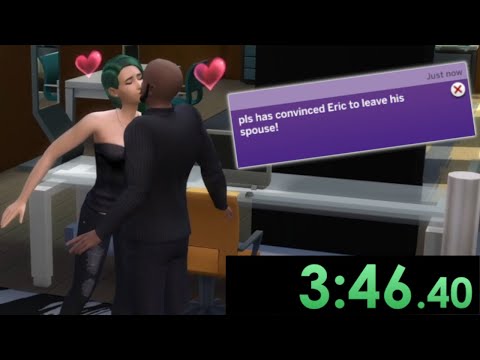
Alright, fellow gamers, buckle up. We're diving deep into a speedrun that truly tests the boundaries of what's possible—and perhaps even palatable—within the seemingly innocent world of The Sims 4. Forget speedruns focused on collecting every item or reaching the top of a career in record time. This one? It’s about deception, manipulation, and a healthy dose of virtual larceny. We’re talking about the "steal a husband and all his money" speedrun. Yes, you read that right. It's a concept that’s as audacious as it is darkly humorous, and it begs the question: is this what The Sims speedrunning has become?

The Strategy Unveiled

The core of this particular speedrun is brilliantly simple, yet devilishly complex in execution. The objective is to identify a target: a rich Sim who is already married. From there, the race against the clock begins. The runner must meticulously, and I mean *meticulously*, employ a series of social interactions to woo the target Sim. This involves building a relationship from acquaintance to soulmate, often requiring hours of gameplay dedicated to mastering conversational trees and romantic overtures.
Once the target Sim is fully smitten, the next crucial steps involve marriage and, ultimately, the Grim Reaper's involvement. The mystery surrounding the spouse's untimely demise is, of course, part of the narrative. The runner aims to inherit the target's entire fortune, effectively completing the run. It’s a testament to the emergent gameplay that The Sims 4 is known for, pushed to an extreme for competitive gaming.
In my experience with Sims 4, building relationships can be a grind, but to do it with the sole purpose of theft and elimination? That takes a special kind of dedication—and a disregard for Sim morality.
This isn't just about clicking buttons fast; it’s about understanding Sim psychology, optimizing social interactions, and managing needs and moods perfectly to accelerate the process. Every minute saved in building the relationship or securing the marriage counts towards a new world record.

Pushing the Envelope: Has The Sims 4 Speedrunning Gone Too Far?

This is the question that inevitably arises with such a controversial run. Has the pursuit of novelty and bragging rights in speedrunning led players to exploit the game in ways that feel…uncomfortable? Some might argue that The Sims, a life simulation game, is being twisted into something darker. However, the speedrunning community often thrives on finding unintended consequences and creative exploits within game mechanics. From a speedrunner’s perspective, the answer is a resounding "no." The goal is to finish the defined objective as quickly as possible. If the game mechanics allow for this elaborate scheme of seduction, marriage, and inheritance (followed by a convenient death), then it’s a valid target for a Personal Best. The challenge lies in the execution and the efficiency.
The beauty of The Sims is its sandbox nature. This run exploits that sandbox to its fullest, creating a narrative within the speedrun itself. It’s storytelling through mechanics.
The fact that this run requires such intricate social manipulation, rather than just pure glitch exploitation, adds another layer of complexity that appeals to a certain segment of the gamer audience. It’s a strategic challenge as much as a technical one.

Expert Insights and Community Reactions

Streamers like EazySpeezy, who pioneered or popularized many of these unconventional runs, often bring a unique blend of humor and intense focus to their gameplay. Their streams are not just about setting records; they are performances that engage viewers with the absurdity and the challenge. The community’s reaction is typically divided: some are amazed by the ingenuity and dedication, while others express reservations about the nature of the run. This kind of run often sparks debate on forums and Discord servers. Is it a legitimate challenge, or does it detract from the spirit of other Sims 4 speedruns? Personally, I find it fascinating. It highlights how players will always find new ways to interact with and "break" game systems, often in ways the developers never intended. It’s a cat-and-mouse game between player creativity and game design.

Sims 4 Speedrunning Nuances

Speedrunning The Sims 4 isn't as straightforward as, say, a platformer or an RPG. The game's inherent randomness, often referred to as RNG (Random Number Generation), plays a massive role. Success in this "husband stealing" run, like many other Sims runs, depends heavily on: * **Target Availability**: Finding a sufficiently wealthy and available spouse quickly. * **Trait Combinations**: The traits of both the player Sim and the target Sim can drastically affect relationship building speed. * **Random Events**: Unexpected mood swings or external events can derail the best-laid plans. * **Skill Progression**: Rapidly leveling up skills like Charisma or Romance is crucial. Runners develop intricate strats to mitigate RNG, such as manipulating Sim lifespans, controlling emotional states, and optimizing daily schedules. This particular run adds the complexity of managing multiple Sims and their relationships simultaneously, making it a true test of skill and planning. It’s a far cry from simply pressing buttons; it's about deep game knowledge and precise execution.

The Future of Sims Speedruns

The Sims 4 continues to evolve with expansions and updates, and the speedrunning community is always adapting. New glitches, skips, and strategies are discovered regularly. While runs like this push the boundaries, they also demonstrate the incredible depth and replayability of The Sims franchise. Whether it’s achieving a WR in a traditional category or setting a benchmark for a controversial but valid objective like this, the spirit of competition and optimization remains strong. It begs the question: what's next? Will we see speedruns focused on orchestrating elaborate family feuds? Or perhaps mastering the art of the perfect virtual heist? Given the creativity of the Sims community, anything is possible. The dedication shown in runs like this is a testament to the enduring appeal of The Sims 4 and the passion of its speedrunning players.

Frequently Asked Questions

**Q1: Is this the "official" way to play The Sims 4?** A1: Absolutely not. This is a speedrun category designed to achieve a specific objective (stealing a husband and his money) as quickly as possible within the game's mechanics. It's an exploit of the game's systems for competitive purposes. **Q2: Are there other controversial speedruns in The Sims 4?** A2: The Sims 4 community has explored various unconventional runs. While this specific "husband stealing" category is notable for its theme, other runs might focus on exploiting glitches, achieving impossible feats, or creating specific narrative outcomes very rapidly. **Q3: How long does a run like this typically take?** A3: The exact time can vary significantly based on the runner's skill, the target Sim's wealth, and a good dose of luck with RNG. Some runs might be completed in a few Sim-hours of in-game time, but the real-world time spent strategizing and executing can range from hours to days. **Q4: Does The Sims 4 have built-in features for this kind of gameplay?** A4: While The Sims 4 allows for complex relationships, marriage, and even divorce or death, the "speedrun" aspect of systematically acquiring wealth through deception and expedited spousal demise is an emergent strategy developed by players, not a core gameplay feature promoted by the developers. In conclusion, this Sims 4 speedrun is a prime example of how the gaming community finds creative, and sometimes morally ambiguous, ways to engage with their favorite titles. It’s a testament to the depth of emergent gameplay and the relentless pursuit of optimization that defines speedrunning. Whether you find it hilarious, shocking, or brilliant, there’s no denying the skill and dedication required to pull off such a feat. What do you think about this speedrun? Does it push the boundaries too far, or is it just another ingenious exploit? Let us know your thoughts in the comments below, and join our Discord server to discuss more wild speedruns and gaming strategies!

DOOM Eternal: A Deep Dive into the Evolution of Hell's Hordes (1993-2020)

Hey Slayer, and welcome to GamingSpeedrun.com! Today, we're diving headfirst into the fiery pits of hell to witness the terrifying evolution of DOOM's most iconic demons. From the pixelated nightmares of 1993's DOOM to the visually stunning and brutally challenging monstrosities in 2020's DOOM Eternal, the forces of Hell have undergone a remarkable transformation. If you're here for the lore, the visuals, or just to appreciate the sheer terror these creatures bring, you've come to the right place. We'll be dissecting their design, their mechanics, and how they've impacted the gaming landscape across decades.

The Dawn of DOOM: 1993's Pixelated Terrors

In 1993, id Software unleashed DOOM upon the world, and with it, a bestiary of demons that would become legendary. These weren't just enemies; they were the physical embodiment of hellish aggression. We're talking about the iconic Pinky Demon, the spitting Imps, the terrifying Revenant with its rocket launchers, and the sheer panic induced by a Baron of Hell.
Their designs, while limited by the technology of the era, were incredibly effective. Using sprite-based graphics, each demon had a distinct silhouette and animation set that communicated their threat. The 8-directional facing and limited frames of animation somehow conveyed a palpable sense of menace. The cacodemons, floating orbs of flesh with gaping maws, were both grotesque and strangely comical, a hallmark of DOOM's unique tone. For a PC game, this was revolutionary.
The simplicity of the early sprites belies their effectiveness. You knew instantly what you were facing and what it could do. That clarity is something many modern games struggle with.

DOOM II: Reinforcements from Below

DOOM II: Hell on Earth expanded the demon roster and refined existing designs. The Arch-Vile, capable of summoning other demons and unleashing devastating fire attacks, became a high-priority target that could instantly change the flow of a fight. The Mancubus, a hulking, fire-spewing behemoth, added a new layer of threat. These additions didn't just introduce new visual designs; they introduced new combat mechanics that forced players to adapt their strategies. The sheer variety of hellspawn presented a constant challenge, pushing players to master weapon switching and movement. For speedrunners, DOOM II presented early opportunities for optimization. Understanding enemy spawn points, projectile timings, and optimal kill orders became crucial for achieving those coveted World Records.

The Long Hiatus and Early 3D Experiments

After the initial DOOM trilogy and its expansions, the franchise entered a period of relative quiet on the mainline front, although spin-offs and ports kept the demon-slaying spirit alive. This era saw the industry transition heavily into 3D graphics. While not directly part of the core demon evolution for a while, this technological shift laid the groundwork for what was to come. Games like Quake showcased the potential of fully 3D environments and character models, hinting at a future where DOOM's demons could be realized with unprecedented detail and ferocity.

DOOM 3: A Horrific Reimagining

DOOM 3 in 2004 took a significant departure, leaning heavily into survival horror and a darker, more atmospheric tone. The demons were redesigned to be genuinely terrifying, emphasizing jump scares and psychological dread. The iconic Hell Knight became a more monstrous, less agile creature, and the Cyberdemon was a towering, imposing force. This iteration focused on a slower, more deliberate pace. The monsters often lurked in the shadows, their appearances heralded by flickering lights and unsettling sounds. While divisive among fans of the original's fast-paced action, DOOM 3's demon designs were masterclasses in creating atmosphere and horror within the engine's capabilities. It showed that the DOOM demons could be interpreted in different genres. This era also saw DOOM on consoles like the Playstation and Xbox, broadening its reach.

DOOM (2016): The Glorious Return

Then came 2016. DOOM (2016) wasn't just a reboot; it was a triumphant return to form, recapturing the frantic, aggressive gameplay that the series was known for. The demons were reimagined with a stunning level of detail, their designs a perfect blend of classic inspiration and modern artistry. The Pinky Demon was now a charging, armored beast. The Revenant, once a skeleton, became a cybernetic nightmare with missile pods and a jetpack. The Imp's spitting projectiles were faster and more numerous. The introduction of the "Glory Kill" system, which required close-quarters finishers for health and ammo, fundamentally changed how players interacted with the demons, turning every encounter into a high-risk, high-reward dance of death. This design philosophy was crucial for the game's emergent speedrun potential.
DOOM (2016) struck a perfect balance: familiar demons, but updated with breathtaking fidelity and brutal new mechanics. The Glory Kills are a prime example of how design can enhance both the core gameplay and speedrun strategies.

DOOM Eternal: The Apex of Demon Design

And then there was DOOM Eternal. If DOOM (2016) was the renaissance, DOOM Eternal is the apotheosis. The demons were not just redesigned; they were completely re-engineered. Each demon in Eternal feels like a distinct puzzle to solve, with specific weaknesses and attack patterns that demand mastery. The Mancubus now has arm cannons that can be destroyed. The Revenant's shoulder cannons are targets. The Hell Knight's charges can be parried. New threats like the Pain Elemental, the Arch-Vile (returning with even more devastating abilities), and the Doom Hunter add layers of complexity that make every combat arena a dynamic battlefield. The sheer visual fidelity, the intricate animations, and the clear tells for each attack are astounding.

Key Evolutionary Traits

Across these generations, several key traits mark the evolution of DOOM's demons: * **Increased Detail and Fidelity**: From 8-bit sprites to hyper-realistic 3D models with PBR textures. * **Enhanced Animation**: More fluid and expressive animations that convey weight, speed, and intent. * **Refined Mechanics**: Demons aren't just visually different; their attack patterns, weaknesses, and roles in combat have evolved significantly. * **Environmental Integration**: Demons feel more at home in their hellish landscapes, with designs that reflect the corrupted worlds they inhabit. * **Targetable Weak Points**: A significant shift, especially from DOOM (2016) onwards, allowing for strategic dismemberment.

The Speedrunner's Perspective

As a speedrunner myself, witnessing this evolution is fascinating. The early games relied on precise movement, route optimization, and exploiting enemy AI limitations. DOOM (2016) and DOOM Eternal introduced a new layer: understanding the mechanics of weapon mods, equipment, and the Glory Kill system to maximize damage output and sustain. Glitches and skips are always a part of the speedrunning community, but the core of these newer games lies in executing near-perfect combat encounters. The RNG can still play a role, but the reliance on pure player skill is immense. Seeing how a simple Imp from 1993 evolved into the multi-attacking, projectile-dodging menace of Eternal is a testament to game design progression. Every demon is a potential roadblock or a stepping stone on the path to a new Personal Best or even a new World Record.

Frequently Asked Questions

What is the most significant change in DOOM Eternal's demons compared to earlier games?

The most significant change is the introduction of clearly defined weak points on most demons in DOOM Eternal, allowing players to strategically dismember them for critical resources and to disable specific attacks. This adds a layer of tactical depth not present in earlier titles.

How did the technology of the time affect the demon designs in the original DOOM (1993)?

The technology limited demon designs to 2D sprites with limited animation frames. However, id Software used clever design and animation to make these sprites menacing and distinct, establishing iconic silhouettes that are still recognizable today.

Are there any notable glitches or skips related to demon encounters in DOOM Eternal speedruns?

While DOOM Eternal focuses heavily on combat mastery, the speedrunning community constantly discovers and utilizes minor glitches or sequence breaks to optimize routes and encounters. These often involve precise movement and weapon usage rather than major 'skips' of entire sections, though some environmental exploits exist.

Which demon saw the biggest visual overhaul from its original appearance to DOOM Eternal?

While many demons were significantly updated, the Arch-Vile underwent a massive transformation. From its original sprite, it evolved into a truly terrifying, imposing figure in DOOM Eternal with devastating new offensive capabilities, making it one of the most feared enemies in the game.

The journey of DOOM's demons from blocky sprites to terrifying, high-fidelity monsters is a microcosm of the evolution of video game technology and design itself. Each iteration built upon the last, refining not just the visuals but the very essence of what makes these creatures so compellingly dreadful. Whether you're a lore hound, a visual enthusiast, or a speedrunner pushing for that next WR, there's no denying the legacy and ongoing evolution of Hell's Hordes. What are your favorite demon designs across the DOOM series? Which encounter pushed you to your absolute limit? Let us know in the comments below, and join our Discord server to discuss all things gaming and speedrunning! Don't forget to check out our latest news and guides.

The Sims 4: Speedrunning the Path to Cult Membership - A Deep Dive

Introduction: The Ultimate Cult Speedrun

Ever thought about joining a cult? In The Sims 4, it's not just a quirky life path; it's a speedrunning challenge! Yes, you read that right. I dove headfirst into the bizarre world of Sims 4 cults with one goal: to achieve membership as fast as humanly possible. Forget traditional speedruns; this is about leveraging game mechanics for an unconventional, yet incredibly entertaining, objective. It might sound wild, but the strategy involved is surprisingly intricate, pushing the boundaries of what we consider a "speedrun."

The Sims 4 Cult Mechanics Explained

The Sims 4, while not explicitly featuring "cults" as a game mechanic in the base game, allows for emergent cult-like behavior through various packs and player-created scenarios. For the purpose of this speedrun, we're focusing on specific goals that mimic cult recruitment and integration. This typically involves actions like:

  • Mastering specific skills (like Cooking for "sacrificial" cakes).
  • Achieving certain career or educational milestones (like attending university).
  • Triggering specific random events (like a house break-in, which can be manipulated).

The beauty of The Sims 4 is its sandbox nature. What constitutes a "cult" is up to the player, making it ripe for creative speedrunning categories. The objective here isn't just speed, but speed towards a very specific, narrative-driven goal.

The Speedrun Strategy: A Step-by-Step Breakdown

My journey to cult membership in The Sims 4 was anything but straightforward. It required meticulous planning and exploiting game mechanics to their fullest. Here’s a general overview of the strat:

  1. Skill Acquisition: The first hurdle was maxing out the Cooking skill. This was essential for baking the perfect cake – a crucial item for certain cult initiation rites, or at least, that's the narrative we're running with! This takes time and dedication, often involving countless hours of virtual kitchen work.
  2. University Application: To fast-track certain opportunities, I enrolled in the University. This isn't just about getting a degree; it's about accessing specific campus environments and interactions that can be beneficial for the speedrun. The application process itself needs to be as quick as possible.
  3. The "Welcome Wagon" (of sorts): A key, albeit bizarre, requirement was to get my Sim's house broken into. This might sound counterintuitive for a speedrun, but in the context of cult recruitment, it can be framed as a test of vulnerability or an opportune moment for "intervention" by the cult. Triggering this event efficiently is a significant part of the strategy.

Each of these steps needs to be optimized. It’s about minimizing the time spent on non-essential activities and maximizing progress towards the final objective. This often involves careful management of Sim needs, moodlets, and social interactions.

In my experience, optimizing Sim needs management is paramount. A hungry or tired Sim is a slow Sim, and in speedrunning, every second counts.

Key Speedrun Elements: Skills, Events, and RNG

This particular run hinges on a few critical elements:

  • Skill Progression: The Cooking skill is non-negotiable. Efficiently leveling it up involves strategic recipe selection and practice.
  • University Enrollment: The speedrun requires applying to and attending university. Minimizing the time from decision to enrollment is key.
  • Triggering Random Events: The break-in event isn't guaranteed. Players often need to manipulate game conditions or simply wait and hope for the best, making it a significant RNG factor.

Every action is calculated. From the moment the Sim is created to the moment they fulfill the final objective, there's a plan. This meticulousness is what separates a casual playthrough from a true speedrun. It’s about finding the fastest path through the game's systems.

Why This Speedrun is Unique

What makes a Sims 4 cult speedrun stand out? It's the blend of structured goals with the inherent unpredictability of The Sims 4. Unlike runs in games with more defined objectives, this category thrives on player creativity and interpretation. It showcases how players can bend the rules and find new ways to challenge themselves and the game.

Furthermore, it taps into a niche but passionate community that loves exploring the more unusual aspects of gaming. The narrative potential is huge, turning mundane tasks into crucial steps in a bizarre, high-stakes quest. It's proof that speedrunning isn't just about beating final bosses; it's about beating the clock in any scenario imaginable.

The most rewarding part is seeing a complex plan come together perfectly, especially when it involves a quirky objective like cult recruitment. It's pure gaming theatre!

The Role of RNG in Cult Speedruns

In any speedrun, Random Number Generation (RNG) can be both a blessing and a curse. For this particular speedrun, the break-in event is a prime example. There's no surefire way to guarantee it happens at the optimal moment. This means runners must develop strategies to mitigate bad RNG or capitalize on good RNG.

Sometimes, you just have to keep playing, hoping the dice roll in your favor. Other times, specific actions might slightly increase the odds of certain events. Understanding these probabilities is a huge part of mastering the run. It requires patience and adaptability, qualities essential for any serious speedrunning enthusiast.

Dealing with RNG is part of the thrill. A perfect run is amazing, but a run saved by a lucky break? That's unforgettable!

Community and the Future of the Run

The beauty of the gaming community is its constant innovation. This Sims 4 cult speedrun, while perhaps niche, represents the kind of creative thinking that drives the speedrunning scene forward. It encourages others to look at their favorite games in a new light and explore possibilities beyond the intended gameplay.

As more players experiment with this category, new strategies will undoubtedly emerge. Perhaps different "cults" will be defined, or new ways to optimize the existing path will be discovered. The ongoing evolution of the run is as exciting as the run itself. You can watch my attempts live and join the discussion on my social media channels:

My channel generally focuses on a more casual side of speedruns. With these videos, I want to show off cool speedruns, explain how they work, and entertain. Hopefully, you enjoy the content and maybe even take up speedrunning yourself, because it is truly a lot of fun!

Frequently Asked Questions

Q1: Is "joining a cult" an official game mechanic in The Sims 4?

A1: No, "joining a cult" is not an official, built-in mechanic. This speedrun category leverages emergent gameplay and player-defined objectives using existing Sims 4 systems to create a cult-like scenario.

Q2: What is the primary skill needed for this speedrun?

A2: The primary skill is Cooking, needed to bake a specific type of cake which is part of the speedrun's objective pathway.

Q3: How do you speed up the process of getting your house broken into?

A3: There isn't a direct method. It's largely dependent on RNG, though certain game states or lot setups might slightly influence event triggers. Players often strategize around ensuring they are home and vulnerable when the event *might* occur.

Q4: Where can I find more Sims 4 speedruns?

A4: Websites like Speedrun.com are excellent resources for official leaderboards and discovered strategies for various Sims 4 categories.

Conclusion and Community Call

This dive into The Sims 4 cult speedrun proves that creativity knows no bounds in the world of gamer challenges. It’s a testament to the player community's ability to find fun and competition in the most unexpected corners of a game. Whether you're a seasoned speedrunner or just looking for some unique gaming content, I hope this exploration has sparked your interest.

What other unconventional speedruns have you seen or thought of? What are your thoughts on this Sims 4 cult challenge? Let us know in the comments below! Join our Discord channel to connect with fellow hardcore gamers and discuss all things gaming and speedrunning!

Mastering the Glitchfest: A Deep Dive into Super Mario World's 2:54 TAS by IgorOliveira666

Super Mario World Glitchfest TAS

Hey speedrunning enthusiasts and Mario fans! Today, we're diving deep into a truly spectacular speedrun of a timeless classic: Super Mario World on the SNES. This isn't just any run; it's a Tool-Assisted Speedrun (TAS) by the incredibly skilled IgorOliveira666, clocking in at an astonishing 2 hours, 54 minutes, and 33.62 seconds. What makes this run stand out is its title: "Glitchfest". This implies a deliberate exploration and exploitation of the game's deepest secrets, and believe me, this TAS delivers!

The Glitchfest Philosophy

When you hear "Glitchfest," you know you're in for something special. This isn't about the fastest route through the game using intended mechanics. Instead, it's a masterclass in understanding how the game works *under the hood*. IgorOliveira666's run is a testament to the dedication of the speedrunning community to uncover every possible shortcut, every unintended shortcut, and every quirky behavior the game has to offer. In my experience, TAS runs like this often push the boundaries of what we think is possible in a game.

Super Mario World, a titan in the SNES era, continues to hold a significant place in the hearts of gamers worldwide. Its vibrant graphics, fluid controls, iconic soundtrack, and, crucially for this discussion, its abundant glitches make it a perennial favorite for exploration and speedruns. While many games have exploits, not all glitches translate into time saves. This particular TAS, however, is designed to highlight as many of these as possible, creating a truly unique spectacle.

What Exactly is a TAS?

Before we dive deeper into the exploits, let's clarify what a Tool-Assisted Speedrun (TAS) entails. Unlike a "live" speedrun played by a human in real-time, a TAS is created using external tools. These tools allow the runner to control the game frame by frame. This means perfect inputs, instantaneous reaction times, and the ability to test and perfect strategies with absolute precision. Think of it as a perfect, optimized playthrough, often exploring routes and tricks that would be humanly impossible. This precision is key to executing complex glitches consistently.

Super Mario World's Enduring Legacy

Released in 1990, Super Mario World wasn't just a game; it was a phenomenon. It was the flagship title for the Super Nintendo Entertainment System, showcasing the console's capabilities with its colorful sprites and expansive world. Beyond its technical prowess, the game introduced Yoshi, a beloved companion who added a new layer of gameplay mechanics. The sheer number of secrets, hidden exits, and the non-linear progression through the world map meant that players could spend hundreds of hours discovering everything. This depth also means there's a vast playground for discovering glitches, making it a prime candidate for speedrunning and TAS projects.

The intricate design of Super Mario World, with its multiple layers of mechanics and hidden content, inadvertently created fertile ground for a vast array of glitches to be discovered over the decades.

Exploiting the Code: Key Strats and Skips

This "Glitchfest" TAS isn't just about finding *any* glitch; it's about finding glitches that *save time* or enable significant sequence breaks. Some common themes in Super Mario World glitch exploitation include:

  • Damage Boosting: Intentionally taking damage to gain extra momentum or pass through certain obstacles.
  • Sprite Duplication/Manipulation: Causing enemies or items to duplicate or behave erratically, sometimes leading to unintended pathways.
  • Wall Clips: Finding precise pixel positions to clip through the game's collision detection, bypassing entire sections of levels.
  • Out-of-Bounds (OOB) Exploits: Forcing Mario outside the intended playable area of a level, often leading to skips or accessing areas prematurely.
  • Level Warping: Utilizing specific glitch combinations to jump directly to later levels or the final boss, bypassing large portions of the game.

IgorOliveira666's TAS likely employs a combination of these, meticulously planned and executed. For instance, finding a reliable way to clip through a specific wall in Donut Plains could save minutes compared to the standard route. Similarly, exploiting enemy AI or item spawns to gain an advantage is a staple of advanced speedruns.

Navigating the Chaos: Crashes and Restarts

The description explicitly mentions that some glitches are so intense they cause the game to crash, requiring a console restart. This is a fascinating aspect of glitch hunting in older games. The hardware and software limitations, combined with complex interactions between game elements, can lead to unpredictable states. For a TAS, this means the runner must account for these potential crashes and plan accordingly. Sometimes, the fastest route might involve a glitch with a high chance of crashing, forcing a restart. Other times, the TAS might be designed to *avoid* the game-breaking glitches while still leveraging time-saving ones. The ability to execute these flawlessly, even under the threat of a crash, is what makes TAS runs so impressive. It's a delicate dance between pushing the engine to its limits and maintaining control.

The thrill of a TAS "Glitchfest" lies not just in the speed, but in the sheer audacity of breaking the game in ways the developers never imagined, all while staying within the boundaries of a near-perfect execution.

This run, published on May 24, 2022, serves as a benchmark. It showcases a particular interpretation of "beating" Super Mario World – one that embraces its imperfections and uses them as a tool for achieving ultimate speed. It’s a testament to the community's ongoing engagement with the game, even years after its initial release.

A Feast for the Eyes (and Ears)

While the primary goal is speed, a TAS like this also offers a unique visual experience. Seeing Mario traverse levels in ways never intended, using enemies as platforms in impossible sequences, or phasing through solid objects is captivating. The "flashing lights" warning is also crucial. Many glitches, especially those involving rapid sprite manipulation or graphical errors, can lead to intense visual effects. While it’s a sign of deep exploitation, players with epilepsy should exercise extreme caution. The provided timestamps (43:24, 53:02, 57:49, 1:16:19, 1:37:36, and 2:09:15) are critical for those who want to experience these intense moments or skip them entirely.

The iconic soundtrack of Super Mario World also plays a role, providing a familiar auditory backdrop to the otherwise chaotic visual display. The contrast between the cheerful music and the game-breaking glitches is often part of the charm for viewers.

The Impact on the Speedrunning Community

TAS runs like IgorOliveira666's "Glitchfest" have a profound impact on the broader speedrunning community. They:

  • Push the boundaries of knowledge: They often discover glitches or strategies that are later adapted by human runners (though often in simplified or safer forms).
  • Inspire new runners: Watching a near-perfect execution can motivate others to pick up the game and strive for their own personal bests (PB).
  • Provide reference points: TAS runs serve as the ultimate theoretical limit for a game's speedrun category, guiding human runners on what's potentially achievable.
  • Entertain: Beyond the technical aspects, they are often incredibly fun and fascinating to watch, showcasing a deep, often humorous, understanding of game mechanics.

This specific run, focusing on *quantity* and *intensity* of glitches, is particularly valuable for those interested in the game's technical underpinnings. It’s more than just a fast time; it’s an educational tool for aspiring glitch hunters and a celebration of Super Mario World's deep systems.

For those wanting to explore more about Super Mario World speedruns, platforms like Speedrun.com are invaluable resources. You can find leaderboards for various categories, see the top human runners, and learn about the evolution of the strategies used.

Frequently Asked Questions

What does TAS stand for in speedrunning?

TAS stands for Tool-Assisted Speedrun. It's a type of speedrun created using external tools that allow for frame-by-frame control, enabling perfect inputs and execution.

Are TAS runs considered official records?

Generally, TAS runs are kept in a separate category from "Real-Time Attacks" (RTA) or human-played runs. While they represent the theoretical fastest time, they are not typically compared directly against RTA records.

How do glitches save time in Super Mario World?

Glitches can save time by allowing players to skip entire levels, bypass obstacles, reach areas faster than intended, or manipulate enemy behavior to create shortcuts. This TAS specifically focuses on showcasing many such exploits.

Why is Super Mario World still so popular for speedrunning?

Its enduring popularity stems from its tight controls, vast amount of content, depth of mechanics, and the sheer number of discoverable glitches and tricks, making it a rich and rewarding game for both casual play and high-level competition.

Where can I watch this TAS?

This specific TAS was published by IgorOliveira666. You can typically find such runs on platforms like YouTube or through dedicated speedrun archives. Searching for "[TAS] Super Mario World Glitchfest IgorOliveira666" should lead you to it.

This "Glitchfest" TAS by IgorOliveira666 is more than just a record; it's a deep dive into the very fabric of Super Mario World. It's a testament to human ingenuity (even when assisted by tools) and the incredible replayability of a game masterpiece. Whether you're a seasoned speedrunner, a casual Mario fan, or just curious about game exploits, this run offers something fascinating.

What are your favorite glitches in Super Mario World? Did this TAS inspire you to try some runs yourself? Let us know in the comments below! Join our Discord channel to discuss this and all things speedrunning!

30 Secretos Alucinantes de DOOM (1993): La Guía Definitiva del Speedrunner

¡Ey, speedrunner! Si estás aquí, probablemente compartes mi pasión por exprimir cada milisegundo de los clásicos. Y cuando hablamos de clásicos, **DOOM (1993)** no es solo un juego, ¡es la piedra angular de los shooters en primera persona y un campo de juego legendario para los speedrunners! Este título de id Software no solo redefinió un género, sino que también está plagado de secretos, *glitches* y *strats* que, incluso décadas después, siguen fascinando. Prepárense, porque vamos a desgranar 30 detalles alucinantes de este titán del PC gaming que te harán ver el juego con otros ojos, quizás incluso te inspiren para tu próximo PB.

Curiosidades de Jugabilidad y Movimiento

En el mundo del speedrun, cada frame cuenta. DOOM, a pesar de su aparente simplicidad, esconde mecánicas que, entendidas a fondo, permiten optimizar rutas y conseguir tiempos récord.
  • Movimiento Superrápido: El truco más conocido y fundamental es la capacidad de correr mucho más rápido que la velocidad normal. Esto se logra alternando la tecla de movimiento y la de correr, un *exploit* que se convirtió en una técnica básica para cualquier speedrunner de DOOM.
  • "Strafe Jumping" Primitivo: Aunque no es tan pronunciado como en juegos posteriores, un movimiento diagonal calculado puede darte un ligero impulso extra en ciertas situaciones. ¡Cada poquito de velocidad ayuda!
  • Interacción con el Entorno: ¿Sabías que puedes disparar a través de ciertas texturas o que algunas puertas tardan un tiempo en abrirse? Conocer estos tiempos es crucial para planificar la ruta perfecta.
  • El Poder del "Bunny Hopping": Si bien no es tan efectivo como en otros juegos, saltar repetidamente mientras te mueves puede mantener tu impulso. No siempre es la estrategia más rápida, pero en combinaciones específicas puede ser útil.
  • El "Floor Bug": Bajo ciertas condiciones, puedes deslizarte a través de espacios que normalmente serían intransitables. Este tipo de *glitches* son los que a menudo definen las categorías "glitchless" vs "glitched" en speedrunning.
En mi experiencia, dominar el movimiento requiere cientos de horas. Cada pixel cuenta cuando buscas ese WR.

Secretos de Enemigos, Armas y Nivel

La IA enemiga y el diseño de niveles de DOOM son leyendas. Y, por supuesto, están llenos de detalles que un speedrunner debe explotar.
  • El Comportamiento de los Demonios: Los Cacodemons, por ejemplo, tienen patrones de ataque predecibles, y los Imps lanzan proyectiles que puedes esquivar. Entender esto te permite correr a través de salas infestadas sin necesidad de disparar a todo.
  • El Poder de la BFG: El icónico arma definitiva no siempre es la solución más rápida. A veces, es más eficiente usar armas más rápidas para eliminar grupos pequeños y reservar munición para encuentros clave.
  • Munición y Salud Ocultas: Muchos mapas tienen áreas secretas repletas de objetos. Descubrir estas rutas "secretas" es vital, ya que te permiten mantener tu inventario al máximo sin perder tiempo explorando zonas no esenciales.
  • El "Line of Sight" (Línea de Visión): Los enemigos solo reaccionan a lo que ven. Puedes usar esquinas y obstáculos para atraerlos o evitarlos por completo. ¡Es como un ajedrez demoníaco!
  • "Weapon Switching" Rápido: Cambiar entre armas rápidamente es fundamental. Por ejemplo, usar la escopeta para un golpe rápido y luego cambiar a la ametralladora.

Referencias y Easter Eggs

DOOM está lleno de guiños, reflejando la cultura pop de la época y el ingenio de sus creadores.
  • El "Skull" en el Mapa: Muchas veces, la forma de las habitaciones o la disposición de los objetos ocultan la icónica calavera de DOOM.
  • Referencias a Películas: Detalles sutiles hacen guiños a películas de terror y ciencia ficción, algo muy común en los juegos de esa era.
  • Los Rostros en las Paredes: Algunas texturas de pared son en realidad rostros de miembros del equipo, un detalle divertido que muchos pasan por alto.
  • El Secreto del Botiquín: En un nivel específico, puedes encontrar un botiquín que, al interactuar con él de cierta manera, revela un mensaje oculto.
Encontrar estos pequeños detalles es parte de la magia de DOOM. ¡Te hace sentir parte de algo más grande!

Aspectos Técnicos y de Desarrollo

La tecnología detrás de DOOM fue revolucionaria, y entenderla puede darte una perspectiva única, incluso para optimizar tu juego.
  • El Motor de Juego: El motor de DOOM fue un hito. Permitía la detección de colisiones precisa, la iluminación dinámica (limitada pero efectiva) y mapas complejos, todo ello funcionando en hardware de la época.
  • Diseño de Niveles 2.5D: Aunque los mapas son bidimensionales, la perspectiva y las diferentes alturas crean una ilusión de profundidad 3D, una técnica que influyó enormemente en futuros juegos.
  • La Música y los Efectos de Sonido: La banda sonora MIDI y los icónicos efectos de sonido no solo crearon la atmósfera perfecta, sino que también ofrecían pistas auditivas sobre la presencia y el tipo de enemigos.
  • El Impacto del "Shareware": DOOM se distribuyó inicialmente como "shareware", lo que permitió que millones de jugadores lo probaran gratis. Esta estrategia de marketing fue clave para su enorme popularidad y la creación de una comunidad masiva, algo que benefició enormemente al speedrunning posterior.

El Legado de DOOM en el Speedrunning

DOOM no es solo un juego histórico, es la cuna de muchas prácticas de speedrunning.
  • La Fundación de las Categorías: Desde las partidas "glitchless" hasta las categorías "any%" que buscan terminar el juego lo más rápido posible sin importar los métodos, DOOM sentó las bases para la diversificación del speedrunning.
  • Comunidad Activa: Décadas después, la comunidad de speedrunners de DOOM sigue muy activa, descubriendo nuevas optimizaciones y compitiendo por los WR en plataformas como speedrun.com.
  • Influencia en Juegos Modernos: Muchos de los trucos y técnicas de movimiento que hoy damos por sentados en juegos modernos tienen sus raíces en los primeros experimentos de los speedrunners con títulos como DOOM. El legado de gamer a gamer es innegable.
  • Streaming y Visualización: La popularidad de DOOM en plataformas de streaming ha mantenido vivo el interés, inspirando a nuevas generaciones de jugadores a probar sus habilidades contra el reloj y contra los demonios de PC.
El espíritu de DOOM vive en cada speedrunner que busca romper sus propios límites y los del juego.

Preguntas Frecuentes

¿Cuál es el nivel más difícil de DOOM (1993) para speedrunners?

La dificultad puede variar según la categoría y las habilidades del jugador. Sin embargo, niveles como "Thy Flesh Consumed" (mapa 7 de Episodio IV) son notorios por su alta densidad de enemigos y la exigencia de precisión en el movimiento y el combate.

¿Existen glitches que permitan saltarse secciones enteras del juego?

Sí, existen varios *glitches* que permiten atravesar muros o saltar a áreas inaccesibles, acortando drásticamente los tiempos. Estos se utilizan en categorías específicas de speedrun (glitched).

¿Cómo puedo empezar a hacer speedruns de DOOM?

Lo primero es familiarizarte con el juego, ver speedruns de otros jugadores en speedrun.com, y practicar los movimientos básicos. Únete a comunidades online para obtener consejos.

¿Qué versión de DOOM es la más usada para speedruns?

La versión "Ultimate Doom" (la versión completa de PC) es la más común, especialmente la versión para MS-DOS, ya que muchas técnicas y *glitches* están documentados y optimizados para ella. Sin embargo, también hay categorías para versiones modernas.

¿Es DOOM (1993) todavía relevante en el mundo del speedrunning?

¡Absolutamente! DOOM es uno de los pilares del speedrunning. Su complejidad de movimiento, la profundidad de sus mecánicas y la constante descubierta de nuevas optimizaciones lo mantienen increíblemente relevante y desafiante.

¡Y ahí lo tienen, comandantes! 30 detalles que demuestran por qué **DOOM (1993)** sigue siendo un referente. Desde los movimientos más sutiles hasta los secretos más profundos, este juego ofrece un universo de posibilidades para el speedrunner que busca la perfección. ¿Qué te ha parecido esta inmersión en los secretos de DOOM? ¿Conocías todos estos detalles? ¿Hay algún truco o *easter egg* que me haya faltado? ¡Deja tu comentario abajo y comparte tus hallazgos! Y si quieres seguir la acción en tiempo real y conocer las últimas estrategias, ¡únete a nuestra comunidad en Discord! ¡Nos vemos en el próximo run!

17 Mind-Bending Instances of DOOM Running on Literally Anything

Welcome, fellow speedrunners and gaming enthusiasts, to GamingSpeedrun.com! Today, we're diving deep into one of gaming's most enduring legends: DOOM. You might think you know DOOM, but have you ever considered its incredible portability? It's a well-known fact within the community that if a device has a screen and some form of processing power, someone, somewhere, has figured out how to run DOOM on it. From the humble calculator to a sophisticated digital piano, and even, bizarrely, a pregnancy test, DOOM's presence knows no bounds. In this post, we're exploring a mind-boggling collection of unusual devices that have hosted the iconic demon-slaying simulator.

What is DOOM on Anything?

The phenomenon of running DOOM on non-traditional hardware, often referred to as "DOOM on Everything," is a testament to the game's enduring legacy and the ingenuity of the gaming community. It's not just about playing the game; it's about pushing the boundaries of what's considered possible. This trend highlights the elegance of DOOM's original engine and the relentless creativity of players who seek to run it on the most unexpected platforms.

The Ultimate Portability Challenge

At its core, this is the ultimate speedrun challenge, albeit in a different form. Instead of optimizing routes and mastering glitches within the game's original confines, the challenge shifts to the hardware itself. Can you port the engine? Can you overcome the limitations of a device not designed for gaming? It's a fascinating sub-genre that celebrates hacking, reverse-engineering, and sheer willpower.

"The beauty of DOOM is that its source code was released. This, combined with its relatively simple architecture for its time, made it a prime candidate for porting."

Iconic Examples That Blew Our Minds

The list of devices running DOOM is extensive and constantly growing. We've seen it on:

  • Calculators: Yes, graphing calculators have been harnessed to run DOOM, often with surprisingly playable frame rates.
  • Digital Pianos: Imagine playing through Phobos while hitting actual keys on a piano. It's a reality for some dedicated musicians and gamers.
  • Smart Refrigerators: Some high-end smart fridges have become gaming consoles, albeit temporarily.
  • Apple Watches: Proving that even the smallest screens can host the chaos of Mars.
  • Pregnancy Tests: Perhaps the most bizarre example, demonstrating that if a screen can display a result, it can potentially display a Hell Knight.
  • LEGO Devices: Modders have even built functional LEGO machines capable of running DOOM.

The Community Behind the Mayhem

This entire movement is driven by incredible online communities. The subreddit r/ItRunsDOOM is a central hub where users share their discoveries, showcase their projects, and offer technical advice. It's a collaborative space where people push the boundaries together. The dedication to sharing knowledge and celebrating these unique achievements is what makes this corner of the gaming world so special.

"Every time I see a new device running DOOM, I'm reminded of the sheer, unadulterated passion of gamers and programmers."

It's not just about individual efforts; it's a collective celebration of a classic game. Many of these ports and discoveries are meticulously documented on pages like the "It Runs DOOM!" website, which acts as an archive of these incredible feats. For those who want to see it all in action, curated playlists on YouTube, such as the excellent "Doom on EVERYTHING" compilation, offer a visual feast of these hardware hacks.

Why Does This Keep Happening?

Several factors contribute to DOOM's unparalleled ability to be "ported":

  • Open Source: The release of DOOM's source code was a game-changer, allowing developers to adapt and modify the engine freely.
  • Engine Elegance: The original id Tech 1 engine is remarkably efficient and relatively simple to understand for its complexity.
  • Community Passion: A dedicated fanbase continues to explore its possibilities decades later.
  • Hardware Hacking Culture: The rise of accessible microcontrollers and custom hardware makes experimenting easier than ever.
"It’s become a rite of passage for many programmers and hardware enthusiasts. If you want to prove your skills, get DOOM running on something insane."

This ongoing trend isn't just a novelty; it's a cultural phenomenon that keeps DOOM relevant and demonstrates the timeless appeal of groundbreaking PC titles. It’s a testament to how open access and community can extend the life and impact of a game far beyond its original release.

How Can You Learn More?

If you're as fascinated as we are, the best place to start is by exploring the resources that fuel this movement:

The world of speedrunning and game modification is always evolving, and DOOM continues to be a central figure in these discussions. What's the next impossible device that will run DOOM? Only time will tell, but we'll be here to cover it!

Frequently Asked Questions

Can any version of DOOM be run on these devices?

While the original DOOM (1993) and its various source ports are the most common, people have even managed to get more modern iterations like DOOM Eternal running on highly specialized hardware, though this is significantly more complex.

Is it legal to run DOOM on custom hardware?

Generally, yes. The original DOOM's source code was released under a license that allows for modification and distribution, provided certain conditions are met. The game assets (graphics, sound) are still owned by id Software/Bethesda, but running the engine on new hardware for personal exploration or demonstration is widely accepted.

What are the technical challenges involved?

Challenges include limited processing power, lack of memory, incompatible input methods, and the need to port the graphics and audio rendering to the specific hardware's capabilities. Often, the game needs to be heavily optimized or run at very low resolutions and frame rates.

What is the most common "non-traditional" device people run DOOM on?

Historically, calculators and older embedded systems were popular. More recently, the trend has seen devices with small screens like smartwatches and digital displays becoming frequent targets.

Where can I find guides on how to port DOOM myself?

The r/ItRunsDOOM subreddit and various programming forums are excellent places to start. Many successful porting projects have detailed write-ups or even open-source code available.

The sheer audacity and technical prowess displayed in getting DOOM to run on everything from a calculator to a tractor is truly awe-inspiring. It’s a community-driven phenomenon that celebrates the enduring spirit of a legendary game and the boundless creativity of its players. Keep exploring, keep pushing limits, and let us know in the comments: what's the craziest device you've seen DOOM run on?

Join our Discord channel to discuss your own hardware hacking projects and connect with fellow speedrunners!