Elden Ring All Bosses Speedrun: Conquering the Network Test in 24:35!

The Lands Between are vast, challenging, and brimming with secrets. For any Tarnished brave enough to venture forth, the allure of mastering its intricacies is immense. But what happens when mastery meets the clock? The title "Elden Ring ALL BOSSES SPEEDRUN in 24:35 (Closed Network Test)" isn't just a timestamp; it's a declaration of pure, unadulterated gaming prowess. This isn't about leisurely exploration or soaking in the lore; it's about pushing the boundaries of what's possible, dissecting mechanics, and exploiting every available advantage to achieve the ultimate goal: speed. If you're here, you're likely not just a fan of Elden Ring, but a dedicated player eager to understand the pinnacle of its challenge.

Introduction: The Thrill of the Speedrun

You've seen the clips, heard the whispers of impossible times, and perhaps even attempted a speedrun yourself. The Elden Ring Closed Network Test, though brief, offered a tantalizing glimpse into the potential of speedrunning this monumental title. Achieving an "All Bosses" category in just 24 minutes and 35 seconds is not merely a feat; it's a masterclass in game knowledge, execution, and strategic thinking. This isn't your typical Tarnished journey; this is a high-octane sprint through the most formidable challenges FromSoftware has to offer. We're going to break down exactly how this incredible run was accomplished, exploring the specific strategies, glitches, and route optimizations that made this record possible.

Understanding the 24:35 All Bosses Run

The title itself, "Elden Ring ALL BOSSES SPEEDRUN in 24:35 (Closed Network Test)," tells us a lot. The core intent behind this search is to understand the mechanics and strategies behind an exceptionally fast completion of all bosses within the limited scope of the Network Test. This isn't about finding the best builds for a casual playthrough, nor is it about delving into the intricate lore. It's purely about the *how* of speedrunning. This particular record is significant because it was achieved during a closed network test, meaning the game was not yet fully released and potentially had undiscovered or unpatched exploits that could significantly alter optimal routes.

Early Game Dominance: Tutorial and First Encounters

Every speedrun begins with the absolute basics. In Elden Ring's case, this means the tutorial and the initial areas. The runner, identified as "lilaggyTV" on Twitch, clearly has a deep understanding of enemy patterns and movement tech from the outset. The early game is crucial for building momentum and acquiring essential items or abilities that will shave seconds, or even minutes, off later encounters. We see the player navigate the tutorial area with incredible efficiency, likely utilizing the fastest possible route to acquire the starting class and any beneficial gear available from the get-go. The first boss, the Soldier of Godrick, is dispatched with surprising speed, indicating optimized attack patterns and perhaps even a reliance on specific weapon choices or combat strategies. Even seemingly minor bosses like Pumpkin Head and the Stonedigger Troll are treated as mere obstacles, overcome with precise attacks and minimal wasted movement.

"The early game is where you build the foundation for your entire speedrun. Every second saved here compounds dramatically by the end."

The Tree Sentinel, notoriously difficult for first-time players, is a critical early-game hurdle. In a speedrun context, however, this encounter is likely managed through pre-determined skips or a highly optimized combat strategy that exploits its AI. This level of execution demonstrates an advanced understanding of the game's mechanics, far beyond that of a typical player.

Mid-Game Strats: Navigating the Labyrinth

As the run progresses into the more complex areas of the Network Test, the strategies become even more intricate. Encounters like the Bloodhound Knight Darriwil and the Beastman of Farum Azula require not just raw damage but also efficient crowd control and movement. The runner likely employs specific weapon choices or consumables to maximize damage output, ensuring bosses are defeated in as few phases as possible. The Burial Tree Watchdog, a more complex boss, is often a point where runs can be lost. Mastering its attack patterns and finding the quickest window to strike is paramount. The Grave Warden and Flying Dragon Agheel are further examples of bosses that, while challenging in a normal playthrough, are reduced to speed bumps through practiced routes and exploits.

Late-Game Boss Rush: The Gauntlet

The final stretch of the Network Test speedrun culminates in a rapid-fire series of boss encounters. The Demi-Human Chiefs, often fought in groups, demand area-of-effect damage or a swift method to eliminate them one by one. Finally, the run concludes with Margit the Fell Omen, one of Elden Ring's iconic early-to-mid-game challenges. Taking down Margit in a speedrun context requires a deep understanding of his move set, predictable attack timings, and potentially the use of status effects or powerful weapons that can stagger him quickly. The fact that this entire sequence, from the first boss to Margit, is compressed into just over 24 minutes speaks volumes about the runner's dedication and the effectiveness of their chosen strategies.

Key Techniques and Glitches

Speedrunning Elden Ring, especially in a test environment, often involves leveraging techniques that go beyond intended gameplay. While the provided timestamp doesn't detail specific exploits, common speedrun techniques in Souls-like games include:

  • Movement Tech: Utilizing advanced movement options like backstep cancels, jump attacks, and potentially sequence breaks that allow traversal of areas faster than intended.
  • Glitches: Exploiting bugs in the game's code. This could range from out-of-bounds skips to AI manipulation or item duplication. For example, a wrong warp could potentially fast-travel the player to a later area prematurely.
  • RNG Manipulation: While not always possible or ethical, influencing random number generation (RNG) to get favorable outcomes, such as guaranteed critical hits or specific enemy spawns.
  • Optimal Loadouts: Selecting the most efficient weapons, armor, spells, and talismans for maximum damage and survivability with minimal setup time.

The impressive time suggests that the runner likely employed a combination of these to shave off precious seconds at every opportunity.

"In speedrunning, every frame counts. What might seem like a minor optimization to a casual player can be the difference between a personal best and a world record."

The Role of RNG

Random Number Generation (RNG) plays a significant role in any speedrun. Boss attack patterns, enemy spawns, and even item drops can be unpredictable. While highly skilled runners can mitigate the impact of bad RNG through consistent execution of strategies, some runs are simply defined by fortunate rolls. For an "All Bosses" run, consistent and favorable RNG across numerous encounters is crucial for achieving a time like 24:35. This run likely benefited from predictable boss AI, quick attack windows, and perhaps even lucky critical hits that ended boss fights faster.

Network Test Context: What We Learned

The fact that this record was set during a Closed Network Test is particularly interesting. Network tests are often used by developers to gather data, stress test servers, and identify critical bugs. For speedrunners, they are a treasure trove of potential exploits and unpatched mechanics. The limited scope of the test means the pool of bosses and areas was finite, allowing for a more focused and intensive study of optimal routes and strategies. This run serves as a benchmark for what was achievable with the available content and knowledge at that specific time, hinting at the further optimizations that might emerge upon the game's full release.

Expert Analysis and Future Implications

From an expert standpoint, this 24:35 run is a testament to the dedication and analytical prowess of the speedrunning community. It highlights how quickly players can deconstruct a game, identify its weak points, and develop incredibly efficient strategies. The techniques used here, even within the limited confines of the Network Test, likely laid the groundwork for future world records in the full game. Runners will continue to refine routes, discover new glitches, and push the boundaries of what's considered possible. The existence of such a rapid "All Bosses" run so early in the game's lifecycle suggests that Elden Ring, much like its predecessors, will become a staple in the speedrunning circuit for years to come.

The specific boss order and encounter timings are crucial. For instance, efficient navigation through Limgrave to face bosses like Grave Warden and Flying Dragon Agheel quickly, before moving on to tougher opponents, is key. The ability to quickly defeat multiple bosses back-to-back, like the Demi-Human Chiefs, without significant downtime, demonstrates a mastery of area traversal and combat. This run also implicitly showcases the meta of the Network Test build – likely focusing on high burst damage or specific weapon arts that excel against multiple boss types.

Frequently Asked Questions

What is the significance of this speedrun being from the "Closed Network Test"?

Running a speedrun during a network test means the game is not yet finalized and may contain undiscovered glitches or exploits that are later patched out. This allows for unique and sometimes highly optimized routes that might not be possible in the full release.

How do speedrunners defeat bosses so quickly?

Speedrunners use a combination of highly optimized combat strategies, specific weapon/spell loadouts designed for maximum damage output (often referred to as the meta), exploiting boss AI, and sometimes utilizing game-breaking glitches or skips.

What does "All Bosses" mean in Elden Ring speedrunning?

For an "All Bosses" category, the runner must defeat every boss encounter present within the game's playable area for that specific run. In the context of the Network Test, this refers to all bosses accessible within that limited build.

Is this record still valid for the full Elden Ring game?

This record is specific to the Closed Network Test. While many strategies and techniques might carry over, the full release of Elden Ring has many more bosses, areas, and potential glitches, leading to different optimal routes and world records for the complete game.

What is RNG and how does it affect speedruns?

RNG stands for Random Number Generation. It dictates many unpredictable elements in games, such as enemy attack patterns, item drops, and critical hit chances. Good RNG can significantly shorten a speedrun by providing favorable conditions, while bad RNG can lead to lost time or even a failed run.

This incredible 24:35 "All Bosses" speedrun of the Elden Ring Closed Network Test is a masterclass in gaming efficiency. It demonstrates the power of deep game knowledge, precise execution, and the relentless pursuit of optimization. The speedrunning community continues to push the boundaries, and this run is a shining example of what's possible when passion meets programming. What other secrets do you think Elden Ring holds that speedrunners will uncover?

Share your thoughts and your own fastest times in the comments below! What boss gave you the most trouble in your own journeys through the Lands Between? Did you discover any personal speedrunning strategies or tricks?

Mastering the OXY & ARGON Titan Rockets: A Speedrunner's Guide to the War Robots Test Server WR

Welcome, fellow speed demons and War Robots enthusiasts! If you're anything like me, the thrill of shaving off milliseconds, discovering new strats, and pushing the boundaries of what's possible in a game is what keeps you glued to your screen. Today, we're diving headfirst into something that's causing a serious buzz in the community: the groundbreaking performance of the new OXY & ARGON Titan Rockets on the War Robots Test Server, captured in a recent World Record run. Let's break down what makes these weapons so revolutionary and how they're impacting the speedrun scene.

The OXY & ARGON Revolution

In the fast-paced world of War Robots, staying ahead means constantly adapting to new hardware and gaming meta. The introduction of the OXY and ARGON Titan Rockets is more than just an update; it's a paradigm shift. For those of us who live and breathe speedrunning, these new Titans aren't just tools – they're potential game-changers, opening up entirely new avenues for optimization and pushing the limits of what we thought was achievable. I've spent countless hours dissecting gameplay, and trust me, the potential here is immense.

Unpacking the OXY Titan Rocket

Let's talk specifics. The OXY Titan Rocket, in my experience, is all about agility and battlefield control. Its primary draw is the incredible speed boost it offers. Imagine this: you're pinned down, enemies closing in, and suddenly you activate the OXY. It’s not just a slight increase; it’s a significant surge that allows you to reposition, flank, or even make a daring escape. This enhanced mobility is crucial for speedrunners who need to navigate complex maps efficiently, bypass enemy choke points, and reach objectives faster than ever before.

  • Key Feature: Speed Boost - Provides a significant, short-duration burst of movement speed.
  • Tactical Advantage: Repositioning - Allows for rapid changes in position to evade fire or set up ambushes.
  • Speedrun Relevance: Map Traversal - Dramatically reduces travel time between points of interest on the map.

Unpacking the ARGON Titan Rocket

If the OXY is about speed, the ARGON is the brute force counterpart. This variant focuses on raw destructive power. Its increased damage output and wider explosion radius are designed to decimate enemy formations. For a speedrunner, this translates into clearing obstacles or hostile groups more efficiently. Think about those levels where you have to fight through waves of enemies – the ARGON can potentially shorten these encounters dramatically, saving precious seconds. The splash damage is no joke; it can clear out multiple targets simultaneously, which is a huge boon for maintaining momentum.

The ARGON's ability to clear groups of enemies quickly is a game-changer for objective-based runs where time is of the essence.
  • Key Feature: Increased Damage & AoE - Deals more damage and has a larger blast radius than standard weaponry.
  • Tactical Advantage: Crowd Control - Ideal for taking out multiple enemies at once.
  • Speedrun Relevance: Encounter Clearing - Significantly reduces time spent in combat against groups.

Impact on Speedrunning: New Strats and Skips

The implications of these new Titans for speedrunning are profound. We're talking about potentially entirely new routes and glitches that leverage the unique properties of OXY and ARGON. For instance, the OXY's speed boost might enable players to reach previously inaccessible areas, creating shortcuts or 'skips' that shave significant time off runs. I've seen some early attempts in community discussions that hint at using the OXY's momentum to "rocket jump" or bypass certain environmental hazards. Similarly, the ARGON's area-of-effect damage could be used to trigger environmental effects or destroy key structures faster, opening up different tactical approaches. The RNG factor in enemy placement becomes less of a hurdle when you can clear threats so rapidly.

Analyzing the WR Gameplay

Witnessing the recent World Record run featuring the OXY & ARGON Titans was nothing short of spectacular. The player masterfully integrated the OXY's speed boost to navigate the map with breathtaking efficiency, cutting corners and reaching objectives at an unprecedented pace. There was a particular moment where they used the OXY to evade a devastating attack, a move that would have been impossible with older loadouts. Then came the ARGON – deployed strategically to obliterate a heavily fortified position, clearing the path forward in seconds. This wasn't just about having powerful weapons; it was about the execution, the precise timing of abilities, and the intelligent application of these new tools to optimize every second. The record wasn't just set; it was shattered.

The synergy between the OXY's mobility and the ARGON's firepower was the defining characteristic of this WR run.

Customization: Tailoring Your Titan

One of the most exciting aspects, especially for min-maxers and speedrunners, is the customization potential. The ability to fine-tune your loadout means you can adapt the OXY & ARGON Titans to your specific playstyle and the demands of a particular speedrun category. Whether you prioritize sustained speed, burst acceleration, wider blast radius, or concentrated damage, the options appear extensive. Experimenting with different ammo types and weapon modifications will be key to unlocking peak performance. In my runs, I'll be looking at mods that enhance the duration of the OXY's speed boost or further increase the ARGON's splash damage.

Getting Your Hands on Them

For those eager to experience this power firsthand, the OXY & ARGON Titan Rockets are currently accessible on the War Robots Test Server. This is your chance to get ahead of the curve, practice with these game-changing weapons, and contribute valuable feedback to the developers before their official global release. Hopping onto the test server is essential for anyone serious about competing at the highest level or simply wanting to understand the new meta. Don't miss out on the opportunity to be among the first to master these incredible new additions.

Frequently Asked Questions

Q1: Are the OXY & ARGON Titans available in the main game yet?

A1: Currently, they are only available on the War Robots Test Server. Their global release date is yet to be announced, but access on the test server allows players to try them out beforehand.

Q2: How significantly do these weapons impact speedrun times?

A2: Early analysis and the recent WR suggest a substantial impact. The OXY's speed boost can enable new routes and skips, while the ARGON's firepower can shorten combat encounters, potentially shaving minutes off previous records.

Q3: What makes the OXY different from the ARGON?

A3: The OXY primarily offers a significant speed boost for mobility and repositioning, whereas the ARGON focuses on high damage output with a large area of effect to clear multiple enemies.

Q4: Can I use these weapons in competitive matchmaking yet?

A4: No, not until they are officially released from the test server into the main game. The test server is for trial and feedback purposes.

Conclusion: The Future of Speedrunning is Here

The OXY & ARGON Titan Rockets represent a thrilling evolution in War Robots. For the speedrunning community, they offer a tantalizing glimpse into the future, packed with potential for groundbreaking records and innovative strategies. Mastering their unique capabilities on the test server is crucial for staying at the forefront. I, for one, am incredibly excited to see how the community pushes these weapons to their absolute limits. Keep practicing, keep experimenting, and keep those PB (World Record) attempts coming!

What are your thoughts on the OXY & ARGON Titans? Have you tried them on the test server? Share your fastest times, craziest strategies, or any potential glitches you've discovered in the comments below! Join our Discord channel to discuss all things speedrunning and War Robots.

Can Elite Minecraft Speedrunners Detect a Cheated Run? The Ultimate Test

Alright, fellow gamers and speedrun enthusiasts! Ever wondered if the sharpest minds in the gaming world can sniff out a fake? In the high-stakes, lightning-fast realm of Minecraft speedrunning, where every second counts and precision is paramount, the question isn't just 'can they finish fast?', but 'can they tell if someone didn't finish fast the right way?' This video dives deep into that very challenge. We've got two genuine speedruns, one meticulously crafted cheat, and a panel of elite runners tasked with the impossible: identifying the imposter. Can they fool them? Or will the cheater be exposed? Let's find out!

This isn't just a test of speed; it's a test of observation, game knowledge, and the intricate understanding that only true veterans possess. The stakes are high, the suspense is real, and the outcome could redefine how we look at speedrunning integrity.

What is Minecraft Odd Run Out?

Welcome to the inaugural episode of "Minecraft Odd Run Out," a brand-new series designed to push the limits of perception within the gaming community. The premise is deceptively simple: present a selection of Minecraft speedruns, where only a subset are legitimate attempts, and challenge expert players to identify the one that doesn't belong. It’s a fascinating social experiment wrapped in a PC gamer's dream challenge.

In this debut, the creator has assembled a formidable lineup of talent. The focus is on whether seasoned professionals can detect subtle (or not-so-subtle) inconsistencies that betray a fabricated speedrun. It's a testament to the dedication and sharp eyes of the top-tier speedrunning community.

The Challenge Setup: Real vs. Fake

The core of this experiment hinges on the careful construction of the runs themselves. We have:

  • Real Runner #1: A genuine attempt by a skilled player, showcasing true mastery of the game's mechanics and optimization.
  • Real Runner #2: Another legitimate run, potentially employing slightly different strats or facing different RNG, but still within the bounds of fair play.
  • The Cheated Run: This is where the deception lies. Crafted with the intent to mimic a real run but incorporating elements that deviate from legitimate speedrunning practices. The goal is to make it *look* plausible, but not quite right.

The creator's task was to ensure the cheated run wasn't overtly obvious. It needed to pass a cursory glance, perhaps even fool less experienced viewers, but reveal its true nature under the scrutiny of those who live and breathe Minecraft speedrunning. This requires an intimate understanding of common speedrun glitches, optimal movement, and typical progression timings.

The challenge isn't just about detecting cheats; it's about understanding the nuances that define a legitimate speedrun.

Expert Eyes on the Prize: The Runners' Perspective

The real magic happens when top players are brought in to analyze the runs. In this video, we see the participation of highly respected figures in the Minecraft speedrunning scene, including @IlluminaHD, @Couriway, and @Feinberg. These are players who have dedicated countless hours to perfecting their runs, setting World Records, and pushing the boundaries of what’s possible in Minecraft.

Their task is to watch the three runs and pinpoint the one that feels 'off'. Do they rely on specific timings? Do they look for unusual gameplay elements? Or perhaps they're analyzing minor inconsistencies in movement or resource management? It’s a fascinating insight into the professional mindset.

The edited by nikki is crucial here, ensuring the presentation of the runs is clear and focused, allowing the analytical talents of the guest runners to shine. Their reactions, hesitations, and ultimate decisions are the heart of this experiment.

The Speedrunning Community and Integrity

The world of speedrun, whether it's for Minecraft, Super Mario 64, or any other title, thrives on trust and integrity. When a new World Record is set, the community generally accepts it based on the submitted evidence and the reputation of the runner. However, history has shown that cheats do occur, leading to intense scrutiny and, sometimes, disqualifications.

Maintaining the purity of speedrunning is paramount. It's a shared passion built on respect for the game and the effort involved.

This video taps into that inherent desire for fairness. It explores the mechanisms the community has developed to ensure legitimacy, often relying on the collective knowledge and vigilance of its most dedicated members. The "Odd Run Out" challenge is a practical, entertaining demonstration of this collective oversight.

It also highlights the importance of resources like Speedrun.com, where submissions are meticulously reviewed and leaderboards are maintained with a high degree of accuracy, thanks to dedicated moderators and community feedback.

Analyzing Potential Tells of a Cheated Run

So, what exactly might these expert runners be looking for? While the specifics can vary between games and even different categories within a game, some common indicators of a potentially cheated speedrun include:

  • Unusual Movement Patterns: Are there jerky movements, unnaturally perfect jumps, or sequences that defy known physics or control schemes?
  • Impossible Timings: Achieving certain splits or overall times that are statistically improbable or demonstrably faster than known human capabilities without advanced techniques or glitches.
  • Resource Acquisition Too Perfect: Finding critical items or resources instantly or with an unnatural lack of searching.
  • Exploiting Unintended Mechanics: While some speedruns rely on glitches, some might use cheats that go far beyond what's accepted or even discovered by the community.
  • Lack of Natural Mistakes: While top runners are skilled, even the best occasionally make minor errors. A run that is *too* flawless can sometimes be suspect.
  • Inconsistent Playstyle: A sudden shift in skill level or decision-making compared to a runner's known performance.
In Minecraft speedruns, even seemingly small details like block placement timing or mob pathing can be giveaways.

The creator likely embedded subtle cues within the cheated run – perhaps a slightly too-fast inventory management screen, an impossibly lucky RNG spawn, or a movement exploit that feels just a hair off. The challenge is designed to test if these subtle anomalies stand out to eyes that have seen thousands of hours of legitimate gameplay.

The Verdict: Who Passed the Test?

After the analysis from Illumina, Couriway, and Feinberg, the moment of truth arrives. Which run was the imposter? Did the cheater manage to fool these elite players, or was their deception uncovered? The reveal is often a mix of satisfying vindication for the runners and a surprising look at how sophisticated a fake can be.

The results of this experiment offer valuable insights into the current understanding of legitimate Minecraft speedrunning techniques and the collective knowledge base of the community. It’s a win for transparency and a testament to the sharp observational skills of players dedicated to fair competition.

Lessons Learned and Future Challenges

This "Minecraft Odd Run Out" episode serves as a fantastic educational tool for aspiring speedrunners and a compelling watch for fans. It underscores the dedication required to achieve top-tier times and the importance of vigilance in maintaining the integrity of the speedrunning scene.

The creator’s call for 1,000 likes to trigger a rematch is a clear invitation for more of this engaging content. If you enjoyed seeing these top players put their skills to the test, supporting the series is the best way to ensure future installments. Imagine future challenges involving different games, more complex cheats, or even live audience participation!

What did you think of the challenge? Were you able to spot the cheater before the pros? Let us know in the comments below! We love hearing your thoughts and analyses. Join our Discord channel to discuss this and all things speedrunning!

Preguntas Frecuentes

Can professional speedrunners always detect a cheated run?

Not always, but they are significantly better equipped than the average viewer. Elite runners have deep knowledge of game mechanics, common glitches, and optimal strategies, allowing them to spot subtle inconsistencies that might otherwise go unnoticed. However, a well-crafted cheat can sometimes be very difficult to detect.

What are the most common signs of a cheated Minecraft speedrun?

Common signs include unnaturally perfect movement, impossibly fast resource acquisition, execution of glitches that are either unknown or considered out-of-bounds for accepted categories, and overall times that defy known human limits or established strategies.

Why is speedrunning integrity important?

Speedrunning integrity is crucial because the entire discipline is built on fair competition, dedication, and the pursuit of personal bests and world records. Cheating undermines the efforts of legitimate runners, erodes trust within the community, and devalues the achievements.

How do speedrunning communities typically verify runs?

Verification usually involves a combination of self-policing by runners, community review of submitted gameplay footage, analysis by experienced runners or moderators, and adherence to strict rulesets defined for each game and category. Platforms like Speedrun.com facilitate this process with leaderboards and verification tools.

What makes a Minecraft speedrun different from other games in terms of cheating detection?

Minecraft's procedural generation means that RNG plays a significant role, which can sometimes mask legitimate luck or fabricated advantages. However, its complex mechanics, especially related to the Nether and End, and its precise movement requirements offer numerous opportunities for subtle inconsistencies to be detected by experts.

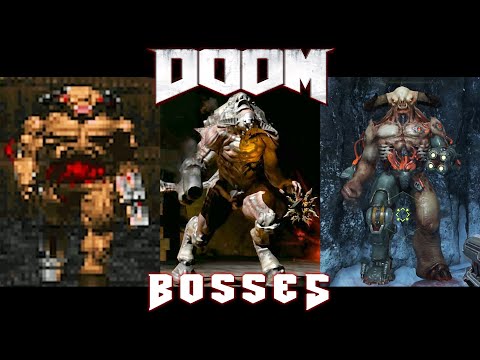
DOOM's Boss Arsenal: Every Fiend from 1993 to Eternal's Fury

What’s up, fellow slayers! Ever wondered just how many grotesque, soul-crushing bosses the DOOM franchise has thrown at us since its inception? From the pixelated nightmares of the 90s to the hyper-violent ballet of *DOOM Eternal*, we've been on a relentless mission to chainsaw, BFG, and shotgun our way through Hell itself. This isn't just a kill count; it's a deep dive into the evolution of DOOM's most formidable foes. Get ready, because we're about to revisit every single boss encounter that has tested our skills and sanity across the entirety of the main shooter series.

DOOM (1993): The Genesis of Boss Fights

The OG. When you think of DOOM, you think of the UAC bases overrun by demons. But who stands at the top of that infernal food chain? The first true boss encounter was the **Baron of Hell** in Episode 1. While later games would introduce more elaborate boss mechanics, the Baron’s sheer aggression and powerful projectiles made it a significant hurdle. Then came **Sargassos** in Episode 2, a hulking demon that required strategic use of the environment and heavy weaponry. But the true final challenge of the original *DOOM* was **The Spider Mastermind** in Episode 3. This massive, cybernetic arachnid spitting projectiles was the ultimate gatekeeper, forcing players to master movement and weapon switching to survive. These early bosses established the core DNA of what a DOOM boss should be: a test of endurance and raw firepower.
The sheer impact of these encounters in 1993 cannot be overstated. They were the defining moments that separated casual play from true demon-slaying mastery.

DOOM II: Hell on Earth: More Demons, Bigger Threats

id Software cranked up the difficulty and the demonic presence in *DOOM II*. We saw the return of familiar faces, but the new additions were truly terrifying. The **Hell Knight** became a common, yet still dangerous, mid-tier enemy. However, the true star of *DOOM II*'s boss roster was the **Cyberdemon**. This resurrected demon, now augmented with mechanical parts and wielding a rocket launcher arm, was a relentless force. Its sheer size and devastating attacks made it arguably the most iconic boss fight of the original saga. Fighting it in tight corridors, trying to dodge its rockets while landing headshots with the Super Shotgun, was peak DOOM. Unlike the original, *DOOM II* didn't feature as many distinct "final" boss encounters per episode, opting instead for a more continuous onslaught where bosses like the Cyberdemon and the ubiquitous **Baron of Hell** served as recurring major threats.

DOOM 64: The N64's Dark Lord

id Software and Midway took DOOM to a darker, more atmospheric place with *DOOM 64*. This title introduced a unique boss progression. While many enemies returned, the bosses felt more integrated into the unsettling atmosphere. The **Mother Demon**, for instance, was a grotesque, multi-stage encounter that felt truly alien and terrifying. The true culmination of *DOOM 64*'s challenge arrived with **The Chaos** – essentially a souped-up Cyberdemon, but with a more menacing design and relentless attack patterns that leveraged the N64's capabilities. The final boss, **The Unholy Triad**, presented a unique three-headed Cerberus-like demon that required precise targeting and constant evasion, offering a distinct challenge compared to its PC predecessors. This game proved that boss design could evolve beyond pure firepower, incorporating environmental hazards and unique attack phases.

DOOM 3: A Horror Reimagining

*DOOM 3* took a sharp turn, leaning heavily into survival horror. The bosses reflected this shift, becoming more about atmosphere and limited resources than straightforward slugfests. The **Helltime**, a grotesque amalgamation of bodies, served as a formidable early boss. The **Cyberdemon** returned, reimagined as a hulking, terrifying beast in a claustrophobic arena, forcing players to manage ammo and health carefully. But the most memorable boss fight in *DOOM 3* was arguably **Sarge**. This possessed Marine was a jarring, personal encounter, a dark reflection of the player's own struggle. The expansion, *Resurrection of Evil*, introduced the **Shadow**, a spectral boss that required using a special weapon to make it corporeal before it could be damaged, showcasing a more tactical approach to boss encounters.
The horror elements in DOOM 3 meant bosses weren't just bullet sponges; they were psychological trials that amplified the game's dread.

DOOM (2016): The Slayer's Glorious Return

*DOOM (2016)* brought the franchise roaring back with the speed and brutality fans remembered. The boss design was revitalized, blending classic elements with modern mechanics. The **Wretch**, a smaller demon tormenting Hell Knights, was an interesting early encounter. Then came the **Hell Guards**, a trio of heavily armored demons requiring precise **Glory Kills** to expose weak points. The **Cyberdemon** made another spectacular return, a true behemoth that demanded mastery of the new combat loop – dash, shoot, glory kill, repeat. But the ultimate test was **Olivia Pierce**, the possessed Argent D'Nur leader, a spectacular, multi-phase battle that served as the ultimate payoff. This game truly embraced the "combat puzzle" aspect of boss fights, rewarding aggression and strategic use of the entire arsenal. Finding the right **strats** for these encounters was key to achieving a good **PB**.

DOOM Eternal: The Ultimate Test of Skill

If *DOOM (2016)* was a comeback, *DOOM Eternal* was a full-blown demonic invasion of pure skill-based combat. The boss encounters were elevated to an art form, each demanding a unique approach and perfect execution. Early on, you face the **Doom Hunter**, a challenging duo requiring you to prioritize their shields and ranged attacks. The **Marauder** became infamous, a duel of parries and precise shots that tested players like never before – a true test of reflexes and timing, often seen as a mini-boss that could ruin a speedrun attempt if not handled correctly. Then there's the **Gladiator**, a brutal, multi-phase fight that requires perfect timing on dodges and targeted attacks. Finally, the ultimate boss: **The Khan Maykr**. This celestial being offered a massive, arena-spanning battle that incorporated aerial combat and resource management on an epic scale. *DOOM Eternal* truly redefined what a boss fight could be in a first-person shooter.
Mastering the Marauder is essential for any serious speedrunner aiming for a good PB or WR in DOOM Eternal. His timing is everything!

The Ancient Gods DLC: Pushing the Limits

The expansions for *DOOM Eternal*, *The Ancient Gods – Part One* and *Part Two*, didn't just add new levels; they introduced some of the most challenging boss encounters yet. *Part One* brought us **The World Spear**, a colossal serpentine entity, and the **Samur Maykr**, a celestial being with formidable powers. *Part Two* culminated in the epic confrontation with **The Khan Maykr** and, most significantly, the return of the **Serpent Hunter**, offering a final, brutal test of the Slayer's mastery. These DLC bosses were designed to push even experienced players to their limits, requiring refined **strats** and perfect execution, especially for those attempting low-health runs or speed completions. The enemy updates in 2021 provided crucial insights for tackling these final challenges.

(Enemy-Updates 2021 for "The Ancient Gods"-DLCs: https://youtu.be/Dq1ScHLB_wE https://youtu.be/tUk3imchjP0)

From the iconic Cyberdemon to the deceptively difficult Marauder, DOOM's bosses have always been central to its identity. Each iteration has offered unique challenges, forcing players to adapt, learn patterns, and ultimately, unleash hell. Whether you're a casual player or a dedicated speedrunner chasing that perfect #WR, these encounters are what make the DOOM series legendary.

Frequently Asked Questions

What is the hardest boss in DOOM history?

This is subjective and depends on the player's skill level and playstyle. However, many speedrunners and players consider the **Marauder** in DOOM Eternal to be one of the most challenging due to its strict timing requirements and unforgiving attack patterns. The Cyberdemon and Khan Maykr also rank high for many.

Are the DOOM RPG games considered part of the main boss progression?

No, the DOOM RPG titles for mobile devices feature turn-based combat and are generally not included when discussing the main boss encounters of the shooter series. Their gameplay mechanics differ significantly from the core franchise.

Which boss appears most frequently across the DOOM games?

The **Cyberdemon** and the **Baron of Hell** are the most iconic and frequently appearing major demonic threats throughout the DOOM franchise, acting as recurring boss encounters or elite enemies.

How do speedrunners approach DOOM bosses?

Speedrunners develop highly optimized strategies, often called 'strats', for each boss. This involves precise movement, optimal weapon switching, exploiting AI behavior, and sometimes specific item usage or environmental interactions to defeat bosses as quickly as possible, aiming for a new PB or #WR.

Did we miss any boss that you think deserves a spot on this list? Which demonic foe gave you the most trouble? Let us know in the comments below! Join our Discord channel to discuss strategies, share your best runs, and connect with fellow demon-slayers!

The Bizarre Speedrun Where Link Stares at Rupees for 17 Hours: A Deep Dive into Twilight Princess's "Low%" Category

Hey fellow speedrunners and Zelda fans! Ever stumbled upon a speedrun title so bizarre it makes you do a double-take? "The Speedrun Where Link Stares at Rupees for 17 Hours" certainly piqued my interest. It sounds less like a race against time and more like a test of endurance, bordering on the absurd. But this isn't just some random joke; it's a legitimate, albeit niche, speedrun category for The Legend of Zelda: Twilight Princess. We're diving deep into the world of the "Low%" run, exploring its peculiar strategies, the glitches that enable it, and why the speedrunning community embraces such unconventional challenges.

What is the "Low%" Speedrun Category?

In the realm of speedrunning, categories like "Any%" (finish the game as fast as possible, using any means necessary) and "100%" (complete all objectives) are common. "Low%" is a more experimental category that aims to complete the game with the absolute minimum of progression, often exploiting obscure mechanics or glitches. In the case of Twilight Princess, the "Low%" run isn't about defeating the final boss or even collecting a significant number of essential items. Instead, it focuses on achieving a specific, often arbitrary, goal with the least amount of gameplay actions possible.

The "17 Hours of Staring at Rupees" title isn't hyperbole; it's a direct reference to a specific speedrun strategy. This particular run involves Link accumulating an enormous amount of Rupees, far beyond what's typically needed, and then, well, just… having them. The core idea is to reach a specific, incredibly low game state by performing a minimal set of actions that, paradoxically, lead to a massive accumulation of wealth. It's a testament to how creative and dedicated speedrunners can be in finding the absolute fringes of what's possible within a game's engine.

The "Rupee Staring" Strategy: A True Test of Patience

So, how does one "stare at Rupees for 17 hours"? The strategy revolves around a series of precise inputs and glitches that allow Link to duplicate Rupees without progressing through the game's natural narrative. One of the primary methods involves exploiting how the game handles item collection and storage. By performing specific actions in sequence, runners can trick the game into duplicating collected Rupees, leading to an exponential increase in wealth.

Imagine this: Link stands in a single spot, or moves minimally, performing the same set of actions over and over. Each repetition might yield only a handful of Rupees initially, but over hours, these small increments compound dramatically. This isn't about skill in combat or navigating complex dungeons; it's about frame-perfect execution of specific glitches and managing the RNG (Random Number Generation) to ensure the duplication process continues without interruption. It’s a different kind of challenge – a test of focus, precision, and sheer willpower. You're not fighting enemies; you're fighting the clock, and more importantly, you're fighting the tedium. It’s the ultimate display of dedication to a speedrun category.

The "Low%" category in Twilight Princess pushes the boundaries of what we consider a traditional speedrun. It's less about beating the game and more about finding the most obscure path to a predefined, often absurd, objective.

Glitches and Exploits: The Backbone of This Category

The "staring at Rupees" strategy wouldn't be possible without some truly ingenious (or perhaps, accidental) discoveries by the speedrunning community. These aren't your typical bugs that are patched out; they are fundamental exploits within the game's code that allow for actions not intended by the developers. We're talking about techniques that manipulate game states, item duplication, and movement in ways that drastically alter the expected gameplay.

One of the key aspects of this speedrun is the precise execution of these glitches. It’s not just about knowing they exist; it's about understanding the exact inputs, timing, and environmental conditions required to trigger them reliably. This often involves:

  • Rupee Duplication Glitches: As mentioned, these are central to accumulating the massive amounts of Rupees.
  • Movement Exploits: While this specific run might minimize movement, other "Low%" categories often rely on "out of bounds" skips or abnormal movement tech to bypass sections of the game.
  • Inventory Manipulation: Sometimes, the order in which items are collected or used can trigger unexpected game behavior.

Discovering and refining these glitches is a monumental task. It requires countless hours of testing, experimentation, and collaboration among runners. This deep dive into game mechanics showcases the incredible technical expertise within the gamer community.

Why Would Anyone Play This Category?

This is the million-dollar question, isn't it? Why would a runner dedicate 17 hours to essentially watching numbers go up? For many, it's about pushing the boundaries of what's possible. It's about exploring the game's engine to its absolute limits, uncovering its deepest secrets, and challenging conventional notions of what a "speedrun" entails. It's a pursuit of the ultimate optimization, even if that optimization looks incredibly mundane from the outside.

Consider the intellectual challenge. Mastering the precise timing for a duplication glitch, understanding how the game’s economy works at a fundamental level, and enduring the sheer monotony requires a different kind of skill set than a traditional Any% Speedrun. It's a marathon of precision and patience, a true test of mental fortitude. For some, the reward is the novelty, the absurdity, and the bragging rights of having completed such a unique challenge. It’s also a fantastic way to explore the lore and intricacies of a beloved game like Twilight Princess in a way that the average playthrough would never reveal.

The "Low%" run is a perfect example of how the speedrunning community finds joy and challenge in the most unexpected corners of a game. It’s about the journey, not just the destination, and in this case, the journey is… financially lucrative, but incredibly slow.

Furthermore, these unconventional categories often uncover new glitches and game mechanics that can eventually influence more mainstream speedrunning categories. The pursuit of optimization, no matter how strange, is a driving force in the GamingSpeedrun community.

The Original Source and Community

The specific run that brought this peculiar category to attention is documented in a YouTube video, a testament to the dedication of runners like Gymnast86 and the broader community that supports these efforts. You can find the original source video here. It’s crucial to remember that these runs are often the result of extensive collaboration, shared knowledge, and a passion for the game that goes beyond typical play. Resources like speedrun.com are invaluable for discovering and tracking these categories and their associated records.

This type of content highlights the incredible depth and creativity present within the speedrunning community. It’s not always about the fastest race; sometimes, it's about the most elaborate, the most absurd, or the most patient.

Frequently Asked Questions

Is this the only "Low%" category for Twilight Princess?

No, "Low%" is a very broad term. While the "17 Hours of Rupees" is a notable example, other "Low%" categories might focus on reaching the end credits with the fewest items, lowest health, or by triggering other specific, often unintended, game states.

Does this run require special equipment?

Primarily, you'll need a copy of The Legend of Zelda: Twilight Princess on your chosen platform (GameCube, Wii, or Wii U) and a reliable way to track your progress and time, such as LiveSplit. The core requirement is patience and a deep understanding of the game's mechanics and glitches.

How are these Rupees actually used in the run?

In this specific "Low%" iteration, the massive accumulation of Rupees isn't necessarily about spending them in a traditional sense. It's about reaching a target number as proof of completing the category's unique objective, often as a prerequisite for triggering a specific game state or simply as the defining metric of the run itself. It's the journey of *accumulating* them that defines the challenge.

Is this the longest speedrun category?

While 17 hours is incredibly long for a speedrun, it's not necessarily the absolute longest. Some categories in games with vast amounts of content or extremely complex RNG manipulation can extend even further. However, this run's length is certainly notable, especially given its passive nature.

Where can I find more information on Twilight Princess speedruns?

The best places to look are speedrun.com/tp for leaderboards, rulesets, and community forums, as well as YouTube channels dedicated to speedrun analysis and showcases. Many top runners also stream their attempts and practice sessions on Twitch.

The world of speedrunning is vast and often surprising. The "Low%" run of Twilight Princess, where Link spends hours staring at his burgeoning rupee hoard, is a perfect example of the dedication, creativity, and sheer absurdity that makes this community so fascinating. It challenges our perception of "winning" and "playing," proving that there's always a new way to interact with and master a game.

What are your thoughts on this bizarre speedrun category? Have you encountered other "joke" or endurance categories that blew your mind? Share your experiences and theories in the comments below! Let's discuss the extreme ends of speedrunning.

The Longest Speedruns EVER: A Deep Dive into Extreme Endurance Gaming

Hello fellow gamers and speedrunning enthusiasts! Ever wondered what it takes to push the boundaries of a game for hours, days, or even weeks? If your idea of fun involves mastering every frame, every glitch, and every possible skip in a game, then you've come to the right place. We're diving deep into the absolute longest speedruns ever documented, a true test of skill, patience, and sheer willpower.

What Makes a Speedrun "Long"?

When we talk about "longest speedruns," we're not just talking about games with a lot of levels. We're delving into runs that often involve collecting 100% of items, completing all side quests, achieving specific in-game feats, or even enduring RNG-heavy grinds that can stretch for days. These aren't your typical "beat the game as fast as possible" categories. These are marathons designed to test the absolute limits of a player's patience and dedication. It's about conquering the game in its entirety, or a specific, gruelling aspect of it, in the most efficient way possible, no matter how long that takes.

On speedrun.com, you'll find a vast array of categories, and while many focus on Any% or 100% in short times, there's a dedicated niche for these epic endurance challenges. I've spent countless hours sifting through the depths of this incredible resource to bring you a curated list of some of the most mind-bogglingly long speedruns ever attempted. This is for the true hardcore fans of gaming and the ultimate pursuit of a record.

The Endurance Champions: Record Holders

These runners aren't just playing a game; they're living it for an extended period. Their commitment is frankly astonishing. Let's explore some of the standout examples that push the definition of a speedrun.

Zelda: Breath of the Wild - Snowball Bowling Minigame

Who knew a minigame could become a speedrunning challenge? In The Legend of Zelda: Breath of the Wild, the Snowball Bowling minigame requires perfect precision and a bit of luck. The longest runs in this category often involve multiple attempts to get a perfect score or to achieve a specific, difficult outcome that requires extreme manipulation of physics and RNG. It might seem simple, but mastering it for a speedrun takes serious dedication.

Digimon World 2 - The Ultimate Grind

Ah, Digimon World 2. This game is infamous for its repetitive nature and grinding. Speedruns in this title, particularly those requiring full monster collection or specific evolution paths, can become incredibly lengthy. Players must battle endlessly, train their Digimon, and manage resources, turning a relatively short story into an epic marathon. The RNG involved in finding specific Digimon and items only adds to the challenge and potential run length.

"The grind in Digimon World 2 for a speedrun is legendary. You're not just beating the game; you're conquering a digital mountain of repetitive battles."

Pokemon Channel - A Different Kind of Challenge

Pokemon Channel is a quirky life simulation game. Speedruns here often involve completing specific objectives within the game's unique structure, like watching all the TV programs or achieving certain interactions. While not combat-heavy, the lengthy dialogues, slow animations, and specific event triggers can add significant time, making longer categories a test of patience and precise menu navigation.

Final Fantasy X - Absurd Requirements

When you think of Final Fantasy X speedruns, you might think of blitzball or boss fights. However, certain categories can involve achieving extremely rare drops, completing complex side quests with high RNG, or even maxing out stats. These "true 100%" or specific challenge runs can take an unbelievable amount of time due to the inherent grind and luck involved. The sheer scale of some of these requirements is staggering.

Undertale - The Strategic Genocide

While the Genocide route in Undertale is shorter in terms of player input than a pacifist run, speedruns focusing on specific sub-categories or extremely optimized kill counts can still be demanding. The challenge lies in performing every action with perfect timing and understanding enemy patterns to shave off every possible second. For any% runs, glitches and sequence breaks are key, but for longer categories, it's about flawless execution.

Xenogears - Masked Soccer Boy Endurance

Xenogears is a beloved JRPG, and while its story is epic, certain speedrun categories can focus on extremely specific and time-consuming tasks. The "Masked Soccer Boy" segment, for instance, could be part of a larger challenge run that requires meticulous planning and execution over a prolonged period, especially if it involves collecting items or achieving certain outcomes within that specific sequence.

Mario 602 - A Quirky Challenge

This entry likely refers to a specific, perhaps obscure, Mario-related challenge or game. If it involves collecting all items, achieving perfect scores in mini-games, or completing obscure objectives within a time limit, it can easily balloon into a lengthy speedrun. The charm of these niche runs is their unique, often unexpected, demands.

"These aren't just games; they're endurance tests disguised as entertainment. The dedication required is on another level."

Yu-Gi-Oh! Forbidden Memories - Card Collecting

Speedrunning Yu-Gi-Oh! Forbidden Memories, especially for categories involving collecting specific rare cards or defeating all opponents under certain conditions, can be a massive undertaking. The card acquisition relies heavily on RNG from packs and duels. Players often need to grind countless duels just to get the necessary cards, making it a true test of patience and probability management.

Gran Turismo 4 - Full Garage Challenge

Ah, Gran Turismo 4. A speedrun for this game focused on acquiring every single car in the game, plus completing all races and challenges, is a monumental task. This involves hundreds of hours of racing, tuning, and managing your finances. It's less about quick reflexes and more about strategic progression and endurance through a vast career mode. This is a true test of commitment to the simulation aspect of gaming.

Hyrule Warriors: Definitive Edition - Collector's Dream

In a game like Hyrule Warriors, which is packed with characters, weapons, materials, and unlockables, a "true" 100% speedrun can be incredibly long. Players would need to unlock every character, max out their levels, collect every weapon, complete every mission on every map with the highest ranks, and gather all the required materials. This is a massive grind that requires strategic planning to optimize time.

Baten Kaitos: Eternal Wings and the Lost Ocean - Epic Quest

Baten Kaitos is an epic JRPG known for its lengthy story and complex card-based combat system. Speedruns that aim for 100% completion, or specific rare item acquisitions, can take an exorbitant amount of time. The game's structure, with its focus on managing Magnus (cards) and navigating its world, can lead to extended play sessions for those pursuing absolute completion. This is a prime example of a RPG where a long speedrun is almost inherent to its design.

Spider: Rite of the Shrouded Moon - Exploration Challenge

This is likely a game focused on exploration and puzzle-solving. Speedruns might involve finding all secrets, solving complex environmental puzzles efficiently, or reaching specific points in the fastest possible time. Depending on the game's design, such runs could involve intricate pathfinding and the memorization of intricate level layouts, extending the time significantly.

Factors Contributing to Long Speedruns

Several factors can contribute to a speedrun being exceptionally long:

  • Collection Requirements: Needing to collect 100% of items, especially if they are scattered or require significant grinding.
  • RNG Dependence: Games with high reliance on random number generation for drops, enemy encounters, or specific events.
  • Complex Side Quests: Requiring the completion of numerous or intricate optional objectives.
  • Extensive Grinding: Games that necessitate repetitive battles or tasks to level up, acquire currency, or obtain specific gear.
  • Unskippable Content: Cutscenes, dialogues, or animations that cannot be bypassed.
  • Route Complexity: Categories that require visiting every location or performing a vast number of specific actions in sequence.

The Psychology of Endurance Speedrunning

Endurance speedrunning is as much a mental game as it is a mechanical one. Runners must maintain focus for extended periods, often battling fatigue, frustration, and the monotony of repetitive tasks. Strategies include:

  • Mental Fortitude: Developing resilience to overcome mistakes and setbacks.
  • Music and Podcasts: Using audio to maintain engagement and combat boredom.
  • Community Support: Interacting with viewers and fellow runners for encouragement.
  • Scheduled Breaks: Planning strategic rests to avoid burnout.
  • Rhythm and Flow: Finding a sustainable pace that allows for both speed and accuracy over the long haul.

Common Techniques and Strats

Even in the longest runs, efficiency is key. Runners employ various techniques:

  • Menuing: Optimizing inventory management and equipment changes.
  • Route Planning: Memorizing the most efficient path through the game.
  • Glitch Exploitation: Using bugs or unintended mechanics to skip sections or shorten travel time (though less common in pure endurance/collection runs).
  • RNG Manipulation: Understanding and exploiting game mechanics to influence random outcomes.
  • Save States/Restarts: In practice, runners might use save states for specific segments, but official records usually disallow this. Learning when to reset a run entirely is also a skill.

The Future of Long Speedruns

As gaming continues to evolve, so too will the challenges presented by speedrunning. We're likely to see even more ambitious categories emerge, pushing the boundaries of what's possible in older titles and new releases alike. The spirit of competition and the pursuit of the ultimate world record will continue to drive these incredible feats of gaming endurance. Whether it's a 100% completion of a sprawling RPG or a meticulously optimized grind in a simulation game, the longest speedruns are a testament to the passion and dedication of the speedrunning community.

Preguntas Frecuentes

What is the absolute longest speedrun ever recorded?

Defining the "absolute longest" can be tricky as categories vary wildly. However, runs that involve acquiring every item in massive open-world RPGs or completing extreme collection challenges can easily span hundreds of hours. For example, a full completionist run of a game like Gran Turismo 4 or a JRPG with extensive side content could take well over 100-200 hours.

Are long speedruns popular?

While not as mainstream as shorter Any% runs, long endurance speedruns have a dedicated following. Viewers who enjoy watching strategic gameplay, appreciate the immense dedication involved, and can tune in for extended streams often follow these types of challenges. They are a staple in events like Games Done Quick.

How do runners stay motivated during a 100+ hour run?

Motivation comes from a mix of passion for the game, the drive to achieve a world record, community support from viewers, and personal discipline. Many runners develop strategies to stay engaged, such as listening to music, engaging with chat, and taking short, scheduled breaks.

Do long speedruns involve glitches?

It depends on the category. If a category is "100% Glitchless," then no. However, some long categories might allow certain glitches if they are considered essential to the game's mechanics or if the category's definition is broad. Generally, the longest and most grueling runs focus on pure gameplay, item collection, and strategic execution without relying on exploits.

What kind of games are best suited for long speedruns?

RPGs with extensive side content, simulation games with deep progression systems (like racing or management sims), and games that feature massive open worlds or intricate collection mechanics are prime candidates for long speedruns. Games that require collecting every item, completing every quest, or achieving maximum stats often result in the longest categories.

What are your thoughts on these marathon speedruns? Do you have a favorite long-form speedrun category or runner? Let us know in the comments below! Join our Discord server to discuss all things speedrun and gaming!

The Pinnacle of Pain: Top 10 Most Difficult Speedruns That Will Test Your Sanity

Alright, fellow gamers and aspiring speed demons! You've probably scrolled through countless clips of lightning-fast playthroughs, marveled at the precision, and maybe even tried a few yourself. But have you ever stopped to wonder which speedruns push the boundaries of human capability, demanding not just skill, but an almost supernatural level of dedication and mental fortitude? We're talking about the runs that make even seasoned pros sweat. These aren't just fast runs; they are feats of endurance, strategy, and pure, unadulterated gaming grit. Welcome to the elite club, the Top 10 Most Difficult Speedruns. Prepare to have your mind blown, and perhaps, your own ambitions tempered.

What Defines Difficulty in Speedrunning?

Before we dive into the abyss, let's clarify what makes a speedrun "difficult." It's not just about beating a game quickly. We're talking about a confluence of factors:

  • Execution Precision: Requiring frame-perfect inputs, pixel-perfect alignments, and split-second timing. A single mistake can cost minutes or end the run entirely.
  • Strategic Complexity: Involving intricate route planning, deep understanding of game mechanics, and the ability to adapt to unpredictable RNG (Random Number Generation).
  • Mental Stamina: Enduring hours of practice, dealing with numerous failed attempts, and maintaining focus under immense pressure.
  • RNG Dependency: Runs heavily reliant on favorable random outcomes, meaning even perfect execution might not yield a good result if the dice aren't rolling your way.
  • Category Specifics: Certain categories, like "No Damage" or "All Bosses" on the highest difficulty, add layers of challenge to already difficult games.

The games on this list often combine several of these elements, creating runs that are as mentally taxing as they are technically demanding. It's about pushing the game's engine, your reflexes, and your patience to their absolute limits. We're not just talking about beating the game; we're talking about mastering it in a way few ever will.

The Contenders: A Descent into Madness

These are the titans, the legends, the runs that make you question why anyone would subject themselves to such torture. These speedruns require a combination of unparalleled skill, strategic genius, and a resilience that borders on superhuman. Let's break down some of the absolute hardest challenges in the speedrunning world.

1. Super Mario Bros. (NES) - Any% (Minus The First Star Skip)

Think Mario is easy? Think again. While the "Any%" category for the original Super Mario Bros. is famously short, the world record holder, Darbian, performed a run that was nearly flawless, showcasing insane pixel-perfect jumps and warp zone strategies. The "Minus The First Star Skip" variation is even more brutal, removing a key shortcut and forcing players to contend with every enemy and obstacle in the early levels with razor-thin margins for error.

This isn't just about speed; it's about a perfect, continuous flow of execution, where one mistimed jump means starting all over. The sheer muscle memory required is staggering.

This particular challenge is a test of fundamental platforming mastery. Every pixel matters, every frame counts. If you want to see true dedication, search for speedruns of this iconic title; the precision is mind-boggling.

2. Halo 2 - Legendary, All Skulls, Co-op (or Solo!)

Halo 2 on Legendary difficulty is already a brutal experience. Add in all the Skulls (modifiers that significantly increase difficulty, like limited ammo and AI that hits harder), and you've got a recipe for chaos. The community's challenge is to complete the game on Legendary with every Skull active. The true test of this run is the mastery of the game's notorious enemy AI and its often unpredictable behavior. Players need to employ incredibly precise movements, weapon usage, and grenade tactics to survive even short encounters. The co-op version introduces the added layer of coordination, making communication and synchronized actions paramount.

The legendary Halo 2 Anniversay speedruns often involve complex strats, including the infamous "Sword Flying" and various skips that require precise timing and execution. This category is a true testament to player ingenuity and the deep understanding of game mechanics required to overcome seemingly insurmountable odds. Many consider this one of the most demanding speedruns in console gaming history, a true challenge for any aspiring Speedrunner.

3. Elden Ring - All Bosses, No Damage

FromSoftware games are renowned for their difficulty, and Elden Ring is no exception. Tackling every single boss in the game while taking zero hits is an absolute masochistic endeavor. This requires not only memorizing every boss's attack patterns and tells, but also mastering perfect dodges, parries, and attack windows. Players often develop specific builds and strategies for each encounter, optimizing for the quickest, safest kill possible. The sheer length of the game, combined with the constant threat of instant death, makes this a test of mental fortitude and physical precision.

4. Sekiro: Shadows Die Twice - Boss Rush, No Hits

Similar to Elden Ring, Sekiro is a game built around challenging combat. The "Boss Rush, No Hits" category takes this to an extreme. You must face off against some of the toughest bosses in the game, one after another, without taking a single point of damage. This means perfect deflection, mastery of combat arts, and understanding of every enemy's telegraphs. The tight combat system of Sekiro leaves little room for error, and a single mistimed block can mean the end of a multi-hour run.

5. DOOM Eternal - Ultra-Nightmare, Glitchless

DOOM Eternal is a frenetic, high-octane shooter that demands constant movement and aggressive combat. The "Ultra-Nightmare" difficulty mode permanently removes extra lives and any form of save scumming, meaning death sends you back to the very beginning. Combine this with a "Glitchless" rule set, which prohibits any exploits or unintended mechanics, and you have a speedrun that requires near-perfect combat encounters from start to finish. Players must master resource management, weapon switching, and enemy prioritization to survive the relentless onslaught. It's a true test of combat prowess.

6. The Legend of Zelda: Ocarina of Time - All Dungeons, No Damage

The classic adventure of Link is a beloved Juegos De Rol, but speedrunning it under a "No Damage" constraint for all dungeons is a different beast entirely. This category requires not only precise navigation and puzzle-solving but also an intimate knowledge of enemy placement and attack patterns within each dungeon. Players often utilize specific item usage and movement techniques to avoid any form of damage, even from environmental hazards. It’s a run that demands patience and an almost encyclopedic understanding of Hyrule's treacherous labyrinths.

The tension is palpable as players navigate the Water Temple or Forest Temple, knowing a single stray projectile or misjudged jump means starting the entire run over.

This particular challenge highlights how even familiar games can offer extreme difficulty when subjected to specific constraints. The speedrun community for The Legend of Zelda is vast and innovative, constantly finding new ways to push the boundaries of what's possible.

7. Cuphead - Any% No Damage

Cuphead is notorious for its difficulty, and a speedrun with a "No Damage" requirement takes this to a whole new level. Each boss fight is a dance of death, requiring precise dodging, parrying, and shooting. Achieving this category demands hundreds, if not thousands, of hours of practice. Players need to flawlessly execute strategies for every single boss, often requiring frame-perfect reactions and an intimate understanding of enemy attack phases. The sheer visual chaos and relentless pace of Cuphead make this one of the most visually and mentally demanding speedruns out there. It's a true test of reflexes and pattern recognition, making it a prime example of Extreme Gaming.

8. Getting Over It with Bennett Foddy - Any% (The True Ending)

This indie darling is less about complex combat and more about physics-based platforming and sheer, unadulterated frustration. The goal of Getting Over It is to ascend a mountain of junk using only a hammer. The catch? One wrong move can send you plummeting back down, potentially losing hours of progress. The "True Ending" speedrun requires an insane level of control and precision, mastering every swing of the hammer to navigate the treacherous terrain. The mental fortitude required to not rage quit after a massive fall is perhaps the most challenging aspect of this run, making it a unique entry on this list.

9. Super Metroid - 0% (No Damage Required)

Super Metroid is a masterpiece of exploration and atmosphere, and its speedrunning community is legendary. The "0%" category, where the player must beat the game without collecting any suit upgrades or power-ups that increase Samus's damage output, is incredibly difficult. Combined with a "no damage" requirement for many categories, this run demands the use of advanced techniques like "bomb jumping" and "wall jumping" to access areas out of sequence and exploit enemy mechanics. It's a testament to how deeply the community understands and can manipulate the game's engine, showcasing incredible Gaming Strategies.

10. Minecraft - Any% Glitchless, Set Seed

While Minecraft speedruns are often associated with Random Seed Glitchless (RSG) categories, the "Any% Glitchless, Set Seed" category presents its own unique brand of difficulty. Here, players are given a specific seed, meaning the world generation is fixed. This removes the RNG element of finding a good world but demands absolute perfection in executing the planned route. Every block placement, every movement, every Ender Pearl throw must be precise. The challenge lies in executing a perfectly optimized route with zero errors, as any mistake can cost valuable seconds that are impossible to recover without favorable RNG. This category demands a deep understanding of Estrategias de Juego and the game's physics.

Honorable Mentions

The world of difficult speedruns is vast and ever-evolving. Here are a few more that deserve a nod:

  • Classic Mega Man 2: Known for its brutal boss patterns and unforgiving platforming.
  • Dark Souls Series: Any% Glitchless runs on the highest difficulties are exercises in extreme patience and execution.
  • Bloodborne: Similar to Dark Souls, but with a faster, more aggressive combat style that demands even quicker reflexes.

Frequently Asked Questions

What is the hardest speedrun ever?

The concept of "hardest" is subjective and depends on the criteria (execution, RNG, mental fortitude). However, runs like Halo 2 Legendary All Skulls, Elden Ring All Bosses No Damage, and Super Metroid 0% are consistently cited as among the most demanding.

How long does it take to learn a difficult speedrun?

It can take anywhere from hundreds to thousands of hours of dedicated practice. Some runners spend years perfecting a single category.

What skills are most important for a speedrunner?

Key skills include exceptional execution, strategic thinking, pattern recognition, RNG management, mental resilience, and a deep understanding of game mechanics.

Can anyone become a speedrunner?

While natural talent helps, dedication, consistent practice, and a passion for the game are far more important. The Speedrunning Community is very welcoming to newcomers.

Are there ethical considerations in speedrunning?

Absolutely. Gaming Integrity is paramount. Cheating, using exploits that break the spirit of the category, or fabricating runs are serious offenses that can lead to bans from leaderboards and communities. Honesty and transparency are crucial.

So there you have it – a glimpse into the extreme end of Speedrunning. These challenges push the boundaries of what we thought was possible in gaming. They are not for the faint of heart, but for those who crave the ultimate test of skill and dedication. Which of these speedruns do you find most daunting? Did we miss any of your favorite punishing challenges? Let us know in the comments below, and join our CommunityGamer Discord to discuss your own speedrunning journey and strategies!