The Dark Side of N64 Speedruns: Unmasking Cheaters in Goldeneye & Perfect Dark, and The-Elite's Redemption

Hey fellow speedrunners and retro gaming enthusiasts! Ever wondered about the shadows lurking behind those lightning-fast N64 times? Today, we're diving deep into the less-talked-about history of speedrunning, specifically focusing on the legendary Goldeneye and Perfect Dark. It's a tale of ambition, deception, and ultimately, redemption. Many of us got our start in speedrunning with these iconic titles, and the communities that grew around them were built on passion. But like any burgeoning scene, it wasn't always smooth sailing. In this deep dive, we'll explore how cheating and faked runs plagued the scene, the fallout that ensued, and how communities like The-Elite painstakingly worked to clean up their act and establish trust.

The Golden Era and its Dark Underbelly

Twenty years ago, the landscape of speedrunning was vastly different. It was a niche hobby, often pursued with a sense of naive innocence. The idea of speedrunning becoming a recognized and respected "profession" or even a mainstream hobby was almost unthinkable. This inexperience, unfortunately, paved the way for questionable decisions and outright deception within communities. The-elite.net, a significant hub for N64 gaming and speedruns, found itself at the heart of this struggle. This isn't just a story; it's a candid look back, a fireside chat if you will, about the dark chapters and how one community clawed its way back to integrity.

The Seeds of Deception: Early Cheats and Faked Runs

In the early days of digital leaderboards and community forums, verifying runs was a more manual and often less scrutinized process. This created fertile ground for individuals looking to gain notoriety through illegitimate means. We saw players employing various tactics, from blatant cheats to subtle manipulations, to achieve seemingly impossible times. The allure of being at the top of the world rankings, especially for games as beloved as Goldeneye and Perfect Dark, was a powerful motivator for some. Unfortunately, this ambition sometimes overshadowed the core spirit of speedrunning: honest competition and personal bests.
The desire for a world record (WR) can be intoxicating, pushing some individuals to cross ethical lines they might otherwise never consider.

The-Elite's Reckoning: Facing the Cheating Epidemic

The-Elite.net, as a central gathering point for players of games like Goldeneye and Perfect Dark, inevitably encountered these issues head-on. As more suspicious times began to appear, the community had to confront the uncomfortable reality of cheating within its ranks. This wasn't just about a few bad actors; it was about maintaining the credibility of the entire platform and the achievements of its honest members. The process of identifying and dealing with cheaters was often contentious and difficult, requiring difficult decisions and a strong resolve to uphold standards. It tested the dedication of the community leaders and members alike.

Rebuilding Trust: The Path to a Clean Community

The true test for The-Elite wasn't just in identifying cheaters, but in how they responded. Instead of shying away from the problem, they embarked on a path of reform. This involved implementing stricter verification processes for submitted runs, fostering a more transparent environment, and actively educating their members about the importance of fair play. It was a long and arduous process, requiring consistent effort and a commitment to honesty. Slowly but surely, through these dedicated efforts, The-Elite began to shed its tainted past and emerge as one of the cleaner and more trustworthy speedrun communities. This transformation didn't happen overnight; it was a testament to the dedication of its core members.

Lessons Learned from the Trenches

The experience of The-Elite offers invaluable lessons for the broader speedrun community and any online competitive space. It highlighted the critical need for: * **Robust Verification Systems**: Implementing multi-stage verification for submitted runs, including video evidence and potentially community review. * **Clear Rules and Guidelines**: Establishing unambiguous rules regarding acceptable glitches, skips, and timing methods. * **Community Engagement**: Fostering a culture where members feel empowered to report suspicious activity and are confident it will be addressed fairly. * **Transparency**: Being open about the verification process and the decisions made regarding rule-breakers.
The journey from facing a cheating crisis to becoming a paragon of integrity is a powerful narrative of community resilience.

Goldeneye & Perfect Dark Specifics: Glitches, Skips, and the Temptation

Goldeneye 007 and Perfect Dark, with their complex level designs and intricate mechanics, were ripe for exploit discovery. Glitches and skips, while often celebrated in speedrunning, also presented a gray area. Some runners might have been tempted to use exploits that were either not understood or not explicitly allowed by the community at the time, blurring the lines between clever play and outright cheating. The pursuit of a new PB or a coveted WR on these games, especially with the thrill of multiplayer-inspired movement and combat, created immense pressure. The evolution of strategies, like advanced strafing techniques and precise out-of-bounds maneuvers, required constant vigilance to differentiate from simulated or impossible feats.

Impact on the Wider Speedrunning Community

The issues faced by communities like The-Elite had ripple effects. Trust is a fragile commodity in online communities. When cheating is exposed, it can erode faith in leaderboards and rankings across the board. This is why the eventual success of The-Elite in reforming its practices was so significant. It served as a beacon, proving that even in the face of significant challenges, a community could rebuild itself on a foundation of honesty and integrity. It reinforced the shared passion for speedrunning and the importance of the underlying principles of fair competition, proving that true POG moments come from genuine skill and dedication.

Frequently Asked Questions

Q1: What were the common types of cheating in Goldeneye and Perfect Dark speedruns?
A1: Common methods included using save states (on emulators not allowed for record submission), manipulating game memory, using hacked game cartridges, and submitting runs that were demonstrably impossible without external assistance. Sometimes, it was as simple as editing video footage to fake times.

Q2: How did The-Elite.net manage to reform its community?
A2: They implemented stricter video submission guidelines, established a transparent review process for runs, banned known offenders, and fostered a culture of community oversight where members were encouraged to report suspicious activity. Education on fair play was also a key component.

Q3: Is speedrunning still a significant part of the Goldeneye and Perfect Dark communities today?
A3: Absolutely! Both games maintain very active and dedicated speedrunning communities. While the N64 era is long past, the challenges and unique gameplay of Goldeneye and Perfect Dark continue to attract new runners and inspire incredible feats of skill. You can often find top runs and discussions on sites like speedrun.com.

Q4: What is the significance of the term "RNG" in speedrunning?
A4: RNG stands for "Random Number Generator." In speedrunning, RNG refers to the random elements within a game that can affect a run. For example, the placement of enemies, item drops, or even certain dialogue triggers can be influenced by RNG. Runners often develop strategies to mitigate bad RNG or capitalize on good RNG.

The Enduring Spirit of Fair Play

The history of cheating in games like Goldeneye and Perfect Dark is a cautionary tale, but it's also a story of hope. It reminds us that the pursuit of excellence in speedrunning should always be rooted in integrity. The dedication of communities like The-Elite to clean up their act and uphold the spirit of fair competition is what makes this hobby so special. As runners, we honor the legends not just by striving for the fastest times, but by doing so honestly and transparently. What are your thoughts on this period of speedrunning history? Did you experience any similar situations in other games? Share your stories and insights in the comments below! Join our Discord server to connect with fellow speedrunners and discuss strategies, glitches, and the latest records. Let's keep the spirit of fair play alive!

GoldenEye 007 & Perfect Dark: Desentrañando el Iceberg de Speedruns del N64

¡Hola, speedrunners y amantes de los clásicos del N64! Si alguna vez te has sumergido en el mundo de los speedruns, es casi seguro que has oído hablar de GoldenEye 007 y Perfect Dark. Estos títulos de Rare no solo definieron una generación, sino que también se han convertido en auténticos pilares del speedrunning, repletos de misterios, estrategias innovadoras y una comunidad apasionada. Hoy, vamos a desgranar uno de los fenómenos más curiosos que rodea a estos juegos: su iceberg de speedruns.

Introducción: El Fenómeno del Iceberg

El concepto de "iceberg" se ha vuelto popular en internet para representar la profundidad del conocimiento sobre un tema. La punta del iceberg muestra lo más conocido, mientras que las capas inferiores ocultan secretos, misterios y detalles cada vez más oscuros y específicos. En el contexto de los speedruns de GoldenEye 007 y Perfect Dark, este iceberg es un reflejo fascinante de la dedicación, la investigación y la pura pasión de la comunidad.

En este post, vamos a sumergirnos en cada nivel de este iceberg, explorando desde las estrategias más básicas hasta las teorías más descabelladas que han surgido a lo largo de los años. Prepárense para un viaje a través de glitches legendarios, récords mundiales (WR) sorprendentes, debates intensos y hasta memes que han marcado la historia de estos icónicos juegos de Nintendo 64.

Tier 1: Lo Conocido y Popular

En la cúspide de nuestro iceberg encontramos todo lo relacionado con los speedruns de GoldenEye 007 y Perfect Dark que es ampliamente conocido por la comunidad. Aquí hablamos de las categorías principales de speedrun, como Any% y 100%, y las estrategias más básicas que cualquier corredor decente conoce.

Para GoldenEye 007, esto incluye rutas optimizadas en niveles clave como "Dam", "Facility" y "Control". Los jugadores experimentados conocen la importancia de los movimientos precisos, el manejo del apuntado y cómo explotar pequeñas ventanas de oportunidad. Hablamos de conseguir el PB (Personal Best) en estas categorías básicas, un logro que ya de por sí requiere muchísima práctica.

En Perfect Dark, el iceberg en este nivel incluye las rutas optimizadas para las misiones principales y la comprensión de las mecánicas de armas y gadgets que marcan la diferencia. La comunidad ha trabajado incansablemente para refinar cada segundo, y estos conocimientos son la base para cualquier aspirante a speedrunner.

En mi experiencia, dominar los movimientos básicos y entender las rutas principales es solo el primer paso. La verdadera magia del speedrunning de estos juegos empieza cuando te adentras en los niveles más profundos del iceberg.

Tier 2: Profundizando en la Comunidad

Bajando un poco más, encontramos elementos que la comunidad de speedrunners conoce bien, pero que pueden ser ajenos al jugador casual. Aquí entran las discusiones sobre diferentes versiones del juego, las pequeñas diferencias entre regiones (NTSC vs. PAL) que pueden afectar los tiempos, y las herramientas utilizadas para el entrenamiento y el análisis.

Se discuten en foros y Discord las sutiles ventajas de usar una versión u otra del cartucho, o incluso emuladores específicos para practicar ciertos trucos. Los récords (record) mundiales (world) de categorías menos populares o divisiones específicas (como por ejemplo, diferentes dificultades o modos de juego) también residen aquí. Es el terreno de los jugadores dedicados que buscan marcar la diferencia en detalles minuciosos.

Tier 3: Glitches y Misterios Conocidos

Este nivel es donde las cosas se ponen realmente interesantes. Aquí encontramos los glitches y skips que son fundamentales para muchos speedruns de GoldenEye 007 y Perfect Dark. El famoso "Sliding Glitch" en GoldenEye 007, que permite a los jugadores deslizarse a través de ciertas superficies o cubrir distancias de forma antinatural, es un ejemplo perfecto.

También se exploran trucos como el "Kapap 5" o la estrategia de "Train Escape", que, aunque parecen exploits extraños, han sido refinados hasta convertirse en pilares de las rutas actuales. La investigación sobre estos glitches ha llevado a descubrimientos increíbles que han reducido drásticamente los tiempos de los récords mundiales. Videos como el de ThaRixer sobre Kapap 5 o el de Bcks sobre Train Escape muestran la profundidad de esta exploración.

En Perfect Dark, el iceberg en este nivel incluye trucos relacionados con la manipulación de la IA enemiga o el uso de objetos de formas inesperadas para superar obstáculos.

Recuerdo la primera vez que vi el Sliding Glitch en acción. Parecía pura magia, algo que rompía el juego de la manera más espectacular. Ahora es una herramienta esencial para muchos speedrunners.

Tier 4: Teorías y Estrategias Especulativas

Mientras descendemos, nos encontramos con estrategias teóricas y glitches que aún no han sido confirmados o implementados de forma consistente en speedruns. Aquí es donde los jugadores pasan horas teorizando sobre la posibilidad de nuevos skips o formas de manipular el juego.

La "OOK Strategy" en GoldenEye 007, por ejemplo, podría haber comenzado como una teoría o un descubrimiento incipiente. Los speedrunners a menudo se preguntan: ¿Es posible este movimiento? ¿Podría ahorrarnos X segundos? La discusión sobre si ciertos RNG (Random Number Generator) específicos pueden ser manipulados para obtener una ventaja es otro tema candente en este nivel.

En este punto, la línea entre un glitch explotable y un error del juego que no se puede controlar se vuelve difusa. La comunidad debate sobre la viabilidad y la eficiencia de estas estrategias potenciales. La búsqueda de ese POG (Play of the Game) que cambie el meta es constante.

Tier 5: Rarezas y Pérdidas

El quinto nivel del iceberg se adentra en el mundo de la "lost media" (medios perdidos) y las rarezas dentro de la comunidad de speedrunning. Esto podría incluir grabaciones de antiguas partidas de speedrun que se creían perdidas, versiones beta de los juegos con diferencias significativas, o incluso debates sobre la autenticidad de ciertos récords antiguos.

Las "Bcks' lost TWINE tapes" (cintas perdidas de Bcks sobre TWINE) son un ejemplo de este nivel, donde la comunidad busca activamente contenido o información que se ha desvanecido con el tiempo. La preservación de la historia del speedrunning es un aspecto crucial, y estos elementos perdidos son tesoros para los historiadores del gaming.

La búsqueda de medios perdidos es como ser un arqueólogo digital. Cada hallazgo puede arrojar nueva luz sobre la evolución de las estrategias y la comunidad.

Tier 6: El Lado Más Oscuro y Bizarro

Aquí encontramos fenómenos extraños, glitches bizarros que son difíciles de replicar o que no ofrecen una ventaja clara, y teorías que rozan lo conspirativo dentro de la comunidad.

Temas como el "Chicago Ghost" (El Fantasma de Chicago), que podría referirse a un glitch visual o un rumor persistente, encajan en este nivel. Son esas historias que se cuentan en voz baja, a menudo con un toque de incredulidad, pero que forman parte del folclore del speedrunning.

Las estrategias que parecen desafiar toda lógica o que implican un riesgo extremo por una recompensa mínima podrían considerarse aquí. Son las anécdotas que hacen la historia de los speedruns tan rica y peculiar.

Tier 7: Leyendas Urbanas y Especulaciones Salvajes

En este nivel nos adentramos en el reino de las leyendas urbanas y las especulaciones más descabelladas sobre GoldenEye 007 y Perfect Dark. Aquí se incluyen teorías sobre secretos del juego que nunca se confirmaron, supuestos trucos "imposibles" o la existencia de versiones secretas del juego.

Podríamos hablar de rumores sobre niveles ocultos, personajes no utilizados que supuestamente afectan la jugabilidad de formas extrañas, o incluso la creencia en glitches que desafían las leyes de la física del juego y que solo unos pocos afirman haber presenciado.

La comunidad debate apasionadamente sobre la veracidad de estas historias, a menudo dividida entre quienes buscan evidencia y quienes prefieren mantener viva la mística.

Tier 8: Lo Inimaginable y el Misterio Absoluto

En la base de nuestro iceberg se encuentra lo verdaderamente desconocido, las teorías que son puramente especulativas y que podrían no tener ninguna base en la realidad del juego. Son las preguntas sin respuesta, los misterios que quizás nunca se resuelvan.

Esto podría incluir especulaciones sobre el verdadero potencial de ciertos glitches no descubiertos, la existencia de patrones de RNG que son teóricamente posibles pero imposibles de lograr en la práctica, o incluso la idea de que hay secretos en el código del juego que van más allá de lo que la comunidad ha descubierto.

Es el territorio de la imaginación pura, donde los límites entre la realidad del juego y la fantasía se desdibujan por completo. Aquí, la investigación podría llevar a descubrimientos revolucionarios, o simplemente a confirmar que algunas ideas son, de hecho, imposibles.

Preguntas Frecuentes

¿Qué es el iceberg de speedruns de GoldenEye 007 y Perfect Dark?

Es una representación visual y conceptual de todo el conocimiento, las teorías, los glitches y los misterios relacionados con los speedruns de estos juegos, organizado desde lo más conocido (la punta) hasta lo más oscuro y especulativo (la base).

¿Por qué los speedrunners investigan tanto los glitches?

Los glitches, si son explotables y consistentes, permiten a los speedrunners saltarse secciones del juego o moverse de maneras no previstas, lo que reduce drásticamente los tiempos y permite batir récords.

¿Es posible encontrar nuevos glitches en juegos tan antiguos?

Sí, la comunidad de speedrunning es increíblemente ingeniosa. Incluso en juegos clásicos, la exploración continua y las nuevas herramientas de análisis pueden llevar al descubrimiento de nuevos exploits.

¿Dónde puedo aprender más sobre speedruns de GoldenEye 007 y Perfect Dark?

Sitios como Speedrun.com, foros dedicados y servidores de Discord de la comunidad son excelentes lugares para empezar. También puedes buscar videos explicativos en YouTube de canales como el que originó este tema.

¿Cuál es el glitch más importante en el speedrun de GoldenEye 007?

Depende de la categoría, pero el "Sliding Glitch" es uno de los más icónicos y utilizados, permitiendo a los jugadores moverse de formas antinaturales y ahorrar tiempo significativo.

Análisis y Comentarios de Speedrun

La exploración de este iceberg es un testimonio de la profundidad y la longevidad de la comunidad de speedrunners de GoldenEye 007 y Perfect Dark. Cada nivel representa un cúmulo de conocimiento, debate y descubrimiento.

Desde las estrategias más básicas que buscan el PB perfecto hasta las teorías más salvajes que se esconden en las profundidades, el iceberg nos muestra cómo estos juegos siguen evolucionando a través de la dedicación de sus jugadores. Es un ciclo constante de experimentación, optimización y, a veces, pura locura gamer.

¿Qué opinas tú? ¿Conocías la existencia de este iceberg? ¿Hay algún glitch o teoría que te parezca especialmente fascinante? ¡Déjanos tus comentarios abajo! Nos encantaría saber tu perspectiva y si tienes alguna historia que añadir a la leyenda de estos clásicos del N64. ¡Únete a nuestra comunidad en Discord para discutir tus estrategias y descubrimientos!

#speedrun #GoldenEye007 #PerfectDark #Nintendo64 #glitch #speedrunning #gaming #WR

Dark Hole Run: Mastering the Mobile Speedrun Challenge

Dark Hole Run Gameplay

Hey speedrunners and mobile gaming enthusiasts! Ever found yourself staring at your phone, wondering if you could conquer a game faster than anyone else? If you're looking for that ultimate challenge on the go, you've landed in the right place. Today, we're diving deep into the electrifying world of Dark Hole Run, a mobile title that's quickly becoming a favorite for speedrun attempts. We'll break down the core mechanics, explore potential skips, and discuss the strategies that could shave precious seconds off your best times. Get ready to optimize your runs and aim for that coveted #worldrecord!

What is Dark Hole Run?

Dark Hole Run, at its heart, is a deceptively simple yet incredibly demanding mobile game. You control a… well, a dark hole, tasked with consuming everything in its path. Think of it as a chaotic, fast-paced puzzle where spatial awareness and quick reflexes are king. The objective is to clear levels within the shortest possible time, dodging obstacles and strategically engulfing targets. While it might seem straightforward, the sheer speed and the intricate level design quickly separate casual players from serious speedrunners. The thrill of shaving off milliseconds, executing a perfect sequence, and seeing your name climb the leaderboards is what makes this game a prime candidate for the #speedrun community.

Core Mechanics & Controls

Understanding the fundamental mechanics is the first step to any successful speedrun. In Dark Hole Run, the controls are typically swipe-based. Swiping your finger across the screen directs the movement of your dark hole. The key here is precision. A slight over-correction can send you crashing into an obstacle, costing valuable time.

  • Movement: Intuitive swipe controls dictate your hole's direction.
  • Consumption: Anything within the hole's radius is instantly consumed.
  • Obstacles: Colliding with static or moving hazards results in a run-ending failure.
  • Targets: Specific items or areas must be consumed to progress or complete objectives.

Mastering the inertia and the exact hitboxes of your hole and the level elements is crucial. In my experience, practicing short bursts of difficult sections helps build muscle memory faster than long, drawn-out attempts. Remember, smooth control is often faster than frantic swiping.

Speedrun Strategies & Route Planning

When aiming for a #worldrecord in Dark Hole Run, route planning is paramount. This isn't just about speed; it's about efficiency. Every second counts, and a well-planned route minimizes unnecessary movements and maximizes consumption speed.

  • Optimal Pathing: Identify the most direct route through each level, accounting for the hole's movement arc.
  • Target Prioritization: If there are multiple objectives, determine the most efficient order to consume them.
  • Momentum Conservation: Learn how to maintain speed through turns and avoid abrupt stops. Sometimes, a slight drift is faster than a hard stop and restart.
  • Obstacle Avoidance: Develop a proactive strategy for navigating predictable obstacle patterns.
The difference between a good run and a world record often lies in the execution of a single, high-risk, high-reward maneuver.

For instance, learning to "hug" the edges of corridors can sometimes allow for faster traversal, but it requires precise control to avoid clipping walls. Experimentation is key! Try different approaches and see what feels fastest and most consistent.

Potential Skips and Glitches

The beauty of the #speedrun community is its constant discovery of new techniques. While Dark Hole Run might seem polished, mobile games often have hidden quirks. Keep an eye out for:

  • Wall Clips: Can the hole clip through certain walls or barriers under specific conditions?
  • Sequence Breaks: Is it possible to trigger level completion or advance objectives out of the intended order?
  • AI Manipulation: If there are moving elements, can their patterns be exploited or manipulated to clear a path?

I remember spending hours in another mobile title trying to replicate a tiny pixel-perfect jump that skipped an entire section. It’s that dedication that defines hardcore #gaming. If you discover a new skip in Dark Hole Run, be sure to document it and share it with the community!

Every glitch found is a potential time save, a new strategy, and a reason to re-learn the game entirely.

RNG and How to Mitigate It

Random Number Generation (RNG) can be a speedrunner's best friend or worst enemy. In Dark Hole Run, RNG might affect:

  • Obstacle Spawn Patterns: Are obstacles appearing in slightly different positions each run?
  • Target Distribution: Do the items you need to consume appear randomly?
  • Environmental Hazards: Do random events occur that disrupt your path?

While you can't control RNG, you can develop strategies that are resilient to its effects. This often means:

  • Building "Safe" Routes: Paths that work well even with minor variations in spawns.
  • Adapting on the Fly: Quick decision-making to adjust your route if an unexpected pattern emerges.
  • Understanding Probabilities: Knowing the likelihood of certain RNG outcomes can help you make better split-second decisions.
The ultimate speedrun is often a perfect blend of calculated strats and graceful adaptation to the game's whims.

For those serious about climbing the ranks, studying existing #speedrun videos is essential. Look for top runners and analyze how they handle unpredictable elements. You might learn a trick or two that significantly improves your consistency.

The Community & Leaderboards

No speedrun journey is complete without engaging with the community. Sites like Speedrun.com are the central hubs for leaderboards, rules, and discussions. Finding the dedicated Dark Hole Run community (likely on Discord or forums) is crucial.

Here, you can:

  • Ask questions about specific levels or techniques.
  • Share your PB (Personal Best) and get feedback.
  • Discover new strategies or glitches.
  • Connect with fellow runners and maybe even form a team for future challenges.

Supporting each other is what makes the #gaming speedrunning scene so vibrant. Remember to check out our #gaming and #speedrun tags for more content!

Frequently Asked Questions

Q1: What is the best device for playing Dark Hole Run for speedrunning?

A1: While optimized for mobile, performance can vary. Generally, a device with a high refresh rate and responsive touch screen will offer the best experience. Ensure your device isn't thermal throttling during long sessions.

Q2: Are there specific settings I should change for speedruns?

A2: Check if there are options to disable background animations or reduce visual clutter, which can sometimes improve performance. Ensuring consistent frame rates is more important than graphical fidelity.

Q3: How do I submit a World Record for Dark Hole Run?

A3: Typically, you'll need to record your gameplay (using screen recording software or apps) and submit it to the game's official leaderboard, usually found on platforms like Speedrun.com. Check their specific submission guidelines.

Q4: What's the difference between a PB and a WR?

A4: PB stands for Personal Best, which is your fastest recorded time. WR stands for World Record, which is the fastest time achieved by any player globally for a specific category.

Q5: Can I use emulators for speedruns?

A5: This depends entirely on the game's specific speedrunning community rules. Many mobile speedruns require gameplay on actual mobile devices to ensure fairness and prevent potential emulator advantages.

We hope this guide gives you a solid foundation for your Dark Hole Run speedrunning adventures! The journey to the top is challenging but incredibly rewarding. Keep practicing, keep innovating, and most importantly, keep having fun with this fantastic #mobilegames title.

What are your current best times in Dark Hole Run? Have you discovered any unique strats or glitches? Let us know in the comments below, or better yet, join our Discord server to share your runs and connect with other hardcore gamers!

``` ```json { "@context": "http://schema.org", "@type": "FAQPage", "mainEntity": [ { "@type": "Question", "name": "What is the best device for playing Dark Hole Run for speedrunning?", "acceptedAnswer": { "@type": "Answer", "text": "While optimized for mobile, performance can vary. Generally, a device with a high refresh rate and responsive touch screen will offer the best experience. Ensure your device isn't thermal throttling during long sessions." } }, { "@type": "Question", "name": "Are there specific settings I should change for speedruns?", "acceptedAnswer": { "@type": "Answer", "text": "Check if there are options to disable background animations or reduce visual clutter, which can sometimes improve performance. Ensuring consistent frame rates is more important than graphical fidelity." } }, { "@type": "Question", "name": "How do I submit a World Record for Dark Hole Run?", "acceptedAnswer": { "@type": "Answer", "text": "Typically, you'll need to record your gameplay (using screen recording software or apps) and submit it to the game's official leaderboard, usually found on platforms like Speedrun.com. Check their specific submission guidelines." } }, { "@type": "Question", "name": "What's the difference between a PB and a WR?", "acceptedAnswer": { "@type": "Answer", "text": "PB stands for Personal Best, which is your fastest recorded time. WR stands for World Record, which is the fastest time achieved by any player globally for a specific category." } }, { "@type": "Question", "name": "Can I use emulators for speedruns?", "acceptedAnswer": { "@type": "Answer", "text": "This depends entirely on the game's specific speedrunning community rules. Many mobile speedruns require gameplay on actual mobile devices to ensure fairness and prevent potential emulator advantages." } } ] }

Gaming's Darkest Hour: 10 Speedrunners Exposed for Cheating

Alright, fellow gamers and speedrunning enthusiasts, let's talk about something that cuts deep into the heart of our passion: cheating. We all strive for that perfect run, that flawless execution that shaves milliseconds off a world record. But what happens when that pursuit of perfection crosses the line into deception? The speedrunning community, a bastion of skill, dedication, and often, incredible ingenuity, has unfortunately seen its fair share of scandals. These are the stories that make us question everything, the moments that shake the very foundations of competitive gaming. In this deep dive, we're not just listing names; we're exploring the mechanics of the deception, the impact on the community, and the lessons learned. Buckle up, because this isn't for the faint of heart.

Todd Rogers: The OG of Speedrun Deception

When you talk about speedrun cheating, the name that often surfaces first is Todd Rogers. A legend in the early days of retro gaming speedruns, Rogers held numerous high-profile records, most notably in Atari's Dragster. For 35 years, his 5.54-second run stood as a monumental achievement. However, as technology advanced and suspicion grew, the community began to scrutinize his runs more closely. The initial breakthrough came with investigations that highlighted inconsistencies in his gameplay, particularly the lack of natural human input patterns and the seemingly impossible execution of certain segments. His alleged use of hardware modifications and spliced footage eventually came to light, tarnishing a legacy built on perceived perfection.

The sheer audacity of faking a Dragster record for over three decades is mind-boggling. It speaks volumes about the pressure to be the best, even at the cost of integrity.

The Dragster Debacle: Darbian vs. Todd

The story of Todd Rogers is inextricably linked with the Dragster record. While Rogers held the disputed record, another prominent speedrunner, Darbian, eventually achieved what was believed to be the legitimate fastest time. The controversy surrounding Rogers' record, particularly after his interview with Kotaku and the subsequent filing of a dispute on Twin Galaxies, ignited a firestorm. This incident wasn't just about one record; it was a wake-up call for the entire speedrunning world, highlighting the need for robust verification processes and skepticism towards unbelievable achievements. The community realized that even iconic records could be fabricated.

GothicLogic's Unmasking of holymoly2207

The year 2020 saw a significant scandal unfold involving speedrunner holymoly2207. User GothicLogic meticulously analyzed a number of holymoly2207's speedruns, particularly in games like Super Mario Bros., and presented compelling evidence of spliced footage and manipulation. The evidence was so strong and detailed that it led to the removal of holymoly2207's records from many leaderboards. This case exemplified the power of dedicated community members and advanced analytical tools in upholding gaming integrity. It demonstrated that even seemingly impossible splits could be dissected and debunked with enough scrutiny.

TSA: The Art of the Spliced Run

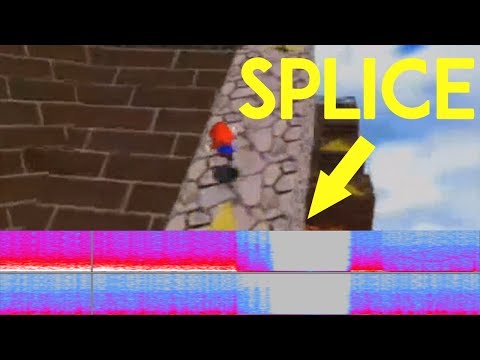
Another name that frequently comes up in discussions of speedrun cheating is TSA. Known for impressive runs in games like Super Mario 64 and Ocarina of Time, TSA faced accusations of splicing video footage to create fake world records. The community, particularly through detailed video analyses, pointed out inconsistencies and impossibly perfect inputs that suggested footage manipulation. While TSA has maintained a defense, the evidence presented by community members and the subsequent removal of his records from platforms like Speedrun.com and the SDA (Speed Demos Archive) speak volumes. This case highlights the ongoing cat-and-mouse game between cheaters and the community's detection methods.

The sheer volume of evidence against some of these runners can be overwhelming. It's a testament to the community's dedication to truth.

GoronGuy's Confession: Majora's Mask Cheating

The legendary 5:19 speedrun of The Legend of Zelda: Majora's Mask, once held by GoronGuy, was another major blow to the speedrunning community's trust. After years of holding the record, GoronGuy eventually confessed that his run was faked. The confession sent shockwaves through the Zelda speedrunning scene. This admission, much like Todd Rogers', underscored the immense pressure to achieve top times and the lengths some individuals would go to, even admitting it later. The speedrun community responded with disappointment but also with a renewed commitment to authenticity. This event also led to further investigation into other potentially fraudulent runs within the same game category.

Henning and the Goldeneye Rankings

The world of GoldenEye 007 speedrunning, a game with a fiercely dedicated fanbase, was also rocked by cheating accusations. Henning, a prominent runner, was removed from the official Goldeneye rankings due to evidence of manipulated runs. This incident further fueled the ongoing debate about the integrity of speedruns in classic N64 titles, games that were often at the forefront of early speedrunning movements. The removal from rankings and leaderboards is a significant consequence, signaling a serious breach of trust.

RWhiteGoose and the Perfect Dark Era

Following closely on the heels of the GoldenEye 007 controversies, RWhiteGoose became another figure scrutinized for alleged cheating in the realm of N64 first-person shooters, specifically Perfect Dark. Investigations and community discussions brought forth evidence that suggested his runs were not legitimate. These cases, often intertwined with the history of early speedrunning and the limitations of verification technology at the time, highlight a recurring theme: the temptation to cheat for fame and recognition in games that were foundational to the speedrunning movement.

Chibi's Allegations and YetiHype's Investigation

The speedrunning community is often a complex web of rivalries and investigations. Chibi faced cheating allegations, and it was user YetiHype who meticulously delved into the evidence. YetiHype produced detailed videos and analyses, answering community questions and providing further insights into the alleged manipulations. These deep dives showcase the passion and analytical prowess within the speedrunning community, acting as a vital checks and balances system against fraudulent activity. The detailed breakdown of gameplay mechanics and potential exploits is crucial for maintaining trust.

FLYING's GTA: San Andreas Fiasco

The GTA speedrunning community also had its share of dark moments. FLYING, a well-known runner for his incredibly fast times in Grand Theft Auto: San Andreas, was exposed by fellow runner KZ for using spliced footage. The evidence presented was stark, showing clear discrepancies between the in-game timing and the video editing. This scandal led to the removal of FLYING's records and a significant loss of trust within that specific community. It served as another harsh reminder that cheating can occur in any game, regardless of genre or platform.

Super Meat Boy: The Modded Speedrun Scandal

Even games with seemingly straightforward gameplay mechanics can be subject to cheating. The Super Meat Boy community faced a scandal when evidence emerged suggesting that some top runs were achieved using mods or external tools that were not permitted by the game's rules. This case highlighted the importance of clear rulesets and consistent enforcement within speedrunning communities. The development of new detection methods, like those discussed in relation to Super Meat Boy, is crucial for staying ahead of cheaters.

Why Does This Happen?

The question that lingers is: why do speedrunners cheat? The reasons are multifaceted:

  • Pressure for Recognition: The desire for fame, recognition, and a place in the world record books can be immense.
  • Obsession with Perfection: Some runners become so fixated on achieving a seemingly impossible time that they resort to manipulation when legitimate strategies fall short.
  • Technological Advancements: As video editing and manipulation tools become more accessible, so does the temptation to use them for fake runs.
  • Lack of Robust Verification (in the past): Early speedrunning communities often lacked the sophisticated tools and experienced moderators to detect subtle forms of cheating.
  • Personal Insecurity: For some, the pressure to perform can outweigh ethical considerations.

It's a combination of competitive drive, the allure of glory, and sometimes, a lack of foresight regarding the consequences.

Impact on the Community

These cheating scandals have a profound and damaging impact on the speedrunning community:

  • Erosion of Trust: Every exposed cheater casts a shadow of doubt over legitimate runs, forcing the community to become hyper-vigilant.
  • Demotivation for Legitimate Runners: Seeing someone cheat their way to the top can be incredibly demotivating for those who have spent years honing their skills ethically.
  • Wasted Effort: Time and effort spent by moderators and community members investigating suspicious runs are resources diverted from positive community building.
  • Damage to Game Reputation: Infamous cheating incidents can sometimes reflect poorly on the game itself or the dedication of its fanbase.
  • Need for Stricter Verification: Scandals often lead to the implementation of more rigorous verification processes, including detailed video analysis, timing software checks, and community moderation.
The spirit of speedrunning is about pushing human limits, not digital manipulation. When that line is blurred, the entire community suffers.

Staying Vigilant: Protecting Speedrun Integrity

The speedrunning community has, over time, developed more sophisticated methods to combat cheating. This includes:

  • Advanced Video Analysis: Tools and techniques for detecting spliced footage, frame manipulation, and other video tampering are constantly evolving.
  • Detailed Rule Enforcement: Clear and consistently applied rules regarding allowed glitches, strategies, and hardware are essential.
  • Community Moderation: Dedicated moderators and vigilant community members play a crucial role in spotting anomalies and raising concerns.
  • Data Verification: Analyzing game data, input logs (where available), and timing information can reveal inconsistencies.
  • Emphasis on Transparency: Encouraging runners to be open about their methods and providing clear, unedited gameplay footage is vital.

The fight for gaming integrity in speedrunning is an ongoing one. While these cheating scandals are disheartening, they also serve as catalysts for improvement. They remind us that the true victory lies not just in achieving the fastest time, but in doing so with honesty and respect for the game and the community.

Frequently Asked Questions

Q1: What is the most famous speedrunning cheating scandal?

The most infamous scandal likely involves Todd Rogers and his Dragster world record, which stood for 35 years before being exposed as fraudulent. This case set a precedent for how cheating allegations are handled in the speedrunning community.

Q2: How do speedrunners detect cheating?

Detection methods include rigorous video analysis for spliced footage or frame manipulation, checking game data for inconsistencies, analyzing input patterns, and relying on experienced community moderators to flag suspicious runs.

Q3: Why is speedrunning cheating so detrimental to the community?

It erodes trust, demotivates legitimate runners, wastes community resources on investigations, and can tarnish the reputation of the game and its fanbase. It fundamentally undermines the spirit of competition and self-improvement that defines speedrunning.

Q4: Are there any safeguards against speedrunning cheats today?

Yes, speedrunning communities and platforms like Speedrun.com have implemented stricter rules, more thorough verification processes, and rely heavily on dedicated moderators and community vigilance to maintain integrity.

Q5: What can I do if I suspect a speedrunner is cheating?

Gather as much evidence as possible (video clips, screenshots, detailed analysis) and report it to the relevant speedrunning community moderators or the platform hosting the leaderboard (e.g., Speedrun.com) through their official channels.

This journey into the darker side of speedrunning is a tough one, but it's crucial for understanding the value of fair play. What are your thoughts on these cases? Have you encountered other speedrunning scandals? Share your insights and experiences in the comments below, and let's keep the conversation going!

Left 4 Dead 2 DUO Speedrun: Mastering Dark Carnival in 11:10 - A Deep Dive

Hey fellow survivors and speedrun enthusiasts! If you're here, you're likely chasing that thrill of shaving off precious seconds and pushing the limits of what's possible in our favorite games. Today, we're diving deep into a truly impressive feat: a DUO speedrun of Left 4 Dead 2's notorious Dark Carnival map, clocking in at an astonishing 11 minutes and 10 seconds (11:10). This isn't just about blasting through hordes; it's a masterclass in coordination, strategy, and understanding every single pixel of the map. Let's break down how this incredible run was achieved.

Introduction: The Dark Carnival Challenge

Left 4 Dead 2 is a cornerstone of co-op zombie shooter fame, and its campaigns offer a unique blend of intense action and strategic planning. Dark Carnival, with its sprawling outdoor areas, bottleneck points, and the infamous "Stunt Show" finale, presents a significant challenge for any speedrunner. Achieving a sub-12-minute time in a DUO run is exceptionally difficult, requiring near-perfect execution and seamless teamwork. This particular run, completed by WaifuRuns (Booster) and ximAciidz (Host), showcases the pinnacle of skill and dedication.

The Dark Carnival map is known for its difficulty spikes, especially during the finale. A DUO run amplifies this, demanding perfect synergy between players.

The 11:10 DUO Speedrun Breakdown

This 11:10 run is a testament to meticulous route planning and precise execution. While the provided text doesn't detail every single second, we can infer the core elements that make such a time possible:

  • Optimized Pathing: Every corner, every jump, every path taken is the fastest possible. There's no room for deviation or hesitation.
  • Aggressive Engagement: Instead of avoiding common infected, runners often use them strategically to gain momentum or to trigger specific events faster.
  • Special Infected Management: Knowing exactly when and how to deal with Special Infected (Smokers, Boomers, Hunters, etc.) is crucial. Sometimes, they are skipped entirely or manipulated to benefit the run.
  • Finale Efficiency: The "Stunt Show" finale is notoriously time-consuming. This run likely employs a highly optimized strategy to complete the crescendo event and escape as quickly as possible.

Understanding the Roles: Host vs. Booster

In many online gaming scenarios, and particularly relevant to speedrunning, understanding player roles is key. In this DUO run:

  • ximAciidz (Host): The host typically dictates the game's environment and triggers events. In a speedrun, the host's connection stability and understanding of game triggers are paramount. They are often responsible for leading the charge and ensuring the game progresses as intended.
  • WaifuRuns (Booster): The 'booster' in this context likely refers to the player providing supplementary support, clearing paths, dealing with threats the host can't immediately address, and generally ensuring the host can maintain their speed and focus. This role requires excellent awareness and quick reactions to assist the lead player.

This division of labor is critical for success in a DUO run, allowing both players to focus on their strengths and cover each other's weaknesses. It's a dance of precision, where every move is synchronized.

Key Strategies and Skips in Dark Carnival

Dark Carnival is filled with opportunities for advanced techniques. Some common speedrunning strats include:

  • Roccamore Skip: A well-known skip in Dark Carnival that bypasses a significant portion of the map by utilizing precise jumps and movement.
  • Carousel Skip: Similar to the Roccamore skip, this involves clever maneuvering to avoid triggering certain events or progressing through the map faster.
  • Finale Cheese: Strategies to manipulate the horde or finale triggers to end the event prematurely or with minimal time spent. This often involves specific positioning or weapon usage.
  • Common Infected Manipulation: Using the AI of common infected to your advantage, such as baiting them into specific areas or using their spawns to trigger faster progression.
The execution of these skips requires not only knowledge but also muscle memory honed through countless hours of practice.

These techniques, combined with efficient combat against Special Infected, are what allow runners to achieve such lightning-fast times. The RNG (Random Number Generator) also plays a part, influencing Special Infected spawns and item placements, but top runners minimize its impact through consistent strats.

Gear and Loadouts for Speedrunning

While the exact loadouts aren't detailed, speedrunners in Left 4 Dead 2 typically prioritize:

  • Shotguns (Chrome, Pump): For close-quarters combat and quick elimination of common infected.
  • Assault Rifles (AK-47, M16): For more sustained fire and dealing with Special Infected at medium range.
  • Melee Weapons: Often picked up for quick melee attacks that can stun or kill common infected instantly, saving ammo and time.
  • Pills and Adrenaline: Essential for maintaining health and speed during critical moments.

The choice of weapon often depends on the specific section of the map and the immediate threats. A well-balanced approach is key.

The Community Aspect of Left 4 Dead 2 Speedruns

The speedrun community for games like Left 4 Dead 2 is incredibly dedicated. Platforms like Speedrun.com are the central hubs where records are tracked, rules are set, and runners compete for the top spots. Communities thrive on Discord servers and streaming platforms like Twitch, where strategies are shared, and new techniques are discovered collaboratively. This run is a product of that shared passion and continuous effort.

It's inspiring to see players like WaifuRuns and ximAciidz pushing the boundaries. Their dedication benefits the entire #speedrunning community by providing new insights and setting higher benchmarks. Seeing a #WR (World Record) or even a personal best (#PB) achieved is always a thrilling spectacle for #gamers.

Improving Your Own Left 4 Dead 2 Runs

If this run has inspired you to tackle Dark Carnival yourself, here are a few tips:

  1. Study the Route: Watch multiple speedruns of Dark Carnival, paying close attention to the exact paths taken.
  2. Practice Skips: Dedicate time to mastering the major skips and glitches. These are often the biggest time-savers.
  3. Teamwork is Key: If running DUO or with a team, practice communication and coordination extensively.
  4. Learn Spawn Points: Understand common infected and Special Infected spawn locations to anticipate threats.
  5. Watch the Pros: Follow streamers like WaifuRuns and check out top players on Speedrun.com.

Remember, consistency is built through repetition. Don't get discouraged by failed attempts; each one is a learning opportunity on your journey to a better #speedrun time.

Frequently Asked Questions

What is the fastest known speedrun time for Left 4 Dead 2's Dark Carnival?

The fastest recorded times are continually being updated on Speedrun.com. Times under 11 minutes for specific categories (like DUO or solo) are considered world-class.

Is Dark Carnival considered the hardest campaign to speedrun in Left 4 Dead 2?

While difficulty is subjective, Dark Carnival is consistently ranked among the most challenging due to its finale and numerous bottleneck areas that require precise execution and routing.

What does "DUO run" mean in speedrunning context?

"DUO run" typically means the game is completed by only two players, often following specific category rules on sites like Speedrun.com. This contrasts with solo runs or full team runs (4 players).

How important is RNG in Left 4 Dead 2 speedruns?

RNG (Random Number Generator) influences enemy spawns, item placements, and event triggers. While crucial, top runners develop strategies that are resilient to bad RNG or exploit good RNG efficiently.

Where can I find more Left 4 Dead 2 speedruns?

The primary resource is Speedrun.com. You can also find many runs and highlights on Twitch and YouTube by searching for "Left 4 Dead 2 speedrun" and following top runners.

This 11:10 DUO speedrun of Left 4 Dead 2: Dark Carnival is a phenomenal achievement that showcases the dedication and skill within the speedrunning community. It’s a perfect example of how deep strategy, precise execution, and seamless teamwork can conquer even the most challenging in-game scenarios. Whether you're a seasoned veteran or new to the world of speedrunning, there's always something to learn from these incredible feats.

What are your favorite speedrunning tricks in Left 4 Dead 2? Did you find this breakdown helpful? Let us know in the comments below! Join our Discord server to discuss strategies, share your own runs, and connect with fellow gamers and speedrunners.

The Ultimate Challenge: Mastering the "Greatest Feat in Video Game History" - Dark Souls: No-Hit Runs

Imagine facing the brutal, unforgiving world of Dark Souls. Now, imagine doing it without ever taking a single hit. Not one. Not a scratch. This isn't just playing the game; it's a test of absolute mastery, precision, and mental fortitude. You're likely here because you've heard whispers of these legendary runs, perhaps you've seen snippets of players dodging every attack with impossible grace, or maybe you're just morbidly curious about what drives someone to such an extreme challenge. In this deep dive, we're going to dissect what makes a speedrun like this not just impressive, but potentially the greatest feat in video game history.

What Exactly is a No-Hit Run?

At its core, a "no-hit run" in Dark Souls means completing the entire game, from the moment you step out of the tutorial area to the final boss's demise, without receiving any damage from enemies, environmental hazards, or even stray projectiles. This applies to all speedrun categories, whether it's Any%, All Bosses, or even specific challenge runs. A single mistake, a poorly timed dodge, a miscalculated jump – it all ends the run, forcing the player to restart from scratch. This is the ultimate test of consistency and perfect execution. You can't rely on healing or trading hits; every encounter is a meticulously choreographed dance of avoidance.

The Unforgiving World of Dark Souls

Dark Souls is infamous for its difficulty. Enemies hit hard, bosses have complex attack patterns, and the environment itself can be a deadly foe. The game demands patience, pattern recognition, and precise timing. A no-hit run amplifies this tenfold. Every enemy, no matter how seemingly insignificant, becomes a potential run-ender. A hollow soldier's surprise attack, a dragon's breath, or even a poorly positioned trap can spell instant failure. For players tackling this, it’s not just about learning attack patterns; it's about understanding enemy AI, precise spacing, and optimal movement to ensure zero damage taken.

The game's mechanics are unforgiving. Parries, dodges, and blocks are your primary tools, but even these have strict windows of opportunity. Mastering these requires hundreds, if not thousands, of hours of dedicated practice. The constant threat of failure breeds a unique form of mental resilience. Players often describe a state of intense focus, where the outside world fades away, and only the on-screen action matters. This is where the true skill of a no-hit runner shines through.

"It's not just about reflexes; it's about predicting the unpredictable. You have to internalize every enemy's behavior, every trap, every environmental hazard, and have a perfect response ready at all times."

The Psychology of Pain: Why Players Endure This

So, why would anyone subject themselves to such an ordeal? The answer lies in the unparalleled sense of accomplishment. Successfully completing a no-hit run of Dark Souls is an extraordinary display of skill and dedication. It pushes the boundaries of human performance within a digital medium.

For many, it's about achieving a personal PB (Personal Best) that transcends traditional game completion. It's about proving mastery over a game that is designed to break players. The journey itself is a form of meditation for some, a way to achieve a flow state where every action is deliberate and impactful. The failures are numerous, but each reset is a learning opportunity, a step closer to perfection. The sheer persistence required is what makes these runs so awe-inspiring.

The community plays a huge role here. Sharing strategies, offering encouragement, and celebrating even small victories (like beating a difficult boss without getting hit) creates a supportive environment. Witnessing another runner's success or near-success fuels the desire to push your own limits. It’s a shared struggle, a testament to the power of dedication in the face of overwhelming odds.

Strategies and Glitches for Survival

No-hit runs aren't just about perfect dodging; they often involve deep knowledge of game mechanics, optimal routing, and sometimes, even game-breaking glitches. For instance, specific item usage, weapon upgrades, and even character builds are crucial for maximizing damage output and survivability. A well-timed RNG manipulation might be necessary to get a specific enemy drop or a favorable AI behavior.

Runners meticulously study every frame, every animation, to find the smallest advantages. This can include:

  • Optimal Movement Tech: Mastering techniques like roll-canceling or specific jump timings to navigate areas faster and safer.
  • Boss Strategies: Developing intricate plans for each boss, often involving specific weapon arts, spells, or consumables to end encounters as quickly as possible while minimizing risk.
  • Enemy AI Exploitation: Understanding how enemies pathfind and react to lure them into traps or position yourself for safe attacks.
  • Sequence Breaks and Skips: While some categories aim for glitchless runs, others might incorporate clever skips that bypass entire sections of the game, drastically reducing the time and risk. The "Butterflying" technique, for example, involves manipulating the game's physics to gain immense speed.

The level of technical understanding required to execute these strategies is immense. It's not uncommon for runners to spend weeks or months perfecting a single boss fight or a specific segment of the game. The dedication to understanding the game at such a granular level is what truly sets these players apart.

"You learn the game's rules so intimately that you start to find the cracks. Some of those cracks are deliberate shortcuts, others are... less so. But if it saves time and doesn't get you hit, it's fair game."

The pursuit of a no-hit run often blurs the lines between player and game designer. Runners discover exploits and game-breaking mechanics that even the developers might not have fully anticipated. This continuous discovery and optimization is a hallmark of the modern speedrun gaming community.

The Community Behind the Challenge

The Dark Souls speedrunning community is a vibrant and dedicated group. Players like Dino, Vswed, Bender, and countless others have pushed the boundaries of what's considered possible. Channels dedicated to showcasing these runs, like the one featured in the original source, provide invaluable insight and inspiration.

Joining their Discord servers or following their streams on platforms like Twitch offers a direct window into the raw dedication. You'll find players sharing tips, analyzing failed attempts, and celebrating incredible achievements. This collaborative spirit is what drives the community forward, constantly refining strategies and inspiring new runners to take on the challenge. The pursuit of a WR (World Record) no-hit run is a communal effort, even if only one person can hold the title at a time.

The support from viewers is also a crucial element. Knowing that people are watching, cheering them on, and appreciating the immense effort involved provides a vital boost of motivation, especially during those grueling hours where failure seems imminent.

Is It Truly the Greatest Feat?

Defining the "greatest feat" in video game history is subjective, of course. But when you consider the combination of factors – the game's inherent difficulty, the requirement for absolute perfection, the sheer mental and physical discipline, and the continuous innovation in strategy – a no-hit run of Dark Souls presents a compelling case. It's not just about beating the game; it's about transcending its intended design through sheer human will and skill.

It embodies the spirit of GamingSpeedrun: the dedication to mastering a game to its absolute limits, pushing boundaries, and inspiring others. These runs are more than just gameplay; they are digital athletic performances, showcasing the pinnacle of player skill and commitment. They redefine what it means to "play" a game, transforming it into an art form of precision and resilience.

"Every attempt is a gamble, but every successful dodge is a victory. You learn to embrace the failure, because it's the only path to perfection. And when you finally see that 'You defeated' screen without a single hit taken... there's no feeling quite like it in gaming."

Whether you're a seasoned Soulsborne veteran or a curious newcomer, the dedication and skill displayed in Dark Souls no-hit runs are undeniably awe-inspiring. It's a testament to the incredible potential of human achievement within the digital realm and a strong contender for the title of gaming's ultimate accomplishment.

Frequently Asked Questions

What is the most difficult part of a Dark Souls no-hit run?

The most difficult part is often the sheer mental endurance required. Maintaining perfect focus and execution through hundreds of enemies and complex boss fights without a single mistake over hours of gameplay is an immense psychological challenge. Consistency is key, and even the best runners will face countless failed attempts.

How long does a Dark Souls no-hit run typically take?

A full no-hit run, especially a speedrun category, can take anywhere from 1 to several hours, depending on the game version, category, and the runner's proficiency. Practice and route optimization are crucial for minimizing the time.

Are there specific builds or weapons that are better for no-hit runs?

Yes, definitely. Runners often favor weapons with high damage output, good range, and safe attack animations, or they might utilize specific spells or buffs to end encounters quickly. The "Black Knight Halberd" is a popular choice for its raw power in early-game speedruns. Finding a build that allows for quick kills while maintaining safety is paramount.

What are some common glitches or exploits used in Dark Souls speedruns, including no-hit runs?

Common techniques include "Sword Flying" for fast traversal, various sequence breaks, and exploiting enemy AI to skip encounters or damage phases. Specific glitches might be category-dependent, with some allowing for out-of-bounds travel or drastic time saves.

Where can I watch top Dark Souls no-hit runs?

You can find incredible no-hit runs on platforms like YouTube and Twitch. Searching for "Dark Souls no-hit speedrun" will bring up many talented players and their attempts. Following communities like the ones mentioned in this article is a great way to discover top runners and their latest achievements.

What are your thoughts on the greatest feats in gaming? Do you think Dark Souls no-hit runs deserve that title? Share your opinions and your own incredible gaming achievements in the comments below! We'd love to hear about the challenges you've overcome. If you want to dive deeper into the world of speedrunning and uncover more legendary performances, be sure to subscribe and join our community discussions!

Dark Matter Chris Bosh Gameplay: Is He Elite in NBA 2K23 MyTEAM?

What's up, speedrunners and NBA 2K MyTEAM fanatics! Today, we're diving deep into the hype surrounding one of the most sought-after cards in NBA 2K23: Dark Matter Chris Bosh. The question on everyone's mind is whether this powerhouse is truly an elite addition to your lineup or just another flashy card that fades into obscurity. We've seen countless gameplay videos and heard the whispers, but does Bosh live up to the Dark Matter moniker when it counts? Let's break down his impact, his strengths, his weaknesses, and ultimately, if he’s worth the grind or the hefty price tag. Whether you're aiming for a personal best in Domination, climbing the Unlimited ranks, or just want the best possible squad, understanding Bosh's place in the meta is crucial.

Unpacking the Hype: Is Dark Matter Bosh Worth It?

The anticipation for a Dark Matter Chris Bosh in NBA 2K MyTEAM has been immense. Known for his versatile offensive game and solid defensive presence during his real-life career, the expectations are sky-high. But in the fast-paced, glitch-heavy world of speedrun-optimized NBA 2K, does Bosh bring enough to the table to challenge the current meta? We’re going to explore his signature moves, his defensive capabilities, and how he fares against the top-tier competition. Get ready for an in-depth look that cuts through the noise.

Dark Matter Chris Bosh: Stats and Badges Breakdown

When you pull a Dark Matter card, you expect near-perfect attributes, and Bosh doesn't disappoint on paper. His base stats are phenomenal across the board, but it's his combination of shooting, rebounding, and interior scoring that makes him a unique prospect.

  • Shooting: Excellent three-point shooting for a big man, coupled with a reliable mid-range game.
  • Rebounding: Strong interior and defensive rebounding ratings ensure he contests boards effectively.
  • Interior Scoring: Good post-game and finishing ability near the rim.
  • Playmaking: Surprisingly decent passing for his position.

The badge count is where Dark Matter Bosh truly shines. He comes equipped with a plethora of gold and Hall of Fame badges, including:

  • Shooting: Catch & Shoot, Limitless Range, Green Machine, Volume Shooter.
  • Finishing: Posterizer, Fearless Finisher, Bully.
  • Playmaking: Dime, Quick First Step (on certain builds).
  • Defense: Anchor, Brick Wall, Clamps, Intimidator.
In my experience, the sheer number of HOF shooting badges on a big man like Bosh opens up the floor in ways few others can. It forces defenders to stay honest out on the perimeter.

The combination of these stats and badges suggests a player who can stretch the floor, crash the boards, and hold his own defensively. But how does this translate in actual gameplay? Let's dive into the action.

Gameplay Analysis: Strengths and Weaknesses

Bosh's versatility is his greatest asset. On offense, he can operate both inside and out. His ability to hit three-pointers forces opposing bigs to guard him away from the basket, creating spacing for your guards and slashers. His jump shot is relatively quick and smooth, making it a weapon against close-outs.

Inside, he’s strong enough to back down smaller forwards and can finish through contact thanks to badges like Bully and Fearless Finisher. His rebounding prowess means you won't be losing many battles on the glass.

Defensively, Bosh is a solid rim protector and can switch onto smaller players if necessary due to his decent speed and agility for his size. The Anchor and Intimidator badges make him a formidable presence in the paint.

However, he's not without his flaws. Compared to some of the absolute titans at the center and power forward positions, Bosh might lack that extra bit of strength or height to consistently dominate against the very best defensive bigs. His defensive animations, while good, might not be as lockdown as a dedicated defensive specialist.

The biggest 'weakness' is really just that the competition at the top is *fierce*. Bosh is elite, but sometimes you need that extra inch or that specific defensive animation that only a few select cards possess.

Another consideration is his dribbling and movement. While he has some playmaking badges, he’s not going to be breaking ankles or driving coast-to-coast like a guard. His strengths lie in efficient offense and solid defense, not flashy solo plays.

Comparisons to Other Elite Power Forwards

The power forward position in NBA 2K23 MyTEAM has seen some truly incredible cards. How does Dark Matter Bosh stack up against the competition? Let's consider a few:

  • Tim Duncan: Often praised for his all-around game and elite defense, Duncan might offer a slightly more robust defensive presence.
  • Giannis Antetokounmpo: Giannis provides unmatched athleticism and driving ability, making him a different kind of offensive threat.
  • Kevin Garnett: KG is known for his defensive versatility and ability to hit jumpers, often being a more complete defensive package.

Bosh’s edge often comes from his shooting consistency and the sheer number of HOF shooting badges he possesses. While others might excel in specific areas like pure athleticism or defense, Bosh offers a more balanced offensive toolkit that fits into many speedrun strategies aiming for quick points and floor spacing.

His value is particularly high if you struggle with big men shooting threes or if you need a reliable secondary playmaker from your frontcourt. He fits perfectly into lineups that need a stretch four who can also bang inside.

Optimizing Dark Matter Chris Bosh: Shoe Boosts and Coaches

To truly unlock Dark Matter Bosh's potential, you need to tailor his build. The right shoe boosts and coach can make a significant difference.

  • Shoe Boosts: Prioritize boosts that enhance his shooting and defense.
    • Three-Point Shot: Essential to maximize his range.
    • Perimeter Defense: To make him a more effective switch defender.
    • Speed/Acceleration: To help him keep up with faster forwards.
  • Coaches: Look for coaches who provide boosts to shooting attributes (three-point, mid-range) and defensive ratings (perimeter defense, block). A coach that boosts speed can also be beneficial.

Experiment with different combinations to see what best complements your playstyle. If you’re focusing on a world record attempt or a specific gaming challenge, optimizing his role is key.

Frequently Asked Questions

Is Dark Matter Chris Bosh worth the MyTEAM Points or MT?

Yes, if you value a stretch four with excellent shooting and solid defense, Dark Matter Bosh is absolutely worth it. He provides a versatile offensive threat and a capable defender, fitting well into many competitive lineups.

What are Dark Matter Chris Bosh's best badges?

His best badges include HOF Limitless Range, Catch & Shoot, Anchor, Intimidator, and Bully. These badges contribute significantly to his shooting ability, defensive presence, and interior scoring.

How does Dark Matter Bosh compare to other Power Forwards like Tim Duncan or Giannis?

Bosh excels as a shooter and floor spacer compared to Duncan's defensive focus or Giannis's raw athleticism and driving ability. His specific skillset offers a unique advantage in certain offensive schemes.

What position does Dark Matter Chris Bosh play best?

He is primarily a Power Forward but can effectively play Center in certain lineups due to his size and rebounding. His versatility allows him to adapt.

The Verdict: A Top-Tier Big Man

Dark Matter Chris Bosh isn't just another high-rated card; he's a genuinely elite player who brings a potent mix of skills to NBA 2K23 MyTEAM. His ability to knock down threes, score efficiently inside, and contribute defensively makes him a matchup nightmare for many opponents. While the competition at the forward and center spots is fierce, Bosh carves out his niche as one of the most balanced and effective big men available.

If you're looking to elevate your game, dominate the paint, and stretch the floor like a guard, Dark Matter Bosh should be high on your priority list. Whether you pull him from a pack or acquire him through the auction house, he’s a player who can absolutely help you achieve your speedrun goals in MyTEAM.

What are your experiences with Dark Matter Chris Bosh? Let us know in the comments below! What are your favorite strats or glitches to use him with? Join our Discord community to share your best gameplay clips and discuss the latest NBA 2K MyTEAM meta!