Batman: Arkham Asylum 100% Speedrun - A Deep Dive into the 2:27:56 Record

Welcome, speedrunners and Bat-fans! You've clicked on this article because you're chasing that perfect run, that flawless execution that shaves precious seconds off your personal best. Or maybe you're just here to marvel at what's possible when dedication meets the dark knight. Today, we're not just looking at a time; we're dissecting a 100% speedrun of Batman: Arkham Asylum clocking in at an incredible 2 hours, 27 minutes, and 56 seconds. This isn't just any run; it's a testament to mastery, strategy, and countless hours spent perfecting every grapple, every counter, and every invisible takedown.

The Pursuit of Perfection in Arkham Asylum

In the thrilling world of speedrunning, every frame, every input, matters. When it comes to Batman: Arkham Asylum, achieving a 100% completion under the 2:30 mark is a significant milestone. This particular run, achieving a verified time of 2:27:56, represents the culmination of deep game knowledge and precise execution. It pushes the boundaries of what was once thought possible within the intricate environments of Arkham Island.

As a fellow enthusiast who has spent countless hours in the boots of the Caped Crusader, I can tell you that mastering this game for a speedrun involves more than just knowing the combat system. It's about understanding enemy patrol patterns, exploiting glitches, optimizing traversal routes, and having the mental fortitude to execute under pressure. This isn't just playing the game; it's understanding its very code.

Batman: Arkham Asylum - More Than Just a Brawler

Released in 2009, Batman: Arkham Asylum wasn't just another comic book game; it redefined the genre. Rocksteady Studios crafted a masterclass in atmosphere, storytelling, and, crucially for us, gameplay mechanics. The freeflow combat system, the predator stealth sections, and the Metroidvania-like exploration of Arkham Island created a rich playground for players. For speedrunners, it offered a complex map filled with collectibles, side missions, and intricate level designs that could be navigated in myriad ways.

The game's structure, with its interconnected areas and unlockable gadgets, presents unique challenges and opportunities for speedrunning categories. Understanding how each new tool – the Batarang, the Grapple Gun, the Batclaw – can shave off time or open up new routes is paramount.

The 100% Category Explained

The 100% category in any speedrun is notoriously demanding. In Batman: Arkham Asylum, this means collecting every Riddle, finding every Challenge Map, completing all side missions (like saving hostages or disabling communication towers), and finishing the main story. This isn't a simple "beat the game" run; it requires meticulous planning to ensure every collectible and objective is accounted for without derailing the main narrative progression unnecessarily.

Achieving 100% in this game demands exceptional route planning. You can't just rush through; you need to backtrack efficiently, collect items in a specific order, and often complete certain objectives before they are strictly required by the story to optimize time. It’s a delicate balance between speed and thoroughness.

For a 100% run, the strategy often involves learning the locations of all collectibles and planning a route that minimizes travel time between them, integrating them seamlessly with story progression.

Key Strategies and Skips

The current record holders and top runners employ a variety of advanced techniques to achieve these blistering times. These aren't just minor optimizations; they are often complex glitches and skips that require precise execution. Some notable strategies include:

  • Glitched Wall Jumps/Clipping: Exploiting the game's collision detection to pass through walls or unintended areas, often skipping entire sections of the map.
  • Combat Skips: Learning how to avoid mandatory combat encounters by clever use of traversal mechanics or by triggering events in a specific order.
  • Gadget Clipping: Using gadgets like the Batclaw or Batarangs in specific ways to clip through geometry or interact with objects out of bounds.
  • Optimized Predator Encounters: Forcing enemy AI into predictable patterns or using environmental takedowns in the fastest possible sequence.

I remember spending weeks trying to perfect a specific wall clip that shaved off nearly 30 seconds in the Caves section. The feeling of finally nailing it was immense, and it's these small victories that fuel the drive for a better time.

RPG Elements and Speedrunning

While Arkham Asylum isn't a traditional RPG, it incorporates elements that are crucial for speedrunners. The upgrade system, for instance, allows players to enhance Batman's abilities. In a speedrun, you need to decide which upgrades are essential and when to acquire them. For a 100% run, acquiring all upgrades is part of the requirement, so integrating this into the route planning is vital.

The order in which you tackle side objectives can also affect which gadgets and upgrades become available earlier, potentially opening up new routes or faster traversal methods. This strategic layering of progression is what makes Arkham Asylum such a fascinating game to speedrun.

The game's narrative progression also ties into available abilities. Some areas are gated until you acquire specific gadgets, forcing runners to synchronize their route with the story's unfolding.

Dealing with RNG

Random Number Generation, or RNG, is the bane and occasional blessing of any speedrunner. In Arkham Asylum, RNG can affect enemy patrol patterns, the drops from certain environmental objects, and even the effectiveness of specific attack sequences. A perfectly executed combo might fail to stun an enemy if the game decides they resist it that particular instance.

Top runners develop strategies to mitigate bad RNG or even manipulate it. This might involve waiting for specific patrol routes, forcing enemy respawns, or having backup plans for critical encounters. The mental resilience to adapt to unexpected random elements is as important as the technical skill.

The Record Run Analysis

The 2:27:56 run is a prime example of a near-perfect execution. While the full analysis of such a run involves frame-by-frame breakdown, we can highlight some key aspects:

  • Early Game Optimization: The initial sequences in the caves and the medical facility are often heavily optimized, with minimal wasted movement and precise enemy takedowns.
  • Collectible Route Efficiency: Every Riddle and Challenge Map location is hit with maximum efficiency, often using advanced traversal techniques to reach them faster than intended.
  • Boss Fight Strategies: Even boss fights, like against Scarecrow or Joker, have specific strats designed to end them as quickly as possible, often exploiting AI or using specific attack patterns.
  • Seamless Transitions: The run likely features incredibly smooth transitions between combat, stealth, and traversal, minimizing downtime.

The runner behind this time, who achieved 4th place globally (pending verification), showcases an incredible understanding of the game's engine and mechanics. Watching this run is like watching a ballet of violence and precision.

The Community and Future

The Batman: Arkham Asylum speedrunning community is dedicated and constantly pushing the boundaries. Runners share strats, develop new glitches, and support each other in the pursuit of faster times. The existence of communities like the one found at speedrun.com is vital for this continued progress.

With new strategies and glitches likely to be discovered, we can expect this record to be challenged. The quest for the ultimate 100% run is ongoing, and it's exciting to see how runners will continue to innovate and shave off even more precious seconds. What could be the next big skip or trick that changes the meta?

For those inspired, diving into the world of speedrunning, whether it's Arkham Asylum or another favorite title, is a rewarding journey. It's about challenge, community, and the sheer joy of mastering a game.

Frequently Asked Questions

Q1: What is the fastest overall speedrun category for Batman: Arkham Asylum?

A1: The "Any%" category is typically the fastest, as it allows players to use any glitches and skips to reach the end credits as quickly as possible, ignoring collectibles and side objectives.

Q2: Is it possible to speedrun Batman: Arkham Asylum on consoles?

A2: Yes, while PC often allows for easier glitch exploitation, console versions of the game are also speedrun. The primary differences lie in the available glitches and potential input lag.

Q3: How do I start speedrunning Batman: Arkham Asylum?

A3: The best way to start is by watching top runners on platforms like Twitch or YouTube, joining the community Discord servers (like the one linked in the original post), and practicing the game's mechanics and specific routes.

Q4: Are there any major glitches that significantly shorten the 100% run?

A4: Yes, various clipping glitches and sequence breaks allow runners to skip large sections of the game or acquire key items much earlier than intended, which are crucial for optimizing a 100% run.

Q5: What does "pending verification" mean in speedrunning?

A5: It means the run has been submitted to the game's leaderboard administrators, but it hasn't been officially reviewed and confirmed as legitimate yet. This process ensures the run adheres to the category rules and is free of cheating.

This 2:27:56 run is more than just a number; it's a beacon for aspiring runners and a celebration of what makes Batman: Arkham Asylum a timeless classic. Keep practicing, keep innovating, and maybe one day, you'll see your name at the top of the leaderboards!

What are your thoughts on this incredible run? Do you have any personal bests in Arkham Asylum? Share your strategies, your favorite glitches, or your questions in the comments below! Join our Discord server to connect with fellow speedrunners and fans!

```
This Meme Has To Stop: A Deep Dive into a Speedrunning Community Phenomenon

Hey fellow gamers and speedrunning enthusiasts! If you've been online at all recently, chances are you've encountered a certain meme that's, let's be honest, run its course. The sheer ubiquity of "AAAAAAAAAAAAAAAAUGH!!!" echoing through every corner of the internet, from Discord servers to Twitch chat, can be… a lot. As dedicated members of the gaming and speedrun communities, we’ve seen trends come and go, but some stick around a little too long. This isn't just about a meme; it's about the evolving culture of online gaming and how we interact with it. So, let's dive deep into why this particular meme needs a break, explore its origins, and discuss its impact on our shared passion.

Why This Meme Has To Stop: The Gamer's Perspective

There's a fine line between a hilarious inside joke and an overplayed gag. In my experience, we've crossed that line with the "AAAAAAAAAAAAAAAAUGH!!!" meme. What started as a relatable expression of frustration or shock in specific gaming contexts has become a blanket response to almost anything. This overuse dilutes its original impact and can even be irritating for players trying to engage in genuine discussion or enjoy content.

It's like hearing the same sound effect a thousand times in a row in a game – it loses its power. For those of us who spend hours perfecting our speedruns or strategizing in our favorite MMORPGs, the constant barrage of low-effort meme responses can feel dismissive of the dedication involved. We want to share our triumphs, our struggles, and our discoveries, not be met with a generic scream that doesn't actually add anything to the conversation.

"The meme's charm lies in its specific context. When applied universally, it becomes noise rather than a punchline."

Tracing the Roots: Where Did It All Begin?

Understanding the meme's journey is key to appreciating why its saturation is problematic. The "AAAAAAAAAAAAAAAAUGH!!!" soundbite often originates from moments of intense, unexpected, or comically disastrous events within video games. Think of a critical PB run ending due to a single misstep, a sudden RNG screw, or a particularly brutal boss fight encounter.

Its virality often stems from streamers or content creators reacting dramatically to these moments, with the audio clip becoming a shorthand for that extreme reaction. Platforms like Twitch and TikTok are fertile ground for such content, allowing short, impactful clips to spread like wildfire. The ease with which it can be shared and replicated has undoubtedly contributed to its widespread adoption across the internet.

The Ripple Effect: How Memes Shape Our Gaming

Memes are an integral part of online gaming culture. They serve as a shared language, a way to bond over common experiences, and often, a source of humor. The "AAAAAAAAAAAAAAAAUGH!!!" meme, in its initial phases, likely fulfilled these roles perfectly. It allowed players to commiserate about shared frustrations and laugh together at the absurdity of certain in-game situations.

However, when a meme becomes *too* prevalent, it can stifle genuine creativity and discussion. It can overshadow more nuanced conversations about game mechanics, strategy, or community events. For those creating original content, whether it's a new world record speedrun or an in-depth guide, seeing their work drowned out by repetitive meme responses can be disheartening. It shifts the focus from the content itself to the meme-ification of everything.

"We crave connection and shared humor, but the essence is lost when the joke is repeated ad nauseam."

The Intersection of Speedruns and Viral Content

For the speedrunning community, memes present a unique challenge. On one hand, memes can introduce new audiences to the technical skill and dedication involved in breaking records. A well-timed meme reaction during a stream can be hilarious and engaging, potentially attracting viewers who might not have otherwise discovered the niche. Streamers like those who might play on Xbox or Playstation often use these trends to keep their audiences entertained between segments.

On the other hand, the relentless repetition of a single meme, like "AAAAAAAAAAAAAAAAUGH!!!", can become a distraction. It can overshadow the actual gameplay, the precise execution of glitches or skips, and the sheer willpower required for a successful speedrunning attempt. Imagine watching a flawless run, only for the chat to be flooded with the same soundbite – it detracts from the achievement.

The push for a personal best or a new world record demands focus. While humor is vital, an overemphasis on overused memes can create an environment where genuine achievements are overlooked or trivialized. It’s crucial to find a balance that celebrates both the fun of memes and the seriousness of competitive gaming and record-breaking.

Strategies for Dealing with Memes

So, what can we, as a community, do when a meme overstays its welcome? It’s not about banning humor, but about encouraging variety and relevance. Firstly, let's be more mindful of context. Is the meme genuinely adding to the conversation or situation, or are we just spamming it out of habit?

For streamers and content creators, consider diversifying your reactions and chat interactions. Encourage your audience to share new memes or react in different ways. As viewers, let's try to engage with content creators' efforts more directly. Instead of just dropping a meme, offer a specific comment about their gameplay, a question about their strategy, or praise for a difficult segment.

"The community thrives on shared experiences, but that experience is richer when it's not just a single, repeated joke."

We can also actively seek out and promote fresh content and memes that are more relevant to specific games or current events. Supporting creators who are trying new things, even if they aren't instantly viral, helps keep the culture vibrant. Think about the POG moments that are truly unique to a particular game or stream, rather than relying on a generic reaction.

Looking Ahead: What's Next for Gaming Memes?

The lifecycle of a meme is unpredictable, but its impact on our gaming experience is undeniable. The "AAAAAAAAAAAAAAAAUGH!!!" meme, while currently overused, will eventually fade, replaced by the next big thing. Our role as a community is to guide this evolution consciously.

Let's continue to embrace humor and shared experiences, but let's also champion originality and context. When a meme truly fits a situation, it's gold. When it's just filler, it detracts from the passion we all share for PC, console, and every other platform. Let's aim for memes that enhance our gaming moments, not just repeat them into oblivion. The goal is to foster a space where both epic speedruns and hilarious inside jokes can coexist and enrich our collective experience.

Frequently Asked Questions

Why are memes so popular in gaming?

Memes are popular because they create a shared cultural language among gamers. They offer a quick, humorous way to express common experiences, frustrations, and joys related to playing games, fostering a sense of community and inside jokes.

How can a meme become overused?

A meme becomes overused when it's applied too broadly or too frequently, losing its original context and comedic impact. Constant repetition without regard for appropriateness turns a funny idea into an annoying echo.

What is the difference between a good meme and a bad meme in gaming?

A "good" meme is often context-specific, relevant to a particular game or situation, and adds to the conversation or humor. A "bad" meme is typically overused, out of context, or used simply to spam, detracting from the actual content or discussion.

How do memes affect the speedrunning community specifically?

Memes can introduce new audiences to speedrunning and provide lighthearted moments during streams. However, overuse can distract from the technical skill and focus required for speedruns, potentially overshadowing genuine achievements with repetitive jokes.

What can I do if I'm tired of a specific meme?

You can consciously choose not to use the meme, engage more thoughtfully with content, and support or create fresh memes that are more relevant. Encouraging variety in chat and content creation also helps diversify the humor within the community.

What are your thoughts on this meme phenomenon? Let us know in the comments below! Do you agree that it's time for a change, or do you still find it hilarious? Join our Discord server to discuss this and more with the gaming and speedrun community. Your voice matters!

SPEEDRUN: News Roundup - Week 21 of 2022 - The Fastest Takes!

What's up, speedrunners and gaming fanatics! Welcome back to GamingSpeedrun.com, your ultimate source for all things fast. This is your weekly dose of gaming news, distilled down to the absolute essentials, so you can get back to optimizing your runs. In this edition, we're diving deep into the announcements that shook the gaming world during the 21st week of 2022. Get ready, because we've got major **Call of Duty** intel, exciting **Capcom IP** revivals, and the mind-bending reveal of **Death Stranding 2**!

Major Announcements That Set the Pace

The gaming landscape shifted seismically with a wave of significant reveals. The most anticipated among them has to be the confirmed release window for the next **Call of Duty** title. While specific details are still under wraps, the mere confirmation sent ripples through the community. This is huge for any **speedrun** category involving the franchise, as new games always bring fresh optimization challenges and potential skips. We're already seeing discussions pop up on forums about what this could mean for existing **WR** (World Record) attempts and future strategies.
The sheer anticipation for a new Call of Duty is always palpable. For speedrunners, it's a golden ticket to discover new glitches and sequence breaks.
The week was also buzzing with rumors and confirmations surrounding beloved **Capcom IPs**. Hints of returns for dormant franchises have the fanbase in a frenzy. Imagine the possibilities if classic titles are revitalized with modern engines – the potential for incredible **speedrun** routes on games we haven't touched in years is immense. It reminds me of the excitement when older games get remasters or remakes; it's a new playground for us to conquer.

Capcom's IP Renaissance: Are We Ready?

**Capcom** has a storied history, and their recent moves suggest a strategic revival of their classic franchises. This isn't just about nostalgia; it's about bringing these worlds back to a new generation of players and, crucially for us, speedrunners. When a beloved game from the past gets a new lease on life, it opens up a treasure trove of potential. Think about the intricacies of old **RPG** mechanics or the platforming challenges in classic action titles. Revamped with new physics or engine updates, these elements can lead to entirely unforeseen **strats**. The key here is understanding how these new versions differ from their originals. Are the glitches patched? Are new movement mechanics introduced? These are the questions that keep **speedrunning** teams up at night. This potential renaissance is a massive boon for players who thrive on mastering every pixel and frame. It's a chance to revisit old favorites with a fresh, optimized perspective.

Death Stranding 2: Kojima's Next Masterpiece?

Perhaps the most talked-about announcement was the official reveal of **Death Stranding 2**. Hideo Kojima, a known visionary, is returning to the world he created, and the teaser trailer alone has sparked countless theories and discussions. For those who tackled the original **Death Stranding** in **speedrun** communities, this news is monumental. The original game, with its unique traversal mechanics and asynchronous multiplayer, presented a fascinating, albeit lengthy, challenge for **speedrunners**. The **PB** (Personal Best) was a constant battle against the game's inherent design. With **Death Stranding 2**, we can expect even more complex systems and potentially new ways to break the game. My personal hunch is that we'll see some wild physics exploits and clever use of the game's traversal tools to shave off precious seconds. The sheer scale of these games means that even the smallest optimization can have a massive impact on a **world record**.
Kojima's games are notorious for their depth and unexpected mechanics. Death Stranding 2 is bound to be a playground for the most dedicated speedrunners.

Other Notable Mentions and Community Buzz

Beyond the headline-grabbing reveals, the week was peppered with other significant updates: * **Indie Darlings Gaining Traction**: Several indie titles are showing promise, with early access builds hinting at deep **speedrun** potential. Keep an eye on titles featuring procedural generation or complex AI, as these often lead to unpredictable and exciting runs. * **Esports Circuit Updates**: Professional **gaming** circuits are heating up, with major tournaments announced across various **MMORPG** and competitive titles. While not directly **speedrunning**, these events often showcase incredible player skill and can sometimes inspire new approaches in other disciplines. * **Hardware & Tech News**: Discussions around next-gen hardware and PC component availability continue. While often focused on raw performance, optimizing your setup is crucial for consistent **speedrunning**, so any news on better GPUs or faster SSDs is always welcome.

Impact on the Speedrun Community

These announcements collectively signal a vibrant and evolving **gaming** landscape, which is fantastic news for the **speedrunning** community. * **New Categories Emerge**: With new games like **Death Stranding 2** and potential **Capcom** revivals, entirely new categories for **speedruns** will inevitably be created. This breathes fresh life into the scene. * **Established Records Challenged**: The anticipation of new **Call of Duty** titles means that current **WR** holders in older installments might see their dominance challenged by players focusing on the latest entry. * **Innovation in Strategy**: The complexity of modern games encourages innovative **strats**, glitch hunting, and meticulous route planning. This constant push for optimization is what makes **speedrunning** so compelling. * **Increased Visibility**: Major reveals often bring renewed attention to **gaming** as a whole, potentially attracting new participants to the **speedrun** scene. A well-executed **speedrun** of a highly anticipated new game can go viral, inspiring countless others.

Expert Takes and Predictions

From my perspective as a long-time **speedrunner**, the **Death Stranding 2** announcement is the most intriguing. The first game's core mechanics revolved around careful cargo management and environmental navigation. I predict the sequel will introduce more dynamic elements, perhaps even combat or chase sequences, which could completely change how runs are approached. Think about **skips** that were impossible in the original potentially becoming viable. For **Call of Duty**, it's always about identifying the fastest weapon, the most efficient path through multiplayer maps (if applicable to the category), or the quickest way to complete campaign objectives. We'll likely see a surge of "Any%" runs as soon as the game is out, followed by more segmented categories as the community dissects the game's code and mechanics.
Every new release is a puzzle box for speedrunners. We thrive on finding the hidden pathways and exploits that the developers never intended.
Regarding the **Capcom** IPs, it truly depends on *which* IPs return. If it's something like **Dino Crisis** or a new **Onimusha**, we could be looking at complex combat **speedruns**. If it's a more narrative-driven **RPG**, the focus will shift to dialogue skips and optimized quest completion. The potential is vast, and the community's ability to adapt is incredible. This is why staying updated on **gaming news** is crucial for anyone serious about hitting those **PB**s.

Future Implications for Gaming

These developments underscore a few key trends in the industry: 1. **Franchise Longevity**: Companies are investing heavily in their established IPs, recognizing the built-in audience and potential for reinvention. This means more familiar worlds for players and speedrunners alike. 2. **Kojima's Unique Vision**: **Death Stranding 2** confirms Kojima's commitment to pushing boundaries. His games often defy easy categorization, offering unique challenges that resonate deeply with players seeking something different. 3. **The Ever-Expanding Speedrun Scene**: As games become more complex, the dedication and ingenuity of the **speedrunning** community only grow. New tools, techniques, and the sheer passion of the players ensure that the quest for the ultimate **WR** never ends. The weeks ahead promise to be exciting. Keep your eyes peeled, practice those inputs, and stay tuned to GamingSpeedrun.com for all the essential news and insights that will help you shave seconds off your next run. This is what **hardcore gaming** is all about!

Frequently Asked Questions

What is the significance of Week 21, 2022 in gaming news?

Week 21 of 2022 was significant due to major announcements including the confirmation of the next Call of Duty title, potential revivals of classic Capcom IPs, and the reveal of Death Stranding 2, generating substantial excitement and speculation within the gaming community.

How do new game announcements impact the speedrunning community?

New game announcements are crucial for speedrunners. They introduce new games to potentially 'break', leading to the discovery of glitches, skips, and optimal routes. This creates new categories, challenges existing WRs, and drives innovation in speedrunning techniques.

What does 'PB' stand for in speedrunning?

'PB' stands for Personal Best, which is the fastest time a specific runner has ever completed a particular game or category. Achieving a new PB is a primary goal for most speedrunners.

Are old Capcom IPs likely to be speedrun friendly if revived?

It depends heavily on the original game's mechanics and how the revival is handled. Games with complex movement, exploitable AI, or sequence-breaking potential are ideal for speedrunning. Revivals often introduce new challenges and opportunities for optimization.

What is the role of community in discovering new speedrun strats?

The speedrunning community is vital. Runners collaborate, share findings on forums and Discord servers, and collectively analyze game mechanics to discover new strats, glitches, and route optimizations. This collaborative effort is key to pushing the boundaries of what's possible in a speedrun.

In conclusion, Week 21 of 2022 was a powerhouse of gaming news, offering tantalizing prospects for both casual players and the dedicated **speedrunning** community. From the high-octane potential of a new **Call of Duty** to the deep, strategic possibilities of **Death Stranding 2** and revived **Capcom** classics, there's never been a better time to be plugged into the world of **gaming**. What are your thoughts on these announcements? Which game are you most excited to see tackled by the **speedrunning** community? Drop your predictions, theories, and favorite **strats** in the comments below! And don't forget to join our Discord server to connect with fellow runners, share your progress, and maybe even find your next **PB** buddy. Let's keep pushing those limits together!

Doom Eternal: Sub-2:23 Ultra-Nightmare 100% Speedrun - A Masterclass in Precision

Introduction: The Grind for Perfection

It’s been a whirlwind couple of months since the last major push, but the siren call of a refined route in Doom Eternal's 100% Ultra-Nightmare category was too strong to ignore. This latest run, clocking in at an astonishing 2:22:11, isn't just about shaving off a few minutes; it's a testament to relentless optimization and deep game knowledge. While it’s only a 15-minute improvement over the previous benchmark, the journey involved tweaking strategies that I believe bring us closer to the theoretical sub-2:20, and even flirt with the legendary sub-2:17:11 Doom 2016 record held by ByteMe. The irony of Eternal potentially out-pacing its predecessor is a delicious thought!

I’ve temporarily shelved other challenge runs for now, as the mental and physical toll was becoming too much. The focus shifted back to this beast of a category, aiming to surpass my own 2:25 any% UNM time from three months prior. This is where the true dedication to the grind, the kind that defines #speedrunning, really shines through.

Defining the 100% Ultra-Nightmare Challenge

For the uninitiated, achieving 100% in Doom Eternal Ultra-Nightmare is no small feat. It encompasses:

  • Acquiring all weapons and fully upgrading them.
  • Collecting every Sentinel Crystal and Weapon Point.
  • Gathering all Tokens and various collectibles scattered across the meticulously designed levels.
  • Unlocking everything within the Fortress of Doom.
  • Completing all Codex entries.

Successfully navigating these requirements leaves the player with specific resources: 8 Weapon Points, 15 Tokens, 4 Batteries, and a clean Codex with no remaining ??? entries, as confirmed post-Icon of Sin. My personal restrictions, honed over countless hours, are crucial to maintaining the integrity of this #speedrun:

  • No intentional major glitches: This primarily excludes out-of-bounds exploits that bypass intended level progression.
  • No external aids: Scripts, macros, or any form of cheating are strictly forbidden.
  • Vanilla gameplay: Utilizing the console for rebinding keys (like mousewheel jump) is disallowed.
  • Crash tolerance: While I don't seek them out, a run isn't invalidated by a crash unless it occurs at critical low health in a dangerous position or provides a clear, unintended advantage. For the record, a crash did occur during loading on Cultist Base this time.

The in-game time for this phenomenal run stands at approximately 2:22:11, with a real-time of roughly 2:25:02.

Core Strategies and Route Optimizations

This run is built upon a foundation of aggressive routing and precise execution. Key optimizations include:

  • Fast Travel on ARC Complex: This crucial trick bypasses the lengthy turret elevator sections, saving invaluable seconds.
  • Fast Travel on Urdak: By utilizing fast travel here, we can skip a 30-second cutscene for the first ring and also bypass some smaller sections leading up to the second secret encounter.
  • BFG Usage: The BFG is strategically employed to clear out the initial fight in Urdak, making the first secret encounter more manageable and faster.
  • Destroyer Blade Proficiency: This weapon mod has proven incredibly effective and is now a core part of the damage rotation.
  • Heat Blast Priority: I’ve reverted to upgrading Heat Blast first, as the meticulous headshotting required for other strategies became too tedious for the consistency needed in a 100% run.

These aren't just minor tweaks; they represent a fundamental shift in how certain encounters and sections are approached, pushing the boundaries of what's considered optimal for this #worldrecord attempt.

The pursuit of perfection in Doom Eternal's 100% Ultra-Nightmare category is an exercise in pushing personal limits and mastering every pixel of the game's intricate design.

Level-by-Level Breakdown

Here’s a look at the split times for each major section of the run, showcasing the incredible pace maintained:

  • Hell on Earth: 0:00:31
  • Exultia: 0:08:49
  • Cultist Base: 0:23:40
  • DOOM Hunter Base: 0:41:04
  • Super Gore Nest: 0:51:42
  • ARC Complex: 1:05:37
  • Mars Core: 1:22:40
  • Sentinel Prime: 1:33:31
  • Taras Nabad: 1:37:28
  • Nekravol: 1:52:50
  • Nekravol – Part II: 2:00:16
  • Urdak: 2:07:08
  • Final Sin: 2:17:50

Conquering the Slayer Gates

The Slayer Gates are brutal gauntlets that demand peak performance. Here are the start times for each:

  • Slayer Gate 1: 0:17:43
  • Slayer Gate 2: 0:37:38
  • Slayer Gate 3: 1:00:57
  • Slayer Gate 4: 1:09:26
  • Slayer Gate 5: 1:30:57
  • Slayer Gate 6: 1:47:24

While not all gates were perfect – Slayer Gate 1 was rough, and Gate 3 abysmal – Gate 5 was a standout performance. The sheer consistency required across all these challenges is what makes a #PB like this so impressive.

Patch Notes and Their Impact

This record was set on version 1.0 of Doom Eternal. The current patch is 1.2, and the game is still receiving updates, making version choices a significant factor in the #speedrun community. While running on older patches can be advantageous, the long-term goal is to transition to the latest stable version once major updates cease. This ensures the record remains relevant for the game's final state.

With version 1.2, significant time loss is introduced primarily due to the Marauder ice bomb glitch being fixed, likely adding a couple of minutes back onto runs.

A small hope remains that id Software might one day allow skipping the battery insertion animation in the Fortress of Doom, offering a further speed boost.

Tales from the Brink: Near Misses and Resets

The path to a successful run is paved with failed attempts, each teaching valuable lessons. My last three attempts before this record were fraught with peril:

  1. The "Forgot Something" Run: As the Icon of Sin death cutscene played, the horrifying realization struck: I had forgotten an Elena log entry. A critical mistake at the worst possible moment.
  2. The "Close, But No Cigar" Run: With a significantly slower time, I decided to push through and finish the Icon of Sin. I destroyed 7 out of 8 body parts in the second phase, only to be taken out by a stray Lost Soul mere meters from a health pickup.
  3. This Record-Breaking Run: Even this successful attempt had its hairy moments. Initial attempts involved several resets on Hell on Earth, a forgotten item on DOOM Hunter Base, and a death on ARC Complex. However, my overall consistency has been solid.

There were other close calls, like a near-death experience at the start of ARC Complex and a dangerous moment in Slayer Gate 3 on Super Gore Nest. The two failed attempts preceding this one were around 2:28-2:29 RTA, making this run over 3 minutes faster, even with the game crash!

Additional Insights and Technicalities

A wealth of additional details, including insights into routing, weapon choices, and answers to frequently asked questions, can be found in a comprehensive pastebin document. These nuances are critical for understanding the depth of strategy involved.

Visually, the game is set to maximum/ultra-nightmare graphics, with a Field of View (FOV) set to 115. This provides the clearest possible view for split-second decisions.

Notable minor glitches or visual oddities encountered during attempts include:

  • A visual glitch on Taras Nabad when going too far above the map near the second Pain Elemental.
  • A momentary confusion regarding the correct glory kill side on Nekravol after a failed first attempt.
  • A planned skip after the Tyrant arena on Final Sin, which failed twice.

On a positive note, most Marauder encounters were dispatched quickly. The cutscene after the first Baron on Urdak was also peculiar, with no clear explanation for its behavior.

The pursuit of the perfect run is never truly over. Every attempt, successful or not, provides data for the next optimization.

A disappointing moment was failing the meathook skip at Mars Core for the first time in ages. Such is the nature of high-level #speedrunning on #pc; consistency is king, but even the best can falter.

Frequently Asked Questions

Q1: Why are you running on version 1.0 and not the latest patch (1.2)?
A: Version 1.0 offers faster times due to certain glitches and mechanics that are either fixed or altered in later patches, like the Marauder ice bomb exploit. While running the latest patch is ideal for future archival, current records often prioritize the fastest available version.

Q2: What are your graphics settings and FOV?
A: Graphics are maxed out at Ultra-Nightmare, and the Field of View (FOV) is set to 115 for maximum situational awareness.

Q3: What's the biggest time save you implemented in this route?
A: The fast travel optimizations on ARC Complex and Urdak are significant time savers, bypassing lengthy traversal sequences.

Q4: Is it possible to go even faster than 2:22:11 in 100% UNM?
A: Absolutely. Sub-2:20 is considered achievable with further optimization, and the ultimate dream remains to push towards the sub-2:17 mark, mirroring Doom 2016's WR.

Thanks for watching, and may your runs be swift and glitch-free! The Slayer’s path is demanding, but the rewards of pushing the limits are immense. If you enjoyed this breakdown or have insights of your own, drop a comment below and join our community on Discord to discuss all things #speedrun and #gaming!

Welcome to GamingSpeedrun.com, your hub for the most comprehensive and up-to-date gaming content on the internet. Follow us on social media and don't forget to visit our main page for more!

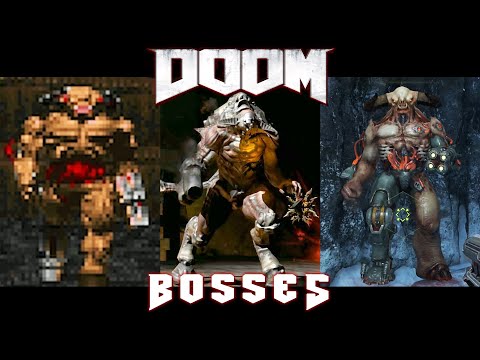
DOOM's Boss Arsenal: Every Fiend from 1993 to Eternal's Fury

What’s up, fellow slayers! Ever wondered just how many grotesque, soul-crushing bosses the DOOM franchise has thrown at us since its inception? From the pixelated nightmares of the 90s to the hyper-violent ballet of *DOOM Eternal*, we've been on a relentless mission to chainsaw, BFG, and shotgun our way through Hell itself. This isn't just a kill count; it's a deep dive into the evolution of DOOM's most formidable foes. Get ready, because we're about to revisit every single boss encounter that has tested our skills and sanity across the entirety of the main shooter series.

DOOM (1993): The Genesis of Boss Fights

The OG. When you think of DOOM, you think of the UAC bases overrun by demons. But who stands at the top of that infernal food chain? The first true boss encounter was the **Baron of Hell** in Episode 1. While later games would introduce more elaborate boss mechanics, the Baron’s sheer aggression and powerful projectiles made it a significant hurdle. Then came **Sargassos** in Episode 2, a hulking demon that required strategic use of the environment and heavy weaponry. But the true final challenge of the original *DOOM* was **The Spider Mastermind** in Episode 3. This massive, cybernetic arachnid spitting projectiles was the ultimate gatekeeper, forcing players to master movement and weapon switching to survive. These early bosses established the core DNA of what a DOOM boss should be: a test of endurance and raw firepower.
The sheer impact of these encounters in 1993 cannot be overstated. They were the defining moments that separated casual play from true demon-slaying mastery.

DOOM II: Hell on Earth: More Demons, Bigger Threats

id Software cranked up the difficulty and the demonic presence in *DOOM II*. We saw the return of familiar faces, but the new additions were truly terrifying. The **Hell Knight** became a common, yet still dangerous, mid-tier enemy. However, the true star of *DOOM II*'s boss roster was the **Cyberdemon**. This resurrected demon, now augmented with mechanical parts and wielding a rocket launcher arm, was a relentless force. Its sheer size and devastating attacks made it arguably the most iconic boss fight of the original saga. Fighting it in tight corridors, trying to dodge its rockets while landing headshots with the Super Shotgun, was peak DOOM. Unlike the original, *DOOM II* didn't feature as many distinct "final" boss encounters per episode, opting instead for a more continuous onslaught where bosses like the Cyberdemon and the ubiquitous **Baron of Hell** served as recurring major threats.

DOOM 64: The N64's Dark Lord

id Software and Midway took DOOM to a darker, more atmospheric place with *DOOM 64*. This title introduced a unique boss progression. While many enemies returned, the bosses felt more integrated into the unsettling atmosphere. The **Mother Demon**, for instance, was a grotesque, multi-stage encounter that felt truly alien and terrifying. The true culmination of *DOOM 64*'s challenge arrived with **The Chaos** – essentially a souped-up Cyberdemon, but with a more menacing design and relentless attack patterns that leveraged the N64's capabilities. The final boss, **The Unholy Triad**, presented a unique three-headed Cerberus-like demon that required precise targeting and constant evasion, offering a distinct challenge compared to its PC predecessors. This game proved that boss design could evolve beyond pure firepower, incorporating environmental hazards and unique attack phases.

DOOM 3: A Horror Reimagining

*DOOM 3* took a sharp turn, leaning heavily into survival horror. The bosses reflected this shift, becoming more about atmosphere and limited resources than straightforward slugfests. The **Helltime**, a grotesque amalgamation of bodies, served as a formidable early boss. The **Cyberdemon** returned, reimagined as a hulking, terrifying beast in a claustrophobic arena, forcing players to manage ammo and health carefully. But the most memorable boss fight in *DOOM 3* was arguably **Sarge**. This possessed Marine was a jarring, personal encounter, a dark reflection of the player's own struggle. The expansion, *Resurrection of Evil*, introduced the **Shadow**, a spectral boss that required using a special weapon to make it corporeal before it could be damaged, showcasing a more tactical approach to boss encounters.
The horror elements in DOOM 3 meant bosses weren't just bullet sponges; they were psychological trials that amplified the game's dread.

DOOM (2016): The Slayer's Glorious Return

*DOOM (2016)* brought the franchise roaring back with the speed and brutality fans remembered. The boss design was revitalized, blending classic elements with modern mechanics. The **Wretch**, a smaller demon tormenting Hell Knights, was an interesting early encounter. Then came the **Hell Guards**, a trio of heavily armored demons requiring precise **Glory Kills** to expose weak points. The **Cyberdemon** made another spectacular return, a true behemoth that demanded mastery of the new combat loop – dash, shoot, glory kill, repeat. But the ultimate test was **Olivia Pierce**, the possessed Argent D'Nur leader, a spectacular, multi-phase battle that served as the ultimate payoff. This game truly embraced the "combat puzzle" aspect of boss fights, rewarding aggression and strategic use of the entire arsenal. Finding the right **strats** for these encounters was key to achieving a good **PB**.

DOOM Eternal: The Ultimate Test of Skill

If *DOOM (2016)* was a comeback, *DOOM Eternal* was a full-blown demonic invasion of pure skill-based combat. The boss encounters were elevated to an art form, each demanding a unique approach and perfect execution. Early on, you face the **Doom Hunter**, a challenging duo requiring you to prioritize their shields and ranged attacks. The **Marauder** became infamous, a duel of parries and precise shots that tested players like never before – a true test of reflexes and timing, often seen as a mini-boss that could ruin a speedrun attempt if not handled correctly. Then there's the **Gladiator**, a brutal, multi-phase fight that requires perfect timing on dodges and targeted attacks. Finally, the ultimate boss: **The Khan Maykr**. This celestial being offered a massive, arena-spanning battle that incorporated aerial combat and resource management on an epic scale. *DOOM Eternal* truly redefined what a boss fight could be in a first-person shooter.
Mastering the Marauder is essential for any serious speedrunner aiming for a good PB or WR in DOOM Eternal. His timing is everything!

The Ancient Gods DLC: Pushing the Limits

The expansions for *DOOM Eternal*, *The Ancient Gods – Part One* and *Part Two*, didn't just add new levels; they introduced some of the most challenging boss encounters yet. *Part One* brought us **The World Spear**, a colossal serpentine entity, and the **Samur Maykr**, a celestial being with formidable powers. *Part Two* culminated in the epic confrontation with **The Khan Maykr** and, most significantly, the return of the **Serpent Hunter**, offering a final, brutal test of the Slayer's mastery. These DLC bosses were designed to push even experienced players to their limits, requiring refined **strats** and perfect execution, especially for those attempting low-health runs or speed completions. The enemy updates in 2021 provided crucial insights for tackling these final challenges.

(Enemy-Updates 2021 for "The Ancient Gods"-DLCs: https://youtu.be/Dq1ScHLB_wE https://youtu.be/tUk3imchjP0)

From the iconic Cyberdemon to the deceptively difficult Marauder, DOOM's bosses have always been central to its identity. Each iteration has offered unique challenges, forcing players to adapt, learn patterns, and ultimately, unleash hell. Whether you're a casual player or a dedicated speedrunner chasing that perfect #WR, these encounters are what make the DOOM series legendary.

Frequently Asked Questions

What is the hardest boss in DOOM history?

This is subjective and depends on the player's skill level and playstyle. However, many speedrunners and players consider the **Marauder** in DOOM Eternal to be one of the most challenging due to its strict timing requirements and unforgiving attack patterns. The Cyberdemon and Khan Maykr also rank high for many.

Are the DOOM RPG games considered part of the main boss progression?

No, the DOOM RPG titles for mobile devices feature turn-based combat and are generally not included when discussing the main boss encounters of the shooter series. Their gameplay mechanics differ significantly from the core franchise.

Which boss appears most frequently across the DOOM games?

The **Cyberdemon** and the **Baron of Hell** are the most iconic and frequently appearing major demonic threats throughout the DOOM franchise, acting as recurring boss encounters or elite enemies.

How do speedrunners approach DOOM bosses?

Speedrunners develop highly optimized strategies, often called 'strats', for each boss. This involves precise movement, optimal weapon switching, exploiting AI behavior, and sometimes specific item usage or environmental interactions to defeat bosses as quickly as possible, aiming for a new PB or #WR.

Did we miss any boss that you think deserves a spot on this list? Which demonic foe gave you the most trouble? Let us know in the comments below! Join our Discord channel to discuss strategies, share your best runs, and connect with fellow demon-slayers!

The Ultimate Speedrunning Journey: A Deep Dive into Ninja Gaiden World Records

Introduction: The Thrill of the Run

Hello, fellow gamers and speedrunning enthusiasts! Welcome to GamingSpeedrun.com, your ultimate hub for all things hardcore gaming. Today, we're diving deep into the legendary world of Ninja Gaiden and tracing the evolution of its world records. From the arcade to modern consoles, Ryu Hayabusa's journey has been a masterclass in precision, skill, and lightning-fast reflexes.
We'll be looking back at how the game's speedrunning scene has developed, the insane strats that have been discovered, and the runners who have pushed the boundaries of what's possible. Get ready to witness history unfold at breakneck speed! This is more than just a game; it's a legacy of perseverance.

The Early Days: Birth of a Legend

The Ninja Gaiden saga, known in Japan as Ninja Ryūkenden, first burst onto the scene in the mid-1980s. The original arcade game in 1988 set the stage, but it was the Nintendo Entertainment System (NES) release in 1988 (1989 in North America) that truly cemented its place in gaming history. This 8-bit masterpiece introduced the world to Ryu Hayabusa, a ninja of unparalleled skill, and its notoriously difficult gameplay.

In my experience, the NES version was the true genesis of the speedrunning challenge for Ninja Gaiden. Its unforgiving platforming and enemy placement demanded absolute perfection.

The initial discoveries in the early days of speedrunning focused on basic route optimization and minimizing deaths. Given the game's difficulty, simply completing it without losing a life was an achievement, let alone optimizing for time. Early runners spent countless hours memorizing enemy patterns and finding the quickest paths through the notoriously challenging levels.

NES Era Dominance: The Ryu Hayabusa Legacy

The NES version of Ninja Gaiden is infamous for its difficulty. Enemies swarm you, projectiles fill the screen, and those infamous birds... oh, those birds! Mastering this game for a speedrun requires an almost superhuman level of precision and muscle memory.
The sheer memorization required for the NES Ninja Gaiden is astounding. Every jump, every swipe of the Dragon Sword, has to be perfect.
During this era, the focus was heavily on route planning and execution. Runners would discover small optimizations, like the precise timing needed to jump over specific enemy groups or the optimal sequence of attacks to defeat bosses quickly. The concept of "skips" or major glitches was less prevalent in the early days, with runners largely sticking to the intended game mechanics but executing them flawlessly. Establishing a solid WR on the NES version was a badge of honor, signaling true mastery. This period laid the groundwork for the competitive speedrunning scene we see today, proving that even the most challenging games could be conquered. It’s a testament to the dedication of the early #gamer community.

Genesis and Beyond: Expanding the Gaiden Universe

While the NES trilogy (Ninja Gaiden, Ninja Gaiden II: The Dark Sword of Chaos, and Ninja Gaiden III: The Ancient Ship of Doom) remains iconic, the series continued to evolve. The move to other platforms brought new challenges and opportunities for speedrunners. Games like Ninja Gaiden on the Sega Genesis (released as Revenge of Shinobi in some regions, though a distinct game) offered different mechanics and level designs. This diversification meant that speedrunning strategies had to adapt. While the core principles of optimization and execution remained, new routes and techniques specific to each game's engine and design came into play. The community began to segment, with specialists focusing on particular entries in the franchise. Each new game brought a fresh wave of discovery, encouraging runners to explore every nook and cranny for time-saving opportunities. The pursuit of a new PB (Personal Best) became a driving force for many.

The Modern Renaissance: Ninja Gaiden Sigma and Black

The early 2000s saw a massive resurgence for the franchise with the release of Ninja Gaiden (2004) on the Xbox, later re-released as Ninja Gaiden Black, and then the PlayStation 3 title, Ninja Gaiden Sigma. These games represented a significant leap in graphics, gameplay complexity, and, crucially for speedrunners, new mechanics and possibilities. The 3D era introduced more complex combat systems, longer levels, and a vast array of weapons and magic. This complexity opened the door for incredibly intricate strats. Runners discovered ways to chain combos for maximum damage output, utilize environmental elements for movement advantages, and, of course, exploit unforeseen glitches.
The combat in the modern Ninja Gaiden games is so deep that finding the fastest kill combos for bosses became a sub-game within the speedrun itself.
Speedrunning in this era became a highly technical discipline. Runners like "Flying_Myth" and others pushed the boundaries, setting incredible WRs by meticulously planning and executing complex sequences. The introduction of new characters in the Sigma series (like Ayane and Rachel) also added new categories for speedruns, further expanding the competitive landscape. The race for the fastest time in Ninja Gaiden Black and Sigma became a cornerstone of the franchise's speedrunning community.

The Master Collection and the Future of Gaiden Speedruns

The release of Ninja Gaiden: Master Collection in 2021 brought the classic 3D titles (Ninja Gaiden Sigma, Ninja Gaiden: Dragon Sword, and Ninja Gaiden II) back to modern platforms. This brought renewed interest and a fresh wave of runners to the series. While the core gameplay remains the same, platform differences, minor bug fixes, or optimizations can lead to new discoveries.
The speedrunning community is always vigilant, analyzing every frame and every mechanic. Even on re-releases, new techniques or slight variations in execution can shave off precious seconds. We might see new glitches discovered or existing strats refined. The ongoing pursuit of the ultimate WR continues, fueled by the passion of the dedicated #speedrun players. The future of Ninja Gaiden speedruns looks as exciting as ever, with the potential for even faster times and more ingenious discoveries.

Key Strategies and Glitches

Across the various Ninja Gaiden titles, certain strategies and glitches have become staples in the speedrunning community: * Wall Clipping: In many 3D titles, precise movements and attacks can allow Ryu to clip through certain walls or geometry, enabling massive shortcuts. This often requires specific enemy placements or environmental setups. * Damage Cancelling: Techniques that allow players to cancel the animation of taking damage to perform another action immediately, maintaining momentum or attack chains. * Boss Stunlocks/Fast Kills: Discovering specific combos or weapon uses that can stun-lock bosses or defeat them in a fraction of the time it would normally take. This is particularly relevant in games like Ninja Gaiden Black. * Movement Tech: Mastering advanced movement options like infinite dashes, specific jump timings, or aerial maneuvers to traverse levels faster than intended. For instance, the "Windmill Shuriken" strategy in the NES version involves precise usage of projectiles to maintain momentum. * Route Optimization: The most fundamental strategy. This involves memorizing the fastest path through each level, deciding which enemies to fight, which to skip, and the optimal order of objectives.

Hotarubi and Ohon were instrumental in developing some of the most mind-bending movement strats we see today. Their contributions are a huge part of the Ninja Gaiden speedrunning history.

The discovery and refinement of these techniques are what make watching speedruns so captivating. It's a constant battle between the developers' intended design and the players' ingenuity.

Community Heroes and Record Breakers

The history of Ninja Gaiden speedruns is intrinsically linked to the dedicated individuals who pushed its limits. While specific records are constantly changing, certain names have become synonymous with excellence in the franchise: * Summoning Salt: Though not a runner himself, Summoning Salt's meticulously researched documentaries on the history of various game speedruns, including Ninja Gaiden, have introduced countless people to the scene and highlighted the dedication of top runners. * Flying_Myth: A prominent figure in the 3D Ninja Gaiden (Xbox/PS3) speedrunning community, known for incredible execution and discovery of advanced techniques. * Many Others: Countless other runners on platforms like speedrun.com continuously compete for the top spots across all categories and titles. Their dedication keeps the spirit of competition alive. These runners, through sheer dedication and thousands of hours of practice, have achieved feats that seem impossible to the casual observer. They are the true heroes of the #speedrunning world, constantly striving for that elusive #WR.

Frequently Asked Questions

What is the fastest known Ninja Gaiden game to speedrun?

The speed of a run often depends on the category (e.g., Any%, 100%, Glitchless). However, entries like Ninja Gaiden II (Xbox 360) or specific categories within the 3D titles are generally considered faster due to aggressive combat mechanics and potential for major sequence breaks or skips. The NES version, while iconic, is considerably longer due to its deliberate pacing and difficulty.

Are there major glitches used in Ninja Gaiden speedruns?

Yes, absolutely. Depending on the specific game and category, runners utilize various glitches such as wall clipping, out-of-bounds exploits, and animation cancels to save significant time. For example, wall clipping is a common technique in the 3D iterations.

Where can I find the latest Ninja Gaiden speedrun records?

The best place to find the most up-to-date world records for all Ninja Gaiden games is typically on speedrun.com. They maintain leaderboards for various games and categories, often with video proof.

What does 'RNG' mean in speedrunning?

RNG stands for "Random Number Generator." In speedrunning, it refers to the random elements within a game, such as enemy spawns, item drops, or attack patterns. Runners often strategize to mitigate bad RNG or manipulate it to their advantage, as unpredictable RNG can significantly impact run times.

Join the Speedrunning Dojo!

The legacy of Ninja Gaiden is one of challenge, mastery, and incredible feats of skill. Whether you're a seasoned veteran chasing a new PB or a newcomer curious about the lightning-fast world of speedruns, there's always something new to discover. The community is constantly evolving, finding new tricks and pushing the boundaries. What are your favorite Ninja Gaiden moments or speedrunning strategies? Did we miss any crucial record-breaking moments? Let us know in the comments below! And if you're ready to test your skills, consider joining our Discord server. We're always looking for fellow hardcore gamers to share their passion and discoveries. Keep practicing, keep running, and may your Dragon Sword always find its mark! speedrun speedrunning Ninja Gaiden WR gaming gamer strats

Doom (2016) Ultra-Nightmare: The World's First Full Playthrough - A Masterclass in Survival

Welcome, fellow demon slayers and speedrunning enthusiasts, to GamingSpeedrun.com! Today, we're diving deep into a legendary feat: the world's first full playthrough of Doom (2016) on the unforgiving Ultra-Nightmare difficulty. This isn't just a casual playthrough; it's a single-segment run where every single death means starting from scratch. Imagine the sheer nerve and precision required to tackle id Software's brutal campaign without a single mistake. This run, completed shortly after the game's release, stands as a testament to what's possible when skill, patience, and a little bit of luck converge.

The Ultra-Nightmare Gauntlet

Tackling Doom (2016) on Ultra-Nightmare is a different beast entirely. The developer's note confirms that it mirrors the challenge of a single-segment speedrun on Nightmare, meaning one death and it's game over. This player achieved the monumental task of being the first to see the credits roll under these brutal conditions post-release. The clock in the video at the end shows a playtime of 5/14/2016 8:50:48 PM, pinpointing the exact moment this historic run concluded.

A Runner's Perspective

Speaking directly from the experience, the runner notes that they played the game on low settings with a minimal Field of View (FOV). This is a crucial detail for anyone aiming to replicate or understand the run. If you're curious about how the game looks with higher fidelity, you'd be better off checking out other videos.

"I run the game on low settings with minimal FOV, so I would recommend a different video if you are curious how it looks at better settings."

This self-awareness about the presentation is typical of a dedicated runner who prioritizes performance and completion over visual flair. It’s all about hitting the frames, managing resources, and surviving the onslaught.

The Visual Compromise

The decision to play on low settings and a restricted FOV is a strategic one. In high-pressure situations, especially during an intense speedrunning attempt, maximizing frame rates and minimizing visual clutter can be paramount. A higher FOV, while immersive, can sometimes obscure crucial enemy movements or environmental details at the periphery. Lowering settings ensures the system can keep up, preventing any stuttering that could lead to a fatal error.

Moments of Near-Peril

The sheer length of this run – almost 4 hours and 45 minutes – is mind-boggling. It's an endurance test as much as a skill test. The runner admits that towards the end, fatigue certainly set in. This exhaustion likely contributed to why some secrets were left untouched. Collecting every item, especially when a single mistake resets hours of progress, isn't always the primary goal for a survival-focused run. The priority is survival and completion, not necessarily 100%.

Runes, Weapons, and Playstyle

The runner highlights a key strategic element: the runes that grant infinite ammo when armor is at 100 (or 75). This is a game-changer, especially on higher difficulties. On a first playthrough, these might not be as crucial or as accessible, but for a marathon run like this, they allow for more aggressive play and resource management, enabling the player to maintain distance or simplify difficult encounters.

The intense pressure of a 4+ hour run where death means starting over fundamentally alters one's playstyle. Every decision is magnified. The runner deliberately avoids over-explaining their choices, understanding that different players will develop unique strats and preferences. What works for one might not work for another.

"Also when you are 4+ hours in and death means you have to do it all over again, it changes your playstyle."

The 100% Question

The absence of a 100% completion might deter some, but for this particular achievement – the first Ultra-Nightmare completion – it’s perfectly understandable. The runner explicitly states that 100% runs aren't their "kind of thing." This leaves the door open for other dedicated players to tackle the challenge of a perfect, all-secrets-collected playthrough.

The Specter of the Final Boss

Perhaps the most agonizing moment for any Ultra-Nightmare player is the approach to the final boss. This runner experienced this dread firsthand, dying just before the final encounter in a previous, unrecorded attempt. The video even offers a fleeting glimpse of their helmet – a visual cue of that near-disaster at the 4:35:20 mark. While disappointing, the lack of practice on the final boss means they aren't overly disheartened. It's a stark reminder that even the best players can falter at the final hurdle, especially when so much is on the line.

"Had some moments where I should have died late in this run too, but sometimes you get lucky!"

Luck does play a role, even in the most skill-based challenges. Those moments of RNG (Random Number Generation) going your way can be the difference between success and starting over.

Kudos to id Software

The runner expresses immense gratitude to id Software for crafting such an engaging campaign. The sentiment is clear: Doom (2016) is an incredibly fun game, and they highly recommend it to anyone looking for a visceral and satisfying shooter experience. This appreciation for the source material is a hallmark of true gamer passion.

Exploring Different Approaches

Intrigued by the pursuit of perfection on Ultra-Nightmare but perhaps not ready for the full commitment of a no-upgrades run? The runner provides a link to an alternative playthrough featuring higher settings and an FOV of 105, without using any upgrades: youtu.be/RR1G05e0bjs. This offers a different perspective on tackling the game's challenges.

This world-first run on Doom (2016) Ultra-Nightmare is more than just a video; it's a piece of gaming history. It showcases incredible dedication, mastery of the game's mechanics, and the sheer willpower to overcome one of the toughest challenges in modern gaming. It’s a true inspiration for anyone interested in gaming, speedruns, and the relentless pursuit of perfection.

Frequently Asked Questions

What is Ultra-Nightmare difficulty in Doom (2016)?

Ultra-Nightmare is the highest difficulty setting in Doom (2016). It combines the enemy aggression and damage of Nightmare difficulty with the permadeath mechanic, meaning if you die even once, you must restart the entire game from the beginning.

Why did the runner use low graphical settings?

The runner opted for low settings and a minimal FOV to maximize frame rates and ensure smooth performance, crucial for avoiding any technical hitches during a long and demanding speedrun attempt. This prioritizes gameplay stability over visual fidelity.

Is it possible to do a 100% run on Ultra-Nightmare?

While the runner of this specific world record did not aim for 100% completion, it is theoretically possible. However, it would require an extraordinary level of skill, patience, and near-perfect execution to collect all items and secrets without dying.

How long did the world's first Ultra-Nightmare playthrough take?

The playthrough lasted nearly 4 hours and 45 minutes, highlighting the immense time commitment and endurance required for such a challenge.

What makes this run a "World First"?

This run is considered the "World First" because it was the first documented instance of a player successfully completing the entire Doom (2016) campaign on Ultra-Nightmare difficulty from start to finish in a single segment after the game's release.

This legendary run serves as a beacon for the speedrunning community and a testament to the enduring appeal of Doom (2016). What are your thoughts on this incredible achievement? Did you attempt Ultra-Nightmare yourself? Share your experiences and strategies in the comments below! Join our Discord to discuss this and other hardcore gaming challenges.