Unraveling the Past: A Deep Dive into The Secret of Monkey Island Speedrun History

Hey speedrunning aficionados and Monkey Island fans! Ever wondered about the journey of becoming the fastest pirate-wannabe in the Caribbean? The Secret of Monkey Island, a timeless point-and-click adventure, has a surprisingly rich and evolving history when it comes to speedruns. It's not just about finishing the game; it's about mastering every pixel, every dialogue option, and every pixel-perfect movement to shave off precious seconds. Today, we're diving deep into that history, exploring the evolution of strategies, the dedication of runners, and how this classic game continues to challenge the speedrunning community.

The Genesis of Monkey Island Speedruns

When you think of speedrunning, games like Super Mario 64 or Ocarina of Time often come to mind. However, adventure games, with their often linear progression and dialogue-heavy nature, present a unique set of challenges and opportunities for speedrunners. The Secret of Monkey Island, originally released in 1990, wasn't initially conceived as a speedgame. Yet, as the speedrunning community grew and honed its skills, even the most narrative-driven titles found their place on the leaderboards. The journey of Monkey Island speedruns is a testament to the ingenuity and persistence of players who refuse to accept the game's intended pace.

The early days of speedrunning this title were marked by a different approach. Without the advanced knowledge of glitches and sequence breaks that runners possess today, the focus was on efficient pathing through the game's puzzles and dialogues. It was a slower, more methodical era, but it laid the groundwork for everything that followed.

Early Days and Initial Discoveries

The advent of emulators and community platforms like speedrun.com really kicked things into high gear for classic adventure games. For The Secret of Monkey Island, early runners began by meticulously timing their playthroughs, focusing on optimizing movement and dialogue choices. The goal was simple: get from the opening scene on the docks of Mêlée Island™ to becoming a pirate in no time flat.

One of the initial hurdles was simply understanding how to navigate the game's engine efficiently. Many discovered that rapid clicking, precise cursor placement, and understanding which dialogue trees could be skipped or abbreviated were crucial. The "Ultimate Talkie Edition," with its modern engine, also provided a more stable platform for runs, though purists often debated the merits of using different versions.

"The early runs were more about brute force optimization. We didn't have the deep understanding of the game's code that we do now. It was trial and error, and a lot of watching what others did."

Runners like aWay0fLife and frozenspade were pioneers in this era, publishing early attempts that, by today's standards, seem slow but were groundbreaking at the time. Their dedication, shared on platforms like YouTube, inspired a new wave of players to pick up the torch.

Glitches, Skips, and Strat Evolution

As the community delved deeper, the hunt for exploits began. Adventure game engines, especially older ones, are often riddled with obscure bugs and behaviors that can be manipulated for massive time saves. For Monkey Island, this meant looking for ways to skip entire sections of the game or bypass complex puzzles.

One of the key areas of exploration was menu manipulation and inventory tricks. Certain actions, when performed in a specific order or at precise moments, could cause the game to behave unexpectedly, leading to skips. For instance, manipulating the SCUMM engine's internal timers or triggering specific scene transitions in unintended ways could shave minutes off a run. The concept of "RNG manipulation" also plays a role, although it's less about random number generation in the traditional sense and more about controlling specific in-game events that have a degree of randomness.

LeoLitz, a prominent runner, is often credited with developing and popularizing many of the advanced strategies that define modern Monkey Island speedruns. His video guides, like the one mentioned, showcase intricate knowledge of the game's mechanics, including:

  • Pixel-Perfect Movement: Minimizing travel time by walking along the absolute shortest paths.
  • Dialogue Exploits: Identifying dialogue options that advance the plot fastest, sometimes even skipping animations.
  • Inventory Glitches: Using items in non-intended sequences to trigger events or bypass puzzle requirements.
  • Scene Transition Manipulation: Exploiting how the game loads new areas to perform actions faster than intended.
"The evolution of strats in Monkey Island speedruns is fascinating. What was once a 40-minute run is now under 20 minutes, all thanks to discovering hidden mechanics and pushing the engine to its absolute limits."

The pursuit of these strats is what keeps the competitive edge alive. Runners constantly analyze each other's runs, looking for even the smallest inefficiency to exploit. This collaborative yet competitive environment is a hallmark of the speedrun community.

Tool-Assisted Runs vs. Real-Time

It's important to distinguish between Tool-Assisted Speedruns (TAS) and real-time runs. TAS runs utilize emulator features like save states and frame-by-frame manipulation to achieve seemingly impossible feats. While valuable for demonstrating theoretical best times and discovering new strategies, they are not what most runners compete in for traditional leaderboards.

The "real-time" category, often referred to as RTA (Real-Time Attack), is what you'll find on platforms like speedrun.com. This is where players using standard controllers or keyboards race against the clock, facing the full challenge of execution and nerves. For The Secret of Monkey Island, the difference between a top-tier TAS and an RTA world record can be significant, highlighting the sheer difficulty of replicating perfect execution under live conditions.

"The beauty of RTA is the human element. The sweat, the close calls, the moments where you think you've lost the run but pull it back – that's what makes it thrilling to watch and participate in."

The community generally respects both forms of speedrunning, but the emphasis for competitive play remains on RTA. It represents the pinnacle of human skill and dedication.

Community Contributions and Legacy

The history of Monkey Island speedruns is not just about individual records; it's a story of a passionate community. The runners mentioned earlier, along with countless others like MilkToast / AmigaRuns, thewoofs, and UrQuan, have all contributed significantly. Their willingness to share knowledge, create guides, and push the boundaries of what's possible has fostered a vibrant environment.

Discord channels, forums, and Twitch streams serve as hubs for this community. Runners collaborate on new strategies, analyze glitches, and offer support to one another. This shared passion extends beyond just the speedruns themselves, often encompassing appreciation for the game's humor, story, and artistic design. The involvement of content creators who produce documentaries or guides, like Space Quest Historian, further cements the game's legacy within the broader gaming and speedrunning cultures.

Even years after its release, The Secret of Monkey Island continues to captivate players. Its speedrun history is a testament to its enduring appeal and the remarkable dedication of its player base. Whether you're a seasoned speedrunner or a curious newcomer, exploring the world of Monkey Island speedruns offers a fascinating glimpse into the depths of game mastery.

Frequently Asked Questions

Q1: What is the current world record for The Secret of Monkey Island?
A1: World records change frequently! For the most up-to-date information, always check the leaderboards on speedrun.com. The specific category (e.g., Any%, 100%) will also affect the record time.

Q2: Is it possible to speedrun the original DOS version of Monkey Island?
A2: Yes, speedruns exist for various versions, including the original DOS release, the VGA version, and the "Ultimate Talkie Edition." Each version might have slightly different glitches or timing, leading to unique strategies.

Q3: Are there any major glitches that skip large portions of the game?
A3: Absolutely. Runners have discovered various sequence breaks and glitches within the SCUMM engine that allow them to bypass puzzles or entire game segments, drastically reducing the overall time.

Q4: How do I get started with speedrunning The Secret of Monkey Island?
A4: Start by watching current world record runs and tutorials (like LeoLitz's guide!). Join community Discords, practice the basic movement and dialogue skips, and gradually work your way up to more complex strategies. Patience and persistence are key!

Q5: What is the difference between Any% and 100% speedruns for this game?
A5: Any% means finishing the game as quickly as possible, regardless of what you collect or achieve. 100% means completing the game while fulfilling all objectives or collecting all possible items, which is significantly longer and more complex.

The legacy of The Secret of Monkey Island speedruns continues to grow. Every new record, every discovered glitch, adds another chapter to its storied history. What are your favorite Monkey Island speedrun moments? Did you discover any hidden strats yourself? Let us know in the comments below, or join the discussion on our GamingSpeedrun Discord server!

The M&M's Kart Racing WR: 755 Days and Still Standing – Bounty Included!

Hey speedrunning fanatics and gamers of the internet! Ever wondered what it feels like to hold a speedrun world record for over two years? Well, Storsterr knows, and they're practically begging someone to take it from them! On May 3rd, 2020, a blistering record was set in M&M's Kart Racing. As of the upload of this very content (May 27, 2022), that record has stood for an incredible 755 days. But here's the kicker: it's now a 4-way tie, making the "record" status even more fascinating. Storsterr isn't just proud; they're offering a cool $100 bounty to the first person who can officially beat this legendary time. Yes, you read that right – a literal bounty on a WR!

Understanding the M&M's Kart Racing Record

M&M's Kart Racing might not be the first game that springs to mind when you think of intense speedrunning, but that's part of its charm. This gem, likely found on older PC platforms or even emulated, holds a special place for those who love obscure gaming challenges. The current world record, established by Storsterr, represents the pinnacle of optimized gameplay for this title. It signifies countless hours of practice, meticulous route planning, and near-perfect execution.

When a record like this stands for so long, it usually means one of a few things: the skill ceiling is incredibly high, the RNG (Random Number Generation) required is exceptionally difficult to manipulate, or the player who set it is just *that* good. In the case of M&M's Kart Racing, it’s likely a combination of all three.

The fact that it's now a 4-way tie adds a whole new layer of intrigue. It means that at least three other runners have matched Storsterr's feat, yet none have managed to surpass it. This isn't just a record; it's a mountain that many have reached the summit of, but no one has climbed higher.

The Challenge and the Bounty

Storsterr isn't just setting a record; they're actively encouraging competition. The $100 bounty is a bold move, signaling a genuine desire to see the speedrun community push the boundaries of M&M's Kart Racing. This isn't about ego; it's about fostering excitement and progression in a niche title.

If you think you have what it takes, the challenge is laid bare. You can find the official M&M Kart Racing World Record History Spreadsheet to see the exact times and nuances of the current records. This is your roadmap, your blueprint for potential glory. The bounty isn't just money; it's bragging rights, a testament to your skill and dedication.

For those looking to support Storsterr directly, beyond the thrill of the chase, there are multiple avenues. You can check out their Patreon for exclusive perks, or use their direct tipping links. Every bit of support fuels the creators who bring us these amazing gaming moments.

Strategies for the Kart Track

While specific M&M's Kart Racing speedrun strategies are often closely guarded secrets or require deep dives into glitches and skips, we can infer some general principles that likely apply. Precision driving is paramount. Every turn, every drift, every boost pad needs to be utilized with maximum efficiency.

Expect that top runners have analyzed each track down to the frame. This might involve:

  • Optimal Pathing: Finding the absolute shortest and fastest route, even if it means taking risky shortcuts.
  • Item Management: If items are a factor, learning when to use them offensively or defensively to gain an advantage or prevent opponents from gaining one.
  • Boost Utilization: Mastering the timing and execution of any boost mechanics within the game. This could involve drift boosts, power-up boosts, or exploiting environmental elements.
  • Glitch Exploitation (Potentially): Many speedruns rely on unintended game mechanics or glitches. Discovering and mastering these "skips" or "tricks" can shave off crucial seconds. Whether M&M's Kart Racing has game-breaking glitches is something the community likely discovered through extensive play.
The difference between a good run and a world record often comes down to perfecting those micro-optimizations that seem insignificant but add up over an entire race.

RNG and the Grind

As with many speedrunning categories, especially in older or less competitive games, RNG can play a significant role. This could manifest in item drops, enemy patterns, or even the very physics of the game.

A true speedrun attempt isn't just about executing the strategy; it's about getting the "god run" – the instance where all the random elements align perfectly in your favor. This means runners often have to:

  • Grind for Good Starts: Resetting the run repeatedly until the initial moments are favorable.
  • Adapt on the Fly: Reacting to unexpected RNG outcomes without losing composure or precious time.
  • Understand Probabilities: Knowing the likelihood of certain beneficial events occurring.

The 755-day reign of this record, even as a tie, speaks volumes about the difficulty of achieving that perfect blend of skill and luck. It's a testament to the dedication required in the speedrun community, where patience is as crucial as reflexes.

Storsterr's Journey

Storsterr's dedication to M&M's Kart Racing is clear. Setting such a long-standing record requires immense passion and resilience. Their willingness to put up a bounty shows a commitment not just to their own achievements, but to the growth of the game's community and the broader speedrunning scene.

They actively engage with their audience through platforms like Twitch, Discord, and Twitter. This transparency and community interaction are vital. It allows aspiring runners to learn, ask questions, and feel connected to the pursuit of the record. Their second channel and TikTok presence further cement their commitment to content creation around their passion.

The journey of a speedrunner is often a lonely one, filled with repetitive practice and self-doubt. Seeing creators like Storsterr share their passion and even incentivize new challengers makes the whole endeavor more vibrant and exciting.

Community and Support

The links provided paint a picture of a creator deeply invested in their community. The dedicated M&M Kart Racing Discord is a hub for fans and aspiring runners to connect. It's where strategies are likely discussed, runs are shared, and the chase for the record continues.

Supporting creators like Storsterr is what keeps niche communities alive and thriving. Whether it's through direct donations, subscribing on streaming platforms, or simply engaging with their content, your support makes a tangible difference. It enables them to dedicate more time to mastering games, producing videos, and fostering the very communities we love to be a part of.

Don't forget to check out their music credits too! The use of original game tracks and remixes like the "Shuric Scan Sonic CD Remix" by RJ ZaskerF adds another layer of appreciation for the effort put into the video presentation. It's these details that elevate a simple record showcase into a true fan experience.

FAQ

Here are some common questions about the M&M's Kart Racing record and Storsterr's challenge:

  • What is the current world record for M&M's Kart Racing?
    As of May 27, 2022, the record is a 4-way tie, held for 755 days since its initial set date on May 3rd, 2020. The exact times can be found on the community spreadsheet.
  • Who holds the record?
    The record was originally set by Storsterr, and it is currently tied among multiple runners, including Storsterr.
  • Is there a bounty for beating the record?
    Yes, Storsterr is offering a $100 bounty to the first person who can officially beat the current world record time.
  • Where can I find the rules and verification for the speedrun?
    The M&M Kart Racing World Record History Spreadsheet (linked in the article) is the best place to find information on rules, times, and potentially verification methods.
  • How can I support Storsterr?
    You can support Storsterr through their Patreon, direct tipping links, and by engaging with their content on platforms like Twitch and YouTube.

So, are you ready to take on the M&M's Kart Racing WR and claim that $100 bounty? Dive into the game, analyze the routes, practice those drifts, and maybe, just maybe, you'll be the one to finally unseat this long-standing record. Let us know in the comments below if you're attempting the run or if you have any strategies to share! Join our Discord to discuss all things speedrun and gaming!

Blood Speedrun (Any% Episode 2): Shattering the 2:52 Barrier!

What's up, speedrunners! Ever dreamt of shaving those precious seconds off your runs? Today, we're diving deep into the adrenaline-pumping world of the Blood Speedrun, specifically the Any% category for Episode 2. We're talking about a blistering 2:52, a time that demands pixel-perfect execution and a deep understanding of every trick in the book. If you're looking to not just play, but *master* Blood, you've come to the right place. This isn't just about a new record; it's about unlocking the secrets that make such insane times possible.

Introduction to the Run

The world of speedrunning is a relentless pursuit of perfection. In Blood, a game known for its dark atmosphere and challenging combat, achieving a sub-3-minute run in Episode 2 of the Any% category is a monumental feat. This 2:52 time isn't just a number; it's a testament to countless hours of practice, route optimization, and a deep dive into the game's mechanics. For any aspiring gamer looking to climb the leaderboards on speedrun.com, understanding the intricacies of this particular record is crucial. It’s about finding those infinitesimally small optimizations that, when added up, make the difference between a good run and a legendary one.

Understanding Any% in Blood

In the speedrun community, "Any%" is the most common category. The objective is simple: beat the game, or in this case, a specific level or episode, as fast as possible, using any means necessary. This includes glitches, exploits, and any unintended behavior within the game's code. For Blood's Episode 2, this means bypassing as much combat as possible, finding the most direct path, and executing movement and combat encounters with absolute precision. Unlike other categories that might require collecting items or performing specific actions, Any% is pure, raw speed. It's the purest form of testing the game's limits.

Key Strategies for Episode 2

To achieve a 2:52 in Blood Episode 2, specific strategies are non-negotiable. First, weapon management is key. Knowing which weapon to switch to for maximum damage output in the shortest time is vital. The sawn-off shotgun, for instance, can be devastating at close range. Movement is equally important. Mastering strafe-jumping, bunny-hopping (if applicable in Blood), and precise directional inputs can shave off crucial seconds. Enemy manipulation also plays a huge role. Learning how enemies aggro and pathfind allows runners to lure them into disadvantageous positions or avoid encounters altogether.
"The trickiest part of Episode 2 is definitely the tight corridor engagements. You have to be aggressive but also incredibly precise to avoid taking unnecessary damage or getting cornered."
Every second counts, and understanding the optimal route through the level is paramount. This involves memorizing enemy placements, item locations, and the fastest traversal techniques. For instance, certain jumps might look impossible but are achievable with specific movement inputs, acting as shortcuts.

Exploiting Glitches and Skips

The pursuit of a WR often involves discovering and exploiting glitches. In Blood speedruns, common glitches might include: * **Nailgun Clip:** Utilizing the Nailgun's projectile or rapid fire to clip through certain thin walls or obstacles. * **Damage Boosting:** Intentionally taking damage from enemies or environmental hazards to gain a temporary speed boost. * **AI Manipulation:** Tricking enemy AI into getting stuck, falling off ledges, or ignoring the player. * **Sequence Breaks:** Performing actions out of the intended order to skip entire sections of a level. Finding these specific glitches or skips for Episode 2 is what separates the top runners. It requires extensive knowledge of the game engine and a willingness to experiment. Many of these techniques aren't immediately obvious and are discovered through dedicated community effort.

RPG Elements and Their Speedrun Impact

While Blood isn't a traditional RPG, it does feature elements that impact speedrun strategies. The availability and power of weapons directly affect combat efficiency. For example, finding the Tesla Cannon early can trivialize certain encounters. Ammo management is also critical; running out of ammo for your primary damage dealer at a crucial moment can cost valuable seconds. Understanding the game's resource economy is as important as mastering movement. This is a core aspect of any gaming challenge.

Training for a World Record

Achieving a personal best, let alone a world record, requires a structured training approach. 1. **Master the Basics:** Ensure you have flawless execution of fundamental movement and combat. 2. **Segmented Practice:** Focus on practicing individual segments of the level or specific tricks repeatedly until they are consistent. 3. **Full Run Attempts:** Once comfortable with segments, start attempting full runs to build stamina and practice transitions. 4. **Analyze Top Runs:** Watch existing world record runs to identify strategies and optimizations you might have missed. Pay attention to every detail, from movement to weapon swaps. 5. **Experiment:** Don't be afraid to try new approaches or variations on existing strategies. Sometimes, a slight tweak can lead to significant time saves.
"I spent weeks just practicing the opening sequence alone. Consistency in the first 30 seconds is critical for setting up the rest of the run."
This level of dedication is what separates casual play from true speedrunning mastery.

The Community and the WR

The speedrun community for Blood is vibrant and dedicated. Discoveries of new glitches, strats, and optimizations are often shared on platforms like Discord and speedrun.com. The 2:52 record is likely the result of collective effort, building upon previous runners' discoveries. Seeing a new world record set is always exciting, pushing the boundaries of what's thought possible and inspiring others to strive for greatness. The competitive spirit fuels innovation and keeps the game alive for dedicated players.

Frequently Asked Questions

**Q: What version of Blood is typically used for speedruns?** A: Most speedrun categories for Blood use the original DOS version or well-established PC ports that are consistent in behavior. Console versions might have different physics or glitches. **Q: How difficult is Blood Episode 2 for a beginner speedrunner?** A: Episode 2 is considered moderately difficult. While there are fewer enemies than in some later levels, the encounters are often tighter, requiring precise movement and quick reactions. Mastering the Any% route is a good stepping stone. **Q: Are there any specific mods that speedrunners use?** A: Generally, Any% categories prohibit the use of mods that alter gameplay mechanics or offer advantages. However, some runs might utilize specific community-approved versions for consistency or to fix known bugs in older ports. Always check the rules on speedrun.com for the specific category. **Q: What does "PB" stand for in speedrunning?** A: PB stands for "Personal Best," the runner's best recorded time for a specific game or category. It's a crucial metric for individual progress.

Conclusion and Community Call

The 2:52 Blood Speedrun for Episode 2 Any% is a breathtaking display of skill and dedication. It embodies the core principles of speedrunning: optimization, execution, and a deep understanding of game mechanics. Whether you're aiming to break this record yourself or just appreciate the incredible feats of these athletes, the Blood speedrunning community is always welcoming. What are your thoughts on this incredible run? Did you discover any particular tricks or strats that amazed you? Share your insights and any personal bests you're proud of in the comments below! Join our Discord channel to connect with fellow runners, discuss strategies, and maybe even find your next speedrunning obsession. Let's keep the passion for hardcore gaming alive!

WillyRex's Career Implosion: The NFT Crash and the Fallout

What’s up, speedrunners and gaming enthusiasts! Today, we're diving deep into a situation that sent shockwaves through the Spanish-speaking gaming community: the dramatic downturn of Willyrex's career and the subsequent collapse of his NFT ventures. If you've been following the scene, you've likely seen the headlines, the memes, and the general confusion. This isn't just about one streamer; it's a cautionary tale about the volatile nature of online fame and the speculative crypto market. You might be asking, "What exactly happened to Willyrex and his NFTs?" or "Did Zilverk have anything to do with this?" We're here to break down the timeline, the controversies, and the ultimate impact on his public image and digital assets. Stick around, because this is a story with more twists than a speedrun glitch.

The Meteoric Rise of Willyrex

Willyrex, real name Guillermo Díaz Ibáñez, was once a titan in the Spanish YouTube and streaming landscape. His content, primarily focused on games like *Call of Duty*, *Minecraft*, and *Fortnite*, garnered millions of subscribers and a dedicated fanbase. His energetic personality and consistent output made him a household name for many young gamers. He wasn't just playing games; he was building a brand, an empire of digital entertainment. His journey exemplifies the incredible potential of online content creation, a dream many aspiring creators chase.
In my experience, streamers like Willyrex built their initial success on relatable content and direct engagement, fostering a strong sense of community that felt almost like a digital family.
This massive following translated into significant influence. Willyrex leveraged this influence not just for sponsorships but also to venture into new, often experimental, territories. This paved the way for his controversial foray into the world of Non-Fungible Tokens (NFTs). The community that adored him was eager to follow him, no matter the path.

The NFT Craze and Willyrex's Entry

The NFT boom of 2021 saw a surge of celebrities and influencers diving headfirst into the digital collectibles market. Willyrex was no exception. He launched his own collection of NFTs, often marketed with promises of exclusivity, future value, and unique in-game or community perks. This was a move that resonated with a portion of his audience, who saw it as a chance to invest in something tied to their favorite creator and potentially profit from the crypto frenzy.
The strategy was clear: capitalize on his established fame and the hype surrounding NFTs. He presented these digital assets as the next big thing, a modern evolution of collecting. For many, it was an exciting prospect, a glimpse into what they believed was the future of digital ownership and fan engagement. The allure of owning a piece of Willyrex's digital legacy, combined with the speculative nature of NFTs, created a potent mix.
I remember the hype around NFTs back then. It felt like everyone was either jumping in or getting left behind. For streamers with huge audiences, it was almost a natural progression to offer their own digital collectibles.
However, this was also a period marked by extreme volatility and questionable projects. Many rushed into the NFT space without fully understanding the technology or the risks involved, driven more by FOMO (Fear Of Missing Out) than by solid investment principles.

The Crash: What Went Wrong?

The inevitable crypto winter arrived, and the NFT market, which was already facing scrutiny for its speculative bubble, began to deflate rapidly. Prices plummeted, and many digital assets that were once valued in the thousands became practically worthless. Willyrex's NFTs were caught in this devastating downturn. The promised value evaporated, leaving many investors, including his own fans, with significant losses. Several factors contributed to this crash beyond the general market trend. Questions were raised about the utility and long-term viability of his specific NFT projects. The hype outpaced the actual substance, a common pitfall in speculative markets. Furthermore, the involvement of figures like Zilverk, whose own reputation has been subject to controversy, further complicated the narrative and eroded trust.
The biggest mistake, in hindsight, was believing the floor price would never drop. It's a harsh lesson, but a crucial one for anyone involved in crypto or speculative assets.
The perceived lack of transparency and the steep decline in value led to widespread disappointment and anger among his community. What was initially seen as a forward-thinking venture quickly transformed into a symbol of a failed investment for many. This event became a defining moment, casting a long shadow over his career.

Impact on Career and Community

The fallout from the NFT crash was substantial for Willyrex. His reputation took a significant hit. Accusations of misleading his audience and promoting risky investments fueled online criticism. While some fans remained loyal, a considerable segment of his community felt betrayed. This erosion of trust is arguably the most damaging consequence, impacting not just his financial standing but his credibility as a trusted voice in the gaming world. The narrative shifted from one of admiration to one of skepticism. His subsequent content struggled to regain the same level of traction, and the once-unquestionable adoration from his fanbase was replaced by a more critical and cautious reception. This serves as a stark reminder that the relationship between a creator and their audience is delicate and can be irrevocably damaged by perceived missteps, especially when financial stakes are involved. The #POG and #PB moments seemed a distant memory for many.

Lessons Learned for Gamers and Streamers

This entire saga offers valuable lessons for both content creators and their audiences. For streamers and influencers, it highlights the importance of: * **Due Diligence**: Thoroughly researching any new venture, especially in volatile markets like crypto and NFTs, before promoting it to your audience. * **Transparency**: Being open and honest about the risks involved and avoiding overly optimistic or guaranteed claims. * **Authenticity**: Ensuring that ventures align with your core brand and don't feel like purely opportunistic cash grabs. For gamers and fans, the key takeaways include: * **Skepticism Towards Hype**: Understanding that celebrity endorsements don't guarantee the value or legitimacy of an investment. * **Risk Management**: Never investing more than you can afford to lose, especially in speculative assets. * **Critical Thinking**: Doing your own research (DYOR) rather than blindly following influencers. The #speedrun community, for example, thrives on dedication, practice, and proven strategies, not on speculative hype. While the worlds are different, the principle of grounded effort versus risky gambles is a universal one. This situation serves as a powerful case study in the intersection of #gaming, #streaming, and the often-treacherous digital economy. It's a clear warning against chasing speculative bubbles, a sentiment echoed across many #pc and #console gaming communities.

Frequently Asked Questions

What happened to Willyrex's NFTs?

Willyrex launched a collection of NFTs, which, like many others, experienced a significant crash in value when the broader NFT market declined. The promised value and potential profitability for investors were not realized, leading to widespread losses.

Did Willyrex ruin his career?

While the NFT crash significantly damaged his reputation and influence within the Spanish-speaking gaming community, calling his career "ruined" is subjective. He continues to create content, but the level of trust and adoration he once commanded has been considerably diminished.

What is the current value of Willyrex's NFTs?

The value of most NFTs from his collection has plummeted dramatically since their initial launch, with many now considered to be worth very little or virtually nothing on the secondary market.

Is Zilverk involved in the Willyrex NFT situation?

Zilverk has been associated with Willyrex and the NFT projects, often appearing in promotional content. However, the specifics of his direct involvement and the extent of his influence on the project's outcome are complex and debated within the community.

What lessons can be learned from this situation for gamers?

Gamers should be cautious of celebrity endorsements for speculative investments like NFTs. It's crucial to conduct thorough research, understand the risks involved, and never invest more than you can afford to lose, especially in markets driven by hype rather than fundamental value.

In conclusion, the Willyrex NFT saga is a compelling, albeit unfortunate, chapter in the recent history of online content creation and digital finance. It serves as a potent reminder of the risks inherent in speculative markets and the importance of maintaining trust with an audience. While the allure of quick riches through NFTs proved disastrous for many, the underlying principles of building a genuine community and providing consistent, valuable content remain the bedrock of any successful creator's career. What are your thoughts on this situation? Did you or someone you know invest in Willyrex's NFTs? Share your experiences and insights in the comments below. Let's discuss what this means for the future of creator economies and responsible #gaming content. Join our Discord channel to connect with fellow gamers and speedrunners who are passionate about the real value in gaming!

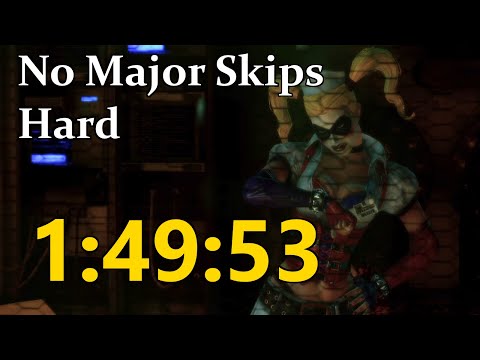
Batman: Arkham Asylum Speedrun - A Masterclass in Hard Mode (No Major Skips) in 1:49:53

Batman: Arkham Asylum Speedrun

What's up, fellow speedrunners and Batman fanatics! You've stumbled upon what might just be one of the most intense runs of Batman: Arkham Asylum you'll ever witness. We're diving deep into a spectacular #speedrun on Hard difficulty, tackling the game with a blistering pace and a time that speaks volumes about pure dedication: 1 hour, 49 minutes, and 53 seconds. And the kicker? We're doing it without major skips. This isn't just about beating the game; it's about mastering every second, every grapple, every counter, and every fear toxin-fueled hallucination.

In my own runs and those I've studied, Arkham Asylum on Hard mode presents a unique beast. Enemies hit harder, they're more aggressive, and those dreaded combat challenges become tenfold tougher. To navigate this gauntlet without relying on game-breaking glitches or sequence breaks requires an insane level of precision and a deep understanding of the game's mechanics. This run, securing 3rd place (pending verification) on the leaderboards at speedrun.com, is a testament to that mastery. Let's break down what makes this particular run so legendary.

The Undiluted Challenge: Hard Mode, No Major Skips

When we talk about "no major skips," we're referring to the absence of those game-changing glitches that can shave minutes off a run. This means every section of Arkham Asylum is traversed as intended by the developers, albeit at breakneck speed. This constraint forces the runner to rely on perfect execution of the intended game path. On Hard difficulty, the AI becomes significantly more dangerous. Enemies spot you faster in stealth sections, and combat encounters are brutal.

This run highlights the sheer skill required to maintain momentum. Every punch, every gadget, every perfectly timed dodge is crucial. The margin for error is razor-thin. Imagine facing a room full of armed thugs and Titan henchmen, with their enhanced perception and damage output, and knowing you have to get through it flawlessly to maintain your pace. It’s pure adrenaline fuel.

Route Optimization and Strat Execution

Achieving a time like 1:49:53 without major skips is all about meticulous route planning and flawless strategy execution. Every movement is optimized to shave off milliseconds. This involves:

  • Movement Tech: Mastering advanced movement techniques, like the fastest ways to traverse environments using the grapple gun and glide mechanics.
  • Gadget Usage: Efficiently deploying gadgets like the batarang, explosive gel, and disruptor to incapacitate enemies or solve environmental puzzles in the quickest way possible.
  • Combat Flow: Maintaining a perfect combat rhythm is key. Stringing together combos, using environmental takedowns, and employing counter-attacks at the optimal moment prevents stuns and keeps the flow going. On Hard, this is incredibly demanding.
  • Stealth Efficiency: When stealth is required, it needs to be surgical. Identifying patrol patterns, using distractions, and executing silent takedowns without alerting other enemies is paramount.

The runner likely spent countless hours identifying the fastest path through each area, considering enemy placements and potential hazards. It’s a dance with the game’s engine, pushing its limits within the intended design.

In my experience with speedrunning games like this, the difference between a good run and a world-class run often comes down to understanding how to manipulate enemy AI and pathing to your absolute advantage, even without exploiting glitches.

Key Moments and Near-Perfect Strats

Certain segments in Arkham Asylum are notorious for being difficult, even on normal difficulty. On Hard, these become true tests of skill. Consider the Scarecrow sequences or the intense combat arenas.

  • Combat Arenas: These rooms are designed to overwhelm the player. On Hard, this is amplified. A single mistake can lead to a cascade of damage, costing precious seconds or even ending the run. The runner’s ability to manage multiple enemy types simultaneously, prioritize threats, and maintain a flawless freeflow combo is what sets this run apart.
  • Boss Fights: While not the primary focus of many Arkham Asylum speedruns (as they often rely on skips), facing bosses like Titan Joker or Killer Croc in a time-trial context demands precise attack windows and damage output.
  • Environmental Puzzles: Even seemingly simple environmental puzzles or traversal sections need to be executed with speed. No wasted movements, no fumbled gadget selections.

The consistency demonstrated throughout this 1:49:53 run is astounding. It suggests a deep familiarity with the game's nuances, honed over hundreds, if not thousands, of attempts. The runner’s ability to adapt on the fly to minor unexpected events, like a slightly different enemy patrol, is crucial for maintaining such a tight schedule.

The Rhythm of Arkham: Combat and Stealth

Batman: Arkham Asylum masterfully blends intense combat with tense stealth. A successful speedrun requires mastering both and transitioning between them seamlessly. The Freeflow Combat system, when executed perfectly, feels like a brutal ballet. On Hard, every counter needs to be timed to the millisecond, and every critical strike must land. The runner’s ability to chain attacks, use gadgets tactically (like batarangs to interrupt attacks or explosive gel for area denial), and target priority enemies is likely impeccable.

Stealth sections demand a different kind of precision. Patience is a virtue, but not in speedrunning. This means understanding enemy sightlines, predicting patrol routes, and executing takedowns with absolute certainty. Any alert could mean a prolonged fight or a necessary reset. The runner's approach likely involves calculated risks, knowing exactly when to strike and when to wait for the perfect opening.

It's fascinating to watch a runner navigate the intricate level design of Arkham Asylum, finding the most efficient path that balances combat encounters with stealth takedowns, all while pushing the clock.

Behind the Scenes: The Grind and the Mindset

A run like this isn't born overnight. It’s the culmination of countless hours of practice, research, and sheer perseverance. The speedrunning community, particularly for a game as beloved as Batman: Arkham Asylum, is incredibly dedicated. Runners share strategies, discuss glitches (even if not used in this specific run), and push each other to improve.

The mental fortitude required for such a long and demanding run is immense. One mistake can be disheartening, but the ability to reset, analyze, and go again is the hallmark of a true speedrunner. This run represents not just a victory over the game, but over the runner's own limitations and frustrations. If you're interested in delving deeper into the community and perhaps even starting your own journey into #speedrunning, check out the dedicated Arkham Speedrunning community. It’s an incredible resource and a great place to connect with like-minded individuals.

The dedication to Hard mode without major skips truly showcases a deep love and respect for the game, aiming for the purest possible challenge. This is what hardcore gaming is all about – pushing boundaries and achieving the seemingly impossible through skill and dedication.

Frequently Asked Questions

What is the current World Record for Batman: Arkham Asylum?

The World Record can vary depending on the category (e.g., Any%, No Major Skips, etc.). For the "Any%" category, times are significantly faster due to the use of major glitches. This specific run, focusing on Hard difficulty with no major skips, holds a very competitive time but isn't necessarily the absolute fastest overall time for the game.

Why play on Hard difficulty for a speedrun?

Playing on Hard difficulty offers a more challenging and arguably more "pure" experience. It tests the runner's mastery of combat mechanics, enemy patterns, and strategic decision-making to a much greater extent than easier difficulties, where certain mechanics might be less punishing.

What are "major skips" in speedrunning?

"Major skips" refer to glitches, sequence breaks, or unintended mechanics that allow players to bypass significant portions of the game or essential gameplay elements, drastically reducing the completion time. Runs that avoid these are often categorized separately (like "No Major Skips" or "Glitchless").

How long does a typical Batman: Arkham Asylum speedrun take?

A typical "Any%" speedrun (which utilizes major skips) can be under an hour. However, runs with specific restrictions like "No Major Skips" or "Hard Difficulty" will naturally take longer, as demonstrated by this impressive 1:49:53 run.

Where can I watch more Batman: Arkham Asylum speedruns?

You can find a vast collection of speedruns, including this one, on platforms like Speedrun.com. Many runners also stream their attempts live on Twitch, and VODs (Videos On Demand) are often uploaded to YouTube.

This 1:49:53 run on Hard difficulty without major skips is a monumental achievement in the Batman: Arkham Asylum speedrunning community. It’s a perfect example of skill, dedication, and a deep understanding of game mechanics. Whether you're a seasoned speedrunner looking to refine your strats or a fan wanting to see the game pushed to its absolute limits, this run is a must-watch.

What did you think of this incredible run? Did any particular segment surprise you? Share your thoughts in the comments below! If you're inspired to join the ranks of elite runners or just want to hang out with fellow gaming enthusiasts, dive into our Discord server. We're always looking for passionate gamers to join the conversation and share their own epic runs!

GTA 5 Speedrun: Can You Beat the Game When Everything Launches Every 10 Seconds?

What happens when a Grand Theft Auto V speedrun goes completely off the rails? Imagine trying to set a new World Record (WR) in GTA 5, but every single object, NPC, and vehicle in the game has a mind of its own, violently launching into the air every ten seconds. Sounds chaotic? That's exactly what this legendary stream attempt was all about. If you're here looking for the ultimate challenge, a break from traditional speedrunning, or just a good laugh, you've come to the right place. This isn't your average GTA 5 playthrough; this is a test of sanity, reflexes, and sheer luck.

What is This Crazy Challenge?

This wasn't just any speedrun attempt. The premise was simple yet utterly insane: what if the core physics engine of Grand Theft Auto V was modified to launch every single entity – from cars and pedestrians to props and even animals – into the air at random intervals, specifically every ten seconds? The goal, as always in a speedrun, was to complete the game as fast as possible. However, the "launched" modifier turned what should be a meticulously planned race against time into a hilarious, unpredictable disaster.

This experiment pushed the boundaries of what a typical GTA 5 speedrunning attempt looks like. It’s a testament to how mods and community-driven challenges can breathe new life into even the most established games and speedrunning categories.

The Chaos Unfolds: A Speedrun Gone Wild

Streaming live on Twitch, DougDoug (who often tackles bizarre gaming challenges) presented this mind-bending scenario to his audience. The initial moments were a mix of trepidation and amusement. As the timer hit the ten-second mark for the first time, the screen erupted. Cars spun into the sky, pedestrians became airborne projectiles, and the carefully crafted routes of a typical gamer were instantly obliterated.

Trying to navigate the streets of Los Santos became an exercise in futility. A police car might be your target for a mission, but in this world, it could be at the bottom of the ocean or halfway to the moon at any given moment. The objective to finish the game felt less like a planned execution and more like surviving an apocalyptic event.

"It's less about precise inputs and more about not getting pancaked by a flying police cruiser."

Each attempt was a fresh descent into madness. Strategies had to be thrown out the window as soon as they were conceived. The very act of driving from point A to point B was a monumental task, fraught with peril from unexpected aerial assaults of game assets.

The Glitch That Launched a Thousand Ships

While the core premise was a mod, the sheer scale of the chaos suggested some underlying physics engine quirks were being exploited or amplified. The term "glitch" might be an oversimplification, but the effect was undeniably game-breaking in the most entertaining way. Imagine trying to execute a critical mission objective, only for the target vehicle to be yeeted across the map by an invisible force.

This wasn't about finding tiny PB-shaving glitches or sequence breaks that are common in the competitive speedrunning scene. This was about a fundamental alteration of the game's reality. It turns out that when you tell the game engine to launch *everything*, it doesn't discriminate. It’s a glorious, destructive embrace of emergent gameplay.

Strategies and Survival in a World of Flying Debris

Traditional GTA 5 speedrunning relies on executing precise routes, mastering vehicle handling, and exploiting minor glitches. In this modified world, "strats" took on a new meaning. Survival became the primary objective, with speed being a secondary, almost laughable, consideration.

Players had to anticipate the launches, using the brief moments of relative calm to move, or even using the airborne objects to their advantage. Could a launched car be used as a makeshift ramp? Could an airborne NPC accidentally clear a path? The possibilities, though unlikely, were part of the chaotic fun.

The closest analogy might be trying to complete a puzzle where the pieces constantly explode off the board.

This challenge highlights the adaptability of the gaming community. Faced with seemingly impossible odds, players try to find *any* edge, even if it means predicting the trajectory of a flying taxi. It’s a pure test of quick thinking and reaction time, far removed from the rote memorization of typical online gaming challenges.

When RNG is King: Luck vs. Skill

In many speedrun categories, skill and practice are paramount. You can learn every trick, every optimal route, and shave milliseconds off your time through sheer dedication. However, in a scenario where the game itself is actively trying to thwart you with random physics anomalies, Random Number Generation (RNG) plays a colossal role.

The timing and direction of each launch are unpredictable. One run might see a clear path forward, while the next could be instantly ended by a truck materializing mid-air and crashing down. This level of randomness makes achieving a personal best (PB) incredibly difficult and emphasizes the comedic aspect of the challenge rather than pure competitive performance. It's a reminder that sometimes, in gaming, you just need to get lucky.

The Community Reaction and Live Audience

The beauty of streaming such an event lies in the immediate feedback from the audience. Viewers on Twitch were treated to a spectacle of fails, near-misses, and moments of sheer absurdity. Chat channels exploded with reactions, from laughter to expressions of disbelief.

This kind of content thrives on shared experience. Viewers aren't just watching a game; they're witnessing a unique, often unrepeatable event unfold in real-time. The collaborative nature of Twitch, with chat interacting with the streamer, adds another layer of entertainment. It’s this shared immersion that makes live streaming so compelling for gamers worldwide.

"Watching this is more fun than playing it, and I mean that in the best way possible!" - A typical chat comment.

The success of such a stream also fuels further creativity within the community. It inspires others to come up with their own unique challenges and pushes the boundaries of what's possible within existing game engines, whether through legitimate mechanics or clever modding.

The Editing Magic by CyVoltage

While the live stream captured the raw chaos, the experience was elevated to another level thanks to the masterful editing by CyVoltage. Edited videos often distill the funniest, most spectacular, and most frustrating moments into a concise and highly entertaining package. This is crucial for sharing the highlights across platforms like YouTube and reaching a wider audience.

CyVoltage’s work, available on their YouTube channel, likely captures the best of the launches, the most improbable survival moments, and the overall comedic arc of the stream. For those who missed the live event or want to re-live the insanity, these edited versions are a must-watch. They transform a potentially hours-long, chaotic stream into a perfectly paced comedic masterpiece.

You can check out CyVoltage's channel here: https://www.youtube.com/c/CyVoltage. It’s a great example of how creators collaborate to amplify the impact of content within the gaming sphere.

Frequently Asked Questions

What game is this speedrun of?

This is a modified speedrun attempt of Grand Theft Auto V (GTA 5).

What makes this speedrun different?

The core difference is a modification that causes almost every in-game object, vehicle, and pedestrian to be violently launched into the air every 10 seconds, making traditional progression extremely difficult.

Was this a legitimate speedrun attempt for a World Record?

While the goal was to finish the game quickly, the extreme nature of the modification makes it more of a community challenge or a "fun" run rather than a competitive World Record attempt in a standard category.

Where can I watch the full stream or edited video?

The full stream recording is available on YouTube, and edited highlights are typically found on the creator's main YouTube channel or the editor's channel (CyVoltage).

Is this challenge playable by the average gamer?

While anyone can theoretically attempt it with the right setup, mastering the chaos requires significant practice, quick reflexes, and a high tolerance for unpredictable events. It's more about embracing the absurdity than achieving perfect execution.

This GTA 5 speedrun challenge, with its ever-present airborne chaos, is a perfect example of how the gaming community pushes boundaries and finds new ways to experience beloved titles. It blends the intensity of a speedrun with the unpredictable hilarity of a physics experiment gone wild. Whether you're a seasoned speedrunner looking for a laugh, a GTA 5 fan, or just someone who enjoys watching delightful chaos unfold, this content offers a unique and memorable experience.

What do you think of challenges like this? Have you ever encountered a game-breaking mod that led to hilarious situations? Let us know in the comments below! Join our Discord channel to share your thoughts and find other hardcore gamers.

```

Final Doom: Plutonia Experiment Nightmare! Speedrun Shatters Records in 34:28

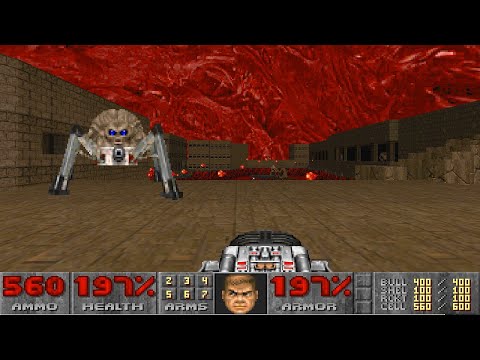
Hey there, fellow Doom enthusiasts and speedrun fanatics! You've landed on GamingSpeedrun.com because you're hungry for that adrenaline rush, that perfect sequence of pixel-perfect movements and strategic monster management that defines the ultimate speedrun. Today, we're diving deep into the fiery depths of Final Doom: The Plutonia Experiment, specifically a jaw-dropping Nightmare! category run by the legendary Zero-Master that clocked in at an unbelievable 34 minutes and 28 seconds. Forget your casual playthroughs; this is high-octane gaming at its absolute finest.

Introduction: The Plutonia Nightmare Unveiled

When you think of speedrunning some of the hardest Doom WADs out there, Final Doom: The Plutonia Experiment on Nightmare! difficulty is often mentioned in hushed, fearful tones. It's a brutal test of skill, patience, and pure gaming grit. So, when Zero-Master dropped a new World Record (WR) of 34:28, it sent ripples through the community. This wasn't just a minor improvement; it was a massive leap forward, proving that even the most daunting challenges can be overcome with dedication and a mastery of the game's mechanics. This run is a masterclass in Doom speedrunning, showcasing incredible route optimization and flawless execution.

Run Details: The Anatomy of a Record

Let's break down the core stats of this incredible feat. This run was published on October 29, 2020, pushing the boundaries of what was thought possible for this notoriously difficult WAD.

  • Runner: Zero-Master
  • Date: 2020-10-29
  • IWAD: Plutonia.wad
  • Category: NM-Speed (Nightmare! Speedrun)
  • Map Progression: D2All (Maps 1-30)
  • Source Port: Crispy Doom v5.9.2
  • Total Time: 34:28

The improvement over the previous record, held by S6kana, was a staggering 3 minutes and 32 seconds. Considering the razor-thin margins in most speedruns, this is monumental. Even more impressively, it was nearly 10 minutes faster than Zero-Master's own previous best run. This speaks volumes about the dedication to route refinement and skill development.

Map-by-Map Breakdown: Strategies and Close Calls

What makes this run so fascinating are the specific strategies employed on each map and the moments where disaster could have struck. Zero-Master provides some insightful commentary on the challenges and triumphs within each level.

Map 01: A Welcoming Warm-up?

The opening map often sets the tone. For Plutonia, even Map 01 can be tricky on Nightmare!. Zero-Master notes a smart strat from S6kana: instead of dealing with a single Mancubus head-on, using the chaingun to "painstate" the second one significantly eases the start. This allows for a quicker exit and conserves precious health and ammo.

Map 04: Navigating the Cacodemon's Lair

Map 04 presents a unique challenge. Zero-Master explains a crucial maneuver: moving backward off the starting platform to avoid agitating a Cacodemon that's positioned in an acid pit. This Cacodemon needs to be dealt with if it teleports out, so avoiding unnecessary engagement here is key. Precision is paramount to hitting the switch without being caught off guard by stray fire.

Map 07: The Arachnotron Enigma

Some levels, like Map 07, offer less defined strats due to enemy unpredictability. Zero-Master admits to not having a solid plan for the Arachnotrons after crossing a gap, highlighting the inherent risk and reliance on adaptation in speedrunning.

Map 10: Arming Up for Survival

Map 10 is particularly dangerous because the armor acquired here is vital for Map 12. The strategy involves clearing out some Chaingunners and executing a quick linedef skip on the Revenant closet. The tension is palpable as the runner hopes to avoid Cacodemon fire while securing essential gear.

The need for that armor in Map 10 makes it a high-stakes gamble. One bad hit and the entire run could be compromised before you even reach the next critical stage.

Map 16: A Near-Disastrous Start

The start of Map 16 was, by Zero-Master's own admission, "a real mess." Uncertainty about the number and position of Shotgunners led to a near-fatal encounter when going for a linedef skip. Surviving that initial onslaught was a testament to quick reflexes and a bit of luck.

Map 18: Calculated Risks and Hitscanner Havoc

Map 18 offered a suboptimal start, with Zero-Master preferring to get a Shotgunner to teleport in first for potential infighting with an Imp. The close call came from an Imp while trying to dodge hitscanner fire. Failing to secure the MegaSphere here would have been fatal. The exit Arch-Vile jump, however, proved relatively straightforward.

Map 20: Baron of Hell's Unfortunate Positioning

In Map 20, the second Baron of Hell's movement out of a corridor took an agonizingly long time. Coupled with their unfavorable positioning, Zero-Master had to rely on sheer health reserves to survive. This map exemplifies how enemy AI and placement can drastically impact a run.

Map 22: The Linedef Skip and Spectre Scares

A different setup for the linedef skip on the red key trap, believed to be by JCD, made things a bit easier. However, the yellow key section poses a significant threat. Getting blocked by Spectres on the lowering bridge is a potential disaster, likely leading to a run-ending death.

Map 23: Navigating the 50/50 and BFG Drops

Map 23 has historically been a struggle, often described as a "50/50" level. Recent routing changes, possibly by S6kana, have significantly improved the approach. Starting by grabbing the blue key first (thanks to health from Map 22) is a major advantage. Dropping onto the platform near the yellow key switch with the BFG and executing a glide after clearing monsters near the red key gap are now key strategies for conserving health.

The routing improvements on Map 23 are a perfect example of how the speedrunning community constantly innovates, turning nightmare maps into manageable challenges through clever optimization and shared knowledge.

Map 24: The Arch-Vile Jump Gambit

Map 24 is relatively simple if the Arch-Vile jump is executed correctly. The main risk? Expecting the Arch-Vile to hit you, only for it to be killed by something else, causing the jump to fail. An alternative involves activating the bridge, but this allows the Arch-Vile to advance, potentially causing problems later.

Map 25: Megasphere Mania

Despite heavy initial damage, the plan for Map 25 was always clear: grab the MegaSphere and clear the room swiftly. The rocket jump required is considered easy, making this a relatively smooth segment if executed correctly.

Map 26: Pain Elemental Peril

Zero-Master expresses surprise at nearly dying to Pain Elementals on Map 26, despite having sufficient health. This serves as a stark reminder that even with a health advantage, the sheer number and threat of enemies on Nightmare! difficulty can be overwhelming.

It's moments like these on Map 26 that truly highlight the pressure of a speedrun. Even with a comfortable health buffer, the relentless assault can create unexpected peril.

Map 30: The Cyberdemon Showdown

The final map, Map 30, often involves strategies to weaken the Cyberdemon before engaging it directly. The idea is to prevent it from having a window to respawn after being damaged from below. This final encounter demands precision and a deep understanding of enemy behavior.

The Legacy of the Run and Future Potential

Zero-Master's run is more than just a time on a screen; it's a testament to the enduring appeal of Doom and the incredible dedication of its speedrunning community. The fact that this run was achieved with Crispy Doom, a modern-source port, shows how far gaming technology and technique have evolved.

When asked about how low the time could go, Zero-Master admits, "No idea." This leaves the door wide open for future attempts and innovations. Could we see this time drop even further? With the Plutonia WAD's notorious difficulty, any further improvement will require near-perfect execution and potentially groundbreaking new strategies. It's exciting to think about what the future holds for this classic map set.

For those interested in cooperative runs, Zero-Master mentions that JCD and S6kana might attempt a co-op playthrough on Nightmare!. You can find their previous Nightmare! record and UV co-op record on S6kana's YouTube channel.

The pursuit of perfection in speedrunning never truly ends. Each record broken simply sets a new benchmark, inspiring the next generation of players to push the limits.

Frequently Asked Questions

Q1: What makes The Plutonia Experiment so difficult on Nightmare! difficulty?
A1: Nightmare! difficulty significantly increases enemy damage, speed, and aggression, while also restricting saves. Plutonia itself features extremely challenging map design, traps, and enemy placements, making it one of the hardest official Doom WADs.

Q2: What is a "linedef skip" in Doom speedrunning?
A2: A linedef skip is a glitch or exploit where a player manipulates game physics or triggers to bypass a section of a map by passing through a specific trigger line (linedef) that wasn't intended to be crossed in that manner.

Q3: Why is the armor in Map 10 so important?
A3: The armor acquired in Map 10 is crucial for surviving the increased damage output from enemies in subsequent maps, particularly Map 12, which is known for its intense combat scenarios. Having that extra protection is vital for maintaining run viability.

Q4: Can this run be replicated on other source ports?
A4: While the core strategies are transferable, specific glitches and exploits like linedef skips can sometimes behave differently or be impossible in different source ports due to variations in engine emulation. Crispy Doom is known for its compatibility and faithfulness to original Doom behavior.

This incredible speedrun by Zero-Master is a milestone for Final Doom: The Plutonia Experiment. It showcases the pinnacle of skill, dedication, and strategic thinking in the gaming world. We encourage you to watch the run, study the strats, and maybe even try to beat your own personal bests! What are your thoughts on this record-breaking run? Did any specific map strategy surprise you? Let us know in the comments below or join the discussion on our GamingSpeedrun Discord server!

``` ```json { "@context": "https://schema.org", "@type": "FAQPage", "mainEntity": [ { "@type": "Question", "name": "What makes The Plutonia Experiment so difficult on Nightmare! difficulty?", "acceptedAnswer": { "@type": "Answer", "text": "Nightmare! difficulty significantly increases enemy damage, speed, and aggression, while also restricting saves. Plutonia itself features extremely challenging map design, traps, and enemy placements, making it one of the hardest official Doom WADs." } }, { "@type": "Question", "name": "What is a \"linedef skip\" in Doom speedrunning?", "acceptedAnswer": { "@type": "Answer", "text": "A linedef skip is a glitch or exploit where a player manipulates game physics or triggers to bypass a section of a map by passing through a specific trigger line (linedef) that wasn't intended to be crossed in that manner." } }, { "@type": "Question", "name": "Why is the armor in Map 10 so important?", "acceptedAnswer": { "@type": "Answer", "text": "The armor acquired in Map 10 is crucial for surviving the increased damage output from enemies in subsequent maps, particularly Map 12, which is known for its intense combat scenarios. Having that extra protection is vital for maintaining run viability." } }, { "@type": "Question", "name": "Can this run be replicated on other source ports?", "acceptedAnswer": { "@type": "Answer", "text": "While the core strategies are transferable, specific glitches and exploits like linedef skips can sometimes behave differently or be impossible in different source ports due to variations in engine emulation. Crispy Doom is known for its compatibility and faithfulness to original Doom behavior." } } ] }