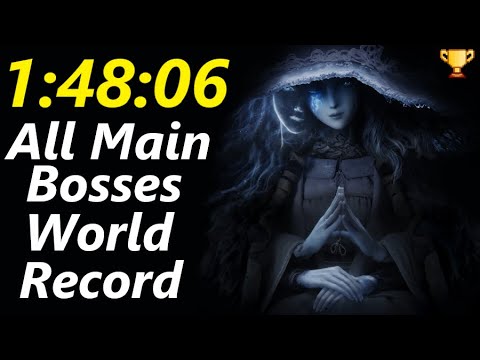
Elden Ring World Record: Mastering the All Remembrances Speedrun in Under 1:48:06!

Hold onto your Flasks, Tarnished! The Lands Between have once again been conquered at lightning speed. A new World Record has been set in the demanding All Remembrances category for Elden Ring, clocking in at an astonishing 1 hour, 48 minutes, and 06 seconds. This isn't just a good run; it's a masterclass in execution, strategy, and sheer willpower. For those of you who live and breathe the thrill of shaving off precious seconds, this record is a beacon of inspiration, showcasing what's possible when skill meets perfect execution.

The Unbelievable Feat

In the hyper-competitive world of speedrun gaming, every second counts. Achieving a World Record in a category as brutal as 'All Remembrances' in Elden Ring is no small feat. It requires an intimate understanding of the game's mechanics, a deep knowledge of boss attack patterns, optimal route planning, and the ability to execute complex glitches and skips flawlessly under immense pressure. This 1:48:06 run isn't just about beating the game; it's about redefining its limits.

Many players struggle to finish Elden Ring, let alone master its intricacies for a speedrun. This record highlights the dedication and expertise of the runner, pushing the boundaries of what we thought was achievable in the vast world of the Elden Ring. It's a testament to the power of community-driven speedrunning strategies and the relentless pursuit of perfection.

The Gauntlet: All Remembrances Explained

The 'All Remembrances' category is one of the most challenging and time-consuming speedruns in Elden Ring. Unlike 'Any%', which focuses on reaching the end credits as quickly as possible, this category demands that runners defeat *every* major boss that drops a Remembrance. This means meticulously collecting the unique items dropped by demigods and other powerful entities throughout the Lands Between.

Why is this so difficult?

  • Vastness of the World: Elden Ring is enormous. Reaching every boss requires extensive travel, often through heavily guarded areas.
  • Boss Difficulty: Each Remembrance is guarded by a formidable foe, each with unique attack patterns and immense health pools. A single mistake can cost minutes.
  • Resource Management: Runners need to carefully manage their builds, Flasks, and crucial consumables.
  • Sequence Breaking: To achieve these times, runners utilize intricate sequence breaks and skips that bypass large sections of the game, but these often rely on precise timing and execution.
This category is a true test of a speedrunner's mastery over every aspect of Elden Ring, from combat to traversal and glitch exploitation.

Breaking Down the 1:48:06

To achieve a sub-1:49 time, every single decision, every movement, and every fight must be near-perfect. The current World Record holder, whose identity we'll focus on through their incredible achievement, has clearly spent countless hours refining their strategy. While a full, frame-by-frame analysis would fill volumes, we can highlight some key elements that likely contributed to this monumental record:

  • Optimized Route: The path taken through the Lands Between is crucial. This route likely minimizes backtracking and takes advantage of the fastest traversal methods, possibly utilizing Torrent's abilities and specific jump mechanics to their fullest.
  • Aggressive Playstyle: There's no room for caution in a run like this. The runner likely employs an extremely aggressive playstyle, designed to take down bosses as quickly as possible, often through high-damage builds or specific weapon arts.
  • Strategic Use of Sorceries/Incantations: Certain spells can trivialize boss fights, drastically reducing the time spent in combat. Knowledge of the most effective spells and their casting times is paramount.
  • Precise Glitch Execution: The speedrunning community constantly discovers and refines glitches that allow players to bypass intended game mechanics. Executing these reliably under pressure is key.

Watching this record-breaking run, you can see the incredible precision required. Every dodge, every attack, every spell cast is calculated to shave off milliseconds. It’s a dance with the game's mechanics, pushing them to their absolute limits.

Crucial Strategies and Game-Breaking Skips

Achieving a time like 1:48:06 in an 'All Remembrances' run hinges on exploiting every possible advantage the game offers, and sometimes, even the limitations within its code. Here are some of the kinds of strategies and skips that are likely employed:

  • Boss Skip Strats: Not all Remembrance bosses are mandatory for *reaching* the end, but they are for this category. However, some lesser Remembrances might be obtainable through very specific, non-obvious routes or by cleverly using game mechanics to bypass parts of the intended progression.
  • Weapon/Spell Meta: The speedrunning community constantly evolves the "meta" for specific categories. This involves identifying the most efficient weapons, Ashes of War, or spells that deal the highest damage in the shortest amount of time. For example, certain Elden Ring builds can melt bosses that would otherwise take minutes to defeat.
  • Critical Hit Exploitation: Landing critical hits (backstabs or guard breaks) is a fundamental way to deal massive damage. Speedrunners optimize their routes to maximize opportunities for these high-damage moments.
  • Meme Strats & Out-of-Bounds (OOB): While often risky, some speedrunners might utilize highly specific glitches to go out of bounds or bypass entire sections of the map, potentially saving significant time. These are the kinds of game breakers that truly define the cutting edge of speedrunning.
  • Fast Travel Optimization: Efficient use of Site of Grace fast travel points is critical. Knowing the exact sequence to unlock new grace points and minimize travel time between them is a foundational skill.
The beauty of speedrunning lies in discovering these hidden pathways and mechanics, turning what seems impossible into a repeatable strategy.

Runners often discover new exploits or refine existing ones through collaborative efforts within the speedrunning community. This constant innovation is what keeps the leaderboards dynamic.

Navigating the RNG

Random Number Generation, or RNG, plays a significant role in any speedrun. In Elden Ring, this can manifest in several ways:

  • Enemy Aggro and Patrols: The behavior of non-boss enemies can impact travel time. A lucky patrol route can save seconds, while an unlucky one can cost much more.
  • Boss AI: While boss patterns are largely predictable, there are subtle variations in their AI that can affect fight duration. Some runs might benefit from a boss consistently using slower, more predictable attacks.
  • Item Drops: While most Remembrances are guaranteed, certain optional items or buffs that runners might use could be subject to drop rates.

The 1:48:06 record implies that the runner encountered favorable RNG throughout the run, but it's the ability to adapt and still perform optimally even with less-than-ideal outcomes that truly sets a world record holder apart. Elite runners develop strategies for dealing with bad RNG, ensuring that a single unfavorable roll doesn't derail their entire attempt.

Tools of the Trade

To compete at this level, runners rely on more than just skill. Specialized software and optimized hardware are essential:

  • LiveSplit: The go-to timing application for virtually all speedrunners. It allows runners to track splits (intermediate times for different sections of the run) and compare their progress against previous attempts or world records.
  • Discord and Community Forums: The speedrunning community is highly collaborative. Runners share strategies, discuss discoveries, and analyze runs on platforms like Discord and dedicated forums.
  • High-Performance PCs: A fast PC with quick loading times is crucial, especially in games like Elden Ring where loading screens can add up.
  • Optimized Controllers/Keyboards: Players often use specialized peripherals or tune their existing ones for maximum responsiveness and comfort during long runs.

The pursuit of a WR is a meticulous process, and the right tools can make all the difference. For those interested in how such runs are timed and analyzed, exploring resources on speedrun.com for Elden Ring is highly recommended.

What's Next for Elden Ring Speedruns?

With a new World Record set, the focus naturally shifts to pushing the boundaries even further. Will we see a sub-1:48 run in the 'All Remembrances' category soon? It's certainly possible.

The speedrunning community is always discovering new skips, refining existing strategies, and pushing the limits of what's considered possible. As players delve deeper into the game's code and mechanics, new exploits might be found, or existing ones might be made more consistent. The journey to optimize every second is a never-ending one.

The passion for Elden Ring speedrunning is as strong as ever. The dedication of these runners to master such a complex and vast game is truly inspiring, offering a unique perspective on gaming itself.

Frequently Asked Questions

What is the 'All Remembrances' category in Elden Ring speedruns?

The 'All Remembrances' category requires speedrunners to defeat every major boss that drops a Remembrance and collect it. This includes many of the game's most challenging foes and demands extensive exploration and mastery of combat.

How much time can glitches save in Elden Ring speedruns?

Glitches and skips can save anywhere from a few seconds to several minutes, depending on the specific exploit and the category. They are crucial for achieving top-tier times, especially in categories like 'All Remembrances' where every second counts.

Is it possible to achieve a sub-1:48:00 record?

Given the constant evolution of strategies and the discovery of new exploits, it's highly probable that runners will continue to shave off time. A sub-1:48:00 run is a significant goal, and with further optimization, it could become the next benchmark.

What is RNG in the context of speedrunning?

RNG stands for Random Number Generation. It refers to the elements of randomness in a game, such as enemy behaviors, critical hit chances, or item drops. Runners aim to minimize the impact of bad RNG and maximize the benefits of good RNG through strategic play and route planning.

Where can I watch Elden Ring speedruns?

You can find many Elden Ring speedruns, including this World Record, on platforms like Twitch and YouTube. Checking out speedrun.com will also give you access to leaderboards and individual run videos.

This incredible feat of speedrunning in Elden Ring is a testament to the dedication and skill within the gaming community. It's a reminder that even in a game as vast and challenging as the Lands Between, there are always new frontiers to conquer. Keep practicing, keep experimenting, and who knows, maybe your name will be next on the leaderboards!

¡Misterios Desvelados! La Guía Definitiva para Dominar la Primera Temporada de "Misterios de Videojuegos Resueltos de una Vez por Todas"

¡Saludos, speedrunners y exploradores de lo oculto en los videojuegos! Si has llegado hasta aquí, es porque compartes esa sed insaciable de desentrañar los secretos más profundos de nuestros mundos virtuales favoritos. La primera temporada de "Misterios de Videojuegos Resueltos de una Vez por Todas" ha llegado, y con ella, un torrente de enigmas que pondrán a prueba tu conocimiento y tus habilidades. ¿Buscas la estrategia perfecta para batir el tiempo en ese nivel endiablado? ¿Te preguntas por qué ciertos glitches ocurren o cómo explotarlos? ¡Estás en el lugar correcto! Aquí no solo desvelaremos los misterios, sino que te daremos las herramientas y el conocimiento para que te conviertas en un maestro de estos desafíos.

Tabla de Contenidos

Introducción a la Temporada: El Llamado a la Aventura

¡Bienvenido a la primera temporada de "Misterios de Videojuegos Resueltos de una Vez por Todas"! Aquí en GamingSpeedrun.com, nos sumergimos en las profundidades de tus títulos favoritos para desentrañar esos secretos que nos han mantenido en vilo. Ya sea un speedrun aparentemente imposible, un glitch que rompe el juego, o un detalle del lore que cambia nuestra perspectiva, esta temporada lo cubre todo. Prepárate para expandir tu conocimiento gamer y, quizás, encontrar esa estrategia que te impulse hacia un nuevo PB.

Secretos Desvelados en Skyrim: Más Allá de la Ruta Estándar

The Elder Scrolls V: Skyrim, un mundo abierto que esconde incontables misterios. Más allá de las misiones principales y secundarias, existen secretos de Skyrim que pueden alterar radicalmente tu experiencia. Por ejemplo, la secuencia de activación de ciertos glitches en las mazmorras de Cyrodiil (aunque el juego se desarrolle en Skyrim, la influencia es clara) puede permitirte saltarte secciones enteras, ahorrando minutos valiosos en un speedrun. El conocimiento de los builds óptimos para cada situación, como la combinación de armas poderosas y armaduras, es crucial. ¿Sabías que la estrategia de la butterflying, aunque más común en otros títulos, tiene sus equivalentes en el manejo del movimiento y la física de Skyrim? Dominar estas speedrunning strategies es lo que diferencia a un jugador casual de un verdadero speedrunner.

El Arte del Glitch: Dominando Portal

Portal, un juego de puzles basado en la física, se presta maravillosamente a la exploración de glitches. La capacidad de la Aperture Science para doblar el espacio-tiempo también puede ser aprovechada por los jugadores. Técnicas como el "portal clipping" o el uso de sequence breaks permiten atravesar muros y saltarse secciones enteras del nivel. El GLaDOS Skip es un ejemplo clásico de cómo la comunidad ha encontrado formas de acortar drásticamente el juego. Para un aspirante a speedrunner de Portal, entender la manipulación de la física del juego es tan importante como resolver los puzles de manera convencional.

Big Rigs: ¿Un Desastre o una Obra Maestra del Speedrun?

Big Rigs: Over the Road Racing es infame por ser uno de los peores juegos jamás creados. Sin embargo, su estado de desarrollo desastroso lo convierte en un paraíso para los absurd categories y game breakers. La ausencia de colisiones, la IA nula y la física inexistente permiten speedruns que desafían la lógica. Alcanzar el world record puede implicar simplemente moverse hacia adelante más rápido que nunca, algo que, extrañamente, se ha convertido en un speedrun gaming en sí mismo. Es un testimonio de la adaptabilidad de la comunidad gamer encontrar diversión y desafío hasta en lo más roto.

The Stanley Parable: Explorando Rutas Inesperadas

The Stanley Parable juega con la narrativa y las expectativas del jugador. En este contexto, un speedrun no se trata solo de llegar al final, sino de explorar las múltiples capas de la historia y descubrir las rutas más rápidas a través de las decisiones del jugador. El desafío aquí es entender la estrategia narrativa y la sincronización de las acciones para desencadenar los finales más rápidos. Cada elección puede llevarte por un camino inesperado, y los speedrunners buscan optimizar el tiempo incluso dentro de la estructura narrativa del juego.

Shadow of the Colossus: Tácticas para Gigantes

En Shadow of the Colossus, cada coloso es un puzle viviente. Las speedruns aquí se centran en identificar y ejecutar las boss fight más eficientes. Esto implica conocer los puntos débiles de cada coloso, las rutas óptimas para alcanzarlos y las técnicas de escalada más rápidas. Pequeñas optimizaciones en el movimiento y la puntería pueden marcar una gran diferencia. ¿El secreto? Una ejecución casi perfecta y un conocimiento profundo de los patrones de ataque de cada gigante. Es un claro ejemplo de combates épicos llevados a su máxima expresión de velocidad.

Battlefield 1: Comprendiendo la IA y el Entorno

Aunque Battlefield 1 es conocido por su multijugador, la campaña para un jugador también presenta desafíos. En un contexto de speedrun, el foco estaría en la eficiencia para superar las misiones. Esto puede implicar entender la IA de los enemigos, usar el entorno a tu favor y elegir las armas y tácticas adecuadas para cada encuentro. La rápida navegación por el mapa y la minimización del combate innecesario son claves para un tiempo competitivo.

Super Mario Bros.: Los Pilares del Speedrun Clásico

Super Mario Bros. es la piedra angular de los speedruns. Dominar este clásico implica dominar el movimiento perfecto, el conocimiento de los glitches como el famoso Flagpole Glitch, y la optimización de cada salto. La precisión de frame perfect es a menudo la diferencia entre un buen tiempo y un WR. Es un juego que demuestra que, incluso en lo simple, hay una profundidad estratégica inmensa.

Half-Life: Más Allá de los Límites de Black Mesa

Half-Life, un hito en los shooters en primera persona, ofrece un vasto campo para la exploración de speedruns. Las técnicas para atravesar out of bounds, el uso del Gravity Gun de formas no convencionales y los saltos avanzados son solo una muestra. La comunidad de speedrunning ha desglosado cada nivel de Black Mesa para encontrar las rutas más rápidas, a menudo explotando la física del motor Source Engine. El conocimiento de la estrategia de combate y movimiento es esencial.

GTA V y GTA Online: Libertad y Estrategia en el Asfalto

Grand Theft Auto V, y especialmente GTA Online, presenta un mundo abierto donde la libertad de acción es casi total. Para un speedrunner, esto significa que las posibilidades son enormes. Las rutas de misión, el uso de vehículos, la manipulación del tráfico y la economía del juego son factores cruciales. En GTA Online, la coordinación y la cooperación entre jugadores pueden ser clave para completar objetivos rápidamente, demostrando que la estrategia en equipo es fundamental.

Metal Gear Solid V: El Arte del Sigilo y la Fuga

Metal Gear Solid V: The Phantom Pain es un sandbox de sigilo y acción. Los speedruns de este juego se centran en la eficiencia de las infiltraciones, la rápida neutralización de objetivos y la evasión. Técnicas como el uso de stealth gameplay, la selección del equipo adecuado y el conocimiento de los patrones de patrulla son vitales. El uso de la base madre para optimizar recursos y la rápida extracción de personal son también partes importantes de una estrategia de juego veloz.

Fallout 4: Supervivencia y Exploración en la Zona Muerta

Fallout 4, ambientado en un páramo post-apocalíptico, ofrece libertad para abordar las misiones. Para speedrunners, esto significa encontrar la ruta más corta y segura a través de los peligros del Yermo. El conocimiento de la ubicación de los enemigos, los easter eggs útiles y las builds de personajes que maximizan el daño y la supervivencia son esenciales. A veces, explotar glitches de física o de IA enemiga puede ser la clave para ahorrar segundos valiosos.

Assassin's Creed IV: Black Flag: Navegación y Combate Naval

Assassin's Creed IV: Black Flag combina la exploración terrestre con el épico combate naval. Los speedrunners se centran en optimizar las secuencias de misión, minimizar el tiempo en tierra y dominar las batallas navales. Saber cuándo abordar, cuándo luchar y cómo usar el entorno marino a tu favor es crucial. La navegación eficiente y el uso de las armas poderosas de tu barco pueden marcar la diferencia para ser el pirata más rápido de los Caribes.

Pokémon Mystery Dungeon: Rutas y Estrategias Únicas

Pokémon Mystery Dungeon es una saga que se presta a la exploración de rutas y la estrategia. En un speedrun, el objetivo es completar la historia lo más rápido posible. Esto implica tomar decisiones rápidas en la generación de mazmorras, elegir los Pokémon adecuados para el equipo y optimizar el uso de objetos y movimientos. El conocimiento del RNG (Random Number Generation) y cómo puede afectar la generación de mazmorras y los encuentros es también un factor importante.

Super Mario 64: El Legado del Speedrun

Super Mario 64 es uno de los títulos más icónicos y analizados en la historia del speedrunning. Los speedrunners han desglosado cada nivel, cada estrella y cada mecánica hasta el extremo. Técnicas como el Backwards Long Jump (BLJ), el Sword Flying y los out of bounds son ahora parte del conocimiento básico. Conseguir un Personal Best en SM64 requiere una dedicación increíble y una precisión milimétrica.

GTA III: Los Secretos de Liberty City

Grand Theft Auto III fue un pionero en los mundos abiertos en 3D. Para los speedrunners, esto significa explorar las calles de Liberty City en busca de las rutas más rápidas para completar las misiones. El uso de vehículos, el conocimiento de los atajos y la optimización de las secuencias de acción son fundamentales. El Ryder Skip es un ejemplo de cómo la comunidad encontró una manera de acortar significativamente el juego.

Minecraft: Más Allá de la Construcción

Minecraft, aunque conocido por su modo creativo, también ofrece desafíos de speedrun extremos. La categoría RSG (Random Seed Glitchless), donde los jugadores deben encontrar y derrotar al Ender Dragon lo más rápido posible sin usar glitches, requiere una planificación increíble, conocimiento de la generación de mundos y RNG manipulation. Desde encontrar un Nether rápido hasta optimizar la lucha contra el dragón, cada paso cuenta.

The Division 2: Combate Táctico y Equipo

The Division 2 es un shooter looter con un fuerte componente táctico. En un speedrun de misiones o de desafíos, la optimización del build del personaje es crucial. Saber qué armas y equipo usar, cómo maximizar el daño y la supervivencia, y cómo moverse eficientemente por el entorno de combate son claves. La sincronización con compañeros de equipo puede ser vital para superar los encuentros más difíciles en el menor tiempo posible.

Silent Hills: El Enigma del Juego Cancelado

Silent Hills, o más bien el P.T. (Playable Teaser) que lo precedía, se convirtió en una leyenda por su cancelación. El misterio y el horror psicológico que ofrecía lo hicieron objeto de análisis y speedruns comunitarios. Las speedruns aquí se centran en desentrañar la lore del teaser, encontrar los caminos más rápidos para experimentar sus bucles y secretos, y comprender el impacto que tuvo a pesar de su estado inacabado.

Aladdin y El Rey León: Plataformas y Ritmo

Estos clásicos de Disney en consolas de 16 bits son ejemplos perfectos de juegos de plataformas que se prestan al speedrunning. Requieren un control preciso, conocimiento de los patrones de los enemigos y estrategias para superar obstáculos rápidamente. Dominar el ritmo de cada nivel y optimizar los saltos y ataques es lo que permite alcanzar tiempos competitivos. La jugabilidad fluida es clave.

Fallout 4: Exploits y Estrategias Avanzadas

Más allá de las estrategias básicas, Fallout 4 esconde exploits que pueden acelerar drásticamente el progreso. La comunidad de speedrunners ha descubierto formas de saltarse secciones, obtener equipo poderoso temprano en el juego y manipular la RNG para su beneficio. Estas tácticas avanzadas, a menudo consideradas "cheese strats", son cruciales para competir en los niveles más altos.

GoldenEye 007: El Legado del FPS en Consola

GoldenEye 007 redefinió los shooters en consola. Su modo para un jugador, aunque menos enfocado en speedruns que su multijugador, tiene sus propios desafíos. Los speedrunners buscan optimizar el uso de armas, la navegación por los niveles y las tácticas para superar a los enemigos rápidamente. La precisión y el conocimiento de los mapas son esenciales para lograr tiempos récord.

Assassin's Creed: Movimiento y Sigilo

La saga Assassin's Creed se basa en el movimiento fluido y el sigilo. Los speedruns a menudo se centran en optimizar el parkour, encontrar las rutas más rápidas para infiltrarse en objetivos y neutralizar enemigos de manera eficiente. El uso de las habilidades de los nuevos personajes o la combinación de diferentes estilos de juego puede ser clave para la victoria rápida.

GTA: San Andreas: Libertad y Caos

Grand Theft Auto: San Andreas ofreció un mundo masivo lleno de actividades. Los speedrunners de este juego se enfocan en completar las misiones principales de la manera más eficiente, utilizando una variedad de vehículos y tácticas. El conocimiento de los trucos, la manipulación del police y la optimización de las rutas en Los Santos y más allá son vitales.

Phalanx y RuneScape: Mundos Virtuales y sus Peculiaridades

Phalanx y RuneScape representan diferentes facetas de los MMORPG. En RuneScape, el speedrunning puede implicar optimizar el farmeo de ISK (en el contexto de EVE Online, pero aplicado conceptualmente) o completar objetivos de quest de forma rápida. El conocimiento de las mecánicas del juego, la economía y la eficiencia en las tareas repetitivas son pilares. Phalanx, como juego de estrategia, implicaría optimizar las tácticas de combate y la gestión de recursos para una victoria veloz.

Metal Gear Solid 4: La Maestría del Sigilo

Metal Gear Solid 4: Guns of the Patriots es la culminación de la saga de Solid Snake. Los speedruns aquí se centran en la eficiencia del sigilo, el uso de las armas poderosas disponibles y la navegación rápida a través de las extensas secuencias de acción. El conocimiento profundo de los patrones de los enemigos y las rutas óptimas es esencial para completar el juego en el menor tiempo posible.

Mario Kart 8 Deluxe: La Precisión Gana Carreras

Mario Kart 8 Deluxe, aunque es un juego de karts, tiene una escena de speedrunning sorprendentemente competitiva. Aquí, la estrategia implica no solo la velocidad pura, sino también el uso inteligente de los objetos, la toma de rutas optimizadas y la ejecución de movement tech. Cada curva, cada objeto lanzado y cada salto puede marcar la diferencia en la búsqueda del record.

Joyas Olvidadas: Laser Lords y TMNT

Laser Lords para Philips CD-i y Teenage Mutant Ninja Turtles (en sus diversas encarnaciones) representan juegos que, si bien tienen diferentes niveles de calidad, ofrecen desafíos únicos para los speedrunners. En Laser Lords, la dificultad podría radicar en descifrar las mecánicas de un juego notoriamente mal recibido. En TMNT, dependerá de la versión específica, pero generalmente implica dominar el combate y el movimiento a través de niveles desafiantes. Son ejemplos de cómo la comunidad comunidad gamer abraza incluso los títulos menos convencionales.

Preguntas Frecuentes (FAQ)

¿Cuál es el objetivo principal de esta temporada?
El objetivo es desentrañar misterios ocultos, explicar glitches complejos y analizar estrategias de speedrun para juegos populares y de culto.

¿Necesito ser un experto para entender el contenido?
No, aunque el contenido es profundo, buscamos explicarlo de manera accesible para que tanto jugadores novatos como experimentados puedan aprender y disfrutar.

¿Cómo puedo contribuir a la comunidad de GamingSpeedrun?
Puedes compartir tus propios descubrimientos, récords o estrategias en los comentarios, unirte a nuestro Discord o proponer temas para futuras temporadas.

¿Se cubrirán solo juegos modernos?
En absoluto. Cubriremos desde clásicos hasta títulos modernos, explorando la historia y la evolución de los videojuegos y sus misterios.

¿Hay alguna mención especial a Elder Scrolls o Baldur's Gate?
Sí, los títulos de TES IV: Oblivion y la saga Baldur's Gate son pilares en el mundo del RPG y el speedrunning, y esperamos tener contenido dedicado a ellos en futuras temporadas o en este análisis.

Esta temporada es solo el comienzo. Cada aventura gamer está llena de secretos esperando ser descubiertos. ¿Estás listo para la próxima misión? Comparte en los comentarios cuál misterio te gustaría ver resuelto en la siguiente temporada. ¡Tu opinión es clave para el futuro de GamingSpeedrun.com!

Blindfolded Gaming: The Ridiculous Pursuit of Perfection

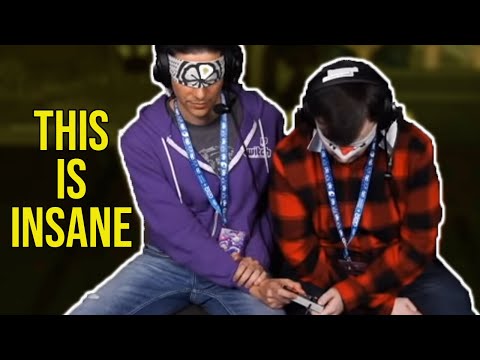
Ever stared at your screen, utterly stumped by a boss? Wished for a magic bullet, a secret technique to conquer that insurmountable challenge? We've all been there. But what if I told you some gamers are taking "challenge runs" to a whole new, borderline insane, level? We're talking about blindfolded gaming. It sounds utterly ridiculous, right? Yet, this niche community thrives on pushing the boundaries of what's possible, often achieving feats that defy logic. Today, we're diving deep into this bizarre corner of the speedrunning world, exploring the strategies, the mindset, and the sheer audacity it takes to conquer games without seeing a thing.

What Exactly is Blindfolded Gaming?

At its core, blindfolded gaming is a self-imposed challenge where players attempt to complete a game, a specific level, or achieve a particular goal without directly looking at the screen. This doesn't mean they're just mashing buttons hoping for the best. Oh no. It requires an extraordinary level of memorization, auditory processing, and an almost supernatural understanding of the game's mechanics, enemy patterns, and level layouts. Think of it as playing a complex symphony entirely by ear, or navigating a labyrinth with only your memory and the echoes of your footsteps.

The goal isn't just to finish; it's often to achieve a speedrun, shaving off every possible second. This adds an immense layer of difficulty. Every decision, every movement, every action must be precisely executed based on sound cues, muscle memory, and pure mental mapping. It’s a testament to human concentration and dedication, pushing the very limits of what we consider skillful gameplay.

Why Bother? The Mindset of a Blindfolded Speedrunner

This is the question most gamers ask: "Why would anyone do this?" The answer lies in the ultimate test of mastery. For a true speedrunner, beating a game is one thing, but beating it while blindfolded is a completely different beast. It's about transcending the visual limitations and achieving a perfect, almost spiritual, connection with the game. It requires a unique blend of:

  • Unwavering Concentration: One missed cue, one wrong turn, and the entire run can crumble.
  • Auditory Acuity: Sound design becomes your map, your enemy detector, your everything. Each footstep, each ambient sound, is crucial information.
  • Spatial Memory: Players must build an intricate mental blueprint of every map, every enemy position, every item location.
  • Precision Execution: With no visual feedback for fine movements, every input must be timed and executed with absolute accuracy.
  • Mental Fortitude: The sheer pressure and the potential for catastrophic failures demand an iron will.
"It's about proving to yourself that you can master a game on a level that transcends visual perception. It’s the ultimate flex of game knowledge and dedication."

This pursuit of the "perfect run" is what drives these athletes. It's not just about beating the game; it's about beating the game in the most improbable way possible, showcasing an unparalleled level of expertise.

Mastering the Impossible: Key Strategies and Techniques

Successfully completing a game blindfolded isn't about luck; it's about meticulously planned strategies and deep game knowledge. The core principle revolves around transforming visual information into other sensory inputs or learned patterns.

Sound as Your Guide

The audio design of a game is paramount. Players learn to distinguish enemy footsteps, the sound of specific attacks, the ambient noises that indicate different environments, and even the subtle cues that signal the end of a corridor or the presence of an interactable object. In games like The Elder Scrolls series, the distinct sounds of various creatures and environments are vital for navigation and threat assessment.

Memorization is Key

Every inch of the game world must be committed to memory. This includes:

  • Level Layouts: The exact turns, corridors, and room dimensions.
  • Enemy Placement and Patrols: Where enemies spawn, their patrol routes, and their aggro ranges.
  • Item Locations: The precise spots where key items, power-ups, or collectibles are found.
  • Puzzle Solutions: The sequence of actions needed to solve any puzzles.

RNG Manipulation and Prediction

Even with perfect memorization, RNG (Random Number Generation) plays a role. Blindfolded players often develop strategies to either mitigate bad RNG or, in some cases, predict and manipulate it based on subtle cues. This is crucial in games where item drops or enemy spawns are randomized. Understanding how the game's RNG works is a significant advantage.

The Power of Muscle Memory

With no visual feedback for precise movements, muscle memory becomes your best friend. Players practice specific sequences of inputs thousands of times until they become second nature. This allows for rapid movement, accurate attacks, and quick dodges even without seeing the action unfold.

Pre-Run Setup and Practice

Before attempting a blindfolded run, extensive practice is required. This often involves:

  • Segmented Practice: Mastering individual sections or levels repeatedly.
  • Auditory Practice: Listening to game audio without visuals to hone sound recognition.
  • Route Optimization: Planning the most efficient path that minimizes risk and maximizes speed.
"The real grind isn't the blindfolded run itself, but the hundreds of hours spent memorizing every pixel, every sound, every possibility before even putting on the blindfold."

Games That Bend to the Blindfolded Will

While any game can theoretically be attempted blindfolded, some genres and titles lend themselves better to this extreme challenge. Games with:

  • Clear audio cues.
  • Predictable enemy patterns.
  • Structured levels with distinct landmarks.
  • Limited reliance on complex visual puzzles.

tend to be more popular for blindfolded speedruns. Classic titles and certain RPGs often feature prominently. For instance, games from the Baldur's Gate series, with their tactical combat and distinct sound effects for spells and actions, could present an interesting challenge.

However, the true allure comes from tackling games that are seemingly impossible without sight. The community often seeks out titles that are notorious for their difficulty or complexity, proving that with enough dedication, even the visual sense can be bypassed.

A Glimpse into the History of Blindfolded Runs

The concept of playing games without looking isn't entirely new. Early forms might have included playing text-based adventures where visuals were nonexistent. However, the advent of modern speedrunning brought the challenge of blindfolded speedrun into the spotlight. Pioneers in games like Super Mario Bros. and The Legend of Zelda started experimenting with "no-look" challenges, which eventually evolved into full-blown speedruns under the blindfold. The community at sites like Speedrun.com is where many of these achievements are documented and verified.

The evolution of technology and community-driven research has led to increasingly complex strategies and the tackling of more demanding titles. What was once a fringe curiosity has blossomed into a respected, albeit extreme, category of competitive gaming.

The Dedicated Community Behind the Blindfold

The world of blindfolded gaming is a tight-knit community. These players share their discoveries, refine strats, and support each other through the grueling process of achieving a PB (Personal Best) or a WR (World Record). They are the epitome of the Gamer Community, bound by a shared passion for pushing limits and a deep appreciation for intricate game mechanics.

The dedication required is immense, often involving countless hours of practice, frustration, and eventual triumph. When a successful run is finally achieved, the community erupts in celebration, recognizing the sheer skill and perseverance involved. It's a testament to the power of human ingenuity and the drive to achieve the seemingly impossible.

Frequently Asked Questions

What is the hardest game to speedrun blindfolded?

This is subjective, but games with complex 3D navigation, fast-paced combat, or heavy reliance on visual puzzles are generally considered the most challenging. Titles that require split-second visual reactions or precise platforming without sight are extremely difficult.

Do blindfolded speedrunners use any aids?

Strictly speaking, legitimate blindfolded runs rely on in-game audio cues, memorization, and muscle memory. External aids like voice assistants that describe the screen are generally not allowed in competitive speedrunning categories. The challenge is precisely to play without seeing.

How do they handle random elements (RNG)?

Players develop deep knowledge of the game's RNG systems. They learn to predict potential outcomes and sometimes manipulate them through specific actions or sequences. Success often depends on adapting to the random elements on the fly, relying heavily on auditory feedback.

Can anyone become a blindfolded speedrunner?

While dedication is key, a strong aptitude for auditory processing, spatial reasoning, and an exceptional memory are significant advantages. It requires a level of commitment and a specific skillset that not all players possess, but with enough practice, many impressive feats can be achieved.

Where can I find blindfolded speedruns?

Platforms like YouTube and Twitch are the primary hubs for watching these incredible runs. Websites like Speedrun.com also catalog world records and personal bests for various games and categories, including blindfolded challenges where they exist.

The world of blindfolded gaming is a fascinating testament to the dedication and ingenuity of the gaming community. It’s a stark reminder that with enough passion and practice, even the most absurd challenges can be overcome. It’s not just about speed; it’s about understanding a game on a level that most of us can only dream of. So, the next time you're struggling with a game, remember the blindfolded warriors out there, proving that sometimes, not seeing is the key to truly mastering the experience.

What are your thoughts on blindfolded gaming? Have you ever attempted a similar challenge? Share your experiences and your favorite blindfolded runs in the comments below! Let's keep the conversation going and push the boundaries of what gaming means together!

Elden Ring Any% Speedrun: The Sub-19 Minute Barrier Shattered! (World First)

The Lands Between have been conquered, not by a hero wielding legendary weapons or meticulously crafted builds, but by sheer speed and unparalleled skill. In a breathtaking display of gaming mastery, a new World Record for Elden Ring's Any% speedrun has been set at an astonishing 18 minutes and 57 seconds. This isn't just a new record; it's the first time the legendary sub-20 minute barrier has been broken, a feat many thought impossible just months ago.

The Sub-19 Minute Triumph

Achieving a speedrun time under 20 minutes in a game as vast and complex as Elden Ring is a testament to years of accumulated player knowledge, frame-perfect execution, and daring innovation. This new World Record isn't just about playing the game fast; it's about fundamentally understanding its systems and exploiting them to their absolute limit.

The Any% category in speedrunning means completing the game as quickly as possible, regardless of how much of the content is experienced. This often involves identifying and mastering specific glitches, skips, and optimized movement techniques that bypass large sections of the game. For Elden Ring, this implies a route that likely skips numerous bosses, entire legacy dungeons, and optional areas.

"This run represents the pinnacle of Elden Ring speedrunning. It's not just about being fast; it's about being perfect. Every single decision, every input, had to be precise."

The implications of this record are immense. It signals a new era for Elden Ring speedruns, pushing the boundaries of what was previously thought achievable. Players will now analyze this run frame by frame, looking for even smaller optimizations and potential new strats.

The Dedication Behind the Record

Breaking a World Record, especially one as significant as this, rarely happens overnight. The runner behind this incredible feat has reportedly spent over 15 hours of grinding in the days leading up to the successful attempt. This often involves:

  • Practicing specific boss fights or sequence breaks thousands of times.
  • Testing different character builds to maximize damage output or utility.
  • Optimizing inventory management and item usage for minimal time loss.
  • Studying and refining movement techniques like Sword Flying or advanced roll mechanics.
  • Adapting to Random Number Generator (RNG) variations inherent in games like Elden Ring.

The runner even mentioned sacrificing personal plans, like a sponsored stream and a flight, to dedicate more time to practice. This level of commitment is a hallmark of top-tier speedrunners and truly showcases the passion within the speedrunning community.

Key Strategies and Glitches Unveiled

While the full breakdown of the route is likely to be meticulously analyzed by the community, certain elements are almost certainly crucial for achieving a sub-19 minute run. These typically involve exploiting game mechanics and unintended behaviors:

  • Boss Skips: Certain bosses might be entirely bypassed using clever routing and movement tech.
  • Sequence Breaks: Accessing areas or triggering events out of their intended order.
  • Damage Glitches/Exploits: Techniques that allow for abnormally high damage output, often against specific bosses or enemies.
  • Movement Exploits: Advanced techniques that allow players to travel faster or farther than intended, such as precise Butterflying or wall clips.

The community is eagerly awaiting detailed explanations, including the specific strats used to defeat key bosses like Godrick the Grafted, Rennala, and potentially even Malenia, if the route necessitates it. Mastering these intricate sequences requires immense practice and a deep understanding of the game's engine.

Route Optimization: Every Second Counts

In any Any% speedrun, especially one aiming to shave off precious seconds from an already impressive time, route optimization is paramount. This involves:

  • Minimizing travel time between objectives.
  • Aggressively managing stamina and FP for combat and traversal.
  • Selecting the fastest weapon and spell combinations for boss encounters.
  • Exploiting enemy AI to group them or avoid unnecessary engagement.

For Elden Ring, this often means a highly optimized path through Limgrave, Stormveil Castle, and potentially brief forays into other early-to-mid game areas. The runner must have a flawless execution of each segment to stay on pace.

RNG and Adaptability in Speedruns

While strats and glitches are key, no speedrun is truly predictable due to the element of RNG (Random Number Generator). In Elden Ring, this affects:

  • Enemy attack patterns: Bosses and enemies can have slightly different attack sequences.
  • Item drops: Crucial items or crafting materials might have varying drop rates.
  • NPC locations: Certain friendly NPCs might appear in slightly different spots.

A world-class speedrunner doesn't just execute a route; they adapt on the fly. They know how to recover from minor RNG setbacks or how to capitalize on exceptionally lucky breaks. This adaptability is what separates a good run from a record-breaking one.

The Speedrunning Community Reacts

The announcement of the sub-19 minute World Record has sent waves of excitement through the Elden Ring speedrunning community and the broader gaming world. Streams and social media are abuzz with reactions, praise, and a fervent desire to learn the new techniques.

This achievement is a testament to the power of collective knowledge and relentless dedication. The speedrunning community thrives on pushing boundaries, and this new record is a shining example of that spirit.

The Future of Elden Ring Speedruns

With the sub-19 minute mark now a reality, the question on everyone's mind is: what's next? Will the record continue to be shaved down, inch by painstaking inch? Or has this run found the optimal route and execution? The beauty of speedrunning is that there's always something new to discover. New glitches, new routing ideas, and new levels of player mastery could all contribute to even faster times in the future. Perhaps a sub-18 minute run is on the horizon!

The pursuit of the perfect run is a never-ending journey. For fans of Elden Ring and speedrunning enthusiasts, this new WR is a monumental moment to celebrate.

Frequently Asked Questions

Q1: What is an Any% speedrun?

An Any% speedrun means completing the game as quickly as possible, without any specific requirements other than reaching the end credits or the final objective. Glitches and sequence breaks are typically allowed and encouraged to achieve the fastest times.

Q2: How significant is breaking the 20-minute barrier in Elden Ring?

Breaking the 20-minute barrier is a massive milestone. It signifies a new level of mastery and optimization for Elden Ring speedruns, pushing the game's limits far beyond what was previously thought possible.

Q3: Where can I watch this new World Record run?

The full run is available on YouTube, usually on the runner's channel or linked through major speedrunning communities like speedrun.com. Check the original source of this news or search for "Elden Ring Any% WR 18:57".

Q4: Are the strategies used in this speedrun accessible to casual players?

While the basic route might be learned, the precise execution, deep game knowledge, and exploitation of glitches required for a world-record pace are generally not accessible to casual players. However, learning parts of the route or specific boss strategies can still help improve a player's personal best.

Q5: What are common glitches or skips used in Elden Ring speedruns?

Common techniques include 'out of bounds' exploits, specific jump timings, boss immunities, and fast travel abuse. The specific glitches for a sub-19 run would be highly advanced and optimized versions of these, or potentially entirely new discoveries.

This sub-19 minute World Record is more than just a number; it's a celebration of skill, innovation, and the incredible dedication of the speedrunning community. What do you think of this record-breaking run? What other speedrun challenges do you want to see us cover? Let us know in the comments below, and join our Discord to discuss Elden Ring strategies and more!

Sapiens (1986): Unearthing the OST's Speedrun Potential

The year is 1986. In the burgeoning landscape of PC gaming, a title emerges that, while perhaps not a household name today, holds a unique place in gaming history. That title is Sapiens. Often, when a game from this era is mentioned, players might think of its gameplay mechanics, its graphics, or its lore. However, for a dedicated segment of the GamerCommunity, the initial draw is often its soundtrack. The query "Sapiens (PC Game)(1986) OST" isn't just about appreciating the music; it's a gateway to understanding the game's atmosphere, its historical context, and, for the truly dedicated, its potential for SpeedrunGaming.

Unpacking the Appeal of Sapiens OST

Let's be clear: the original query about the Sapiens OST isn't typically the starting point for a typical Speedrun Analysis. Most players searching for game soundtracks are looking for background music, nostalgic dives, or to understand the emotional core of a game. However, as seasoned speedrunners and gaming enthusiasts, we know that every element of a game, even its music, can hold clues to its design philosophy and, potentially, exploitable quirks. The atmospheric tunes of Sapiens, composed by Gilles Soulet, provide a distinct auditory backdrop that, while perhaps simple by today's standards, was groundbreaking for its time. It sets a mood, and in speedrunning, mood can influence strategy and execution.

While Sapiens might not be the next Super Mario 64 in terms of speedrunning dominance, exploring its OST is a fascinating exercise in understanding how retro games were built and how their music contributed to the overall player experience. This isn't just about listening; it's about analyzing for hidden gems.

Is There Speedrun Potential in Sapiens?

This is the million-dollar question. When we see a game from 1986, our minds immediately jump to questions of glitches, skips, and optimized routing. Does Sapiens, with its likely straightforward design and early-era AI, offer the kind of depth required for competitive speedrunning? Based on available information and the game's general reception, it's unlikely to be a top-tier contender on platforms like speedrun.com.

However, the very nature of speedrunning is about pushing boundaries and finding the fastest way to complete a game, no matter how obscure. A deep dive into the game's mechanics, coupled with an understanding of its level design and any potential exploits, could reveal a niche speedrunning community. The OST itself doesn't directly contribute to speedrunning *strats*, but the game it accompanies does.

The core of speedrunning lies in execution and optimization. For Sapiens, this would involve:

  • Understanding the game's movement mechanics.
  • Identifying enemy patterns and AI.
  • Discovering any unintended sequence breaks or Glitches.
  • Optimizing resource management if applicable.

Without extensive gameplay footage or dedicated speedrun attempts readily available, it's hard to definitively say. But the curiosity around its OST suggests a lingering interest that could spark new speedrunning endeavors. It's the spirit of GamingSpeedrun to explore all possibilities!

The Sapiens OST: A Sonic Journey

The soundtrack for Sapiens, composed by Gilles Soulet, features two primary tracks, as indicated by the timestamps in the original description (0:00 and 6:01). These tracks likely serve different purposes within the game, perhaps one for general gameplay and another for more intense moments or specific areas.

In my experience playing older titles, the music often plays a crucial role in setting the atmosphere. For a game like Sapiens, which likely aimed to immerse players in a prehistoric setting, the OST would aim for:

  • Atmospheric Immersion: Evoking the primal environment of early humanity.
  • Pacing and Tension: Potentially ramping up during danger or discovery.
  • Memorability: Creating a lasting impression that players associate with the game.

While the technical capabilities of 1986 sound chips limited complexity, composers like Soulet often used melodic structure and repeating motifs to create memorable pieces. For speedrunners, the music can become a familiar, almost rhythmic companion. An energetic track might push a runner to maintain a high pace, while a more ambient track might allow for focus on precise execution. The OST for Sapiens, though perhaps less complex than modern scores, provides that essential auditory context that can subtly influence a run.

The simple yet effective melodies of early game soundtracks often stick with players for years, becoming synonymous with the virtual worlds they inhabit.

Analyzing the OST for speedrunning might seem unconventional, but consider this: familiar audio cues can help runners maintain rhythm, anticipate events, and stay focused. A sudden shift in music might signal a critical moment or a change in gameplay phase, allowing a runner to adjust their strategy on the fly. Even without direct gameplay exploits tied to the music, its presence is an integral part of the game's fabric.

Community Insights and Historical Context

The original description hints at a passionate creator and a desire to share. The mention of "Suscríbete u Hognor te matará sucio, cerdo, calvo XD" suggests an inside joke or a playful call to action within a specific community. This kind of informal interaction is the lifeblood of many gaming subcultures, including speedrunning.

The fact that the game is available for free download and that its OST is being discussed indicates a desire to keep its legacy alive. For speedrunners, discovering an older, less-explored game like Sapiens offers a unique opportunity. It's a chance to:

  • Be among the first to set PBs (Personal Bests).
  • Discover new Gaming Strategies and skips that the broader community hasn't found.
  • Contribute to the SpeedrunningCommunity for a piece of gaming history.

The creators, Didier and Olivier Guillion, along with composer Gilles Soulet, crafted a piece of interactive media that, decades later, still sparks curiosity. This longevity is a testament to the enduring appeal of gaming and the passion of its fans. Even if Sapiens doesn't have a massive speedrunning scene, the very discussion around its OST implies a deeper engagement that could potentially lead to exploration of its gameplay for time-based challenges. It's about the thrill of discovery, a core tenet of both gaming and speedrunning.

Every game, no matter its age or popularity, has the potential for discovery. Speedrunning embraces this by uncovering the fastest paths, often through meticulous analysis and sheer determination.

The mention of other blogs by the original poster also highlights a broader network of interests, from Artes Marciales to paranormal topics. This interconnectedness is typical of online communities where shared interests often branch out. For us at GamingSpeedrun.com, our focus remains on the thrill of the game and the quest for speed.

The availability of the game and its OST for free is a fantastic way to engage new players and potentially find speedrunning talent. Who knows what hidden optimization or revolutionary SpeedrunningStrategies might emerge from players diving into Sapiens today?

Frequently Asked Questions

Q1: Is Sapiens a well-known speedrunning game?
A1: No, Sapiens is not a widely known or heavily played game in the speedrunning community. Its age and niche status mean dedicated speedrun content is scarce.

Q2: What is the primary intent of searching for "Sapiens (PC Game)(1986) OST"?
A2: The primary intent is usually to listen to the game's soundtrack for nostalgic purposes, to appreciate its retro sound design, or to understand the game's atmosphere. For dedicated gamers, it can be a starting point to explore the game's potential for speedruns.

Q3: Can the music in Sapiens influence its speedrun?
A3: While the OST doesn't directly offer gameplay advantages, familiar music can help runners maintain rhythm, focus, and anticipate game events, indirectly aiding performance.

Q4: Where can I find the Sapiens OST or download the game?
A4: The original description provided a link to download the game for free. The OST is typically found within the game files or on platforms where game soundtracks are shared.

Q5: Are there any known glitches or skips in Sapiens?
A5: Information on specific glitches or skips for Sapiens is not widely documented. Exploring the game firsthand would be necessary to discover any potential speedrunning exploits.

Conclusion and Call to the Community

The Sapiens (PC Game)(1986) OST query might seem like a niche interest, but it represents something fundamental to the GamingCommunity: a desire to connect with games on multiple levels. Whether it's appreciating the art of the soundtrack, revisiting a piece of GamingHistory, or, for the ambitious few, exploring the untapped potential for speedrunning, Sapiens holds a quiet significance.

While the game may not be a staple of the competitive speedrunning scene, the spirit of exploration and optimization that defines this hobby means that any game is fair game for a determined individual or group. Who knows what WorldRecords might be waiting to be set for this forgotten gem?

What are your thoughts on the Sapiens OST? Have you ever played the game, or do you think it has hidden speedrun potential? Share your insights, your own speedrun attempts (if any!), or any strategies you discover in the comments below! Let's keep the passion for Videojuegos and the pursuit of speed alive together!

SM64's Framewalk Glitch: The Most Divisive Speedrunning Trick?

Alright, speedrunning community, let's talk about Super Mario 64. We're diving deep into one of the most controversial glitches to ever hit the 120-star category: the infamous "Framewalk." For years, it was known, but not actively exploited in top-tier runs. Now, it's causing a massive schism, and we're here to break down exactly why. Whether you're a seasoned speedrunner, a casual player, or just curious about the drama, this guide will shed light on the Framewalk and its implications.

What Exactly IS the Framewalk?

At its core, the Framewalk is a complex sequence of inputs and game mechanics in Super Mario 64 that allows a player to manipulate Mario's position and movement in ways that defy normal gameplay. It's not a simple jump or a common enemy exploit; it's a deep dive into the game's engine that has been meticulously studied and practiced by a dedicated segment of the speedrunning community.

The term itself, "Framewalk," hints at its nature. It involves precise timing, often down to individual frames, to exploit how the game processes Mario's movement and interactions with the environment. This isn't just about performing a trick; it's about understanding the fundamental building blocks of SM64's physics and collision detection.

How Does the Framewalk Actually Work?

Breaking down the Framewalk requires a granular understanding of SM64's internal workings, often referred to as "game mechanics" or "engine exploits." While a full technical breakdown can get incredibly dense, the essence of the Framewalk involves:

  • Precise Input Timing: Executing button presses and joystick movements within extremely narrow frame windows. This is where the "frame" in Framewalk comes into play.
  • Leveraging Physics: Manipulating Mario's velocity, acceleration, and deceleration by interacting with surfaces, slopes, and even certain objects in specific ways.
  • Collision Exploitation: Finding unintended interactions between Mario and the game world that cause him to move in unexpected directions or gain unintended momentum.
  • Input Display and Frame Analysis: Speedrunners often use input displays and frame-by-frame analysis tools to identify and perfect these timings. Footage from players like Droz and Puncayshun showcases this visually, with inputs clearly displayed to demonstrate the precision required.

This isn't a simple glitch; it's a testament to the community's deep dive into the game's code and mechanics. It requires immense practice and a true understanding of how the game *really* works beneath the surface.

The Heart of the Controversy: Why is it So Divisive?

The Framewalk glitch isn't just about a faster way to clear a level; it's about the philosophy of speedrunning itself. Here's why it's ignited such a firestorm:

  • "True" Skill vs. Exploitation: The core debate revolves around whether the Framewalk represents "true" skill or an unintended exploit that trivializes challenges. Some argue that mastering such a complex technique is a skill in itself, pushing the boundaries of what's possible. Others feel it bypasses the intended challenges of the game and diminishes the accomplishment of traditional gameplay.
  • Impact on Time: The Framewalk can lead to significant time saves in specific levels and categories, most notably the 120-star run. This has a direct impact on World Records (WRs) and Personal Bests (PBs), leading to a period of uncertainty and debate as runners adapt.
  • Game Integrity: For some, using such a deep glitch questions the integrity of the speedrun itself. Does a run completed with the Framewalk hold the same weight as one achieved through more "legitimate" means? This is a question that has plagued many speedrunning communities over the years.
The debate is less about whether the trick is cool, and more about what defines a 'legitimate' speedrun.

Community Divisions: For and Against

The Super Mario 64 speedrunning community is notoriously passionate, and the Framewalk has brought this to the forefront. The discussion has largely split into three camps:

  • The Purists: These runners and fans believe the Framewalk is an exploit that should be banned, particularly from categories like 120-star. They champion runs that stick to intended gameplay mechanics and view the Framewalk as a shortcut that devalues traditional skill.
  • The Innovators: This group embraces the Framewalk. They see it as a testament to the community's ingenuity and dedication, pushing the game to its absolute limits. For them, mastering a complex glitch is just as valid, if not more so, than executing precise platforming. They argue that if a glitch exists and can be mastered, it becomes part of the game's speedrunning meta.
  • The Undecided: A significant portion of the community falls into this category. They acknowledge the impressive execution required for the Framewalk but also understand the concerns of the purists. Many are advocating for clear rules and potentially separate categories to accommodate different playstyles.

This division is not unique to SM64; similar debates have occurred in communities for games like The Legend of Zelda and Metroid. It highlights a fundamental tension in speedrunning: innovation versus tradition.

Historical Context: From Known Glitch to Speedrun Staple

The Framewalk wasn't a sudden discovery. It was a phenomenon that existed within the game's code for a long time, often observed but not necessarily exploited for speedrunning purposes. Early discussions and observations about its potential can be found in archived forum posts and discussions among dedicated SM64 players.

However, it was relatively recently that runners like Cheese, Puncayshun, LiamKings, and Paracusia began actively incorporating it into high-level 120-star attempts. This shift from theoretical possibility to practical application in WR chases is what truly ignited the controversy. The availability of footage, like Puncayshun's with input display or Droz's controller cam, allowed the community to witness the trick's execution firsthand, fueling the debate.

Rulings and Votes: What's the Official Stance?

The controversy surrounding the Framewalk has led to official discussions and votes within the Super Mario 64 speedrunning community. Websites like speedrun.com are the central hubs for these decisions. Initially, there was uncertainty, but a consensus has started to form.

As of recent developments, the community has reached a conclusion, often involving votes to determine the trick's status. The linked YouTube video ([https://www.youtube.com/watch?v=Pkl_k1HYsgM](https://www.youtube.com/watch?v=Pkl_k1HYsgM)) likely details the outcome of these discussions. In many established speedrunning communities, a formal vote is conducted, and the results dictate whether such glitches are allowed, disallowed, or placed into specific categories. For example, discussions around the ESS adapter and remapping schemes have also occurred, showing the community's proactive approach to rule-making.

Expert Analysis: The Case for and Against the Framewalk

From an expert perspective, the Framewalk is a fascinating intersection of game design, player skill, and community evolution. Here's a breakdown of the arguments:

Arguments FOR the Framewalk:

  • Demonstration of Mastery: The sheer difficulty and frame-perfect precision required to execute the Framewalk is a skill in itself. It requires hundreds, if not thousands, of hours of practice.
  • Pushing Boundaries: Speedrunning is about finding the fastest way through a game, intended or not. The Framewalk opens up new possibilities and can lead to significantly faster times, driving competition.
  • Community Engagement: Debates like this, while sometimes heated, are vital for a community's growth. They force runners to think critically about the game and the rules.
  • Exploration of Game Mechanics: Understanding and utilizing such deep glitches shows a profound understanding of the game's engine, akin to highly technical plays in other competitive fields.

Arguments AGAINST the Framewalk:

  • Bypasses Intended Challenges: Critics argue that it circumvents the designed gameplay and skill tests that make SM64's 120-star run iconic.
  • Trivialization: Some feel that it makes certain parts of the game too easy, reducing the sense of accomplishment for players who achieve it.
  • Barrier to Entry: The extreme difficulty of mastering the Framewalk can alienate newer runners who may not have the time or resources to dedicate to such specialized techniques.
  • Definition of "Playing the Game": The debate touches on what it means to "play" a game. Is exploiting a deep, unintended mechanic still considered playing the game as intended?
"It's not just about beating the game fast; it's about how you beat it. That's where the Framewalk hits a nerve for many."

Implications for SM64 Speedrunning

The Framewalk controversy has had significant implications for the Super Mario 64 speedrunning scene:

  • Category Splits: It's highly probable that this will lead to the establishment of distinct categories. We could see "Framewalk Allowed" and "Framewalk Banned" (or "Glitchless") categories, similar to how other games handle major glitches.
  • Record Resets: The introduction of a game-breaking glitch like the Framewalk often leads to a reset of existing records, as times achieved with the glitch are not comparable to those without it.
  • Increased Scrutiny: Speedrunning communities are becoming more vigilant about identifying and discussing new glitches or exploits, leading to a more robust verification process.

The community's response to the Framewalk is a microcosm of the broader speedrunning evolution, where innovation constantly clashes with tradition.

The Future of the Framewalk

Regardless of where the community ultimately lands, the Framewalk has left an indelible mark on Super Mario 64 speedrunning. It has sparked critical discussions about skill, integrity, and the very nature of pushing game boundaries.

Whether it becomes a celebrated technique in its own category or is relegated to niche runs, its legacy as one of the most divisive and discussed speedrunning tricks in SM64 history is secured. The ongoing discourse is what makes the speedrunning community so vibrant and dynamic.

Frequently Asked Questions

What is the Framewalk in SM64?
The Framewalk is a complex glitch in Super Mario 64 that allows players to manipulate Mario's movement with frame-perfect precision, often to gain unintended speed or bypass obstacles. It's a technique that has sparked significant debate in the speedrunning community.
Why is the Framewalk controversial?
It's controversial because it represents an unintended exploit that can drastically alter run times, leading to debates about "true" skill versus glitch exploitation and the integrity of speedrunning records.
Has the Framewalk been banned in SM64 speedruns?
The status of the Framewalk can change based on community votes and rulings on platforms like speedrun.com. It has led to discussions about creating separate categories for runs that use the glitch versus those that don't.
Is the Framewalk difficult to perform?
Yes, the Framewalk requires extreme precision and timing, often down to individual frames, demanding extensive practice and a deep understanding of the game's mechanics.
Where can I see the Framewalk in action?
Videos featuring top SM64 speedrunners like Cheese, Puncayshun, and Droz often showcase the Framewalk. You can find these on platforms like YouTube, often with input displays for clarity.

The world of speedrunning is always evolving, and the Framewalk is a prime example of how new discoveries can shake up established communities. What are your thoughts on the Framewalk? Is it a testament to skill or an exploit that undermines the spirit of speedrunning? Let us know in the comments below! If you're looking to improve your own runs, check out our guides on various Gaming Strategies and explore new GamingSpeedrun techniques!