5 Speedrunners Who Pushed the Boundaries of the Impossible!

Ever found yourself staring at a video of a speedrunner absolutely destroying a game, thinking, "How is that even possible?" You're not alone. The world of speedrunning is a constant evolution of human ingenuity, pushing games to their absolute limits, and sometimes, well beyond them. This isn't about finding the best build or the strongest weapon in your typical #gamer fashion. This is about breaking the game itself. Today, we're diving deep into the extraordinary feats of five speedrunners who didn't just beat games; they achieved the seemingly impossible, shattering expectations and redefining what's possible in the realm of #speedrunning.

The Genesis of "Impossible" Speedruns

What exactly constitutes an "impossible" speedrun? It's a blend of incredible skill, deep game knowledge, and often, a healthy dose of luck with #RNG. These aren't just fast times; they're runs that utilize glitches, sequence breaks, and obscure mechanics in ways that were never intended by the developers. Think about games like Baldur's Gate, where intricate strategies can shave off hours, or classics like Halo 2, which is rife with opportunities for mind-bending skippages. The pursuit of the #WR (World Record) often leads runners down rabbit holes of discovery, uncovering exploits that drastically change the perceived difficulty and length of a game. These discoveries are what we're celebrating today.

The line between what's possible and impossible in gaming is constantly being redrawn by dedicated speedrunners.

The journey to an "impossible" achievement often starts with a single, groundbreaking discovery. A new glitch, a novel #speedrunningstrategy, or a better understanding of #game_mechanics can completely alter the landscape of a game's speedrun. This constant innovation is what keeps the #speedrunningcommunity vibrant and exciting. It’s not just about reflexes; it’s about intellect, dedication, and an almost obsessive pursuit of perfection. We’re talking about thousands of hours poured into understanding every frame, every pixel, every possible interaction within a digital world.

The Masters of Glitches and Skips

Let's dive into some of the individuals and achievements that truly stand out. While the video mentions specific games, we'll highlight the spirit of these accomplishments:

  • The "Beating a Game in Under a Minute" Phenomenon: Games like Minecraft have seen categories emerge where the goal is to finish the game at an absurd pace. This often involves intricate setup, precise execution of #glitches, and a deep understanding of world generation and mob behavior. Imagine spawning in, finding resources at lightning speed, and confronting the Ender Dragon within moments – a feat that requires absolute mastery and near-perfect #RNG.
  • Exploiting Game Logic for Zero-Second Finishes: Certain categories, particularly in older games or those with specific mechanics, can lead to near-instantaneous completion. This isn't magic; it's the result of discovering arbitrary code execution or warp glitches that bypass vast portions of the game. The #Pokemon speedrun example in the video likely refers to such an exploit, where a specific sequence of actions tricks the game into thinking the credits have rolled prematurely. This is peak #game_breaking ingenuity.
  • The "Plants vs. Zombies Without Sunflowers" Challenge: This showcases how understanding core game mechanics can lead to seemingly impossible challenges. In PvZ, sunflowers are the primary resource generator. Completing the game without them implies finding alternative, often incredibly difficult, ways to manage your arsenal and survive against waves of zombies. This requires a radical shift in strategy, prioritizing defenses and offensive power-ups in entirely new ways. This is a prime example of #GamingStrategies taken to the extreme.

Beyond Human Capability: TAS and Precision

When we talk about "impossible," sometimes we're not just talking about human limits, but about surpassing them through tools. Tool-Assisted Speedruns (TAS) use emulators to input commands frame-by-frame, allowing for a level of precision that's physically impossible for a human. This isn't cheating; it's a different form of speedrunning, often used to discover new optimal routes or demonstrate theoretical best times.

A prime example often cited in the #speedrunningcommunity is the Elder Scrolls IV: Oblivion speedrun, where runners have pushed the boundaries of what’s achievable. While the video mentions beating it with a paintbrush (a humorous take on accessibility or challenge runs), the true "impossible" feats in games like Oblivion often involve complex glitch setups, like the infamous Oblivion speedrun techniques that manipulate AI or physics. Similarly, Super Mario 64’s Backwards Long Jump (BLJ) is a legendary exploit that allows Mario to gain immense speed by repeatedly performing a backward jump off a wall. Achieving the perfect BLJ sequence, especially for the 120-star category, requires immense precision and understanding of the game's physics engine.

The Backwards Long Jump in Super Mario 64 is a perfect example of a glitch that redefined the game's speedrunning potential.

These TAS runs and incredibly precise glitch executions are what inspire human runners. They show what's theoretically possible, driving the community to refine their own #speedrunningstrategies and push for new #WRs. It’s a fascinating interplay between man and machine, all in the name of speed.

The Community That Makes the Impossible Possible

No speedrunner achieves these incredible feats in a vacuum. The #GamingCommunity, especially the #speedrunningcommunity, is a collaborative ecosystem. Runners share discoveries, develop new #speedrunningstrategies, and help each other overcome difficult segments. The insights shared on platforms like Discord and Reddit are invaluable. What one runner discovers, others refine and build upon, leading to collective progress that feels impossible for any single individual.

These achievements aren't just about individual glory; they're about advancing the collective understanding of these games. Discoveries in Elder Scrolls speedruns, for example, often involve exploiting complex game systems that can even have implications for broader gaming strategies. The dedication to detail, the willingness to experiment, and the open sharing of knowledge are what make these "impossible" runs a reality. It’s a testament to the passion and collaborative spirit of gamers worldwide.

When you see a #PB (Personal Best) that's fractions of a second faster than the previous record, it’s often the culmination of countless hours of practice, research, and community input. The #speedrunningcommunity is a tight-knit group that celebrates innovation and pushes each other to new heights. This shared journey is as important as the destination itself.

FAQ: Your Speedrunning Questions Answered

What is the most common "impossible" speedrun category?

The "Any%" category, where the primary goal is to finish the game as quickly as possible with any means necessary, often features the most "impossible" feats due to the unrestricted use of glitches and exploits.

How do speedrunners find these impossible glitches?

It's a combination of extensive gameplay, experimentation, studying game code (for those with technical knowledge), and a lot of trial and error. Sometimes, a single frame of unusual behavior can lead to a major discovery.

Are TAS runs considered legitimate speedruns?

Yes, TAS runs are a recognized category within speedrunning. They demonstrate theoretical limits and often inspire human runners. However, they are distinct from human-performed speedruns.

What game is currently known for having the most "impossible" speedrun techniques?

Games with complex physics engines, deep scripting systems, or long histories of active speedrunning communities, like Super Mario 64, Minecraft, or older Elder Scrolls titles, often have the most intricate and "impossible" strategies.

How can I get started with speedrunning?

Start by picking a game you love and are familiar with. Watch existing speedruns for that game, join its community on platforms like Speedrun.com, and begin practicing. Many games have dedicated communities that offer beginner-friendly guides and resources. Learning to use tools like LiveSplit for timing is also crucial.

The world of speedrunning is a testament to human dedication and the endless possibilities within video games. These runners aren't just playing games; they're dissecting them, understanding them at a molecular level, and pushing them to perform feats that defy logic. What seems impossible today might be the standard speedrun strategy tomorrow. So, the next time you see a mind-blowing record, remember the hours of practice, the community collaboration, and the sheer audacity it took to achieve it. What are some of your favorite "impossible" speedrun moments? Share them in the comments below or join our Discord to discuss the latest strategies and discoveries!

Die lustigsten und schlechtesten gefälschten Minecraft Speedruns aller Zeiten

Gefälschte Minecraft Speedruns

Einleitung: Die Absurdität von gefälschten Speedruns

Als leidenschaftliche #Speedrunner wissen wir alle, wie viel Mühe, Präzision und oft auch Glück hinter einem erfolgreichen Speedrun stecken. Doch was passiert, wenn jemand versucht, diesen Prozess zu manipulieren und uns mit gefälschten Zeiten zu täuschen? In diesem Artikel tauchen wir tief in die Welt der bizarrsten und urkomischsten gefälschten Minecraft Speedruns ein, die wir finden konnten. Macht euch gefasst auf eine Reise durch absurde Strategien und unglaubliche Zeitabläufe, die mehr unterhalten als beeindrucken.

Was macht einen Speedrun gefälscht?

Ein gefälschter Speedrun ist im Grunde jeder Versuch, eine unglaubliche Zeit zu erzielen, ohne die tatsächlichen #Gameplay -Mechaniken oder legitimen #StrategiasDeJuego zu nutzen. Das kann von einfachen Zeitmanipulationen bis hin zu komplexen Glitches reichen, die eigentlich nicht vorgesehen waren, oder sogar durch die nachträgliche Bearbeitung des Videos. Im Kern geht es darum, die Regeln zu brechen, um einen vermeintlichen WR zu erzielen, der nicht aus echtem Können resultiert.

Bei Minecraft, einem Spiel mit endlosen Möglichkeiten und einer dynamischen Welt, sind gefälschte Speedruns besonders interessant. Die schiere Komplexität und der hohe RNG-Faktor (Zufall) machen es für einige verlockend, zu schummeln, anstatt die eigentlichen SpeedrunningStrategies zu meistern.

Analyse der bizarrsten Runs

Wir haben uns durch unzählige Videos gewühlt, um die Crème de la Crème der gefälschten Minecraft Speedruns zu finden. Einige dieser Versuche sind so schlecht, dass sie schon wieder gut sind, während andere versuchen, uns mit absurden Exploits zu beeindrucken.

  • Übertriebene Glitches: Manche Runs nutzen Glitches, die so offensichtlich sind, dass sie den gesamten Sinn des Spiels untergraben. Denken Sie an unendliche Sprünge, Teleportationen oder das Ignorieren ganzer Spielabschnitte.
  • Unmögliche Zeitabläufe: Zeiten, die physikalisch unmöglich zu erreichen sind, selbst mit perfekter Ausführung und optimalem RNG. Oftmals wird hierbei stark mit der Videobearbeitung nachgeholfen.
  • Fehlende Beweise: Runs, bei denen wichtige Teile des Gameplays fehlen oder die Aufzeichnung so bearbeitet ist, dass man keine echte Bestzeit erkennen kann.
  • Abstruse Strategien: Ansätze, die keinerlei Logik verfolgen und eher wie ein Unfall aussehen, der zufällig zu einer guten Zeit führt – wenn überhaupt.
"Die Kunst des Speedruns liegt darin, das Spiel auf seine Grenzen zu bringen, nicht darin, es zu brechen."

Die Rolle von RNG und Glitches

Im Speedrunning ist RNG (Random Number Generation) ein allgegenwärtiger Faktor. Ob es die Platzierung von Ressourcen ist, das Verhalten von Mobs oder das Loot-System – der Zufall spielt eine große Rolle. Gute #Speedrunner lernen, mit dem RNG umzugehen und dessen Auswirkungen zu minimieren oder zu ihrem Vorteil zu nutzen.

Glitches und Exploits sind eine weitere Grauzone. Während manche Glitches von der #ComunidadGamer anerkannt und in bestimmten Kategorien (z. B. Glitchless vs. Glitched) sogar als legitime SpeedrunningStrategies akzeptiert werden, gibt es auch solche, die das Spiel so stark verändern, dass die Zeit ungültig wird. Die Unterscheidung ist oft subtil und wird von der jeweiligen #GamingCommunity und den Regeln der Plattformen wie speedrun.com bestimmt.

Die Motivation hinter gefälschten Runs

Warum also sollten Spieler gefälschte Speedruns einreichen? Die Motive können vielfältig sein:

  1. Aufmerksamkeit und Klicks: In der heutigen Content-Welt suchen viele nach Wegen, um schnell viral zu gehen. Eine unglaubliche, wenn auch gefälschte, Zeit kann kurzfristig viel Aufmerksamkeit generieren.
  2. Persönlicher Ruhm: Der Wunsch, als der Beste zu gelten, auch wenn es nicht durch legitime Mittel erreicht wurde.
  3. Humor und Satire: Manche gefälschten Runs sind absichtlich so schlecht oder absurd gemacht, dass sie als eine Art Parodie auf echte Speedruns dienen und die #Comunidad unterhalten sollen. Die im Originaltitel genannten Runs fallen oft in diese Kategorie.
  4. Missverständnis: In selteneren Fällen könnte es auch schlichtweg ein Missverständnis der Regeln oder der Aufnahmetechnik sein.

Besonders im #minecraft-Bereich gibt es eine riesige Comunidad Gamer, die sich mit Minecraft Speedruns beschäftigt. Dies lockt natürlich auch jene an, die sich diesem Wettbewerb entziehen oder ihn auf humorvolle Weise kommentieren wollen.

"Das Internet ist voll von Kreativität, aber auch von Täuschungen. Bei Speedruns ist das nicht anders."

Was bedeutet das für die #ComunidadGamer?

Gefälschte Speedruns sind oft ein Quell für Unterhaltung und Lacher. Sie erinnern uns daran, dass hinter jedem ernsthaften Wettbewerb auch Raum für Humor und Absurdität ist. Sie führen aber auch die Bedeutung von #GamingIntegrity und die Wichtigkeit klarer Regeln vor Augen. Die #SpeedrunningCommunity ist in der Regel sehr gut darin, solche Versuche zu erkennen und zu entlarven, was oft zu amüsanten Diskussionen führt.

Wir bei GamingSpeedrun.com legen Wert auf #GamingIntegrity. Während wir die humorvollen Aspekte von gefälschten Runs schätzen, fördern wir und feiern wir die echten Leistungen von Speedrunnern, die mit harter Arbeit und Geschick neue World Records aufstellen.

Letztendlich zeigen diese "lustigen" gefälschten Speedruns, wie vielfältig und kreativ die #GamingCommunity sein kann – manchmal auf den Kopf gestellt, aber immer unterhaltsam. Sie sind ein Beweis dafür, dass selbst im Bereich des hochkompetitiven SpeedrunGaming Raum für Humor und das Brechen der vierten Wand bleibt.

Häufig gestellte Fragen

Warum reichen Leute gefälschte Speedruns ein?

Die Hauptgründe sind oft der Wunsch nach Aufmerksamkeit, Ruhm, humoristische Absicht oder ein Missverständnis der Regeln.

Sind alle gefälschten Speedruns lustig?

Nein, manche sind einfach nur betrügerisch und schädlich für die Integrität des Speedrunning. Die hier besprochenen sind jedoch bewusst komödiantisch gestaltet.

Wie erkennt man einen gefälschten Speedrun?

Unglaubliche, unmögliche Zeiten, offensichtliche Glitches, fehlende Beweise oder stark bearbeitete Videos sind oft Anzeichen. Die SpeedrunningCommunity ist sehr wachsam.

Gibt es gefälschte Speedruns in anderen Spielen?

Ja, gefälschte oder kontroverse Speedruns gibt es in vielen Spielen, nicht nur in Minecraft. Die #GamingCommunity überwacht solche Fälle genau.

Welche sind eure liebsten oder bizarrsten gefälschten Speedruns, die ihr gesehen habt? Teilt eure Gedanken und Entdeckungen in den Kommentaren unten! Lasst uns gemeinsam über die kreativen (und manchmal fragwürdigen) Wege diskutieren, wie Spieler versuchen, die Grenzen des Möglichen zu verschieben. Für weitere Einblicke in die Welt des #SpeedrunGaming und spannende Analysen von World Records, abonniert unseren Blog!

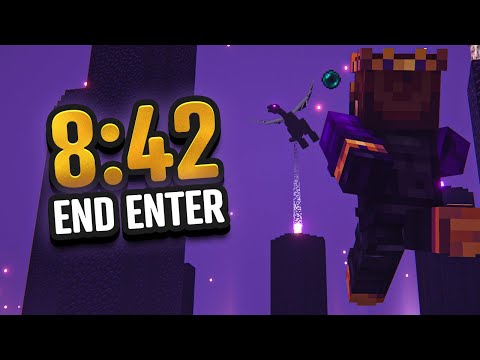
Sub-10 Minecraft Speedrun Dream Shattered: What Went Wrong?

Minecraft speedrunner narrowly misses sub-10 goal

You've seen the clips, the near misses, the heart-wrenching moments where a World Record attempt hangs by a thread. This is one of those stories. We were on pace, the stars were aligning, and the possibility of a sub-10 minecraftspeedrun felt *so* close. Imagine the thrill: entering The End with seconds to spare, the Ender Dragon within reach, all while the WR clock ticks down relentlessly. But as any seasoned Speedrunner knows, Minecraft is a fickle mistress, and the cruel hand of fate, or perhaps a misplaced block, can snatch victory away in an instant.

The Chase for Sub-10

The dream of a sub-10 minecraft speedrun is the holy grail for many players. It requires a perfect storm of optimized gaming strategies, flawless execution, and a healthy dose of luck. Every block placement, every item obtained, every portal generated matters. In this particular run, we were building momentum, hitting crucial minecraft speedrun strats with precision. The early game was clean, the RNG for necessary resources was surprisingly kind, and we were on a trajectory that most runners only dream of.

Entering The End with such a comfortable lead felt surreal. The goal was within sight, the celebratory screams were almost ready to erupt. This wasn't just another run; this felt like *the* run. The culmination of countless hours of practice, theorycrafting, and sheer determination.

Key Moments and Missed Opportunities

As with any speedrun, especially one pushing the boundaries of human capability, a few critical moments can make or break the entire attempt. In this case, a minor hiccup, a fraction of a second lost, proved to be the undoing of a potential World Record.

  • Nether Portal Placement: A slightly awkward portal placement in the Overworld cost us precious seconds. While seemingly minor, in a sub-10 run, every frame counts.
  • Ender Dragon Fight Mechanics: During the dragon fight, a small miscalculation in positioning led to taking unnecessary damage. This forced a slight pause to heal, eating away at the already razor-thin margin.
  • The Final Blow: The moment of truth. As the dragon was about to be defeated, a critical move was missed, a sword swing that didn't connect as intended. It was a single, unfortunate mistake that ultimately pushed the run just over the 10-minute mark.
"It's the small things that add up. That fraction of a second on the portal, that missed hit on the dragon... they're what separate a good run from a legendary one."

RNG and the Cruel Hand of Fate

The element of RNG (Random Number Generation) is an undeniable force in any Minecraft speedrun. While strategy and skill are paramount, the generation of strongholds, the loot in chests, and even the dragon's attack patterns can be influenced by luck. In this run, the Minecraft gods were mostly on our side, providing the necessary materials and portal coordinates efficiently. However, the dragon fight itself, a core part of any Speedrun, can be particularly susceptible to random variations.

The way the dragon swooped, the timing of its fiery breath attacks, and the placement of the restorative pillars all play a role. While experienced runners can mitigate much of this, extreme RNG can still pose a significant challenge. In this attempt, it seemed like the dragon was playing just a little too defensively, making it harder to land critical hits and extend the fight longer than desired.

Learning from the Near Miss

While the sub-10 goal eluded us this time, the experience was invaluable. Every failed attempt is a learning opportunity, a chance to refine strategies and identify weaknesses. This run, despite not hitting the target time, showcased incredible gameplay and highlighted areas where even the best can improve.

The community's support was immense, with viewers on Twitch and YouTube cheering on every step. This shared passion is what drives speedrunning forward. It’s a testament to the dedication of the GamerCommunity, always striving for that next perfect run.

"We didn't get the sub-10, but we proved that it's absolutely achievable. The route is there, the execution is there. It's just a matter of time and a little more luck."

Strategies for Future Attempts

So, what can be learned from this near-perfect SpeedrunGaming attempt? Several adjustments can be made to optimize future runs:

  • Prioritize Elytra strategies: While not applicable in a standard Any% run until The End, mastering early game traversal and resource gathering remains crucial.
  • Refine Nether Entry and Exit: Small optimizations in portal placement and navigating the Nether can shave off critical seconds.
  • Dragon Fight Consistency: Practicing the Ender Dragon fight against various RNG patterns is essential. This includes optimizing sword hits and potion throws.
  • Advanced Glitches and Skips: While this run aimed for near-perfection without major glitches, exploring glitches and skips might be necessary to shave off the final seconds required for a sub-10. For instance, understanding Sword Flying could be a game-changer.

The pursuit of a sub-10 minecraftspeedrun is an ongoing endeavor. Each attempt, whether successful or not, contributes to the collective knowledge of the speedrunningcommunity. The journey itself is as rewarding as the destination.

Frequently Asked Questions

What is considered a "sub-10" Minecraft speedrun?

A "sub-10" Minecraft speedrun refers to completing the game, typically by defeating the Ender Dragon, in under 10 minutes. This is a highly competitive category that demands extreme skill, precise execution, and favorable RNG.

What is RNG in Minecraft speedrunning?

RNG stands for Random Number Generation. In Minecraft speedrunning, it refers to the unpredictable elements of the game, such as world generation (stronghold location, biome seeds), loot drops, and mob behavior, which can significantly impact run times.

Are glitches allowed in Minecraft speedruns?

It depends on the category. For the popular "Any%" category, most glitches and exploits are allowed if they help achieve the fastest time. However, there are also "Glitchless" categories where certain mechanics are forbidden. For a sub-10 run, players often utilize various glitches and advanced techniques to save time.

What are the most critical parts of a Minecraft speedrun?

Key segments include finding a village or strong structure quickly, efficiently navigating the Nether to find a fortress and blaze spawns, collecting Ender Pearls, and finally, the Ender Dragon fight in The End. Each phase requires specific strategies and can be heavily influenced by RNG.

How can I get better at Minecraft speedrunning?

Practice is paramount. Study top runners, watch their VODs, learn common Speedrunning Strategies, and practice individual segments of the run repeatedly. Resources like speedrun.com for minecraftspeedrun records and guides are invaluable.

This dream of a sub-10 run remains alive. The pursuit continues, driven by passion and the unbreakable spirit of the Speedrunner. What are your thoughts on this near-miss? Did you spot anything we could have done differently? Share your insights and your own speedrunning triumphs in the comments below! Let's keep the speedrunningcommunity thriving!

Has a Controversial "External Tool" Decision Just Broken Minecraft Speedrunning?

Minecraft Speedrunning Controversy Image

Alright, fellow speedrunners and #minecraft enthusiasts, gather 'round. We need to talk. A storm has been brewing in the #minecraftspeedrun community, and it’s centered around a decision that’s got a lot of seasoned runners and newcomers alike scratching their heads. We're talking about the recent controversial move by some of the governing bodies within Minecraft speedrunning to allow the use of "external tools" during runs. This isn't just some minor tweak to the rules; this has the potential to fundamentally change how we approach racing against the clock for that coveted #WR. So, the million-dollar question is: Will this controversial decision ruin Minecraft speedrunning as we know it?

What Exactly Are We Talking About?

Before we dive deep, let's clarify what these "external tools" actually entail. The initial murmurs and discussions on platforms like Twitter and Reddit haven't always been crystal clear, leading to a lot of speculation. Are we talking about simple quality-of-life tools like improved timers or map overlays that don't interact with the game? Or are we looking at something more significant – tools that could potentially manipulate game mechanics, provide real-time data beyond what's normally available, or even automate certain actions? The ambiguity here is a massive part of the controversy. If it's something akin to what's used in other speedrunning communities for pure analytics, it might be less contentious. But if it crosses the line into game manipulation, that’s a whole different beast.

The lack of precise definition around "external tools" is a primary driver of the current debate, fueling both hope for innovation and fear of widespread cheating.

The concern is that without strict guidelines, what starts as a seemingly innocuous tool could evolve into something that provides an unfair advantage, undermining the core principles of #speedrunning – skill, practice, and a pure test of player ability against the game's mechanics. Think about a tool that could predict mob spawns with pinpoint accuracy, or one that could optimize item placement in real-time based on your exact position. That’s a far cry from using a separate monitor for a timer.

The Argument for Inclusion: Innovation or Exploitation?

Proponents of allowing certain external tools often cite the idea of pushing boundaries and fostering innovation within the speedrunning community. They argue that in games with extremely high skill ceilings and deeply optimized strategies, small advancements can shave off crucial seconds. Some might suggest that tools could help newer runners understand complex #speedrunningstrategies or identify more efficient routes. The idea is that these tools, if properly regulated, could make the scene more accessible and exciting, potentially leading to new discoveries and faster times. After all, many speedrunning communities have adopted sophisticated tools over the years, from advanced debugging programs used in development to intricate timing software.

Consider the evolution of speedrunning in games like Portal 2 or Super Mario 64. New glitches and techniques are constantly being discovered, often through meticulous analysis and sometimes aided by tools that can slow down gameplay or analyze frame data. The argument is that external tools, when used ethically and transparently, could be another avenue for exploration, rather than an outright cheat.

However, the line between "aid" and "cheat" is incredibly fine. The core of this argument lies in whether these tools are seen as enhancing the player's ability to execute, or as replacing the need for skill and practice altogether. For many, the latter is a path to ruin.

The Argument Against Inclusion: The Slippery Slope

On the other side of the coin, the majority of the #minecraftspeedrun community seems deeply concerned, and for good reason. The phrase "slippery slope" is being tossed around a lot, and it's easy to see why. Minecraft's speedrunning scene, particularly the Any% category, relies heavily on meticulous routing, precise execution, and understanding game mechanics that can be heavily influenced by #RNG. Introducing tools that could potentially circumvent this is a recipe for disaster for many.

Imagine a tool that could perfectly predict the location of a bastion remnant or guarantee a specific #RNG roll for a crucial item. This isn't about skill anymore; it's about having the "right" software. It devalues the countless hours runners put into mastering the game's intricacies. It also raises serious questions about integrity and fairness. How do you verify that a runner isn't using a prohibited tool? How do you maintain a level playing field when some players have access to advantages others don't, or can't, use?

Historically, #gamingintegrity has been a cornerstone of the speedrunning movement. Cheating scandals, even in minor games, have rocked communities and led to widespread distrust. For a game as massive and influential as Minecraft, a move towards allowing external tools without ironclad rules could be devastating for its competitive scene.

Impact on Different Categories: RSG vs. SSG

The impact of this decision will likely vary significantly depending on the specific category of speedrunning being considered. In Random Seed Glitchless (#RSG), where runners start with a fresh world and aim for the fastest completion without exploiting glitches, the introduction of tools that influence #RNG or provide perfect navigation data would be catastrophic. This category is all about adapting to the generated world and making the best decisions on the fly. Tools that remove that element of adaptation would fundamentally break RSG.

On the other hand, Glitchless or Set Seed categories might see a different, though still potentially problematic, impact. In Set Seed, the world generation is known, and runners optimize routes based on that. External tools could potentially help in executing complex glitches more consistently or finding new, faster routes through known seeds. However, the core issue of "what constitutes a tool" remains. If a tool can automate a difficult sequence or provide precise timing for a complex #glitch, it still blurs the line.

The #Any% category, which often includes glitches and skips, is perhaps where the debate is most heated. If the "external tools" are designed to aid in the execution of known glitches or to find new ones, it could lead to faster times but also significant controversy. For example, a tool that helps precisely time a "sword flying" technique or a complex #BLJ could be seen as an enhancement by some and a cheat by others.

Community Reactions: A Divided House

As expected, the community is fractured. Discussions on Reddit, Twitch chat, and Discord servers are often passionate and sometimes heated. You'll find runners arguing that this decision is necessary for the evolution of the game, allowing for new discoveries and keeping the #speedrunmeta fresh. They might point to other games where similar tools are accepted and have led to incredible advancements.

Conversely, a significant portion of the community, including many top runners, has voiced strong opposition. They fear it will alienate veteran players, invalidate existing #WorldRecords, and turn Minecraft speedrunning into a competition of who has the best software rather than the best skill. Many are calling for greater transparency and stricter definitions of what is and isn't allowed. The fear is that without clear boundaries, the #speedrunningcommunity could descend into chaos.

The current debate is a microcosm of a larger ongoing discussion in the speedrunning world: where do we draw the line between helpful tools and unfair advantages?

It's important to remember that #speedrun.com and other leaderboards have strict rulesets, and community consensus plays a huge role in shaping these. A controversial decision by a small group of moderators could easily be overturned or lead to forks in the community if it’s not widely accepted.

Historical Precedents in Speedrunning

This isn't the first time a speedrunning community has grappled with the introduction of new tools or technologies. In games like Super Mario Bros., the discovery of glitches like the "wrong warp" or the "flagpole glitch" fundamentally changed speedruns. These were often found through extensive gameplay and analysis, not necessarily through external software, but they represented a shift in how the game was played. More recently, debates have sprung up around AI-assisted strategies or advanced analysis tools in games like Elden Ring.

The key difference often lies in whether the tool is integrated into the game's code, a mod that alters gameplay, or a purely external application. The controversy surrounding the use of certain emulators or save states in the past also highlights how the community evolves and debates what constitutes a "fair" run. The #GamingIntegrity of the run is paramount.

What This Means for the Future of Minecraft Speedruns

The future of #MinecraftSpeedrun hangs in the balance. If this decision to allow external tools is implemented without clear, universally accepted definitions and strict verification processes, we could see a significant decline in trust and participation. Existing records might be questioned, and new runners might be deterred by the complexity and potential for unfairness. This could lead to a split within the community, with some adhering to the old rules and others embracing the new tools.

However, there's also a possibility that this controversy could lead to a more robust and transparent rule-making process. Perhaps this will spark a much-needed conversation about what "fair play" truly means in the context of modern speedrunning. If clear guidelines are established, defining precisely what tools are permissible and how they can be used, it might open up new avenues for optimization without destroying the integrity of the sport.

For now, the speedrunning world is watching closely. The #speedrunningcommunity thrives on passion and dedication, but also on fairness. The decisions made now will shape the landscape of Minecraft speedrunning for years to come. Whether this controversial move leads to an era of unprecedented innovation or a period of distrust and division remains to be seen. What are your thoughts? Let us know in the comments below!

Frequently Asked Questions

What are "external tools" in the context of Minecraft speedrunning?

The term is currently ambiguous but generally refers to software or applications used alongside the game that are not part of the base game itself. This can range from simple timers to more complex programs that might influence gameplay or provide data beyond what's normally available.

Why is allowing external tools controversial?

It's controversial because it raises concerns about fairness and #gamingintegrity. If tools provide an advantage that requires skill or practice, it can devalue the efforts of runners who rely solely on in-game mechanics and player skill, potentially leading to widespread cheating and distrust.

Will this decision invalidate existing Minecraft speedrun records?

It's possible, depending on the specific tools allowed and the community's consensus. If new, significantly faster strategies emerge due to these tools, existing records might be seen as belonging to a different era or category of speedrunning.

What are the main arguments for allowing external tools?

The primary arguments include fostering innovation, making speedrunning more accessible to newcomers by providing aids for learning complex strategies, and potentially discovering new optimal routes or glitches that wouldn't be found otherwise.

How can the Minecraft speedrunning community resolve this controversy?

Resolution likely requires a clear and detailed set of rules defining permissible tools, robust verification methods, and broad community consensus. Open dialogue and a commitment to maintaining #speedrunningethics are crucial for moving forward constructively.

What are your thoughts on this developing situation? Do you believe allowing external tools will elevate or ruin Minecraft speedrunning? Share your #CommunityInsights and join the debate in the comments below! We’re always looking for new strategies and community discussions. Do you want to see a breakdown of specific glitches or a guide on how to get started with #SpeedrunGaming? Let us know!

Unraveling the Essence: Clips That Define the Art of Minecraft Speedrunning

Alright, fellow gamers and speedrunning enthusiasts! You've stumbled upon this post likely because you've seen those jaw-dropping moments in Minecraft speedruns. Maybe you've wondered, "What *is* that insane trick?" or "How is that even possible?" The title, 'Clips That Define What Minecraft Speedrunning Is,' speaks volumes. It's not about the lore, the best Armas Poderosas, or a step-by-step guide for beginners. It’s about those electrifying, pixel-perfect moments that showcase the sheer skill, innovation, and sometimes sheer luck that define the pursuit of breaking the game's limits. We're talking about the core of what makes #minecraftspeedrun so captivating.

What Exactly ARE We Speedrunning?

Before diving into the clips, let's clarify what Minecraft speedrunning truly entails. It's the practice of completing a specific objective within Minecraft in the shortest time possible. The most common category is 'Any%', which means beating the game by defeating the Ender Dragon as fast as possible, regardless of how many in-game objectives are completed. However, the beauty of #minecraft speedrunning lies in its diverse categories, from '100% Speedrun' where every advancement must be achieved, to more niche challenges.

The clips that define the sport often highlight the most efficient routes and the execution of complex #SpeedrunningStrategies that shave off precious seconds. These aren't just casual playthroughs; they are meticulously planned and practiced feats of gaming prowess. You'll often see techniques that push the boundaries of what the game's engine was designed for, leading to incredible displays of #GamingExpertise.

The Essence of the Clips: More Than Just Fast Gameplay

When we talk about clips that "define" Minecraft Speedrunning, we're not just looking at someone mindlessly clicking through the game. We're looking for moments that encapsulate the spirit of the community and the ingenuity of the runners. These moments often involve:

  • Breaktaking Skill: Demonstrations of incredibly precise movements, item usage, and combat.
  • Clever Exploitation of Mechanics: Utilizing game mechanics, sometimes in unintended ways, to gain an advantage. Think about the infamous Butterflying technique for rapid ascent or descent.
  • Strategic Decision-Making Under Pressure: Quick thinking when things don't go according to plan, adapting strats on the fly.
  • The "Wow" Factor: Moments that are visually spectacular or conceptually brilliant, making a casual viewer stop and say, "What just happened?"

These clips often become legendary within the community, shared and analyzed for hours. They represent the pinnacle of what's possible within the game's framework and inspire new runners to push their own boundaries. It's about achieving the impossible, one frame at a time.

"The most defining speedrun clips aren't just about speed; they're about innovation. They show us new ways to interact with the game we thought we knew inside and out."

Key Strategies and Glitches Showcased

The world of Minecraft speedrunning is built upon a foundation of discovered and refined strategies, many of which rely on clever manipulation of game mechanics. The defining clips often feature these, pushing the game's engine to its limits:

  • Bed Strat (Bed Wars/Speedrunning): While primarily known from PvP modes, the strategic use of beds to create massive explosions and propel the player is a cornerstone of many early-game speedrun strats, especially for generating quick damage or movement.
  • Elytra Glitches/Skips: Using specific techniques to gain height or speed with the elytra that defy normal physics. These are crucial for traversing vast distances quickly in later stages of a run.
  • Water Bucket MLG: A classic skill that’s more about precision timing than a glitch. Landing perfectly on a water bucket to negate fall damage is a visually satisfying and essential trick.
  • Targeted Building and Placement: The ability to place blocks with extreme precision under pressure, often in mid-air, to create structures for climbing or bridging.
  • Pillaging for Resources: Knowing exactly which structures to raid and what resources are critical (like iron for buckets and armor) is vital.

These techniques, when executed flawlessly, create those memorable moments. They represent countless hours of practice and experimentation by dedicated runners. The mastery of these #SpeedrunningStrategies is what separates good runners from the legends. You might even see discussions around controversial categories like 'Any% Glitchless' which highlights runs that avoid certain exploits, focusing purely on player skill and route optimization.

The Role of RNG and Optimization

Let's talk about RNG (Random Number Generation). In Minecraft, RNG plays a massive role. From the biome you spawn in, to the loot in a chest, to the mob spawns, randomness can make or break a run. Speedrunners meticulously study the odds and develop strats to mitigate bad RNG or capitalize on good RNG. Clips often showcase those runs where everything just *clicks* – perfect spawns, optimal trades, and lucky mob drops. This is often referred to as a "God Seed" or a run with incredible #RNG.

However, pure luck isn't enough. The true magic happens when peak RNG meets peak execution. This is where optimization comes in. Runners constantly refine their routes, analyzing every second to shave off tiny amounts of time. This includes finding the shortest path between waypoints, learning the most efficient crafting recipes, and mastering combat encounters. The synergy between understanding RNG and applying optimal #GamingStrategies is what elevates a good run to a world-record contender.

"A speedrun clip that truly defines the game isn't just about hitting a world record; it's about showcasing a runner's deep understanding of the game's systems and their ability to perfectly execute a plan."

Skill Over Everything

While glitches and RNG are significant factors, what truly makes a clip defining is the sheer display of #PlayerSkill. These are moments where a runner's precision, reflexes, and game knowledge are on full display. Think of:

  • Flawless Ender Dragon Fights: Executing strategies that require perfect timing on attacks, block placements, and dodges.
  • Precise Building and Bridging: Creating pathways across chasms or up structures with speed and accuracy, often under duress from mobs.
  • Combat Mastery: Effectively using weapons and armor, or even creatively using the environment, to dispatch hostile mobs quickly and efficiently.
  • Inventory Management: Rapidly crafting, sorting, and using items without hesitation.

These are the moments that remind us that at its core, speedrunning is a test of human performance and dedication. The ability to perform complex actions under immense pressure is what separates the casual player from the elite #Speedrunner. When you see a runner pull off a difficult maneuver with seemingly effortless grace, you understand the depth of their training.

Community and Evolution

The defining clips of Minecraft Speedrunning are also a product of its vibrant and collaborative community. Runners share strats, discover new glitches, and push each other to greater heights. What was considered impossible a few years ago is now standard practice. These clips are not static; they represent the ongoing evolution of how we play and break #Minecraft. The constant discovery of new #GameBreakers and strategies ensures the meta is always shifting, leading to new, exciting clips.

The drive for faster times fuels innovation. A seemingly minor discovery can lead to an entirely new route or category. This continuous push for improvement, shared through platforms like YouTube and Twitch, is what keeps the #SpeedrunningCommunity alive and thriving. The community's collective knowledge base grows with every new run and every shared trick. For anyone interested in the competitive scene, checking out resources like speedrun.com for Minecraft is essential to see the latest records and discussions.

Why These Clips Matter

Clips that define Minecraft Speedrunning are more than just viral moments; they are snapshots of gaming history. They represent the dedication, ingenuity, and skill of a passionate community. They inspire new players to pick up the challenge, show veterans new tricks, and provide a thrilling spectacle for anyone who appreciates mastery in gaming. They are the benchmarks, the aspirations, and the proof of what can be achieved when players truly understand and push the limits of a game.

These are the moments that make you want to load up Minecraft yourself, grab a stopwatch, and see how fast *you* can beat the Ender Dragon. They embody the thrill of the chase, the satisfaction of execution, and the sheer fun of seeing a game played at its absolute fastest. Whether it's a perfect sequence of #Butterflying or a flawless #BedMining setup, these clips are the heartbeat of Minecraft Speedrunning.

Frequently Asked Questions

What is the fastest Minecraft speedrun category?

The "Any%" category, where the goal is simply to defeat the Ender Dragon as quickly as possible, is generally the fastest and most popular category. World records for this category are incredibly optimized and often under 10 minutes.

How do speedrunners deal with RNG?

Speedrunners meticulously study the game's random elements (RNG) to understand probabilities. They develop strategies to mitigate bad RNG (like rerolling worlds or finding alternative routes) and capitalize on good RNG (like finding rare resources early). This often involves analyzing thousands of potential outcomes.

Are glitches allowed in speedruns?

It depends on the category. "Any%" often allows glitches and exploits as they are part of the fastest routes. However, categories like "Any% Glitchless" specifically prohibit them, focusing purely on skill and intended game mechanics.

How can I start speedrunning Minecraft?

Start by watching top runners on platforms like Twitch and YouTube. Familiarize yourself with common strategies and routes for the "Any%" category. Then, practice individual segments and learn to use tools like LiveSplit for timing. The #SpeedrunningCommunity is generally welcoming to new players!

What are some common speedrun terms?

Key terms include: PB (Personal Best), WR (World Record), RNG (Random Number Generation), Strats (Strategies), Skips (Bypassing parts of the game), Glitches (Unintended game mechanics), and RSG (Random Seed Glitchless).

So, what are you waiting for? Dive into the clips, study the techniques, and maybe you'll be the next to define what makes Minecraft Speedrunning so electrifying! Share your favorite speedrun clips or discoveries in the comments below, and let us know what other guides you'd like to see on GamingSpeedrun.com. Happy running!

Top 10 Unluckiest Moments in Speedrunning: When RNG Decides Your Fate

``` ```json { "@context": "https://schema.org", "@type": "BlogPosting", "headline": "Top 10 Unluckiest Moments in Speedrunning: When RNG Decides Your Fate", "image": "https://img.youtube.com/vi/A294OqAA7Os/hqdefault.jpg", "author": { "@type": "Person", "name": "The GamingSpeedrun Team" }, "publisher": { "@type": "Organization", "name": "GamingSpeedrun.com" }, "datePublished": "2023-10-27", "dateModified": "2023-10-27" } ```
Speedrunning is an art form that demands precision, dedication, and an almost supernatural understanding of game mechanics. Hours upon hours are poured into mastering every jump, every glitch, every optimal strategy to shave off precious milliseconds. But even the most skilled runners know that a significant part of this high-stakes game boils down to one, often cruel, mistress: Random Number Generation, or RNG. We've all been there – that perfectly executed strat undone by a single bad dice roll, a critical enemy spawn, or a game-breaking glitch that appears at the worst possible moment. These moments aren't just frustrating; they're legendary tales within the #speedrunning community. Today, we dive deep into the heart of speedrunning agony to bring you the **Top 10 Unluckiest Moments in Speedrunning**. These are the times when fate, in the form of pure, unadulterated RNG, intervened and snatched victory, or at least a World Record (WR), from the jaws of triumph. From seemingly insurmountable odds to soul-crushing bad luck, get ready to relive (or perhaps just commiserate with) some of the most brutal and unlucky encounters in the history of #speedrun gaming.

When Bosses Decide to Play Dirty: Unpredictable Encounters

Boss fights are often the ultimate test in any speedrun. They’re meticulously planned, with strategies honed to perfection. However, bosses are frequently the biggest culprits of RNG-driven misfortune. Think about games where boss patterns are not entirely fixed. A single attack pattern that deviates from the norm can completely derail a run. For instance, in many #JuegosDeRol games, bosses might have multiple attack phases or variations. A runner might have a perfect strat for Phase 1, but if the boss enters Phase 2 prematurely or uses an unexpected move, it can lead to a significant time loss or even a death. A classic example is the infamous "wall of death" phase in some boss encounters where a specific sequence of events needs to trigger, and if it doesn't, the runner is stuck waiting, bleeding precious seconds. This isn't just about dodging; it's about the boss cooperating with your speedrun goals, and sometimes, they just don't.
The cruelest RNG is when a boss decides to spam its most damaging, unblockable, or slowest-to-recover attacks right when you need to deal damage or perform a critical skip. It feels personal.

Glitches Gone Wrong: When Your Best Friend Becomes Your Worst Enemy

Glitches and skips are the lifeblood of many speedruns. They’re the clever exploits that allow runners to bypass entire sections of a game. However, these same glitches can be incredibly fickle. A glitch that works 99% of the time might fail spectacularly on the 100th attempt, precisely when a World Record is on the line. We’ve seen instances in games like #TheElderScrollsIV or #SuperMario64 where a particular sequence of inputs is needed to trigger a #GameBreakers glitch. If the game’s physics engine behaves slightly differently due to micro-variations in input timing or character position, the glitch might not activate, or worse, it might lead to a softlock or an unintended death. The dread of seeing your carefully planned #SpeedrunningStrategies crumble because a #Glitch didn't trigger correctly is palpable. It's a double-edged sword; while glitches enable incredible speed, they also introduce a significant element of risk.

Spawn of the Devil: Unfortunate Enemy Placements

In games with predetermined enemy paths or spawn points, runners can often predict and navigate around them. But in many titles, enemy spawns are randomized to increase replayability. This is where bad luck can strike hard. Imagine rounding a corner in a survival horror game, only to be met by an enemy that wasn't there in previous runs, or a group of enemies that strategically block your only path forward. This is particularly brutal in #OpenWorld games or titles with dynamic enemy AI. A runner might be executing a flawless escape, only to find their path blocked by an unexpected patrol or a high-level enemy that wasn't part of the usual route. This forces the runner to either fight (losing time) or take a longer, more convoluted detour, jeopardizing the entire run. The frustration of being thwarted by an enemy that seemingly materialized out of thin air is a common speedrunning woe.

The Hunt for the Holy Grail: When Loot Just Isn't There

Many speedruns rely on acquiring specific items or power-ups at certain points in the game. These items can range from essential weapons to key items that unlock new areas. If the drop rate for these crucial items is based on RNG, a bad streak can be devastating. Consider games like #TheLegendofZelda or #EldenRing where specific drops are vital for optimal strategies. If a runner needs a particular weapon, armor piece, or crafting material, and the game simply refuses to provide it after dozens of attempts, that run is essentially over before it even gets going. The agonizing process of clearing areas, defeating enemies, and opening chests, only to be met with disappointment, is a common reason for many speedruns to end prematurely. It's a test of patience as much as skill.
I've personally experienced runs where a critical item, something that should drop 1 in 3 times, just wouldn't appear for over 30 attempts. You start questioning everything, and it’s hard not to feel that the game is actively working against you.

Frame Perfect Disasters: When a Single Frame Means Everything

Some of the most precise techniques in speedrunning require inputs to be executed within a tiny window of a few frames. These are the techniques that separate good runs from WRs. However, these incredibly demanding strats are also incredibly susceptible to RNG, not just in terms of game events, but also in terms of subtle environmental factors that can affect input timing. For example, in games with complex physics or momentum-based movement, slight variations in the game's internal clock or even minor network lag (in online-enabled games) can subtly alter how your inputs register. A perfectly timed jump might be a frame too early or too late, causing you to miss a ledge or fall through a #SwordFlying exploit. These are the moments that make you want to pull your hair out – you did *everything* right, but the game’s internal state was just a hair off, and your entire run collapses. This is where the #speedrunningcommunity debates the fairness of certain techniques and the inherent #gamingintegrity of relying on such precise, yet fragile, methods.

When Bad RNG Forces a Player Error

Sometimes, the unluckiest moments aren't a direct failure of a strat, but rather the consequence of bad RNG forcing a player into an undesirable situation that leads to an error. A perfect sequence might involve predictable enemy movements, but if an enemy spawns in an unexpected location or acts erratically, the runner might be forced into a panic situation. This panic can lead to a mis-timed button press, a missed jump, or an accidental activation of an ability. In games like #DarkSouls or #Bloodborne, where combat is punishing, a single mistake born from reacting to bad RNG can mean instant death. The frustration here is compounded because the initial problem wasn't the player's fault, but the resulting mistake is entirely their own. It's a chain reaction of misfortune.

Speedrunning's Unluckiest Legends

The #speedrunning community thrives on sharing these stories. Many runners have become legendary not just for their incredible runs, but for their spectacular, RNG-fueled failures. These moments often become #communitydrama highlights or memes that are rewatched and discussed for years. Think of the runner who spent months perfecting a sequence only to have it fail due to a single graphical glitch that made a crucial platform invisible. Or the #minecraftspeedrun attempt where a rare mob spawn failed to occur after hours of grinding, effectively ending the run. These aren't just "bad runs"; they are cautionary tales and legendary anecdotes that underscore the inherent unpredictability and thrill of competitive gaming. They remind us that even with perfect execution, sometimes, you just can’t beat the #RNG. These moments, while painful, often foster a deeper appreciation for the runs that *do* succeed against all odds, showcasing incredible adaptation and resilience. The pursuit of the perfect run is a noble one, but it's these unluckiest moments that truly define the #speedrunning experience for many. They are the shared scars of countless hours, the inside jokes of a dedicated community, and the ultimate testament to the fact that in the digital arena, sometimes, all you can do is roll the dice and hope for the best. ---

Frequently Asked Questions

What is RNG in speedrunning and why is it so important?

RNG stands for Random Number Generation. In speedrunning, it refers to any random element within a game that can affect the outcome of a run, such as enemy spawns, item drops, boss patterns, or critical hit chances. It's crucial because it introduces variability and can significantly impact the time taken to complete a game or a specific segment, often forcing runners to adapt their strategies on the fly.

Can all unlucky moments in speedrunning be attributed to RNG?

While RNG is a major factor, not all unlucky moments are purely random. Sometimes, a seemingly "unlucky" situation might arise from a slight miscalculation in a runner's strategy, a poorly understood game mechanic, or even minor hardware or software inconsistencies. However, the most dramatic and frustrating "unlucky moments" are often those where the game's inherent randomness plays the dominant role.

Are there any strategies to mitigate bad RNG in speedruns?

Yes, experienced runners develop strategies to mitigate bad RNG. This can involve learning multiple routes, practicing specific techniques that are less RNG-dependent, or developing backup plans for common unfavorable RNG outcomes. Some runners also invest time in learning how to manipulate RNG in certain games, though this is a complex and often game-specific skill.

What is the difference between RNG and a glitch in speedrunning?

RNG refers to random game events, while a glitch is an unintended behavior or bug in the game's code. Both can lead to unlucky moments in speedrunning. A glitch might be a tool for skipping sections, but it can also fail to activate or cause unexpected problems. RNG, on the other hand, is about unpredictable outcomes from intended game mechanics. Often, the most frustrating scenarios involve a combination of both: a planned glitch strategy failing due to game physics, or a specific RNG outcome making a glitch necessary but harder to execute.

What should I do if I encounter bad RNG in my own speedruns?

The best advice is to stay calm and adapt. Learn to recognize when a run is still salvageable and when it's time to reset. Focus on executing the remainder of the run as well as possible, even if it's no longer a WR attempt. Analyze what went wrong afterward to improve your strategies for future runs. Remember, even the best speedrunners experience bad RNG; it's part of the journey!

So, what are your most memorable unlucky moments in speedrunning? Did we miss any legendary fails from your favorite games? Share your stories and insights in the comments below! Let's celebrate the resilience of the #speedrunningcommunity in the face of #RNG and #Glitches. If you’re inspired to start your own speedrunning journey, check out our guides and join the discussion on our forums!

Minecraft Speedrun Mastery: Unpacking the Pinnacle of "Well Played"

A skilled Minecraft speedrunner in action, showcasing precise movements and quick resource gathering.

The phrase "This is a Really Well Played Minecraft Speedrun" isn't just hyperbole; it's a gamer's recognition of peak performance. As passionate speedrunners and fans ourselves, we understand that this title signifies more than just beating the game – it's about pushing its mechanics to their absolute limits with surgical precision. But what truly elevates a #minecraftspeedrun from merely fast to "really well played"? Let's dissect the strategies, the mindset, and the sheer dedication that defines such an exceptional feat.

What Makes a Minecraft Speedrun Truly Excel?

In the thrilling arena of speedrunning, "well played" is the highest compliment. It signifies a run that's practically flawless, a demonstration of intimate #GamingStrategies, encyclopedic game knowledge, and an uncanny ability to adapt. For #minecraft, this translates to:

  • Masterful Resource Management: Gathering essential items like iron and diamonds with unparalleled speed.
  • Flawless Movement Techniques: Utilizing advanced maneuvers, potentially including #SwordFlying or #Butterflying, to traverse the world at breakneck speed.
  • Precision Combat: Engaging hostile mobs only when necessary, dispatching them swiftly with #ArmasPoderosas or perfectly timed strikes.
  • Strategic Use of #Glitches: Knowing which unintended game mechanics can shave off precious seconds and which to avoid to prevent a run-ending failure.
  • Rapid #Nether Navigation: Constructing and traversing Nether portals with extreme efficiency.
  • The Ender Dragon Gauntlet: This critical endgame phase demands absolute perfection to secure the win.
"A truly 'well played' Minecraft speedrun isn't just about finishing fast; it's a ballet of pixel-perfect inputs, deep game understanding, and seamless adaptation to an ever-changing world."

The Building Blocks of Speed: Resource Management and Movement

A record-breaking run is built upon a foundation of impeccable early-game execution. This means securing vital early-game resources such as iron and diamonds with incredible efficiency. Often, this involves a profound understanding of Minecraft's world generation, leveraging optimal spawn points to quickly access villages or critical resource veins. Advanced players might even employ specialized #GamingStrategies to maximize resource acquisition. Movement is equally critical; mastering techniques like precise sprinting, well-timed jumps, and sometimes even obscure #GameMechanics like water bucket saves or strategic #elytra usage is paramount.

Combating and Conquering the End Dragon

The endgame is where many runs are decided. The Ender Dragon fight requires a specific set of tactics that have been honed over years by the #SpeedrunningCommunity. The most prevalent strategy involves utilizing beds within the Nether to deal massive damage to the dragon. Precise placement and detonation of these beds, often executed in mere frames, are crucial. A "well played" run will see this phase executed with minimal wasted motion, transforming a potentially chaotic encounter into a swift victory, showcasing mastery over #CombatesÉpicos.

Exploring the Minecraft Speedrunning Meta

The #minecraftspeedrun landscape is diverse, with various categories catering to different playstyles and skill sets. The most prominent is Any%, focusing on reaching the Ender Dragon as fast as possible, often embracing any exploit or glitch that saves time. Then there are categories like:

  • Glitchless: Demanding pure mastery of intended game mechanics.
  • 100% Speedrun: A marathon effort requiring the completion of all in-game advancements.
  • All Bosses SSG: Focusing on defeating every major boss in the game.

Each category presents unique challenges and requires specialized knowledge, from understanding intricate #EstrategiasDeJuego to optimizing routes through complex #GameExploits.

"The beauty of Minecraft speedrunning lies in its constant evolution; new #SpeedrunningStrategies and insights are discovered regularly by dedicated players."

What Sets a Masterful Run Apart?

A run lauded as "really well played" excels beyond mere speed. It signifies:

  • Impeccable Execution: Near-perfect inputs and decision-making under extreme pressure.
  • Strategic Brilliance: The application of highly optimized #GamingStrategies tailored to the specific game seed.
  • Adaptability: The seamless navigation of unexpected #RNGMoments and minor #GameGlitches.
  • Record-Breaking Performance: Achieving a Personal Best (PB) or, ideally, a World Record (WR).

The mention of completing "1,000 in a row!" in the original context points to an extraordinary level of consistency. This feat speaks volumes about the runner's perseverance and deep internalization of the game's mechanics, transforming complex actions into ingrained reflexes.

The Crucial Role of RNG and Quick Thinking

Minecraft's procedurally generated worlds mean no two speedruns are identical, introducing the inherent element of #RNG. A masterfully played run isn't just about following a pre-determined path; it's about the ability to adapt dynamically.

  • Favorable RNG: A lucky spawn near essential resources, a perfectly generated village, or a direct path to a stronghold can significantly accelerate a run.
  • Unfavorable RNG: Conversely, poor spawns, challenging mob encounters, or unlucky #Nether portal outcomes can derail even the best-laid plans.

A truly elite #Speedrunner can make split-second decisions to navigate these variables, keeping the run on track. This adaptability is as vital as any learned strategy.

Cultivating Speedrunning Excellence: Community and Evolution

The heart of speedrunning beats within its vibrant community. The exchange of knowledge, the friendly rivalries, and the collective pursuit of faster times are what drive innovation. Dedicated platforms and channels, much like the one associated with Couriway, serve as crucial hubs for sharing insights, discussing techniques, and showcasing incredible performances.

With every Minecraft update, new mechanics and world generation features emerge, constantly reshaping the speedrunning meta. We can anticipate the discovery of novel #GameExploits, more efficient combat strategies, and entirely new approaches to achieving victory. The accolade "This is a Really Well Played Minecraft Speedrun" isn't just about a singular achievement; it's a celebration of the continuous growth and ingenuity within the game's speedrunning scene.

Frequently Asked Questions

What is the most common category for Minecraft speedruns?

The most popular category is Any%, where the goal is to defeat the Ender Dragon as quickly as possible without adhering to strict glitchless rules.

How long does a top-tier Minecraft speedrun typically take?

World record runs for Any% typically range from under 10 minutes to around 15 minutes, depending on the version of Minecraft and specific category rules.

What are some essential skills for a Minecraft speedrunner?

Key skills include precise movement, efficient resource management, fast crafting, combat proficiency, and a deep understanding of game mechanics and potential #Glitches.

How important is RNG in Minecraft speedruns?

RNG plays a significant role, especially in categories like Any%. A good spawn, advantageous biome generation, and lucky mob drops can drastically impact the run's speed, but skilled players can adapt to mitigate bad RNG.

Where can I find more top-tier Minecraft speedruns?

Platforms like YouTube and Twitch are excellent resources. Following top speedrunners and communities like the one associated with Couriway will keep you updated on incredible performances.

In essence, a "really well played" Minecraft speedrun is the ultimate fusion of skill, strategy, and pure dedication. It's the culmination of countless hours of practice, meticulous planning, and the nerve to execute flawlessly under pressure. Whether you're aiming for your own #PB or simply admire the craft, these runs offer an incredible window into the competitive spirit and relentless innovation of the gaming world. What are your most memorable Minecraft speedrun moments? Share them in the comments below, or join our Discord to debate strategies and uncover new secrets!