Hey there, Mobile Legends strategists and aspiring ninjas! If you've landed here, you're likely on the hunt for that ultimate edge, that secret sauce that separates the average player from the true legends. You're looking to dominate the battlefield with Hayabusa, the Shadow of Iga, and you’ve heard whispers of Jibon107 and his insane 94% win rate. You've come to the right place. This isn't just another build guide; this is your deep dive into the mind of a top-tier player, exploring the strategies, the mindset, and the exact setup that makes Jibon107 the number one Hayabusa globally.
Get ready to unlock the full potential of this elusive assassin and start climbing those ranks like never before. We’ll break down his build, discuss itemization choices, explain his unique playstyle, and even touch upon the meta shifts that might influence how you approach playing Hayabusa in the current #gaming landscape.
We all know Mobile Legends: Bang Bang is a constantly evolving beast. The meta shifts, new heroes emerge, and nerfs or buffs can completely change the viability of a pick. Yet, some players consistently rise to the top, mastering their chosen champions with an almost supernatural consistency. Jibon107 is one such player. His dominance with Hayabusa isn't just about a good build; it's about an intimate understanding of the hero's mechanics, matchups, and the flow of the game. This guide aims to demystify that mastery, offering insights that any aspiring player can learn from. Whether you're aiming for a #worldrecord in win rate or just want to carry your games more effectively, understanding Jibon107's approach is key.
Jibon107's Legendary Status
What makes Jibon107 stand out? It’s the sheer statistical prowess. A 94% win rate isn't a fluke; it's the result of thousands of hours of dedicated practice, strategic decision-making, and flawless execution. He doesn't just win games; he dominates them, often with highlight-reel plays that leave opponents speechless. His #speedrun-like efficiency in snowballing leads and closing out games is a testament to his skill. Being the #1 Global Hayabusa means he's consistently outperforming every other player using the hero, regardless of server or patch.
In my own experience grinding the Mythic ranks, spotting a Hayabusa with Jibon107's profile was always a moment of dread. You knew you were in for a tough match if they were playing competently.
Understanding his approach means dissecting not just his loadout, but his decision-making process throughout a match.
The Core Build Unveiled
Jibon107's build focuses on maximizing Hayabusa's burst damage, mobility, and sustain, allowing him to assassinate squishy targets and escape dangerous situations. The goal is to hit critical power spikes early and snowball aggressively. While itemization can adapt slightly based on the enemy composition, there's a core set of items that form the backbone of his strategy. We're talking about lethal damage output combined with the agility needed to weave through enemy lines.
Item-by-Item Breakdown
Let's dissect the specific items Jibon107 typically prioritizes. Each item serves a crucial purpose in amplifying Hayabusa's strengths.
* **Demon Hunter Sword (DHS)**: This is often the first core item. DHS provides attack speed and lifesteal, which are crucial for Hayabusa's sustain in fights and his ability to duel. The passive, which deals damage based on the target's current HP, makes it incredibly effective against high-health tanks and fighters, turning Hayabusa into a potent threat against even the beefiest opponents. This is essential for those extended skirmishes where his passive can really shine.
* **Warrior Boots / Tough Boots**: The choice here depends on the enemy’s primary damage type. If they have heavy physical damage, Warrior Boots are the way to go. If magic damage or crowd control is more prevalent, Tough Boots offer magic defense and CC reduction. Jibon107 often opts for defensive boots early to survive the laning phase and ganks, allowing him to reach his damage item spikes faster.
* **Malefic Roar**: Once the enemy starts building physical defense, Malefic Roar becomes indispensable. Its high physical attack and percentage-based armor penetration are vital for shredding through even the most fortified defenses. This item ensures Hayabusa's damage remains relevant throughout the mid to late game.
* **Blade of Despair (BoD)**: For maximum burst potential, Blade of Despair is a must-have. The massive physical attack boost it provides, especially when attacking an enemy with less than 50% HP, allows Hayabusa to instantly eliminate squishy targets. This is often the item that defines his assassination capabilities.
* **Sea Halberd / Rose Gold Meteor**: The choice here is situational. If the enemy team has significant healing (e.g., Estes, Uranus), Sea Halberd's anti-heal passive is critical. If you're facing heavy magic damage and need more survivability, Rose Gold Meteor offers a magic defense shield when your HP drops low, along with lifesteal. This adaptability is a hallmark of high-level play.
* **Immortality**: The classic late-game safety net. Immortality provides both physical defense and HP, and its revive passive can be a game-changer in crucial team fights, allowing you a second chance to secure kills or escape.
Emblem and Talent Choices
Jibon107 typically runs the Assassin Emblem set.
* **Tier 1 Talent**: **Agility** is almost always taken to boost movement speed, further enhancing Hayabusa's already impressive mobility for rotations and engagements.
* **Tier 2 Talent**: **Invasion** provides physical penetration, crucial for early game damage output against enemy heroes.
* **Ultimate Talent**: **Killing Spree** is the go-to choice. It provides HP regeneration and movement speed after securing a kill, allowing Hayabusa to chain his abilities effectively and potentially escape after an assassination. This talent is fundamental to his snowballing potential and ability to stay in the fight.
Skill Prioritization and Combos
Hayabusa’s kit revolves around his mobility and burst.
* **Skill 1 (Ninjutsu: Shadow Shuriken)**: This is his primary poke and damage-dealing ability. Max this skill first to increase its damage and reduce its cooldown. It applies a mark that synergizes with his ultimate.
* **Skill 2 (Ninjutsu: Quad Shadow)**: Hayabusa dashes forward, leaving behind shadow clones. He can reactivate the skill to dash back to the initial shadow. This is his main mobility tool, crucial for engaging, disengaging, and repositioning. Using it to dash through walls or into unexpected positions is key.
* **Ultimate (Ogi: Shadow Destruction)**: Hayabusa channels his power, dashing between multiple enemies (or the same enemy multiple times if no other targets are nearby), dealing significant damage. The damage is amplified if the target is marked by his Skill 1.
**Common Combos:**
1. **Basic Assassination Combo**: Skill 2 (forward dash) -> Skill 1 -> Auto Attack -> Ultimate -> Auto Attack. Use Skill 2 to engage or reposition, mark with Skill 1, unleash ultimate, and finish with auto attacks.
2. **Escape Combo**: Skill 2 (dash away) -> Skill 1 -> Skill 2 (dash back to original shadow). Use this to bait enemies or reposition safely.
3. **Initiation/Dive Combo**: Skill 2 (dash into a bush or flank) -> Skill 1 -> Ultimate -> Skill 2 (dash out or reposition). This combo is for diving onto a priority target.
Mastering the timing of Hayabusa's ultimate, especially cancelling it early to reposition with the second dash of Skill 2, is crucial for survival after a dive. It's all about that calculated risk.
Playstyle and Strategy in the Meta
Jibon107’s Hayabusa operates as a primary assassin. His role is to find isolated squishy targets (Marksmen, Mages, sometimes other Assassins) and eliminate them quickly.
* **Early Game**: Focus on farming safely, using Skill 1 to poke and secure minions. Look for opportunities to gank side lanes with your Skill 2, but don't overextend. Your priority is hitting your item power spikes.
* **Mid Game**: This is where Hayabusa starts to shine. With DHS and potentially Malefic Roar, you can begin assassinating targets. Constantly look for picks on the map. Participate in objective fights (Turtle, Lord) but avoid being the primary frontline. Stick with your team but maintain flank positions.
* **Late Game**: Every engagement is critical. Jibon107 excels at identifying the right moment to strike. Wait for key enemy abilities to be used before diving. Use your ultimate strategically; sometimes, it’s better to use it on one squishy target than to spread the damage poorly. The #speedrun mentality here is about efficiency – get the kill, secure the objective, and end the game.
The current #gaming meta often favors heroes with strong team fight presence or split-pushing capabilities. Hayabusa needs to be surgical, picking off key threats to disrupt the enemy's coordination.
Advanced Tips and Tricks
* **Bush Trapping**: Use bushes to your advantage. Activate Skill 2, dash out, and then reactivate to return to the bush unseen, creating mind games for your opponents.
* **Wall Dashes**: Hayabusa's Skill 2 can be used to pass through certain thin walls, enabling surprising flank routes or quick escapes.
* **Ultimate Targeting**: Against multiple targets, manually aim your ultimate to prioritize the squishiest or most dangerous enemy. Don't just auto-target if you can help it.
* **Itemization Flexibility**: Never stick to one build rigidly. If the enemy team has heavy CC, consider buying items like Athena's Shield or Rose Gold Meteor earlier. Against a defensive lineup, Malefic Roar is paramount. This adaptive approach is what separates good players from the truly elite, aiming for that #worldrecord performance consistently.
Countering Hayabusa
While potent, Hayabusa isn't invincible. Heroes with strong crowd control (like Tigreal, Chou, or Khufra) can lock him down before he can assassinate. Burst mage damage can also potentially eliminate him if he misplays. Items like Oracle can reduce the effectiveness of his lifesteal, and anti-heal items are crucial. Patience is key; waiting for him to use his Skill 2 offensively before engaging is a common counter-strategy.
Frequently Asked Questions
**Q1: What is the best way to practice Hayabusa's combos?**
A1: The best way is to utilize the practice mode in Mobile Legends. Focus on executing the Skill 2 dash variations and then seamlessly integrating Skill 1 and the Ultimate. Practice hitting dummies and then practice against bots.
**Q2: Is Hayabusa still viable in the current Mobile Legends meta?**
A2: Absolutely. While the meta constantly shifts, Hayabusa remains a top-tier assassin due to his high burst damage and mobility, especially when played by skilled individuals like Jibon107. His effectiveness relies heavily on player skill and strategic itemization.
**Q3: When should I prioritize Sea Halberd over other damage items?**
A3: You should prioritize Sea Halberd when the enemy team has significant healing capabilities, such as heroes like Estes, Uranus, or Grock with sustain items. Applying the anti-heal effect is crucial for winning team fights against such compositions.
**Q4: How does Jibon107 achieve such a high win rate with Hayabusa?**
A4: It's a combination of factors: deep hero mastery, understanding matchups, impeccable mechanics, strategic decision-making regarding item builds and rotations, and consistent execution. His win rate reflects dedication and elite-level gameplay.
Conclusion: Embrace the Shadow
Mastering Hayabusa, as demonstrated by Jibon107's incredible 94% win rate, is a journey that requires dedication, practice, and a deep understanding of the game. By implementing his build, mastering the combos, and adopting his strategic mindset, you can significantly elevate your own gameplay. Remember, the build is just a tool; your skill and decision-making are what truly turn you into a force to be reckoned with on the #gaming battlefield.
What are your favorite Hayabusa tips or tricks? Did you find Jibon107's build effective? Drop your thoughts in the comments below and join our Discord community to discuss all things #speedrun and #mobilelegends! Let's push those boundaries together.
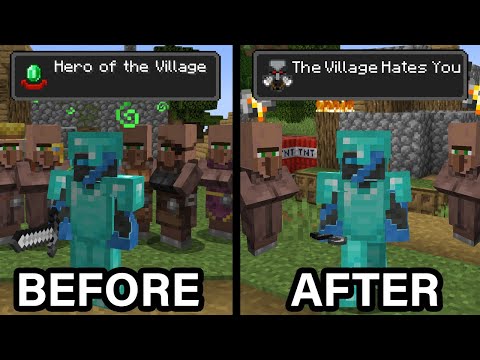
Hey there, fellow gamers! Welcome to GamingSpeedrun.com, your ultimate hub for everything hardcore gaming. Today, we're diving deep into a story that sent shockwaves through the Minecraft community – the saga of Minecraft's most notoriously 'evil' player. This isn't just about griefing; it's a tale that explores the darker side of player interaction in a sandbox world, pushing the boundaries of what's considered acceptable in online gaming.
The legend surrounding Minecraft's most 'evil' player is more of a whispered cautionary tale than a documented biography. Unlike well-known speedrunners or content creators, this individual, or perhaps even a group using a shared persona, operated in the shadows, their actions amplified by the anonymity of the internet. Their notoriety wasn't built on impressive speedrun times or flawless PBs, but on a deliberate and systematic disruption of other players' experiences.
Think less about a boss battle strategy and more about the ultimate griefing tactic. This player's 'evil' stemmed from a deep understanding of Minecraft's mechanics, not to master them, but to exploit them for maximum chaos. It was about psychological warfare within a blocky world.
The Rise of a Digital Menace
The story often begins on servers where PvP was enabled or where creative liberties could be taken with server rules. Early on, this player might have been a nuisance, a minor pest causing small disruptions. However, their methods evolved. They became adept at finding server exploits, understanding player psychology, and coordinating actions that could dismantle weeks or months of a player's hard work in mere hours.
This player didn't just break blocks; they broke spirits. Imagine logging in after a long day to find your meticulously built castle reduced to rubble, your rare items stolen, and your farms destroyed. The 'evil' wasn't just about destruction; it was about the targeted psychological impact. This is a level of trolling that goes beyond casual gaming and into the realm of digital sabotage.
"Their goal wasn't to win; it was to make others lose the will to play."
This player's strategies often involved social engineering, turning players against each other, or exploiting server vulnerabilities that administrators hadn't yet patched. It was a calculated approach to causing mayhem, making them a feared entity within the communities they infiltrated.
Defining 'Evil' in Minecraft
In a game like Minecraft, where creativity and player freedom are paramount, the definition of 'evil' can be blurry. Is it simply destroying someone's build? Stealing their hard-earned diamonds? Or is it a more pervasive, calculated effort to ruin the experience for as many players as possible?
For this player, 'evil' seemed to be an art form. It involved:
Targeted Destruction: Focusing on the most impressive or valuable player builds.
Resource Depletion: Systematically farming or destroying resources crucial to server economy or player progression.
Psychological Warfare: Spreading misinformation, creating elaborate traps, or staging 'events' designed to cause panic and distrust.
Exploiting Mechanics: Using game glitches or server loopholes to their advantage, often in ways that were difficult for regular players to counter.
This player understood that in a sandbox MMORPG, the greatest threat isn't always a mob or another player in a direct fight, but someone who can systematically undermine the very foundation of your digital existence.
"The real 'evil' was the deliberate intent to cause emotional distress through gameplay."
Their actions often transcended simple griefing. It was about wielding power within the game's ecosystem in the most destructive way possible, turning a collaborative world into a battleground of wits and malice.
The Community's Reaction
Initially, there was confusion and anger. Players would report the incidents, but often, the perpetrator would be long gone, leaving behind only devastation and frustration. As the legend grew, so did the community's attempts to combat this 'evil'. Servers implemented stricter rules, better anti-griefing plugins, and more active moderation.
This player's notoriety also fueled a morbid curiosity. Discussions about their exploits filled forums and social media. Some players, ironically, admired their dedication to causing chaos, even if they deplored the actions themselves. It became a test of server security and community resilience.
For many, the story served as a stark reminder of the importance of community guidelines and robust server management. It highlighted how quickly a positive online environment can be corrupted by a single, determined force.
Lessons from the Darkness
The saga of Minecraft's most 'evil' player, while rooted in a game, offers broader lessons about online interactions:
The Power of Anonymity: The internet can empower individuals to act with less accountability.
Player-Driven Narratives: Even without official lore, player actions can create compelling, albeit sometimes dark, stories.
The Importance of Moderation: Effective community management is crucial for maintaining a healthy online space.
Defining Boundaries: Understanding and enforcing ethical player behavior is key to long-term community health.
In the world of speedrunning and competitive gaming, we often focus on pushing the limits of skill and optimization. However, stories like this remind us of the equally powerful, albeit negative, force that player intent can wield. It's a part of the onlinegaming landscape that we can't ignore.
"The most dangerous glitches aren't in the code, but in the code of conduct."
Ultimately, the story of Minecraft's most 'evil' player is a testament to the complex dynamics of online communities and the enduring impact individuals can have, for better or worse, on virtual worlds.
Related Content
If you're fascinated by the unexpected stories within gaming, check out these:
Deep dives into the lore of various RPGs and MMORPGs.
The psychology behind streaming and content creation.
Frequently Asked Questions
What made a player "evil" in Minecraft?
In this context, "evil" referred to players who deliberately and systematically caused destruction, griefed other players, exploited game mechanics for malicious purposes, and aimed to ruin the experience for others, rather than engaging in typical gameplay.
How did the Minecraft community typically react to such players?
Reactions varied from anger and frustration to reporting the player to server administrators. The legend of such players often grew within the community, leading to discussions and efforts to improve server security and moderation.
Are there specific servers known for dealing with "evil" players?
While specific servers might gain reputations, most large or community-driven servers have rules and moderation systems in place to prevent severe griefing and destructive behavior. Dedicated anti-griefing plugins and active staff are common countermeasures.
Did this "evil player" achieve any records or positive recognition?
No, their notoriety was exclusively based on negative actions and disruption. Their 'achievements' were in causing chaos, not in skill-based gameplay like speedrunning or building.
What can players do if they encounter an "evil" player on a server?
The best course of action is to document the behavior (screenshots, videos), report it to server moderators or administrators, and avoid direct confrontation if it escalates. Following server rules and understanding reporting procedures is key.
What are your thoughts on the 'evil' player phenomenon in sandbox games? Have you ever encountered something similar? Share your stories and insights in the comments below! Let's build a community that thrives on respect and awesome gameplay. And hey, if you're looking to support the grind for more hardcore content, check out our news, speedrun guides, and join our Discord! Let's keep the passion for gaming alive!
In the electrifying world of competitive gaming, few achievements capture the imagination quite like a new World Record. The recent breaking of the Minecraft World Record for a Set Seed Glitchless run at an astonishing 1 minute and 55.3 seconds is a testament to human precision, strategy, and an intimate understanding of the game's mechanics. This isn't just about playing fast; it's about playing perfectly.
Understanding the Record
For those new to the speedrunning scene, the title "(1:55.3) WORLD RECORD - Minecraft Set Seed Glitchless" might seem like a string of technical jargon. However, for seasoned gamers and aspiring speedrunners, it's a siren song of elite performance. This record signifies a mastery of Minecraft, pushing the boundaries of what’s considered possible within the game’s framework.
The gamer community, especially those who live and breathe speedruns, are always on the lookout for these monumental achievements. They represent the pinnacle of skill and dedication, often inspiring new generations of players to pick up the controller (or mouse and keyboard) and strive for their own personal bests.
The Title Decoded
Let's break down this record-breaking title:
(1:55.3): This is the final time, measured in minutes and seconds, that the player achieved. Every millisecond counts at this level.
WORLD RECORD (WR): This signifies that the time achieved is the fastest ever recorded for this specific category. It’s the ultimate validation of skill.
Minecraft: The game in question, a sandbox phenomenon with near-infinite replayability and a thriving speedrunning scene.
Set Seed: This is crucial. It means the run was performed on a specific, pre-determined world generation. This removes the element of RNG in world creation and focuses purely on player execution and knowledge of that specific world.
Glitchless: This is perhaps the most impressive part for many. It means the run was completed without the use of any unintended game exploits or bugs. It’s a pure test of intended game mechanics and player skill.
Set Seed Speedrunning Explained
In Minecraft speedrunning, there are two primary categories: Random Seed (RSG) and Set Seed (SSG). In RSG, players start with a newly generated world, and the outcome heavily depends on the initial RNG of the world generation – where resources spawn, how structures appear, and even the biomes encountered. This adds an unpredictable element, making each run unique but also heavily reliant on luck.
Set Seed speedrunning, on the other hand, is about absolute mastery of a known environment. The player is given a specific seed (a number that dictates the entire world generation). This allows runners to meticulously plan their routes, practice specific skips and tricks, and optimize every single movement. It’s a battle of perfect execution and deep game knowledge, removing the luck of the draw and focusing purely on player skill. This category often sees incredibly tight times because the variables are so controlled.
Glitchless is King
The 'Glitchless' qualifier is a significant differentiator. Many speedrunning categories allow for the exploitation of game bugs or unintended mechanics to save time. These can include things like BLJs (Backwards Long Jumps), out-of-bounds tricks, or item duplication glitches. While these are fascinating in their own right and require immense skill to execute, the 'Glitchless' category appeals to a segment of the community that values a "pure" playthrough.
Achieving a World Record without relying on glitches means that every action taken was intended by the game developers. It’s a testament to understanding the core mechanics, mastering movement, and optimizing every interaction within the game's intended design. This category often demands more precise input and a deeper understanding of subtle game mechanics that might otherwise be bypassed by exploiting bugs.
The Seed Itself: Unpacking the Magic
The specific seed used for this record, -3294725893620991126, is a carefully chosen landscape. In Set Seed runs, the seed is paramount. Runners scour databases and experiment to find seeds that offer advantageous starting conditions. This might include:
Proximity to essential early-game resources like villages, caves with iron, or specific biomes.
Strategic placement of structures that can be exploited for quick progression.
Favorable terrain for efficient movement.
Without seeing the actual run or a map of this specific seed, it's hard to pinpoint exactly *why* this seed is so effective for a sub-2-minute run. However, in Minecraft speedrun contexts, a good seed can shave off precious seconds, sometimes even minutes, by providing perfect setups for critical objectives like reaching the Nether, finding a stronghold, or gathering essential gear.
Strategy and Execution
A 1:55.3 glitchless run in Minecraft is a masterclass in efficiency. To achieve this time, every second must be accounted for. The strategy likely involves:
Immediate resource gathering: Dropping into the world and instantly collecting wood and stone.
Fast crafting: Efficiently crafting essential tools (wooden pickaxe, stone pickaxe, furnace, etc.) in the optimal order.
Objective prioritization: The primary goal in such a short run is usually reaching the Nether and then finding the End Portal as quickly as possible. This means finding a lava pool for a makeshift Nether portal or quickly locating a Ruined Portal.
Precise movement: Every jump, sprint, and turn is calculated. No wasted steps, no unnecessary actions.
Combat efficiency: If combat is required (e.g., killing Blazes for Blaze Rods), it must be done with extreme precision and speed, likely utilizing effective melee strats or ranged tactics.
End Portal navigation: Locating the stronghold and activating the End Portal with minimal wasted time in finding the portal room and collecting Eyes of Ender.
The execution demands near-perfect muscle memory and split-second decision-making. Even a small mistake, like misplacing a block or missing a jump, can cost valuable seconds and ruin a World Record attempt.
Key Moments in the Run
While the full analysis requires watching the video, certain moments are critical in any sub-2-minute Minecraft speedrun:
The Spawn: What does the player see immediately upon spawning? Is there wood? Is a village visible? This first few seconds are crucial for setting the pace.
Nether Entry: How quickly is the Nether accessed? Is it a lava pool build, a ruined portal, or a rapid discovery of a generated portal? Accessing the Nether is a major time sink.
Blaze Rods & Ender Pearls: The efficiency of obtaining Blaze Rods (from Blazes in Nether Fortresses) and Ender Pearls (often from Endermen) directly dictates the speed of finding the stronghold and the End Portal.
Stronghold Navigation: Finding the End Portal room within the generated stronghold without getting lost or taking unnecessary detours.
The Ender Dragon Fight: While this run is incredibly short, it's highly probable that the strategy involves quickly destroying the Ender Crystals and then engaging the dragon with a focused approach, perhaps utilizing beds or other advanced strats.
The sheer dedication required to shave off fractions of a second in a game as dynamic as Minecraft is astounding. This run isn't just about playing the game; it's about understanding its deepest secrets.
The Speedrunning Community
This record is a significant event for the Minecraft speedrun community. It pushes the meta forward, potentially inspiring other runners to discover new optimizations or refine existing ones. Communities like the one found on speedrun.com are where these records are tracked, verified, and discussed. The collaborative nature of speedrunning means that insights from one runner can quickly spread and benefit others, fostering a unique environment of competition and shared knowledge.
Players interested in learning more about Minecraft speedrunning, especially the Glitchless or Set Seed categories, can find immense resources online. Many top runners share their strategies, provide tutorials, and are active on platforms like Twitch and YouTube, offering a window into their incredible skill.
The meticulous planning and execution needed for a record like this highlight the evolution of gaming. It's no longer just about playing; it's about optimizing, strategizing, and pushing the boundaries of what's possible within a game's code.
FAQ About This Record
What is a "Set Seed" in Minecraft speedrunning?
A "Set Seed" means the player is running the game on a specific, pre-determined world generation. This removes the element of luck in world creation and allows for highly optimized routes and strategies based on known game layouts.
What does "Glitchless" mean in this context?
It means the speedrun was completed without the use of any unintended game exploits, bugs, or mechanics that were not part of the intended gameplay. It’s a pure test of player skill using the game’s designed features.
Is this the fastest Minecraft speedrun overall?
No. This is a record for the Set Seed Glitchless category. Other categories, such as Random Seed (RSG) or those that allow glitches, may have faster overall times. However, Set Seed Glitchless is considered one of the purest tests of skill.
How can I learn to speedrun Minecraft?
Many resources are available! Websites like speedrun.com offer leaderboards and guides. Watching top speedrunners on Twitch and YouTube is also invaluable for learning strats and techniques. The community is generally very welcoming to new runners.
What are the essential items needed for a sub-2-minute Minecraft speedrun?
Typically, you'll need to quickly acquire wood, stone, iron for a bucket and armor, and then focus on reaching the Nether to gather blaze rods and ender pearls for Eyes of Ender to locate the stronghold and the End Portal.
Conclusion
This new World Record of 1:55.3 in Minecraft Set Seed Glitchless is more than just a number; it’s a monument to dedication, strategy, and an unparalleled understanding of Minecraft. It showcases the pinnacle of what can be achieved when skill, knowledge, and perfect execution align. It inspires us all to look deeper into our favorite games and discover the extraordinary possibilities hidden within.
What are your thoughts on this incredible record? Did you expect such a fast time? Share your insights and your own speedrunning goals in the comments below! If you’re looking for more in-depth guides on Minecraft speedrun techniques or other gaming feats, let us know!
What's up, fellow speedrunners and Genshin Impact fanatics! Welcome back to GamingSpeedrun.com, where we dive deep into the most insane optimizations and mind-blowing records in the gaming world. Today, we're not just looking at a speedrun; we're witnessing a spectacle. Get ready for a 10-second C6 Xiao Triple Kenki Spiral Abyss 3.5 SPEEDRUN that redefines what's possible in Teyvat.
When you hear "10 seconds" and "Spiral Abyss" in the same sentence, your mind immediately goes to those legendary runs where every frame counts. This run featuring a C6 Xiao is exactly that. It's a testament to deep game knowledge, precise execution, and a bit of that sweet, sweet RNG. In my experience, pushing characters to their absolute limits like this is what makes speedrunning so addictive, and this C6 Xiao showcase is peak Genshin Impact optimization.
Decoding the Triple Kenki Strategy
The "Triple Kenki" refers to a highly specific and incredibly difficult combo sequence that allows Xiao, especially at C6, to unleash an overwhelming amount of damage in an incredibly short window. At C6, Xiao's Elemental Burst, Bane of All Evil, allows his plunging attacks to reset his Elemental Skill, Lemniscatic Wind Cycling, an unlimited number of times while the Burst is active. The Kenki, in this context, refers to the swift, almost instantaneous succession of these skills and plunging attacks.
Skill Reset Mechanic: The core of the strategy relies on perfectly timing a plunging attack immediately after using the Elemental Skill. This resets the skill's cooldown, allowing for another immediate use.
C6 Advantage: Without C6, Xiao's skill has a cooldown. The Constellation 6 unlock removes this limitation during his Burst, making these rapid-fire sequences possible.
Damage Amplification: Each subsequent plunge attack within the Burst period gains multipliers, and when combined with specific buffs and enemy debuffs, the damage output becomes astronomical.
Pulling off a "Triple Kenki" means executing three rapid skill-plunge sequences. In a speedrun context, this is compressed into the absolute fastest possible execution, often just a few seconds.
Essential Team Composition and Buffs
Achieving such a feat isn't just about Xiao; it's about the entire setup. The team composition is meticulously crafted to maximize Xiao's damage output and survivability, while also enabling the rapid execution of the strategy. Speedrunning often involves specific support characters that might not be meta for general gameplay but are crucial for shaving off milliseconds.
Support Characters: You'll typically see characters like Bennett for his massive ATK buff, Faruzan (especially C6) for Anemo damage bonuses and crowd control, and potentially another buffer or shielder depending on the specific Abyss chamber.
Artifacts and Weapons: Xiao will be kitted out in his best artifacts, likely Vermillion Hereafter or Gladiator's Finale, with perfect substats. His weapon will be a top-tier polearm like the Primordial Jade Winged-Spear or Staff of the Scarlet Sands, depending on the build's needs (Crit Rate/DMG focus).
Food and Potions: In speedruns, every advantage matters. Attack-boosting food (like Adeptus' Temptation) and Anemo damage potions are almost always used.
The synergy between Xiao's C6, Faruzan's buffs, and Bennett's incredible ATK boost is the bedrock upon which these lightning-fast runs are built.
Spiral Abyss 3.5: The Battleground
The Spiral Abyss is Genshin Impact's ultimate endgame challenge, and its floors change periodically. Version 3.5 presented specific enemy lineups and environmental effects that, for this particular run, were favorable to a Xiao-centric strategy. Understanding the enemy AI, their attack patterns, and the specific buffs or debuffs present on each floor is critical for any speedrunner.
For a run aiming for such extreme speed, the ideal scenario involves enemies grouping up naturally or being easily manipulated into a tight cluster. This allows Xiao's AoE plunging attacks to hit multiple targets simultaneously, drastically reducing the time needed to clear a chamber.
Analyzing the 10-Second Run
Watching this 10-second run is like observing a perfectly choreographed dance of destruction. From the moment the chamber loads, the player inputs are precise:
Setup Phase: A quick application of buffs from supports (Bennett's Burst, Faruzan's skill/burst).
Burst Activation: Xiao activates his Elemental Burst.
The Kenki Flurry: This is where the magic happens. A rapid sequence of Skill -> Plunge -> Skill -> Plunge -> Skill -> Plunge. Each action is executed with near-perfect timing to reset the skill and maximize plunge attack damage.
Enemy Elimination: The combined power of the C6 Xiao's rapid strikes, amplified by buffs, obliterates the enemies within the 10-second window.
The video evidence is irrefutable. This isn't just about high damage; it's about achieving maximum damage per second (DPS) in the most condensed form possible. It's a masterclass in understanding character mechanics and optimizing every single action.
The visual of Xiao, infused with Yaksha energy, raining down blows in such rapid succession is truly a sight to behold for any Genshin Impact player.
Beyond the Run: Further Optimizations
Even with a record like this, the speedrunning community is always looking for more. What could be optimized further?
Enemy Grouping RNG: While the run might have good RNG, slightly better enemy spawns or AI pathing could shave off precious fractions of a second.
Frame Perfect Inputs: There's always the possibility of executing inputs at a more frame-perfect level, though this becomes exponentially harder.
Buff Application Order: Tiny adjustments to the order or timing of support skills and bursts can sometimes yield marginal gains.
Alternative Buff Stacks: Exploring different combinations of food, potions, and even Resonance effects might reveal new optimization pathways.
C6 refers to having all six Constellations unlocked for the character Xiao. At Constellation 6, Xiao's Elemental Burst allows his Elemental Skill to be reset an unlimited number of times, enabling rapid-fire skill usage.
What is the "Triple Kenki" strategy?
It's a speedrunning technique for C6 Xiao where he performs three successive Elemental Skill uses followed immediately by plunging attacks within his Elemental Burst's duration, dealing massive damage very quickly.
Is this run achievable for average players?
This specific 10-second run is extremely difficult and requires a C6 Xiao, top-tier artifacts, specific team compositions, and near-perfect execution, making it a challenge even for dedicated players. However, understanding the mechanics can help any player optimize their Xiao.
What version of Spiral Abyss is this run from?
The run is specifically from Spiral Abyss 3.5.
The dedication required to pull off such a run highlights the incredible passion within the Genshin Impact speedrunning community.
This 10-second C6 Xiao Triple Kenki Spiral Abyss 3.5 SPEEDRUN is more than just a fast clear; it's a piece of art. It exemplifies the peak of optimization and skill in Genshin Impact speedrunning. Whether you're a player looking to improve your own Xiao, a speedrunning enthusiast, or just someone amazed by the sheer potential of video games, this run is a must-watch. What do you think of this incredible feat? Did you expect Xiao to be capable of this? Let us know in the comments below or join the discussion on our Discord channel!
```
```json
{
"@context": "http://schema.org",
"@type": "FAQPage",
"mainEntity": [
{
"@type": "Question",
"name": "What does C6 Xiao mean?",
"acceptedAnswer": {
"@type": "Answer",
"text": "C6 refers to having all six Constellations unlocked for the character Xiao. At Constellation 6, Xiao's Elemental Burst allows his Elemental Skill to be reset an unlimited number of times, enabling rapid-fire skill usage."
}
},
{
"@type": "Question",
"name": "What is the \"Triple Kenki\" strategy?",
"acceptedAnswer": {
"@type": "Answer",
"text": "It's a speedrunning technique for C6 Xiao where he performs three successive Elemental Skill uses followed immediately by plunging attacks within his Elemental Burst's duration, dealing massive damage very quickly."
}
},
{
"@type": "Question",
"name": "Is this run achievable for average players?",
"acceptedAnswer": {
"@type": "Answer",
"text": "This specific 10-second run is extremely difficult and requires a C6 Xiao, top-tier artifacts, specific team compositions, and near-perfect execution, making it a challenge even for dedicated players. However, understanding the mechanics can help any player optimize their Xiao."
}
},
{
"@type": "Question",
"name": "What version of Spiral Abyss is this run from?",
"acceptedAnswer": {
"@type": "Answer",
"text": "The run is specifically from Spiral Abyss 3.5."
}
}
]
}
Hey Tarnished! Are you stuck on a boss that feels like an insurmountable wall? Do you find yourself staring at the "YOU DIED" screen more times than you care to admit? Today, we're diving deep into the legend of D3SNUD0 and the iconic "Let Me Solo Her" phenomenon, a testament to skill, dedication, and a bit of meme magic in Elden Ring. This isn't just about beating one boss; it's about understanding the extreme dedication required for a speedrun and mastering the most daunting encounters in gaming.
Who is D3SNUD0?
D3SNUD0 isn't just any gamer; they are a player who rose to prominence by showcasing an unparalleled ability to handle one of the most notoriously difficult bosses in gaming history. Their in-game persona and consistent execution became a beacon of hope and inspiration for players struggling in the Lands Between. The name itself is a direct nod to their signature move: stepping in to defeat a boss that other players couldn't handle, often when summoned.
The Unyielding Challenge: Malenia, Blade of Miquella
Let's talk about the elephant in the room: Malenia, Blade of Miquella. This boss is widely considered the pinnacle of difficulty in Elden Ring. Her aggressive combos, devastating Waterfowl Dance attack, and her ability to heal with every hit make her a true test of patience, reflexes, and strategy. Many players spend hours, even days, attempting to overcome her. The phrase "Let Me Solo Her" became synonymous with the community's need for a savior, and D3SNUD0 answered that call with incredible skill.
Malenia isn't just a boss; she's a rite of passage. Her design forces players to adapt and overcome, pushing the boundaries of what's expected in an action RPG.
Deconstructing the "Let Me Solo Her" Strat
The "Let Me Solo Her" strategy, as popularized by D3SNUD0, is more than just a clever catchphrase. It represents a deep understanding of boss mechanics, enemy AI, and player-optimal positioning. When a player summons D3SNUD0 (or a player adopting this strategy), the goal is clear: the summoned player will engage the boss *exclusively*, drawing aggro and handling the entire fight solo, allowing the host player to observe or simply survive. This requires a specialized approach that minimizes risk to the summoner and maximizes the chances of victory for the solo player.
Core Tactics and Skill Mastery
At the heart of the "Let Me Solo Her" approach lies a mastery of several core combat mechanics:
* **Aggro Management:** Understanding how to draw and maintain the boss's attention without taking excessive damage is paramount. This involves precise positioning and knowing when to be aggressive and when to disengage.
* **Dodging and Spacing:** The Waterfowl Dance, Malenia's most infamous attack, requires near-perfect timing and knowledge of spacing to avoid. D3SNUD0's ability to consistently dodge this and other complex combos is what sets them apart. In my own attempts, learning the *exact* distance to create for the dodge was a game-changer.
* **Punish Windows:** Identifying and capitalizing on the brief moments after a boss finishes an attack sequence is crucial for dealing damage efficiently. This requires deep knowledge of the boss's move set.
* **Status Effects/Build Synergy:** While the "Let Me Solo Her" persona often emphasizes pure skill, certain builds can greatly enhance the effectiveness of this strategy. Utilizing weapons or spells that inflict status effects like Frostbite or Bleed can significantly shorten the fight, making the solo attempt more feasible.
Optimizing Your Build
For those aspiring to emulate this feat, build optimization is key. While D3SNUD0's specific build might vary or remain a mystery, general principles apply:
* **Weapon Choice:** Fast weapons are often preferred for quick punishes, while weapons with good reach can help maintain distance. The dual-wielding katanas, particularly those capable of inflicting bleed, became an iconic choice for this strategy, aligning with the aesthetic and effectiveness of the "Let Me Solo Her" meme.
* **Armor and Talismans:** Prioritizing defensive stats and talismans that boost damage output during openings is vital. Talismans that increase stamina recovery or reduce damage taken can be lifesavers.
* **Spirit Ashes (or lack thereof):** The true "Let Me Solo Her" spirit often involves the summoner *not* using their own Spirit Ashes, relying solely on the skilled phantom. However, for players practicing, using a defensive Spirit Ash can help manage aggro initially.
The beauty of this challenge is that it pushes you to understand the game's systems on a fundamental level, not just through brute force.
The Speedrunner's Mindset
What D3SNUD0 embodies is the core of the speedrunning mentality. It's about:
* **Pattern Recognition:** Memorizing every frame of an enemy's animation.
* **Execution:** Performing actions with near-perfect timing and input.
* **Adaptability:** Quickly adjusting to unforeseen circumstances or slight variations in enemy behavior.
* **Persistence:** The willingness to fail thousands of times to achieve a single, perfect run. This dedication is what truly separates a casual player from a speedrunning legend. The pursuit of a new worldrecord or a personal best (PB) demands this level of commitment.
Impact on the Speedrunning Community
The "Let Me Solo Her" meme and the players who embody it have had a significant impact. They:
* **Democratized Difficulty:** Showed that even the hardest challenges can be overcome with the right approach.
* **Inspired Players:** Encouraged countless Tarnished to keep trying and to experiment with different strategies.
* **Created Viral Content:** The legend of "Let Me Solo Her" became a massive talking point, driving engagement and discussion across platforms like YouTube and streaming sites. It’s moments like these that define the onlinegaming landscape.
Frequently Asked Questions
What exactly is the "Let Me Solo Her" strategy?
It's a strategy where a summoned player (the "phantom") engages and defeats a boss entirely on their own, allowing the host player to observe or simply survive without participating in the fight. It emphasizes a highly skilled, solo performance.
Who is the original "Let Me Solo Her" player?
While the specific player associated with the viral phenomenon is widely known as "Let Me Solo Her" (often depicted in a pot helmet and loincloth), players like D3SNUD0 have adopted and perfected this role, becoming legends in their own right for consistently fulfilling this request.
Is this strategy viable for all bosses in Elden Ring?
While the *spirit* of soloing is applicable to many bosses, the specific "Let Me Solo Her" moniker and strategy are most famously associated with Malenia, Blade of Miquella, due to her extreme difficulty and the iconic nature of the request.
How can I get better at boss fights like Malenia?
Practice is key. Study boss patterns, learn dodge timings, experiment with different weapons and Ashes of War, and don't be afraid to summon help from other players or use Spirit Ashes strategically.
Does D3SNUD0 play on PC or console?
Information regarding the specific platform of individual players like D3SNUD0 is often not publicly disclosed, but the strategies are generally transferable across platforms like PC and Playstation.
The journey through the Lands Between is fraught with peril, but with skill, strategy, and a touch of memetic inspiration, even the most daunting challenges can be overcome. D3SNUD0's mastery serves as a powerful reminder of the incredible feats players can achieve in Elden Ring and beyond.
What are your toughest boss encounters? Have you ever been summoned to help another player defeat a seemingly impossible foe? Share your stories and strategies in the comments below! Join our Discord channel to connect with fellow Tarnished and discuss all things gaming and speedrunning!
Hey there, speedrunners and fans of intense gaming! Welcome back to GamingSpeedrun.com, your ultimate hub for all things speedrunning. Today, we're diving deep into the adrenaline-pumping world of AW Outbreak, specifically focusing on those nail-biting 2-player Easter Egg speedrun world record attempts. If you've ever dreamed of shaving precious seconds off your best times or just want to witness some truly elite gameplay, you've come to the right place. We're talking about perfectly executed strats, razor-sharp reflexes, and that sweet, sweet RNG alignment that makes or breaks a world record.
This isn't just about playing fast; it's about playing smart, with precision and unwavering focus. We'll break down the core mechanics, the most effective strategies, and what it truly takes to stand atop the leaderboards. So, buckle up, because we're about to explore everything you need to know to master the AW Outbreak 2-player Easter Egg speedrun.
The Challenge of AW Outbreak
AW Outbreak presents a unique set of challenges for speedrunners. Unlike more linear games, its objective-based gameplay and often unpredictable enemy spawns require a dynamic approach. The 2-player Easter Egg, in particular, adds another layer of complexity. Coordination between players is paramount, and any miscommunication can lead to lost time or, worse, a failed run. Mastering the map layouts, enemy behaviors, and the specific sequence of actions for the Easter Egg is crucial. Every second counts, and understanding the intricate details of the game is key to shaving off those vital milliseconds.
In my own experience, the hardest part was synchronizing the final steps of the Easter Egg. Player 1 needs to trigger something while Player 2 is in a completely different area. If one player is even a fraction of a second late, the whole sequence can reset, forcing you to restart the entire segment. It's a test of trust and communication as much as it is of skill.
Essential Strategies for the 2-Player Easter Egg
The foundation of any successful AW Outbreak speedrun, especially for the 2-player Easter Egg, lies in a well-rehearsed strategy. This involves:
Map Knowledge: Knowing every nook, cranny, and optimal path is non-negotiable. This includes spawn points for objectives, item locations, and enemy patrol routes.
Role Assignment: Clearly defining who does what. One player might focus on enemy clearing while the other prioritizes objective interaction or item collection.
Resource Management: Efficiently using ammo, grenades, and any special abilities to clear paths quickly without wasting precious seconds.
Easter Egg Sequence Optimization: Understanding the fastest way to complete each step of the Easter Egg. This often involves precise movement and timing.
For the 2-player Easter Egg, we often see strats where one player acts as a distraction or bait while the other player executes a specific task. For instance, during the [Specific Phase Name, e.g., "Power Activation"] sequence, Player A might draw enemy fire towards a specific choke point while Player B sprints to interact with the objective undetected. This level of coordination requires countless practice runs.
The communication in a 2-player run is everything. You need to anticipate your partner's moves and be ready to adapt instantly. A single missed call-out can cost you minutes.
Optimizing Your Run: Glitches and Skips
The pursuit of a world record in any game often involves exploiting unintended mechanics. In AW Outbreak's speedrun community, certain glitches and skips have been discovered that can drastically shorten run times. These might include:
Pathing Exploits: Manipulating enemy AI to get them stuck or bypass them entirely.
Sequence Breaks: Performing actions out of the intended order to skip certain objectives or events.
Out-of-Bounds Glitches: Finding ways to move the player character outside the playable map boundaries to bypass sections.
While not always intended by the developers, these techniques are integral to the speedrunning meta. Mastering them requires deep game knowledge and often frame-perfect execution. For example, a well-timed jump and crouch can sometimes allow a player to clip through a specific wall, skipping a lengthy combat encounter. These aren't just shortcuts; they are calculated risks that, when successful, shave significant time off the clock. The community on Speedrun.com meticulously documents these strats, ensuring the most optimal routes are shared.
One notorious skip involves using a specific grenade throw combined with a sprint to bypass a large portion of the [Specific Level Name, e.g., "Research Facility"] level. It's incredibly difficult to pull off consistently, but when it works, it saves nearly 90 seconds. That's the kind of optimization that separates a good run from a potential world record.
The Role of RNG in World Record Attempts
Ah, RNG (Random Number Generation). The bane and blessing of every speedrunner's existence. In AW Outbreak, particularly during an Easter Egg run, RNG can play a significant role. This includes:
Enemy Spawn Locations: Where enemies appear can dictate how quickly you can clear areas.
Item Drops: The availability of crucial items like ammo or power-ups.
Objective Spawns: The exact location where certain interactable objects or objectives appear.
A "good" RNG run means enemies spawn in predictable, easily managed locations, and objectives appear exactly where you need them. A "bad" RNG run can feel like the game is actively working against you, with enemies spawning directly in your path and objectives being frustratingly far away. World record attempts often require a blend of near-perfect execution and favorable RNG. Runners spend countless hours practicing to minimize the impact of bad RNG, but sometimes, you just need that lucky break.
You can have the most optimized strat in the world, but if the RNG is terrible, you might as well restart. It's a tough pill to swallow sometimes.
Training and Mindset of a Top Speedrunner
Becoming a top-tier speedrunner for AW Outbreak isn't just about raw talent; it's about dedication, discipline, and a specific mindset. The training regimen for a world record attempt often involves:
Segmented Practice: Breaking the run down into smaller, manageable sections and practicing each one until it's nearly flawless.
Full Run Attempts: Putting it all together, often requiring hours of sustained focus.
VOD Review: Watching recordings of your own runs (and those of top competitors) to identify mistakes and areas for improvement.
Mental Fortitude: Learning to cope with frustration, reset quickly after mistakes, and maintain concentration over long periods.
The psychological aspect is huge. You need to be able to perform under pressure, knowing that a single mistake could mean losing minutes of progress. Many top runners develop routines to stay calm and focused, whether it's listening to specific music, doing breathing exercises, or simply taking short breaks between attempts. The sheer repetition involved in speedrunning requires a level of patience that few possess.
Community and Future Records
The AW Outbreak speedrun community is a vibrant and dedicated group. Runners constantly share new techniques, collaborate on strats, and push the boundaries of what's possible. Platforms like Discord and forums are crucial for this information exchange. Seeing these players shave fractions of a second off existing records is incredibly exciting. We're always on the lookout for the next big breakthrough in AW Outbreak speedrunning. Will the current world record fall soon? With the ingenuity and dedication of this community, it's almost a certainty.
Keep an eye on the leaderboards on Speedrun.com. The competition is fierce, and new records are always within reach. Supporting these runners through streams and encouragement can make a huge difference.
FAQ
Q1: What is the current world record for the AW Outbreak 2-player Easter Egg speedrun?
A1: The current world record is constantly being updated. For the most accurate and up-to-date information, please check the official leaderboards on Speedrun.com.
Q2: Is it possible to do the 2-player Easter Egg solo?
A2: No, the Easter Egg is specifically designed for two players and requires simultaneous actions that cannot be performed by a single player.
Q3: How long does a typical 2-player Easter Egg speedrun take?
A3: A well-optimized run, especially a world record attempt, can be completed in under [Estimate Time, e.g., "30 minutes"], but practice runs can vary significantly.
Q4: What are the most important skills for an AW Outbreak speedrunner?
A4: Key skills include precise aiming, efficient movement, strong map knowledge, effective communication (for 2-player runs), and excellent RNG manipulation.
Q5: Where can I find other AW Outbreak speedrunners?
A5: The best places to connect are the official Speedrun.com page for the game and dedicated Discord servers for AW Outbreak speedrunning.
So there you have it – a deep dive into the thrilling world of AW Outbreak 2-player Easter Egg speedruns. It’s a testament to skill, coordination, and the relentless pursuit of perfection. Whether you're aiming for a world record yourself or just enjoy watching the best players push the limits, the speedrunning community around AW Outbreak is truly something special. Keep practicing, keep communicating, and maybe you'll be the one setting the next record!
What are your favorite AW Outbreak speedrun strats? Did we miss any crucial tips? Let us know in the comments below or join the conversation on our Discord server!
```
```json
{
"@context": "https://schema.org",
"@type": "FAQPage",
"mainEntity": [
{
"@type": "Question",
"name": "What is the current world record for the AW Outbreak 2-player Easter Egg speedrun?",
"acceptedAnswer": {
"@type": "Answer",
"text": "The current world record is constantly being updated. For the most accurate and up-to-date information, please check the official leaderboards on Speedrun.com."
}
},
{
"@type": "Question",
"name": "Is it possible to do the 2-player Easter Egg solo?",
"acceptedAnswer": {
"@type": "Answer",
"text": "No, the Easter Egg is specifically designed for two players and requires simultaneous actions that cannot be performed by a single player."
}
},
{
"@type": "Question",
"name": "How long does a typical 2-player Easter Egg speedrun take?",
"acceptedAnswer": {
"@type": "Answer",
"text": "A well-optimized run, especially a world record attempt, can be completed in under 30 minutes, but practice runs can vary significantly."
}
},
{
"@type": "Question",
"name": "What are the most important skills for an AW Outbreak speedrunner?",
"acceptedAnswer": {
"@type": "Answer",
"text": "Key skills include precise aiming, efficient movement, strong map knowledge, effective communication (for 2-player runs), and excellent RNG manipulation."
}
},
{
"@type": "Question",
"name": "Where can I find other AW Outbreak speedrunners?",
"acceptedAnswer": {
"@type": "Answer",
"text": "The best places to connect are the official Speedrun.com page for the game and dedicated Discord servers for AW Outbreak speedrunning."
}
}
]
}
In the vibrant and ever-evolving world of Minecraft, where creativity meets relentless challenge, speedrunning has carved out its own niche. It’s a discipline for those who crave pushing the limits, optimizing every second, and achieving the seemingly impossible. Today, we're diving deep into a particularly electrifying speedrun that pits a skilled player against the formidable IGNIS, a boss that truly tests the mettle of any adventurer.
This isn't just about defeating a boss; it's about a unique twist that introduces an element of controlled chaos. Join us as we dissect this thrilling Minecraft mob battle, witness the intense pursuit of victory, and celebrate the ultimate defeat of IGNIS. Get ready, because this is a world record attempt that will keep you glued to your screen.
Facing IGNIS: The Ultimate Challenge
The core of this gaming spectacle is the confrontation with IGNIS. This isn't your average Creeper or Zombie; IGNIS is a boss mob designed to be a significant hurdle. Its attacks are devastating, often infused with fire, and its resilience is legendary. Many players face IGNIS and crumble, but not our speedrunner. Armed with pure determination and a meticulously planned loadout of enchanted items and powerful tools, they embark on this high-stakes quest.
The objective is clear: defeat IGNIS as quickly as humanly possible. This requires not just raw power but also an understanding of the boss’s patterns, attack timings, and potential weaknesses. In the context of a speedrun, every millisecond counts. Preparation is key, but even the best preparation can be thrown into disarray by the unpredictable nature of the challenge.
The sheer intensity of facing a boss like IGNIS in a speedrun scenario is breathtaking. It's a true test of a player's ability to perform under extreme pressure.
Unleashing the Power of the WHEEL
What elevates this particular speedrun from a standard boss rush to something truly unique is the introduction of the "WHEEL." This isn't an in-game item you'll find in vanilla Minecraft; it's a self-imposed challenge mechanic that the speedrunner uses to add layers of complexity and excitement. Imagine a roulette wheel, but instead of cash prizes, it dictates the weapon or strategy that *must* be used against IGNIS for that specific encounter.
With every spin, the possibilities are vast. Will the WHEEL dictate a powerful, fully enchanted diamond sword? Perhaps a precise bow with spectral arrows? Or maybe it’ll force an unconventional strategy, like using splash potions of harming or even environmental traps. This element of chance ensures that no two runs are ever truly the same, demanding constant adaptation from the player.
For the viewers, this means constant suspense. We're not just watching a player execute a known strategy; we're watching them react and adapt to whatever the WHEEL throws at them. It’s a masterclass in improvisation and deep game knowledge.
Adapting and Strategizing on the Fly
This is where the true skill of a speedrunner shines. Facing IGNIS is one thing, but facing IGNIS while being told *how* you must fight it by a randomizer is another level entirely. The speedrunner needs to possess an incredibly deep understanding of Minecraft's combat mechanics to make *any* weapon or strategy viable.
Let's say the WHEEL lands on "Wooden Axe." A wooden axe is hardly ideal against a powerful boss. However, a seasoned speedrunner knows that even with suboptimal gear, exploiting critical hits, using movement to dodge attacks, and applying status effects (if the WHEEL allows for secondary items) can still lead to victory. It's about finding the most efficient path to damage output and survivability, regardless of the constraints.
This dynamic gameplay keeps the run engaging. We see split-second decisions being made, adjustments to attack patterns, and clever uses of the environment. The speedrunner isn't just fighting IGNIS; they're fighting the limitations imposed by the WHEEL, making the eventual victory all the more satisfying. It’s a constant puzzle-solving scenario where the pieces change every few minutes.
The ability to pivot strategies based on the WHEEL's outcome is what separates a good speedrunner from an elite one. It demands encyclopedic knowledge of game mechanics.
Precision and Skill: The Art of Combat
Beyond the strategy and adaptation, the raw execution in this speedrun is simply astounding. IGNIS's fiery assaults are relentless, but our gamer demonstrates exceptional dexterity. Flawless dodges, perfectly timed blocks, and precise strikes are executed with every weapon the WHEEL provides.
Watching the gamer weave through volleys of fireballs and searing attacks while simultaneously landing their own blows is mesmerizing. The timing required for these maneuvers is incredibly strict. Missing a dodge by a fraction of a second could mean massive damage or even death, ending the run instantly. This level of control and execution is a hallmark of high-level speedrunning.
Each successful hit, each evaded attack, builds momentum. The audience can feel the tension rising as the health bar of IGNIS dwindles. It’s a dance of skill and timing, a performance honed through countless hours of practice and dedication. The precision shown here is not just about winning; it's about demonstrating mastery over the game's systems.
The Thrill of Victory, The Agony of Defeat
As the battle inevitably reaches its climax, the suspense is almost unbearable. IGNIS, even weakened, fights with everything it has. The gamer, fueled by adrenaline and the sheer will to succeed, pushes their limits. Every resource is deployed, every skill utilized to its maximum potential.
There's a palpable energy in the stream or recording as the final moments approach. Will the current strategy hold? Will the final few hits land before IGNIS unleashes a devastating counter-attack? The outcome hangs precariously in the balance.
And then, it happens. In a final, epic clash, IGNIS falls. The boss's defeat is a cathartic release, a testament to the gamer's unwavering resolve and exceptional skill. The victory is hard-earned, a sweet reward for the dedication, the practice, and the nerve-wracking execution displayed throughout the run. It’s moments like these that define the world record chase.
A Speedrun for the Ages
This Minecraft mob battle speedrun, featuring the unique "WHEEL" mechanic against the formidable IGNIS, is more than just a game; it's a showcase of dedication, adaptability, and sheer gaming prowess. The strategic use of the WHEEL, the precision of the combat, and the indomitable spirit to overcome adversity combine to create an unforgettable experience.
This run serves as a powerful reminder of the boundless possibilities within Minecraft and the exhilarating world of speedrunning. It inspires viewers not just to watch, but to potentially embark on their own gaming adventures, to challenge themselves, and perhaps even chase their own personal bests or world records.
Are you ready to dive into your own gaming challenges? Sharpen your skills, explore new strategies, and join a community passionate about the art of playing games faster and better. For more incredible content, guides, and inspiration, keep visiting GamingSpeedrun.com – your ultimate destination for all things gaming and speed.
Frequently Asked Questions
What is IGNIS in Minecraft?
IGNIS is not a standard boss mob found in the vanilla version of Minecraft. In the context of this speedrun, it's likely a custom-named boss or a player-created challenge designed to be exceptionally difficult, often with enhanced stats or unique attack patterns.
What is the 'WHEEL' mechanic in this speedrun?
The 'WHEEL' is a self-imposed rule or challenge where a randomizer determines the specific weapon, item, or strategy the player must use to fight the boss (IGNIS) during that particular run. It adds an element of unpredictability and forces the player to adapt.
How long does a speedrun like this typically take?
The duration of such a speedrun can vary greatly depending on the specific ruleset, the effectiveness of the 'WHEEL' outcomes, and the player's skill. A typical speedrun aiming for a world record could range from under an hour to several hours, especially with added random elements.
Where can I watch this speedrun?
While the original source isn't specified here, runs like this are often shared on platforms like YouTube and Twitch. You can typically find them by searching for the title or the speedrunner's name on these platforms.
What are your thoughts on challenges like the 'WHEEL' mechanic? Have you ever used similar randomizers in your own Minecraft adventures? Let us know in the comments below! And if you're looking for more epic speedruns and gaming insights, join our Discord community!