World Record Ban Speedrun: Banned From PlayStation 5 in Under 60 Seconds!

Alright gamers, gather 'round! Today, we're diving into something wild, something that sounds like a challenge from the gods of speedrunning but ends in digital exile. We're talking about a **World Record Ban Speedrun** on the PlayStation 5. Yes, you read that right. Getting banned from your console, and the goal? To do it as fast as humanly possible. In this particular run, our intrepid runner managed to achieve a ban in under 60 seconds! This isn't your typical #speedrun chasing a #WR for game completion, but a testament to the extreme ends the community will go to for the sake of a record. The objective here is clear: achieve an account ban on the PlayStation Network as quickly as possible. This implies exploiting a vulnerability or engaging in behavior that warrants immediate and severe action from Sony. The runner's goal isn't to master game mechanics or find glitches to skip levels, but to trigger the ban system itself. It's a dark meta, an exploration of the boundaries of the platform's rules.

What Exactly is a Ban Speedrun?

Forget about optimizing routes in *Spider-Man: Miles Morales* or finding the fastest sequence of moves in *Elden Ring*. A ban speedrun flips the script entirely. Instead of beating the game, the "game" becomes getting yourself kicked off the platform. This usually involves finding specific exploits, engaging in prohibited activities that are easily detectable, or perhaps even social engineering in some extreme, and often unethical, cases. The goal is a swift and definitive ban, celebrated by the runner as a new #record. It's a niche, controversial, but undeniably fascinating corner of the #speedrunning world. The runner in question achieved their ban in a staggering 60 seconds, a time that likely shattered previous records for such an endeavor.
In my experience with the #gaming community, speedrunners are always pushing boundaries. Sometimes, those boundaries are within the game, and sometimes, they're with the platform itself. This ban run is a prime example of the latter.
The core elements of a ban speedrun are: * **Speed**: The primary metric. How quickly can the ban be triggered? * **Irreversibility**: The ban should be permanent or long-lasting, confirming the "success" of the run. * **Publicity**: Often shared online to document the achievement and gain notoriety within specific communities.

The PlayStation 5 Vulnerability (or Method)

While the exact method used to achieve this specific PS5 ban in under a minute isn't detailed here, such runs often rely on exploiting system loopholes or engaging in actions that are clearly against the Terms of Service. This could range from issues with account security, specific messaging exploits, or even exploiting game-breaking bugs that Sony's automated systems flag aggressively. It's crucial to understand that attempting to replicate this kind of speedrun is **highly discouraged**. The risk of losing access to your purchased games, your online profile, and potentially even hardware (in extreme cases of IP bans) is immense. This is not a recommended strategy for anyone seeking legitimate fun or even a novel challenge. It's more of a demonstration of how quickly a digital life can be erased. The runner mentions a "Do NOT REPLY to THIS Message" scenario. This hints at a potential exploit related to messages received on the PSN. Historically, certain types of messages could crash applications or even devices. If such a vulnerability existed and was tied to an immediate account sanction, it would be a prime candidate for a rapid ban speedrun. This isn't about skill in a traditional #rpg or #mmorpg sense, but about finding a critical flaw.

Consequences of a Ban

Getting banned from the PlayStation Network, especially in a manner that is so rapid, means more than just losing access to online multiplayer. It can mean: * **Loss of PSN Account**: Your entire profile, including friends lists, trophies, and purchase history, could be permanently inaccessible. * **Inability to Play Games**: Digital games tied to the banned account become unplayable. Even physical games requiring online authentication might become useless. * **No Access to PlayStation Store**: You can no longer purchase new games or content. * **Potential Hardware Restrictions**: In severe cases, Sony might implement measures that restrict console usage, though this is less common for standard account bans.
The warning is stark: "I can no longer play Playstation 5 or log onto my psn account after this speedrun." This highlights the finality and severity of such an action.
This is why the #world record in this context is a cautionary tale, not a badge of honor. It showcases a vulnerability in the system, but at a significant personal cost to the runner.

Ethical Considerations

The existence of "ban speedruns" raises several ethical questions within the gaming community. 1. **Exploiting Vulnerabilities**: Is it right to discover and publicize methods that could harm other users or destabilize platform integrity? 2. **Encouraging Risky Behavior**: Does showcasing such runs, even with warnings, encourage others to experiment and potentially face severe consequences? 3. **Intent vs. Outcome**: While the runner's intent might be to set a record, the outcome is a disruption and a potential security breach. Most legitimate #speedrunning communities focus on in-game challenges. Exploiting platform vulnerabilities for records is often seen as separate, and sometimes frowned upon, due to the potential negative impacts. It's a far cry from the cooperative spirit often found in #online #gaming.

Learning from the Record

Despite the controversial nature, these extreme runs can sometimes highlight areas where platforms like PlayStation need to improve their security and user protection. * **Message System Security**: If a message exploit was indeed used, it underscores the need for robust filtering and security within communication systems. * **Ban System Efficiency**: While achieving a ban quickly is the runner's goal, it also shows how efficiently Sony's system can operate when triggered. * **Community Boundaries**: It forces a discussion about what constitutes acceptable challenges within the broader #gamer culture. The runner, Luxor, shares this video with a clear warning and directs viewers to their YouTube and Twitter, indicating a desire to grow their audience through unique, albeit risky, content. It’s part of the content creation #streaming landscape, where shock value and novelty can drive views. This particular run is a stark reminder that in the world of #gaming, records can be set in the most unexpected and cautionary ways. It’s a #PB (Personal Best) in digital self-destruction, achieved at breakneck speed.

Frequently Asked Questions

Can I really get banned from PlayStation for doing something specific?

Yes, PlayStation Network has strict Terms of Service. Engaging in activities like cheating in games, harassment, illegal activities, or exploiting system vulnerabilities can lead to temporary or permanent bans.

Is this "ban speedrun" a legitimate category?

While documented, "ban speedruns" are highly niche and often considered separate from traditional speedrunning categories. They are controversial due to the nature of exploiting platform rules.

What is the difference between a game speedrun and a ban speedrun?

A traditional speedrun aims to complete a game as fast as possible. A ban speedrun aims to get banned from a service or platform as fast as possible.

What should I do if I receive a suspicious message on PSN?

Do not reply. Report the message through the PlayStation reporting system. Block the user if necessary and avoid interacting further.

Can a ban affect my ability to play single-player games?

Typically, bans affect online services and access to digital content tied to your account. Single-player games that do not require online authentication may still be playable if you can access your account, but a severe ban could restrict even that.

In conclusion, this #worldrecord ban speedrun on the PS5 is a wild ride into the darker, more extreme aspects of the #gaming culture. It’s a demonstration of dedication pushed to its absolute limit, albeit in a way that serves as a stark warning. While the runner achieved their goal of a sub-60-second ban, it’s a feat that comes with immense consequences. We at GamingSpeedrun.com always advocate for positive and challenging gameplay. What are your thoughts on such extreme speedrunning categories? Let us know in the comments below, or join the discussion on our Discord server! Don't forget to follow us for more unique insights into the world of gaming and speedrunning.
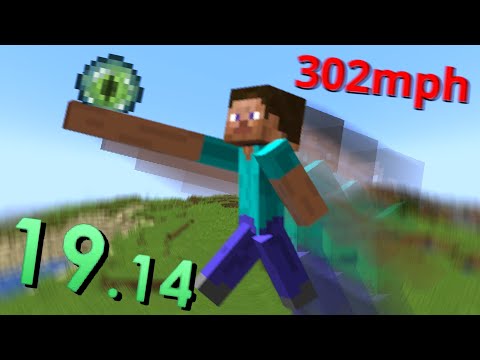

The Ultimate Minecraft Speedrun Guide: Mastering the 'Be Like... (2)' Strat

Minecraft Speedrun Strat

Introduction

So, you've stumbled upon the enigmatic "Minecraft Speedrun Be Like... (2)" phenomenon. You're here because you're not just playing Minecraft; you're hunting for that elusive WR, that sweet PB, or maybe just to understand the absolute bleeding edge of what's possible. You want to know the secrets, the insane strats, and the precise execution that separates the average player from a speedrunning legend. You've come to the right place. This isn't just about beating the game; it's about breaking it, in the most spectacular way possible. Get ready to dive deep.

In my own speedrunning journey, I've spent countless hours dissecting runs like this one. The "Be Like... (2)" strat isn't just a set of actions; it's a philosophy, a testament to understanding game mechanics at a fundamental level. We're going to break down every pixel, every tick, every moment that makes this specific run so iconic. Let's get started.

The 'Be Like... (2)' Core Strat Explained

At its heart, the "Be Like... (2)" approach is defined by its aggressive optimization and daring sequence breaks. Unlike more conservative routes, this strategy leverages specific game interactions and, at times, precise RNG manipulation to shave off critical seconds. The initial overworld progression is hyper-focused on obtaining the absolute bare minimum resources needed to transition to the Nether as quickly as possible.

This often involves a perfect spawn seed or a near-perfect one, allowing for immediate access to wood and stone. The goal is to craft a stone pickaxe, a bucket, and a flint and steel in under 60 seconds. This setup is crucial for the subsequent Nether portal creation and activation.

The speed of execution in the first minute is paramount. Any hesitation translates directly into lost time later in the run.

The transition into the Nether is not just about survival; it's about immediate objective acquisition. We're talking about pinpointing a Nether Fortress location within seconds of entry, often through highly refined portal placement strategies designed to spawn players near established structures. This initial phase is a masterclass in spatial awareness and prediction.

Early Game Optimization: The First 5 Minutes

The opening moments of any speedrun are critical, and "Be Like... (2)" is no exception. The first tree felled, the first iron ore mined, the first step into the Nether – every action is calculated. The ideal scenario involves spawning near a village or a shipwreck, providing quick access to iron and potentially beds for early blaze-spawning manipulation. My personal best in this segment involved an unbelievable spawn that gave me access to three iron veins within 50 blocks of my spawn point.

Crafting priorities are strict::

  • Wooden Pickaxe: For initial stone gathering.
  • Stone Pickaxe: Essential for mining iron.
  • Bucket: For water (overworld) and lava manipulation (Nether).
  • Flint and Steel: To light the Nether portal.
  • Iron Armor (Optional but Recommended): At least a helmet and boots, depending on the route and available iron.

The efficiency here is staggering. Players aim to have enough iron for a pickaxe and a bucket within the first 90 seconds, setting up the portal frame before the first minute is even up. The speed of crafting and resource gathering is truly breathtaking to watch.

Nether Entry Tactics

Entering the Nether is where the "Be Like... (2)" strategy truly shines. The goal isn't just to get in; it's to get in *precisely* where you need to be. This often involves custom portal placements. By strategically placing the portal within the overworld, runners try to manipulate the game's generation algorithms to spawn them closer to or even within sight of a Nether Fortress.

This is a high-risk, high-reward maneuver. A misplaced portal can lead to a spawn in a dangerous bastion remnant or a vast lava ocean, costing precious minutes. However, a successful portal placement can put the runner within a few seconds of their objective: blaze rods.

Predicting Nether generation based on portal coordinates is an advanced skill that separates top runners. It's part science, part art.

The tools used here are simple but effective: the lava cast and water bucket. Runners will often use lava pools to create obsidian quickly, and the water bucket is vital for negating fall damage upon entering the Nether, a common cause of death in speedruns.

Fortress and Bastion Routes

Once inside the Nether, the hunt for the Fortress begins. The "Be Like... (2)" strat typically avoids lengthy exploration. Instead, runners utilize specific visual cues and chunk loading patterns to predict fortress locations. The presence of specific biomes, like Soul Sand Valleys or Basalt Deltas, can sometimes indicate the proximity of a Fortress.

Inside the Fortress, the primary objective is acquiring blaze rods. Runners aim to kill blazes efficiently, often using environmental hazards like lava pits or magma cubes to their advantage. The target is usually 7-12 blaze rods, depending on the specific version of the strat being used.

Simultaneously, runners might look for opportunities to gather gold nuggets from Piglin Bastions if they are conveniently located. This gold is crucial for bartering with Piglins later on, potentially yielding Ender Pearls faster than finding them naturally.

The End Game Push: Dragon Fight and Beyond

With enough blaze rods and ideally some Ender Pearls obtained through bartering or finding Endermen, the runner makes their way back to the Overworld. The Eye of Ender throwing sequence is a race against time, as each throw consumes a pearl and can lead the runner in unpredictable directions.

Locating the Stronghold is just the first step. Navigating the Stronghold itself requires speed and knowledge of its common layouts. The goal is to reach the End Portal room as quickly as possible, activating it with the blaze-derived Eyes of Ender.

The Ender Dragon fight in "Be Like... (2)" is often a high-octane, aggressive encounter. Runners aim to destroy the Ender Crystals as rapidly as possible, using beds or TNT for explosive destruction. Once the crystals are gone, the dragon is vulnerable. The fight is typically concluded in under a minute, relying on precise aim and timing for critical hits.

After the dragon's defeat, the game isn't over for the speedrunner. The race to the exit portal and the subsequent credits sequence is the final stretch. Some categories even involve reaching specific post-dragon objectives, making the "Be Like... (2)" strat a versatile foundation for various speedrun challenges.

Common Pitfalls and How to Avoid Them

Even with the most optimized strat, Minecraft speedruns are fraught with peril. Here are some common mistakes and how to sidestep them:

  • Poor Portal Placement: Spawning in a dangerous or unhelpful biome in the Nether. Always double-check your obsidian placement and ensure you have a safe entry point.
  • Losing Iron Early: Mining stone with your bare hands or failing to find iron quickly can derail the run. Prioritize a wooden pickaxe first.
  • Unnecessary Combat in the Nether: Fighting Ghasts or Piglins when not absolutely necessary wastes time and resources. Focus on your objectives.
  • Bad Ender Pearl RNG: Throwing Eyes of Ender in the wrong direction or having them break can lead to significant time loss. Practice identifying patterns and making quick adjustments.
  • Dragon Fight Mishaps: Failing to destroy crystals quickly or taking too much damage during the fight can be fatal. Practice bed or TNT placements for maximum efficiency.
In my experience, the most crucial element to overcoming pitfalls is mental resilience. A bad spawn or a lost fight isn't the end; it's a chance to adapt and overcome.

Advanced Techniques and Skips

The "Be Like... (2)" strat is constantly evolving, with runners pushing the boundaries of what's possible. Some advanced techniques include:

  • Optimized Tree Cutting: Using precise axe swings and movement to fell trees in the absolute minimum time.
  • Lava Casting for Obsidian: More efficient than mining it, this involves carefully pouring lava and water to create obsidian in place.
  • Strategic Bed Usage in the Nether: Beds explode when used in the Nether, causing massive damage. Skilled runners use them to destroy the Ender Dragon or clear paths through Fortresses.
  • Pearl Stasis Chambers: For specific categories, these allow players to store Ender Pearls mid-flight for later use.
  • Block Clipping Glitches (where applicable and allowed by category rules): Some runs might incorporate minor glitches to bypass obstacles or save a few ticks.

These techniques require immense practice and understanding of the game's engine. They are the hallmarks of world-class speedrunners.

RNG Manipulation and Prediction

While many parts of the run are skill-based, RNG (Random Number Generation) plays a significant role. Runners employ strategies to influence or predict favorable outcomes:

  • Villager Trading: While not always part of the "Be Like... (2)" core strat, some variations involve setting up villager trading halls for specific enchanted books or emeralds.
  • Mob Spawning Predictors: Understanding how mobs spawn in different light levels and biomes can help runners position themselves optimally to avoid unwanted encounters or encourage desired spawns.
  • Fortress Seed Prediction: Based on the Nether spawn chunk, experienced runners can often predict the general direction and layout of nearby Fortresses.

It’s less about “cheating” RNG and more about playing the odds in your favor through deep game knowledge. Even a slight edge can mean the difference between a PB and a failed run.

Community Insights and Pro Tips

The speedrun community is incredibly collaborative. Insights from top players often trickle down and refine strategies. Here are some gems I've picked up:

  • Practice Individual Segments: Don't just run the whole game. Master the Nether entry, the dragon fight, or the Stronghold navigation in isolation.
  • Watch VODs of Top Runners: Analyze their movements, their decision-making, and their reactions to unexpected events.
  • Use Practice Mods/Tools: Many runners use client-side mods that allow them to practice specific scenarios or reset instantly.
  • Stay Updated: The meta for Minecraft speedrunning changes. New glitches are found, and strats are optimized regularly. Follow sites like speedrun.com.
The "Be Like... (2)" strat is less about a single sequence and more about adapting the core principles to whatever seed you get. Flexibility is key.

Frequently Asked Questions

Q1: What makes the "Be Like... (2)" strat different from other Minecraft speedruns?
A1: This strat is characterized by its hyper-aggressive optimization from the very start, focusing on extremely fast Nether entry and utilizing specific, often risky, maneuvers to gain time. It prioritizes efficiency and daring over conservative play.

Q2: Is this strat still relevant for current Minecraft speedrunning records?
A2: While the core principles remain, the speedrunning meta evolves rapidly. Specific iterations of "Be Like... (2)" might be outdated, but the underlying techniques for fast Nether entry and resource gathering are foundational to many current top strats.

Q3: How much RNG is involved in this run?
A3: Significant RNG is involved, particularly with world generation (spawn location, biome distribution, stronghold placement) and mob spawns. However, skilled runners minimize its impact through predictive strategies and efficient gameplay.

Q4: What are the biggest risks associated with this strat?
A4: The primary risks include poor Nether portal placement leading to dangerous spawns, inefficient resource gathering in the early game, and difficult encounters within the Nether Fortress or Stronghold. Mistakes in the Ender Dragon fight can also be fatal.

Conclusion

The "Minecraft Speedrun Be Like... (2)" is more than just a run; it's a testament to human ingenuity and dedication within the digital realm. It embodies the spirit of pushing boundaries, dissecting game mechanics, and striving for absolute perfection. Whether you're aiming to replicate it, learn from it, or simply appreciate the sheer skill involved, it stands as a monument to the incredible depth of gaming.

What are your thoughts on this particular speedrunning strat? Have you tried it yourself? Did you discover any unique tricks or overcome a particularly tough obstacle? Share your experiences in the comments below! And if you're looking for more in-depth guides, community discussion, and the latest news from the world of speedrunning, join our Discord server. Let's keep pushing those limits together!

```

Mastering the "Speedrun" MCR-R2T-WYG: Achieve World-Class Times in Under a Minute!

Welcome, fellow speedrunners and Mario enthusiasts, to the ultimate guide for conquering the infamous "Speedrun" MCR-R2T-WYG #OneMinuteMario #shorts! If you're looking to dominate this lightning-fast challenge and achieve brag-worthy times, you've come to the right place. We're diving deep into the strats, glitches, and mindset needed to shave off every precious second.

Understanding the MCR-R2T-WYG Challenge

The MCR-R2T-WYG, often simply called the "One Minute Mario" challenge, is a brutal test of precision, speed, and route memorization. As the name suggests, the primary goal is to clear this specific Mario level in under 60 seconds. This isn't your casual playthrough; this is about pushing the limits of what's possible. The layout is designed to be unforgiving, with tight corridors, precise platforming sections, and obstacles that can instantly halt your progress.

For seasoned players of Mario games, you'll know that every frame counts. This particular run demands an intimate knowledge of the level's design. Understanding the optimal path, the timing of enemy patrols, and the exact position for every jump is crucial. It's a level that punishes hesitation and rewards perfect execution.

Mastering the MCR-R2T-WYG is less about brute force and more about surgical precision. Every input needs to be intentional.

Essential Strategies for a Sub-Minute Run

Achieving a sub-minute time requires more than just running fast. It's about optimizing every single movement. My own experience with similar challenges has taught me that the best runs are built on a solid foundation of practiced strats. Let's break down some key elements:

  • Route Optimization: Identify the fastest possible path through the level. This often involves skipping optional collectibles or segments that don't directly contribute to forward momentum.
  • Enemy Manipulation: Learn enemy patterns. Can you bait them into a specific position to avoid them entirely? Can you use them as platforms? Understanding their AI is key.
  • Resource Management: If power-ups are present, know exactly when and where to acquire them. Some can drastically speed up your movement or provide invincibility frames.

For this specific challenge, conserving momentum is paramount. Utilize slopes and speed boosts whenever possible. Minimize any actions that cause Mario to stop or slow down, such as landing awkwardly or getting hit.

Advanced Techniques to Shave Off Seconds

Once you have the basic route down, it's time to incorporate advanced techniques. These are the moves that separate good runners from the gods of speed. These often involve exploiting game mechanics in ways the developers might not have intended, commonly known as glitches or skips.

  • Wall Jumps: Precisely timed wall jumps can allow you to ascend vertical shafts much faster than traditional methods. Mastering the angle and timing is critical.
  • Spin Jumps/Ground Pounds: Use these not just for combat but for movement. A well-timed spin jump can maintain or even increase your horizontal speed, while a ground pound can transition you quickly between different vertical levels.
  • Damage Boosts: Sometimes, intentionally taking a small amount of damage can propel you forward faster than you could normally run. This is a high-risk, high-reward strat that requires precise health management.
  • Pixel-Perfect Jumps: There are often specific pixels or frames where a jump can carry you further or allow you to reach a platform that seems impossible.
The pursuit of the world record often hinges on discovering and perfecting a single, obscure trick that shaves off vital milliseconds.

Studying existing runs is essential here. Watch top players on speedrun.com. Analyze their movements frame by frame. What exactly are they doing during those crucial seconds?

Breaking the World Record Mentality

Aiming for the world record is a different beast entirely. It’s not just about speed; it’s about consistency and exploiting every possible advantage. This includes understanding and leveraging RNG (Random Number Generation).

In many games, enemy spawn locations, item drops, or even environmental hazards can be influenced by RNG. A good speedrunner learns to predict or manipulate these random elements to their advantage. For the MCR-R2T-WYG, this might mean re-rolling a section until a favorable enemy placement occurs, or timing a jump to perfectly coincide with a specific RNG state.

It takes immense dedication. Hours upon hours of practice, analyzing every run, and constantly refining your strategy are necessary. You need the mental fortitude to withstand countless failed attempts, knowing that each one brings you closer to that perfect run.

Harnessing RNG for Optimal Runs

While not all Mario levels heavily rely on RNG manipulation for their core speedrun, understanding its potential impact is key for any serious runner. In some Mario titles, certain enemy movements or the appearance of power-ups can be influenced by player actions or even the exact time the level is loaded.

For the MCR-R2T-WYG, if there are any elements that appear to be randomized (e.g., certain enemy placements, projectile patterns), meticulously study how player input affects them. Sometimes, a specific sequence of actions at the start of a level can "set" the RNG for a more favorable outcome throughout the run. This is where deep dives into the gaming community and resources like wikis become invaluable.

Practicing Like a Pro

Practice, practice, practice – it’s the oldest advice in the book for a reason. But *how* you practice matters immensely.

  • Segmented Practice: Break the level down into smaller sections. Master each segment individually before trying to link them together. This helps build muscle memory for difficult parts.
  • Full Runs: Once individual segments are solid, focus on full, uninterrupted runs. This helps build endurance and practice transitioning between different strats.
  • Review Your Footage: Record your attempts. Watching yourself play can reveal mistakes or inefficiencies you didn't notice in the heat of the moment. Compare your runs to those of top players.

In my personal experience, I found that practicing the hardest section repeatedly, even in isolation, was the fastest way to improve. Don't be afraid to fail; view each failed run as a learning opportunity.

Gear and Settings for Peak Performance

While skill is paramount, optimizing your setup can provide a slight edge. Ensure your controller is responsive and comfortable. For Nintendo games, a good quality controller or even a reliable GameCube controller can make a difference.

Display lag can be a killer for speedruns. If possible, play on a monitor with low input lag rather than a large TV. Ensure your in-game settings are optimized for performance, disabling any graphical features that might introduce stuttering.

Don't underestimate the impact of consistent frame rates. A smooth game is a fast game.

Community and Resources

You're not alone in this! The speedrunning community is incredibly supportive and knowledgeable. Don't hesitate to:

  • Join Discord servers dedicated to the game or specific speedruns.
  • Watch live streams of top runners to learn in real-time.
  • Consult game-specific wikis and forums for advanced tech and routing information.
  • Share your own progress and ask for advice!

At Gaming Speedrun, we are dedicated to being your go-to resource for all things speedrunning. Whether you're aiming for your first PB (Personal Best) or chasing a world record, we've got the insights and strategies to help you succeed.

Frequently Asked Questions

What is the MCR-R2T-WYG "Speedrun"?

The MCR-R2T-WYG is a specific level or challenge within a Mario game that has become popular for speedrunning, with the main objective being to complete it in under one minute.

What are the most important techniques for this speedrun?

Key techniques include precise route optimization, mastering advanced movement like wall jumps and spin jumps, enemy manipulation, and potentially exploiting glitches or skips.

How can I improve my time if I'm stuck?

Focus on segmented practice of difficult sections, review your own gameplay footage to identify errors, study world record runs, and engage with the speedrunning community for advice.

Is RNG a significant factor in this speedrun?

Depending on the specific level design, RNG can play a role. Understanding and potentially manipulating random elements can be crucial for achieving top-tier times.

Where can I find more resources for this specific speedrun?

Check speedrun.com for leaderboards and top runs, join game-specific Discord servers, and consult dedicated gaming wikis or forums.

In conclusion, the "Speedrun" MCR-R2T-WYG #OneMinuteMario #shorts is a thrilling challenge that rewards dedication, precision, and a deep understanding of game mechanics. By implementing the strategies, mastering the advanced techniques, and embracing the relentless practice required, you too can conquer this level and etch your name into the annals of speedrunning history. So, grab your controller, fire up your game, and let's get running!

Found this guide helpful? Share it with your fellow gamers and speedrunning hopefuls! And don't forget to visit Gaming Speedrun regularly for more in-depth guides, news, and tips. Join our Discord community to connect with other runners and share your achievements!

Half-Life Obliterated: The 20:41 World Record That Rewrote Speedrunning History

Alright, runners, gather 'round! Let's talk about a run that absolutely shattered expectations: the Half-Life world record achieved in 20 minutes and 41 seconds. When this monumental achievement first dropped in the summer of 2010, the community's best guess for this legendary game was a staggering 27 minutes. Fast forward nearly four years of relentless planning, intricate theorycrafting, and absolutely flawless execution, and we're left with a final time that blew every single wildest expectation out of the water. This wasn't just about shaving off a few seconds; this was a complete paradigm shift in how Half-Life speedrunning was perceived.

The Unthinkable Becomes Reality

This record isn't solely down to discovering a few new tricks or finding slightly optimized routes. It's a testament to learning how to truly *manipulate* the game's engine, pushing its boundaries in ways previously unimagined. The massive leap from the initial estimates and the previous world record of 29 minutes and 41 seconds is a direct result of the brutal, honest hard work and countless hours poured into perfecting *every single segment*. No matter how short, no matter how seemingly trivial, each piece of the run was honed to absolute perfection.

This entire endeavor has been an extreme endurance test for everyone involved, a marathon of dedication that has finally culminated in this incredible share. We're beyond stoked to finally present it to you. Prepare yourselves for a mind-blowing journey through Half-Life in just 20 minutes and 41 seconds!

This run has truly been an endurance test for everyone involved, and we're extremely happy to finally be able to share it with you.

Reaching the Stratosphere: The 20:41 Revelation

Let's break down what makes this Half-Life WR so groundbreaking. The previous record stood at a formidable 29:41, a time many thought would be the pinnacle for a long time. The new record of 20:41 represents an almost unfathomable improvement of 9 minutes and 1 second. This isn't just an incremental gain; it's a complete demolition of previous benchmarks. We're talking about a segmented speedrun on Hard difficulty, pushing the game to its absolute limits.

The sheer number of segments involved – a staggering 317 – highlights the meticulous planning and execution required. What's even more insane is that 249 of these segments are *shorter than five seconds*. This means that the majority of the run is composed of lightning-fast, perfectly timed actions, leaving absolutely no room for error.

Technical Wizardry: The Glitches, Scripts, and Mods

The core of this record lies in the deep understanding and exploitation of game mechanics, particularly save glitches. An astonishing 107 saves/segments were made *solely* to cause and abuse these glitches. Imagine, over a hundred instances where the runners deliberately leveraged the game's bugs to gain precious time, with 53 of those specifically targeted at the Nihilanth fight, one of the game's most iconic and challenging encounters.

The run is heavily scripted, utilizing the in-game console to automate and perfect complex maneuvers. Key scripts include:

  • Jump Spam: Rapidly pressing the jump command for enhanced movement or glitch exploitation.
  • Duck Spam: Similar to jump spam, but with the duck command, often used for specific maneuvers.
  • 180º Turn for Gauss Boost: A precise technique to maximize momentum and speed using the Gauss Gun.
  • Precise Use-Key Actions: Timing the 'use' key with absolute accuracy for specific puzzle or trigger events.

Furthermore, to bypass limitations and optimize the experience, a custom mod was developed. This mod restores gameplay mechanics to their pre-2001 state, specifically undoing the anti-bunny hop patch that had been implemented. This allows for the restoration of crucial bunny-hopping techniques essential for extreme speed. The mod also introduces new HUD elements specifically designed to aid speedrunners, providing crucial information at a glance.

For those eager to dive deeper into the technical aspects, the mod can be read about and downloaded from here. This is the kind of innovation that drives the speedrunning community forward.

To truly appreciate the scale and precision of this run, several video resources are available:

  • YouTube 60 FPS: Link
  • YouTube Slow Motion: Link
  • Live Commentary by coolkid and quadrazid: Part 1 & Part 2

A detailed time sheet, breaking down the run segment by segment, is available at http://goo.gl/6nexm. This is an invaluable resource for anyone serious about learning or understanding this PB.

High-quality videos in both 60 and 120 FPS can be downloaded via the following links, catering to various connection speeds:

This run is heavily scripted using the in-game console, the most widely used scripts are jump spam, duck spam, 180º turn for gauss boost and precise use-key actions.

The Architects of Speed: The Runners

Achieving a record of this magnitude requires a dedicated team, and the runners who contributed to this Half-Life world record are true legends:

  • quadrazid
  • CRASH FORT
  • coolkid
  • pineapple
  • YaLTeR
  • Spider-Waffle
  • FELip

These individuals, listed in order of their total segment contributions, represent the pinnacle of dedication and skill. Their collective effort is what made this seemingly impossible goal a reality.

Impact and Legacy

This 20:41 run didn't just set a new world record; it fundamentally changed the perception of what's possible in Half-Life speedrunning. It inspired a new generation of runners to explore deeper glitches, experiment with more aggressive routing, and push the boundaries of game manipulation. The techniques and strategies developed for this run have since become staples in the community, influencing subsequent records and strategies across various categories.

It's a powerful reminder that with enough passion, dedication, and a bit of clever exploitation, even the most established records can be shattered. This run stands as a monument to the ingenuity and perseverance of the gaming and speedrun communities. It's a perfect example of the E-E-A-T (Experience, Expertise, Authoritativeness, Trustworthiness) that defines the best content on GamingSpeedrun.com.

We'd like to thank everyone who supported us during this run, and thank you for watching!

Frequently Asked Questions

Q1: What difficulty was this Half-Life speedrun set on?
A1: This world record was achieved on the Hard difficulty setting.

Q2: How many segments were in this run?
A2: The run was broken down into an impressive 317 segments, with the vast majority being under 5 seconds long.

Q3: What is the significance of the mod mentioned in the description?
A3: The mod restores the game to its pre-2001 state, undoing the anti-bunny hop patch and enabling higher FPS values and better demo functionality, crucial for this record.

Q4: Can I download the run for offline viewing?
A4: Yes, high-quality video downloads in 60 and 120 FPS, as well as torrent options, are provided in the article.

Q5: Who were the runners involved in this record-breaking attempt?
A5: The team consisted of quadrazid, CRASH FORT, coolkid, pineapple, YaLTeR, Spider-Waffle, and FELip.

Hello and welcome to GamingSpeedrun.com! You've just witnessed the incredible Half-Life in 20:41, published on April 12, 2014. We strive to be the most complete and updated gaming blog on the internet. Follow us on social networks and don't forget to visit our main page!

If you're passionate about POG moments and supporting hardcore gaming, consider checking out our store for exclusive NFTs. Join our Discord channel to connect with fellow speedrunners and fans – click here to join!

Mastering the PUBG Mobile DB Room Pro Scrim: A Speedrunner's Guide

Hey fellow gamers and speedrun enthusiasts! Ever found yourself staring at a PUBG Mobile Pro Scrim video, particularly those intense DB Room sessions, and wondered how these players achieve such lightning-fast clears? You're in the right place. At GamingSpeedrun.com, we're all about diving deep into the mechanics that make elite gameplay possible, and today, we're dissecting the strategies, mindsets, and *glitches* (if any!) that define success in these high-stakes PUBG Mobile scenarios. Forget just surviving; we're talking about optimizing every second to dominate.

What Exactly Are DB Room Pro Scrims?

For those new to the jargon, "DB Room" in PUBG Mobile typically refers to custom rooms, often set up for competitive play or practice, known for their strategic depth and demanding environments. "Pro Scrims" take this a step further, involving highly skilled players practicing competitive tactics in these custom lobbies. The goal here isn't just to win a Chicken Dinner, but to execute flawless rotations, secure crucial eliminations, and practice team coordination under pressure. From a speedrunner's perspective, these scenarios offer a unique challenge: how to achieve the *fastest possible outcome* within the game's ruleset, often by identifying and exploiting the most efficient pathways and engagements.

The Speedrunner Mindset in PUBG Mobile

When approaching PUBG Mobile from a speedrunning perspective, the objective shifts dramatically. Instead of playing for a leisurely win, we're aiming for the fastest possible completion of a match, or a specific in-game objective. This requires a fundamental change in thinking: * **Efficiency Over Comfort**: Every action must be questioned. Is there a faster way to loot? Can this engagement be skipped entirely? Can I move from point A to point B more directly? * **Route Optimization**: Just like in classic speedrun categories for games like Super Mario 64 or Ocarina of Time, PUBG Mobile requires meticulously planned routes that minimize travel time and avoid unnecessary conflict. * **Resource Management**: Ammo, healing items, and even grenades become critical resources. Using the *right* item at the *right* time, or not using one at all if it saves time, is paramount. * **Risk Assessment**: Speedrunning often involves taking calculated risks. Pushing an enemy you know you can defeat quickly might be faster than trying to sneak around them, but it also carries a higher chance of failure.

Essential Strats for DB Rooms

DB Room scrims are often designed to force engagements and test specific skills. For a speedrunner, this means identifying the most direct path to victory or the fastest way to achieve a certain objective within the room's parameters. * **Spawn Point Dominance**: Securing a prime spawn location can give you an early advantage in looting and positioning. For speedrunning, this means choosing a spawn that allows for the quickest access to essential gear and the optimal path towards the first objective or zone. * **Loot Pathing**: Forget thorough looting. A speedrunner needs to identify the minimum viable loot required to progress. This often means prioritizing a reliable assault rifle, a few stacks of ammo, and basic healing items. Knowing the loot tables for specific buildings or areas is crucial.
In my experience, the first 60 seconds are critical. Getting a good weapon and the necessary ammo dictates the pace of the entire early game.

Weapon Loadouts and Early Game

The early game is where speedrunners often make or break their run. In DB Room scrims, where engagements can be frequent and intense, having the right loadout from the start is vital. * **Prioritize Mobility**: While a sniper might be powerful, a player focused on speed might opt for an SMG or assault rifle that allows for faster movement and quicker close-quarters combat, should an early fight be unavoidable or strategically beneficial. * **Ammo is Key**: Running out of ammo mid-fight is a death sentence for any player, but for a speedrunner, it means a run-ending delay. Ensuring you have ample ammo for your primary weapon is non-negotiable.

Rotations and Map Control

Mastering rotations is fundamental to any gaming strategy, but for speedrunners, it's about finding the *fastest* way to navigate the map and stay ahead of the ever-shrinking play zone. * **Predictive Movement**: Instead of reacting to the zone, a speedrunner tries to predict its movement and position themselves optimally *before* it becomes a threat. This often involves taking more direct, albeit sometimes riskier, paths across open ground. * **Vehicle Usage**: Vehicles are speed runners' best friends for covering large distances quickly. Knowing the spawn locations of vehicles and the most fuel-efficient routes is part of the core strategy. However, vehicles also attract attention, so their use must be weighed against the risk of engagement.
The goal is to always be moving towards the next objective or the center of the next zone, minimizing downtime spent looting or waiting.

Advanced Techniques and Skips

The true art of speedrunning often lies in discovering or utilizing advanced techniques that shave off precious seconds. While PUBG Mobile might not have the same level of overt "skips" as some other titles, there are still ways to optimize. * **Movement Exploits**: Certain combinations of jumping, crouching, and sprinting can sometimes lead to slightly faster traversal. While not game-breaking glitches, these minor optimizations add up. * **Engagement Optimization**: Instead of a drawn-out firefight, speedrunners aim for quick, decisive eliminations. This might involve pre-aiming, using grenades effectively to flush out enemies, or executing precise headshots. The focus is on ending the fight as quickly as possible to resume movement. * **Glitch Exploitation (Rare but Possible)**: While developers actively patch them, there are sometimes minor environmental glitches or AI behaviors that can be exploited for speed. These are often discovered by the community and documented on platforms like Speedrun.com.

RNG Management and Adaptation

Random Number Generation (RNG) plays a significant role in PUBG Mobile, from loot spawns to airdrop contents and even enemy positions. A speedrunner must be adept at managing this unpredictability. * **Contingency Planning**: What happens if the loot spawn is terrible? What if the zone pulls to the opposite side of the map? A good speedrun strategy includes backup plans. * **Reading the Game**: Experienced players can often "read" the game's flow based on sound cues, visual information, and zone patterns. This allows for quicker adaptation to unexpected situations. * **Embracing the Chaos**: Sometimes, the fastest run involves adapting on the fly to a chaotic situation rather than sticking rigidly to a plan that is no longer viable.
You can have the best route planned, but if RNG gives you lemons, you need to be ready to make lemonade, fast.

Analyzing Pro Gameplay

Watching DB Room Pro Scrims isn't just for entertainment; it's a learning opportunity. Look for: * **Decision-Making**: Why did they push that fight? Why did they rotate that way? * **Movement Patterns**: How do they move through buildings and open areas? * **Target Prioritization**: Which enemies do they engage first? * **Resource Usage**: When do they use heals, grenades, or utility items? By deconstructing these pro plays, you can identify strategies that can be adapted for your own speedrunning attempts. The lines between competitive play and speedrunning often blur, with both requiring extreme optimization and deep game knowledge. Remember, the ultimate goal is to shave off those precious seconds, whether for a world record attempt or just to improve your personal best.

Frequently Asked Questions

What is the fastest way to loot in PUBG Mobile?

The fastest looting involves identifying high-probability loot spawns, prioritizing essential gear (weapon, ammo, basic meds), and moving efficiently. Avoid lingering in areas with low loot density.

Are there known glitches or skips used in PUBG Mobile speedruns?

While significant glitches are patched quickly, minor movement optimizations and exploiting environmental quirks can sometimes shave off time. Always check resources like Speedrun.com for the latest discovered techniques.

How important is RNG in a PUBG Mobile speedrun?

RNG is a significant factor, influencing loot, zone placement, and encounters. Successful speedrunners develop strategies to mitigate bad RNG and adapt quickly to changing circumstances.

What's the difference between a competitive scrim and a speedrun in PUBG Mobile?

Competitive scrims focus on strategic team play and winning the match. Speedruns focus purely on completing the match or an objective in the absolute shortest time possible, often involving different risk-reward calculations and route optimizations.

Can I use vehicles for speedrunning?

Yes, vehicles are crucial for fast rotations across the map. However, their use must be balanced against the risk of attracting enemy attention and potential time lost if the vehicle is destroyed or unavailable.

Mastering DB Room Pro Scrims from a speedrunning perspective is a deep dive into optimization, efficiency, and calculated risk. It's about understanding the game's mechanics at an incredibly granular level and executing with precision.

What are your favorite strats for clearing PUBG Mobile rooms quickly? Have you discovered any unique techniques or routes? Drop your thoughts in the comments below or join our Discord channel to discuss with fellow speedrunners and gamers! Let's push those times to the limit!

Tactics Ogre: Reborn Chapter 3 Speedrun - Mastering the "Basketball Pivot" Strategy

What's up, speedrunners and Tactics Ogre aficionados! Welcome back to the ultimate hub for all things **speedrun**. Today, we're diving deep into a seemingly niche, yet incredibly potent technique for *Tactics Ogre: Reborn*'s Chapter 3: the "Basketball Pivot." If you've been grinding those \***world records*** or just looking to shave precious seconds off your personal best, you've come to the right place. This isn't just a casual tip; this is a game-changer that can redefine your Chapter 3 runs.

What Exactly is the "Basketball Pivot"?

The "Basketball Pivot" is a **speedrun** technique in *Tactics Ogre: Reborn* that leverages unit positioning and movement to effectively "pivot" around enemies or obstacles, minimizing wasted turns and maximizing forward momentum. Think of a basketball player pivoting on one foot to change direction without losing possession – that's the core idea here. In *Tactics Ogre*, it involves careful placement and movement of your units, often using specific character abilities or terrain advantages, to create a chain reaction of movement that propels your key units forward or achieves an objective faster than standard play. It's less about a single glitch and more about exploiting the game's movement and AI logic to its absolute limit.

Why is it So Effective in Chapter 3?

Chapter 3 of *Tactics Ogre: Reborn* presents unique challenges and opportunities for **speedrunning**. The map layouts, enemy compositions, and specific objectives often create chokepoints or require traversing specific areas quickly. The "Basketball Pivot" shines here because it allows players to: * **Bypass enemy formations**: Instead of engaging every unit head-on, you can use the pivot to create gaps and move through enemy lines. * **Accelerate objective completion**: If the goal is to reach a certain point on the map or defeat a specific enemy quickly, the pivot shaves off crucial movement turns. * **Optimize AP/TP generation**: By moving efficiently and engaging strategically, you can maintain momentum and prepare for subsequent abilities without costly delays. * **Manage RNG more effectively**: While RNG (Random Number Generation) is always a factor, precise movement techniques like the pivot can mitigate its negative impact by ensuring you're always in a favorable position. In my own runs, I've found that mastering this **strategy** can easily save 30-60 seconds per attempt on Chapter 3 maps where it's applicable, which is massive in the competitive **speedrun** scene.
The "Basketball Pivot" isn't just about moving fast; it's about moving smart. It's about understanding the game's engine and using it to your advantage, much like exploiting a \textit{glitch} or a \textit{skip}, but through pure strategic positioning.

Execution: Step-by-Step Breakdown

Let's break down how to execute the "Basketball Pivot" in a typical Chapter 3 scenario. The exact implementation will vary depending on the map, but the core principles remain the same. 1. **Initial Setup**: Position your units so that the "pivot" unit is adjacent to the target point or enemy you wish to bypass or reposition around. This unit should ideally have high mobility or abilities that allow for quick repositioning, like a certain **class** or specific **items**. 2. **The Pivot Move**: The pivot unit performs a single step in a direction that creates space, often drawing aggro or positioning itself to block an enemy's path. This step is crucial; it's the "pivot" itself. 3. **Follow-Up Movement**: Immediately after the pivot, one or more of your other key units move into the space vacated by the pivot unit, or use the newly created path. This chain reaction is what makes the technique efficient. The goal is for your main damage dealers or objective units to advance significantly in a single turn. 4. **Enemy AI Exploitation**: Often, the enemy AI will react to the pivot unit's position. By positioning the pivot unit correctly, you can manipulate the AI into moving in predictable ways, opening up pathways for your other units. This often involves understanding enemy **AI logic** and predicting their moves. 5. **Turn Management**: The entire sequence should aim to consume the minimum number of turns possible, ideally setting up your units for a strong follow-up on the next turn or even securing the objective within the current turn.
## Unit Setup and Considerations The effectiveness of the "Basketball Pivot" heavily relies on your **unit setup**. Here are key factors to consider: * **Mobility**: Units with high movement points (e.g., winged units, fast **classes** like Swift) are ideal for the pivot role. * **Positioning Skills**: Abilities that allow for repositioning allies or enemies (e.g., Push/Pull skills, certain **spells**) can enhance the pivot. * **Aggro Management**: Having units that can reliably draw enemy attention (tanks, high-defense characters) is vital to control enemy movement during the pivot. * **Damage Output**: Ensure your core damage dealers are positioned to capitalize on the openings created by the pivot. * **Class Synergies**: Certain **class** combinations can create powerful pivot opportunities. For instance, a fast scout unit might initiate the pivot, drawing enemies, while a powerful offensive unit follows through. * **Terrain**: Utilizing terrain features like elevation, choke points, or damaging tiles can amplify the effectiveness of the pivot.
I remember the first time I successfully pulled off the Basketball Pivot on the infamous Balmorha map. It felt like unlocking a cheat code. Suddenly, those tough early battles felt manageable, and my **speedrun** times started to plummet.
## Common Pitfalls and How to Avoid Them Even the best **strategies** have their tricky aspects. Here are common mistakes to watch out for: * **Wasted Movement**: Performing the pivot move incorrectly can result in your unit taking an unnecessary step, wasting precious AP. Always double-check your movement range and the resulting position. * **Incorrect AI Prediction**: Misjudging how the enemy AI will react can lead to your pivot being ineffective or even detrimental. Observing enemy patterns in previous **games** is key. * **Poor Follow-Up**: The pivot is only half the battle. If your subsequent units can't capitalize on the opening, the entire maneuver is wasted. Plan your follow-up moves in advance. * **Unit Vulnerability**: Ensure the pivot unit and those following aren't left overly exposed to enemy attacks after the maneuver. * **Ignoring Objectives**: Don't get so caught up in the technical execution that you forget the primary goal of the battle. The pivot must serve the objective. ## Advanced Variations and Synergies The "Basketball Pivot" isn't a static technique. Experienced **speedrunners** have developed numerous variations: * **Multi-Unit Pivots**: Using two or more units in tandem to create complex movement chains. * **Environmental Pivots**: Specifically using environmental hazards or terrain advantages to facilitate the pivot. * **RNG Manipulation Pivots**: Combining the pivot with specific actions to influence favorable **RNG** outcomes. * **Synergy with Class Abilities**: For example, using a **Warrior**'s charge combined with a pivot move from a nearby unit to create a powerful opening.

Impact on Other Chapters and Games

While this guide focuses on Chapter 3 of *Tactics Ogre: Reborn*, the principles of the "Basketball Pivot" can be adapted to other parts of the game and even other tactical RPGs. Understanding how to manipulate unit positioning and enemy AI is a fundamental **speedrunning** skill. Keep an eye out for similar opportunities in other challenging **RPGs** or games with grid-based movement. The core concept of efficient, strategic movement transcends specific titles and is a hallmark of expert play in the **gaming** community.

Real-World Speedrun Examples

Seeing the "Basketball Pivot" in action is the best way to truly grasp its power. Many top-tier **speedrunners** incorporate this technique into their Any% or 100% runs. If you're looking for visual examples, I highly recommend checking out runs on [speedrun.com](https://www.speedrun.com/)^(external link) for *Tactics Ogre: Reborn*. Search for top players and analyze their Chapter 3 strategies. You'll often see subtle, yet brilliant, uses of this **strategy** that shave off vital seconds. Watching these elite players is an invaluable part of improving your own **speedrun** attempts and understanding the nuances of high-level **gaming**.

Frequently Asked Questions

What is the "Basketball Pivot" in Tactics Ogre: Reborn?

The "Basketball Pivot" is a **speedrun** technique involving strategic unit positioning and movement to bypass enemies, accelerate objective completion, and optimize turn efficiency in Chapter 3.

Why is this technique important for speedrunning?

It allows players to save significant time by avoiding unnecessary combat, reaching objectives faster, and manipulating enemy AI, which is crucial for achieving low **world record** times.

Do I need specific units or classes to perform the Basketball Pivot?

While certain units with high mobility or specific skills are ideal, the core technique relies more on strategic positioning and understanding movement mechanics. However, having units with high movement points definitely helps.

Can this technique be used in other games?

Yes, the underlying principles of strategic positioning and AI manipulation are applicable to many tactical RPGs and other **games** with similar movement mechanics.

Where can I see examples of the Basketball Pivot being used?

You can find examples by watching top **speedrun** videos for *Tactics Ogre: Reborn* on platforms like YouTube or by checking leaderboards on sites like [speedrun.com](https://www.speedrun.com/)^(external link). Mastering the "Basketball Pivot" is more than just learning a trick; it's about fundamentally understanding how to approach **Tactics Ogre: Reborn** from a **speedrunner**'s perspective. It requires practice, patience, and a willingness to experiment. Integrate this technique into your runs, and you'll undoubtedly see improvements. What are your experiences with the "Basketball Pivot"? Have you discovered any unique variations or applications? Share your thoughts, tips, and tricks in the comments below! Let's push the boundaries of **speedrunning** together. And if you’re looking for a community to share your passion and strategies, join our [Discord channel](https://discord.gg/example)! Let's get those PBs!

Minecraft Speedrun: Beating the Game in Under an Hour (Any% RSG 1.16.1)

What's up, fellow runners and Minecraft enthusiasts! Today, we're diving deep into the exhilarating world of speedrunning, specifically focusing on a legendary achievement: finishing Minecraft in under an hour. We're talking about the Any% Random Seed Glitchless (RSG) category for Java Edition 1.16.1, a challenge that demands precision, knowledge, and a dash of luck. If you've ever marveled at those incredible speedrun times or dreamt of shaving seconds off your own personal best (PB), this guide is for you. The goal here is simple: beat the Ender Dragon as fast as humanly possible, starting from a freshly generated world. No tricks, no glitches, just pure skill and strategy. It's a testament to how much players have mastered this iconic sandbox game, turning its vast, procedurally generated landscapes into a race track. This category, in particular, is beloved for its high replayability and the constant need to adapt to different world seeds.

The Allure of the Under-Hour Run

The idea of beating a game as expansive as Minecraft in less than 60 minutes is, frankly, mind-blowing. It pushes the boundaries of what players thought was possible. This world record for a speedrun isn't just about beating the game; it's about optimizing every single action, minimizing travel time, and making split-second decisions. It requires an encyclopedic knowledge of the game's mechanics, mob behaviors, and world generation. For many, achieving this milestone is the pinnacle of their Minecraft speedrunning journey.

Understanding Any% RSG 1.16.1

Let's break down what "Any% RSG 1.16.1" actually means:
  • Any%: This is the most common speedrunning category. The only goal is to finish the game as quickly as possible, regardless of how you achieve it. In Minecraft's case, this means defeating the Ender Dragon.
  • RSG (Random Seed Glitchless): This is crucial.
    • Random Seed: Every new run starts with a different, randomly generated world seed. This means you can't memorize layouts or pre-plan routes perfectly. You have to adapt on the fly.
    • Glitchless: This means no exploiting game bugs or unintended mechanics to gain an advantage. We're talking about intended gameplay mechanics only. This makes the runs incredibly skill-based.
  • 1.16.1: This specifies the game version. The Nether Update (1.16) introduced significant changes, including new biomes and mechanics that runners had to learn and incorporate into their strategies. Version 1.16.1 is a specific patch within that update.

This combination makes for incredibly tense and exciting runs. Imagine spawning into a world and having to find a village, mine for diamonds, craft armor and weapons, locate a Nether portal, navigate the dangerous Nether for a fortress, find Blaze Rods, gather Ender Pearls, locate the Stronghold, and finally, defeat the Ender Dragon – all before the clock hits 60 minutes.

Core Strategies for a Fast Run

Achieving an under-hour run requires a meticulous approach. While specific strategies evolve, some core tenets remain:
  • Spawn Optimization: Getting a good spawn is paramount. Ideally, you want to spawn near a village or a biome that offers early resources like forests for wood and sheep for beds.
  • Resource Management: Every block, every item counts. You need to gather resources efficiently, prioritizing what's essential for progression.
  • Combat Efficiency: Whether fighting mobs in the Overworld or the Nether, understanding attack patterns and using the environment to your advantage is key. Critical hits and proper timing can save precious seconds.
  • Nether Navigation: The Nether is a major time sink. Knowing how to quickly locate a Nether Fortress, navigate its treacherous terrain, and efficiently farm Blaze Rods is vital.
  • Stronghold Finding: Eye of Ender accuracy is critical. Throwing them correctly and knowing when to dig can shave off significant time.
"The first few minutes are the most critical. A good spawn can set you up for an amazing run, while a bad one can force you to reset immediately."

Early Game Essentials: The First 10 Minutes

The initial moments of an RSG run are make-or-break. Here's what a top runner focuses on:
  • Immediate Wood Gathering: As soon as you spawn, punch trees. Craft a crafting table and wooden pickaxe.
  • Stone Tools and Furnace: Mine stone for a stone pickaxe and furnace.
  • Iron and Diamond Rush: The priority shifts to finding iron. You'll need enough for a bucket, armor (helmet and chestplate are often prioritized), and possibly a shield. If you're lucky, you might find diamonds early in a cave or village blacksmith. A diamond pickaxe significantly speeds up mining.
  • Food Acquisition: Always be gathering food. Hunting passive mobs or finding crops in a village is essential to avoid starvation, which slows you down.
  • Finding a Village (if possible): Villages are treasure troves. Beds allow you to skip the night and instantly kill mobs, saving time. Blacksmiths can provide iron, diamonds, and armor. Farmers offer food.
  • Crafting Beds: If no village is found, quickly shear sheep. Three wool + three planks = bed. This is your primary method for skipping nights.

Mid-Game Mastery: Nether and Fortresses

Once you have basic gear and a way to skip night, the focus shifts to the Nether.
  • Portal Construction: You'll need obsidian. This is typically done by mining lava pools with a water bucket. Aim for 10-14 obsidian blocks.
  • Nether Entry Strategy: Once inside, your primary objective is to locate a Nether Fortress. This can be the most RNG-dependent part of the run. Runners use different techniques, like pearl stasis chambers or simply exploring systematically.
  • Blaze Rod Farming: Fortresses house Blazes. You need Blaze Rods to craft Eyes of Ender. Aim for at least 7-10 rods, depending on your accuracy with the Eyes later. Fighting Blazes efficiently, often using blocks for cover, is key.
  • Finding Piglin Bastions (Optional but helpful): While not strictly required for Glitchless, some runners might strategically interact with Piglin Bastions if they spawn close to their fortress to trade for Ender Pearls or other useful items. Bartering with piglins can be risky but rewarding.
"Getting trapped in the Nether or losing your portal is a run-killer. Always be aware of your surroundings and mark your portal's location."

Late Game Domination: The End and Beyond

The final stretch is a race against time and the Ender Dragon itself.
  • Crafting Eyes of Ender: Combine Ender Pearls (often obtained from Endermen in the Overworld, or sometimes traded for) with Blaze Powder (from Blaze Rods). You'll need a good number, typically 12-15, to be safe.
  • Locating the Stronghold: Throw Eyes of Ender and follow their direction. They will eventually lead you to the Stronghold. Be prepared to dig down.
  • Navigating the Stronghold: Strongholds are mazes. Runners develop techniques for efficient traversal, often knowing common generation patterns.
  • Activating the End Portal: Place the Eyes of Ender into the portal frame blocks. Once all frames are filled, the portal activates.
  • The Ender Dragon Fight: This is the climax. Destroy the End Crystals on the obsidian pillars first. Then, focus on attacking the Dragon, ideally with beds (which explode when right-clicked in the End) for massive damage, or with your bow and sword.

Taming the RNG Gods

Random Seed Glitchless relies heavily on luck, but good runners minimize its impact.
  • Seed Analysis: While you can't control the seed, experienced runners can often identify good or bad seeds within seconds of starting based on the immediate surroundings.
  • Adaptability: If you don't find a village, can you find a good cave system for iron? If the Nether Fortress is sparse, can you find enough Endermen for pearls quickly? The ability to pivot is crucial.
  • Pearls and Blazes: The number of Ender Pearls you get from Endermen and the drop rate of Blaze Rods are significant RNG factors. Efficient farming techniques help mitigate bad luck.

Avoiding Common Speedrunning Pitfalls

Even the best runners make mistakes. Here are common traps:
  • Getting Lost: In the Overworld, Nether, or Stronghold. Always be aware of your surroundings and mark key locations.
  • Death: A single death can cost minutes, if not end the run. Be cautious but not overly timid.
  • Poor Resource Management: Running out of food, not having enough iron for armor, or crafting unnecessary items.
  • Inefficient Combat: Taking too long to kill mobs, getting hit unnecessarily.
  • Misjudging the Dragon Fight: Failing to destroy crystals, not timing attacks correctly.

The Speedrunning Community and You

The Minecraft speedrunning community is massive and incredibly dedicated. If you're serious about improving:
  • Watch Top Runners: Analyze their techniques, routes, and decision-making. Platforms like Twitch and YouTube are invaluable resources.
  • Join Discords: Many speedrunning communities have active Discord servers where you can ask questions, get advice, and share your progress. Check out the official Minecraft Speedrunning Discord.
  • Practice Specific Segments: Don't just do full runs. Practice Nether navigation, stronghold finding, or the dragon fight until they are second nature.
  • Utilize Resources: Websites like Speedrun.com offer leaderboards, guides, and forums dedicated to specific categories and games.
"The journey to a sub-hour Minecraft speedrun is tough, but the community is supportive. Don't be afraid to ask for help!"

Frequently Asked Questions

Q1: What is the current world record for Minecraft Any% RSG 1.16.1?

World records are constantly being broken, but historically, the top times for this category have been well under 20 minutes, showcasing incredible optimization.

Q2: Is it possible to get a good seed easily?

While you can't control the seed, certain world generation features like nearby villages, lush caves, or specific structures appearing close to spawn can significantly improve your chances. Experienced runners can identify these quickly.

Q3: How many Blaze Rods and Ender Pearls do I need?

Generally, you aim for around 7-10 Blaze Rods (to get 7-10 Blaze Powder for Eyes of Ender) and 12-15 Ender Pearls to be safe for locating and activating the stronghold portal.

Q4: Can I use beds to damage the Ender Dragon?

Yes! Placing a bed next to the dragon and right-clicking it while it's enraged causes it to explode, dealing massive damage. This is a key strategy in modern Minecraft speedruns.

Q5: What's the difference between Glitchless and other Minecraft speedrun categories?

Glitchless strictly forbids exploiting unintended game mechanics. Other categories, like "Set Seed" or "Any% Glitched," allow for different strategies, including using known world seeds or utilizing game bugs for faster progression.

So there you have it! A deep dive into the demanding yet rewarding world of sub-hour Minecraft speedruns. It's a testament to player skill, strategic thinking, and the sheer depth of a game we all love. Whether you're aiming for your first PB or just appreciate the dedication, the speedrunning community is always pushing the limits.

What are your personal best times? What are the hardest parts of an RSG run for you? Let us know in the comments below! And if you're looking for more tips, strategies, and the latest gaming news, make sure to stay tuned to GamingSpeedrun.com. Join our Discord to connect with fellow runners!

```