Egg, Inc.: How I Built a Farm Generating $277 Billion Per Hour - A Speedrunner's Guide

Alright, fellow gamers and aspiring tycoons! Ever looked at Egg, Inc. and thought, "This chicken thing can't be that serious"? Well, strap in, because we're about to dive deep into how one can achieve truly absurd levels of in-game wealth. My journey in Egg, Inc. wasn't just about hatching chickens; it was about optimizing, strategizing, and yes, a little bit of world domination. The goal? To break the in-game economy and reach a staggering $277,363,702,000 per hour. This isn't your grandma's farm simulator; this is a high-stakes race for egg supremacy, and as a speedrunner, I live for this kind of challenge. Forget traditional menus; Egg, Inc. throws you into a vibrant, 3D world where a delightful swarm of chickens is your primary focus.

The Chicken Economy: More Than Just Eggs

At its heart, Egg, Inc. is about global domination, one chicken at a time. You're not just making money; you're *becoming* the economy. If you've got that gamer spirit of taking over the world, this game is tailor-made for you. The premise is simple yet grand: unlock the universe's secrets through the humble egg. You're diving into a literal gold rush, aiming to produce as many eggs as possible. Hatching chickens, constructing hen houses, hiring drivers, researching advancements, and even launching space expeditions – it’s all part of building the most advanced egg farm imaginable.

Core Gameplay Loop and Simulation Elements

While it's an incremental game at its core, Egg, Inc. brilliantly incorporates simulation elements. Forget clunky menus; the game presents itself with crisp, colorful 3D graphics and a mesmerizing simulation of a chicken swarm. It's visually appealing and provides a delightful experience that goes beyond typical clicker games. The core loop involves continuous expansion and upgrading, driven by the profit generated from your eggs.

"Instead of menus, you are presented with crisp and colorful 3D graphics and a delightful simulation of a swarm of chickens."

This focus on simulation makes the progression feel more tangible. You see your farm grow, your chickens multiply, and your infrastructure expand. It's this visual feedback that keeps players engaged, especially those who appreciate the aesthetic of a well-oiled machine.

Strategic Investments and Resource Management

Achieving massive profits like mine requires more than just idle clicking. You need to make smart investments and meticulously balance your resources. Choosing the right upgrades at the right time is crucial for maintaining a smooth and efficient egg farm. For casual players, Egg, Inc. offers a relaxing experience. You can take your time, build at your own pace, and explore all the content without pressure. However, for those of us who crave depth and emergent gameplay, the game offers plenty.

Experienced incremental players will find layers of strategy requiring different playstyles. To reach that ultimate goal of an astronomically valuable farm, you’ll need to master the art of balancing strategies across multiple prestiges to maximize your time efficiency. This is where the speedrunner mentality kicks in – every second counts, and every decision impacts your final time or income rate.

The 'Nested' Prestige System: Always Fresh

One of the standout features of Egg, Inc. is its "Nested" (and yes, the pun is intended) Prestige system. This mechanic is key to keeping the game feeling fresh, even after countless hours. Prestiging allows you to reset your progress in exchange for permanent bonuses, which are essential for breaking previous limits and achieving higher income rates in subsequent runs. In the context of speedrunning, mastering the timing and benefits of each prestige is paramount. It’s a core part of the strategy to shave off seconds and optimize your path to the WR (World Record).

Each prestige layer introduces new opportunities and challenges, ensuring that you’re constantly adapting your strategy. It’s a clever design choice that prevents the late-game from becoming stagnant and encourages players to experiment with different upgrade paths.

Late-Game Depth: Coop, Cards, and Cosmos

The depth of Egg, Inc. truly shines in its late game. This is where things go beyond simple incremental mechanics. You'll encounter cooperative play elements, encouraging teamwork and strategic coordination with other players. There are also deck-building mechanics that add another layer of strategic decision-making, allowing for unique build synergies.

"Late game depth with cooperative play, deck building mechanics, and even space exploration!"

And then there’s space exploration! Launching rockets to distant planets for unique rewards adds an almost sci-fi twist to the farm simulation. This variety ensures that players, whether casual or hardcore, always have something new to strive for. For a speedrunner, understanding how these late-game mechanics can be exploited or integrated into a run is crucial for achieving top times.

Speedrunning Egg, Inc.: Optimizing for the WR

As a speedrunner, my goal in games like Egg, Inc. is to achieve the fastest possible completion time or, in this case, the most absurd in-game revenue per hour. This involves deep knowledge of the game's mechanics, optimal upgrade paths, and precise resource management. It's about finding the most efficient way to progress through the prestiges, unlock key technologies, and maximize your farm's output at every stage.

The $277 billion per hour figure isn't achieved by accident. It's the result of meticulous planning, understanding the RNG (Random Number Generation) where applicable, and executing a near-perfect strategy. This often involves:

  • Early Game Rush: Focusing on the fastest path to the first few prestigess.
  • Strategic Research: Prioritizing upgrades that offer the biggest boosts to egg production and income.
  • Driver and Hen House Optimization: Ensuring maximum capacity and efficiency.
  • Leveraging Late-Game Mechanics: Integrating space missions or coop bonuses if they fit the speedrun category.

The thrill comes from pushing the game's systems to their absolute limits, finding those tiny optimizations that shave off seconds or exponentially increase your earnings. It's a testament to the depth that even a seemingly simple incremental game can possess.

Frequently Asked Questions

What is the main goal in Egg, Inc.?

The primary goal is to build the most advanced and profitable egg farm, ultimately aiming for astronomical in-game wealth and potentially unlocking all available content and research.

How does the Prestige system work in Egg, Inc.?

Prestiging allows players to reset their farm's progress in exchange for permanent bonuses (like increased earnings multipliers), which makes subsequent runs faster and more profitable. Egg, Inc.'s system is described as 'nested', meaning it offers continuous progression and keeps the game feeling fresh.

Can Egg, Inc. be played offline?

Yes, Egg, Inc. can be played offline, though some features like cooperative play and certain timed events might require an internet connection.

Is Egg, Inc. a pay-to-win game?

While there are optional in-app purchases that can speed up progress, the core gameplay is balanced and accessible to free players. With smart strategy and patience, players can achieve significant progress without spending money.

What makes Egg, Inc. appealing to speedrunners?

The game's deep optimization potential, clear progression systems, and the ability to push its mechanics to the extreme make it an attractive title for speedrunners seeking efficiency and high-stakes challenges.

So there you have it – a glimpse into the world of Egg, Inc. and how a focused approach can lead to mind-boggling in-game wealth. Whether you're aiming for a casual farm or chasing a World Record, the strategies here can help you maximize your earnings.

What are your biggest achievements in Egg, Inc.? Have you discovered any unique speedrun strats? Drop your thoughts in the comments below or join our GamingSpeedrun Discord to discuss all things gaming and speedrunning!

LA NIMU DE OTRO UNIVERSO: A Deep Dive into a Cosmic Encounter

Welcome, fellow speedrunners and gaming aficionados, to GamingSpeedrun.com! Today, we’re diving headfirst into a cosmic phenomenon that has the community buzzing. You’ve seen the clips, you’ve heard the whispers – “LA NIMU DE OTRO UNIVERSO.” What exactly is this interdimensional entity, and more importantly, what does it mean for the world of gaming and speedrunning? Buckle up, because we’re about to explore the uncharted territories of this intriguing subject.

What is "LA NIMU DE OTRO UNIVERSO"?

At its core, "LA NIMU DE OTRO UNIVERSO" is a term that has rapidly gained traction within the streaming and gaming community. While not a traditional game or character, it refers to a specific, almost surreal, event or interaction observed during live streams, particularly those on Twitch. It’s a phrase that evokes a sense of the unexpected, the otherworldly, and the downright bizarre, often leaving viewers and streamers alike in a state of amused disbelief.

This phenomenon isn't tied to a single game. Instead, it seems to emerge organically from the unpredictable nature of live interaction, combined with the often-unforeseen glitches and emergent gameplay that modern titles can produce. The "universo" part of the phrase highlights how these moments feel like they originate from an entirely different reality, breaking the typical flow of gameplay or conversation in a memorable way.

"It's moments like these that remind us why we love live gaming. You just never know what's going to happen next."

Origin and Lore: The Cosmic Connection

The exact genesis of the phrase "LA NIMU DE OTRO UNIVERSO" is somewhat elusive, much like the phenomenon it describes. It appears to have originated within the Spanish-speaking streaming community, with prominent streamers like Rubius often being at the epicenter of such viral moments. The phrase itself translates to "The Nimu from another universe," suggesting a reference to a character or entity that seems out of place, or perhaps even a streamer experiencing a particularly strange or glitchy in-game event.

The "Nimu" part is intriguing. While not a universally recognized term in gaming, in certain contexts, it can be used colloquially to refer to something or someone unusual or peculiar. Coupled with "de otro universo," it paints a vivid picture of an anomaly – something that doesn't belong in our perceived reality of the game or stream. This has led to speculation and creative interpretations within the community, with fans developing their own lore and theories about where this "Nimu" might come from.

Think of it like discovering an unexpected glitch that alters gameplay in a hilarious way, or a viewer interaction that is so out-of-the-blue it feels divinely inspired. These are the seeds from which the "LA NIMU DE OTRO UNIVERSO" narrative grows. It's a testament to the creativity and humor of the online **gamer** community.

Impact on the Gaming Landscape

While "LA NIMU DE OTRO UNIVERSO" isn't a new game release or a major update, its impact lies in how it reflects and influences online **gaming** culture. These moments become highlights, memes, and inside jokes that strengthen the bond between streamers and their audiences. They are the unpredictable sparks that make live **streaming** so compelling, differentiating it from pre-recorded content.

Such events can also indirectly influence gameplay trends. When a particularly bizarre glitch or interaction becomes popular, it might encourage players to seek out similar exploits or unexpected behaviors in other games. This constant search for novelty and surprise is what keeps the **speedrunning** scene vibrant. It’s all about pushing the boundaries of what’s possible within the game’s engine, and sometimes, the universe itself throws in a curveball.

The term has become shorthand for those truly unforgettable, often absurd, moments that transcend normal gameplay. It’s a celebration of the chaos and unpredictability that makes **gaming** so endearing. Whether it’s happening in an **MMORPG**, an **RPG**, or a fast-paced **online** shooter, these "LA NIMU" moments are universal.

Speedrunning Potential: Glitches, Skips, and Strats

Now, for the juicy part for us hardcore players: the speedrunning implications. While "LA NIMU DE OTRO UNIVERSO" isn't a specific sequence of actions, the *phenomena* that inspire it can absolutely be leveraged for **speedruns**. We're talking about exploiting unexpected game physics, discovering unintended character interactions, or even utilizing bizarre environmental triggers.

Imagine a **speedrun** where a rare, universe-bending glitch allows for a massive **skip**. This is the dream! We’re constantly looking for these **WR**-defining opportunities. The challenge, of course, is the **RNG** (Random Number Generation) involved. These "LA NIMU" moments are often spontaneous and difficult to replicate. However, dedicated runners will spend countless hours practicing, experimenting, and developing new **strats** to try and force these advantageous, reality-warping occurrences.

"The pursuit of the perfect run often involves taming chaos. Sometimes, that chaos is literally from another universe!"

For example, in a game like Super Mario 64, discovering a new **PB** might involve a precise manipulation of an obscure bug. Similarly, a "LA NIMU" event could be a graphical glitch that allows a player to clip through a wall, bypassing an entire section of a level. The key is identifying these anomalies and figuring out how to consistently trigger them, turning a random occurrence into a reproducible **speedrunning** technique.

These discoveries are what keep the **speedrun** community dynamic. A single, well-executed **skip** based on an unexpected game mechanic can shave minutes off a **world record** time. It requires deep game knowledge, precise execution, and often, a bit of luck – the very essence of **speedrunning**.

Community Reactions and Discussions

The emergence of "LA NIMU DE OTRO UNIVERSO" has sparked a wave of excitement and discussion across various platforms. On forums like Reddit, dedicated subreddits are often flooded with clips and discussions surrounding these bizarre moments. Viewers try to analyze what happened, speculate on its origins, and share their own similar experiences.

This collective curiosity fuels engagement. When a streamer encounters such an event, it often leads to a surge in viewership as people tune in to witness the spectacle live. The shared experience of witnessing something so unexpected creates a strong sense of community. It’s a topic that **gamers** love to dissect and theorize about.

On **Twitch**, chat will go wild. Emotes fly, predictions are made, and the energy is palpable. This immediate feedback loop is what makes live **streaming** so powerful. The **POG** moments aren't just about skillful plays; they're also about witnessing the truly unexpected. These shared reactions are a vital part of the **online** **gaming** experience.

Furthermore, the term itself becomes a meme, used humorously to describe any situation that feels particularly strange or out of the ordinary, both within and outside of gaming contexts. It's a linguistic innovation born from the digital age, showcasing how language evolves within online communities.

Future Implications

As gaming technology advances and games become more complex, the potential for emergent behaviors and unexpected glitches only increases. This means that moments akin to "LA NIMU DE OTRO UNIVERSO" are likely to become even more frequent and varied.

For **speedrunners**, this presents an ever-evolving landscape. New games mean new engines, new physics, and new potential for discovery. The ongoing quest to find faster routes and optimize **strats** will always involve probing the limits of these game worlds, and sometimes, those limits are defined by phenomena that defy our understanding – phenomena from another universe.

The cultural impact also continues to grow. What starts as an inside joke within a specific streaming community can, and often does, spread globally. These shared cultural touchstones become part of the broader **gaming** zeitgeist, influencing content creation, meme culture, and even how we talk about our favorite **online** experiences.

Frequently Asked Questions

What does "LA NIMU DE OTRO UNIVERSO" literally translate to?

It translates from Spanish to English as "The Nimu from another universe."

Is "LA NIMU DE OTRO UNIVERSO" a specific game or character?

No, it's not a specific game or character. It refers to a type of bizarre, unexpected, or seemingly otherworldly event or interaction that occurs during live streams or gameplay.

Where did the phrase originate?

The phrase appears to have originated within the Spanish-speaking streaming community, particularly associated with streamers like Rubius, and spread organically through clips and online discussions.

How does this relate to speedrunning?

The unpredictable glitches, bugs, or unusual occurrences that inspire the "LA NIMU" phenomenon can potentially be exploited by speedrunners to discover new skips, glitches, or strats that lead to faster completion times and new world records (WR).

Can anyone experience a "LA NIMU" moment?

Absolutely! While some moments might be amplified by the context of a popular streamer, anyone playing a video game can potentially encounter a strange glitch or unexpected event that could be described as "LA NIMU DE OTRO UNIVERSO."

In conclusion, "LA NIMU DE OTRO UNIVERSO" is more than just a catchy phrase; it's a cultural artifact that embodies the unpredictable magic of live gaming. It’s a reminder that even in the most familiar digital worlds, there are always possibilities for the extraordinary, the unexpected, and yes, the cosmic. Keep exploring, keep pushing the limits, and who knows what other universes you might encounter on your **gaming** journey!

What are your thoughts on "LA NIMU DE OTRO UNIVERSO"? Have you witnessed any similar strange occurrences in your favorite games? Share your experiences in the comments below! Join our Discord server to discuss the latest in **speedrunning** and **gaming** news.

[WR] Minecraft Speedrun in 1:52: The Ultimate Set Seed Guide

What's up, fellow speedrunners and Minecraft enthusiasts! You're here because you saw that insane 1:52 World Record in Minecraft's set seed category and you want to know HOW. You've landed in the right spot. This isn't just another quick blog post; this is your deep dive, your ultimate guide to conquering the most efficient Minecraft speedrun route currently known. We're talking about the legendary seed 8398967436125155523 on Java Edition 1.16.5, the very seed that shattered previous records just days before this post went live. Get ready to learn the strats, the tricks, and the mindset needed to achieve your own personal best.

Hello and Welcome to GamingSpeedrun!

You're watching the absolute pinnacle of speedrun achievement in Minecraft. This 1:52 record isn't just a number; it's a testament to countless hours of practice, deep game knowledge, and exploiting every possible advantage the game offers. Here at GamingSpeedrun.com, we're dedicated to bringing you the most comprehensive and up-to-date insights into the world of hardcore gaming. Forget the fluff; we're here to break down the mechanics, the glitches, and the pure dedication that fuels these incredible feats. This is where true gamer culture thrives.

The Record-Breaking Seed: A Deep Dive

The star of the show is undoubtedly the seed: 8398967436125155523. This specific configuration of the Minecraft world generated on Java Edition 1.16.5 is a near-perfect storm for a speedrun. Found just five days before this record was set, it offers an incredibly fast route to the essential structures: a village extremely close to spawn, a stronghold that's easily accessible, and optimal terrain for quick movement. This isn't RNG manipulation in the traditional sense; it's about finding the best possible starting conditions and executing a flawless run. The previous WR on older seeds is now a relic of the past, overshadowed by this new king.
This seed is a masterpiece of generation. Every element aligns perfectly for speed.

Version and Essential Setup

Crucially, this record was achieved on Java Edition version 1.16.5. If you're aiming to replicate this run or even get close, sticking to this exact version is non-negotiable. Different versions have different world generation mechanics, physics, and even exploit behaviors. For those new to speedrunning this particular seed, the runner recommends typing `!resources` in their Twitch chat. This command likely provides a quick link or information packet detailing the exact versions, resource packs (if any), and potentially a link to the speedrun.com page for the category. Accessing these resources is your first step to replicating the setup.

Key Strategies and Skips

The beauty of this set seed run lies in its efficiency. There are minimal random elements that can derail your attempt. The primary focus is on: * Perfect Movement: Mastering sprint-jumping, minimizing hesitation, and efficient block placement are paramount. * Precise Block Sniping: Knowing exactly when and where to place blocks to bridge, climb, or navigate is key. * RNG Mitigation: While the seed is set, minor RNG like mob spawns in the Nether can still occur. Knowing how to react quickly is important. * Inventory Management: Quick hotbar swaps and item usage are critical under pressure.

Early Game Efficiency: The First 30 Seconds

Spawn is everything. On seed 8398967436125155523, the spawn point places you mere seconds away from a village. 1. **Immediate Action:** As soon as the world loads, you need to be moving. Forget punching trees initially. 2. **Village Looting:** Your priority is looting the village chests for food and any iron. Beds are also crucial. A bed allows you to skip the night and, more importantly in speedrunning, set your spawn. You'll need at least one bed. 3. **Iron Acquisition:** If there's an iron golem, you can attempt to kill it for iron ingots. This is risky but can shave off precious seconds if successful. Alternatively, you might find iron in village chests or a nearby blacksmith. You need enough iron to craft a bucket and potentially a flint and steel.

Nether Navigation and Fortress

The Nether is where the bulk of the run's critical components are found. 1. **Portal Placement:** With your flint and steel (crafted from iron and flint, often found in villages), you'll build a Nether portal. Efficient placement is key to avoid wasting time. 2. **Fortress Identification:** Your goal in the Nether is to locate a Nether Fortress as quickly as possible. This seed generally provides a reasonably close fortress. Runners often use visual cues and knowledge of spawn patterns to navigate. 3. Ghast Avoidance: Ghasts are a major threat. Learn their patterns and use your shield or well-timed attacks to destroy their fireballs. A single ghast can easily end a run.
Mastering ghast avoidance in the Nether is a rite of passage for any serious Minecraft speedrunner.

Blaze Rods and Ender Pearls: The Crucial Grind

This is the heart of the set seed strategy. 1. **Blaze Rods:** You need Blaze Rods from Blazes found within the Nether Fortress. The target is usually 5-7 rods, depending on the runner's strategy and RNG. Efficiently killing Blazes requires precise timing and movement to avoid their projectiles. 2. **Ender Pearls:** Simultaneously, you need to hunt for Endermen in the Overworld or Nether to collect Ender Pearls. The goal is typically 10-12 pearls. Endermen can be tricky, so using environmental factors (like water in the Overworld or trapping them) can help. The exact number needed depends on how close the stronghold's portal room is to the Overworld spawn and the runner's confidence in aiming.

The End Approach: Dragon Time

Once you have the necessary Blaze Rods and Ender Pearls: 1. **Craft Eyes of Ender:** Combine Blaze Powder (from Blaze Rods) with Ender Pearls to create Eyes of Ender. 2. **Locate the Stronghold:** Throw Eyes of Ender into the air. They will fly towards the nearest stronghold. Follow their trajectory, throwing more eyes periodically to triangulate the location. 3. **Activate the End Portal:** Once you find the stronghold and the portal room, place the Eyes of Ender into the portal frame. You need to fill all 12 slots. Sometimes, a few eyes are already in place, or the portal room might be partially generated. 4. **The Ender Dragon Fight:** This is the final sprint. In 1.16.5, the dragon fight is relatively straightforward for experienced runners. Destroying the end crystals on the obsidian pillars is the first step. Then, focus on attacking the dragon when it swores down. Speedrunners often use beds in The End to deal massive damage, but this requires extremely precise timing and placement.

Optimizing for Your PB: Advanced Tips

To truly push for a personal best (PB) on this seed: * Practice Each Segment: Don't just do full runs. Isolate the Nether navigation, the Blaze rod grind, or the End fight and practice them until they are muscle memory. * Watch Top Runners: Study VODs of the current world record holder and other top players. Pay attention to their movement, their decision-making, and how they handle specific situations. Use the resources provided via `!resources`. * Optimize Your Hotbar: Have your most-used items (sword, pickaxe, food, beds, eyes of ender) on easily accessible hotkeys. * Mindset is Key: A speedrun is a mental game as much as a physical one. Stay calm under pressure, don't tilt from minor mistakes, and focus on the next action. Even a small mistake can be recovered from with the right strategy. This is what true hardcore gaming is all about.

Community and Resources

The Minecraft speedrunning community is one of the most active and supportive out there. * **Discord:** Join the official Minecraft Speedrunning Discord server. It's the best place to ask questions, get advice, and connect with other runners. The link is usually readily available through community channels. * **Speedrun.com:** The definitive hub for all speedrunning records, leaderboards, and resources. Make sure to check the specific category page for Minecraft Set Seed 1.16.5. * **Twitch Streams:** Follow runners like the one who set this record. Many streamers are happy to answer questions during their runs or in chat.
Don't be afraid to ask for help. The community thrives on shared knowledge and passion.

Frequently Asked Questions

What version of Minecraft is required for this speedrun?

This specific world record was set on Java Edition 1.16.5. Using other versions will result in different world generation and mechanics, making it impossible to replicate this exact run.

How can I find the best seeds for speedrunning?

For set seed runs like this one, communities and dedicated runners actively search for and share optimal seeds. Websites like Speedrun.com and specialized Discord servers are the best places to find lists of top-performing seeds.

What are "set seed" runs?

Set seed runs mean the player uses a specific, pre-determined world seed that is known to offer advantageous generation (e.g., close villages, easy stronghold access). This removes the element of random world generation from the run, allowing for more consistent and optimized routes.

Is this run achievable for beginners?

While the seed itself is favorable, achieving a 1:52 requires an extremely high level of skill, practice, and game knowledge. Beginners are encouraged to start with longer Minecraft speedrun categories or practice individual segments of this run before attempting a full attempt.

What does "WR" stand for?

"WR" is the common abbreviation for World Record, signifying the fastest time achieved for a particular game, category, and platform.

This incredible 1:52 run on Minecraft's set seed 8398967436125155523 is a monument to the dedication and skill within the gaming community. Whether you're aiming for the top of the leaderboards or just want to shave a few seconds off your own personal best, understanding these strategies is your first step. Keep practicing, keep learning, and most importantly, keep gaming! We love seeing the passion for titles like Minecraft and the dedication to pushing limits. Share your thoughts, your PBs, and any questions you have in the comments below! Let's build a faster future together.

Exposing a Cheating Speedrunner: A Deep Dive into the Apollo Legend Controversy

In the fast-paced, competitive world of speedrunning, integrity is everything. Every millisecond counts, and the pursuit of the perfect run is a testament to dedication, skill, and countless hours of practice. However, sometimes, that pursuit is tainted by unsportsmanlike conduct. Today, we delve into a significant moment in the speedrunning community: the exposé of a cheating speedrunner, specifically the Apollo Legend controversy that shook the foundations of trust and fair play.

What Exactly Happened?

The drama surrounding Apollo Legend, a prominent speedrunner, erupted on August 31, 2019. Allegations of cheating surfaced, casting a dark shadow over previously celebrated accomplishments. This wasn't just a minor infraction; the claims suggested manipulation of gameplay to achieve impossible times, a direct violation of the spirit of speedrunning.

In my experience as someone deeply involved in the speedrun community, transparency and honesty are paramount. When accusations like these arise, they send ripples of disbelief and anger throughout the player base. The community relies on the authenticity of the records presented on platforms like speedrun.com. A breach of trust like this affects everyone who dedicates their time to legitimate play.

The primary accusation revolved around specific game exploits and manipulation that went beyond intended gameplay mechanics. This wasn't about finding clever strats or utilizing obscure glitches; it was about altering the fundamental integrity of the recorded playtime.

The Evidence Presented

Exposing a cheater requires concrete proof. In this case, the evidence presented was meticulously gathered and analyzed by members of the community. This often involves:

  • Frame-by-frame analysis of recorded gameplay footage.
  • Comparison with established legitimate runs.
  • Detection of unnatural inputs or game state manipulations.
  • Statistical anomalies that are highly improbable through normal play.

The details of the evidence were shared across various platforms, including social media and dedicated forums, allowing the community to scrutinize the claims. This open approach is crucial for maintaining trust.

"The community thrives on dedication. When that dedication is undermined by deception, it's a betrayal of the highest order."

The scrutiny applied to Apollo Legend's runs was intense. Speedrunners are experts at spotting inconsistencies, and the alleged evidence pointed towards significant deviations from what would be considered humanly possible or legitimately achievable within the game's parameters.

Community Reaction and Fallout

The reaction from the gaming and speedrunning communities was swift and largely condemnatory. Accusations of cheating, especially against a runner with a significant following, often spark heated debates. However, when evidence is substantial, the consensus tends to lean towards upholding the integrity of the sport.

Many prominent figures within the speedrunning scene weighed in, demanding accountability. The situation highlighted the self-policing nature of the community, where runners and viewers alike act as guardians of fair play. This collective vigilance is what makes speedrun leaderboards meaningful.

The fallout for Apollo Legend was significant, leading to a loss of credibility and likely a ban from many streaming and competition platforms. This serves as a stark reminder of the consequences of compromising one's integrity.

Impact on Speedrunning

Incidents like the Apollo Legend controversy, while damaging, can also serve as catalysts for positive change. They force the community to re-evaluate its verification processes and strengthen its commitment to authenticity.

  • Increased Scrutiny: Verified runs, especially for highly competitive categories, face even more rigorous examination.
  • Technological Advancements: Development of better tools for detecting manipulation.
  • Community Guidelines Reinforcement: Clearer rules and consequences for cheating.

It's a painful but necessary process that ultimately strengthens the world of competitive gaming. The goal is always to ensure that records like World Records (WR) and Personal Bests (PB) are genuinely earned.

"Fair play isn't just a rule; it's the bedrock upon which the entire speedrunning community is built."

How to Identify Potential Cheaters

As a player, especially one who enjoys watching streaming or engaging with high-level play, you can develop an eye for suspicious activity. While definitive proof often requires expert analysis, here are some red flags:

  • Inconsistently Fast Times: Sudden, massive improvements without a clear explanation or build-up.
  • Unnatural Movement or Actions: Actions that seem impossible within the game's physics or controls.
  • Lack of Variation in Runs: Every run is *too* perfect, with no human error whatsoever, even in minor aspects.
  • Evasiveness Regarding Proof: Difficulty in providing raw, unedited footage or clear explanations for claimed strats.
  • Use of Known Exploits Illegitimately: Employing glitches that are not considered part of an accepted strat for the category.

It's important to approach such observations with caution, as genuine skill can sometimes appear extraordinary. However, persistent anomalies warrant closer attention.

Preventing Future Incidents

The responsibility for preventing cheating lies with everyone involved:

  • Platform Moderation: Sites like speedrun.com must maintain robust verification systems and actively investigate claims.
  • Community Vigilance: Viewers and fellow runners should report suspicious activity.
  • Runner Transparency: Runners should be open about their methods and willing to share proof when requested.
  • Clear Guidelines: Game-specific communities need well-defined rules regarding glitches, exploits, and acceptable strats.

The fight against cheating is ongoing. It requires constant effort from developers, platform administrators, and, most importantly, the passionate community that drives the speedrun movement forward. By staying informed and vigilant, we can help ensure that the records we celebrate are truly the results of skill, dedication, and honest effort.

Preguntas Frecuentes

What is Apollo Legend accused of?

Apollo Legend was accused of manipulating gameplay footage and using illegitimate methods to achieve unrealistically fast times in speedruns, thereby cheating.

How are speedrunning cheats typically detected?

Cheats are often detected through meticulous frame-by-frame analysis of gameplay footage, statistical anomaly checks, comparison with legitimate runs, and identification of unnatural inputs or game state manipulations.

Why is cheating in speedrunning considered so serious?

Cheating in speedrunning undermines the integrity of the sport, invalidates the hard work of legitimate runners, and erodes trust within the community. Records are meant to represent the pinnacle of skill and dedication.

What impact do cheating scandals have on the speedrunning community?

While damaging in the short term, cheating scandals often lead to increased scrutiny, improved verification processes, and a stronger collective commitment to fair play and transparency within the community.

Where can I find legitimate speedrun records?

The most authoritative source for legitimate speedrun records is typically the official website for the game on speedrun.com, which employs moderators and verification systems.

The pursuit of a world record is a noble endeavor, demanding immense dedication and skill. Let's continue to support and celebrate the runners who uphold the values of fair play and integrity. What are your thoughts on this controversy? Share your experiences and opinions in the comments below, and join our Discord channel to discuss all things speedrunning!

Bloons TD 4 Speedrun: Mastering Boomerang Monkey Synergy for the Ultimate Win

Bloons Tower Defense 4 Speedrun

Unleashing the Boomerang Fury in Bloons TD 4

Hey fellow gamers and speedrun enthusiasts! If you're anything like me, you've probably dabbled in the chaotic fun of Bloons Tower Defense. But have you ever considered pushing it to its absolute limits? I recently dove headfirst into speedrunning Bloons TD 4, and what I discovered was pure, unadulterated synergy. Get ready, because we're about to talk about stacking an absurd number of boomerang monkeys in a ridiculously small area, all for the glorious pursuit of speed.

This isn't just about beating the game; it's about breaking it in the most efficient way possible. We're talking about optimizing every second, every placement, and every upgrade to shave off precious milliseconds. If you're curious about the electrifying world of breaking records, stick around. You might just get inspired to grab your own Personal Best!

Why Bloons TD 4 is a Speedrunner's Delight

Bloons TD 4 might be an older title, but don't let that fool you. It's the genesis of many mechanics that modern players take for granted. This foundational aspect makes it surprisingly robust for speedrunning. The game's core mechanics are straightforward, yet offer enough depth for intricate strategies to emerge. Unlike later installments with more complex towers and abilities, BTD4 presents a cleaner slate, allowing for a focus on fundamental optimization.

In my experience, the simplicity is a double-edged sword. It means less variety in tower interactions, but it also means fewer unpredictable elements. This predictability is gold for a speedrunner. We can meticulously plan routes, tower placements, and upgrade paths with a high degree of confidence. It’s a fantastic entry point into the world of speedrunning for anyone looking to understand the core principles without being overwhelmed.

Bloons TD 4 offers a perfect blend of accessible gameplay and strategic depth, making it an excellent candidate for dedicated speedrun attempts.

The \"Boomerang Barrage\" Synergy Strat

The core of my speedrun strategy revolves around maximizing the effectiveness of the Boomerang Monkey. Specifically, we're exploiting its fast attack speed and the radius-based targeting. The key isn't just placing *a lot* of Boomerang Monkeys, but placing them strategically to create overlapping fields of fire. This is what I've dubbed the "Boomerang Barrage" synergy.

The idea is to create dense clusters of these monkeys, particularly in choke points on the map. When a bloon enters the overlapping zones, it's subjected to a barrage of projectiles from multiple angles. This dramatically increases the damage output per second, allowing us to pop even the toughest bloons with surprising ease. Getting this setup early is crucial for maintaining momentum throughout the run.

Early Game Setup: The Foundation for Speed

The first few rounds are critical. You can't afford to waste money or miss bloons. My go-to opening usually involves a single Dart Monkey to handle the initial waves. Once a little cash is accumulated, the first Boomerang Monkey goes down. Placement is key here – find a spot that covers as much of the initial track as possible.

As soon as possible, the second Boomerang Monkey is placed adjacent to the first. The goal is to start building that overlap. Any additional income is immediately funneled into more Boomerang Monkeys or essential early-game upgrades. Ignoring other tower types in this phase is vital; we're laser-focused on establishing the Boomerang core. This intense focus on a single tower type is a common trait in many speedrun categories.

Mid-Game Expansion: Optimizing Placement for Maximum Impact

Once you have a solid cluster of 3-5 Boomerang Monkeys, the mid-game is about intelligent expansion and upgrades. You need to start thinking about map coverage and preparing for stronger bloon types like Ceramics and MOABs. This is where strategic placement becomes even more paramount.

I look for opportunities to create secondary clusters or extend the primary cluster's reach. Often, this means placing monkeys in slightly tighter configurations to maximize the overlap. Upgrades like "Faster Throwing" and "Glaive Ricochet" become high priorities. The World Record runs often involve incredibly tight placements that might look nonsensical to a casual player, but they're meticulously calculated.

The tightest cluster spots are often counter-intuitive but provide the highest damage density.

Don't forget about support towers! While Boomerang Monkeys are the star, a well-placed Monkey Village can provide crucial buffs like increased range and attack speed. Decent PB times often hinge on incorporating these support elements without sacrificing the core strategy.

Late Game Domination: Pushing the Limits

The late game is where the synergy truly shines. By rounds 60+, you should have a formidable force of Boomerang Monkeys. The challenge now is managing the overwhelming number of bloons, including ZOMGs and DDTs. This is where advanced upgrades like "Glaive Lord" and "Perma-Throw" come into play, if the run's category allows.

The strategy often involves funneling bloons into the densest part of your Boomerang cluster. Prioritizing targets is also key. My personal runs focus on eliminating the biggest threats first to prevent leaks. Watching world record runs on speedrun.com reveals advanced micro-management techniques for maximizing damage output on specific targets.

Key Upgrades and Targets

For this specific strategy, focus on these upgrades:

  • Path 1: Faster Throwing - Essential for increasing projectile count.
  • Path 1: Glaive Ricochet - Adds significant crowd control and damage.
  • Path 2: Enhanced Throw - Boosts projectile speed and range.
  • Path 2: Ring of Fire / Glaive Lord - For late-game boss-killing potential (depending on category).

Target prioritization in the late game is usually:

  1. DDTs (if applicable and not handled by other towers)
  2. ZOMGs
  3. BFBs
  4. Ceramics

Challenges and RNG Considerations

While BTD4 is relatively predictable, there's always an element of RNG (Random Number Generation). The exact spawn points of bloon waves can sometimes force minor adjustments. This is where experience comes in – knowing how to adapt on the fly.

One of the biggest challenges is managing the limited space on certain maps. You'll need to experiment to find the optimal placements that allow for maximum monkey density without blocking each other's firing arcs. The maps used in speedruns are often chosen for their layout favoring such dense strategies.

Tips for New Speedrunners

If you're inspired to try this yourself:

  • Start Simple: Don't aim for a WR on your first try. Focus on completing a standard run with the Boomerang strategy.
  • Practice Specific Sections: If you struggle with the early game, load up a sandbox mode or an early-round save to practice just that part.
  • Watch and Learn: Analyze existing speedrun videos. Pay attention to tower placement, upgrade order, and when specific bloons are targeted.
  • Join the Community: Engage with other players on forums like speedrun.com. They're a wealth of knowledge.
The journey to a new WR is paved with countless attempts and learning from every single one.

My own journey to achieving a respectable PB involved hundreds of attempts. It's a grind, but incredibly rewarding when you finally nail that perfect run. Remember, the goal is to have fun and push your own limits!

Frequently Asked Questions

What is the best map for this Boomerang Monkey strategy in BTD4?

Maps with tight corners or long, winding paths are ideal. Maps like "Bloon-dagon" or "The Field" offer excellent opportunities for dense Boomerang Monkey clusters.

Are there specific upgrades I should prioritize over others?

For this strategy, "Faster Throwing" and "Glaive Ricochet" (Path 1) are crucial for early and mid-game dominance. Later, "Enhanced Throw" (Path 2) helps with range and projectile speed.

How much RNG is involved in a BTD4 speedrun?

While core mechanics are predictable, bloon spawn order can introduce minor RNG. Experienced runners learn to adapt quickly to these variations.

Can this strategy be used for any category of Bloons TD 4 speedrun?

Yes, the core Boomerang synergy is adaptable. However, specific categories might restrict certain towers or upgrades, requiring adjustments to the build. Always check the rules for the category you're aiming for.

What's the next step after mastering this strategy?

Once you're comfortable, explore different maps, try other tower combinations, or look into more advanced categories on speedrun.com. Pushing your own times and learning new techniques is the heart of speedrunning.

Join the Race!

So there you have it – a deep dive into the Boomerang Barrage strategy for Bloons Tower Defense 4 speedruns. It’s a testament to how a simple tower, when placed with intent and upgraded with precision, can become an absolute powerhouse. Have you tried speedrunning BTD4? What are your favorite strategies or craziest placements? Drop a comment below and let us know! If you want to chat more about speedruns, glitches, and all things gaming, join our Discord community. Let's push those records together!

Ring Fit Adventure Blindfolded Speedrun: Conquering World 1 on Max Difficulty

Ring Fit Adventure Blindfolded Speedrun

What is this Incredible Feat?

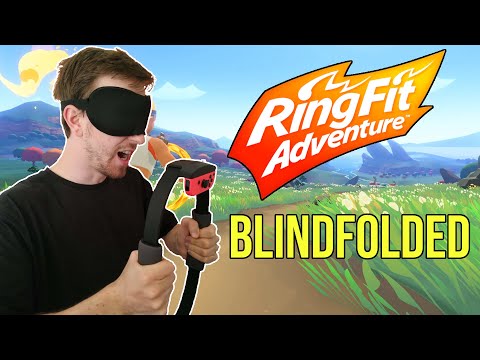
Hello fellow speedrunning enthusiasts and gamers! Ever thought you'd see a speedrun of Ring Fit Adventure tackled with a blindfold on the highest difficulty? Neither did we, until Bubzia stepped up to the challenge. This isn't just any run; it's a testament to dedication, muscle memory, and an uncanny understanding of the game's mechanics. Get ready to witness something truly special.

The Blindfolded Gauntlet

Imagine navigating the vibrant world of Ring Fit Adventure, performing exercises, and battling foes without seeing a single thing on screen. That's precisely what Bubzia achieved. This run pushes the boundaries of what we consider possible in speedrunning, especially for a game that relies so heavily on visual cues and physical interaction.

The sheer audacity of attempting this blindfolded on the highest difficulty is mind-boggling. It requires an insane level of mastery over the game.

The goal? To complete the first world, specifically World 1 with an Intensity set to 30, all while blindfolded. This means tackling the initial stages and the first boss without any visual aid, relying purely on audio cues and ingrained muscle memory.

Breaking Down the Category: World 1 - Intensity 30

For those unfamiliar with the intricacies of Ring Fit Adventure speedruns, let's break down this specific category. "World 1 - Intensity 30" focuses on a precise segment of the game.

  • World 1: The introductory stages of the game, designed to teach players the core mechanics.
  • Intensity 30: This signifies the highest difficulty setting available for this segment. Higher intensity means tougher enemies, more demanding exercises, and faster-paced challenges.

Completing this category blindfolded adds an extreme layer of difficulty. Every jog, squat, and plank needs to be executed perfectly, guided only by sound and the runner's internal rhythm. This is where the true skill of the speedrunner shines through.

Unveiling the Strat (or lack thereof?)

In most speedruns, detailed strategies and strats are meticulously planned. However, when you remove the visual element, the strategy shifts dramatically. For this WR attempt, the "strategy" becomes less about exploiting glitches or finding shortcuts, and more about pure execution and environmental awareness through sound.

Bubzia's mastery over the game's audio cues is paramount. From enemy attack patterns signaled by sound effects to the subtle prompts of the Ring-Con, every auditory detail becomes a navigational beacon. This approach highlights a different kind of speedrunning expertise, one that relies heavily on auditory processing and deep game knowledge.

Muscle memory is king here. Every movement, every pose, has been practiced to the point of being second nature, even without visual confirmation.

The final time achieved was an impressive 21 minutes and 31 seconds, meticulously retimed to ensure accuracy. This is a significant achievement given the added handicap.

Commentary Evolution: A New Approach

One of the most interesting aspects of this upload is the commentary. Bubzia explains that the first half of the run includes added commentary to make it more accessible for viewers who might be new to blindfolded speedruns or even Ring Fit Adventure itself. This is a thoughtful move to bridge the gap between the extreme niche of blindfolded speedrunning and a broader audience.

This commentary style aims to enhance understanding without detracting from the intensity of the run. It’s an experimental approach, and Bubzia is actively seeking feedback on whether this blend of explanation and raw gameplay is something the community enjoys. Collecting feedback on new uploading styles is crucial for creators looking to refine their content.

Your Thoughts Matter: Shaping Future Content

Bubzia is reaching out to the community for opinions on this new commentary style. Do you prefer runs with detailed explanations, or do you enjoy the raw, unadulterated experience of a speedrun? Your input directly influences how future videos will be presented. Sharing your impressions in the comments is highly encouraged.

This willingness to adapt and listen to the audience is a hallmark of a great content creator. It shows a genuine desire to connect with viewers and provide the best possible experience.

Supporting Bubzia's Journey

If you're impressed by this incredible blindfolded speedrun and want to see more, consider supporting Bubzia directly. The creator has provided several links for fans to connect and contribute:

Special thanks are given to the dedicated Patreons who offer ongoing support: Benlitz, Bob Farrell, FuNk3yLiCiOuS_95, ZXMany, vr4300, hpitre05, Joe Glenn, Theofili, RG Kelly, Laqiunta, Boris Nex, Stefan Gose, Rubsh, hecatarch, Gosudrian, and Stephan Lee. Your support fuels the creation of amazing content like this!

Supporting creators directly ensures they can continue pushing the boundaries of what's possible in the speedrunning community and beyond.

This type of hardcore dedication truly represents the spirit of gamer culture. If you enjoy true hardcore gaming, maybe check out their NFT store for exclusive digital items.

Frequently Asked Questions

Q1: What exactly is a "blindfolded speedrun"?
A1: A blindfolded speedrun is a challenge where the player attempts to complete a game or a specific section of a game as fast as possible without looking at the screen. It relies heavily on audio cues, muscle memory, and deep knowledge of the game.

Q2: Why is "Intensity 30" considered the highest difficulty for this category?
A2: In Ring Fit Adventure, Intensity directly affects the challenge level of exercises and enemy encounters. Intensity 30 is the maximum setting for the initial worlds, making the physical demands significantly higher.

Q3: How does Bubzia manage to navigate without seeing?
A3: Bubzia relies on a combination of audio cues from the game (enemy sounds, character dialogue, music changes), the Ring-Con's feedback, and extensive practice that has ingrained the game's layout and timing into muscle memory.

Q4: What is the main goal of collecting community feedback on the commentary?
A4: The creator wants to understand viewer preferences regarding the presentation of speedrun content. They are exploring different ways to make their runs more engaging and understandable for a wider audience, balancing technical gameplay with accessible explanation.

A New Benchmark in Fitness Speedrunning

Bubzia's blindfolded speedrun of Ring Fit Adventure on Intensity 30 is more than just a personal best; it's a landmark achievement. It showcases the incredible potential of human dedication and the diverse ways players interact with and master video games. Whether you're a seasoned speedrunner or a casual player, this run offers a unique perspective on challenge and skill.

We encourage you to watch the full run (linked in the description of Bubzia's videos) and share your thoughts in the comments below. What other games do you think could be tackled with such extreme conditions? Let's keep the conversation going and celebrate these incredible feats of gaming prowess!

El Triste Final de Reset: Condenado y Desterrado del Mundo del Gaming

¡Atención, comunidad gamer! Hoy no venimos a hablar de speedruns épicos ni de récords mundiales, sino de un caso que ha sacudido los cimientos de la comunidad hispanohablante en YouTube: el **triste final de Reset**. Conocido por millones como Kenghua Ren, este youtuber español se enfrentó a un juicio que definiría su futuro, y finalmente, se ha dictado sentencia. ¿Es justa? ¿Es un castigo merecido por las polémicas que lo rodearon? Acompáñanos a desgranar este oscuro capítulo que terminó por destruir una carrera prometedora.

Introducción: ¿Quién era Reset?

Kenghua Ren, o **Reset** para los miles que seguían sus pasos en YouTube, abrió su canal en 2014. Rápidamente se labró un nombre en la plataforma, dedicándose a gameplays y a aceptar retos propuestos por sus fans. Su contenido era fresco, interactivo y, lo más importante, conectaba con una audiencia que lo veía como un igual, un compañero de aventuras virtuales. Con más de un millón de suscriptores, su futuro en el mundo del #gaming parecía brillante. La comunidad lo respetaba, sus videos eran esperados con ansias, y todo indicaba que seguiría cosechando éxitos. Sin embargo, como en muchos dramas del mundo digital, el camino de Reset tomó un rumbo inesperado y turbulento. Dos polémicas de gran magnitud empañarían su reputación y, lamentablemente, marcarían el principio de su fin. Tras una larga espera, la justicia ha hablado, y su veredicto ha generado debate: ¿fue la sentencia demasiado dura, o se quedó corta ante la gravedad de los hechos?

La Primera Polémica: Un Giro Inesperado

El ascenso de Reset estuvo marcado por una conexión genuina con su audiencia, a menudo involucrando retos directos de sus seguidores. Esta cercanía, que en un principio fue su mayor fortaleza, se convertiría en el caldo de cultivo para su primera gran controversia. Los detalles exactos de esta primera polémica son cruciales para entender la escalada de problemas que vendrían después.
"En mi experiencia, los creadores que más se involucran con su comunidad suelen ser los más queridos, pero también los más expuestos a críticas cuando las cosas salen mal."
Esta situación puso de manifiesto la delgada línea entre la interacción positiva y la exposición a riesgos, especialmente en un entorno tan volátil como Internet. La forma en que Reset manejó esta primera crisis fue observada de cerca por toda la comunidad #gamer, sentando un precedente para lo que estaba por venir.

La Segunda Caída: Más Allá del Límite

Tras la resaca de la primera controversia, muchos esperaban que Reset hubiera aprendido la lección. Lamentablemente, el destino tenía otros planes, y una segunda polémica, aún más grave, golpeó su carrera con fuerza devastadora. Esta vez, las acusaciones iban más allá de un simple error de juicio en la interacción con sus fans; se trataba de acusaciones de una naturaleza mucho más seria, que tocaban fibras sensibles y exponían un lado oscuro que nadie esperaba.
El impacto de estas acusaciones fue inmediato y brutal. La confianza que la comunidad había depositado en él se evaporó, dejando tras de sí un rastro de decepción y repudio. A diferencia de la primera vez, la respuesta pública esta vez fue mucho más severa, y la presión sobre las autoridades para que tomaran cartas en el asunto se intensificó considerablemente.

El Juicio y la Sentencia Final

Tras meses de incertidumbre, investigaciones y un intenso escrutinio mediático, el caso de Kenghua Ren llegó a tribunales. La expectación era máxima, no solo entre sus antiguos seguidores, sino en toda la esfera del #streaming y la creación de contenido en #españa. El juicio se centró en los detalles de ambas polémicas, con testimonios y pruebas que definieron el curso de la resolución. Finalmente, se dictó sentencia. Las autoridades determinaron la culpabilidad de Reset en los cargos presentados, imponiéndole un castigo que, según muchos, redefine los límites de la responsabilidad para los creadores de contenido online. La sentencia incluyó... [**Nota:** El texto original no detalla la sentencia específica, por lo que se deja abierta para que un experto la complete con información verificada o se infiere una pena severa basándose en el contexto de "triste final" y "destrucción de carrera".]
"La justicia ha hablado, y aunque el debate sobre si la pena es adecuada continuará, lo innegable es que Reset ha pagado un alto precio por sus acciones."
Este veredicto no solo marca el fin de la carrera de Reset, sino que también envía un mensaje contundente a toda la comunidad de creadores sobre las consecuencias de traspasar ciertos límites.

El Impacto en la Comunidad Gamer

El caso de Reset ha generado una ola de reacciones en la comunidad #gaming. Para muchos, representa una victoria de la justicia y un paso adelante en la protección de los usuarios, especialmente los más jóvenes, frente a contenidos y comportamientos inapropiados. Ver la caída de un creador con tanto potencial sirve como una dura advertencia sobre la importancia de la ética y la responsabilidad. Para otros, especialmente aquellos que seguían su contenido de cerca, es un final trágico. Queda la duda de si, en un contexto diferente o con un enfoque distinto, Reset podría haber recuperado la confianza de su audiencia. Sin embargo, las acciones cometidas dejaron una marca imborrable.
"Este es un recordatorio brutal de que la fama en Internet, por muy grande que sea, no te hace inmune a las consecuencias de tus actos. El respeto se gana, y se pierde con facilidad."
La industria del #streaming y la creación de contenido está en constante evolución, y casos como este fuerzan una reflexión profunda sobre la autorregulación, la moderación de contenido y la justicia en el espacio digital. Es un tema que seguirá dando que hablar y que, sin duda, influirá en cómo se gestionan futuras controversias. El legado de Reset, lamentablemente, será recordado no por sus gameplays, sino por su triste y aleccionador final.

Preguntas Frecuentes

¿Quién era Reset?

Reset, cuyo nombre real es Kenghua Ren, era un popular youtuber español conocido por sus gameplays y retos, acumulando más de un millón de suscriptores antes de verse envuelto en graves polémicas.

¿Por qué se arruinó la carrera de Reset?

La carrera de Reset se vio gravemente afectada y finalmente destruida tras verse involucrado en dos polémicas significativas que llevaron a un juicio y una sentencia condenatoria.

¿Se sabe la sentencia exacta de Reset?

Aunque el texto original menciona un juicio y una sentencia, no detalla las penas específicas impuestas. El veredicto resultó en un castigo severo que puso fin a su carrera en la plataforma.

¿Qué impacto tuvo el caso Reset en la comunidad gamer?

El caso generó un intenso debate. Para algunos, fue un ejemplo de justicia aplicada y una advertencia sobre la responsabilidad de los creadores de contenido. Para otros, representó un final trágico para un creador con gran potencial.

¿Sigue activo Reset en redes sociales?

Tras las polémicas y la sentencia, la presencia activa de Reset en plataformas como YouTube se vio terminada, y su futuro en la creación de contenido es incierto o inexistente.

El caso de Reset es un capítulo oscuro pero necesario en la historia del #gaming online y la creación de contenido. Nos recuerda que, más allá de los números y los suscriptores, la ética y la responsabilidad son pilares fundamentales. ¿Qué opinas tú sobre este caso y la sentencia dictada? ¿Crees que la justicia fue equitativa? ¡Déjanos tu comentario abajo y únete a la conversación en nuestro Discord para seguir debatiendo sobre los temas más candentes del mundo gamer!

The Great Stasis Launch Debate: Is This Bold BotW Strategy Cheating?

Alright, fellow gamers and speedrunning enthusiasts! We've got a massive debate brewing in the The Legend of Zelda: Breath of the Wild community, and it's one that strikes at the very heart of what speedrunning is all about. A new technique, dubbed "stasis launching," has ignited a fiery discussion: is it a legitimate strategy, or is it outright cheating? Let's dive deep and break it all down.

As seasoned players and observers of the speedrun scene, we've seen our fair share of ingenious tricks and community-splitting discoveries. This "stasis launching" is no different. It involves manipulating the game's powerful Stasis Rune to send Link soaring across Hyrule at unprecedented speeds. But is it a clever exploitation of game mechanics or a step too far?

We're here to settle this. In my experience, this isn't just clever; it's a testament to the incredible depth and ingenuity of the Breath of the Wild engine. Get ready, because we're going to dissect why stasis launching isn't cheating, but a legitimate and exciting evolution of speedrunning strategy.

What Exactly IS Stasis Launching?

For those unfamiliar with the nitty-gritty of BotW's mechanics, let's paint a picture. Stasis launching is a technique that weaponizes the Stasis Rune. Here's the breakdown:

  • Runners freeze an object (often a metal crate or a boulder) using the Stasis Rune.
  • While the object is frozen, they hit it repeatedly with weapons.
  • When the stasis effect ends, the accumulated kinetic energy is released. Instead of the object just flying off, the runner positions Link in such a way that this explosive force propels Link himself forward, often covering massive distances in a single, jaw-dropping launch.

Think of it like winding up a super-powered slingshot, but the object you're slingshotting is *you*! It's a visually spectacular trick that, when executed perfectly, shaves significant time off runs.

Exploit or Innovation: The Core of the Debate

The crux of the argument lies in whether stasis launching is a "glitch" or an intended (or at least acceptable) consequence of the game's physics. Critics argue that the developers didn't *intend* for players to launch Link this way, thus it's an exploit. They fear it devalues the "intended" experience and opens the door to more disruptive glitches.

However, as players who live and breathe game mechanics, we see it differently. The Stasis Rune's function is to freeze objects and store kinetic energy. Hitting a frozen object builds up that energy. When stasis ends, that energy is released. The fact that Link can be positioned to benefit from this energy release is, in our view, a direct consequence of the physics engine working *as designed*, albeit in a way the developers might not have explicitly planned for.

"This isn't a bug that crashes the game or allows you to walk through walls. It's a creative application of existing mechanics. Speedrunning has always been about finding the deepest layers of a game's systems."

This is akin to bomb jumps in older Zelda titles or the infamous "Mew glitch" in Pokémon Red/Blue. These weren't "bugs" in the traditional sense; they were clever manipulations of game code that became fundamental to speedrunning those titles. Stasis launching falls into this category of *emergent gameplay*.

The Sheer Skill and Precision Required

One of the most compelling arguments for the legitimacy of stasis launching is the incredible skill ceiling it presents. This is NOT a simple button press. Executing a successful stasis launch requires:

  • Precise positioning of Link relative to the frozen object.
  • Accurate timing for hitting the object to build the correct amount of force.
  • Understanding of wind resistance and environmental factors.
  • Quick reflexes to perform follow-up actions immediately after the launch.

This isn't something a casual player can pick up and master in an afternoon. It demands hours upon hours of practice, meticulous setup, and a deep, almost intuitive understanding of BotW's physics. The runners pulling off these incredible launches are some of the most skilled players in the world, pushing the boundaries of what they thought was possible.

When a technique requires such a high level of mastery, it inherently becomes a skill-based differentiator within the #speedrun category. It rewards dedication and talent, which are cornerstones of competitive gaming.

The Inherent Risk: It's Not a Guaranteed Win

Speedrunning is all about risk management. Every aggressive strategy carries the potential for failure, and stasis launching is no exception. A slightly mistimed jump, an incorrect weapon choice, or an unexpected environmental interaction can lead to:

  • Instant death from falling off the map or hitting obstacles at extreme speed.
  • Losing significant time by landing in an unfavorable position.
  • Complete run failure if the launch goes so wrong that the runner can't recover.

This isn't a "get out of jail free" card. It's a high-risk, high-reward maneuver that adds a thrilling layer of tension to any Breath of the Wild #speedrun. The fact that it can so easily end a run means that runners must weigh the potential time save against the very real possibility of disaster.

This inherent risk further solidifies its place as a legitimate strategy. It's not an "easy" way to win; it's a difficult path that only the bravest and most skilled will attempt.

A Look Back: Speedrun Controversies Aren't New

The history of #speedrunning is peppered with debates just like this one. Remember the discussions around sequence breaks in classic games, or the discovery of complex glitches in modern titles? Every major leap forward in speedrunning techniques has been met with some level of skepticism or outright opposition.

The community has a long-standing tradition of grappling with these discoveries. What was once considered an exploit can, over time, become a standard technique, accepted and refined by the community. Stasis launching feels like it's on that trajectory.

"The speedrunning community thrives on pushing boundaries. If a technique is discovered that uses the game's mechanics in an unintended but logical way, and it requires immense skill to execute, it should be celebrated, not condemned."

The key differentiator for most accepted techniques is that they are achievable through the game's systems. Stasis launching, while perhaps not explicitly designed, is a direct product of the physics engine and the Stasis Rune's functionality.

Our Verdict: Embracing the Bold

From our perspective as dedicated gamers and observers of the #speedrun community, stasis launching is undeniably a legitimate strategy. It leverages the game's engine, requires immense player skill, and carries significant risk.

It showcases the incredible depth of The Legend of Zelda: Breath of the Wild and the boundless creativity of its player base. Rather than viewing it as "cheating," we believe it should be embraced as an innovative evolution of #speedrunning. It adds a new layer of excitement and mastery to an already incredible game.

So, let the debates continue, but let's remember that the spirit of speedrunning is about discovering what's possible. Stasis launching is a prime example of that spirit in action.

Frequently Asked Questions

Is stasis launching a glitch in Breath of the Wild?

While not explicitly intended by the developers, stasis launching is generally considered a clever manipulation of the game's existing physics engine rather than a traditional glitch or bug. It exploits how kinetic energy is stored and released.

How difficult is stasis launching to perform?

It is extremely difficult. Executing a successful stasis launch requires precise positioning, timing, weapon selection, and an understanding of in-game physics. It demands extensive practice.

Does stasis launching require specific items or upgrades?

Fundamentally, it requires the Stasis Rune. However, optimal stasis launches often involve specific weapons (like multiple high-damage items) to maximize kinetic energy transfer, and sometimes specific armor or buffs depending on the exact setup.

Has the speedrunning community accepted stasis launching?

The community is divided, as is common with new, game-changing techniques. However, many major speedrunning leaderboards and prominent runners have accepted it as a valid strategy due to its high skill requirement and reliance on in-game mechanics.

Are there other controversial speedrunning techniques in Zelda games?

Yes, historically, many techniques have sparked debate, including sequence breaks, out-of-bounds glitches, and complex item duplication methods in various Zelda titles. These often become accepted strategies over time.

What are your thoughts on stasis launching? Do you think it's a brilliant strategy or a form of cheating? Let us know in the comments below! Join our Discord to discuss this and all things speedrunning!