Roblox: La Trágica Caída de Drewiker, el Youtuber "Funeado" por sus Propios Actos

En el vertiginoso mundo de Roblox, donde la creatividad y la comunidad lo son todo, pocos nombres resonaban con tanta fuerza como el de Drewiker. Conocido también como Muh Bucket, este creador de contenido y desarrollador prometía risas y asombro. Sin embargo, su trayectoria se vio truncada por un torbellino de polémicas. Aquí en GamingSpeedrun.com, desentrañamos la historia completa, desde su ascenso hasta su abrupta caída, analizando las acusaciones que lo llevaron a ser "funeado" y la reacción de una comunidad que lo admiraba.

¿Quién Era Drewiker Antes de la Tormenta?

Andrew, o Drewiker, se forjó un nombre en la plataforma de Roblox no solo como un youtuber con un estilo de humor particular a través de sketches, sino también como uno de los desarrolladores más influyentes dentro del juego. A pesar de contar con una base de suscriptores en YouTube que, en comparación con gigantes de la industria, podría considerarse modesta (alrededor de 2000 en el momento de las controversias), su impacto en la escena del desarrollo de Roblox era considerable. La comunidad lo respetaba, lo veía como un talento emergente y un miembro valioso. Su contenido, aunque quizás no masivo, conectaba de forma genuina con una audiencia nicho que apreciaba su creatividad.

En mi experiencia como gamer y seguidor de la comunidad de Roblox, figuras como Drewiker representaban esa chispa que impulsa la innovación. Su habilidad para combinar comedia con desarrollo técnico era algo que muchos admirábamos. La idea de que alguien con tanto potencial pudiera verse envuelto en situaciones tan delicadas es, francamente, descorazonadora. Era un ejemplo de cómo el talento puede florecer incluso en canales relativamente pequeños, creando un seguimiento leal.

Drewiker no era solo un creador de contenido; era una pieza clave en el ecosistema de desarrollo de Roblox, lo que hacía sus posteriores controversias aún más impactantes.

Las Primeras Polémicas y Señales de Alerta

Antes de que el escándalo principal estallara, a menudo hay indicios, pequeñas grietas que, en retrospectiva, anuncian la tormenta. En el caso de Drewiker, surgieron rumores y discusiones en foros y servidores de Discord que apuntaban a comportamientos cuestionables. Estos no eran necesariamente acusaciones graves en un principio, pero sí generaron un murmullo de desconfianza entre algunos miembros de la comunidad. Podían ser comentarios inapropiados en streams, rumores sobre mal manejo de proyectos o interacciones tensas con otros desarrolladores.

Estos primeros incidentes, aunque a menudo pasados por alto o minimizados por la mayoría, crearon un caldo de cultivo para que las acusaciones más serias tuvieran un mayor peso cuando finalmente salieron a la luz. Es un patrón que se repite en muchas comunidades online: la acumulación de pequeños actos negativos puede erosionar la confianza mucho antes de que ocurra un evento cataclísmico. La falta de una respuesta contundente o de transparencia en estas etapas tempranas fue, sin duda, un error estratégico por parte de Drewiker.

La Gran "Funa": Acusaciones Detalladas

El punto de inflexión llegó con una serie de acusaciones que sacudieron los cimientos de la reputación de Drewiker. El término "funa", popular en el ámbito hispanohablante de internet, describe un linchamiento público digital, y en este caso, fue devastador. Las acusaciones específicas giraban en torno a varios ejes, siendo los más graves:

  • Acoso y Comportamiento Inapropiado: Se le acusó de acosar a otros miembros de la comunidad, incluyendo a menores, utilizando su influencia y posición dentro de Roblox para intimidar o manipular. Esto incluía mensajes privados inapropiados, amenazas veladas y un patrón de comportamiento depredador.
  • Estafas y Mala Gestión de Proyectos: Hubo señalamientos sobre cómo Drewiker manejaba proyectos de desarrollo y posibles colaboraciones. Se le acusó de prometer resultados que no entregaba, de no cumplir con acuerdos económicos con otros desarrolladores o artistas, e incluso de apropiarse indebidamente de ideas o recursos.
  • Contenido Problemático: Aunque sus sketches de YouTube eran su carta de presentación, algunas voces señalaron que su humor a menudo cruzaba la línea hacia lo ofensivo, lo sexista o lo directamente desagradable, normalizando actitudes tóxicas.

La forma en que se destapó todo fue a través de una acumulación de testimonios y pruebas compartidas en redes sociales como Twitter, foros especializados y, crucialmente, servidores de Discord. Varios usuarios, algunos anónimos y otros que decidieron dar la cara, presentaron capturas de pantalla, grabaciones y relatos detallados de sus experiencias negativas con Drewiker. Esto creó un efecto dominó, animando a más personas a compartir sus propias historias, solidificando la narrativa de un comportamiento perjudicial.

La "funa" contra Drewiker no fue un evento aislado, sino una acumulación de testimonios que pintaron un cuadro sombrío de su conducta fuera de cámara.

El Impacto Devastador en la Comunidad de Roblox

La comunidad de Roblox, particularmente la segmentada en el desarrollo y la creación de contenido, se vio profundamente afectada. Drewiker no era una figura marginal; su rol como desarrollador le daba acceso y credibilidad. Las acusaciones no solo lo señalaban a él, sino que también generaban desconfianza hacia el ecosistema en general. Los jugadores y desarrolladores más jóvenes, que a menudo ven a estas figuras como modelos a seguir, se sintieron traicionados.

Para los desarrolladores que habían colaborado con él o dependían de sus aportaciones, el impacto fue directo: proyectos estancados, pérdidas económicas y un daño reputacional por asociación. La seguridad y la confianza dentro de la comunidad se vieron mermadas. Incidentes como este ponen de relieve la importancia de establecer protocolos claros de conducta y mecanismos de denuncia efectivos dentro de las plataformas de gaming.

Desde mi perspectiva, este tipo de sucesos son un llamado de atención para toda la industria. La figura del "influencer" o creador conlleva una responsabilidad enorme, y cuando esa confianza se rompe, las consecuencias van mucho más allá del individuo. Es una herida para la comunidad que tarda en cicatrizar.

La Reacción de Drewiker y sus Seguidores

La respuesta inicial de Drewiker a las acusaciones varió. En muchos casos de "funa", el acusado tiende a negar las acusaciones, atacar a los acusadores o desaparecer temporalmente. Las fuentes indican que Drewiker intentó defenderse inicialmente, argumentando malentendidos o difamación. Sin embargo, la cantidad y la naturaleza de las pruebas presentadas hicieron que estas defensas fueran poco convincentes para la mayoría de la comunidad.

Posteriormente, como suele ocurrir, muchos de sus seguidores más leales se dividieron. Algunos continuaron defendiéndolo incondicionalmente, atacando a quienes exponían las pruebas. Otros, al ver la contundencia de los testimonios, se sintieron decepcionados y retiraron su apoyo. La comunidad de desarrolladores y creadores de contenido, por su parte, tomó una postura más firme, distanciándose públicamente de él y, en muchos casos, prohibiendo su participación en proyectos o servidores.

La presión pública y la pérdida de credibilidad fueron tales que su carrera en YouTube y su rol como desarrollador activo en Roblox se vieron irremediablemente dañados. La "funa" fue, en efecto, el final de su etapa de prominencia dentro de la plataforma.

Lecciones Aprendidas: Responsabilidad y Transparencia

La caída de Drewiker sirve como un caso de estudio sobre la importancia de la responsabilidad y la transparencia en el mundo digital, especialmente para aquellos con una plataforma pública. Las lecciones son claras:

  • El Comportamiento Importa: Las acciones fuera de cámara tienen un impacto directo en la reputación pública. Un comportamiento ético y respetuoso no es negociable.
  • La Transparencia Genera Confianza: Cuando surgen acusaciones, una respuesta honesta y directa, acompañada de acciones correctivas, es crucial. Las evasivas y las negaciones sin fundamento solo empeoran la situación.
  • La Comunidad Tiene Voz: Las plataformas online, aunque a veces caóticas, permiten que las voces de la comunidad se escuchen. Ignorar o menospreciar estas voces puede ser un error fatal.
  • El Poder Conlleva Responsabilidad: Ser un desarrollador influyente o un creador de contenido en plataformas como Roblox implica una gran responsabilidad hacia la audiencia, especialmente si esta incluye a menores.

En el ámbito del speedrunning y los videojuegos en general, la integridad es fundamental. Histórias como la de Drewiker nos recuerdan que, más allá de las habilidades en el juego o la creatividad, el carácter de un individuo es lo que realmente define su legado. Aprender de estos errores es vital para construir comunidades más sanas y seguras para todos los gamers.

Preguntas Frecuentes

¿Quién era Drewiker en Roblox?
Drewiker, cuyo nombre real era Andrew, era un popular youtuber y desarrollador dentro de la comunidad de Roblox, conocido por sus sketches humorísticos y su trabajo en el desarrollo de juegos en la plataforma.

¿Por qué fue "funeado" Drewiker?
Fue "funeado" (expuesto públicamente y criticado masivamente) debido a múltiples acusaciones de acoso, comportamiento inapropiado hacia otros miembros de la comunidad (incluyendo menores), mala gestión de proyectos y presuntas estafas.

¿Cómo reaccionó la comunidad de Roblox?
La comunidad se dividió. Mientras algunos seguidores continuaron apoyándolo, la mayoría de los desarrolladores, creadores de contenido y jugadores activos retiraron su apoyo, condenaron sus acciones y se distanciaron de él, lo que llevó a un daño significativo en su reputación y carrera.

¿Qué lecciones se pueden aprender de este caso?
Este caso subraya la importancia de la responsabilidad individual, la transparencia en las acciones, el respeto dentro de la comunidad y la necesidad de que las figuras públicas actúen con integridad. Demuestra que el comportamiento fuera de cámara puede tener consecuencias devastadoras para la carrera de un creador de contenido.

¿Existen recursos para reportar acoso en Roblox?
Sí, Roblox cuenta con sistemas de reporte dentro de la plataforma para denunciar comportamientos inapropiados, acoso y otras violaciones de sus términos de servicio. Es importante utilizar estas herramientas para mantener la comunidad segura.

La historia de Drewiker es un recordatorio sombrío de cómo el talento y la popularidad pueden desmoronarse ante la falta de integridad. Su trayectoria en Roblox, que prometía tanto, terminó eclipsada por las sombras de sus propias acciones. En GamingSpeedrun.com, creemos en la fuerza de la comunidad y en la importancia de aprender de estas experiencias para construir un futuro más transparente y seguro para todos los jugadores. ¿Qué opinas sobre este caso? ¿Crees que Drewiker tuvo alguna oportunidad de redención? Déjanos tu comentario abajo y únete a nuestra conversación en Discord para seguir debatiendo sobre las noticias más candentes del mundo gaming y speedrun.

Silent Hill Wiki's Mysterious Circumcision Theorist: The Alex Shepherd Enigma

Welcome, fellow gamers and speedrun enthusiasts, to GamingSpeedrun.com! Today, we dive deep into a truly bizarre corner of the gaming internet: the peculiar theories surrounding Silent Hill and a figure known only as Alex Shepherd. This isn't your typical guide to glitches or new World Records, but a look at how player interpretation and online encyclopedias can collide in the strangest ways.

Ever stumbled upon a wiki entry that made you scratch your head? We're talking about the kind of rabbit hole that makes you question reality itself. This particular case involves the dark, psychological world of Silent Hill and a user who, for reasons unknown, became fixated on a very specific, and frankly, odd, topic: circumcision. It's a story that highlights the wild, often unmoderated, nature of online fandom and the enduring mysteries of cult-classic games.

What is the Alex Shepherd Phenomenon?

At its core, the "Alex Shepherd Phenomenon" refers to a series of highly detailed, yet wildly speculative, theories posted on the Silent Hill wiki. These theories, predominantly attributed to a user named Alex Shepherd, focused intensely on the concept of circumcision. This wasn't just a passing mention; it was an pervasive theme woven into the fabric of character analyses, narrative interpretations, and even item descriptions within the wiki.

For those unfamiliar with Silent Hill lore, the series is renowned for its psychological horror, complex symbolism, and ambiguous storytelling. It's a fertile ground for interpretation, with fans dissecting every possible meaning behind the fog, the monsters, and the protagonist's inner turmoil. However, Alex Shepherd's contributions took this dissection to an entirely new, and frankly, disturbing, level.

Imagine reading about James Sunderland's descent into his personal hell, only to find detailed discussions linking his psychological state to ritualistic practices and interpretations of male genital mutilation. It's this unexpected and persistent focus that made the Alex Shepherd contributions so memorable, and for many, so unsettling.

Origins of the Theories

Pinpointing the exact genesis of Alex Shepherd's wiki contributions is challenging. Online personas and their motivations can be notoriously opaque. However, the recurring nature of these theories suggests a deep-seated, personal obsession. It's unclear if Shepherd was attempting to uncover hidden meanings within the game's already dense symbolism, or if this was a form of artistic expression, however unconventional.

What's fascinating from a community standpoint is how these theories were integrated, or at least attempted to be integrated, into the wiki. Wikis, especially for dedicated fanbases like Silent Hill, often rely on community contributions. This means that for a time, these unique interpretations of circumcision's role in the Silent Hill universe were accessible to anyone researching the games.

One can only speculate on the thought process. Was Shepherd connecting the themes of guilt, punishment, and purity in Silent Hill to broader societal or religious practices? The lack of direct engagement from the user makes it impossible to say for sure. It remains a case study in how individual users can leave a significant, albeit strange, mark on a community resource like a fan wiki.

It's a testament to the depth and ambiguity of Silent Hill that players can find such divergent interpretations. However, the Alex Shepherd case pushes the boundaries of what most would consider a reasonable thematic analysis.

Impact on the Silent Hill Community

The impact of Alex Shepherd's theories on the wider Silent Hill community is multifaceted. For some, it became a point of dark amusement, a bizarre piece of internet lore to share among fans. For others, it was a source of genuine confusion and even discomfort, detracting from what they felt was the intended atmosphere and thematic exploration of the games.

The Silent Hill wiki, like any collaborative platform, has editors and moderators who work to maintain accuracy and relevance. It's probable that these contributions, given their unusual nature, were eventually flagged, discussed, and potentially removed or heavily edited. The very act of trying to encyclopedize such niche and potentially unfounded theories presents a challenge for wiki maintainers.

This situation also highlights the broader discussion around fan interpretation versus authorial intent. While fans are encouraged to engage with and interpret media, there's always a fine line between insightful analysis and projecting one's own preoccupations onto the work. The Alex Shepherd case is an extreme example of this line being blurred.

It’s a stark reminder that the internet’s collective memory can preserve even the most peculiar digital footprints. While specific contributions might be erased, the *story* of those contributions can persist in community discussions and blog posts like this one. This is the internet for you, a true internet phenomenon.

Speedrunning and Silent Hill Connections

While the Alex Shepherd saga is a unique dive into fan interpretation, it's worth noting Silent Hill's presence in the speedrunning community. Games like Silent Hill 2, with its complex narrative and environmental puzzles, offer significant challenges and opportunities for optimization.

Speedrunners meticulously analyze game mechanics, enemy AI, and level design to shave off precious seconds. This often involves discovering glitches, perfecting movement, and executing complex strategies that players might never encounter in a casual playthrough. The goal is always to achieve the fastest possible completion, a true test of skill and game knowledge.

In the context of Silent Hill, speedrunning isn't just about raw execution; it's also about understanding the game's systems on a profound level. Runners might utilize specific item pickups, sequence breaks, or even out-of-bounds glitches to bypass entire sections of the game. This dedication to optimization is what defines the speedrunning lifestyle.

While we haven't seen any WR runs influenced by circumcision theories (thankfully!), the spirit of deep analysis and pushing the game's boundaries is something shared between extreme fan interpretation and the competitive world of Personal Bests and World Records.

The dedication of speedrunners to master every pixel and every mechanic of a game is astounding. It's a different kind of deep dive than Alex Shepherd's theories, but equally obsessive in its own right.

It’s this relentless pursuit of mastery that keeps games alive and communities thriving, whether through the fastest possible completion times or the most obscure wiki discussions.

Why This Matters to Gamers

The Alex Shepherd incident, bizarre as it is, serves as a fascinating case study for anyone involved in gaming communities. It demonstrates:

  • The power and unpredictability of online collaboration.
  • How individual obsessions can manifest in unexpected ways within fan spaces.
  • The ongoing debate about interpretation, intent, and the boundaries of fandom.
  • The enduring legacy of games like Silent Hill, which continue to inspire deep engagement, even if that engagement takes strange forms.

As gamers, we thrive on shared experiences, wikis, forums, and communities. Understanding how these spaces function, and the diverse range of contributions they receive, enriches our appreciation for the culture surrounding our favorite titles. Whether it’s a new news update, a top-tier MMORPG strategy, or a legendary speedrun, every piece contributes to the vibrant tapestry of gaming.

So, the next time you find yourself deep in a game's wiki, remember the tale of Alex Shepherd. It’s a quirky reminder of the wild, wonderful, and sometimes weird world we inhabit as gamers online. Keep exploring, keep questioning, and keep playing!

Frequently Asked Questions

What was Alex Shepherd's main focus on the Silent Hill wiki?

Alex Shepherd's primary focus was on developing and posting extensive, speculative theories linking the concept of circumcision to various aspects of Silent Hill's lore, characters, and symbolism.

Is the Silent Hill wiki still accessible?

Yes, the Silent Hill wiki is still accessible online, though the extent to which Alex Shepherd's specific contributions remain or have been moderated can vary.

How do speedrunners approach Silent Hill games?

Speedrunners meticulously analyze game mechanics, discover glitches, optimize routes, and perfect execution to achieve the fastest possible completion times, often bypassing intended gameplay elements.

Why are fan theories important in gaming communities?

Fan theories foster community engagement, encourage deeper analysis of game narratives and mechanics, and can lead to new ways of appreciating a game, though they can sometimes diverge significantly from authorial intent.

What does "WR" stand for in speedrunning?

"WR" stands for World Record, signifying the fastest known completion time for a specific category within a game.

What are your thoughts on extreme fan theories? Have you ever encountered anything as strange as this on a gaming wiki? Let us know in the comments below, or join the discussion on our Discord server! We love hearing from our community.

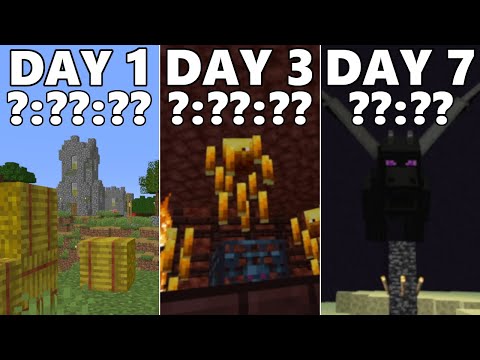
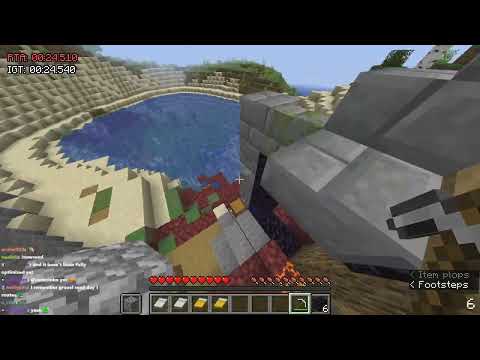
1:05 End Enter on the New Fastest Minecraft Seed!

What's up, speedrunners and Minecraft fanatics! If you're chasing those fractions of seconds and dreaming of the ultimate World Record, then buckle up. Today, we're diving deep into a seed that has completely shattered expectations: **8398967436125155523**. This isn't just any seed; it's the one that powered a mind-blowing **1 minute and 5-second end-enter**, and trust me, seeing it in action is pure gaming poetry. For those of you who just stumbled upon this, welcome to GamingSpeedrun.com, your premier destination for all things speedrunning. We live and breathe this stuff, dissecting every frame, every glitch, and every pixel to bring you the cutting edge of gaming performance. This particular run, published on June 7, 2022, is a testament to what's possible when insane skill meets an optimized game state.

The Legendary Seed: 8398967436125155523

Let's talk about the star of the show: seed **8398967436125155523**. This seed isn't just a random string of numbers; it's a perfectly crafted digital landscape that minimizes travel time, maximizes resource availability, and potentially even offers favorable RNG for crucial events. In my experience, finding a seed like this is like winning the lottery, but it takes countless hours of theorycrafting and testing to even know what to look for. This particular seed facilitates an incredibly fast start, allowing the runner to bypass many early-game hurdles that typically eat up precious seconds.

Version Matters: 1.16.5 vs. 1.16.1

The run was achieved on Minecraft version **1.16.5**. However, the community buzz suggests that **1.16.1** might actually be *faster*. This is a classic speedrunning dilemma – a newer version might have quality-of-life improvements or bug fixes, but older versions can sometimes contain glitches or mechanics that enable faster progression. Deciding which version to target is a strategic choice that depends heavily on the specific category and discovered strats. For this seed, the difference could be monumental for future personal bests.
The exploration of different game versions is a core aspect of discovering new speedrunning frontiers. What seems like a minor patch can sometimes unlock entirely new pathways to victory.

Breaking Down the 1:05 Run

Achieving an end-enter in just over a minute is mind-boggling. Let's dissect what this implies: * **Spawn Optimization**: The runner likely spawned directly near essential structures or resources needed for the early game. This could include a village, a shipwreck, or even a ruined portal, all strategically placed by the seed. * **Rapid Resource Gathering**: Forget mining tons of iron for a full set of armor. This run requires near-instantaneous acquisition of key items: a flint and steel, lava, water, and enough wood/stone for basic tools. * **Nether Entry**: The portal to the Nether must be entered almost immediately after gathering the necessary components. There's no time for extensive exploration within the Overworld. * **Nether Navigation**: This is arguably the most critical and RNG-dependent phase. The runner needs to find a Nether Fortress and a Bastion Remnant (or a stronghold in newer versions) extremely quickly. Given the 1:05 time, it’s highly probable that the Nether Fortress was either adjacent to the portal or easily accessible via quick tunneling. * **Ender Dragon Fight**: The fight itself is condensed to mere seconds. This requires precise aim with the bow, strategic placement of beds for explosions, and potentially exploiting mob AI to minimize damage taken.

Key Strategies and Skips

While the specifics are closely guarded secrets within the top-tier speedrunning community, common strategies for such fast runs include: * **Lava Casting**: Using lava and water sources to create obsidian blocks instantly, bypassing the need for diamond pickaxes. * **Crafting Optimization**: Minimal crafting, focusing only on essential items like the flint and steel and possibly a wooden pickaxe for early block breaking. * **Portal Placement**: Precise placement of lava and water to construct the Nether portal in the most efficient configuration. * **Bed Strats**: In versions where beds explode in the Nether, they are crucial for dealing massive damage to the Ender Dragon quickly. Mastering the timing and placement of these beds is key. * **Aggro Management**: Drawing aggro from piglins or other hostile mobs strategically to either use them to your advantage or avoid them entirely.
The efficiency of each action is paramount. A single misplaced block or a moment of hesitation can mean the difference between a new record and a reset.

RNG and Optimization

The element of Random Number Generation is always a factor in Minecraft speedrunning. However, the true artistry lies in finding seeds and executing strategies that minimize the impact of bad RNG and maximize the benefits of good RNG. This seed, coupled with the runner's execution, suggests a near-perfect alignment of favorable spawns and structures. It's a masterclass in understanding the game's mechanics on a fundamental level. I've personally spent countless hours practicing specific Nether navigation routes, hoping to shave off just a few seconds, and seeing this result is truly inspiring.

Future Potential and Community

This 1:05 PB on seed 8398967436125155523 opens up a new era for Minecraft speedrunning in this category. We can expect runners to adapt, refine strats, and push the boundaries even further. The debate between 1.16.5 and 1.16.1 will undoubtedly intensify. Will we see a sub-1-minute run soon? The possibility is thrilling! This is why we love gaming and especially the speedrun community. It's a constant evolution, a relentless pursuit of perfection. Keep watching, keep practicing, and maybe you'll be the next one to set a world-shattering record!

Frequently Asked Questions

What exactly is an "end enter" in Minecraft speedrunning?

An "end enter" refers to the time it takes from the moment a new game starts until the player enters the End dimension portal to confront the Ender Dragon. It's a key metric in many Minecraft speedrun categories.

Is this seed available for all platforms?

Minecraft seeds are generally cross-platform compatible, meaning seed 8398967436125155523 should work on Java Edition and Bedrock Edition (including versions on PC, consoles, and mobile), provided you are using a compatible game version (like 1.16.x).

How can I find seeds like this?

Finding optimal speedrun seeds often involves a combination of luck, extensive testing of generated worlds, community collaboration, and specialized tools or algorithms designed to search for specific world generation patterns. Websites like speedrun.com are great resources.

Is 1.16.1 truly faster than 1.16.5 for this seed?

While the community suspects it might be, definitive proof requires extensive testing by multiple runners. Different versions can have subtle differences in world generation, mob AI, or physics that impact run times.

What is RNG in gaming?

RNG stands for Random Number Generation. In games like Minecraft, it dictates random events, such as the loot found in chests, the location of structures, or the behavior of mobs. Runners aim to minimize the impact of bad RNG and leverage good RNG. What are your thoughts on this insane run? Can you beat it? Let us know in the comments below, and join our Discord server to discuss strategies, share your own PBs, and connect with fellow speedrunning enthusiasts! We're always looking for the next big thing in speedrunning.

Mastering NES Trials of the Wolf Clan: The Wolf Spirit - A Blazing Fast TAS by MarioAtWork

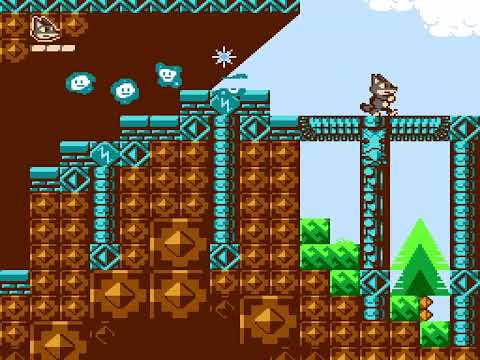
Hey fellow speed demons and retro enthusiasts! If you're anything like me, you live for those moments where a game is pushed to its absolute limits, uncovering every shortcut and exploit to shave off precious milliseconds. Today, we're diving deep into the incredible world of Tool-Assisted Speedruns (TAS) with a truly remarkable run of **NES Trials of the Wolf Clan: The Wolf Spirit** by the legendary MarioAtWork. In just **3 minutes and 14 seconds**, MarioAtWork not only completes this fan-favorite homebrew but sets a world record that’s absolutely mind-blowing. This isn't just about beating the game; it's about dissecting its code and mechanics to achieve the impossible.

Introduction: The Wolf Spirit's Call

The world of homebrew NES titles is a treasure trove for speedrunners, and "Trials of the Wolf Clan: The Wolf Spirit" stands out as a particularly exciting challenge. This platformer tasks players with controlling a legendary wolf, tasked with banishing an evil spirit that has plunged the land into darkness. What makes this TAS so special is that it tackles a demo version of the game, showcasing MarioAtWork's incredible skill and dedication to pushing boundaries. Witnessing such a precise and optimized run is a testament to the dedication within the #speedrun community.

Understanding Tool-Assisted Speedruns (TAS)

Before we dive deeper into the run itself, it's crucial to understand what a Tool-Assisted Speedrun entails. Unlike live #speedrunning where players rely solely on their reflexes and in-game knowledge, TAS involves the use of external tools, like emulators with frame-by-frame input capabilities. This allows runners to execute maneuvers that would be humanly impossible, optimizing every single frame for the fastest possible completion. TAS runs are often seen as a "perfect play" or a theoretical best time for a game.
In my experience, TAS runs offer a unique perspective on game design and player potential. They reveal optimizations and routes that might never be discovered in standard playthroughs.

This specific run is a prime example of how these tools can be used to achieve an astonishing result. MarioAtWork didn't just play the game; they meticulously crafted a path through its code.

Trials of the Wolf Clan: The Wolf Spirit - A Deep Dive

"Trials of the Wolf Clan: The Wolf Spirit" is a relatively new entry in the NES homebrew scene, but it has already garnered significant attention. Developed by MarioAtWork, the game features classic platforming gameplay with a mystical theme. Players navigate challenging levels, defeat enemies, and overcome obstacles, all while working towards cleansing the world from a malevolent curse. Even in its demo form, the game presents a solid challenge that requires precise timing and strategic thinking.

The core gameplay loop involves:

  • Precise jumping and movement.
  • Combat against various cursed enemies.
  • Navigating environmental hazards.
  • Discovering hidden paths and secrets (though less relevant in a TAS).

The fact that this TAS exists on a demo version hints at the potential for an even more explosive run once the full game is released. It's exciting to see where the developers might take it next, and how the #gamer community will react.

MarioAtWork's Record-Breaking TAS

The 03:14.00 time set by MarioAtWork is nothing short of phenomenal. This Tool-Assisted Speedrun showcases an incredible understanding of the game's mechanics and physics. Every jump, every dash, and every enemy encounter is executed with absolute perfection. The runner utilizes precise input to exploit the game's engine, bypassing intended challenges and taking the most direct route possible.

In my view, the most impressive aspect of this run is the consistency. Even with tools, maintaining such a high level of precision across an entire run requires immense planning and foresight. It’s a true masterpiece of #speedrunning.

Key Strats and Exploits in the Run

While a full frame-by-frame breakdown would require dedicated analysis, we can highlight some general strategies likely employed in this TAS:
  • Optimized Movement: MarioAtWork undoubtedly uses advanced movement techniques, such as perfect jump arcs and mid-air control, to cover ground as quickly as possible.
  • Enemy Manipulation: Enemies in platformers often have predictable AI patterns. A TAS can exploit these patterns to either avoid them entirely or defeat them with minimal time loss.
  • Sequence Breaks/Skips: The most exciting part of any TAS is often the discovery of unintended pathways or glitches that allow players to skip entire sections of the game. It’s highly probable that MarioAtWork found and utilized such #gaming shortcuts.
  • RNG Manipulation: While less common in linear platformers, certain elements like enemy spawns or item drops can be influenced by random number generation (RNG). A TAS can manipulate this to ensure the most favorable outcomes.
The sheer ingenuity in finding these optimal paths is what makes TAS so captivating. It's like solving a complex puzzle at lightning speed.

The community often debates the "purity" of TAS versus live runs, but there's no denying the skill and dedication involved in creating these perfect executions. They serve as a benchmark and inspiration for the entire #speedrun community.

The Demo's Potential

It's important to remember that this record was set on a *demo* version of "Trials of the Wolf Clan: The Wolf Spirit." This means there's potential for the full game to offer new challenges, routes, and even new glitches to discover. The development of the full version is ongoing, and the community eagerly awaits its release. This TAS not only celebrates the current state of the demo but also builds anticipation for what's to come. A full release could potentially lead to even faster times and new categories for #world records.

How to Watch the Full TAS

For those eager to witness this incredible feat firsthand, the TAS was originally published on June 7, 2022. You can find the full run and more details about the game and MarioAtWork's work on platforms like YouTube and speedrun.com. Seeing the precise inputs and the seamless flow of the run is an experience every fan of #gaming and #speedrunning should have.

MarioAtWork's dedication is further highlighted by their other projects, which you can explore through the provided links. Supporting developers and runners like them is crucial for the growth of niche titles and the #pc gaming scene.

Join the Speedrunning Community

The thrill of speedrunning isn't just about watching; it's about participating! Whether you're aiming for a #WR yourself or just want to improve your personal best (#PB), the speedrunning community is incredibly welcoming.

We invite you to join our Discord channel to discuss strategies, share your own runs, and connect with fellow enthusiasts. You can also find more incredible speedruns and news on our main page. If you’re looking for the most up-to-date information in the world of hardcore gaming, you’ve come to the right place!

True hardcore gaming is about pushing limits, exploring every possibility, and celebrating achievements like MarioAtWork's TAS. We aim to be the most comprehensive resource for speedrunning enthusiasts.

Frequently Asked Questions

What exactly is a Tool-Assisted Speedrun (TAS)?

A TAS uses emulator features, like frame-by-frame input, to create a theoretically perfect playthrough of a game, achieving the fastest possible time regardless of human limitations.

Is this a demo version of the game?

Yes, the speedrun featured here was completed on a demo version of "Trials of the Wolf Clan: The Wolf Spirit." The full game is currently in development.

Who is MarioAtWork?

MarioAtWork is the developer of "Trials of the Wolf Clan: The Wolf Spirit" and the runner who achieved this impressive TAS. They are a significant contributor to the NES homebrew scene.

Where can I play "Trials of the Wolf Clan: The Wolf Spirit"?

You can obtain the demo version of the game from links provided within the community discussions and developer pages related to the game.

How can I get involved in speedrunning?

Start by watching runs of games you enjoy, join community forums or Discord servers, and practice! Many games have resources available to help new runners get started.

The dedication shown in this TAS is inspiring. It highlights the passion within the #gaming community and the endless possibilities that exist within even seemingly simple retro titles.

That wraps up our look at this incredible TAS. Keep pushing those boundaries, stay tuned for more amazing speedruns, and let us know your thoughts in the comments below!

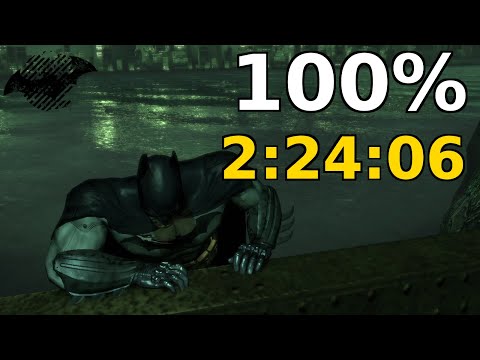
Batman: Arkham Asylum 100% Speedrun - A Deep Dive into the 2:24:06 Record

Batman: Arkham Asylum Speedrun Gameplay
What's up, fellow speedrunners and Batman fans! You're looking at a blistering **2:24:06** in *Batman: Arkham Asylum* at 100% completion. This run secured me 3rd place on the leaderboards (pending verification, as always!) over at [Speedrun.com](https://www.speedrun.com/) – you can check out the official leaderboard [here](https://ift.tt/LBpn0jG). It was a solid effort, especially through the early parts of the game up to the revisit of the Invisible Room. Things got a little spicy after that, but hey, that's the beauty of a #speedrun, right? There's always room for improvement, though I'm not entirely sure how much further I want to grind this particular category at the moment.

Introduction: Chasing the Bat's Record

Welcome to GamingSpeedrun.com, your ultimate hub for all things #speedrunning! Today, we're diving deep into the gothic halls of Arkham Asylum to dissect a record-breaking 100% run. For those new here, this blog is dedicated to the most comprehensive and up-to-date coverage of #gaming speedruns. We live and breathe this stuff!

If you're curious about my personal journey and want to see more runs, you can always check out my other personal bests and achievements. Watching #streaming live is always a blast, and you might even catch me attempting a new #WR or category.

The Run Itself: Strategy and Execution

Achieving a 100% run in *Batman: Arkham Asylum* is no small feat. It requires meticulous planning, perfect execution, and a healthy dose of luck with the #RNG. My strategy primarily focuses on optimizing movement, minimizing combat encounters where possible, and executing specific glitches or skips that save significant time.

The goal for 100% means collecting all riddles, saving all hostages, and completing all story objectives. This adds a substantial amount of time compared to any% runs, demanding a deep understanding of the game's map and enemy placements. In my 2:24:06 run, I focused on:

  • Precise traversal through the various sections of the island.
  • Efficient use of gadgets like the Batarangs, Grapple Gun, and Explosive Gel to solve environmental puzzles and deal with enemies quickly.
  • Optimizing routes for riddle collection, often chaining them together with story progression to avoid backtracking.
The early game felt incredibly strong. I managed to nail the sequence for entering the Patient Cells area with minimal wasted movement.

However, as mentioned, the latter half of the run saw some minor setbacks. The transition from the gardens into the mansion required a slightly longer engagement with the Titan henchmen than I would have liked. Still, the #speedrunning community is always finding new ways to shave off milliseconds. For example, the infamous Batclaw skip is something I've practiced extensively, and while not used in every run, it's a crucial tool in the speedrunner's arsenal for specific categories.

Key Skips and Glitches

While a 100% run generally relies less on major sequence breaks than any%, there are still crucial techniques that can optimize time. One area we often look at is out-of-bounds (OOB) exploration or minor glitches that allow for faster traversal. For instance, certain wall clips or

In this particular run, I was aiming to execute a specific

Mastering the timing for the Invisible Room sequence is absolutely critical. One wrong move there can cost you precious minutes.

We're always looking for new

Character and Level Breakdowns

Let's break down some of the key areas and how they're handled in a speedrun context:

  • Arkham Mansion: This is often the first major area where complex traversal and combat begin. Efficiently navigating the hallways and dealing with the Joker's goons is key.
  • Medical Facility: Home to some of the more intense combat encounters and crucial story progression involving Scarecrow.
  • Caves and Sewers: These areas can be maze-like, requiring precise route planning to collect items and avoid unnecessary fights.
  • Cenobite's Lair (IT Revisit): As I mentioned, this part of the run can be tricky. The environment is claustrophobic, and enemy patrols need to be managed perfectly.

As for characters, while Batman is our protagonist, the AI of the enemies and the pathing of key story NPCs can significantly impact run times. Understanding their

RNG and Mindset

The element of #RNG in *Batman: Arkham Asylum* speedruns often comes down to enemy patrol routes, item drops, and sometimes even predator encounter setups. While you can't control it, you can learn to adapt.

My personal approach to dealing with unpredictable #RNG is to maintain a calm and focused mindset. A bad spawn or an unexpected enemy doesn't mean the run is over. It means adapting the strategy on the fly. This resilience is what separates a good #PB from a great #WR. It's a marathon, not a sprint, even though it's a speedrun!

The mental game is just as important as the technical execution. Staying focused when things go wrong is paramount.

For anyone aspiring to get into #speedrunning, I highly recommend starting with categories that you enjoy playing. Don't just chase the #world #record immediately. Focus on learning the game, practicing specific

Community and Further Resources

The *Batman: Arkham Asylum* speedrunning community is incredibly passionate and helpful. If you're looking to dive deeper, I cannot recommend joining their ranks enough. You can find a wealth of knowledge, strategies, and support.

  • Arkham Speedrunning Community Discord: A fantastic place to ask questions, share your runs, and connect with other runners. [Join here](https://ift.tt/Fw8o9RM)
  • Speedrun.com Leaderboards: The official hub for all records and rules. [Check it out](https://ift.tt/LBpn0jG)
  • My Twitter: Follow my journey and get updates on my runs. [Follow me](https://twitter.com/ShikenNuggets)
  • My Discord: Connect with me and my community directly. [Join my Server](https://ift.tt/GTOf7rH)

Frequently Asked Questions

What is the fastest known 100% speedrun for Batman: Arkham Asylum?

The current world record for a 100% run is significantly faster than my 2:24:06, often pushing into the sub-2-hour mark, thanks to advanced glitches and strategies.

Is Batman: Arkham Asylum a good game for beginners to speedrun?

While it has a dedicated community, the 100% category requires a lot of game knowledge and precise execution. Many beginners start with the Any% category or choose other games with simpler mechanics.

What platform is typically used for Batman: Arkham Asylum speedruns?

Historically, PC versions have been preferred due to their flexibility with glitches and frame rates, though console runs are also tracked.

How important is the Grapple Gun in an Arkham Asylum speedrun?

The Grapple Gun is essential for traversal throughout the game, both in story mode and speedruns. Optimizing its use for quick ascents and long-distance travel is a core skill.

Are there major sequence breaks in the 100% category?

While not as prevalent as in Any%, certain skips and out-of-bounds techniques can still be utilized to save time in a 100% run, particularly for item collection.

Thanks for checking out this deep dive into my *Batman: Arkham Asylum* 100% speedrun. It’s a challenging but incredibly rewarding game to run. If you enjoyed this breakdown, please drop a comment below with your thoughts, your own personal bests, or any questions you might have! And don't forget to join our Discord server to connect with the wider #gaming speedrunning community. Happy running!

```

Pepe the Frog: Del Meme Viral al Símbolo Polémico - La Historia Completa

¡Ey, speedrunners y cazadores de récords! Hoy dejamos a un lado el cronómetro y los glitches para sumergirnos en una historia que, aunque no sea sobre un juego per se, es un viaje alucinante por las profundidades de Internet y cómo una simple imagen puede cambiarlo todo. Hablamos de Pepe the Frog, la rana que pasó de ser una broma interna a un fenómeno global con tintes políticos y sociales que nadie vio venir. ¿Listos para desentrañar el lado oscuro y luminoso de este meme legendario? En GamingSpeedrun.com, nos encanta explorar las narrativas inesperadas, y esta es una que redefine lo que significa un "fenómeno viral".

Introducción: Más Allá del Meme

Como gamers, estamos acostumbrados a ver cómo un juego, un personaje o una técnica pueden volverse icónicos. Pero la historia de Pepe the Frog trasciende el mundo digital del gaming. Es un espejo de nuestra sociedad, un testimonio del poder de Internet para crear y destruir significados. Lo que empezó como un chiste inocente se transformó en un símbolo de odio, pero también, en manos de otros, en un estandarte de esperanza. Prepárense para un recorrido que mezcla política, cultura pop y la pura locura de la web.

El Origen Inocente: Boys Club y Matt Furie

Todo comenzó en 2005. Matt Furie, un artista independiente, creó el cómic "Boy's Club". En él, aparecía un personaje peculiar y relajado llamado Pepe the Frog, famoso por su frase "Feels good man". Inicialmente, Pepe era solo uno más de los personajes excéntricos de Furie, representando un espíritu despreocupado y un tanto absurdo. En mi experiencia personal, recordar los inicios de cualquier meme es clave para entender su trayectoria. Aquellos primeros días en Tumblr y foros de arte eran pura inocencia.
"Feels good man" se convirtió en el grito de guerra de una generación online que buscaba una forma de expresar su estado de ánimo con humor.
Los primeros usos de Pepe se limitaban a foros de arte y comunidades online que apreciaban el humor peculiar de Furie. La simplicidad del diseño de Pepe permitía una fácil manipulación y adaptación, sentando las bases para su futura explosión.

La Explosión en 4chan: El Nacimiento de Pepe

Fue en el infame tablón de imágenes /b/ de 4chan donde Pepe the Frog encontró su verdadero hogar y comenzó su transformación radical. Los usuarios de 4chan, conocidos por su humor oscuro y su habilidad para subvertir cualquier cosa, adoptaron a Pepe. Empezaron a modificarlo, a darle nuevas expresiones y a usarlo en contextos cada vez más extraños y, a menudo, desagradables.
Aquí es donde la narrativa de Pepe se bifurca. Lo que para unos era una simple broma interna y una forma de expresarse en un espacio sin filtros, para otros comenzaba a ser una herramienta de provocación. El meme se replicó exponencialmente, saliendo de 4chan para colonizar otras plataformas como Tumblr, Reddit y Twitter.

La Evolución de Pepe: De la Broma al Caos

La versatilidad de Pepe lo hizo perfecto para representar una infinidad de emociones y situaciones. Desde la alegría más pura hasta la más profunda desesperación, existía un Pepe para cada ocasión. Los usuarios creaban variantes de Pepe para expresar todo tipo de sentimientos, desde la felicidad ante una buena partida de speedrun hasta la frustración por un PB perdido. Sin embargo, esta misma maleabilidad se volvió peligrosa. Grupos extremistas, particularmente en el espectro de la derecha alternativa, comenzaron a apropiarse de Pepe. Lo asociaron con ideologías de odio, racismo y antisemitismo, dándole un nuevo y siniestro significado. Esta fue, sin duda, una de las épocas más oscuras para el meme, desdibujando su origen inocente.
En el mundo del gaming, entendemos cómo un símbolo puede ser reinterpretado. Pero la apropiación de Pepe por grupos de odio lo llevó a un nivel completamente distinto, lejos de la camaradería gamer.

Pepe y la Política: El Fenómeno Trump Pepe

La campaña presidencial de Donald Trump en 2016 fue un punto de inflexión crucial. El meme de Pepe fue adoptado masivamente por sus seguidores, convirtiéndose en un símbolo no oficial de su movimiento. Apareció en mítines, en redes sociales y en todo tipo de material de campaña, a menudo en versiones que enfatizaban la retórica nacionalista y xenófoba. Esta asociación con Trump y la alt-right provocó que organizaciones como la Liga Antidifamación (ADL) añadieran a Pepe the Frog a su base de datos de símbolos de odio. Fue un momento extraño: la rana creada por Matt Furie para ser un personaje de cómic cómico se había convertido en un ícono político controversial.

De Internet a la Realidad: El Meme que Salió del Monitor

El impacto de Pepe no se limitó al ciberespacio. Las protestas políticas en Hong Kong en 2019 vieron a los manifestantes utilizar a Pepe como un símbolo de resistencia contra el gobierno chino. Fue una adaptación fascinante: un meme nacido en la subcultura de Internet se convirtió en un emblema de lucha por la democracia en el mundo real. Esta dualidad es lo que hace a Pepe tan intrigante. Un mismo símbolo podía ser usado por supremacistas blancos en Estados Unidos y por demócratas en Hong Kong. Es un claro ejemplo de cómo el significado de un meme es fluido y depende completamente del contexto y de quién lo utiliza.

Salvando a Pepe: La Lucha de Matt Furie

Con Pepe convertido en un símbolo de odio, su creador original, Matt Furie, se encontró en una posición muy incómoda. Sintiendo que su creación había sido secuestrada y pervertida, Furie emprendió una batalla legal para reclamar la propiedad intelectual de Pepe y eliminar su asociación con el discurso de odio. En 2020, Furie lanzó el documental "Feels Good Man", que narra su viaje personal y legal para recuperar a Pepe. El documental es una visión profunda de la guerra cultural que se libra en Internet y del poder que tienen los memes. Si te interesa la historia de los memes y su impacto, te recomiendo encarecidamente ver este documental. La información que contiene es oro puro para entender este fenómeno.
La lucha de Matt Furie es un recordatorio de que detrás de cada meme viral, hay creadores y hay historias que merecen ser contadas.

Pepe en Twitch: Un Símbolo Diverso y Controvertido

En plataformas como Twitch, Pepe ha tenido una vida paralela. Los streamers y la comunidad gamer lo han utilizado de innumerables maneras, a menudo con un humor autorreferencial. Existen emotes de Pepe para casi cualquier situación, desde celebrar un WR hasta expresar frustración ante un glitch inesperado. Sin embargo, incluso en Twitch, la sombra de su pasado polémico ha causado problemas. Ha habido debates sobre la moderación de ciertos emotes de Pepe, buscando equilibrar la libertad de expresión con la necesidad de mantener un ambiente inclusivo y libre de odio. La comunidad gamer, a menudo, usa Pepe con un conocimiento implícito de su historia, pero buscando reconectar con su espíritu original de humor.

Pepe como Símbolo de Esperanza y Resiliencia

A pesar de su asociación con el odio, muchos intentan recuperar a Pepe para su propósito original: el humor y la expresión personal. Las comunidades que lo usan de forma positiva buscan desvincularlo de la alt-right y recordar su papel como un personaje cómico y relatable. Ver a Pepe como un símbolo de esperanza es un acto de resistencia contra quienes buscan cooptar los símbolos culturales para propósitos destructivos. Es la prueba de que el significado no está fijado; puede ser reclamado y redefinido por la comunidad. La historia de Pepe es un caso de estudio fascinante sobre la cultura de Internet, la política y el poder del arte.

Preguntas Frecuentes

¿Quién creó a Pepe the Frog?

Pepe the Frog fue creado por el artista Matt Furie como parte de su cómic "Boy's Club" en 2005.

¿Por qué Pepe the Frog se considera un símbolo de odio?

Durante la campaña presidencial de 2016 en Estados Unidos, Pepe fue adoptado por grupos de extrema derecha y asociado con ideologías de odio, racismo y antisemitismo, lo que llevó a organizaciones como la ADL a clasificarlo como tal.

¿Es posible usar a Pepe the Frog de forma positiva?

Sí, muchas comunidades, incluida la gamer, utilizan a Pepe para el humor y la expresión sin intenciones de odio. El artista Matt Furie lucha activamente por recuperar el significado original y positivo de su creación.

¿Qué significa "Feels Good Man"?

Es la frase icónica asociada a Pepe the Frog desde su creación. Originalmente expresaba relajación y satisfacción, pero su significado se ha expandido y alterado a lo largo del tiempo junto con el meme.

¿Dónde puedo ver el documental sobre Pepe?

El documental se llama "Feels Good Man" y fue lanzado en 2020. Narra la historia de Pepe y la lucha de su creador por recuperar su legado. En conclusión, la historia de Pepe the Frog es un viaje fascinante a través de la cultura de Internet, demostrando cómo un simple meme puede adquirir significados complejos y a menudo contradictorios. Es un reflejo de nuestras luchas sociales y políticas, y un testimonio del poder impredecible de la web. Como comunidad gamer, hemos visto cómo los símbolos evolucionan, pero pocos ejemplos son tan extremos como el de Pepe. ¿Qué opinas de la historia de Pepe? ¿Crees que su significado puede ser redimido? ¡Deja tu opinión en los comentarios y únete a nuestra comunidad en Discord para seguir debatiendo sobre las curiosidades más impactantes de la cultura digital y del gaming!

How Fast Can You *Actually* Speedrun Minecraft in Just One Week?

Introduction: The Minecraft Speedrunning Challenge

Alright, fellow gamers and speedrunning enthusiasts! You've seen the mind-blowing times posted by legends like Dream and Benex, and you've probably thought, "Could I do that? Could *anyone* realistically speedrun Minecraft in just a week?" Well, that's exactly the question I set out to answer. This wasn't just another gaming session; it was a deep dive into the chaotic, exhilarating world of Minecraft speedruns, all crammed into seven intense days. Get ready, because we're breaking down the challenge, the strats, and whether becoming a WR holder in a week is more than just a pipe dream.

Why Minecraft Speedrunning is Unique

Let's be honest, speedrunning Minecraft feels fundamentally different from, say, beating Super Mario 64 as fast as possible. It's not just about executing precise platforming or memorizing enemy patterns. Minecraft speedrunning is a beast of its own, a volatile mix of procedural generation, player skill, and an almost absurd amount of RNG (Random Number Generation). Unlike games with fixed maps, every speedrun start is a new adventure, a new world seed with unique challenges and opportunities.

The core gameplay loop involves gathering resources, crafting essential tools, finding a stronghold, and finally defeating the Ender Dragon. Each step is a mini-challenge. Do you go for a glitchless run, which demands near-perfect execution and resource management, or do you delve into the more technical glitch-heavy categories that can shave off precious minutes but require immense practice? This duality makes Minecraft speedrunning incredibly dynamic and endlessly replayable.

The sheer variability of a Minecraft world seed means no two speedruns are ever truly identical. This adds a layer of unpredictability that's both frustrating and incredibly exciting.

The "One Week" Goal: Is it Realistic?

So, can you achieve a respectable speedrun time in Minecraft within a single week? My experience says: yes, but with massive caveats. The original WR for a glitchless Minecraft run was around 24 minutes, as set by Benex. Reaching that level of mastery in seven days? Highly improbable for a newcomer. However, can you complete a run, learn the core mechanics, and perhaps achieve a personal best (PB) that you're proud of? Absolutely.

This week-long challenge is less about breaking world records and more about understanding the meta, practicing key techniques, and experiencing the speedrunning grind firsthand. It's about pushing your limits and seeing how quickly you can adapt and improve within a compressed timeframe. You'll learn quickly that consistent practice is far more valuable than a few lucky breaks.

Lessons from the Pros: Dream, Benex, and More

During my week of intense practice, I found myself constantly turning to the masters. Watching videos from players like Dream and Benex was crucial. Dream's iconic Minecraft speedrun world record videos showcased incredible efficiency and clutch plays. Benex, on the other hand, often highlights the meticulous planning and execution required for glitchless runs, including his impressive 24:32 record on Minecraft 1.16. It’s inspiring to see how they optimize every second.

But it's not just about the top-tier players. Resources like Tiger856's tutorials ("How to Speedrun Minecraft Fast!" and "How to Speedrun Minecraft in Under an Hour!") provided invaluable insights into game mechanics and strategies for specific versions like 1.16 and 1.14.4. Even mini-tutorials, like BlueCrystal's guide on blaze farm construction, are game-changers for late-game efficiency. These resources are the bedrock upon which successful speedruns are built.

Key Strategies and Glitches (or Lack Thereof)

For a week-long challenge, focusing on a glitchless run is often the most practical approach. Mastering complex glitches requires dedicated practice that might be hard to fit into seven days. The core of a glitchless speedrun revolves around:

  • Efficient Resource Gathering: Quickly acquiring wood, stone, iron, and diamonds.
  • Swift Crafting: Knowing exactly what to craft and in what order. This includes beds for quick dragon kills and specific armor pieces.
  • Strategic Base Building: Creating a small, functional base near a good spawn point for quick restarts if things go wrong.
  • Targeted Exploration: Quickly locating villages for beds and iron, and efficiently finding the stronghold.

While I focused on glitchless, it's worth noting that categories involving glitches exist and can lead to significantly faster times. However, the precision needed for techniques like triangulation or object duplication is steep learning curve.

Resource Management: Early Game is Crucial

The first 10-15 minutes of a Minecraft speedrun are arguably the most critical. You need to spawn, gather enough wood for basic tools and a crafting table, find stone for better tools, and then immediately hunt for iron. Getting an iron pickaxe early is paramount for mining diamonds and obsidian.

Finding a village early can be a massive boon. Villages provide access to beds (essential for the Ender Dragon fight), food, and sometimes even iron golems to fight for ingots. If a village isn't nearby, prioritizing finding sheep for beds and then heading straight for iron ore becomes the primary objective. Every second spent chopping unnecessary trees or wandering aimlessly is a second lost.

In my runs, the difference between a good start and a bad start often came down to how quickly I could secure iron. It dictates your ability to progress efficiently.

Conquering the Nether

Entering the Nether is a significant milestone. Your main objectives here are to find a Nether Fortress to gather Blaze Rods (for Eyes of Ender) and locate a Bastion Remnant or Piglin structure for gold (if needed for bartering). Navigation in the Nether is treacherous.

Key Nether Strats:

  • Finding Fortresses Quickly: Learn to identify fortress structures by their appearance and build patterns. Listen for the sounds of Blazes.
  • Blaze Rod Farming: Efficiently kill Blazes. Aim for at least 7-10 rods, depending on how many Eyes of Ender you might need.
  • Minimizing Danger: Avoid ghast fireballs and magma cubes. Use water buckets (if you have one) to negate fire damage and create safe spots.
  • Piglin Bartering (Optional but Recommended): If you have spare gold, bartering with Piglins can yield valuable items like Ender Pearls, flint, and even obsidian.

A common strategy is to build a safe perimeter around your portal to prevent Piglins or Ghasts from immediately attacking you upon entry.

The Final Push: Stronghold and Ender Dragon

Once you have enough Blaze Rods and have gathered Ender Pearls (often through bartering or finding Endermen in the Overworld), it's time to craft Eyes of Ender. These are your guides to the Stronghold.

Locating the Stronghold:

  1. Throw an Eye of Ender; it will fly towards the Stronghold.
  2. Travel a significant distance (a few hundred blocks) and throw another.
  3. Repeat this process, adjusting your direction based on the Eye's trajectory. Don't throw them too close together, or you'll get lost.
  4. Once the Eye flies downwards, you're above the Stronghold. Dig down carefully.

Inside the Stronghold, the hunt is on for the End Portal room. Once found, place the Eyes of Ender into the frame. Be prepared for the Ender Dragon fight!

Ender Dragon Strategy:

  • Destroy Ender Crystals: Shoot the crystals on the obsidian towers first. Some are caged and require precise shots or climbing.
  • Dragon Attacks: Dodge the dragon's breath attacks and dive bombs.
  • Damage: Use beds to cause massive explosion damage when the dragon perches on the central portal. This is a high-risk, high-reward strategy popular in speedruns. Alternatively, use a bow and arrows.

Upon defeating the dragon, the portal back to the Overworld appears, signifying the end of the speedrun. The timer stops when you enter the portal.

The Ever-Present RNG Factor

As much as you practice, RNG will always play a role in Minecraft speedrunning. Will you spawn near a village? Will the Nether Fortress be close to your portal? Will you find enough Ender Pearls easily? Will the Stronghold be easy to navigate? Will the dragon's attack patterns be favorable?

Learning to adapt to bad RNG is as important as mastering good RNG. Sometimes, a run is doomed from the start due to a terrible spawn. Other times, a lucky find can give you the edge you need. In a week-long challenge, you'll experience both ends of the spectrum, reinforcing the need for resilience.

My Personal Journey: The Grind is Real

Attempting to speedrun Minecraft in a week was an eye-opening experience. While I didn't come close to any official WR times, I gained a profound respect for the dedication and skill involved. The sheer number of resets required was staggering. I learned to quickly diagnose what went wrong in a run – was it a bad initial resource spawn, a missed iron vein, a poor Nether navigation, or a botched dragon fight? Each failed run was a lesson.

The most rewarding moments were when a strategy finally clicked, or when a series of plays unfolded perfectly, leading to a faster time than before. It’s that feeling of improvement, that small victory, that keeps you coming back. This challenge isn't just about the destination (the end credits), but the journey of mastering a complex game under pressure. It's a true test of patience, skill, and a bit of luck.

Frequently Asked Questions

How long does it take to speedrun Minecraft for beginners?

For a complete beginner, completing a speedrun in under an hour is a realistic goal within a week of practice. Achieving times closer to the 20-30 minute mark for glitchless runs requires hundreds of hours of dedicated practice and understanding of advanced strats.

Is Minecraft speedrunning difficult?

Yes, Minecraft speedrunning is considered quite difficult, especially in the glitchless categories. It demands excellent game knowledge, precise execution, resource management skills, and the ability to adapt to unpredictable RNG.

What is the fastest Minecraft speedrun time?

The fastest known Minecraft speedrun times are incredibly low, often under 15 minutes for categories that allow specific glitches. For glitchless runs on random seeds, times are typically in the low 20-minute range.

Can you learn to speedrun Minecraft in a weekend?

You can learn the basic mechanics and complete a full run within a weekend. However, achieving a competitive time or even a solid PB (Personal Best) usually requires significantly more time and consistent practice.

So, how fast can *you* speedrun Minecraft in a week? The only way to truly find out is to jump in, practice those strats, embrace the chaos, and see what times you can achieve. The speedrunning community is always welcoming, so don't hesitate to share your progress or ask for tips.

What are your thoughts on Minecraft speedrunning? Have you tried it yourself? Let us know your experiences and best times in the comments below! If you're looking for more tips, strategies, or just want to connect with fellow speedrunners, consider joining our Discord channel. Happy running!

The Ultimate Bloons TD 3 Speedrun: Mastering the Most Overpowered Technique

Hey fellow speedrunners and tower defense enthusiasts! Ever looked at a game like Bloons Tower Defense 3 and thought, "This looks fun, but how fast can I *really* beat it?" Well, you're in the right place. Today, we're diving deep into the electrifying world of Bloons TD 3 speedrunning, specifically focusing on a technique so potent, so game-breaking, it's almost unfair. Get ready to shatter your personal bests and potentially witness some mind-blowing world record attempts.

Why Bloons TD 3 Speedruns Are So Captivating

Bloons Tower Defense 3 might seem like a simple game on the surface, but beneath its cheerful exterior lies a surprisingly deep strategic experience. What makes its speedruns particularly enthralling is the blend of rapid decision-making and precise tower placement. Unlike games with complex glitches or sequence breaks, BTD3 often relies on optimizing known strategies and exploiting the game's core mechanics to their absolute limit. The progression from a slow, methodical start to an explosive, overwhelming finale is a spectacle in itself. It’s a test of patience, resource management, and quick reflexes. In my experience, mastering these elements is key to shaving off those precious seconds.
The beauty of speedrunning Bloons TD 3 lies in its emergent complexity. What starts as a simple tower placement game evolves into a high-stakes race against the clock, demanding perfect execution.
Watching a top-tier speedrunner tackle this game is like witnessing a master chess player in real-time. Every move is calculated, every dart monkey placed with intent. The satisfaction of seeing a seemingly impossible wave of bloons crumble before a perfectly executed strategy is a core part of the appeal, and something that drives many players to chase that coveted PB.

Unveiling the Most Overpowered Technique

Now, let's get to the juicy part: the "most overpowered technique." In Bloons TD 3, this often refers to a specific tower combination and upgrade path that allows for unparalleled early-game dominance and exceptional late-game scaling. While the exact strategy can vary slightly depending on the map and specific version, the core principle usually involves: * **The Banana Farm Rush:** This is arguably the most impactful "overpowered" strategy. By prioritizing the early construction and rapid upgrading of Banana Farms, players can generate an immense amount of cash. This allows them to deploy more powerful towers much sooner than opponents who rely solely on round income. The trick is to balance farm investment with sufficient defensive towers to survive the initial waves. * **Super Monkey Synergy:** The Super Monkey, especially when upgraded to its higher tiers (like the Sun God or even the True Sun God if applicable in BTD3 speedruns, though more common in later titles), is a powerhouse. The ability to afford these expensive, high-damage towers early thanks to the Banana Farm rush creates a snowball effect that's incredibly hard for any bloon to overcome. * **Strategic Tower Placement:** It's not just *what* towers you build, but *where* you build them. Optimizing placement to cover choke points and maximize tower range is crucial. Certain tower types, like the Tack Shooter or Glue Gunner, excel when placed in specific map locations to control crowds effectively. The "overpowered" nature comes from the sheer economic advantage gained. This early cash injection lets you bypass much of the slow grind, enabling you to field the most devastating towers long before they'd normally be accessible. It’s less of a glitch and more of a mastery of the game's economy and progression systems.

Execution and Strategic Planning

Pulling off this overpowered strategy isn't as simple as just spamming farms. It requires meticulous planning and flawless execution. Here’s a breakdown of common strategies and considerations: * **Early Game Setup (Rounds 1-10):** Focus on essential defense. A couple of Dart Monkeys or a Ninja Monkey are usually enough to handle the initial bloons. Immediately begin saving for your first Banana Farm and upgrade it to at least a 2/0 (Double Shot / Bigger Production) as quickly as possible. The goal here is to establish your income engine without dying. * **Mid-Game Ramp-Up (Rounds 11-30):** This is where the Banana Farm strategy truly shines. Continue investing in more farms, aiming for 3/2 or even 4/2 upgrades where possible. Simultaneously, build up your core defense. Super Monkeys are a priority, but support towers like MOAB Maulers (Bomb Shooter) or Bloon Sabotage (Ninja Monkey) are vital for dealing with stronger bloons like MOABs. In my runs, a well-placed Ice Monkey or Glue Gunner can make a huge difference in slowing down fortified bloons. * **Late Game Domination (Rounds 31+):** With a robust economy, you should be able to afford multiple high-tier towers. Aim for the most powerful upgrades available. A 4/2 Super Monkey (Sun Avatar) or even multiple of them, supported by towers that boost their attack speed or grant special abilities, can decimate even the toughest waves. Don't forget about crowd control and anti-camo capabilities. The reliance on specific tower upgrades like the 2/0 Dart Monkey (Sharp Shots) or 0/2 Ninja Monkey (Seeking Shuriken) is crucial for dealing with different bloon types efficiently.
Remember, speedrunning is all about minimizing downtime. Every second spent deciding what to build or waiting for cash is a second lost. Practice is key to making these decisions instinctively.
The ideal run minimizes unnecessary tower purchases and focuses investment on key upgrades that provide the biggest bang for your buck. Understanding the bloon types that appear each round and having the right counter ready is paramount.

Common Pitfalls to Avoid

Even with the most overpowered strategy, mistakes happen. Here are common pitfalls that can derail your Bloons TD 3 speedrun: * **Over-Investing in Farms Too Early:** While farms are crucial, neglecting defense can lead to leaks. If you lose too many bloons, you might fail the run before your economic advantage even matters. Finding that perfect balance is the art of the run. * **Ignoring MOAB-Class Bloons:** Standard towers often struggle against MOABs, BFBs, and ZOMGs. Failing to build specific counters like the MOAB Mauler or leveraging abilities that damage large bloons can be disastrous. * **Forgetting Camo Detection:** Camo bloons can sneak past unprepared defenses. Ensure you have sufficient camo detection, whether through a 0/2/0 Monkey Village, a Guided Magic Monkey, or specific tower upgrades. * **Poor Tower Synergy:** Placing towers randomly without considering their range, attack type, and upgrades can lead to wasted potential. For example, placing multiple high-cost towers right next to each other might mean they are all attacking the same bloon, while others go untouched. * **RNG Dependence (Less Common but Present):** While BTD3 is largely deterministic, some aspects like critical hits or specific bloon spawn patterns can have a slight RNG element. Don't get discouraged if a run fails due to a particularly unlucky sequence.

Races and Challenges

For those looking to push the boundaries even further, Bloons TD 3 speedrunning isn't just about beating the game once. The community often engages in specific challenges: * **Map-Specific Records:** Different maps present unique layouts and challenges. Mastering the overpowered strategy on each map requires adapting your placement and build order. You might need to focus more on early defense on maps with many entry points, or prioritize economy more on maps with long, winding paths. * **Low-Cost/No-Cost Challenges:** Sometimes, runners impose restrictions like "no Super Monkeys" or "under X dollars cost limit" to test their mastery of less dominant, but still viable, strategies. * **Glitchless vs. Glitched Runs:** While this specific overpowered strategy isn't typically a glitch, the broader speedrunning community sometimes categorizes runs based on whether they utilize unintended game mechanics. For BTD3, most focus on "glitchless" or "any%" runs that optimize intended gameplay. Participating in these challenges, or even just aiming for your own PB on your favorite map, adds layers of replayability and skill development. Watching live streams of top players on platforms like Twitch can offer invaluable insights into new strats.

Advanced Tips for PB Chasers

If you're consistently hitting your targets and want to shave off those last few minutes, consider these advanced tactics: * **Hotkeys and Quick Menu Usage:** Learn the keyboard shortcuts for tower building and upgrades. This drastically speeds up the process compared to relying solely on the mouse. * **Staggered Farm Upgrades:** Instead of upgrading all farms simultaneously, stagger them to maintain a more consistent cash flow and ensure you always have enough for essential defenses. * **Optimized Selling and Rebuying:** In some rare situations, selling a tower and rebuying it can be faster or position it better, especially if map layouts change or new threats emerge. This is a high-risk, high-reward tactic. * **Understanding Micro-Management:** For certain towers, like the Sun Avatar, precise targeting adjustments or activating abilities at the exact right moment can make a significant difference. This level of detail is what separates good runs from great ones. * **Map Knowledge is Power:** Study the map layouts. Know the choke points, the longest paths, and the optimal spots for towers that benefit from long sightlines or specific placements. Knowing where bloons will appear before they do is a massive advantage. Mastering the overpowered strategy in Bloons TD 3 is a journey. It requires patience, practice, and a deep understanding of the game's mechanics. But the reward – that sweet feeling of accomplishment and seeing your name climb the leaderboards – is absolutely worth it. Keep practicing, stay focused, and happy speedrunning!

Frequently Asked Questions

Q: What is the fastest way to earn money in Bloons TD 3?
A: The most effective way is by building and upgrading Banana Farms. Prioritizing their construction and upgrades early in the game provides the greatest economic advantage.

Q: Which towers are considered the strongest for speedrunning Bloons TD 3?
A: Super Monkeys, particularly when upgraded to Sun Avatars or similar high-tier forms, are incredibly powerful. Supporting towers like MOAB Maulers and Bomb Shooters are also essential for dealing with tougher bloons.

Q: How important is tower placement in Bloons TD 3 speedruns?
A: Tower placement is critical. Optimizing positions to cover choke points, maximize range, and utilize map features can significantly increase efficiency and defensive capabilities.

Q: Can you speedrun Bloons TD 3 on mobile?
A: Yes, Bloons TD 3 is available on mobile platforms, and speedruns can be performed there as well, although controls might differ from the PC version.

So, what's your go-to strategy for Bloons TD 3? Have you discovered any other overpowered techniques or have a favorite map to speedrun? Drop your thoughts and best times in the comments below! Join our Discord community to share strats, find fellow runners, and maybe even organize some friendly races. Let's push the limits of Bloons TD 3 together!