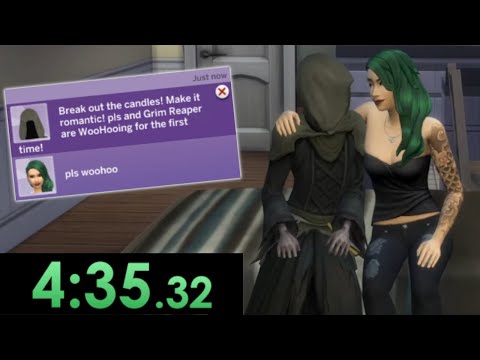
I Speedrun Seducing the Grim Reaper in The Sims 4: A Bony Pursuit

Look, in the vast, chaotic universe of The Sims 4, there are countless Sims and NPCs we can target for a quick woohoo session. We’ve seen speedruns for everything from marrying off an entire town to completing absurd challenges. But this particular episode? We set our sights on a more... *permanent* resident. A bony individual. Frankly, a bit gross, but undeniably iconic: The Grim Reaper himself. The question isn't just *if* we can seduce Death, but how swiftly we can accomplish this morbid task. This isn't your typical speedrun; it’s a dive into the deepest, darkest, and arguably funniest corners of The Sims 4's mechanics. Can we outmaneuver the ultimate end?

The Ultimate Challenge: Woohooing Death

The Unconventional Target

The premise is simple, yet utterly bizarre: seduce the Grim Reaper in The Sims 4. This isn't about building a family or achieving a career, it’s about pushing the game's boundaries to their absolute limit. The Grim Reaper isn't a typical NPC; he’s a force of nature within the game, appearing when Sims die. His interactions are usually limited to reaping souls, not wooing them. This makes him the ultimate, unconventional target for a speedrun.
In my experience with The Sims 4 speedruns, the most compelling challenges often involve exploiting or manipulating the game's systems in ways the developers likely never intended. Seducing the Grim Reaper is a prime example of that ethos.

Why Target Death?

For a speedrunner, the allure of targeting the Grim Reaper lies in its sheer absurdity and difficulty. It requires a deep understanding of game mechanics, creative problem-solving, and a willingness to experiment with what seems impossible. It's about proving that even the game's most stoic and definitive character can be, well, *seduced*. This kind of run tests the limits of player ingenuity.

Unconventional Strats: Bending the Rules of Life and Death

Beyond the Standard Gameplay

Forget about typical romance interactions. To even have a chance at this speedrun, you need to think outside the box. This involves manipulating game events, understanding Sim death mechanics, and potentially exploiting glitches or specific game states. The goal is to make the Reaper appear and then, somehow, establish a relationship.
The most common approach involves creating a scenario where the Grim Reaper is repeatedly summoned, giving the player more opportunities to interact with him. This often means strategically causing Sims to die, or perhaps using game-altering mods if allowed in the specific category of the speedrun.

Leveraging Game Quirks

Speedrunning, by its nature, often involves the discovery and utilization of glitches and exploits. For a run like this, one might look for ways to:
  • Prevent the Reaper from leaving after his duties.
  • Cause the Reaper to linger in a state where he can be interacted with beyond his usual parameters.
  • Manipulate Sim relationships or mood states to influence his behavior (if even possible).
These aren't just shortcuts; they are often the *only* way to achieve objectives that defy the game's intended design. For more on general speedrunning techniques, check out our guide to speedrun techniques.

The RNG Gamble: When Fate Plays a Role

The Unpredictable Element

Random Number Generation (RNG) is a constant factor in almost every speedrun, but it takes on a special kind of terror when your target is the Grim Reaper. Will he appear when you need him? How long will he stay? Will he be receptive to your Sim's advances? These variables are often outside the runner's control, adding immense pressure.
Mastering the RNG isn't about controlling it, but about understanding its probabilities and having backup plans for when luck isn't on your side. This often means multiple attempts, each one a new gamble.

Strategies to Mitigate Bad RNG

While you can't eliminate RNG, experienced speedrunners develop strategies to minimize its impact. This could involve:
  • Performing specific actions that are known to increase the chances of certain events.
  • Having multiple Sims ready to interact if the Reaper appears.
  • Understanding the game's internal timers and triggers for his appearance.
This is where deep game knowledge truly shines.

Understanding the Reaper's Mechanics

The Reaper's AI

The Grim Reaper's AI is designed primarily for one purpose: reaping. His interactions with living Sims are extremely limited. He typically only appears during a Sim's death and his sole function is to guide them to the afterlife. Any deviation from this requires exploiting how his AI behaves when certain conditions are met.

Summoning the Reaper

The most direct way to summon the Grim Reaper is through death. This can be achieved in various ways within The Sims 4, from starvation and drowning to electrocution or even old age. However, for a speedrun, you need to do this efficiently and repeatedly. Some strategies might involve:
  • Building small rooms with hazards.
  • Using death-inducing objects or interactions quickly.
  • Ensuring the Sim dies in a location where the Reaper will spawn and be accessible.
This is a dark path, but a necessary one for this particular challenge. It’s a true test of a gamer's dedication.

Limited Interactions

Once the Reaper is present, the challenge escalates. His available interactions are sparse. You can't simply "Ask to be Friends" or "Flirt." Speedrunners must find specific, often unintended, ways to trigger interactions that might lead to a romantic outcome, or at least a prolonged stay. This might involve specific Sim traits, moodlets, or even using mods if the run category allows.

Speedrun Preparation: What You Need

Creating the Perfect Sim

Your Sim needs to be optimized for this task. Consider:
  • Traits: Traits that increase romantic success or social interactions could be beneficial. Perhaps a Cheerful or Romantic trait?
  • Aspiration: An aspiration focused on social goals or quickly building relationships might help.
  • Skills: While not directly applicable to the Reaper, having maxed social skills on other Sims can help speed up other parts of the setup.

Optimizing the Lot

The environment where the run takes place is crucial.
  • A small, contained lot can make it easier to manage Sims and the Reaper's appearance.
  • Include necessary objects for triggering death and potentially speeding up interactions.
  • Ensure easy access for the Reaper to spawn and for your Sim to interact.

Executing The Run

The Clock is Ticking

In a speedrun, every second counts. The strategy needs to be executed flawlessly. This usually involves:
  1. Quickly setting up the death scenario.
  2. Summoning the Reaper efficiently.
  3. Performing the specific, often obscure, actions required to interact romantically.
  4. Achieving the "woohoo" (or its equivalent) with the Reaper.
  5. Stopping the timer at the precise moment the objective is met.
This requires immense practice and muscle memory, a hallmark of any serious speedrunning endeavor.

Potential Setbacks

  • The Reaper despawning too quickly.
  • Unforeseen Sim deaths or events disrupting the plan.
  • The game not registering the desired interaction.
  • Crucial RNG elements not falling into place.
Recovering from these requires quick thinking and adaptability. This is where the true skill of a WR holder is tested.

Tips for Your Own Run

Practice, Practice, Practice

As with any speedrun, the key is repetition. Practice the setup, the summoning, and the interactions until they become second nature. Understand the timings and triggers involved.

Consult the Community

Check out resources like speedrun.com for The Sims 4 to see existing categories and strategies. Engaging with the gaming community, especially on platforms like Discord, can provide invaluable insights and tips. Our own Discord channel is a great place to connect!

Know the Rules

Be aware of the specific rules for the speedrun category you are attempting. Are mods allowed? What version of the game is being used? Clarifying these details beforehand is essential for a legitimate run. This is crucial for any PB.

Preguntas Frecuentes

Can you actually romance the Grim Reaper in The Sims 4 without mods?

While extremely difficult and often reliant on specific game states or rare interactions, some runners attempt this challenge using only vanilla game mechanics. However, many of the most effective strategies may involve unintended behaviors or glitches that push the boundaries of what's considered "normal" gameplay. Modded runs are also a popular category.

How long does a speedrun like this typically take?

The time can vary wildly depending on the specific category (modded vs. unmodded), the runner's skill, and the RNG. A well-executed speedrun could potentially be completed within minutes, while more complex or unmodded runs might take significantly longer, perhaps an hour or more, due to the setup and potential resets.

What is the goal of a "woohoo" speedrun?

The goal is to achieve the "woohoo" interaction (or its equivalent with a non-Sim entity like the Reaper) as quickly as possible from the start of the game/run. It's about optimizing the process to reach that specific outcome in the shortest amount of time.

Is it possible for the Grim Reaper to die?

No, the Grim Reaper is essentially unkillable within the standard gameplay of The Sims 4. He is a scripted entity that governs the end of life for Sims.

Where can I watch speedruns of The Sims 4?

You can find Sims 4 speedruns on platforms like Twitch and YouTube. Websites like speedrun.com also list top runs and runner schedules, providing links to their streams.

So, there you have it. The quest to woohoo the Grim Reaper in The Sims 4 is a testament to the creativity and sheer audacity of the speedrunning community. It's a run that defies logic, pushes boundaries, and ultimately asks: "Can we seduce Death itself?" What are your craziest Sims 4 speedrun ideas? Have you ever attempted something this bizarre? Share your thoughts and your own speedrunning triumphs in the comments below! Join our Discord to chat with fellow speedrunners and gamers. Let's push the limits together!
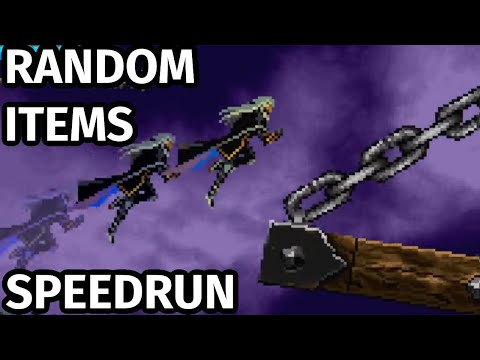


THE FASTEST Way To Speedrun RANDOMIZED SotN: A Comprehensive Guide

Hey there, fellow speedrunners and Castlevania fanatics! If you've clicked on this article, chances are you're itching to shave precious seconds off your *Symphony of the Night* randomizer runs. You've probably seen incredible feats of speed and are wondering, "What's the trick?" Well, you've come to the right place. As a proud World Record holder for the Castlevania: Symphony of the Night speedrun, I'm here to break down the fastest strats for tackling the notoriously unpredictable randomizer. This isn't just about luck; it's about understanding the game's mechanics, exploiting glitches, and having a rock-solid plan for whatever the RNG throws at you. We're talking about optimized movement, smart item prioritization, and knowing exactly which skips are possible. Get ready to dive deep into the fastest way to conquer Randomized SotN and maybe even secure your own personal best.

Understanding the Randomizer's Chaos

The beauty and terror of a randomizer run lie in its unpredictability. Unlike a standard speedrun where routes are meticulously planned based on fixed item/enemy/boss locations, the randomizer shakes everything up. Your goal is to reach the end, usually defeating Richter Belmont (or Dracula, depending on the variant), but the path to get there is a constantly shifting puzzle. Key items like the double jump, mist form, or even basic healing items can appear anywhere. This means rote memorization of a single route won't cut it. You need a flexible strategy.
The true skill in randomizer speedrunning isn't just executing perfect inputs, but adapting your entire game plan on the fly based on the loot you find.
This leads to wildly different playthroughs, where one run might have the Spirit Bomb of Friendship right at the start, and the next might have you backtracking for an hour to find a slightly better sword.

Core Speedrun Principles for Randomized SotN

Even with randomization, fundamental speedrunning principles still apply. We're looking for the fastest way to traverse the castle, defeat necessary bosses, and acquire essential movement abilities. * **Movement Optimization**: Every jump, dash, and transformation matters. Mastering techniques like shield dashing and mist dashes is crucial. * **Combat Efficiency**: Learn enemy attack patterns and boss weaknesses. For randomizers, you might need to adapt your combat strategy based on the weapon you find. * **Resource Management**: While less critical than in other games, knowing when to use potions or special abilities can save time in tough spots. * **Glitch Exploitation**: Certain glitches can bypass entire sections of the game, saving massive amounts of time.

Early Game Strategy: Alucard Castle Crawl

The initial moments of a randomizer run are critical. Your goal is to get out of the starting area and into the main castle as quickly as possible, grabbing any immediately useful items. * **First Few Rooms**: Focus on collecting any obvious chests. Prioritize items that grant new movement options (like double jump, high jump) or significant combat buffs. Even a slightly better weapon can make a difference. * **Familiarization**: Quickly identify key locations for potential major upgrades – the areas where you'd *expect* to find Mist Form, Soul of the Wolf, etc., in a standard run. Check these first. * **Early Bosses**: If an early boss drops an essential ability, it can drastically change your route. For instance, if the first boss drops the Leap Stone, your entire early game opens up.
My first big randomized run felt like pure chaos until I realized focusing on *any* form of enhanced mobility early on was the key to unlocking the rest of the map.

Mid-Game Optimization: Navigating the Unpredictable

Once you've established a basic path and acquired some key abilities, the mid-game is about efficient exploration and adapting to the randomized elements. * **Zone Prioritization**: Based on the abilities you have, which zones are now accessible? For example, if you have Mist Form, the Library and Outer Wall become prime targets. If you found the Spirit Orb early, you might be able to tackle areas requiring high jumps sooner. * **Key Item Hunting**: You're looking for the specific sequence of items required to progress. This might involve revisiting areas you've already cleared if a new path has opened up. * **Combat Adaptation**: Randomizers can throw curveballs. You might face a boss much earlier or later than expected, or with completely different gear. Be ready to adjust your fight strategy. A powerful spell might compensate for a weak melee weapon.

Late-Game Execution: The Final Push

The late game is where your preparation and adaptability truly shine. You should have most of the essential abilities by now, and it's about stringing them together for the fastest possible finish. * **Castle Map Mastery**: Knowing the castle layout like the back of your hand is vital. You need to navigate to the final boss encounter area with minimal backtracking. * **Final Boss Strategy**: Understand the randomized boss's attack patterns and weaknesses. Sometimes, a seemingly minor item found earlier can trivialize a late-game encounter. * **Time Saves**: Look for any last-minute optimizations. Can you skip a minor enemy encounter? Can you use a specific teleportation point to shave off seconds?

Essential Glitches and Skips

Randomizer runs often rely on the same powerful glitches used in standard speedruns. Mastering these is non-negotiable for achieving top times. * **Shield Dash**: Allows for faster horizontal movement by inputting specific shield and jump commands. Essential for crossing gaps and moving quickly. * **Mist Dash**: Utilizing the Mist form's quick dash ability can allow for rapid traversal, especially when chained. * **Super Jumps/Jump Dashes**: Exploiting game mechanics to gain extra height or distance on jumps. * **Out of Bounds (OOB)**: In some randomizer seeds, specific OOB glitches might allow skipping entire sections. This heavily depends on the seed's generation.

Route Planning and Adaptation

The beauty of the randomizer is that there's no single "best" route. However, there are common strategies and principles that guide effective planning. 1. **Initial Assessment**: As soon as the run starts, take stock of your initial items. What are your immediate movement options? 2. **Prioritize Mobility**: Abilities like the Leap Stone, Spirit Orb, and Double Jump are almost always top priorities. 3. **Target Key Areas**: Mentally map out areas that *typically* contain critical progression items in a standard run. Check these first. 4. **Adapt to RNG**: If you find a powerful offensive item early, you might be able to tackle tougher areas or bosses sooner than usual. Conversely, if you're light on mobility, you'll need to explore more thoroughly.
I once found the 'Summoner's Ring' within the first 10 minutes. It completely changed my strategy, allowing me to brute-force my way through areas I'd normally need specific forms for.

RNG Management: Making the Best of Bad Luck

Let's be honest: sometimes the randomizer just doesn't give you what you need. Here’s how to cope: * **Don't Panic**: A bad early drop doesn't mean the run is over. Resetting is an option, but many runs can still be salvaged. * **Explore Systematically**: If you're missing a key item, explore the accessible parts of the map in a logical order. Check rooms you haven't visited yet. * **Leverage What You Have**: Do you have a powerful weapon but lack mobility? Focus on clearing rooms quickly and efficiently with your combat advantage. Do you have great mobility but weak offense? Focus on avoiding unnecessary fights and reaching objectives. * **Community Knowledge**: Check resources like speedrun.com for common randomizer strats and item distributions that might help you predict what's needed.

Gear and Builds for Speed

In a randomized run, you won't have a pre-determined gear setup. Instead, you need to be flexible and understand which stats and effects are most beneficial for speed. * **Attack Power**: Generally, higher attack power allows you to defeat enemies and bosses faster, reducing fight times. * **Movement Enhancements**: Items that boost jump height, speed, or grant new forms (Mist, Wolf, Bat) are paramount. * **Defense is Secondary**: While important for survival, high defense often sacrifices damage or mobility, which are more crucial for speed. Only invest if absolutely necessary to survive a critical encounter. * **Special Effects**: Weapons or accessories with effects like "chance to cause stun" or "increased critical hit rate" can provide significant advantages.

Practice and Dedication

Like any speedrun, mastering Randomized SotN takes time and effort. * **Practice Individual Sections**: Get good at navigating specific areas and performing key glitches consistently. * **Run Many Seeds**: The more you play, the better you'll become at recognizing patterns, adapting to different item layouts, and making split-second decisions. * **Watch Other Runners**: Analyze top runners' strategies. Pay attention to how they react to unexpected item placements and how they optimize movement. This is where you learn the cutting-edge speedrun tech. * **Join the Community**: Connect with other gamers on platforms like Discord. Share your experiences, ask questions, and learn from others.

Frequently Asked Questions

What is the most important ability to find early in a Randomized SotN run?

While it varies, movement abilities like the Leap Stone, Double Jump, or Spirit Orb are generally the most crucial. They unlock access to more areas and potential item locations, drastically speeding up progression.

How do I handle a run where I get very unlucky with item drops?

Don't immediately give up. Systematically explore accessible areas, prioritize any available movement upgrades, and leverage your existing gear for combat. Sometimes, a seemingly "bad" seed can still be completed with clever adaptation.

Are there specific glitches that are essential for fast randomizer runs?

Yes, mastering movement-based glitches like shield dashing, mist dashing, and efficient jump techniques are vital for saving time on traversal. Advanced route-specific glitches might also be present depending on the randomizer variant.

How does the randomizer differ from a standard SotN speedrun?

The core difference is item placement. In a standard run, items are fixed, allowing for a single, optimized route. In a randomizer, item locations are shuffled, forcing runners to adapt their strategy on the fly based on what they find.

Where can I find resources and communities for SotN randomizer speedrunning?

The best place to start is speedrun.com for leaderboards and discussions. Joining dedicated Discord servers for Castlevania speedrunning is also highly recommended for real-time advice and community support. You can find our official server here. --- The world of Randomized *Symphony of the Night* is a thrilling, unpredictable challenge. It tests your knowledge of the game, your adaptability, and your nerve. By mastering the core speedrun principles, understanding the randomizer's mechanics, and practicing diligently, you too can shave those precious seconds and conquer Dracula's ever-changing castle. What are your favorite randomizer strats? Have you hit any incredible RNG moments? Share your thoughts and experiences in the comments below! We'd love to hear from you. And if you found this guide helpful, don't forget to like and subscribe for more hardcore gaming content!

Unveiling the Hidden Mechanics of Super Smash Bros.: What's REALLY Happening Behind the Stages?

Hey there, Smashers and speedrun enthusiasts! Ever found yourself staring at a seemingly simple stage in Super Smash Bros. and wondering what intricate systems are actually at play beneath the surface? You're not alone. While the thrill of the fight is paramount, understanding the hidden mechanics can elevate your game from casual fun to competitive dominance, and even unlock insane speedrunning potential. This isn't just about button mashing; it's about understanding the *why* and *how* behind every jump, every projectile, and every character interaction. If you've ever been curious about the true depth of this beloved fighting game franchise, you've come to the right place. We're diving deep into the often-unseen code and design choices that make Super Smash Bros. the masterpiece it is. Prepare to have your mind blown as we explore the complex machinery running behind those iconic stages.

Stage Elements: More Than Just Backgrounds

At first glance, the stages in Super Smash Bros. are just colorful backdrops for epic battles. However, many stages are dynamic environments with elements that can drastically influence gameplay. Understanding these can be crucial for survival and even for executing specific speedrun strategies. * **Moving Platforms:** These are the most obvious dynamic elements. Knowing their patterns, timings, and how characters interact with them is key. In a speedrun, exploiting their movement can lead to significant time saves by skipping sections or reaching objectives faster. * **Hazards:** Stages like "Battlefield" or "Final Destination" are generally hazard-free, making them ideal for competitive play. However, stages like "Hyrule Castle," "DK Island Swing," or "Gamer" are notorious for their disruptive hazards. These can range from Donkey Kong barrels to moving platforms that can instantly KO you. For speedrunners, these hazards might be obstacles to avoid, or sometimes, they can be cleverly manipulated to achieve faster clears. * **Wall Jumping and Ledge Mechanics:** Most stages allow for wall jumps and ledge grabbing. Mastering these interactions is fundamental. Some speedruns might involve precise wall-jump sequences to ascend areas quickly, or clever ledge-canceling techniques to maintain momentum.
In my experience, mastering the ledge mechanics on stages like 'Final Destination' is fundamental for any serious player, especially when aiming for consistent speedrun times. It's all about minimizing downtime.

Character Physics and Hitboxes

This is where the real magic, and often the frustration, lies. Every character in Super Smash Bros. operates on a complex physics engine. Understanding these physics is paramount for both competitive play and speedrunning. * **Weight and Fall Speed:** Heavier characters tend to be slower but harder to launch. Lighter characters are faster but more susceptible to KOs. Fall speed dictates how quickly a character descends, which impacts aerial combat and recovery. Speedrunners often choose characters with favorable fall speeds for specific routes. * **Air Speed and Gravity:** These influence how characters move and control in the air. High air speed allows for quick aerial maneuvering, while low gravity can extend air time, enabling further exploration or evasion. * **Hitboxes and Hurtboxes:** This is perhaps the most critical aspect of character mechanics. A hitbox is the area where an attack can deal damage, while a hurtbox is the area on a character where they can take damage. Visualizing these, even though they are often invisible, is key to landing hits and avoiding them. In speedrunning, precise knowledge of hitboxes allows for optimal attack timing and positioning to defeat opponents or trigger stage elements as quickly as possible.
The precision required for hitbox manipulation in high-level play is astounding. Many glitches and sequence breaks in speedruns rely on exploiting the exact frame and position of these hitboxes.

Core Gameplay Systems

Beyond individual character mechanics, Super Smash Bros. employs several overarching systems that govern the flow of the game. * **Shielding and Dodging:** These defensive options are crucial. Perfect shielding (parrying) can leave opponents vulnerable, while directional dodges allow for repositioning. Understanding the lag frames and invincibility frames associated with these actions is vital for both offensive pressure and defensive survival. * **Combos and Juggling:** The ability to string attacks together is central to dealing significant damage. Different characters have different combo potential, influenced by their move properties, launch angles, and the opponent's percentage. Speedrunners often exploit high-damage combo routes to defeat enemies rapidly. * **Edgeguarding and Recovery:** Preventing an opponent from returning to the stage (edgeguarding) and successfully returning yourself (recovery) are core skills. Mastering recovery options, including aerials, specials, and ledge-grabbing, is essential for staying in the game and for ensuring a fast run. * **Items:** While often turned off in competitive play, items can significantly alter the course of a match. Their spawn rates, types, and effects add an element of RNG (Random Number Generation) that speedrunners might try to control or mitigate.

Speedrunning Implications

The deep mechanics of Super Smash Bros. are what make it such a compelling game for the speedrunning community. The pursuit of the ultimate WR (World Record) or PB (Personal Best) often involves: * **Route Optimization:** Identifying the fastest path through a game mode or level, often involving skipping entire sections through clever use of glitches or advanced techniques. * **Character Selection:** Choosing a character with the best movement options, damage output, or specific glitch capabilities for a particular run category. For instance, characters with high mobility are often favored in any speedrun. * **Exploiting RNG:** While undesirable in normal play, speedrunners sometimes rely on specific RNG outcomes for optimal runs. This can involve item drops, CPU behavior, or stage element spawns. * **Glitches and Skips:** Discovering and mastering unintended behaviors in the game's code. These can range from small optimizations to major sequence breaks that cut significant time off a run. Terms like "glitchless" vs "glitched" runs are common in the speedrunning scene.
The community's dedication to finding new strats and glitches is what keeps the speedrunning scene for games like Super Smash Bros. alive and exciting. Every discovery pushes the boundaries of what's possible.

Advanced Techniques

Beyond the basics, a whole lexicon of advanced techniques exists within the Smash Bros. community. These are often the keys to shaving precious seconds off a speedrun or dominating in high-level play. * **Wave-dashing:** A technique where airdodging into the ground allows a character to slide forward. While more prominent in older titles, its principles influence movement in newer games. * **Dash-dancing:** Rapidly flicking the control stick left and right while dashing to create small, controlled movements. This is crucial for baiting opponents and controlling space. * **L-Canceling/Short-hopping:** Mechanics that reduce the landing lag of aerial attacks, allowing for faster follow-ups. Mastering these dramatically increases offensive pressure and combo potential. * **Edge-Canceling:** Intentionally canceling an attack animation by grabbing the ledge, allowing for quicker follow-up attacks or escapes. These techniques, when combined with an intimate knowledge of stage layouts and character physics, are what separate casual players from elite competitors and the fastest speedrunners. The true "behind the scenes" of Super Smash Bros. is an intricate dance of player skill and game mechanics, constantly being explored and exploited.

Frequently Asked Questions

What are the most important mechanics to learn for Super Smash Bros. speedruns?

For speedruns, mastering character movement (like short-hopping and fast falling), understanding hitbox interactions for optimal damage, and learning specific stage gimmicks or glitches are paramount. Minimizing any downtime or unnecessary actions is key.

How do stage hazards affect speedruns?

Stage hazards can be major obstacles, forcing speedrunners to adapt routes or wait for patterns. However, some hazards can be exploited to clear enemies faster or to bypass sections of the stage entirely.

Are there specific characters better suited for speedrunning Super Smash Bros.?

Yes, characters with high mobility, strong combo potential, or access to specific glitches are often favored. The "best" character can also depend on the specific category of speedrun (e.g., glitchless vs. glitched).

What is RNG in the context of Super Smash Bros. speedruns?

RNG stands for Random Number Generation. In Smash Bros., it refers to unpredictable elements like item spawns, stage hazards appearing, or CPU behavior. Speedrunners aim to either control or mitigate negative RNG or even leverage specific RNG outcomes for faster times.

Join the Discussion!

The world of Super Smash Bros. is vast, and the mechanics beneath the surface offer endless possibilities for exploration, competition, and breaking records. What hidden mechanics have you discovered that changed your gameplay? Are there any obscure strats or glitches you've mastered? Share your insights, your favorite speedrunning moments, or your burning questions in the comments below! Let's build the ultimate knowledge base for Smash Bros. enthusiasts together. And if you're serious about supporting content like this and want to dive deeper into the world of hardcore gaming and speedrunning, consider joining our YouTube channel or checking out our Patreon. Your support helps us uncover more secrets like these! You can also join our vibrant Discord server to connect with fellow gamers and speedrunners!

El Profundo Iceberg de Misterios y Horrores de Roblox: ¡Una Inmersión Completa!

¡Hey, speedrunners y cazadores de secretos! Si creías que lo sabías todo sobre Roblox, prepárate. Hoy nos zambullimos en las profundidades de su universo para desentrañar el iceberg más misterioso y perturbador que jamás haya existido en la plataforma. Olvida las creepypastas de Five Nights at Freddy's o los misterios de Minecraft por un momento, porque lo que te espera en este iceberg de Roblox es de otro nivel. Este post es para los que aman explorar los rincones oscuros del gaming y desenterrar verdades ocultas, como un buen speedrun que busca el glitch perfecto.

El Pico del Iceberg: Misterios Superficiales

Como en todo buen iceberg, empezamos por lo más visible, lo que todos conocen o creen conocer. En este nivel, encontramos desde los youtubers más populares hasta los rumores sobre Robuxs gratis. Sí, sabemos que muchos de ustedes han buscado incansablemente "Robuxs gratis en sorteos" o "monedas de Roblox gratis", esperando ser los afortunados ganadores. Pero, ¿cuántas de estas promesas son reales y cuántas son simplemente cebos para estafas o para conseguir visitas?

Aquí es donde entran figuras como Madbad98, Lisa Gaming, Roblox (como entidad general), Ruben Sim, Raini Roblox, Phat Roblox y Lit Candles. Sus nombres resuenan en la comunidad, y sus historias, a veces polémicas, forman parte del folclore de Roblox. También recordamos a Roblox3030303, cuyo nombre evoca una era de misterio y exploración en la plataforma.

En mi experiencia, el nivel más alto del iceberg suele ser el más engañoso. La gente cree haberlo visto todo, pero bajo la superficie aguardan horrores inimaginables.

Este nivel también abarca las leyendas más comunes, como los "hackers" que supuestamente roban cuentas o los juegos "prohibidos" que aparecen y desaparecen sin explicación. Son las historias que se cuentan en los comentarios de YouTube y en los foros, a menudo exageradas pero con una pizca de verdad que las hace fascinantes.

Profundizando: Leyendas Urbanas y Fenómenos Extraños

A medida que descendemos, las aguas se vuelven más oscuras. Aquí es donde encontramos las verdaderas leyendas urbanas de Roblox. No hablamos solo de creepy-pastas, sino de fenómenos que han marcado a generaciones de jugadores. Los jugadores más veteranos recordarán esos bugs inexplicables, los avatares que parecían tener vida propia o los mensajes extraños que aparecían en el chat de la nada.

Un ejemplo claro son las historias sobre ciertos desarrolladores o jugadores que supuestamente poseían habilidades sobrenaturales dentro del juego, capaces de manipular la realidad virtual. Se habla de personajes ocultos, de mensajes codificados en los entornos de juego, o de eventos que solo ocurrían a ciertas horas o bajo condiciones muy específicas, similares a los secretos que uno busca en un buen speedrun de cualquier título.

En este estrato, también se incluyen esos "juegos perdidos" o experiencias que desaparecieron sin dejar rastro, alimentando teorías sobre censura o sobre la propia naturaleza volátil del contenido en Roblox. Cada uno de estos misterios es una pequeña pieza en el gran rompecabezas de la historia de Roblox.

Aguas Turbias: Hackers, Exploits y Teorías Oscuras

Ahora entramos en territorio peligroso. Este nivel del iceberg está dominado por los aspectos más oscuros y técnicos de Roblox: los hackers, los exploits y las teorías que bordean lo conspiratorio. ¿Recuerdan la época de los "bancos de Robux" o los programas que prometían generar Robux ilimitados? La mayoría eran estafas, pero la existencia de estas amenazas habla de una lucha constante entre los desarrolladores y quienes buscan explotar el sistema.

Las historias de account hacking son legendarias, y aunque Roblox ha mejorado su seguridad, el miedo y la paranoia persisten. Se rumorea sobre grupos de hackers organizados que buscan desestabilizar la plataforma o robar datos valiosos. Estas narrativas, a menudo sin pruebas concretas, forman parte del lado más sombrío del gaming online.

Descubrí un exploit en un juego de carreras que me permitió ganar innumerables carreras. Fue tentador, pero el miedo a ser baneado me hizo retroceder. El riesgo no valía la pena por unos cuantos Robux.

Además, este nivel explora las teorías más descabelladas sobre el origen de ciertos elementos del juego, la verdadera identidad de algunos creadores influyentes, o incluso mensajes ocultos en el código que podrían revelar secretos sobre la compañía o el futuro de la plataforma. Es el reino de la lost media y los susurros en la oscuridad.

El Abismo: Secretos Perturbadores y Contenido Perdido

Finalmente, llegamos al fondo del iceberg, al abismo de los misterios más profundos y perturbadores de Roblox. Aquí se encuentra el contenido que pocos han visto, que ha sido borrado o que desafía toda explicación lógica. Estamos hablando de los verdaderos horrores, las experiencias que te hacen cuestionar la inocencia aparente de Roblox.

Podría tratarse de juegos que fueron eliminados por contenido extremadamente gráfico o perturbador, de creepypastas que rozan lo insoportable, o de eventos dentro del juego que fueron tan extraños y desconcertantes que fueron rápidamente olvidados o silenciados. La comunidad de Roblox a menudo se une para intentar desenterrar esta información, compartiendo fragmentos de conversaciones antiguas, capturas de pantalla borrosas o testimonios de primera mano.

Las teorías sobre "juegos prohibidos" que solo se acceden mediante trucos o códigos específicos, o sobre desarrolladores que experimentaron con ideas oscuras, son comunes en este nivel. Es el equivalente a encontrar los vídeos más perturbadores de YouTube o la lost media más esquiva, pero dentro del universo de Roblox.

Este nivel es un recordatorio de que, incluso en plataformas aparentemente infantiles, existen capas de complejidad y oscuridad que atraen a los más curiosos y valientes. Son los secretos que definen la verdadera profundidad del gaming, los que nos hacen seguir buscando, como en un speedrun perfecto, ese camino oculto hacia el conocimiento.

Preguntas Frecuentes

¿Existen realmente los Robuxs gratis de forma legítima?

No existen métodos oficiales para obtener Robuxs gratis. Las promesas de Robuxs gratis suelen ser estafas o sorteos no oficiales. La única forma segura de conseguir Robuxs es comprándolos o a través de sistemas de ingresos para creadores dentro de la plataforma.

¿Qué es una "creepypasta" en Roblox?

Una creepypasta en Roblox es una historia de terror o un misterio inquietante relacionado con el juego. Estas historias suelen involucrar personajes siniestros, eventos paranormales o secretos oscuros dentro de la plataforma, y a menudo se transmiten de boca en boca o a través de contenido en línea.

¿Es peligroso buscar secretos profundos en Roblox?

Buscar secretos profundos en Roblox puede exponerte a contenido inapropiado o a intentos de estafa si no tienes cuidado. Es importante mantener la seguridad en línea, no compartir información personal y desconfiar de promesas demasiado buenas para ser verdad.

¿Qué son los "exploits" en Roblox?

Los exploits son programas o métodos utilizados por jugadores para obtener ventajas injustas en los juegos de Roblox, como volar, atravesar paredes o conseguir objetos sin esfuerzo. Usar exploits va en contra de los términos de servicio de Roblox y puede resultar en la suspensión o prohibición de tu cuenta.

¡Y ahí lo tienen, exploradores del misterio! Hemos navegado por las gélidas aguas del iceberg de Roblox, desde sus rumores más superficiales hasta sus profundidades más perturbadoras. La comunidad de gaming siempre encuentra formas de crear y compartir historias, y Roblox, con su vasto universo, es un caldo de cultivo perfecto para ello. ¿Qué secretos has descubierto tú en Roblox? ¿Conoces alguna historia que no hayamos mencionado? ¡Deja tu comentario abajo y únete a nuestra conversación en Discord para seguir desentrañando los misterios del gaming!

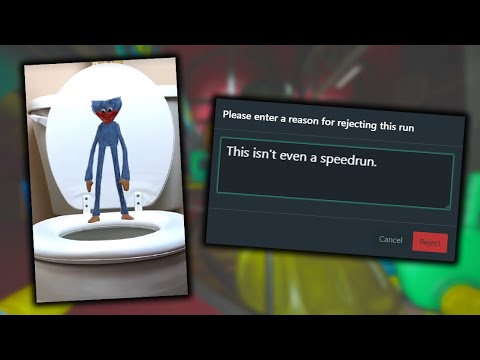
The Funniest Poppy Playtime Chapter 2 Speedrun Fails You've Ever Seen!

Why Poppy Playtime Chapter 2 is a Speedrunning Beast

Hello fellow speed demons and gaming enthusiasts! Welcome back to GamingSpeedrun.com, your ultimate hub for all things fast-paced and thrilling in the gaming world. Today, we're diving deep into the delightfully chaotic and often hilarious world of Poppy Playtime Chapter 2 speedrunning. If you've ever dabbled in the art of skipping content, mastering glitches, and shaving off precious milliseconds, you know the struggle is real. And when that struggle culminates in a spectacular, laugh-out-loud fail, it's pure gold. This isn't just about getting a World Record (WR); it's about the journey, the memes, and the epic fails that make speedrunning so captivating.

Poppy Playtime Chapter 2 has become a significant title on speedrun.com, attracting a dedicated community of runners. The intricate design of the game, with its puzzles and chase sequences, offers numerous opportunities for creative routing and risky maneuvers. When these strategies don't pan out, the results are often pure comedy. In my experience, these submissions are a fantastic way to learn what not to do, and they keep the community engaged and entertained between serious attempts.

The Anatomy of a Speedrun Fail

What exactly constitutes a "fail" in speedrunning? It's more than just dying. A true speedrun fail is a moment where a run is irrevocably ruined due to a mistake, a glitch, or bad luck. This could be anything from missing a crucial jump that costs minutes, to an exploitable glitch breaking the game in an unrecoverable way. Sometimes, it’s a simple misinput, a moment of lost focus, or a critical failure of a complex strategy (strat). These moments, while frustrating for the runner, are often incredibly entertaining for viewers. They highlight the immense difficulty and precision required to achieve a top-tier run and remind us that even the best make mistakes.

The humor in these fails often comes from the unexpected nature of the event. A runner might be executing a perfect sequence, only for the game’s physics engine to betray them spectacularly. Or perhaps a well-practiced skip fails due to a tiny environmental detail. These are the moments that create legendary clips and become part of a game's speedrunning lore. We've all been there, watching a run seemingly destined for greatness, only to see it crumble in the most comical way possible. It's a shared experience that bonds the community.

Chapter 2's Unique Hurdles and Hilarious Mistakes

Poppy Playtime Chapter 2 presents a unique set of challenges that lend themselves to spectacular fails. The introduction of new mechanics, such as the GrabPack extensions and more complex environmental interactions, means there are more variables at play. Runners often attempt advanced strats that rely on precise timing and positioning, pushing the game's engine to its limits. When these advanced techniques don't work as intended, the results can be unpredictable and hilarious.

One common area for errors is during the greenhouse section, where precise movement and puzzle-solving are key. A slight miscalculation in a jump, or an incorrectly performed sequence of actions, can lead to falling out of bounds or getting stuck in geometry. Another notorious spot is during chase sequences; a moment of panic or a wrong turn can mean instant death and a run-ending mistake. These moments are often amplified by the game's atmospheric horror, making the sudden comedic failure even more jarring and funny.

The pressure to execute perfectly in a game like Poppy Playtime Chapter 2 is immense. Even the slightest hesitation can cost valuable seconds, and a major mistake can end a run entirely. That's where the magic of speedrun fails truly shines.

Common Glitches and Skips Gone Wrong

Speedrunners are constantly looking for an edge, and that often involves exploiting glitches and finding sequence skips. In Poppy Playtime Chapter 2, several popular skips are frequently attempted. These might involve clipping through walls, performing impossible jumps, or manipulating enemy AI. However, these techniques are often frame-perfect or require very specific environmental conditions.

When a runner attempts a wall clip and ends up merely bumping against the wall, losing precious seconds, it’s a minor fail. But when the clip actually works, but sends the player into an area they can't escape from, or even worse, into an unloaded part of the map where the game crashes, that's a high-tier fail. Similarly, skips designed to bypass entire sections can sometimes fail catastrophically. Imagine a runner successfully glitching over a barrier, only to land in a place that soft-locks the game, forcing a reset. These are the moments that make you chuckle and appreciate the fine line between genius and disaster.

I've personally seen runners attempt to skip the puzzle sequence involving the train by using a well-timed jump and grab. When it fails, they might get stuck on the train tracks, unable to progress, or worse, fall into a death trigger. It's a high-risk, high-reward strategy that often results in hilarious outcomes when it goes wrong. The precision required is astonishing, and even a single frame off can mean the difference between a new PB and a comical failure.

RNG Dependency and Bad Luck

Not all fails are the runner's fault. Sometimes, the dice of RNG (Random Number Generation) just don't roll in your favor. Many games, even story-driven ones like Poppy Playtime, have elements controlled by RNG. This could be anything from enemy patrol patterns to the specific items that spawn. In Chapter 2, certain events or puzzle elements might have slight variations that, while minor, can disrupt a carefully planned route.

Imagine a runner relying on a specific enemy pathing to sneak by undetected. If the RNG dictates a different, more aggressive patrol, the runner might be caught, leading to a failed run. Or perhaps a crucial interactive object doesn't spawn in its usual place, forcing the runner to spend valuable time searching. While these aren't "mistakes" in the traditional sense, they are still failures of the run, and often lead to moments of pure frustration that can be darkly humorous to witness. It's a stark reminder that even with perfect execution, the game itself can be the ultimate obstacle.

The unpredictability of RNG can be a runner's worst enemy, turning a near-perfect attempt into a comedic disaster in seconds. It's a humbling aspect of speedrunning that we all have to accept.

The Speedrunner's Mindset Under Pressure

Speedrunning is as much a mental game as it is a physical one. The pressure to perform consistently over a long run, often involving hundreds of hours of practice, is immense. When things start to go wrong, maintaining composure is key. However, sometimes the pressure causes runners to make uncharacteristic errors, leading to hilarious meltdowns or overreactions. These moments, while perhaps embarrassing for the runner, are incredibly relatable and funny for the audience.

The sheer absurdity of some fails can be attributed to the runner trying to "save" a run that's already lost. You might see someone attempting an incredibly risky maneuver out of desperation, only for it to backfire spectacularly. This is the raw, unfiltered essence of speedrunning – the constant battle against the game and oneself, where every mistake, no matter how small, can have huge consequences. It’s this vulnerability and the human element that makes watching speedruns, especially the fails, so compelling. It's why I love sharing these moments; they showcase the passion and the sheer grit involved.

Learning From the Fails: How to Improve Your Own Runs

While these fails are incredibly entertaining, they also serve a crucial purpose: education. By analyzing these mistakes, aspiring runners can learn invaluable lessons. Understanding why a particular glitch failed, or why a certain strat didn't work, can help you avoid the same pitfalls in your own attempts. For instance, seeing a runner clip through the wrong part of a wall might teach you the precise boundaries to avoid.

Pay attention to the RNG that caused issues. Does a particular enemy spawn more aggressively at certain times? Does an item despawn if you take too long? These are details that can significantly impact your routing. Furthermore, watching how experienced runners handle pressure, even in their failed attempts, can teach you valuable mental fortitude techniques. Sometimes, the best way to improve is to witness the mistakes of others and learn from them vicariously. This is why I encourage checking out the official leaderboards and watching a variety of runs.

Checking Out the Official Leaderboards

For those who want to see the pinnacle of Poppy Playtime Chapter 2 speedrunning, or perhaps even dive into the archives of hilarious fails, the official speedrun.com leaderboards are the place to be. You can find verified runs, compare times, and sometimes even discover community-submitted fail compilations. It's an essential resource for anyone serious about the speedrun scene.

I highly recommend visiting the official Poppy Playtime Chapter 2 leaderboard to witness the incredible talent and dedication of the runners. Seeing the verified runs firsthand gives you an appreciation for the skill involved, and often, you can find links to the runners' streams or videos where they might share their own blooper reels. It’s a fantastic way to support the creators and immerse yourself further into the community.

Frequently Asked Questions

Q1: What makes Poppy Playtime Chapter 2 so popular for speedrunning?
A1: Its complex level design, numerous puzzles, and opportunities for glitch exploitation make it a challenging and rewarding game for speedrunners. The introduction of new mechanics in Chapter 2 also opened up new routing possibilities.

Q2: Are most speedrun fails due to glitches or player error?
A2: It's often a mix of both! While glitches can cause unexpected issues, many fails stem from player error, misjudged inputs, or a lapse in concentration under pressure. Bad RNG can also play a significant role.

Q3: How can I submit my own speedrun fails to be featured?
A3: Many creators, like myself, accept submissions through Discord or other community platforms. Keep an eye on the social media links provided to find out how to share your funniest moments!

Q4: Is speedrunning Poppy Playtime Chapter 2 accessible on all platforms?
A4: The primary platform for speedrunning is usually PC due to easier access to tools and more consistent performance. However, leaderboards may exist for other platforms like Playstation or Xbox, depending on community interest.

Q5: What is the current World Record (WR) for Poppy Playtime Chapter 2?
A5: World Records change frequently! The best place to check the current WR is on the official speedrun.com leaderboards for the game.

In conclusion, the world of Poppy Playtime Chapter 2 speedrunning is a thrilling rollercoaster of near-perfect execution and spectacular, hilarious failure. These moments, far from being mere embarrassments, are a testament to the dedication, skill, and sheer audacity of the speedrunning community. They provide entertainment, valuable learning opportunities, and a shared sense of camaraderie. So next time you're pushing for a personal best, remember to embrace the chaos – sometimes, the greatest moments come from the biggest fails!

What are your favorite Poppy Playtime Chapter 2 speedrun fail moments? Have you had any epic fails of your own? Share them in the comments below or join our Discord server to discuss all things speedrunning!

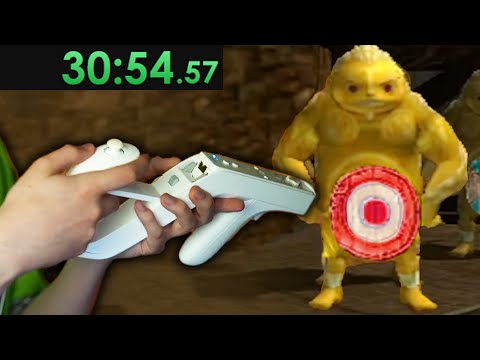
Link's Crossbow Training Speedruns: A Deep Dive into the Weirdest Zelda Ever Tackled

Prepare yourselves, fellow adventurers and pixel-perfect precision enthusiasts, because today we're diving headfirst into a corner of Hyrule that most have long forgotten, yet one that offers a surprisingly bizarre and captivating speedrunning challenge: *The Legend of Zelda: Link's Crossbow Training*. Forget epic quests and sprawling dungeons; this spin-off gem, originally a Wii-exclusive tech demo, has emerged as a niche speedrunning contender, and let me tell you, the runs are something else. If you've ever wondered what happens when you take the core mechanics of Zelda and distill them into a series of shooting gallery challenges, you're in for a treat.

The Unlikely Candidate: Why Link's Crossbow Training?

Let's be honest, when you think of "Zelda speedrun," your mind probably conjures images of *Ocarina of Time*, *Breath of the Wild*, or maybe even *Majora's Mask*. *Link's Crossbow Training*, however, isn't your typical Zelda fare. Released in 2007, it was a demonstration of the Wii's Zapper peripheral, offering a series of focused shooting challenges rather than an open-world adventure. Its status as a somewhat forgotten title only adds to the allure for dedicated speedrunners. The appeal lies in its sheer obscurity and the unexpected depth that can be extracted from seemingly simple gameplay. In my experience, the most compelling speedruns often come from games that weren't originally designed with competitive play in mind. This game fits that bill perfectly. It’s a testament to the creativity of the community that such a title can sustain a dedicated speedrunning scene.
The initial draw for many runners is the sheer novelty. Tackling a game most people have forgotten about and finding ways to break it or master its mechanics is a unique thrill.

Gameplay Mechanics: Precision Over Power

At its core, *Link's Crossbow Training* is about precision aiming and quick reflexes. Players are presented with a series of static and moving targets, enemy silhouettes, and occasional on-rails segments. The game tracks accuracy, score, and completion time for each stage. Unlike its mainline counterparts, there's no inventory management, complex puzzles, or exploration in the traditional sense. This streamlined approach paradoxically makes it ripe for speedrunning analysis. Every shot, every movement, every split-second decision matters. The game is divided into three main gameplay modes: * **Archery Range**: Focuses on static and moving targets. * **Puzzle Box**: Targets appear and disappear in sequence, requiring quick target acquisition. * **Hyrule Field**: More dynamic on-rails segments where you shoot enemies and objects.

Speedrunning Strats: Glitches, Skips, and Exploits

This is where the real magic of speedrunning *Link's Crossbow Training* happens. Because the game wasn't built for the intense scrutiny of the speedrunning community, several interesting glitches and shortcuts have been discovered. These aren't game-breaking exploits that trivialize the experience, but rather clever techniques that shave precious seconds off the clock. Some common strategies include: * **Precise Aiming**: Mastering the auto-aim and manual aim mechanics to hit targets with minimal reticle movement. * **Menu Glitches**: Certain sequence breaks might involve manipulating menuing or loading screens, though these are less common in this title compared to others. * **Out-of-Bounds (OOB)**: While the levels are linear, exploring the edges of the playable area might reveal shortcuts or ways to skip certain target sequences. * **RNG Manipulation**: Understanding and leveraging the random number generation (RNG) for enemy spawns or target patterns can be crucial for optimal runs. One particular trick I remember seeing involves a precise sequence of shots in the "Puzzle Box" mode that allows a runner to skip a later wave of targets entirely. It requires near-perfect execution.
The beauty of speedrunning a game like this is discovering that even a simple shooter has hidden depths and exploit potential. It's a constant evolution of strats.

Categories and Records: The Hunt for the WR

Like most established speedrunning communities, *Link's Crossbow Training* has several categories for runs. The most common ones usually revolve around: * **Any%**: The primary goal is to finish the game as quickly as possible, using any glitches or exploits allowed by the rules. * **100%**: This typically involves achieving a certain score threshold or completing all challenges within the game, which is considerably harder given the game's structure. * **Individual Levels (ILs)**: Runners compete for the fastest times on specific stages or modes. The current **World Record (WR)** is always a hotly contested spot, with runners like Linkus7 often pushing the boundaries of what's possible. The pursuit of the **Personal Best (PB)** is what drives many in the community, and seeing that number tick down is incredibly satisfying. For the latest records, Speedrun.com is the definitive source, showcasing the dedication and skill of these players. This is a prime example of why sites like Speedrun.com are invaluable to the speedrunning community.

The Niche Community

While not as massive as the communities for mainstream Zelda titles, the *Link's Crossbow Training* speedrunning scene is tight-knit and passionate. You'll often find the same dedicated runners competing, sharing strats, and pushing each other to new records. Platforms like Twitch and YouTube are crucial for this community, allowing runners to stream their attempts live and upload completed runs for others to study. It’s a fantastic example of how even the most unlikely games can foster a vibrant community. The shared goal of mastering a forgotten title creates a unique bond among players. If you're interested in joining discussions or seeing runs firsthand, checking out streamers who focus on this game is highly recommended. You might even find your own passion for this unique gaming experience.

The Future of the Run

The future of *Link's Crossbow Training* speedruns looks as bright and quirky as the game itself. As long as players are dedicated to discovering new tricks and refining existing strategies, the records will continue to fall. The relatively simple nature of the game means that minor optimizations can have a significant impact, ensuring that there's always room for improvement. Whether it's a new glitch discovered or a better understanding of the game's engine, the chase for the WR is perpetual. This game proves that any title, no matter how obscure, can become a compelling speedrunning challenge with the right community and dedication. It’s a reminder that the spirit of speedrun is alive and well, even in the strangest corners of our gaming library.

Frequently Asked Questions

Q1: Is Link's Crossbow Training considered a "real" Zelda game?

While it's a spin-off and doesn't follow the traditional Zelda formula, it features Link and Hyrule elements, and is officially part of the Zelda lineage, albeit a very unconventional one.

Q2: What platform is Link's Crossbow Training available on?

It was originally released for the Nintendo Wii and utilized the Wii Zapper peripheral. It can be played on any model of the Wii console.

Q3: Is it difficult to get into speedrunning this game?

Compared to some massive RPGs, Link's Crossbow Training is relatively accessible. The runs are shorter, and the core mechanics are straightforward. However, achieving top times requires significant practice and mastery of specific techniques.

Q4: Where can I watch top Link's Crossbow Training speedruns?

Platforms like Twitch and YouTube are the best places. Many top runners, such as Linkus7, regularly stream their attempts or upload completed runs. Speedrun.com also hosts leaderboards and often links to relevant videos.

Q5: Are there any major glitches or sequence breaks used in top runs?

While the game doesn't have massive sequence breaks like some other titles, runners utilize precise aiming, optimal pathing, and sometimes minor exploits or glitches to shave off crucial seconds. The focus is often on near-perfect execution of intended mechanics.

In conclusion, *The Legend of Zelda: Link's Crossbow Training* might be the black sheep of the Zelda family, but it offers a unique and surprisingly challenging speedrunning experience. It’s a testament to the dedication of the community that such an obscure title can generate excitement and competition. If you're looking for a speedrun that's off the beaten path, something that will make you question how much depth can be found in a Wii Zapper game, then dive into the world of *Link's Crossbow Training* speedruns. What are your thoughts on this bizarre speedrun? Have you ever attempted it yourself? Share your experiences and favorite moments in the comments below! Join our Discord channel to connect with fellow speedrunners and gamers!

World Record Progression in Super Mario Bros. 3 Any%: A Deep Dive into the Any% Category

Introduction: The Quest for the SMB3 Any% Crown

Welcome, fellow gamers and speedrunning enthusiasts, to an in-depth exploration of one of the most iconic speedrun categories out there: Super Mario Bros. 3 Any%. If you're watching this, you likely have a deep appreciation for the pursuit of perfection, the shaving of milliseconds, and the sheer dedication it takes to conquer a beloved classic at breakneck speed. On GamingSpeedrun, we're all about diving deep into the hardcore gaming experiences, and this #speedrun category is a prime example. Today, we're not just looking at a single World Record; we're dissecting the entire progression, the metagame, and the incredible evolution of strategies that have defined the Any% race in Super Mario Bros. 3.

This isn't just about who's fastest *now*, but how we got here. From the earliest attempts to the mind-bending glitches of today, the journey of the SMB3 Any% speedrun is a testament to player ingenuity and the enduring power of this Nintendo masterpiece. Prepare to have your mind blown by the sheer skill and dedication on display. We'll cover the essential strats, the game-changing discoveries, and what it takes to stand at the top of the Super Mario Bros. 3 leaderboards.

Understanding the Any% Category

First things first, let's clarify what Any% truly means in the context of Super Mario Bros. 3. Unlike other categories that might require completing the game 100% or achieving specific in-game goals, Any% is the purest form of "beat the game as fast as possible." The only objective is to reach the end credits by any means necessary. This often involves exploiting glitches, sequence breaks, and out-of-bounds tricks that weren't intended by the developers.

For SMB3, this means bypassing entire worlds, utilizing enemy AI in unexpected ways, and mastering precise inputs that would seem impossible to the casual player. The beauty of Any% lies in its potential for discovery and innovation. What might seem like a bug is often a coveted tool for a speedrunner seeking that precious #WR.

The Evolution of Strategies and Skips

The early days of Super Mario Bros. 3 speedrunning were vastly different from what we see today. Runners would typically play through the game more conventionally, focusing on optimizing known paths and minimizing mistakes. Discoveries were incremental, and the overall goal was to achieve a good #PB (Personal Best) through clean execution. This era was characterized by a focus on precise platforming and mastering individual levels.

However, as the community delved deeper, exploiting the game's engine became the name of the game. Players began experimenting with unintended interactions, leading to the discovery of significant skips that could shave minutes off the run. These discoveries weren't always immediate game-changers; they often required extensive testing and practice to implement reliably. The community's collaborative spirit, often documented on platforms like #speedrun forums and Discord channels, was crucial in refining these new techniques.

The relentless pursuit of optimization in SMB3 Any% has turned what was once a straightforward race into a complex puzzle of exploiting the game's code.

The Wrong Warp Revolution

Perhaps the most significant breakthrough in the history of the SMB3 Any% speedrun was the discovery and exploitation of the "Wrong Warp" glitch. This incredibly powerful technique allows runners to essentially break the game's level progression system and warp directly to the end of the game, bypassing nearly everything.

The concept behind the Wrong Warp is intricate. It involves performing specific actions in a particular level (often World 1-3) that corrupt the game's memory in such a way that when Mario eventually dies or completes a level under specific conditions, he is sent to the game's "ending" sequence instead of the next expected level. Mastering this glitch requires frame-perfect inputs and a deep understanding of the game's internal logic. The original explanation video for this trick provides a great insight: Wrong warp explained.

The implementation of the Wrong Warp drastically reduced the overall time for the Any% category, shifting the focus from optimizing a full playthrough to perfecting the execution of this single, complex glitch. This discovery truly revolutionized the #speedrunning landscape for Super Mario Bros. 3.

Key Levels and Challenges in Any%

While the Wrong Warp is the ultimate shortcut, reaching it and executing it flawlessly presents its own set of challenges. The run typically begins in World 1-1, and the sequence leading up to the Wrong Warp setup in World 1-3 is critical. Runners must navigate these early levels with extreme precision, often utilizing advanced movement techniques to maintain momentum and avoid unnecessary delays.

  • World 1-1: A fast and clean start is crucial. Optimizing jumps and minimizing time spent in the air is key.
  • World 1-2: Precise enemy manipulation and efficient use of power-ups can save valuable frames.
  • World 1-3: This is the setup level for the Wrong Warp. Every action here must be executed perfectly to ensure the glitch triggers correctly. Mastering the specific jumps and enemy interactions is paramount.

Beyond the Wrong Warp setup, the Any% run is largely determined by the player's ability to perform the glitch consistently. However, minor variations in enemy placement or unavoidable hazards can still throw off the timing. Competitors constantly analyze replays to find even the smallest optimizations in these initial stages.

RNG Management: The Unseen Enemy

In any speedrun, Random Number Generation (RNG) can be a significant factor, and Super Mario Bros. 3 Any% is no exception, even with the dominant Wrong Warp strategy. While the glitch itself is deterministic if executed correctly, the elements surrounding it can be subject to RNG.

For instance, the behavior of certain enemies, the power-ups that appear from blocks, or even the exact positioning of obstacles can vary slightly between attempts. A good speedrunner learns to adapt to these variations on the fly, making split-second decisions to maintain the optimal path. While the core strategy remains the same, favorable RNG can lead to faster times, while unfavorable RNG might require slight adjustments or even a reset.

Mastering the RNG means not just hoping for the best, but being prepared for anything the game throws at you.

This is where the true mastery of a category like SMB3 Any% shines through. It's not just about memorizing a route; it's about developing an intuitive understanding of the game's mechanics and responding effectively to its unpredictable elements.

The Role of Glitches in Modern Speedruns

The prominence of the Wrong Warp glitch in SMB3 Any% highlights a broader trend in modern speedrunning: the deep exploration and exploitation of game mechanics. Glitches, once seen as flaws to be avoided, are now integral tools for runners seeking to push the boundaries of what's possible.

From sequence breaks that allow players to skip entire sections of a game to out-of-bounds tricks that bypass critical path elements, glitches are fundamental to many #WR runs across various titles. Understanding the underlying code and how the game engine behaves allows runners to discover and weaponize these "bugs" for incredible time saves.

This reliance on glitches means that speedrunning often requires a different kind of expertise than traditional high-level play. It demands analytical thinking, a willingness to experiment, and a deep technical understanding of the game's software. It’s a core part of the #speedrun culture that defines platforms like GamingSpeedrun.

A Glimpse at the Leaderboard Progression

The journey of the Super Mario Bros. 3 Any% leaderboard is a fascinating chronicle of human ingenuity and dedication. Early records, set before the discovery of the Wrong Warp, were significantly slower, often in the 10-11 minute range. As players refined conventional routes, these times gradually decreased.

The introduction of the Wrong Warp fundamentally reset the benchmark. Suddenly, times dropped dramatically, pushing the category into the sub-5-minute mark, and eventually sub-3-minute territory. The current World Record holders are consistently pushing the boundaries, shaving off fractions of a second through meticulous execution and minor route optimizations around the core glitch.

Watching the progression of records on sites like speedrun.com offers a clear visual representation of how player knowledge and discovered glitches can reshape a speedrun. It’s a dynamic history, constantly being rewritten by the passionate community.

The SMB3 Any% leaderboard isn't just a list of times; it's a historical document of discovery, innovation, and sheer persistence.

Community and Resources for Aspiring Speedrunners

The world of speedrunning thrives on community. For Super Mario Bros. 3, and indeed for any game, aspiring runners can find invaluable resources and support online. The first stop for many is speedrun.com, which hosts leaderboards, rulesets, and often links to helpful guides and forums for specific games.

Dedicated Discord servers are another hub for knowledge sharing. Here, runners can ask questions, share strategies, get feedback on their runs, and learn directly from top players. Watching streams of top runners on platforms like Twitch provides a real-time look at current strategies and execution.

For those interested in the technical aspects, resources explaining glitches, like the aforementioned video on the Wrong Warp, are crucial. The spirit of #speedrunning is about collaboration and improvement, and the SMB3 community is a prime example of this.

If you're inspired to start your own speedrunning journey, don't be afraid to dive in! Practice the fundamentals, study the top runs, and find a community that can help you grow. Every #PB is a step towards a potential #WR.

Frequently Asked Questions

What is the fastest known speedrun category for Super Mario Bros. 3?

The fastest category is typically Any%, largely due to the implementation of the "Wrong Warp" glitch, which allows players to finish the game in under 3 minutes.

How does the Wrong Warp glitch work in Super Mario Bros. 3?

The Wrong Warp involves corrupting the game's memory through specific actions in certain levels, causing the game to incorrectly load the ending sequence upon completion or death in a subsequent level, bypassing the normal game progression.

Is Super Mario Bros. 3 still actively speedrun?

Yes, Super Mario Bros. 3 remains an incredibly active game in the speedrunning community, with ongoing efforts to optimize existing strategies and potentially discover new ones, particularly in its Any% category.

What are the main challenges for a new Super Mario Bros. 3 speedrunner?

For beginners, the main challenges include mastering precise platforming, understanding the game's mechanics, and learning the execution of complex glitches like the Wrong Warp. Consistent practice is key to improving.

Where can I find the current World Record for Super Mario Bros. 3 Any%?

You can find the current World Record and track the progression on speedrun.com, specifically on the Super Mario Bros. 3 leaderboards page.

The pursuit of the perfect run in Super Mario Bros. 3 Any% is a captivating journey that blends nostalgia with cutting-edge gaming techniques. From the early days of optimized play to the game-breaking potential of glitches like the Wrong Warp, this category exemplifies the dedication and innovation within the speedrunning community. Whether you're aiming for a personal best or just enjoy watching masters at work, the evolution of SMB3 speedruns is a thrilling spectacle. Keep practicing, keep experimenting, and join the conversation in the comments below! What's your favorite SMB3 speedrun moment? Let us know!