The Ultimate Speedrunning Journey: A Deep Dive into Ninja Gaiden World Records

Introduction: The Thrill of the Run

Hello, fellow gamers and speedrunning enthusiasts! Welcome to GamingSpeedrun.com, your ultimate hub for all things hardcore gaming. Today, we're diving deep into the legendary world of Ninja Gaiden and tracing the evolution of its world records. From the arcade to modern consoles, Ryu Hayabusa's journey has been a masterclass in precision, skill, and lightning-fast reflexes.

We'll be looking back at how the game's speedrunning scene has developed, the insane strats that have been discovered, and the runners who have pushed the boundaries of what's possible. Get ready to witness history unfold at breakneck speed! This is more than just a game; it's a legacy of perseverance.

The Early Days: Birth of a Legend

The Ninja Gaiden saga, known in Japan as Ninja Ryūkenden, first burst onto the scene in the mid-1980s. The original arcade game in 1988 set the stage, but it was the Nintendo Entertainment System (NES) release in 1988 (1989 in North America) that truly cemented its place in gaming history. This 8-bit masterpiece introduced the world to Ryu Hayabusa, a ninja of unparalleled skill, and its notoriously difficult gameplay.

In my experience, the NES version was the true genesis of the speedrunning challenge for Ninja Gaiden. Its unforgiving platforming and enemy placement demanded absolute perfection.

The initial discoveries in the early days of speedrunning focused on basic route optimization and minimizing deaths. Given the game's difficulty, simply completing it without losing a life was an achievement, let alone optimizing for time. Early runners spent countless hours memorizing enemy patterns and finding the quickest paths through the notoriously challenging levels.

NES Era Dominance: The Ryu Hayabusa Legacy

The NES version of Ninja Gaiden is infamous for its difficulty. Enemies swarm you, projectiles fill the screen, and those infamous birds... oh, those birds! Mastering this game for a speedrun requires an almost superhuman level of precision and muscle memory.
The sheer memorization required for the NES Ninja Gaiden is astounding. Every jump, every swipe of the Dragon Sword, has to be perfect.
During this era, the focus was heavily on route planning and execution. Runners would discover small optimizations, like the precise timing needed to jump over specific enemy groups or the optimal sequence of attacks to defeat bosses quickly. The concept of "skips" or major glitches was less prevalent in the early days, with runners largely sticking to the intended game mechanics but executing them flawlessly. Establishing a solid WR on the NES version was a badge of honor, signaling true mastery. This period laid the groundwork for the competitive speedrunning scene we see today, proving that even the most challenging games could be conquered. It’s a testament to the dedication of the early #gamer community.

Genesis and Beyond: Expanding the Gaiden Universe

While the NES trilogy (Ninja Gaiden, Ninja Gaiden II: The Dark Sword of Chaos, and Ninja Gaiden III: The Ancient Ship of Doom) remains iconic, the series continued to evolve. The move to other platforms brought new challenges and opportunities for speedrunners. Games like Ninja Gaiden on the Sega Genesis (released as Revenge of Shinobi in some regions, though a distinct game) offered different mechanics and level designs. This diversification meant that speedrunning strategies had to adapt. While the core principles of optimization and execution remained, new routes and techniques specific to each game's engine and design came into play. The community began to segment, with specialists focusing on particular entries in the franchise. Each new game brought a fresh wave of discovery, encouraging runners to explore every nook and cranny for time-saving opportunities. The pursuit of a new PB (Personal Best) became a driving force for many.

The Modern Renaissance: Ninja Gaiden Sigma and Black

The early 2000s saw a massive resurgence for the franchise with the release of Ninja Gaiden (2004) on the Xbox, later re-released as Ninja Gaiden Black, and then the PlayStation 3 title, Ninja Gaiden Sigma. These games represented a significant leap in graphics, gameplay complexity, and, crucially for speedrunners, new mechanics and possibilities. The 3D era introduced more complex combat systems, longer levels, and a vast array of weapons and magic. This complexity opened the door for incredibly intricate strats. Runners discovered ways to chain combos for maximum damage output, utilize environmental elements for movement advantages, and, of course, exploit unforeseen glitches.
The combat in the modern Ninja Gaiden games is so deep that finding the fastest kill combos for bosses became a sub-game within the speedrun itself.
Speedrunning in this era became a highly technical discipline. Runners like "Flying_Myth" and others pushed the boundaries, setting incredible WRs by meticulously planning and executing complex sequences. The introduction of new characters in the Sigma series (like Ayane and Rachel) also added new categories for speedruns, further expanding the competitive landscape. The race for the fastest time in Ninja Gaiden Black and Sigma became a cornerstone of the franchise's speedrunning community.

The Master Collection and the Future of Gaiden Speedruns

The release of Ninja Gaiden: Master Collection in 2021 brought the classic 3D titles (Ninja Gaiden Sigma, Ninja Gaiden: Dragon Sword, and Ninja Gaiden II) back to modern platforms. This brought renewed interest and a fresh wave of runners to the series. While the core gameplay remains the same, platform differences, minor bug fixes, or optimizations can lead to new discoveries.
The speedrunning community is always vigilant, analyzing every frame and every mechanic. Even on re-releases, new techniques or slight variations in execution can shave off precious seconds. We might see new glitches discovered or existing strats refined. The ongoing pursuit of the ultimate WR continues, fueled by the passion of the dedicated #speedrun players. The future of Ninja Gaiden speedruns looks as exciting as ever, with the potential for even faster times and more ingenious discoveries.

Key Strategies and Glitches

Across the various Ninja Gaiden titles, certain strategies and glitches have become staples in the speedrunning community: * Wall Clipping: In many 3D titles, precise movements and attacks can allow Ryu to clip through certain walls or geometry, enabling massive shortcuts. This often requires specific enemy placements or environmental setups. * Damage Cancelling: Techniques that allow players to cancel the animation of taking damage to perform another action immediately, maintaining momentum or attack chains. * Boss Stunlocks/Fast Kills: Discovering specific combos or weapon uses that can stun-lock bosses or defeat them in a fraction of the time it would normally take. This is particularly relevant in games like Ninja Gaiden Black. * Movement Tech: Mastering advanced movement options like infinite dashes, specific jump timings, or aerial maneuvers to traverse levels faster than intended. For instance, the "Windmill Shuriken" strategy in the NES version involves precise usage of projectiles to maintain momentum. * Route Optimization: The most fundamental strategy. This involves memorizing the fastest path through each level, deciding which enemies to fight, which to skip, and the optimal order of objectives.

Hotarubi and Ohon were instrumental in developing some of the most mind-bending movement strats we see today. Their contributions are a huge part of the Ninja Gaiden speedrunning history.

The discovery and refinement of these techniques are what make watching speedruns so captivating. It's a constant battle between the developers' intended design and the players' ingenuity.

Community Heroes and Record Breakers

The history of Ninja Gaiden speedruns is intrinsically linked to the dedicated individuals who pushed its limits. While specific records are constantly changing, certain names have become synonymous with excellence in the franchise: * Summoning Salt: Though not a runner himself, Summoning Salt's meticulously researched documentaries on the history of various game speedruns, including Ninja Gaiden, have introduced countless people to the scene and highlighted the dedication of top runners. * Flying_Myth: A prominent figure in the 3D Ninja Gaiden (Xbox/PS3) speedrunning community, known for incredible execution and discovery of advanced techniques. * Many Others: Countless other runners on platforms like speedrun.com continuously compete for the top spots across all categories and titles. Their dedication keeps the spirit of competition alive. These runners, through sheer dedication and thousands of hours of practice, have achieved feats that seem impossible to the casual observer. They are the true heroes of the #speedrunning world, constantly striving for that elusive #WR.

Frequently Asked Questions

What is the fastest known Ninja Gaiden game to speedrun?

The speed of a run often depends on the category (e.g., Any%, 100%, Glitchless). However, entries like Ninja Gaiden II (Xbox 360) or specific categories within the 3D titles are generally considered faster due to aggressive combat mechanics and potential for major sequence breaks or skips. The NES version, while iconic, is considerably longer due to its deliberate pacing and difficulty.

Are there major glitches used in Ninja Gaiden speedruns?

Yes, absolutely. Depending on the specific game and category, runners utilize various glitches such as wall clipping, out-of-bounds exploits, and animation cancels to save significant time. For example, wall clipping is a common technique in the 3D iterations.

Where can I find the latest Ninja Gaiden speedrun records?

The best place to find the most up-to-date world records for all Ninja Gaiden games is typically on speedrun.com. They maintain leaderboards for various games and categories, often with video proof.

What does 'RNG' mean in speedrunning?

RNG stands for "Random Number Generator." In speedrunning, it refers to the random elements within a game, such as enemy spawns, item drops, or attack patterns. Runners often strategize to mitigate bad RNG or manipulate it to their advantage, as unpredictable RNG can significantly impact run times.

Join the Speedrunning Dojo!

The legacy of Ninja Gaiden is one of challenge, mastery, and incredible feats of skill. Whether you're a seasoned veteran chasing a new PB or a newcomer curious about the lightning-fast world of speedruns, there's always something new to discover. The community is constantly evolving, finding new tricks and pushing the boundaries. What are your favorite Ninja Gaiden moments or speedrunning strategies? Did we miss any crucial record-breaking moments? Let us know in the comments below! And if you're ready to test your skills, consider joining our Discord server. We're always looking for fellow hardcore gamers to share their passion and discoveries. Keep practicing, keep running, and may your Dragon Sword always find its mark! speedrun speedrunning Ninja Gaiden WR gaming gamer strats

Doom (2016) Ultra-Nightmare: The World's First Full Playthrough - A Masterclass in Survival

Welcome, fellow demon slayers and speedrunning enthusiasts, to GamingSpeedrun.com! Today, we're diving deep into a legendary feat: the world's first full playthrough of Doom (2016) on the unforgiving Ultra-Nightmare difficulty. This isn't just a casual playthrough; it's a single-segment run where every single death means starting from scratch. Imagine the sheer nerve and precision required to tackle id Software's brutal campaign without a single mistake. This run, completed shortly after the game's release, stands as a testament to what's possible when skill, patience, and a little bit of luck converge.

The Ultra-Nightmare Gauntlet

Tackling Doom (2016) on Ultra-Nightmare is a different beast entirely. The developer's note confirms that it mirrors the challenge of a single-segment speedrun on Nightmare, meaning one death and it's game over. This player achieved the monumental task of being the first to see the credits roll under these brutal conditions post-release. The clock in the video at the end shows a playtime of 5/14/2016 8:50:48 PM, pinpointing the exact moment this historic run concluded.

A Runner's Perspective

Speaking directly from the experience, the runner notes that they played the game on low settings with a minimal Field of View (FOV). This is a crucial detail for anyone aiming to replicate or understand the run. If you're curious about how the game looks with higher fidelity, you'd be better off checking out other videos.

"I run the game on low settings with minimal FOV, so I would recommend a different video if you are curious how it looks at better settings."

This self-awareness about the presentation is typical of a dedicated runner who prioritizes performance and completion over visual flair. It’s all about hitting the frames, managing resources, and surviving the onslaught.

The Visual Compromise

The decision to play on low settings and a restricted FOV is a strategic one. In high-pressure situations, especially during an intense speedrunning attempt, maximizing frame rates and minimizing visual clutter can be paramount. A higher FOV, while immersive, can sometimes obscure crucial enemy movements or environmental details at the periphery. Lowering settings ensures the system can keep up, preventing any stuttering that could lead to a fatal error.

Moments of Near-Peril

The sheer length of this run – almost 4 hours and 45 minutes – is mind-boggling. It's an endurance test as much as a skill test. The runner admits that towards the end, fatigue certainly set in. This exhaustion likely contributed to why some secrets were left untouched. Collecting every item, especially when a single mistake resets hours of progress, isn't always the primary goal for a survival-focused run. The priority is survival and completion, not necessarily 100%.

Runes, Weapons, and Playstyle

The runner highlights a key strategic element: the runes that grant infinite ammo when armor is at 100 (or 75). This is a game-changer, especially on higher difficulties. On a first playthrough, these might not be as crucial or as accessible, but for a marathon run like this, they allow for more aggressive play and resource management, enabling the player to maintain distance or simplify difficult encounters.

The intense pressure of a 4+ hour run where death means starting over fundamentally alters one's playstyle. Every decision is magnified. The runner deliberately avoids over-explaining their choices, understanding that different players will develop unique strats and preferences. What works for one might not work for another.

"Also when you are 4+ hours in and death means you have to do it all over again, it changes your playstyle."

The 100% Question

The absence of a 100% completion might deter some, but for this particular achievement – the first Ultra-Nightmare completion – it’s perfectly understandable. The runner explicitly states that 100% runs aren't their "kind of thing." This leaves the door open for other dedicated players to tackle the challenge of a perfect, all-secrets-collected playthrough.

The Specter of the Final Boss

Perhaps the most agonizing moment for any Ultra-Nightmare player is the approach to the final boss. This runner experienced this dread firsthand, dying just before the final encounter in a previous, unrecorded attempt. The video even offers a fleeting glimpse of their helmet – a visual cue of that near-disaster at the 4:35:20 mark. While disappointing, the lack of practice on the final boss means they aren't overly disheartened. It's a stark reminder that even the best players can falter at the final hurdle, especially when so much is on the line.

"Had some moments where I should have died late in this run too, but sometimes you get lucky!"

Luck does play a role, even in the most skill-based challenges. Those moments of RNG (Random Number Generation) going your way can be the difference between success and starting over.

Kudos to id Software

The runner expresses immense gratitude to id Software for crafting such an engaging campaign. The sentiment is clear: Doom (2016) is an incredibly fun game, and they highly recommend it to anyone looking for a visceral and satisfying shooter experience. This appreciation for the source material is a hallmark of true gamer passion.

Exploring Different Approaches

Intrigued by the pursuit of perfection on Ultra-Nightmare but perhaps not ready for the full commitment of a no-upgrades run? The runner provides a link to an alternative playthrough featuring higher settings and an FOV of 105, without using any upgrades: youtu.be/RR1G05e0bjs. This offers a different perspective on tackling the game's challenges.

This world-first run on Doom (2016) Ultra-Nightmare is more than just a video; it's a piece of gaming history. It showcases incredible dedication, mastery of the game's mechanics, and the sheer willpower to overcome one of the toughest challenges in modern gaming. It’s a true inspiration for anyone interested in gaming, speedruns, and the relentless pursuit of perfection.

Frequently Asked Questions

What is Ultra-Nightmare difficulty in Doom (2016)?

Ultra-Nightmare is the highest difficulty setting in Doom (2016). It combines the enemy aggression and damage of Nightmare difficulty with the permadeath mechanic, meaning if you die even once, you must restart the entire game from the beginning.

Why did the runner use low graphical settings?

The runner opted for low settings and a minimal FOV to maximize frame rates and ensure smooth performance, crucial for avoiding any technical hitches during a long and demanding speedrun attempt. This prioritizes gameplay stability over visual fidelity.

Is it possible to do a 100% run on Ultra-Nightmare?

While the runner of this specific world record did not aim for 100% completion, it is theoretically possible. However, it would require an extraordinary level of skill, patience, and near-perfect execution to collect all items and secrets without dying.

How long did the world's first Ultra-Nightmare playthrough take?

The playthrough lasted nearly 4 hours and 45 minutes, highlighting the immense time commitment and endurance required for such a challenge.

What makes this run a "World First"?

This run is considered the "World First" because it was the first documented instance of a player successfully completing the entire Doom (2016) campaign on Ultra-Nightmare difficulty from start to finish in a single segment after the game's release.

This legendary run serves as a beacon for the speedrunning community and a testament to the enduring appeal of Doom (2016). What are your thoughts on this incredible achievement? Did you attempt Ultra-Nightmare yourself? Share your experiences and strategies in the comments below! Join our Discord to discuss this and other hardcore gaming challenges.

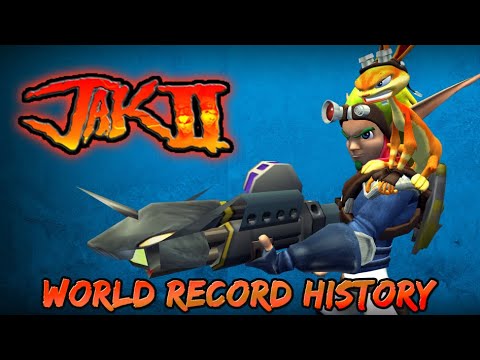
Jak II Any% Speedrun: Mastering the Glitches for the Ultimate World Record

Alright, fellow speedrunners and retro gaming enthusiasts, let's talk Jak II. This game is infamous for its difficulty, its dark tone, and yes, its potential for some absolutely game-breaking glitches. When you hear "speedrun," what comes to mind? Probably precision, practice, and maybe a few clever tricks. But in Jak II, it’s often about surviving the game itself. We’re talking about a title that’s constantly on the brink of a hard crash, where a single misstep can send your meticulously planned run spiraling into oblivion. It's a high-stakes environment where finding that one legendary glitch isn't just about saving time; it's about keeping the game alive long enough to finish.

The Jak series has always been a playground for discovering significant time saves. While the first game saw its WR records gradually chipped away over two decades with steady discoveries, Jak II delivered its biggest game-changer almost immediately. This game was practically built for speedrunners seeking that ultimate shortcut. However, don't let that fool you. Just because there's a major glitch doesn't mean this speedrun is a walk in the park. It’s not just the Metal Heads you’ll be battling; it's the unstable code of the game itself. Get ready, because this run has no brakes, and we're diving deep into the history and strategies behind the Jak II Any% Speedrun World Record.

Introduction: The Fragile Foundation of Jak II Speedruns

As avid gamers and speedrunners, we live for the thrill of pushing games to their absolute limits. We seek out the exploits, the glitches, the unintended shortcuts that shave precious seconds off a run. But Jak II presents a unique challenge. It’s a game where the very engine you’re trying to exploit is prone to breaking down. This isn't just about learning patterns or executing frame-perfect inputs; it’s about navigating a minefield of potential game crashes. The speedrunning community has dedicated countless hours to understanding these mechanics, developing intricate strats that balance speed with survival.

The allure of Jak II in the speedrun community stems from its inherent instability. While many games offer predictable challenges, Jak II throws a constant threat of a run-ending crash at you. This creates an unparalleled level of tension. Every sequence, every jump, every use of a glitch is a gamble. In my experience, the most memorable runs are often those where the runner narrowly avoids a crash, showcasing not just skill but sheer resilience. This constant threat is precisely what makes the pursuit of the Any% World Record so compelling. It’s a testament to the dedication of the runners and the depth of the community's knowledge.

The Game-Breaking 'Any%' Glitch

The star of the Jak II Any% speedrun is undoubtedly the major glitch that allows players to skip vast portions of the game. While the specifics of its discovery are rooted in dedicated research by the community, its impact was immediate and profound. This glitch fundamentally alters the intended path of the game, allowing runners to bypass objectives and levels that would normally take significant time. It’s the kind of discovery that rewrites the rulebook for any% categories.

This primary exploit, often referred to by community members, involves manipulating game mechanics to achieve an unintended progression. It's not as simple as clipping through a wall, though such tricks are also employed. This particular glitch requires precise execution and understanding of the game's physics and loading zones. In my own attempts, mastering this glitch was the single biggest hurdle to achieving a good time. The setup is critical, and any deviation can lead to the loss of the exploit or, worse, a game crash.

"Pushing the game to its limits is par for the course. Imagine finding your game’s holy grail, the glitch that breaks the run wide open, but your game is basically on round the clock life support."

Early Discoveries and the First WR Attempts

When the major glitches in Jak II were first unearthed, the speedrunning landscape changed overnight. The existing records became obsolete as runners scrambled to understand and implement the new strategies. Early attempts were often messy, characterized by successful execution of the main glitch but frequent failures due to the game's instability. These pioneers laid the groundwork, showcasing the potential time saves and paving the way for future optimization.

The initial world record attempts for Jak II Any% were a true testament to raw discovery. Runners were experimenting, sharing findings on forums and early community platforms. The PB (Personal Best) times dropped dramatically. It was an exciting period, filled with the thrill of the unknown and the race to be the first to truly master this new, broken path through Jak II. The community, while smaller than today, was incredibly dedicated, sharing knowledge that fueled rapid progress.

The Evolution of Strats: Dodging Crashes and Optimizing Skips

As the speedrun progressed from initial discoveries to more refined attempts, the focus shifted from simply executing the main glitch to perfecting every other aspect of the run. Runners began analyzing every second, looking for ways to optimize movement, reduce loading times, and, most importantly, minimize the risk of crashes. This involved meticulous study of level layouts, enemy placements, and the precise timing of actions.

New strats emerged for navigating the game's hazardous environments. Players developed techniques to intentionally trigger certain game states that might prevent a crash or even create new, smaller shortcuts. The RNG (Random Number Generator) became a significant factor. Certain enemy behaviors or item drops could either help or hinder a run, forcing runners to adapt on the fly. The quest for the WR became a constant battle against both the game's design and its unpredictable nature. For example, a seemingly minor detail like the order in which you activate certain environmental triggers could make the difference between a stable run and a system-crashing disaster. This level of detail is what defines elite speedrunning.

"When you’re always one wrong move away from a run killing game crash, is it worth it? Quick, someone get the crash cart, Jak II is coding again."

The Current WR Holder and Their Strategy

The landscape of the Jak II Any% speedrun is constantly shifting, with the World Record being contested by incredibly skilled players. The current record holder, whoever that may be at the time of reading, represents the pinnacle of practice and understanding. Their strategy likely incorporates a deep knowledge of obscure glitches, frame-perfect inputs, and an almost supernatural ability to predict and avoid game crashes.

A typical top-tier Jak II Any% run involves an extremely optimized sequence. This often includes:

  • Precise Movement: Utilizing advanced movement techniques like savescumming (if applicable in this specific run) or optimized jumping and rolling to maintain maximum speed.
  • Glitch Execution: Flawless execution of the primary out-of-bounds or sequence-breaking glitch.
  • RNG Manipulation: Strategies to influence or quickly adapt to unfavorable RNG.
  • Crash Avoidance: An intimate understanding of which actions, sequences, or zones are most likely to cause a crash and how to navigate them safely.
  • Fastest Route: Routing that bypasses as much of the game as possible, often through unintended means.

In my own personal runs, I found that dedicating time to understanding the physics engine itself was key. Knowing how Jak’s momentum carried through different terrain types, or how activating certain triggers could despawn enemies and potentially prevent a crash, made a huge difference. It’s this granular level of detail that separates good runs from world record contenders.

Challenges and RNG: The Constant Battle

The biggest challenge in any Jak II speedrun isn't necessarily the complexity of the glitches, but the sheer instability of the game. The threat of a crash looms over every single attempt. This is where RNG plays a massive role. Certain random elements, like enemy spawns or the behavior of NPCs, can force a runner to deviate from their planned route, potentially leading to a crash or lost time.

Runners must develop a keen sense of situational awareness. They need to be able to recognize when the game is behaving in a way that might be dangerous and adapt their strategy on the fly. This requires hundreds, if not thousands, of hours of practice. The mental fortitude required to attempt a world record under these conditions is immense. It’s a true test of a runner's skill, patience, and ability to perform under pressure, all while battling a game that seems determined to stop them.

"It won’t just be the metal heads that test your mettle. Strap in, this zoomer has no brakes."

Frequently Asked Questions

What is the Any% category in Jak II speedrunning?

The Any% category means players aim to finish the game as quickly as possible, using any glitches or exploits available. In Jak II, this category heavily relies on sequence-breaking glitches to skip large portions of the game.

How difficult is the Jak II speedrun?

It's considered one of the more difficult speedruns, primarily due to the game's inherent instability and tendency to crash. Mastering the major glitches and avoiding game-ending errors requires significant practice and dedication.

What is the most important glitch for the Jak II Any% speedrun?

The most significant glitch allows players to bypass large sections of the game, fundamentally changing the intended progression. Its precise execution and the runner's ability to maintain game stability after triggering it are crucial for achieving a world record.

How much time can be saved with glitches in Jak II?

The main sequence-breaking glitch can save hours of gameplay, drastically reducing the time needed to complete the game from the intended 8-10 hours down to under an hour in elite runs.

Is Jak II known for other speedrunning discoveries besides major glitches?

While the major glitches define the Any% category, runners also optimize movement, enemy encounters, and minor skips to shave off every possible second, showcasing a deep understanding of the game's mechanics beyond just the main exploits.

The Jak II Any% speedrun is a brutal, exhilarating, and ultimately rewarding challenge. It pushes the boundaries of what's possible in a game known for its difficulty and instability. The dedication of the speedrunning community to dissect, master, and exploit this classic title is truly inspiring. Whether you're aiming for a personal best or simply watching the world record attempts, there's an undeniable thrill in witnessing such mastery over a game that fights back.

What are your favorite Jak II speedrun moments? Have you attempted this run yourself? Share your experiences, tips, and favorite strats in the comments below! And for those looking to get more involved, join our community Discord – we're always looking for passionate gamers to share their insights!

Unveiling YouTube's Shadow Realms: A Deep Dive into the Unseen Corners of the Platform

Hey there, fellow gamers and digital explorers! Ever stumbled upon a video on YouTube that felt… off? Like a hidden level in your favorite RPG or a secret speedrun route that most players completely miss? You're not alone. Today, we're diving deep into what many affectionately (or perhaps fearfully) call YouTube's "Shadow Realms." This isn't about viral dance challenges or unboxing videos; it's about the obscure, the forgotten, and sometimes, the downright eerie corners of the world's largest video-sharing platform.

What Exactly Are These Shadow Realms?

Think of YouTube as a massive, ever-expanding digital city. The main streets are filled with popular creators, trending videos, and mainstream content – the stuff you see on your homepage. The "Shadow Realms," however, are the less-trafficked alleys, the abandoned districts, the hidden basements. These are pockets of content that, for various reasons, don't hit the main algorithm's radar but still exist, often with dedicated, niche audiences. It’s where **obscure gaming news** from years ago might live, or where a single fan painstakingly uploaded their entire collection of a defunct MMORPG’s cutscenes. Sometimes, it's even where experimental or avant-garde content creators find their footing, away from the pressure of mass appeal. For us speedrunners, it can be a goldmine of forgotten strats or glitches that were patched out years ago but documented by dedicated players.

The Allure of Obscurity

Why are these hidden corners so fascinating? For many, it’s the thrill of discovery, the feeling of being an explorer uncovering something unique. It’s the antithesis of mainstream online culture. In a world saturated with the same viral trends, finding something truly original or deeply niche feels like striking gold. For creators, it can be a space to experiment without the intense scrutiny that comes with massive viewership. For viewers, it’s a chance to connect with hyper-specific communities and topics that resonate on a personal level. It’s about finding your tribe, no matter how small, or delving into subjects that the broader internet overlooks.
In my experience, some of the most valuable historical gaming footage I've found for speedrunning research comes from these lesser-known channels. They’re not chasing World Records in popularity, but they meticulously document niche aspects of gaming history.

Types of Shadow Content

The "Shadow Realms" encompass a vast spectrum of content. Here are a few categories you might encounter: * **Deep Archive Channels**: Channels dedicated to uploading old commercials, obscure TV show episodes, forgotten video game tutorials, or even entire VHS recordings. * **Hyper-Niche Communities**: Think channels focused solely on the lore of a single obscure RPG, the technical teardowns of vintage electronics, or the intricate details of competitive gaming that existed before esports exploded. * **Experimental/Artistic Content**: Creators pushing boundaries with visual art, abstract concepts, or unconventional narrative structures that might not fit the typical YouTube mold. * **Lost Media Seekers**: Individuals and groups dedicated to finding and preserving media that is no longer readily available, including old films, TV episodes, or even specific game builds. * **Forgotten Speedruns & Glitch Documentation**: Sometimes, older runs or specific glitch discoveries from games long past are only archived on smaller channels, serving as vital historical data for current speedrunning efforts.
These aren't always easy to find. You won't typically see them recommended on your main feed. Discovery often happens through deep dives into related searches, following obscure links, or being part of a niche online community that shares these finds. While exploring these realms can be rewarding, it's also crucial to be aware of the potential pitfalls. * **Outdated Information**: Content in the Shadow Realms is often old. Information about games, software, or even internet practices might be severely outdated and, in some cases, potentially harmful (e.g., old software tutorials recommending insecure practices). * **Misinformation**: Just like anywhere else on the internet, misinformation can thrive. Always cross-reference information, especially if it seems outlandish or contradicts established knowledge. * **Copyright Issues**: Older content, especially digitized media, can sometimes exist in a legal gray area. Be mindful of copyright when viewing or, especially, when re-uploading. * **Potentially Disturbing Content**: The anonymity and obscurity of these areas can sometimes attract or harbor content that is disturbing, offensive, or violates platform guidelines, even if it slips under the radar. Always exercise caution and use YouTube's reporting tools if you encounter such material.
I once found a channel that had entire playthroughs of a PlayStation 1 RPG that never got an official release in my region. The quality wasn't broadcast-level, but the dedication to preserving that piece of gaming history was incredible.

Community and Discovery

The true magic of the Shadow Realms often lies in the communities that form around them. These are the forums, the Discord servers, the comment sections where like-minded individuals gather to discuss their shared passion. Finding these communities is often the key to unlocking more of the hidden content. For example, if you find a channel dedicated to a specific speedrunning category for an older game, check the comments. You might find links to community Discords, other related channels, or discussions about specific Personal Bests and World Record attempts that never hit the mainstream streaming platforms.

Shadow Realms in Speedrunning

As a dedicated speedrunner myself, I can attest to the value these obscure corners hold. Before comprehensive databases like Speedrun.com became the norm, documentation of runs, glitches, and optimal routes was often scattered across personal blogs, forums, and yes, forgotten YouTube channels. Searching for old versions of games, patch notes discussions, or even developer interviews on obscure channels can reveal crucial information that changes a speedrun strategy. Sometimes, a glitch that was deemed "unexploitable" by the main community might be documented in extreme detail on a small channel, waiting for a runner to figure out how to weaponize it for a new World Record. It’s a constant treasure hunt for that one piece of data that unlocks a new Personal Best.
The hunt for the ultimate speedrun route often takes us off the beaten path. Don't underestimate the value of those seemingly forgotten videos – they could hold the key to your next World Record.
The journey into YouTube's Shadow Realms is a testament to the vastness and diversity of the internet. It’s a reminder that even on a platform as ubiquitous as YouTube, there are always new discoveries waiting to be made, especially for those willing to look beyond the surface. Happy hunting, explorers!

Frequently Asked Questions

  • What is the main difference between mainstream YouTube content and the "Shadow Realms"?
    Mainstream content is algorithmically promoted and widely popular, while Shadow Realms consist of obscure, niche, or forgotten content that receives less visibility but often has dedicated audiences.
  • Are Shadow Realms dangerous to explore?
    While generally safe, users should be cautious of outdated information, potential misinformation, copyright issues, and the possibility of encountering offensive or disturbing content.
  • How can I find content in the Shadow Realms?
    Discovery often involves deep searches, following obscure links, engaging with niche online communities (like forums or Discord servers), and exploring related content beyond the main recommendations.
  • Do Shadow Realms have any relevance to speedrunners?
    Absolutely! These areas can contain valuable historical data, documentation of old glitches or strategies, and forgotten runs that can inform modern speedrunning efforts and potentially lead to new World Records.
What are your most memorable discoveries from the depths of YouTube? Did you ever uncover a hidden gem that impacted your gaming or speedrunning journey? Share your stories in the comments below! Let's build our own map of these mysterious realms together.

Unraveling the Past: A Deep Dive into The Secret of Monkey Island Speedrun History

Hey speedrunning aficionados and Monkey Island fans! Ever wondered about the journey of becoming the fastest pirate-wannabe in the Caribbean? The Secret of Monkey Island, a timeless point-and-click adventure, has a surprisingly rich and evolving history when it comes to speedruns. It's not just about finishing the game; it's about mastering every pixel, every dialogue option, and every pixel-perfect movement to shave off precious seconds. Today, we're diving deep into that history, exploring the evolution of strategies, the dedication of runners, and how this classic game continues to challenge the speedrunning community.

The Genesis of Monkey Island Speedruns

When you think of speedrunning, games like Super Mario 64 or Ocarina of Time often come to mind. However, adventure games, with their often linear progression and dialogue-heavy nature, present a unique set of challenges and opportunities for speedrunners. The Secret of Monkey Island, originally released in 1990, wasn't initially conceived as a speedgame. Yet, as the speedrunning community grew and honed its skills, even the most narrative-driven titles found their place on the leaderboards. The journey of Monkey Island speedruns is a testament to the ingenuity and persistence of players who refuse to accept the game's intended pace.

The early days of speedrunning this title were marked by a different approach. Without the advanced knowledge of glitches and sequence breaks that runners possess today, the focus was on efficient pathing through the game's puzzles and dialogues. It was a slower, more methodical era, but it laid the groundwork for everything that followed.

Early Days and Initial Discoveries

The advent of emulators and community platforms like speedrun.com really kicked things into high gear for classic adventure games. For The Secret of Monkey Island, early runners began by meticulously timing their playthroughs, focusing on optimizing movement and dialogue choices. The goal was simple: get from the opening scene on the docks of Mêlée Island™ to becoming a pirate in no time flat.

One of the initial hurdles was simply understanding how to navigate the game's engine efficiently. Many discovered that rapid clicking, precise cursor placement, and understanding which dialogue trees could be skipped or abbreviated were crucial. The "Ultimate Talkie Edition," with its modern engine, also provided a more stable platform for runs, though purists often debated the merits of using different versions.

"The early runs were more about brute force optimization. We didn't have the deep understanding of the game's code that we do now. It was trial and error, and a lot of watching what others did."

Runners like aWay0fLife and frozenspade were pioneers in this era, publishing early attempts that, by today's standards, seem slow but were groundbreaking at the time. Their dedication, shared on platforms like YouTube, inspired a new wave of players to pick up the torch.

Glitches, Skips, and Strat Evolution

As the community delved deeper, the hunt for exploits began. Adventure game engines, especially older ones, are often riddled with obscure bugs and behaviors that can be manipulated for massive time saves. For Monkey Island, this meant looking for ways to skip entire sections of the game or bypass complex puzzles.

One of the key areas of exploration was menu manipulation and inventory tricks. Certain actions, when performed in a specific order or at precise moments, could cause the game to behave unexpectedly, leading to skips. For instance, manipulating the SCUMM engine's internal timers or triggering specific scene transitions in unintended ways could shave minutes off a run. The concept of "RNG manipulation" also plays a role, although it's less about random number generation in the traditional sense and more about controlling specific in-game events that have a degree of randomness.

LeoLitz, a prominent runner, is often credited with developing and popularizing many of the advanced strategies that define modern Monkey Island speedruns. His video guides, like the one mentioned, showcase intricate knowledge of the game's mechanics, including:

  • Pixel-Perfect Movement: Minimizing travel time by walking along the absolute shortest paths.
  • Dialogue Exploits: Identifying dialogue options that advance the plot fastest, sometimes even skipping animations.
  • Inventory Glitches: Using items in non-intended sequences to trigger events or bypass puzzle requirements.
  • Scene Transition Manipulation: Exploiting how the game loads new areas to perform actions faster than intended.
"The evolution of strats in Monkey Island speedruns is fascinating. What was once a 40-minute run is now under 20 minutes, all thanks to discovering hidden mechanics and pushing the engine to its absolute limits."

The pursuit of these strats is what keeps the competitive edge alive. Runners constantly analyze each other's runs, looking for even the smallest inefficiency to exploit. This collaborative yet competitive environment is a hallmark of the speedrun community.

Tool-Assisted Runs vs. Real-Time

It's important to distinguish between Tool-Assisted Speedruns (TAS) and real-time runs. TAS runs utilize emulator features like save states and frame-by-frame manipulation to achieve seemingly impossible feats. While valuable for demonstrating theoretical best times and discovering new strategies, they are not what most runners compete in for traditional leaderboards.

The "real-time" category, often referred to as RTA (Real-Time Attack), is what you'll find on platforms like speedrun.com. This is where players using standard controllers or keyboards race against the clock, facing the full challenge of execution and nerves. For The Secret of Monkey Island, the difference between a top-tier TAS and an RTA world record can be significant, highlighting the sheer difficulty of replicating perfect execution under live conditions.

"The beauty of RTA is the human element. The sweat, the close calls, the moments where you think you've lost the run but pull it back – that's what makes it thrilling to watch and participate in."

The community generally respects both forms of speedrunning, but the emphasis for competitive play remains on RTA. It represents the pinnacle of human skill and dedication.

Community Contributions and Legacy

The history of Monkey Island speedruns is not just about individual records; it's a story of a passionate community. The runners mentioned earlier, along with countless others like MilkToast / AmigaRuns, thewoofs, and UrQuan, have all contributed significantly. Their willingness to share knowledge, create guides, and push the boundaries of what's possible has fostered a vibrant environment.

Discord channels, forums, and Twitch streams serve as hubs for this community. Runners collaborate on new strategies, analyze glitches, and offer support to one another. This shared passion extends beyond just the speedruns themselves, often encompassing appreciation for the game's humor, story, and artistic design. The involvement of content creators who produce documentaries or guides, like Space Quest Historian, further cements the game's legacy within the broader gaming and speedrunning cultures.

Even years after its release, The Secret of Monkey Island continues to captivate players. Its speedrun history is a testament to its enduring appeal and the remarkable dedication of its player base. Whether you're a seasoned speedrunner or a curious newcomer, exploring the world of Monkey Island speedruns offers a fascinating glimpse into the depths of game mastery.

Frequently Asked Questions

Q1: What is the current world record for The Secret of Monkey Island?
A1: World records change frequently! For the most up-to-date information, always check the leaderboards on speedrun.com. The specific category (e.g., Any%, 100%) will also affect the record time.

Q2: Is it possible to speedrun the original DOS version of Monkey Island?
A2: Yes, speedruns exist for various versions, including the original DOS release, the VGA version, and the "Ultimate Talkie Edition." Each version might have slightly different glitches or timing, leading to unique strategies.

Q3: Are there any major glitches that skip large portions of the game?
A3: Absolutely. Runners have discovered various sequence breaks and glitches within the SCUMM engine that allow them to bypass puzzles or entire game segments, drastically reducing the overall time.

Q4: How do I get started with speedrunning The Secret of Monkey Island?
A4: Start by watching current world record runs and tutorials (like LeoLitz's guide!). Join community Discords, practice the basic movement and dialogue skips, and gradually work your way up to more complex strategies. Patience and persistence are key!

Q5: What is the difference between Any% and 100% speedruns for this game?
A5: Any% means finishing the game as quickly as possible, regardless of what you collect or achieve. 100% means completing the game while fulfilling all objectives or collecting all possible items, which is significantly longer and more complex.

The legacy of The Secret of Monkey Island speedruns continues to grow. Every new record, every discovered glitch, adds another chapter to its storied history. What are your favorite Monkey Island speedrun moments? Did you discover any hidden strats yourself? Let us know in the comments below, or join the discussion on our GamingSpeedrun Discord server!

The M&M's Kart Racing WR: 755 Days and Still Standing – Bounty Included!

Hey speedrunning fanatics and gamers of the internet! Ever wondered what it feels like to hold a speedrun world record for over two years? Well, Storsterr knows, and they're practically begging someone to take it from them! On May 3rd, 2020, a blistering record was set in M&M's Kart Racing. As of the upload of this very content (May 27, 2022), that record has stood for an incredible 755 days. But here's the kicker: it's now a 4-way tie, making the "record" status even more fascinating. Storsterr isn't just proud; they're offering a cool $100 bounty to the first person who can officially beat this legendary time. Yes, you read that right – a literal bounty on a WR!

Understanding the M&M's Kart Racing Record

M&M's Kart Racing might not be the first game that springs to mind when you think of intense speedrunning, but that's part of its charm. This gem, likely found on older PC platforms or even emulated, holds a special place for those who love obscure gaming challenges. The current world record, established by Storsterr, represents the pinnacle of optimized gameplay for this title. It signifies countless hours of practice, meticulous route planning, and near-perfect execution.

When a record like this stands for so long, it usually means one of a few things: the skill ceiling is incredibly high, the RNG (Random Number Generation) required is exceptionally difficult to manipulate, or the player who set it is just *that* good. In the case of M&M's Kart Racing, it’s likely a combination of all three.

The fact that it's now a 4-way tie adds a whole new layer of intrigue. It means that at least three other runners have matched Storsterr's feat, yet none have managed to surpass it. This isn't just a record; it's a mountain that many have reached the summit of, but no one has climbed higher.

The Challenge and the Bounty

Storsterr isn't just setting a record; they're actively encouraging competition. The $100 bounty is a bold move, signaling a genuine desire to see the speedrun community push the boundaries of M&M's Kart Racing. This isn't about ego; it's about fostering excitement and progression in a niche title.

If you think you have what it takes, the challenge is laid bare. You can find the official M&M Kart Racing World Record History Spreadsheet to see the exact times and nuances of the current records. This is your roadmap, your blueprint for potential glory. The bounty isn't just money; it's bragging rights, a testament to your skill and dedication.

For those looking to support Storsterr directly, beyond the thrill of the chase, there are multiple avenues. You can check out their Patreon for exclusive perks, or use their direct tipping links. Every bit of support fuels the creators who bring us these amazing gaming moments.

Strategies for the Kart Track

While specific M&M's Kart Racing speedrun strategies are often closely guarded secrets or require deep dives into glitches and skips, we can infer some general principles that likely apply. Precision driving is paramount. Every turn, every drift, every boost pad needs to be utilized with maximum efficiency.

Expect that top runners have analyzed each track down to the frame. This might involve:

  • Optimal Pathing: Finding the absolute shortest and fastest route, even if it means taking risky shortcuts.
  • Item Management: If items are a factor, learning when to use them offensively or defensively to gain an advantage or prevent opponents from gaining one.
  • Boost Utilization: Mastering the timing and execution of any boost mechanics within the game. This could involve drift boosts, power-up boosts, or exploiting environmental elements.
  • Glitch Exploitation (Potentially): Many speedruns rely on unintended game mechanics or glitches. Discovering and mastering these "skips" or "tricks" can shave off crucial seconds. Whether M&M's Kart Racing has game-breaking glitches is something the community likely discovered through extensive play.
The difference between a good run and a world record often comes down to perfecting those micro-optimizations that seem insignificant but add up over an entire race.

RNG and the Grind

As with many speedrunning categories, especially in older or less competitive games, RNG can play a significant role. This could manifest in item drops, enemy patterns, or even the very physics of the game.

A true speedrun attempt isn't just about executing the strategy; it's about getting the "god run" – the instance where all the random elements align perfectly in your favor. This means runners often have to:

  • Grind for Good Starts: Resetting the run repeatedly until the initial moments are favorable.
  • Adapt on the Fly: Reacting to unexpected RNG outcomes without losing composure or precious time.
  • Understand Probabilities: Knowing the likelihood of certain beneficial events occurring.

The 755-day reign of this record, even as a tie, speaks volumes about the difficulty of achieving that perfect blend of skill and luck. It's a testament to the dedication required in the speedrun community, where patience is as crucial as reflexes.

Storsterr's Journey

Storsterr's dedication to M&M's Kart Racing is clear. Setting such a long-standing record requires immense passion and resilience. Their willingness to put up a bounty shows a commitment not just to their own achievements, but to the growth of the game's community and the broader speedrunning scene.

They actively engage with their audience through platforms like Twitch, Discord, and Twitter. This transparency and community interaction are vital. It allows aspiring runners to learn, ask questions, and feel connected to the pursuit of the record. Their second channel and TikTok presence further cement their commitment to content creation around their passion.

The journey of a speedrunner is often a lonely one, filled with repetitive practice and self-doubt. Seeing creators like Storsterr share their passion and even incentivize new challengers makes the whole endeavor more vibrant and exciting.

Community and Support

The links provided paint a picture of a creator deeply invested in their community. The dedicated M&M Kart Racing Discord is a hub for fans and aspiring runners to connect. It's where strategies are likely discussed, runs are shared, and the chase for the record continues.

Supporting creators like Storsterr is what keeps niche communities alive and thriving. Whether it's through direct donations, subscribing on streaming platforms, or simply engaging with their content, your support makes a tangible difference. It enables them to dedicate more time to mastering games, producing videos, and fostering the very communities we love to be a part of.

Don't forget to check out their music credits too! The use of original game tracks and remixes like the "Shuric Scan Sonic CD Remix" by RJ ZaskerF adds another layer of appreciation for the effort put into the video presentation. It's these details that elevate a simple record showcase into a true fan experience.

FAQ

Here are some common questions about the M&M's Kart Racing record and Storsterr's challenge:

  • What is the current world record for M&M's Kart Racing?
    As of May 27, 2022, the record is a 4-way tie, held for 755 days since its initial set date on May 3rd, 2020. The exact times can be found on the community spreadsheet.
  • Who holds the record?
    The record was originally set by Storsterr, and it is currently tied among multiple runners, including Storsterr.
  • Is there a bounty for beating the record?
    Yes, Storsterr is offering a $100 bounty to the first person who can officially beat the current world record time.
  • Where can I find the rules and verification for the speedrun?
    The M&M Kart Racing World Record History Spreadsheet (linked in the article) is the best place to find information on rules, times, and potentially verification methods.
  • How can I support Storsterr?
    You can support Storsterr through their Patreon, direct tipping links, and by engaging with their content on platforms like Twitch and YouTube.

So, are you ready to take on the M&M's Kart Racing WR and claim that $100 bounty? Dive into the game, analyze the routes, practice those drifts, and maybe, just maybe, you'll be the one to finally unseat this long-standing record. Let us know in the comments below if you're attempting the run or if you have any strategies to share! Join our Discord to discuss all things speedrun and gaming!

Blood Speedrun (Any% Episode 2): Shattering the 2:52 Barrier!

What's up, speedrunners! Ever dreamt of shaving those precious seconds off your runs? Today, we're diving deep into the adrenaline-pumping world of the Blood Speedrun, specifically the Any% category for Episode 2. We're talking about a blistering 2:52, a time that demands pixel-perfect execution and a deep understanding of every trick in the book. If you're looking to not just play, but *master* Blood, you've come to the right place. This isn't just about a new record; it's about unlocking the secrets that make such insane times possible.

Introduction to the Run

The world of speedrunning is a relentless pursuit of perfection. In Blood, a game known for its dark atmosphere and challenging combat, achieving a sub-3-minute run in Episode 2 of the Any% category is a monumental feat. This 2:52 time isn't just a number; it's a testament to countless hours of practice, route optimization, and a deep dive into the game's mechanics. For any aspiring gamer looking to climb the leaderboards on speedrun.com, understanding the intricacies of this particular record is crucial. It’s about finding those infinitesimally small optimizations that, when added up, make the difference between a good run and a legendary one.

Understanding Any% in Blood

In the speedrun community, "Any%" is the most common category. The objective is simple: beat the game, or in this case, a specific level or episode, as fast as possible, using any means necessary. This includes glitches, exploits, and any unintended behavior within the game's code. For Blood's Episode 2, this means bypassing as much combat as possible, finding the most direct path, and executing movement and combat encounters with absolute precision. Unlike other categories that might require collecting items or performing specific actions, Any% is pure, raw speed. It's the purest form of testing the game's limits.

Key Strategies for Episode 2

To achieve a 2:52 in Blood Episode 2, specific strategies are non-negotiable. First, weapon management is key. Knowing which weapon to switch to for maximum damage output in the shortest time is vital. The sawn-off shotgun, for instance, can be devastating at close range. Movement is equally important. Mastering strafe-jumping, bunny-hopping (if applicable in Blood), and precise directional inputs can shave off crucial seconds. Enemy manipulation also plays a huge role. Learning how enemies aggro and pathfind allows runners to lure them into disadvantageous positions or avoid encounters altogether.
"The trickiest part of Episode 2 is definitely the tight corridor engagements. You have to be aggressive but also incredibly precise to avoid taking unnecessary damage or getting cornered."
Every second counts, and understanding the optimal route through the level is paramount. This involves memorizing enemy placements, item locations, and the fastest traversal techniques. For instance, certain jumps might look impossible but are achievable with specific movement inputs, acting as shortcuts.

Exploiting Glitches and Skips

The pursuit of a WR often involves discovering and exploiting glitches. In Blood speedruns, common glitches might include: * **Nailgun Clip:** Utilizing the Nailgun's projectile or rapid fire to clip through certain thin walls or obstacles. * **Damage Boosting:** Intentionally taking damage from enemies or environmental hazards to gain a temporary speed boost. * **AI Manipulation:** Tricking enemy AI into getting stuck, falling off ledges, or ignoring the player. * **Sequence Breaks:** Performing actions out of the intended order to skip entire sections of a level. Finding these specific glitches or skips for Episode 2 is what separates the top runners. It requires extensive knowledge of the game engine and a willingness to experiment. Many of these techniques aren't immediately obvious and are discovered through dedicated community effort.

RPG Elements and Their Speedrun Impact

While Blood isn't a traditional RPG, it does feature elements that impact speedrun strategies. The availability and power of weapons directly affect combat efficiency. For example, finding the Tesla Cannon early can trivialize certain encounters. Ammo management is also critical; running out of ammo for your primary damage dealer at a crucial moment can cost valuable seconds. Understanding the game's resource economy is as important as mastering movement. This is a core aspect of any gaming challenge.

Training for a World Record

Achieving a personal best, let alone a world record, requires a structured training approach. 1. **Master the Basics:** Ensure you have flawless execution of fundamental movement and combat. 2. **Segmented Practice:** Focus on practicing individual segments of the level or specific tricks repeatedly until they are consistent. 3. **Full Run Attempts:** Once comfortable with segments, start attempting full runs to build stamina and practice transitions. 4. **Analyze Top Runs:** Watch existing world record runs to identify strategies and optimizations you might have missed. Pay attention to every detail, from movement to weapon swaps. 5. **Experiment:** Don't be afraid to try new approaches or variations on existing strategies. Sometimes, a slight tweak can lead to significant time saves.
"I spent weeks just practicing the opening sequence alone. Consistency in the first 30 seconds is critical for setting up the rest of the run."
This level of dedication is what separates casual play from true speedrunning mastery.

The Community and the WR

The speedrun community for Blood is vibrant and dedicated. Discoveries of new glitches, strats, and optimizations are often shared on platforms like Discord and speedrun.com. The 2:52 record is likely the result of collective effort, building upon previous runners' discoveries. Seeing a new world record set is always exciting, pushing the boundaries of what's thought possible and inspiring others to strive for greatness. The competitive spirit fuels innovation and keeps the game alive for dedicated players.

Frequently Asked Questions

**Q: What version of Blood is typically used for speedruns?** A: Most speedrun categories for Blood use the original DOS version or well-established PC ports that are consistent in behavior. Console versions might have different physics or glitches. **Q: How difficult is Blood Episode 2 for a beginner speedrunner?** A: Episode 2 is considered moderately difficult. While there are fewer enemies than in some later levels, the encounters are often tighter, requiring precise movement and quick reactions. Mastering the Any% route is a good stepping stone. **Q: Are there any specific mods that speedrunners use?** A: Generally, Any% categories prohibit the use of mods that alter gameplay mechanics or offer advantages. However, some runs might utilize specific community-approved versions for consistency or to fix known bugs in older ports. Always check the rules on speedrun.com for the specific category. **Q: What does "PB" stand for in speedrunning?** A: PB stands for "Personal Best," the runner's best recorded time for a specific game or category. It's a crucial metric for individual progress.

Conclusion and Community Call

The 2:52 Blood Speedrun for Episode 2 Any% is a breathtaking display of skill and dedication. It embodies the core principles of speedrunning: optimization, execution, and a deep understanding of game mechanics. Whether you're aiming to break this record yourself or just appreciate the incredible feats of these athletes, the Blood speedrunning community is always welcoming. What are your thoughts on this incredible run? Did you discover any particular tricks or strats that amazed you? Share your insights and any personal bests you're proud of in the comments below! Join our Discord channel to connect with fellow runners, discuss strategies, and maybe even find your next speedrunning obsession. Let's keep the passion for hardcore gaming alive!