Are Speedrunners SMARTER Than the Average Gamer? The Cognitive Edge Revealed!

Hey there, fellow gamers and aspiring speed demons! Ever found yourself staring at a world record run, marveling at the sheer precision, the lightning-fast reflexes, and the uncanny ability to navigate complex game worlds with such efficiency? You might have asked yourself: "Are these speedrunners just naturally gifted, or is there something more going on? Are speedrunners, dare I say it, *smarter* than the average gamer?" It's a question that sparks debate in every corner of the gaming community, from the casual player enjoying a Sunday session to the hardcore veteran grinding for that elusive #PB. Here at GamingSpeedrun.com, we dive deep into the mechanics, the mindset, and the sheer brainpower behind those incredible #WR attempts. Prepare to have your perception of gaming intelligence challenged!

The Speedrunner's Mind: More Than Just Quick Fingers

It's easy to dismiss speedrunning as simply playing a game as fast as possible. But beneath the surface lies a complex interplay of cognitive skills that go far beyond basic button mashing. Think of it as a high-stakes chess match with the game itself, where every millisecond counts and every decision has a ripple effect. Speedrunners aren't just reacting; they're constantly anticipating, planning, and executing complex strategies that would make an average gamer sweat.
In my own journey, I've seen players who might not be the quickest to grasp new mechanics in a casual #gaming session but can master intricate #speedrunning routes for hours on end. It’s about deep-seated cognitive advantages that are honed through relentless practice. This isn't to say average gamers aren't intelligent – far from it! But the *type* of intelligence and the *way* it's applied in speedrunning is often unique. We're talking about a cognitive specialization, much like a concert pianist's dexterity.

Unpacking the Cognitive Toolkit of a Speedrunner

So, what exactly sets the speedrunner's brain apart? It's a multifaceted cognitive profile that's essential for shaving those precious seconds off a run. Let's break down some of the key mental skills involved:

Memory Mastery and Pattern Recognition

This is perhaps the most obvious, yet often underestimated, skill. Speedrunners possess an almost photographic memory for game mechanics, level layouts, enemy patrol patterns, and even specific frame data. * **Route Memorization**: Knowing the optimal path through a level isn't just about memorizing a sequence of turns; it's about understanding *why* that path is fastest, considering enemy placement, potential hazards, and required item pickups. * **Glitch Exploitation**: Many records rely on discovering and executing complex glitches or sequence breaks. This requires an incredibly detailed memory of how game physics and code interact. * **Enemy AI Patterns**: Understanding how enemies behave is crucial. Speedrunners memorize their aggro ranges, attack timings, and movement patterns to either avoid them entirely or manipulate them strategically.
The sheer amount of information a speedrunner needs to retain for a game like Castlevania: Symphony of the Night, for example, is astounding. It's not just muscle memory; it's a deep cognitive map.
This level of retention goes far beyond what's needed for casual play. It's about building a mental blueprint of the game world, accurate down to the pixel.

On-the-Fly Problem Solving and Adaptation

Even the most meticulously planned #speedrun can go awry. A poorly timed jump, an unexpected enemy spawn, or a glitch that doesn't trigger correctly – these are all potential run-killers. This is where a speedrunner's problem-solving skills shine. * **Contingency Planning**: Elite runners often have backup strategies for common problems. If Plan A (the fastest route) fails, they can seamlessly transition to Plan B without losing significant time. * **RNG Manipulation**: Many games involve Random Number Generation (RNG) for item drops, enemy spawns, or critical hit chances. Speedrunners develop strategies to influence or adapt to this RNG, maximizing their chances of a favorable outcome. * **Improvisation**: When the unexpected happens, a runner needs to think fast. Can they find a shortcut around a blocked path? Can they defeat an enemy quickly that wasn't supposed to be a threat? This requires rapid assessment and decisive action.

Spatial Reasoning and Pixel-Perfect Execution

Navigating complex 3D environments or precise 2D platforming challenges requires exceptional spatial awareness and fine motor control. * **Environmental Navigation**: Speedrunners intuitively understand distances, angles, and trajectories. They can judge jumps with incredible accuracy and navigate tight corridors without hesitation. * **Precise Inputs**: Many techniques, like ledge grabs in a platformer or specific weapon combos, require inputs within a very small window of opportunity. This demands incredible hand-eye coordination and timing. * **Camera Control**: In 3D games, managing the camera is almost as important as controlling the character. Speedrunners use camera angles to optimize their view and movement, often in ways that feel counter-intuitive to a casual player.
I remember watching a #speedrunning attempt for Super Mario 64 where the player had to perform a series of precise camera movements and jumps to clip through a wall. The execution was flawless, showcasing incredible spatial reasoning.
This ability to mentally model and interact with a 3D space under pressure is a hallmark of skilled gamers, and speedrunners push it to its absolute limit.

The Art of Risk vs. Reward

Speedrunning is a constant balancing act. Many of the fastest strats involve taking significant risks. * **Aggressive Playstyles**: Instead of playing cautiously, speedrunners often opt for aggressive strategies that could fail spectacularly but save a lot of time if successful. This requires a deep understanding of the potential outcomes. * **Skip Analysis**: Deciding whether to perform a difficult skip or play through the intended section involves calculating the time saved versus the probability of failure. * **Resource Management**: In games where resources like health or ammo are limited, speedrunners must make split-second decisions about when to use them, when to conserve them, and when to take damage to gain an advantage. This calculated risk-taking is a cognitive skill that's highly developed in top speedrunners. They are masters of probability and consequence analysis within the game's framework.

Beyond Raw Intelligence: Practice, Dedication, and RNG

While cognitive abilities play a huge role, it's crucial to remember that raw intelligence isn't the *only* factor. Speedrunning is a testament to: * **Unwavering Dedication**: World records aren't set in a single afternoon. They are the result of thousands of hours of practice, study, and refinement. This level of dedication is a cognitive trait in itself – the ability to persevere through immense challenge. * **Community Knowledge**: Speedrunning communities are incredibly collaborative. Runners share strats, discuss glitches, and refine techniques together. This collective intelligence accelerates progress for everyone. You can see this in #gaming communities across platforms like #playstation and #xbox. * **Adaptability to RNG**: As mentioned, luck is often a factor. The ability to stay focused and execute perfectly even when the RNG isn't in your favor is a mark of true mastery. A #WR attempt might be 99% skill and 1% luck, but that 1% can make or break the run. Speedrunners often possess a unique blend of innate cognitive strengths amplified by extraordinary dedication and a deep understanding of game systems. It's this combination that allows them to achieve feats that seem superhuman to the uninitiated.

How You Can Test Your Own Gaming Smarts

Intrigued? You don't need to be a #worldrecord holder to explore these cognitive skills. The human benchmark test linked in the original post ([https://ift.tt/dLDE3bH](https://ift.tt/dLDE3bH)) is a great starting point for assessing some of these abilities, though it's not specific to gaming. Many games themselves offer opportunities to test these skills: * **Challenge Modes**: Games with specific challenge modes often test memory, precision, and quick decision-making. * **High-Difficulty Settings**: Pushing games to their limits on harder difficulties forces you to engage with mechanics more deeply and think strategically. * **Learning a Speedrun Yourself**: The best way to understand is to do! Pick a favorite game and research its speedrunning community. Try to learn a basic route. You'll quickly discover the cognitive demands involved. Even achieving a personal best (#PB) is a significant accomplishment! Exploring these avenues can not only improve your gaming skills but also sharpen your cognitive abilities in general. It's a win-win for any #gamer.

Frequently Asked Questions

Q1: Is speedrunning considered a form of e-sports?

While not always organized in the same way as traditional e-sports, speedrunning shares many elements, including high-level skill, dedication, and competitive play. Many speedrunning competitions are held annually, attracting large audiences.

Q2: Do speedrunners play games differently than casual players?

Absolutely. Speedrunners focus on efficiency, optimization, and exploiting game mechanics to finish as quickly as possible, often employing techniques and routes invisible to a casual player. The goal is purely time reduction.

Q3: Can anyone become a speedrunner?

While natural aptitude can help, the primary requirements for speedrunning are dedication, patience, and a willingness to learn and practice extensively. Anyone with enough commitment can learn to speedrun a game.

Q4: How much time does it take to achieve a World Record?

This varies wildly by game and category. Some records might be achievable by dedicated players in weeks or months, while others, especially in deeply optimized or long games, can take years of continuous effort from the best runners in the world.
Join the Conversation!

So, are speedrunners smarter? In the specific cognitive domains required for #speedrunning, they often exhibit a level of mastery that surpasses the average player. But intelligence is diverse, and every #gamer brings their own unique strengths to the table. What are your thoughts? Do you believe speedrunners have a cognitive edge? Have you ever tried a speedrun yourself? Share your experiences, insights, and any mind-bending strats you know in the comments below! Let's keep the discussion going and continue to explore the incredible capabilities of the human mind in the world of gaming. If you enjoyed this deep dive, don't forget to **LIKE** and **SUBSCRIBE** for more content like this on GamingSpeedrun.com! **I STREAM ON TWITCH HERE!** Click the Follow Button ► https://ift.tt/9gvezDZ Follow My Clips Channel ► https://www.youtube.com/channel/UC2troYPxmzO5qGaDUNVTc8Q The Best Way To Support Me is on Patreon ► https://ift.tt/zOMo5gC Follow me on Twitter ► https://www.twitter.com/dr4gonblitz Join My Discord Server► https://ift.tt/npXJwfS Castlevania: Symphony of the Night SPEEDRUN World Record holder btw.

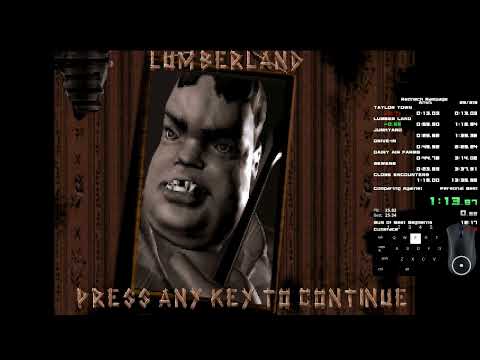
Redneck Rampage (Rednukem Any%): A 13:30 World Record & the Future of its Speedrun

Hey everyone, and welcome to GamingSpeedrun! If you're here, you're likely a fan of classic shooters and pushing games to their absolute limits. Today, we're diving deep into the chaotic world of Redneck Rampage, specifically focusing on a recent World Record (WR) achieved in the Any% category using the Rednukem source port. While this run might not be officially on the main leaderboards *yet*, it marks a significant step in potentially revitalizing the speedrun for this beloved, albeit janky, title.

The State of Redneck Rampage Speedrunning

For a long time, the Redneck Rampage speedrun scene has been relatively quiet. The original DOS version, while iconic, comes with its own set of quirks that can be frustrating for runners. Input lag, obscure save/load glitches, and limited graphical options can make runs inconsistent and, frankly, less enjoyable to execute. This stagnation led to the leaderboard being abandoned for over three and a half years. However, a dedicated runner (who achieved this WR) has stepped up, aiming to "resurrect" the speedrun using a modern source port.

Why Rednukem Changes the Game

The use of the Rednukem source port isn't just a minor tweak; it's a fundamental shift that makes the game more accessible and enjoyable for speedrunning. Here’s why:

  • Reduced Input Lag: This is massive. Smoother controls mean more precise movements and quicker reactions, crucial for any speedrun.
  • No Annoying Save/Load Glitches: The original game had infamous glitches related to saving and loading that could ruin a run. Rednukem cleans these up.
  • Better Resolution and FPS: Experience the game with improved visuals, making it easier to track enemies and navigate the environment.
  • Smoother Mouse Movement: Essential for aiming and looking around quickly.
  • Quick Save/Load: Instantaneous saving and loading allows for rapid retries of difficult sections.
  • Bindable Piss: Yes, you read that right. The ability to bind the… *unique* mechanic to a key reduces the need for awkward mouse wheel scrolling.

These improvements drastically reduce the frustration factor, allowing runners to focus on execution rather than fighting the game's engine. While the run is still inherently challenging, Rednukem makes it far more approachable than the DOS version.

In my experience, the reduced input lag alone is a game-changer for fast-paced shooters like Redneck Rampage. It makes the difference between feeling clunky and feeling in control.

Breaking Down the 13:30 Run

Achieving a time of 13 minutes and 30 seconds in Any% is no small feat. While the exact route and specific skips are still being refined, the core of any Any% run involves reaching the end credits as quickly as possible, often with minimal regard for optional objectives or collectibles.

The Rednukem port likely allows for more aggressive movement techniques and potentially faster enemy manipulation. The ability to quickly restart after a mistake means runners can practice specific segments more efficiently, leading to faster overall progression. This record signifies that the Rednukem version offers a viable and potentially superior platform for future speedrunning attempts.

The goal in Any% is always the same: book it to the end. With Rednukem, we can finally do that without fighting the legacy tech of the original build.

The Lingering Annoyances (and How to Beat Them)

Even with the advancements of Rednukem, Redneck Rampage isn't exactly a walk in the park. The game's AI can still be unpredictable, enemy placement can be brutal, and certain level designs can lead to dead ends or require precise maneuvering. The sheer amount of combat encounters means consistent aiming and crowd control are paramount.

Runners will need to master:

  • Enemy Prioritization: Knowing which enemies to take down first is key to survival and maintaining momentum.
  • Weapon Management: Efficiently switching between weapons to deal with different threats.
  • Navigation: Memorizing complex level layouts and finding the fastest paths.
  • Damage Boosting: Intentionally taking damage to utilize invincibility frames or pass through enemies faster.

The "annoying" nature of the game persists, but the tools provided by Rednukem make overcoming these obstacles significantly less painful. This allows for more consistent attempts and a better overall experience for both the runner and the viewer. This is a huge win for the speedrunning community looking to bring this classic back into the spotlight.

The Future: New Strats and Optimizations

With this WR as a catalyst, we can expect to see more runners embracing the Rednukem port. This could lead to the discovery of entirely new strategies, glitches (if any remain), and optimizations. Perhaps segments that were previously considered too risky or time-consuming will become viable.

The community might also explore different categories beyond Any%. Glitchless runs, 100% completion, or even challenge categories could emerge, further expanding the replayability and competitive scene for Redneck Rampage. The key is that the barrier to entry has been significantly lowered, inviting more players to participate and push the boundaries. This is the kind of innovation we love to see in the gaming world.

It's exciting to think about what new tricks and routes players will discover now that the game is more responsive and forgiving.

The potential for optimization is huge. Faster movement, better aiming, and quicker resets all contribute to shaving off precious seconds. This WR is just the beginning of what could be a new era for Redneck Rampage speedruns. We'll be keeping a close eye on the leaderboards and community developments. Maybe this will even spark renewed interest in other abandoned speedrun categories for similar titles.

Frequently Asked Questions

What is the Rednukem source port?

Rednukem is a modern, community-developed source port for the Build engine games, including Redneck Rampage. It offers significant improvements over the original DOS version, such as better resolution, reduced input lag, and enhanced stability.

Is this Redneck Rampage WR officially recognized?

Currently, the run is not officially on the main leaderboard for Redneck Rampage because the leaderboard administrators have yet to officially accept the Rednukem source port. However, the runner aims to see it recognized.

What does "Any%" mean in speedrunning?

In speedrunning, "Any%" means completing the game as fast as possible, regardless of how much of the game's content is experienced or completed. It often involves utilizing glitches and sequence breaks.

Why was the leaderboard abandoned for so long?

The leaderboard for Redneck Rampage had been inactive for about three and a half years, likely due to a lack of new runs or runners engaging with the original DOS version, which had inherent technical limitations for speedrunning.

What are the main benefits of using Rednukem for speedrunning?

The primary benefits include significantly reduced input lag, elimination of problematic save/load glitches, improved graphical settings (resolution, FPS), smoother mouse controls, and the ability to bind essential actions like 'piss' to keys, all contributing to a faster and less frustrating run.

This 13:30 World Record in Redneck Rampage (Rednukem Any%) is more than just a fast time; it's a beacon of hope for the game's speedrunning future. By embracing modern source ports, we can overcome the limitations of older games and rediscover the joy of pushing them to their absolute limits. What are your thoughts on using source ports for speedruns? Did you ever play Redneck Rampage back in the day? Let us know in the comments below! And if you're inspired to join the community, check out our Discord channel to connect with fellow runners and fans. Keep speedrunning!

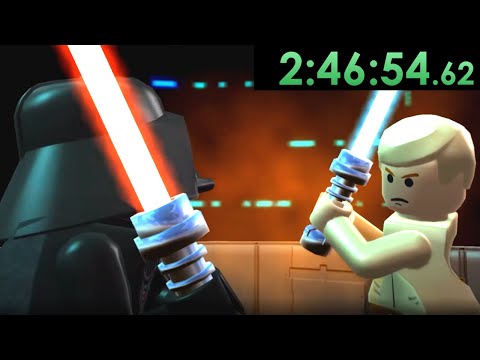
Lego Star Wars Speedruns: The Ultimate Guide to Exploiting Glitches and Breaking the Game

Hey speedrunners and Lego enthusiasts! If you've ever dabbled in the whimsical world of Lego Star Wars, you probably thought it was just a charming, kid-friendly romp through the galaxy. Well, buckle up, because we're about to dive deep into a truth that will shatter your perceptions: Lego Star Wars speedruns are hilariously, wonderfully broken. The sheer number of glitches, skips, and unintended mechanics available makes it one of the most chaotic and entertaining speedrunning categories out there. In my experience as a fellow runner, the joy of Lego Star Wars speedrunning isn't just about hitting the credits as fast as possible. It's about mastering the chaos, finding those minuscule frame-perfect tricks, and pushing the game to its absolute limits. This isn't your typical polished AAA experience; this is a game begging to be exploited, and runners have been doing exactly that to shave off precious seconds, or even minutes, from their times.

What Makes Lego Star Wars So Broken for Speedruns?

The "brokenness" of Lego Star Wars for speedrunning stems from several factors. Firstly, the game engine, while functional, wasn't designed with extreme optimization in mind. This leaves it susceptible to unexpected behaviors when players perform actions outside the intended flow. Secondly, the developers likely didn't anticipate the level of dedication and technical skill speedrunners would apply to uncover every possible exploit. The result is a treasure trove of glitches that allow runners to skip entire sections, bypass critical objectives, and manipulate game mechanics in ways that would make a Jedi Master blush. For anyone interested in a speedrun category that's less about perfect execution and more about embracing hilarious emergent gameplay, Lego Star Wars is an absolute must.

Major Glitches and Sequence Breaks

One of the most impactful types of glitches in Lego Star Wars speedruns are the sequence breaks. These are moments where players can bypass critical path elements, fundamentally altering the intended progression of the game. * **Out of Bounds (OOB) Glitches**: These are a staple in many speedrunning communities, and Lego Star Wars is no exception. Runners have found numerous ways to push their characters outside the playable map boundaries. This often allows them to traverse levels in unintended ways, skip puzzles, or reach end-of-level triggers much earlier than anticipated. * **Object Duplication/Manipulation**: Sometimes, players can duplicate key objects or manipulate them into positions where they shouldn't be. This can be used to solve puzzles instantly or create platforms to reach otherwise inaccessible areas. * **"Glitched" Character Abilities**: Certain character abilities, when triggered under specific conditions, can behave erratically. This might include infinitely long jumps, super speed bursts, or the ability to pass through normally solid objects.
The beauty of these broken mechanics is that they often require precise inputs and a deep understanding of the game's physics. It’s not just random; it’s skill-based exploitation.

Level-Specific Exploits and Strategies

Every level in Lego Star Wars presents unique opportunities for speedrunners to exploit its design. Some of the most notorious examples include: * **Episode I - The Phantom Menace**: In levels like "Escape from Theed Palace," runners can often find ways to clip through walls or skip combat encounters by triggering level transitions prematurely. The infamous Podrace section also has several known skips that bypass large portions of the race. * **Episode II - Attack of the Clones**: The Geonosis arena is a prime candidate for sequence breaks. Runners have found methods to skip waves of enemies or even bypass the arena fight entirely by manipulating triggers. * **Episode III - Revenge of the Sith**: The duel on Mustafar, for instance, can sometimes be shortened by specific character placements or by exploiting AI pathing issues. Levels involving starfighter combat also often have routes that bypass major objectives through clever use of boosters and damage boosts. Mastering these exploits requires meticulous practice. A single mistimed jump or an incorrect button press can mean losing valuable seconds or even resetting the run.

RNG Management in Lego Star Wars

While Lego Star Wars is full of glitches, it's not entirely free from the specter of Random Number Generation (RNG). In any speedrun, managing RNG is crucial. * **Enemy Spawns**: The types and locations of enemies that spawn can vary. Runners often develop strategies to deal with unfavorable spawns quickly or reset if the RNG is particularly detrimental. * **Item Drops**: In some Lego titles, collectibles or power-ups have randomized drop rates. While less critical for Any% runs, it can impact strategies in specific categories. * **Event Triggers**: Occasionally, the timing of certain in-game events or cutscenes can be influenced by hidden RNG. The best runners have a deep understanding of the RNG patterns and can adapt their strategies on the fly. They know when to push their luck and when to play it safe.
The sweet spot for any speedrunner is finding that perfect balance between executing known strats and adapting to the unpredictable nature of the game.

Essential Strats and Techniques

Beyond specific glitches, there are fundamental techniques that every Lego Star Wars speedrunner should have in their toolkit. * **Movement Optimization**: This includes mastering jumps, rolls, and strafing to maintain maximum speed. Even small optimizations in character movement can add up significantly over the course of a run. * **Combat Efficiency**: Knowing which enemies to engage and which to avoid is key. Runners prioritize dispatching enemies that block progress or pose a significant threat, often using the most efficient attacks available. * **Puzzle Solving Speed**: While glitches can skip puzzles, sometimes they are unavoidable. Runners practice solving these puzzles as quickly as possible, often knowing the solution before the game even presents the full puzzle. * **Character Switching**: In games with multiple playable characters, knowing when to switch and which character has the most advantageous abilities for a given situation is crucial.

The Speedrunning Community and Resources

The Lego Star Wars speedrunning community is a vibrant and dedicated group. Platforms like speedrun.com are essential hubs for leaderboards, rules, and discussions. Many top runners, like Purple Hair Guy, share their knowledge through YouTube channels and Twitch streams. Watching their runs and tutorials is an invaluable way to learn new tricks and strategies. In my own journey, channels like EazySpeezy's have been instrumental in understanding the meta.
Don't be afraid to join the Discord servers associated with these communities. The shared knowledge is immense, and fellow runners are usually happy to help newcomers.
If you're looking to get started, I highly recommend checking out world record runs to see the pinnacle of play. For example, the current world record is a masterclass in exploiting the game's mechanics.

Frequently Asked Questions

What is the fastest Lego Star Wars game to speedrun?

While it varies with discovered glitches, games like Lego Star Wars: The Complete Saga are often cited for their extensive glitch potential and relatively short overall game length when exploited.

Do I need special equipment for Lego Star Wars speedruns?

No! You can start with any platform you own the game on. Many runners begin with console versions before potentially moving to PC emulation for specific runs. The key is practice and dedication.

How do I find the latest glitches and strats?

Follow top runners on Twitch and YouTube, join the relevant Discord servers, and regularly check the resources section on speedrun.com for the specific Lego Star Wars title you're interested in.

Is Lego Star Wars speedrunning competitive?

Absolutely! While the community is generally friendly, there's a strong competitive spirit with runners constantly pushing for new world records and personal bests (PBs).

Start Your Own Broken Adventure!

Lego Star Wars speedrunning offers a unique and incredibly fun experience for anyone who loves digging into game mechanics. The sheer volume of exploitable glitches means there's always something new to discover or master. Whether you're aiming for a world record or just want to see how fast you can break the game for your own amusement, the path is laid out with hilarious exploits. So, grab your favorite Lego Jedi, fire up the game, and start exploring the wonderfully broken depths of Lego Star Wars. We can't wait to see what incredible runs you pull off! Share your own discoveries and personal bests in the comments below – let's build a galaxy of speedrunning knowledge together!

The Most Pointless Mario Odyssey Speedrun? A Deep Dive into CJYA's "Useless" Challenge

Hey fellow speedrunners and Mario fans! Ever watched a speedrun and thought, "What's the point?" Well, CJYA took that question and ran with it, or perhaps, hopped with it, in their Super Mario Odyssey run. This isn't your typical race to beat the game. This is something... different. Something that, dare I say, might actually be the *most* pointless speedrun out there. But is it really? Let's dive into what makes this particular challenge so intriguing, and why "pointless" might be the most accurate descriptor.

What Makes This Mario Odyssey Speedrun "Pointless"?

The title says it all, right? "Doing the most pointless Mario Odyssey Speedrun." In the world of speedrun challenges, where every second is shaved off and every glitch exploited, defining a run as "pointless" is a bold statement. Typically, speedruns aim for efficiency, mastery, and breaking world records (WR). CJYA's run, however, seems to embrace the antithesis of these goals. It's not about beating the game in record time; it's about doing *something* within the game that lacks conventional objective.
The very definition of 'pointless' in a speedrunning context is what makes this run so meta and fascinating. It challenges our preconceived notions of what a speedrun should be.
Super Mario Odyssey is a game rich with collectibles, intricate level design, and multiple pathways. A "normal" speedrun would focus on the most optimized route to the final boss, perhaps skipping optional moons. But what if the goal *is* the optional, the absurd, the time-consuming detour? That's where this run enters its unique niche. It’s a self-aware commentary on the dedication speedrunners pour into games, questioning the very essence of that pursuit.

CJYA's Strategy (Or Lack Thereof)

The beauty of this "pointless" run lies in its ambiguity. Is there a specific, convoluted objective CJYA is trying to achieve that *looks* pointless to the uninitiated? Or is the pointlessness the *actual* point? Without delving into the nitty-gritty strats CJYA might have employed (or deliberately avoided), we can infer that this run isn't about optimizing movement or sequence breaks.
It's more likely about exploring the *least* efficient, most time-consuming, or downright absurd ways to interact with the game's mechanics. Imagine a run focused on intentionally collecting every single coin in a level, or performing a specific, non-essential action thousands of times. The "strategy" here might be the subversion of typical speedrunning logic.
In my experience with speedrunning, sometimes the most memorable runs aren't the WRs, but the ones that make you scratch your head and smile. This seems to be one of them.
CJYA's decision to embrace the "pointless" label is, in itself, a strategic move. It generates curiosity and discussion, drawing viewers who might be tired of the same old PB chases.

The Timeline of Uselessness

Let's break down the structure CJYA provided for their video: * **First part: 0:00** - The initial segment, likely setting the stage or kicking off the "pointless" endeavor. * **Sponsor: 2:17** - Even pointless runs need sponsors, right? This highlights the streaming and content creation aspect. * **The rest of the video: 3:31** - The main body where the "pointless" objective is pursued. This structure is fairly standard for a gaming content creator, but the *content* within those timestamps is what defines its unique nature. It’s a self-aware presentation, acknowledging the sponsor break and clearly demarcating the core of the challenge.

Understanding the Gamer Mindset

Why do gamers gravitate towards speedruns, even seemingly "pointless" ones? It's a combination of factors: 1. **Mastery and Skill Expression**: Speedrunning pushes the boundaries of what's possible in a game. Even a "pointless" run requires immense knowledge of game mechanics. 2. **Community and Competition**: The speedrun community is vibrant. Sharing strats, competing for WRs, and cheering each other on is a huge part of the appeal. 3. **Entertainment Value**: Watching someone execute flawless sequences or pull off insane glitches is pure entertainment, whether it's for a record or a novelty run. 4. **Exploration and Discovery**: Speedrunners often find hidden mechanics, skips, and exploits that developers never intended, adding a new layer to familiar games. CJYA's run taps into the entertainment and exploration aspects. It’s a different kind of mastery – mastery over the absurd. It’s a meta-commentary that resonates with the discerning gamer who appreciates a bit of self-aware humor in their content.

Community Reactions and the Speedrunning Ethos

The speedrunning community thrives on innovation. While traditional categories dominate, there's always room for novelty runs, challenge categories, and humorous takes. CJYA's approach likely sparked conversation. Some might dismiss it, but others would appreciate the audacity and the underlying critique of extreme optimization.
Ultimately, speedrunning is about pushing boundaries. CJYA is pushing the boundary of what we *consider* a worthwhile speedrun.
This type of run often becomes a meme within the community, shared and referenced. It adds personality and depth to the broader gaming landscape. It’s a testament to how creative players can get with the tools provided by game developers, even when aiming for the "pointless."

Why We Still Watch

So, if it's the "most pointless" run, why would anyone watch it? * **Curiosity**: The title alone is a hook. You *have* to see what kind of run earns the "pointless" moniker. * **CJYA's Charisma**: Many speedrunners have engaging personalities. Watching CJYA navigate this challenge, whether with frustration or amusement, is entertaining. * **A Different Kind of Skill**: Executing any challenge in a game at a high level, even a self-imposed "pointless" one, requires dedication and skill. * **Appreciation for the Absurd**: Sometimes, we just enjoy seeing someone commit to a ridiculous idea. It's cathartic and funny. * **Behind the Scenes**: The sponsor integration and social media plugs offer a glimpse into the life of a content creator, which is part of the appeal for many viewers interested in streaming and online content. This isn't just about beating Super Mario Odyssey; it's about the *journey*, however unconventional. It’s a meta-narrative played out within the familiar world of Nintendo's beloved platformer.

Final Thoughts on Meaningless Marathons

CJYA's "most pointless Mario Odyssey Speedrun" is a brilliant piece of meta-commentary on the speedrunning hobby. It forces us to ask: what *is* the point? Is it always about the record? Or is it about the engagement, the community, the sheer dedication to a quirky challenge? While the run might appear "pointless" on the surface, its existence is full of purpose for those who appreciate the creativity, humor, and self-awareness it embodies. It’s a reminder that in the vast world of PC and console gaming, there's always room for a run that defies convention. CJYA's social channels – Twitch, Twitter, Discord, and Patreon – are where you can follow their exploits and support their unique brand of speedrunning. Don't forget to check out their NFT store if you're into that scene! ---

Preguntas Frecuentes

¿Qué hace que la speedrun de Mario Odyssey de CJYA sea "inútil"?
El propio título sugiere que la carrera no sigue los objetivos convencionales de una speedrun, como batir récords mundiales. Se trata de abrazar lo absurdo o lo menos eficiente dentro del juego.

¿Hay algún truco o exploit específico utilizado en esta carrera?
El contenido proporcionado no detalla trucos específicos. La "inutilidad" parece ser el objetivo en sí mismo, lo que implica que el corredor podría estar evitando estrategias optimizadas o centrándose en acciones no convencionales.

¿Por qué vería la gente una speedrun "inútil"?
La gente ve estas carreras por curiosidad, por el humor autoconsciente, para ver la habilidad del jugador ejecutando un desafío peculiar y por la personalidad del creador de contenido. Es una desviación de las carreras tradicionales.

¿Qué significa "WR" y "PB" en el contexto de las speedruns?
"WR" significa World Record, el tiempo más rápido registrado para completar un juego o una categoría específica. "PB" significa Personal Best, el mejor tiempo personal de un corredor individual en esa misma categoría.

¿Dónde puedo encontrar más contenido de CJYA?
Puedes seguir a CJYA en Twitch, Twitter y unirse a su canal de Discord. También tienen una página de Patreon para quienes deseen apoyar su trabajo.

What are your thoughts on this unique approach to speedrunning? Is the concept of a "pointless" run brilliant or just silly? Let us know in the comments below! Join our Discord server to discuss all things speedrunning and gaming!

BLINDFOLDED 120 Star Speedrun World Record in Super Mario 64 Achieved by Bubzia

Hello fellow speedrunners and Super Mario 64 enthusiasts! Today, we're diving deep into a monumental achievement that pushed the boundaries of what we thought was possible. We're talking about the world's first and, to this day, only blindfolded 120-star speedrun world record in Super Mario 64, accomplished by the incredible Bubzia. This isn't just a record; it's a testament to dedication, memory mastery, and sheer willpower. Let's break down this insane run and the journey behind it.

The Unbelievable Feat

Bubzia's blindfolded 120-star Super Mario 64 speedrun is more than just a speedrun; it's a feat of human memory and execution. Imagine navigating the intricate levels of Peach's Castle, collecting all 120 stars, without ever seeing the screen. This monumental task was completed in an astonishing 11 hours, 22 minutes, and 43 seconds on May 8th, 2022. This category requires absolute reliance on muscle memory, audio cues, and an unparalleled understanding of the game's mechanics. It's a true display of hardcore gaming at its finest.

The Grueling Journey to the Record

The path to this WR was far from easy. Bubzia began this ambitious project in March 2021, dedicating over a year and two months to practice. The total time invested amounted to approximately 700 hours. This wasn't a quick grind; it involved numerous failed attempts, moments of doubt, and immense perseverance. This dedication showcases the true spirit of a dedicated gamer pushing their limits in speedrunning.

"This run is done single-segment and without outside help, which means that I have no other information available then my own memory and the game audio. There were also no unblindfolded breaks taken during the entire run."

The commitment to a single-segment run, meaning no breaks or external aids, amplifies the difficulty exponentially. Every input, every movement, had to be perfect, relying solely on internal knowledge and the game's sound design. This is the kind of POG moment that defines the speedrunning community.

Breaking Down the Blindfolded Run

The sheer scope of a 120-star run in Super Mario 64 is daunting. Doing it blindfolded elevates it to another level entirely. Bubzia meticulously planned and executed the route, navigating through iconic worlds like Bob-Omb Battlefield, Hazy Maze Cave, and the treacherous Tick-Tock Clock, all while blind. The provided timestamps offer a glimpse into the immense length and complexity of the run, detailing the progression through each level and boss encounter.

This is where the true mastery of Super Mario 64 mechanics comes into play. Players rely on precise movements, wall kicks, ledge grabs, and enemy patterns, none of which can be visually confirmed during a blindfolded run.

Key Strategies and Challenges

Executing a blindfolded speedrun requires a deep understanding of several key areas:

  • Memory Palace: Creating a mental map of every level, star location, and enemy placement is paramount.
  • Audio Cues: Listening intently to the game's audio for sound effects indicating star collection, enemy proximity, or environmental hazards.
  • Muscle Memory: Developing flawless execution of jumps, movements, and interactions through thousands of hours of practice.
  • RNG Manipulation (Subtle): While less about glitches, understanding and adapting to the game's random elements (like enemy spawns) is crucial.

Bubzia noted personal remarks about the run, acknowledging two major mistakes in SSL (Shifting Sand Land) and SL (Snowman's Land). Despite these, the run was described as "incredibly good," with many of the hardest stars being completed on the first try or "decently fast." This highlights the high level of consistency required for such a demanding challenge.

"Most of the hardest stars in the run were first try or at least decently fast."

Bubzia's Personal Reflections

Beyond the technical execution, Bubzia expressed immense gratitude for completing the project. The journey was filled with hardships, but also significant learning experiences and invaluable support from the community. This sentiment underscores the passion and camaraderie often found within the speedrunning world. The achievement is not just personal but also a contribution to the Super Mario 64 speedrun history.

Bubzia is now looking towards new projects, hinting at future challenges that the community can follow. This forward-thinking approach is characteristic of top-tier speedrunners always seeking the next boundary to push.

Support the Speedrunner and Join the Community

If Bubzia's incredible feat has inspired you, consider supporting their future endeavors. Following them on social media platforms like YouTube, Twitch, and Twitter is a great way to stay updated on new records and challenges. For those who wish to provide more direct support, Patreon offers a way to contribute financially to the creation of more awesome content.

The speedrun community thrives on shared passion and support. Engaging with the runner and other fans on platforms like Discord or checking out their website can deepen your connection to the gaming world.

A special shoutout was also given to Bubzia's Patreons for their month-to-month support, demonstrating the power of community backing in the speedrunning scene.

Frequently Asked Questions

Q1: What is a "blindfolded speedrun"?
A1: A blindfolded speedrun is a challenge where the player attempts to complete a game or a specific category without looking at the screen, relying entirely on memory, audio cues, and muscle memory.

Q2: How long did Bubzia practice for this run?
A2: Bubzia dedicated approximately 700 hours of practice over 1 year and 2 months to achieve this world record.

Q3: What is the significance of a "single-segment" run?
A3: A single-segment run means the entire challenge is completed in one continuous playthrough, without saving, loading, or taking breaks, making it much more demanding.

Q4: Are there other blindfolded categories in Super Mario 64?
A4: While other categories exist, the 120-star blindfolded run is considered one of the most difficult and has been achieved by very few players, with Bubzia setting the current world record.

Q5: Where can I watch the full run?
A5: You can typically find full speedrun VODs (Video On Demand) on the runner's Twitch channel or uploaded to their YouTube channel. Check the links provided in the article to find Bubzia's content.

This record is a monumental achievement in the Super Mario 64 speedrunning community and a testament to what dedication and skill can accomplish. It’s runs like these that push the boundaries of what’s possible in gaming and inspire aspiring speedrunners worldwide. What do you think of this incredible feat? Let us know in the comments below or join the discussion on our Discord server!

The Epic Saga of Blindfolded Punch-Out Speedruns: A Deep Dive

Hey there, speedrunning fanatics and retro game enthusiasts! Welcome to GamingSpeedrun.com, your ultimate hub for all things fast-paced and pixel-perfect. Today, we're diving headfirst into one of the most audacious categories in the speedrunning community: Blindfolded Punch-Out!!. Forget just beating Mike Tyson; imagine doing it with your eyes shut. Sounds insane? It is. And that's why it's so captivating. This isn't just about reflexes; it's about memorization, audio cues, and an almost supernatural level of dedication. Let's break down the history, the insane strategies, and what makes these runs so legendary.

Introduction: The Ultimate Challenge

When you think of speedrunning, you often imagine lightning-fast button presses and pixel-perfect movements. But what happens when you remove the visual element entirely? That's where blindfolded speedruns come in, pushing the boundaries of human capability and game mastery. For a game as iconic and demanding as Punch-Out!! on the NES, attempting a blindfolded run is a feat that borders on the superhuman. We'll explore the journey of these incredible athletes, from the first tentative attempts to the mind-boggling world records.

What is Blindfolded Speedrunning?

Blindfolded speedrunning is exactly what it sounds like: completing a game or a specific segment of a game as fast as possible without looking at the screen. This discipline relies heavily on a deep understanding of the game's mechanics, audio cues, and muscle memory. It often involves extensive practice, mapping out every input and consequence, and developing an almost perfect internal rhythm. The reliance on sound becomes paramount, turning familiar game music and sound effects into a critical navigation system.

Punch-Out!!: The Perfect Candidate

Why is Punch-Out!! such a popular choice for blindfolded runs? Several factors make it ideal:

  • Distinct Audio Cues: Each boxer has unique taunts, hit sounds, and reaction noises. The referee's count, the bell, and even crowd noises provide crucial timing information.
  • Pattern-Based Gameplay: While unpredictable in some ways, the boxers' attack patterns, dodges, and telegraphs are learnable and memorizable.
  • Linear Progression: The game follows a clear path through a series of opponents, making a full-game run more manageable than a game with branching paths or random encounters.
  • High Stakes: The boss battles, especially against Mr. Dream (or Mike Tyson in the original Japanese version), represent the ultimate test of skill and memorization.

In my experience, mastering the audio cues for Little Mac's own attacks and dodges is just as vital as learning the opponents'. You need to feel the rhythm of the fight.

Early Days and Pioneers

The concept of blindfolded gaming, while niche, has been around for a while. However, its application to speedrunning, especially for a game like Punch-Out!!, gained traction as the speedrunning community matured. Early pioneers likely experimented with segments, focusing on individual boxers before attempting a full game. These initial runs were often less about world records and more about proving that it was even possible. The dedication required meant that only a select few were willing to invest the thousands of hours needed.

The first blindfolded attempts were probably met with skepticism. People couldn't fathom completing such a visually-dependent game without looking.

Discovering the specific audio cues that signaled an opponent's next move was the first major hurdle. It required painstaking analysis of every sound bite.

Key Strategies and Audio Cues

Blindfolded Punch-Out!! speedruns are built upon an intricate understanding of audio-visual timing, even if the visual part is internal. Here's a breakdown of crucial elements:

  • Opponent Animations (Internalized): Runners memorize the exact frames an opponent begins an animation. While they can't see it, they know that after a specific sound or a certain number of Little Mac's punches, a particular move is coming.
  • Sound Effects as Timers: The *thwack* of a successful punch, the grunt of an opponent being hit, the referee's count – these are all critical timers. For example, the sound of Glass Joe starting his jab is distinct and signals Little Mac needs to dodge immediately.
  • Rhythm and Timing: Speedrunners develop an almost musical sense of the game's flow. They internalize the rhythm of punches, dodges, and counters. It's like a complex dance choreographed entirely by sound.
  • Memorizing Patterns: Each boxer has a set sequence of attacks. The challenge is executing the correct counter (block, dodge, or punch) at the precise moment, even without visual confirmation.
  • The Tyson/Mr. Dream Hurdle: The final fight is the ultimate test. Tyson's aggressive patterns and devastating uppercuts require near-perfect execution of dodges and counter-punches. The audio cues for his Star Uppercut are particularly critical.

For instance, the specific *whoosh* sound followed by a grunt from Tyson means he's charging his signature move, and you need to execute a perfectly timed dodge to the side.

You're not just playing the game; you're listening to it. The soundtrack becomes your eyes.

Glitches and Skips (or lack thereof)

In many speedruns, glitches and sequence breaks are key to shaving off precious seconds. However, in blindfolded Punch-Out!!, the nature of the challenge often limits the use of complex visual-dependent glitches. Most successful blindfolded runs focus on perfect execution of intended mechanics rather than exploiting game-breaking bugs.

While some minor frame-perfect tricks might exist, the primary focus remains on flawless input and pattern recognition. The risk of failing a glitch attempt and losing significant time – or worse, failing the entire run – is far too high when you can't visually confirm the setup. Therefore, strategies often revolve around optimizing the standard gameplay path with maximum efficiency.

Evolution of the World Record

The World Record (WR) for blindfolded Punch-Out!! has seen significant evolution over the years. What once seemed impossible is now a benchmark that runners constantly strive to beat. This progression is a testament to the community's dedication and the refinement of strategies.

Early records might have been in the 30-40 minute range. As runners mastered the audio cues and input timings, these times began to drop. The current records are significantly faster, showcasing an incredible level of muscle memory and audio processing. Each improvement often comes from a runner identifying a slightly faster way to dodge, a more optimal sequence of punches, or a better understanding of a specific boxer's tells.

We've seen incredible feats that make you wonder if these players are truly human. The journey to the current PB (Personal Best) often involves thousands of hours of practice, and the pursuit of the next WR never truly ends.

The Psychology of the Run

Beyond the technical skill, the mental fortitude required for a blindfolded speedrun is immense. Here’s what makes it so psychologically taxing:

  • Intense Focus: A single lapse in concentration can lead to a missed dodge, a mistimed punch, and the end of the run.
  • Stress Management: As the run progresses and times get faster, the pressure mounts. Maintaining composure, especially during the later, harder fights, is crucial.
  • Dealing with Mistakes: Runners must have the mental resilience to immediately reset after a mistake and go again. There's no room for dwelling on errors.
  • Confidence and Trust: Ultimately, runners must trust their practice, their muscle memory, and their ability to interpret the game's audio feedback perfectly.
It's a battle against yourself as much as it is against the game. You have to believe in the inputs you're making, even when you can't see the result.

This mental game is what separates good blindfolded runners from the elite.

Community and Dedication

The speedrunning community, particularly for challenging categories like this, is incredibly supportive. Runners share strategies, discuss audio cues, and push each other to improve. Platforms like Twitch and YouTube are essential for showcasing these incredible feats and for runners to learn from one another. The dedication is palpable; seeing someone achieve a long-sought-after record is a triumph for the entire community.

The people who support these runs, from viewers to top supporters, play a vital role. Their encouragement fuels the relentless practice required. If you enjoy this kind of hardcore gaming, consider checking out the artists behind the music and the dedicated supporters who make content like this possible. It's a collective effort!

Frequently Asked Questions

What is the current World Record for Blindfolded Punch-Out!!?

As of my last update, the World Record for a full blindfolded run of Punch-Out!! is incredibly fast, often debated and updated on sites like speedrun.com. It requires near-perfect execution through all boxers, including the challenging final fight. Always check reputable speedrunning leaderboards for the absolute latest.

How do blindfolded runners practice?

Practice involves countless repetitions of individual segments, focusing intensely on audio cues and precise button inputs. Runners often use tools to slow down recordings or analyze specific frames (even without seeing them) to understand timing perfectly. Muscle memory is built through sheer repetition over thousands of hours.

Are there any major glitches used in blindfolded Punch-Out!! runs?

Generally, no. Due to the lack of visual feedback, complex glitches that require precise positioning or visual confirmation are impractical and too risky. Blindfolded runs typically focus on optimizing the game's intended mechanics through perfect timing and pattern memorization.

What's the hardest part of a blindfolded Punch-Out!! run?

Most runners agree that the final fight against Mr. Dream (or Mike Tyson) is the ultimate hurdle. His aggressive patterns, fast attacks, and devastating Star Uppercut require flawless execution of dodges and counter-punches based solely on audio cues.

And that wraps up our deep dive into the incredible world of blindfolded Punch-Out!! speedruns! It’s a testament to human dedication, auditory perception, and sheer willpower. These runs aren't just about beating a game; they're about conquering limitations and achieving the seemingly impossible. What are your thoughts on these insane runs? Let us know in the comments below, or join our Discord to discuss your favorite speedrunning categories and strategies!

```

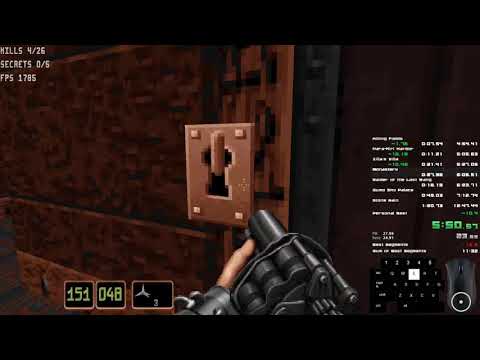
Shadow Warrior Any% No SSL Speedrun: Mastering the 12:21 World Record

Hello fellow runners and gaming enthusiasts! You've stumbled upon what is arguably the most intense and challenging speedrun of a classic FPS title: Shadow Warrior's Any% No SSL category. Hitting a mind-blowing **12:21** is no small feat, and today, we're dissecting how this incredible world record (WR) was achieved. This isn't just about finishing the game fast; it's about bending the game to its absolute limits, exploiting every trick, and mastering every movement. Get ready to dive deep into the strategies, the mind-bending glitches, and the sheer execution required to shave every possible second off the clock. If you're here to understand what makes a speedrun like this tick, or if you're inspired to improve your own runs, you're in the right place. We’re not just covering the surface; we’re going into the nitty-gritty.

What is Shadow Warrior Any% No SSL?

First, let's clarify the terms. "Any%" means completing the game by any means necessary, usually by reaching the final credits or boss. "No SSL" refers to "No Second Level Load," meaning the runner is aiming to complete the game without triggering a specific, often time-consuming, second level load trigger. This forces runners to find alternative paths or exploits to bypass content. In the context of Shadow Warrior, a classic 1997 PC FPS, this category demands an intimate knowledge of the game's engine, enemy AI, and level geometry. It's a testament to the enduring community that even after decades, players are still pushing the boundaries of this iconic title. This isn't just about beating the game; it's about finding the absolute fastest route, often through unintended means.

The Core Speedrunning Strategies

Achieving a time like 12:21 isn't about brute force; it's about strategic efficiency. The runner leverages several key principles: * **Aggressive Enemy Engagement**: Instead of avoiding enemies, WR strats often involve killing key enemies as quickly as possible. This might be to collect essential ammo, trigger a necessary event, or simply because they are blocking the optimal path. High-damage weapons are crucial here. * **Route Optimization**: Every single corridor, jump, and turn is analyzed. The fastest route isn't always the most obvious one. Runners identify sequences of actions that can be chained together with minimal downtime. * **Exploiting AI**: Enemy AI can be manipulated. For instance, enemies can sometimes be lured into traps or positioned in a way that allows the runner to bypass them entirely. * **Resource Management**: While speed is key, managing critical resources like health, armor, and especially ammo for key weapons (like the Railgun or Missile Launcher) is vital. Running out of a critical ammo type can mean a run-ending situation.

Key Skips and Glitches

This is where the true magic of speedrunning often lies. The Any% No SSL category in Shadow Warrior is ripe with opportunities for advanced techniques: * **Wall Clipping/Zips**: The most sought-after glitches. These allow the player to pass through walls or specific parts of the environment, bypassing entire sections of a level. Mastering the precise angle and velocity to initiate a wall clip is paramount. This often involves specific weapon fire or movement combinations. * **Out of Bounds (OOB)**: Similar to wall clipping, but often involves navigating the character into areas not intended for normal play. This can be used to skip triggers or reach objectives faster. * **Sequence Breaks**: By performing actions out of the intended order, runners can trigger events prematurely or bypass necessary steps. This requires deep understanding of the game's scripting. * **Jump Glitches**: Certain jumps, when combined with specific movement or weapon use, can achieve significantly greater height or distance than normal. This is essential for sequence breaks and reaching higher areas.
The 12:21 WR hinges on a few critical out-of-bounds maneuvers early in the game that shave off significant time. Missing these can cost you the entire run before you're even halfway through.

Mastering the Movement Tech

Beyond specific glitches, fundamental movement is king. Shadow Warrior has a unique feel, and mastering its movement mechanics is essential for any serious runner: * **Strafe Jumping**: Combining forward movement with strafing (A/D keys) and jumping creates a speed boost. Mastering the timing and angle is crucial for maintaining maximum velocity across open areas. * **Bunny Hopping (BHOP)**: While not as pronounced as in some other games, consistent jumping can maintain momentum. The key is to minimize air control while maximizing ground contact for acceleration. * **Rocket/Grenade Jumping**: Using the explosive force of rockets or grenades to propel yourself higher or further. This is a high-risk, high-reward technique that requires precise placement and timing. It's less common in ultra-fast runs if other methods are available, but can be a lifesaver for specific skips. * **Weapon Switching Speed**: Rapidly switching between weapons can sometimes feel faster than firing one and waiting for the animation. This is often used to cancel certain actions or to prepare for the next move instantly.

RNG Manipulation in Practice

Random Number Generator (RNG) plays a role in many games, and Shadow Warrior is no exception. While the "No SSL" category aims to minimize reliance on RNG, certain aspects can still be influenced: * **Enemy Spawns**: The exact placement and behavior of some enemies can be influenced by player position and timing. Runners learn specific approaches to force more favorable spawns. * **Item Drops**: Though less critical in Any%, the chance of certain power-ups or ammo drops can be subtly influenced. For WR runs, runners aim for the most efficient path, which often includes the most likely spawn locations for essential items. * **Hit Registration**: While primarily dependent on player aim, there can be subtle RNG elements in projectile behavior or hit registration accuracy. Consistent aim and weapon choice minimize this factor.
The greatest challenge isn't learning the strats, but executing them flawlessly under pressure, especially when a single missed jump or poorly timed clip can reset your entire effort.

Level-by-Level Breakdown (Highlights)

While a full level-by-level guide would be an article in itself, here are some common areas where the WR hinges: * **Early Game (Levels 1-3)**: This is where the most aggressive routing and potential sequence breaks occur. Mastering the initial wall clips and enemy management sets the pace. Missing optimal paths here is incredibly costly. * **Mid-Game (Levels 4-7)**: More complex level designs introduce new challenges. Runners must navigate environmental hazards and tougher enemy encounters while maintaining momentum. Key skips often involve navigating complex geometry or using verticality to bypass large sections. * **Late Game (Levels 8-10)**: The final push. These levels often feature unique mechanics or boss encounters. The strategies here focus on efficient traversal and quick dispatch of final threats, ensuring no time is lost leading up to the end. For "No SSL," specific triggers must be avoided, often requiring precise navigation around normally mandatory areas.

Practicing for a World Record

What does it take to achieve a WR like 12:21 in Shadow Warrior? 1. **Deep Game Knowledge**: You need to know every nook, cranny, and trigger location. Understand how the engine works. 2. **Mastery of Mechanics**: Perfect strafe jumping, precise clipping, and efficient weapon usage become second nature. 3. **Segmented Practice**: Runners typically break the game down into segments (individual levels or difficult sections) and practice them repeatedly until near-perfection is achieved. 4. **Full Run Attempts**: Once segments are solid, runners string them together for full run attempts, practicing endurance and mental fortitude. 5. **Analysis and Refinement**: Watching top runs, comparing personal bests, and constantly looking for tiny optimizations is key. This iterative process is the heart of speedrunning. 6. **Patience and Persistence**: WRs are rarely achieved overnight. It takes hundreds, if not thousands, of hours of dedicated practice.
The community around Shadow Warrior speedruns is incredibly dedicated. Watching the evolution of strats on platforms like speedrun.com is a masterclass in optimization.

Frequently Asked Questions

Is Shadow Warrior considered a difficult game to speedrun?

Yes, Shadow Warrior presents a significant challenge due to its age, its engine quirks, and the precision required for advanced glitches and movement. The Any% No SSL category, in particular, demands exceptional execution.

What is the difference between Any% and 100% speedruns in Shadow Warrior?

Any% focuses solely on reaching the end credits as fast as possible, using any means. 100% requires collecting all secrets, items, or completing all objectives within a level before finishing, making it a much slower category.

Are there any major community resources for Shadow Warrior speedrunning?

Absolutely. The primary resource is Speedrun.com's Shadow Warrior page, where you can find leaderboards, guides, rules, and connect with other runners. Many runners also share their strategies on YouTube and Twitch.

How much has the Any% No SSL record changed over time?

The record has seen significant improvements since the game's release. Early runs were much slower, but as glitches were discovered and movement techniques refined, the time has been consistently lowered, culminating in records like the 12:21 we're discussing.

Can I use mods to speedrun Shadow Warrior?

For official leaderboards and WRs, mods are typically disallowed unless specified by the category rules. Categories like "Any% No SSL" refer to the vanilla game experience. In conclusion, the 12:21 World Record for Shadow Warrior Any% No SSL is a pinnacle of skill, dedication, and deep game exploitation. It's a testament to what's possible when a community pushes the boundaries of a beloved classic. Whether you're a seasoned speedrunner or just a curious gamer, this run exemplifies the incredible depth and challenge that modern speedrunning has to offer. What are your thoughts on this incredible run? Did you know about these kinds of glitches in Shadow Warrior? Let us know in the comments below! Join our Discord channel to discuss more advanced strats and connect with fellow runners.