BITS: Desmitificando el Fraude en los Crypto Juegos y el Play to Earn

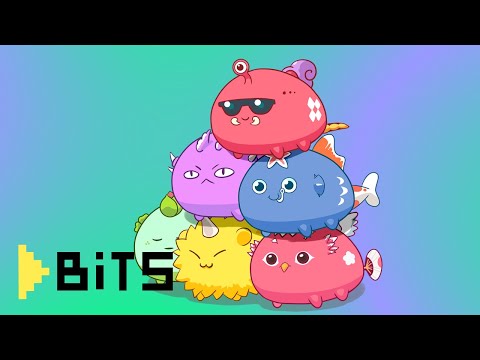
Ilustración abstracta representando criptomonedas y videojuegos, con un signo de interrogación o advertencia.

¡Atención, gamers! Si has estado navegando por el universo de los videojuegos, seguramente te has topado con la fiebre del "Play to Earn" (P2E) y los crypto juegos. Prometen recompensas jugosas, la posibilidad de monetizar tu tiempo y, en definitiva, un nuevo paradigma en el mundo del gaming. Pero, ¿es todo oro lo que reluce? En este artículo de BITS, vamos a desmenuzar la realidad detrás de estas promesas, examinando los riesgos, la especulación y, sí, el potencial fraude que rodea a muchos de estos proyectos. No te dejes engañar por el brillo de las criptomonedas; tu tiempo y dinero merecen más.

Los Peligros Ocultos del Play to Earn

La idea de ganar dinero real mientras juegas suena fantástica, ¿verdad? Sin embargo, la realidad del ecosistema P2E está plagada de desafíos. Muchos de estos juegos se centran más en la mecánica económica y la especulación de sus tokens que en ofrecer una experiencia de gaming divertida y atractiva. El resultado es un ciclo insostenible donde el valor de los activos digitales depende casi exclusivamente de la entrada constante de nuevos jugadores.
En mi experiencia como speedrunner y seguidor de la industria, he visto cómo muchos proyectos prometen retornos exorbitantes que nunca se materializan. El concepto central del "juego" a menudo se diluye, convirtiéndose en una tarea tediosa para mantener un flujo de ingresos que, en muchos casos, es efímero. Piénsalo bien: si el juego no es entretenido por sí mismo, ¿por qué seguirías jugando cuando los precios de los tokens caen?

La línea entre un juego y un esquema de inversión especulativo se vuelve peligrosamente difusa en el mundo del Play to Earn.

Especulación Desenfrenada: El Factor de Riesgo

El componente cripto es, sin duda, el talón de Aquiles de muchos de estos proyectos. Los tokens asociados a los juegos P2E son inherentemente volátiles. Su valor fluctúa drásticamente en función de la demanda del mercado, las noticias y, a menudo, la manipulación. Esto significa que incluso si logras "ganar" algo jugando, el valor de tus ganancias puede evaporarse en cuestión de horas o días.

La mayoría de estos juegos no son creados por desarrolladores de videojuegos experimentados, sino por equipos con un fuerte enfoque en la tecnología blockchain y la economía de tokens. Esto se traduce en experiencias de juego a menudo mediocres, con gráficos pobres, jugabilidad repetitiva y una falta general de pulido. El verdadero "jugo" para muchos es la especulación con los NFTs y los tokens del juego, no la diversión intrínseca de la experiencia.

Señales de Alerta: Cómo Detectar un Crypto Juego Fraudulento

Identificar un proyecto P2E potencialmente fraudulento requiere una dosis saludable de escepticismo y una investigación diligente. Aquí te dejo algunas banderas rojas que deberías tener en cuenta:

  • Promesas de Retornos Garantizados o Exorbitantes: Ninguna inversión en cripto o gaming es segura. Si te prometen ganancias fijas o increíblemente altas, es casi seguro una estafa.
  • Falta de Transparencia: Equipos anónimos, poca información sobre la tecnología o la hoja de ruta del proyecto son señales de alerta. Un equipo legítimo no tiene nada que ocultar.
  • Enfoque Excesivo en la Economía, Poco en el Juego: Si la mayor parte de la información y el marketing giran en torno a la compra y venta de tokens y NFTs, y la jugabilidad es secundaria o inexistente, desconfía.
  • Alta Barrera de Entrada: Juegos que requieren una inversión inicial significativa (miles de dólares en NFTs o tokens) para empezar a jugar y tener alguna posibilidad de retorno suelen ser esquemas Ponzi o piramidales.
  • Presión para Reclutar Nuevos Jugadores: Si el modelo de negocio depende en gran medida de que traigas a más gente, similar a un esquema piramidal, estás ante un modelo insostenible y fraudulento.
  • Actividad Communitaria Sospechosa: Bots en Discord, moderadores que borran preguntas incómodas o un ambiente de "hype" constante sin discusión crítica son malos indicios.

Alternativas al P2E: ¿Dónde está el Verdadero Valor?

Si bien el P2E ha demostrado ser un campo minado, no todo está perdido en la intersección entre gaming y blockchain. Existen proyectos más serios que buscan integrar la tecnología de forma innovadora sin caer en la especulación desmedida. Estos suelen centrarse en:

  • Verdadera Propiedad de Activos Digitales: NFTs que representan objetos coleccionables únicos, arte digital, o incluso acceso a experiencias exclusivas, con utilidad real dentro y fuera del juego.
  • Gobernanza Descentralizada: Permitir a los jugadores tener voz y voto en el desarrollo futuro del juego a través de tokens de gobernanza.
  • Juegos con Modelos Híbridos: Juegos que ofrecen la opción de participar en economías basadas en cripto, pero que siguen siendo experiencias de RPG o de otro género completamente entretenidas y completas por sí mismas.

Personalmente, sigo de cerca a algunos desarrolladores que están experimentando con NFTs para crear coleccionables con valor histórico o artístico, o para desbloquear contenido especial en juegos tradicionales. Estos enfoques parecen mucho más sostenibles y centrados en el jugador.

El verdadero potencial del blockchain en los videojuegos reside en la innovación, no en la especulación financiera disfrazada de juego.

El Impacto Real en la Industria del Gaming Tradicional

La explosión de los crypto juegos ha generado mucha controversia en la industria del MMORPG y los juegos AAA. Muchos desarrolladores y jugadores tradicionales ven el P2E como una moda pasajera que daña la reputación del PC gamer y la cultura del juego. La preocupación principal es que la mentalidad de "ganar dinero" desvíe el enfoque de la creación de experiencias divertidas y memorables hacia la extracción de valor financiero.

Es crucial diferenciar entre el P2E especulativo y las verdaderas innovaciones que la tecnología blockchain puede aportar al sector. Mientras que algunos proyectos P2E han demostrado ser fraudulentos, la tecnología subyacente tiene el potencial de transformar la forma en que interactuamos con los activos digitales en los videojuegos, ofreciendo a los jugadores una propiedad y un control sin precedentes. Sin embargo, la madurez de esta tecnología y su implementación ética aún están en sus primeras etapas.

En el mundo del speedrun, por ejemplo, la eficiencia y la maestría son clave. El RNG (Random Number Generator) puede ser un factor, pero el objetivo es siempre optimizar las strats para lograr el mejor tiempo posible, el WR absoluto. Los crypto juegos, al centrarse en la economía, a menudo introducen variables que escapan al control directo del jugador experto, diluyendo la esencia de la habilidad pura.

Preguntas Frecuentes

¿Son todos los crypto juegos una estafa?

No todos los crypto juegos son necesariamente estafas, pero muchos proyectos carecen de una base sólida, se centran en la especulación y presentan un alto riesgo de pérdida de dinero. Es fundamental investigar a fondo cada proyecto.

¿Qué significa "Play to Earn" (P2E)?

Play to Earn se refiere a videojuegos que permiten a los jugadores ganar criptomonedas o NFTs (tokens no fungibles) que pueden ser vendidos por dinero real, basándose en su tiempo y esfuerzo invertido en el juego.

¿Es seguro invertir dinero en crypto juegos?

Invertir dinero en crypto juegos es extremadamente arriesgado. El valor de los activos digitales puede ser muy volátil y muchos proyectos fracasan o resultan ser fraudes, lo que lleva a la pérdida total de la inversión.

¿Qué son los NFTs en los videojuegos?

Los NFTs (tokens no fungibles) son activos digitales únicos que representan la propiedad de ítems dentro del juego, como personajes, armas o terrenos virtuales. En los crypto juegos, estos NFTs a menudo se pueden comprar, vender o intercambiar.

¿Cómo puedo disfrutar de los videojuegos sin el riesgo del P2E?

Puedes disfrutar de miles de videojuegos tradicionales en plataformas como PC, Xbox o Playstation que se centran en la diversión y la narrativa, sin la presión financiera ni el riesgo asociado a las criptomonedas.

En conclusión, mientras que la idea de monetizar tu pasión por los videojuegos es tentadora, el panorama actual del Play to Earn está dominado por el riesgo, la especulación y, lamentablemente, el fraude. Como comunidad gamer, debemos ser críticos, informarnos y priorizar las experiencias de juego que nos brindan alegría y desafío, no solo la promesa de ganancias efímeras. Si has tenido alguna experiencia, buena o mala, con crypto juegos, ¡comparte tu historia en los comentarios! Queremos escuchar tu voz y construir una comunidad más informada.


Actually Trying Your Terrible Stream Ideas - A Speedrunner's Perspective

Hey speedrunners and gaming enthusiasts! Welcome back to GamingSpeedrun.com. Ever watched a streamer take on viewer suggestions and thought, "Wow, that's a terrible idea"? We've all been there. But what happens when the creators actually *try* those wild, seemingly terrible stream ideas? That's the premise of the video we're diving into today, and as a dedicated speedrunner, I'm fascinated by how creative chaos can sometimes lead to unexpected brilliance. This isn't just about entertainment; it's about pushing boundaries and seeing what's possible.

In the world of speedrunning, every decision matters. We meticulously plan routes, practice glitches, and optimize every single second. But what about the stream ideas that seem designed to *disrupt* that precision? This post, inspired by the video "Actually Trying Your Terrible Stream Ideas," explores that fascinating intersection. Let's break down why these ideas might seem terrible, how they can be executed, and what we can learn from them, even in the high-stakes world of competitive gaming and world record attempts.

What Are Stream Ideas, Anyway?

When we talk about "stream ideas," we're referring to viewer-submitted concepts, challenges, or gimmicks designed to make a live stream more engaging, entertaining, or simply *different*. These can range from simple requests like "play a game with only one hand" to elaborate scenarios like "beat Elden Ring using only dance pads." The core intention is usually to create unique content that resonates with the audience and breaks the mold of typical gameplay.

For a streamer, especially one aiming for viral content or building a community, these ideas are a direct line to audience interaction. It fosters a sense of co-creation and makes viewers feel invested in the stream's direction. However, from a purist's perspective, particularly a speedrunner's, some of these suggestions can sound like pure sabotage.

The Speedrunner Challenge: Embracing the Chaos

As a speedrunner, my brain is wired for optimization and efficiency. Glitches are tools, skips are salvation, and every millisecond counts. So, when I hear about a streamer *intentionally* trying "terrible" ideas, my first thought is: how can this possibly lead to a good outcome, let alone a fast time?

The challenge lies in the unpredictability. In speedrunning, we strive to control as many variables as possible. We master the RNG (Random Number Generator) to our advantage, develop precise inputs, and understand game mechanics inside and out. A "terrible" stream idea often introduces massive, uncontrollable variables. Think about trying a speedrun of RPG like Final Fantasy while having to perform a specific emote every time a certain enemy appears. It's designed to slow you down, break your concentration, and potentially lead to mistakes.

The allure of a terrible idea is its potential for unprecedented failure or, conversely, unexpected triumph. For a speedrunner, this dichotomy is both terrifying and exhilarating.

However, this is where the true skill of a content creator, and sometimes even a speedrunner, shines. It's not just about executing the run; it's about making the *process* entertaining. Embracing a seemingly bad idea can lead to hilarious moments, impressive feats of adaptation, and content that stands out from the usual WR chase.

Analyzing the 'Terrible': Why Some Ideas Fail and Others... Don't

What constitutes a "terrible" idea? Often, it's something that:

  • Significantly increases the time required for a task.
  • Relies heavily on chance or uncontrollable factors.
  • Requires a skill set outside the streamer's primary expertise.
  • Is inherently silly or nonsensical.

In the context of a stream, an idea might be "terrible" if it:

  • Forces the streamer to deviate wildly from optimal play.
  • Requires complex physical actions that are difficult to perform consistently.
  • Introduces social or interactive elements that can derail focus.

The fascinating part is seeing how these ideas are either embraced and overcome, or how they genuinely lead to failure. The video likely showcases moments where a "terrible" idea, through sheer willpower or unexpected luck, becomes a highlight. For instance, a challenge that seems impossible might be overcome with a clever, albeit unconventional, strategy.

Worst Ideas That Actually Worked (and How)

We've all seen those clips. A streamer is tasked with something absurd – maybe beating a difficult boss using a makeshift controller or completing a platformer segment while blindfolded. The expectation is failure. Yet, somehow, they pull it off. How?

  • Extreme Skill & Practice: Sometimes, the streamer is just *that good*. Their baseline skill level is so high that they can absorb the penalty of the challenge and still perform. Think of a top-tier PC gamer trying a retro console challenge – they might struggle initially, but their fundamental understanding of games helps them adapt.
  • Creative Problem-Solving: The "terrible" idea isn't always insurmountable. The streamer might find a loophole, an exploit, or a completely novel way to approach the challenge that the viewers (or even the idea's suggester) didn't anticipate. This is pure ingenuity at play.
  • Audience Collaboration: In some cases, the community rallies. Viewers might offer advice, encouragement, or even participate in ways that help the streamer overcome the obstacle. This is especially true in MMORPG or cooperative game scenarios.
  • Embracing Failure as Content: Sometimes, the idea *is* genuinely terrible, and the streamer fails spectacularly. But the resulting chaos, frustration, and humor become the *actual* content. The failure itself is the success. This often happens in streaming challenges where the entertainment value trumps the win.

RPG Speedruns and Bad Ideas: A Dangerous Combo?

When you start talking about applying "terrible" stream ideas to RPGs, especially for speedruns, things get exponentially more complex. RPGs are typically long, multi-stage games with intricate systems. Adding arbitrary challenges can:

  • Drastically Increase Run Time: An idea that adds 30 minutes to a 2-hour RPG speedrun is a huge blow.
  • Break Progression: Some challenges might make it impossible to acquire necessary items or level up, effectively halting the run.
  • Introduce Unmanageable RNG: Imagine a run where you need specific rare drops from enemies – a challenge that forces you to fight *more* of them, or fight them under specific conditions, is a recipe for disaster.

However, for a standard playthrough or a "challenge run" (which isn't strictly a speedrun but often involves similar optimization), these ideas can breathe new life into familiar games. Trying a PlayStation classic with a handicap can be a genuinely fresh experience. The key is understanding the difference between a speedrun where every second is accounted for and a challenge run where the objective is often the execution of the challenge itself.

Strategy for Bad Ideas: Turning Gimmicks into Wins

So, how does one approach a "terrible" idea in a way that doesn't just result in a failed run or a boring stream?

1. Analyze the Core Disruption: What exactly makes the idea "terrible"? Is it the time loss, the input complexity, or the reliance on luck? Understanding this is the first step to mitigating it.

2. Adapt, Don't Just Endure: Instead of just suffering through the challenge, think about how you can turn it into an advantage or at least neutralize its negative impact. Can the challenge be integrated into a more efficient strategy elsewhere? Can you practice the specific skill needed for the challenge extensively?

3. Leverage the Entertainment Factor: If the idea is truly disruptive, lean into it. Make the struggle, the frustration, and the unexpected outcomes the focus. This transforms a failed speedrun attempt into successful entertainment news. Your personal best might not improve, but the stream's entertainment value certainly can.

4. Know When to Cut Your Losses: Not every terrible idea is salvageable. Sometimes, the best strategy is to acknowledge the challenge is too detrimental to the primary goal (like a speedrunning goal) and respectfully decline or modify it. Clear communication with the audience is key here.

The line between a genuinely 'terrible' idea and a stroke of genius is often just good execution and the right attitude.

The RNG Factor

RNG is the bane and blessing of every gamer's existence, especially speedrunners. A "terrible" stream idea that relies on RNG is a gamble. You might get incredibly lucky and breeze through it, or you might spend hours stuck on a single segment, praying for a specific outcome.

For example, a challenge requiring a rare item drop in an online game could be brutal. If the streamer is trying to set a record, they'd typically avoid such unpredictable elements. However, if the goal is purely entertainment, the *process* of chasing that rare item, the tension, the reactions – that becomes the compelling content. It's a different kind of gaming experience.

How to Implement Your Own 'Terrible' Stream Ideas

If you're a streamer looking to spice things up, here’s how you can approach viewer-submitted ideas:

  • Curate Ruthlessly: Not all suggestions are good. Filter out genuinely impossible or offensive ideas.
  • Set Clear Parameters: Define what success and failure look like for the challenge. How long will you attempt it? What are the win/loss conditions?
  • Communicate Expectations: Be upfront with your audience about the difficulty and potential for failure. Manage their expectations – and your own!
  • Have a Backup Plan: If the terrible idea completely derails your stream, have a plan B. Maybe you revert to normal gameplay or switch to a different, more predictable segment.
  • Focus on Reaction and Personality: If the challenge itself isn't exciting, your reactions, commentary, and personality can carry the segment.

Behind the Scenes: The Editing and Production

The video mentions editing by "@shakedrizzle" and provides links to social media and other platforms. This highlights a crucial aspect often overlooked in gaming content: production value.

A well-edited video can take a chaotic stream segment and turn it into a tightly paced, humorous, or dramatic piece of content. Good editing can:

  • Cut out boring downtime (like waiting for RNG).
  • Emphasize key moments of failure or success.
  • Add comedic timing with sound effects or visual gags.
  • Help viewers who missed the live stream understand the context and enjoy the highlights.

This collaborative effort between the streamer and editor is vital for creating compelling content, especially when dealing with the unpredictable nature of "terrible" stream ideas. It elevates the experience from a simple live broadcast to a polished piece of entertainment.

Frequently Asked Questions

Q1: Can "terrible" stream ideas actually help a speedrun?

Generally, no. Speedruns are about optimization. "Terrible" ideas are usually disruptive. However, they can lead to valuable insights if they reveal an unexpected glitch or shortcut, or if the challenge itself is practiced to the point of becoming efficient.

Q2: How do streamers deal with viewer suggestions that are impossible?

Most streamers will either politely decline, modify the suggestion to be feasible, or explain *why* it's impossible while perhaps offering a similar, achievable challenge.

Q3: What's the difference between a challenge run and a speedrun?

A speedrun aims to complete the game as fast as possible using standard or optimized methods. A challenge run adds specific handicaps or self-imposed rules (like a "terrible" idea) where the *execution of the challenge* is often the primary goal, not necessarily the fastest time.

Q4: How important is RNG in speedrunning?

RNG is a significant factor. Speedrunners develop strategies to manipulate or account for RNG, but uncontrollable random elements can still make or break a run.

Ultimately, exploring "terrible" stream ideas is a testament to the creativity and adaptability of streamers and their communities. While it might seem counterintuitive to intentionally introduce chaos, it often leads to the most memorable and engaging content. For us speedrunners, it’s a fascinating case study in how different goals (entertainment vs. pure speed) shape the gaming experience. What’s the wildest stream idea you’ve ever seen, or even suggested? Let us know in the comments below!

Join the conversation! Share your thoughts, your own stream ideas, or your favorite speedrunning challenges in the comments. Don't forget to check out our Discord for more discussions on the cutting edge of gaming and speedruns!

The Legend of Zelda: The Wind Waker Any% Speedrun: A History of World Records

Hey speedrunning enthusiasts and Zelda fans! Ever wondered about the absolute fastest way to conquer the Great Sea? Today, we're diving deep into the incredible history of *The Legend of Zelda: The Wind Waker* Any% speedrun. This isn't just a game; it's a phenomenon that has captivated the speedrunning community for years, pushing the boundaries of what's possible. From its initial release, players have been obsessed with shaving off every possible second, developing mind-bending strategies and exploiting intricate glitches. Join us as we chart the epic journey of the Any% World Record, a testament to human ingenuity and dedication in the face of digital challenges.

The Legend of Zelda: The Wind Waker Any% Speedrun: An Introduction

*The Wind Waker* is more than just a beloved entry in the Zelda canon; it's a cornerstone of modern speedrunning. Its vibrant cel-shaded world, expansive ocean, and unique gameplay mechanics provide a fertile ground for optimization. The Any% category, aiming to complete the game as quickly as possible without any specific in-game requirements beyond the ending, has seen some of the most dramatic time saves in gaming history. This category is all about pure efficiency, finding the fastest route, and executing it flawlessly. In my experience, the sheer joy of watching a perfect run, where every action is deliberate and every trick lands, is unparalleled. It’s a true spectacle of speedrunning mastery.

Early Attempts and Foundational Strats

When *The Wind Waker* first hit the scene, the initial runs were naturally focused on completing the main quest with as little deviation as possible. Early speedrunners explored basic movement optimizations and identified the most straightforward path through dungeons. However, the vastness of the Great Sea presented a significant challenge. Fast travel wasn't as refined, and sailing took considerable time. The community quickly realized that circumventing large portions of the game world would be key to achieving truly competitive times. Many of these early discoveries laid the groundwork for the more complex strategies we see today. It was all about understanding the core mechanics and finding the most direct way to the end credits.
The early days were about brute force and understanding the game's core. Every little trick, like optimal sword slashes or bomb throws, mattered immensely.

The Era of Major Skips

The real revolution in *The Wind Waker* speedrunning came with the discovery and implementation of major skips. These are techniques that allow players to bypass entire sections of the game, saving minutes, or even hours. One of the most significant breakthroughs was the development of **Out of Bounds (OOB)** glitches. These allow Link to escape the intended playable areas of the game, often enabling him to traverse the overworld much faster than by normal means.
Another critical development was the optimization of the **"Sailing Glitch,"** a method to significantly increase Link's movement speed while sailing. This single technique revolutionized the route, making the vast ocean feel much smaller. Without these game-breaking discoveries, the world records would be substantially slower. It’s fascinating to see how the community’s collective knowledge constantly pushes the envelope, finding new ways to break the game in its favor.

Glitches and Route Optimization

The Any% category in *The Wind Waker* is heavily reliant on exploiting glitches. The **"RNG manipulation"** for Triforce pieces, crucial for the endgame, has been meticulously studied and optimized. Players have developed precise inputs and timings to force favorable outcomes, minimizing wasted attempts. Furthermore, the route itself is a complex puzzle. Runners have to balance the time saved by performing difficult glitches against the risk of failure. A single mistake can cost precious seconds or even end the run. This constant push-and-pull between risk and reward is what makes watching a top-tier run so tense and exciting. The development of new strats often involves hours of practice and experimentation, sometimes leading to entirely new ways to approach the game.
The current world record route is a masterpiece of optimization, integrating dozens of tiny tricks and major skips seamlessly.

Key Strats and Techniques

To truly appreciate the history of the *Wind Waker* Any% WR, you need to understand some of the core techniques: * **Bell Skip**: A trick that allows players to bypass the need to ring bells in certain dungeons, saving a significant amount of time. * **Damage Boosts**: Using enemy attacks or environmental hazards to propel Link forward at high speeds. * **Inventory Drops**: A technique where players manipulate item usage to gain speed or bypass obstacles. * **Wall Jumps/Climbs**: Precise maneuvers to scale surfaces faster than intended. * **RNG Manipulation**: As mentioned, crucial for tailoring random drops, especially Triforce shards. * **Combat Skips**: Finding ways to avoid necessary enemy encounters or defeat them in the fastest possible manner. Each of these techniques requires immense practice and muscle memory. Mastering them is what separates casual players from world-class speedrunners.

Races for the Record

The history of the *Wind Waker* Any% WR is a story of intense competition. Throughout the years, numerous runners have held the record, each pushing the time lower. Notable figures in the community have dedicated countless hours to refining their runs. These races aren't just about individual effort; they are a collective advancement of knowledge. When one runner finds a new trick, it's often shared, debated, and eventually adopted by others, leading to a cascade of improvements across the board. The competition drives innovation, ensuring that the WR is always being challenged.
Watching rival runners chase each other’s times is one of the most compelling aspects of competitive speedrunning.
The pursuit of the world record is a testament to the dedication and passion within the gaming community. It embodies the spirit of speedrunning: to explore the limits of a game and oneself.

The Impact of Wind Waker Speedrunning

*The Wind Waker*'s speedrun has not only provided countless hours of entertainment for viewers but has also had a lasting impact on the broader speedrunning community. It showcased the potential of extensive glitch exploitation and the meticulous planning required for optimized routes. The strategies and discoveries made in *Wind Waker* have inspired runners in other games, demonstrating innovative approaches to movement and sequence breaking. It remains one of the most watched and discussed speedrun categories, a true pillar of the speedrun scene. It’s a game that proves even beloved classics can be re-experienced in entirely new and exciting ways through the lens of extreme optimization.

Frequently Asked Questions

What is the Any% category in speedrunning?

The Any% category means players aim to finish the game as quickly as possible, using any glitches or exploits available, without specific in-game requirements beyond reaching the ending.

What are some of the most important glitches in The Wind Waker Any% speedrun?

Key glitches include Out of Bounds (OOB) techniques, the Sailing Glitch for faster travel, and various inventory manipulation tricks. RNG manipulation for Triforce pieces is also critical.

Who are some of the most famous speedrunners of The Wind Waker?

Over the years, many talented runners have held the WR. Some prominent names associated with top-tier runs include Liam, Orca, and many others who have contributed to the community's knowledge base.

How long does a top-tier The Wind Waker Any% speedrun typically take?

Current world records are well under the 2-hour mark, with the absolute best runs pushing towards 1 hour and 37-38 minutes, depending on the specific version and category nuances.

Is The Wind Waker speedrun difficult to learn?

Yes, The Wind Waker Any% is considered a very difficult speedrun to learn. It requires mastering complex glitches, precise execution, and extensive knowledge of the game's mechanics and optimal routing.

The journey through Hyrule's Great Sea, as dictated by the Any% speedrun, is a breathtaking display of skill and dedication. From the earliest attempts to shave off seconds to the modern mastery of complex glitches, the history of *The Wind Waker* world records is a thrilling saga. We've seen incredible innovation, fierce competition, and a community united by a passion for perfection. Whether you're a seasoned speedrunner or a curious observer, the dedication poured into these runs is truly inspiring. Keep practicing, keep pushing those limits, and maybe one day, you'll be the one setting the next record!

What are your favorite moments or discoveries in The Wind Waker speedrun history? Let us know in the comments below! And if you want to join the discussion, be sure to join our Discord channel. For more deep dives into the world of speedrunning, follow us on Twitter and check out our interviews.

Ratchet & Clank NG+ Speedrun: A History of World Record Dominance

Ratchet & Clank NG+ Speedrun

Sometimes, for a game to truly reach its zenith, a dedicated few must step up and carry the torch. These aren't just players; they are "Champions," individuals who push games to their absolute limits, challenging the status quo and inspiring the entire community to strive for incremental, yet monumental, improvements. This is the electrifying story of Ratchet & Clank's New Game Plus (NG+) speedrun, detailing the relentless pursuit of the World Record and the legends who etched their names in its history.

Introduction: The Spark of Competition

Ratchet & Clank, a franchise celebrated for its vibrant worlds, unique weaponry, and charming characters, has long been a favorite among speedrunners. The NG+ category, in particular, presents a unique challenge. Starting with all your hard-earned gadgets and weapons from a completed playthrough offers a different dynamic than a standard Any% run. It’s a test of precise execution and deep game knowledge, where every second shaved off can feel like an eternity.

In my experience as a dedicated speedrunner, watching the evolution of a game's record history is as compelling as chasing the record itself. It’s a narrative of dedication, innovation, and community. The Ratchet & Clank community is a prime example of this, with players constantly refining their runs, discovering new tricks, and pushing the boundaries of what's possible. This article dives deep into that history, celebrating the players who have held the coveted World Record (WR) and the techniques that defined their triumphs.

The Early Days: Laying the Foundation

When speedrunning first took hold of Ratchet & Clank, the focus was on understanding the core mechanics and completing the game as quickly as possible. Early runners established foundational routes, experimenting with different weapon loadouts and movement techniques. The initial records, while seemingly slow by today's standards, were monumental achievements, proving that the game could be completed significantly faster than intended. These pioneers were essentially charting unknown territory.

During this phase, many players were still discovering the depth of the game's systems. Understanding enemy patterns, optimal traversal paths, and basic combat efficiencies were the primary goals. The idea of complex glitches or skips was still largely unexplored. It was all about raw skill and efficient gameplay.

The Era of Glitch Discovery

As the community matured, so did the approach to speedrunning. The discovery of glitches and unintended mechanics dramatically reshaped the optimal routes. Suddenly, players weren't just playing the game; they were actively looking for ways to break it. This led to the identification of numerous skips that bypassed entire sections of levels, saving precious minutes.

"Finding a major glitch that shaves off 30 seconds can completely change the landscape of a speedrun category. It’s a thrilling period of discovery."

Specific exploits in the game's engine allowed runners to clip through walls, perform impossible jumps, or manipulate enemy AI to their advantage. These discoveries were often shared rapidly within the community, leading to a quick succession of new World Records as runners adapted their strategies to incorporate these newfound advantages. This era highlighted the community's collaborative spirit.

Route Optimization and the Rise of Insane Strats

With major glitches established, the focus shifted to minute optimizations. Every movement, every weapon swap, every bolt collected (or not collected) was scrutinized. This period saw the development of incredibly intricate strats that required pixel-perfect execution. Runners would spend countless hours practicing specific sequences to shave off fractions of a second.

The NG+ category, in particular, benefited from this optimization due to the early access to powerful weapons. Runners could leverage these weapons to defeat bosses faster or to activate specific triggers that wouldn't be possible in a fresh playthrough. The debate often centered around the best loadout for specific legs of the run.

The NG+ Revolution: A New Frontier

The introduction of the NG+ category for Ratchet & Clank speedruns marked a significant evolution. Unlike standard Any% runs where players start with nothing, NG+ allows runners to begin with all their weapons and gadgets unlocked from a previous save file. This fundamentally changes the game's pacing and the strategies employed.

This category often requires a high level of prior game mastery. Runners must know precisely which weapons are most effective for specific encounters and how to manage their ammo efficiently, even with the advantage of starting with upgrades. The ability to use powerful weapons like the RYNO (Rip You A New One) or the Groovitron early on can lead to dramatic time saves, but only if executed flawlessly.

The NG+ category truly separates the dedicated players from the casual ones. It demands a deep understanding of weapon synergies and enemy weaknesses.

The early NG+ WRs were often set by players who had already dominated the Any% category, bringing their expertise to this new challenge. They quickly identified which starting weapons provided the biggest advantages and developed routes that capitalized on this early power. This led to incredibly fast boss fights and traversal sequences that were previously thought impossible.

Dominating the Leaderboard: Today's Champions

The history of Ratchet & Clank NG+ World Records is a testament to the dedication of players like Cyprys, ThaRixer, PrinceVorteX, S_LauGHTeR, Xem92, ticeman12, Franzcorr, onetabloid, and Isaki. These individuals, along with many others in the Ratchet community, have pushed the boundaries of what was thought possible. Their runs showcase not only incredible skill but also a profound understanding of the game's mechanics.

Each WR holder brought something unique to the table. Some excelled at precise platforming and movement, while others were masters of combat and weapon usage. Often, a new record isn't just about being faster; it's about finding a completely new way to approach a segment of the game. The constant innovation ensures that the leaderboard is always a dynamic place.

Currently, the landscape of the Ratchet & Clank NG+ speedrun is highly competitive. The top runners are separated by mere seconds, demonstrating the peak of optimization. Analyzing their runs often reveals subtle tricks or optimizations that can be incorporated by other aspiring speedrunners. It’s a continuous cycle of learning and improvement.

Key Strats and Skips

In any Ratchet & Clank speedrun, especially NG+, specific strategies and glitches are crucial for achieving top times. Some of the most impactful include:

  • Weapon Skips: Utilizing specific weapon combinations to bypass damage checks or environmental obstacles. For instance, using the RYNO or Plasma Beasts to obliterate bosses in seconds.
  • Clipping Glitches: Exploiting game engine flaws to pass through walls or geometry, allowing runners to skip entire levels or sections.
  • Fast Fall Glitches: Techniques that allow players to descend much faster than normal, drastically reducing travel time in vertical sections.
  • RNG Manipulation: While difficult, some runners attempt to manipulate random number generator (RNG) outcomes for critical drops or enemy behaviors to occur favorably.
  • Combat Optimization: Perfecting combos and weapon swaps to defeat enemies and bosses with the absolute minimum number of hits and time. This includes precise strafing and targeting.
The difference between a good run and a WR often comes down to mastering these high-risk, high-reward strats. One missed input can cost you the record.

The effectiveness of these strats often depends on the specific game version being run. Differences in patches can make certain glitches possible or impossible, leading to distinct categories within the speedrunning community (e.g., latest patch vs. original release). Understanding these nuances is key for any serious runner.

The Unsung Heroes: The Ratchet Community

While the WR holders rightfully receive much of the spotlight, the Ratchet & Clank speedrunning community is built on the collective effort of countless individuals. From those who initially discovered glitches to the organizers of community events and the viewers who provide constant encouragement, everyone plays a vital role.

Special thanks are due to community members like Cyprys, ThaRixer, PrinceVorteX, S_LauGHTeR, Xem92, ticeman12, Franzcorr, onetabloid, Isaki, and InsomniacNintendo. Their contributions, whether through groundbreaking runs, helpful tutorials, or community management, have been instrumental in shaping the speedrun scene for Ratchet & Clank. The collaborative spirit is what truly makes speedrunning thrive.

The Speed Docs Crew, including CCNeverender, CJitsallGewd, Jmans600, and SquidBird, are also pivotal. Their work in documenting runs, creating content, and managing community resources provides invaluable support for runners and fans alike. The dedication to documenting and promoting the speedrun efforts is what keeps the community informed and engaged.

If you're interested in Ratchet & Clank speedrunning, I highly recommend joining the official Discord channel. It's a fantastic place to connect with other fans, ask questions, and even share your own runs. You can find the link here.

The Future of Ratchet & Clank Speedrunning

The pursuit of the perfect run never truly ends. Even with highly optimized routes, there's always the potential for a runner to discover a new technique, a more efficient glitch, or simply have an absolutely flawless execution. The NG+ category for Ratchet & Clank will undoubtedly continue to evolve.

We might see new strategies emerge as runners experiment with different game versions or platforms. The ongoing passion of the community ensures that new players will always be inspired to pick up the controller and contribute to the rich history of speedrunning in this beloved franchise. Whether it's chasing a new World Record or simply improving your personal best (PB), the journey is always rewarding.

Frequently Asked Questions

Frequently Asked Questions

Q: What is NG+ in the context of speedrunning?

A: NG+ stands for New Game Plus. In speedrunning, it means starting the game with all previously unlocked weapons, gadgets, and upgrades from a completed save file, allowing for fundamentally different and often faster strategies.

Q: Who holds the current Ratchet & Clank NG+ World Record?

A: The World Record holder can change frequently. For the most up-to-date information, it's best to check the official leaderboards on sites like Speedrun.com, which are meticulously maintained by the community.

Q: Are there significant differences between versions of Ratchet & Clank for speedrunning?

A: Yes, absolutely. Different console versions (PS2, PS3, PS4) and even specific game patches can have different glitches, physics, and loading times, leading to distinct speedrun categories.

Q: How do speedrunners find new glitches or skips?

A: It's a combination of deep game knowledge, experimentation, and community collaboration. Runners often test obscure interactions, push game mechanics to their limits, and share findings with others to verify and implement them into routes.

The journey through the history of Ratchet & Clank NG+ speedruns is a testament to human perseverance and the power of a dedicated community. From the earliest explorations to the mind-bending optimizations of today, each record represents countless hours of practice, analysis, and passion. The legacy of players like Cyprys, ThaRixer, and so many others will continue to inspire future generations of speedrunners.

What are your favorite Ratchet & Clank speedrun moments? Did you discover any new strats from this article? Let us know in the comments below! And if you're looking to dive deeper into the Ratchet & Clank speedrunning community, consider joining our Discord server. We'd love to see you there!

Zelda: The Minish Cap Any% Speedrun: A Deep Dive into World Record History

Hey fellow speedrunners and Zelda enthusiasts! If you're anything like me, you probably look at *The Legend of Zelda: The Minish Cap* and see an underrated gem. It might not get the same spotlight as Ocarina of Time or Breath of the Wild, but trust me, the speedrun scene for this game is absolutely electric. The competition for the Any% World Record has been a brutal, strategic battle, proving that even the smaller adventures can host some of the most intense speedrun competitions out there. Today, we're diving deep into the history of those record-breaking runs, exploring the strats, the glitches, and the sheer dedication it takes to shave off those precious milliseconds. This deep dive wouldn't be possible without the incredible gaming community around Minish Cap. I want to give a massive shout-out to quo, whose insights and hard work were instrumental in putting this together. Huge thanks also to Atroz, Tompa, and ToadsWoot for their contributions. All our interviews are compiled here. The Speed Docs Crew – CCNeverender, CJitsallGewd, Jmans600, and quo – poured their hearts into this, and the credits roll to Squid_Bird for the amazing music.

The Genesis of Speedrunning Minish Cap

When *The Minish Cap* first hit the scene, like many RPG titles, its speedrun potential was initially underestimated. The game's mechanics, while charming, didn't immediately scream "speed demon" like some of its platforming counterparts. However, the core Zelda fanbase, always eager to push the boundaries of their favorite games, quickly began exploring optimization. Early runs were often focused on simply completing the game as fast as possible, following the intended path with minimal deviation. This foundational period was crucial for establishing baseline times and identifying the major objectives that needed to be cleared.

Early Strats and Discoveries

The initial speedrunning attempts for *The Minish Cap* Any% category focused heavily on efficient movement and minimizing downtime. This involved:
  • Perfecting sword techniques for faster enemy encounters.
  • Optimizing item usage, like the Roc's Cape and Cane of Pacci.
  • Minimizing dialogue and cutscene skips where possible.
These early runners laid the groundwork, proving that the game was not only beatable quickly but also had room for significant improvement. Their dedication helped the community understand the fundamental pacing of the game and identify bottlenecks that could be addressed.

The Glitch Hunting Era

As the community matured, the focus shifted towards discovering and exploiting glitches. This is where things get truly exciting in any speedrun history. *The Minish Cap* offered several intriguing possibilities:
  • Out of Bounds (OOB) Glitches: Players experimented with precise Kinstone fusions and movement exploits to get out of the intended map boundaries.
  • Object Duplication/Manipulation: Techniques involving specific item interactions or enemy AI manipulation allowed for strategic advantages.
  • Save-Quitting and Resets: While not always category-defining, understanding how certain actions interacted with the save system was key.
These discoveries led to significant route changes, allowing runners to skip entire sections of the game. The Any% category, in particular, benefits hugely from these glitches, as the goal is simply to reach the end credits, regardless of how many items or dungeons are completed. The discovery of a major skip could instantly shave minutes off the world record, sparking intense competition.
The thrill of finding a new glitch that breaks the game in a new way is unparalleled. It's what keeps the competitive spirit alive in the speedrunning scene.

Major Skips and Route Optimization

With the discovery of game-breaking glitches, the route for *The Minish Cap* Any% saw dramatic shifts. Some of the most impactful skips involved:
  • Early Mole Mitts Skip: This allowed players to bypass the need to acquire the Mole Mitts by performing a complex out-of-bounds maneuver early in the game, saving significant time.
  • Hyrule Castle Skip: Certain boundary breaks could allow players to bypass large portions of Hyrule Castle, reaching late-game areas much faster.
  • Specific Boss Fights Exploitation: Even boss fights weren't safe. Runners found ways to manipulate enemy AI or use environmental quirks to defeat bosses in seconds, rather than minutes.
The optimization process is ongoing. Even after a major skip is found, runners spend countless hours perfecting the execution, refining the inputs, and minimizing the risk of failure. This constant refinement is what defines the speedrunning meta.

Key World Records and Runners

The history of the *Minish Cap* Any% WR is a testament to the dedication of its top players. While specific times and rankings change rapidly, certain runners and periods stand out. Early records were held by pioneers who established the baseline. Then came the era of glitch hunters who revolutionized the run with discoveries like the aforementioned skips. In recent years, runners like **quo** have been instrumental in pushing the boundaries, consistently setting new benchmarks. The competition often comes down to fractions of a second, with records being broken and reclaimed multiple times within a single year. This intense rivalry showcases the peak of speedrun performance in this title. The current World Record holder often becomes a legend within the community, their name synonymous with pixel-perfect execution.
Every World Record holder for Minish Cap Any% has achieved something remarkable, battling not just the game, but the limits of human execution.

The Current State of the Run

Today, the *Minish Cap* Any% speedrun is a highly optimized category. The route is meticulously planned, with most players utilizing the most efficient known glitches and skips. The focus now is on near-perfect execution and minimizing R.N.G. (Random Number Generation) dependent elements as much as possible. While major new glitches are less frequent, small optimizations and deeper understanding of existing mechanics continue to shave off time. The community is active, constantly discussing strats and analyzing new attempts.

What Makes Minish Cap Special for Speedrunners?

*The Minish Cap* offers a unique blend of elements that appeal to speedrunners:
  • Charming Aesthetics: It’s a visually appealing game with a captivating world.
  • Intricate Mechanics: The fusion mechanic, the shrinking ability, and various items offer depth.
  • Discoverable Glitches: The game’s engine allows for creative exploits that drastically alter the intended path.
  • Manageable Length: While not the shortest Zelda, it’s far more contained than some of the larger entries, making it accessible for dedicated practice.
This combination makes it a rewarding challenge for those who love to master a game inside and out. The balance between execution skill and strategic knowledge is key.

Advice for Aspiring Runners

If you're inspired to take on the *Minish Cap* Any% challenge, here’s my advice:
  1. Start with the Basics: Don't try to execute world-class strats immediately. Learn the game’s mechanics and complete a normal playthrough first.
  2. Watch the Pros: Study existing world record runs and top player attempts on sites like Speedrun.com. Pay attention to their movements, inputs, and strategies.
  3. Practice Segments: Break the run down into smaller, manageable sections. Focus on perfecting one segment before moving to the next.
  4. Learn the Glitches: Understand *why* the glitches work, not just how to perform them. This helps in adapting if something goes wrong.
  5. Join the Community: Engage with other *Minish Cap* speedrunners on Discord or forums. They are invaluable resources for tips, tricks, and support. The speedrunning community thrives on shared knowledge.
  6. Be Patient and Persistent: Speedrunning is a marathon, not a sprint. There will be frustrating moments and failed attempts. Keep practicing, and you'll see improvement. Remember your Personal Best is your goal.
The journey to a World Record is long and arduous, but the satisfaction of pushing the limits of a beloved game like *The Minish Cap* is immense. Whether you're aiming for the top spot or just want to improve your own time, there's a place for you in this vibrant community.

Frequently Asked Questions

What is the Any% category in speedrunning?

The Any% category means completing the game as quickly as possible, using any means necessary. This typically includes glitches, exploits, and any intended or unintended mechanics.

Is The Minish Cap a popular game for speedrunning?

While not as massive as some other Zelda titles, *The Minish Cap* has a dedicated and highly competitive speedrunning community that consistently pushes for new records.

What are the most important glitches used in the Any% run?

Key glitches often involve out-of-bounds exploits, sequence breaks, and specific enemy or item manipulations that allow players to skip significant portions of the game.

How long does a typical Any% speedrun of The Minish Cap take?

Top-level Any% runs are currently under [insert current WR time here, e.g., 45 minutes], but this is highly optimized. Casual runs might take longer.

Where can I find the current World Record for The Minish Cap Any%?

The best place to find the current World Record and leaderboards is on Speedrun.com.

The world of *The Minish Cap* speedrunning is a testament to human ingenuity and dedication. From clever glitches to frame-perfect execution, every run is a performance. If this deep dive has ignited your passion for speed, why not jump into the fray? Share your thoughts, your own experiences, or your fastest times in the comments below! And for those looking to connect with a community that truly lives and breathes speed, join our Discord channel! Let's push the limits together. Follow Speed Docs on Twitter! @SpeedDocsYT Follow CCNeverender on Twitch: Twitch, Twitter: Twitter, Youtube: Youtube Follow CJitsallGewd on Twitch: Twitch Follow quo on Twitch: Twitch, Twitter: Twitter

Unveiling the Pokémon Snap Any% Speedrun: A Journey Through World Record History

Introduction

Welcome, fellow runners and fans of precision! Today, we dive deep into the charming world of Pokémon Snap, but not for its leisurely pace. We're here to dissect the thrilling speedrun history of the Any% category. If you've ever wondered how players shave precious seconds off their runs in this nostalgic gem, you've come to the right place. Get ready to explore the glitches, the skips, and the sheer dedication that defines the World Record pursuit.

The Genesis of a Speedrun Document

It all began with a shared passion between two friends, marking the 10th anniversary of the first documented Pokémon Snap speedrun. What started as an idea to create a collaborative video detailing the history of this wonderfully underrated game eventually evolved into something more ambitious – this very channel. Our mission has always been to spotlight the stories behind lesser-known speed games and categories, told directly by the runners who pour their hearts into them. After a year of honing our craft, we felt it was time to revisit our inaugural project.

This video has undergone significant improvements since its original release. We've updated the visuals, meticulously corrected factual errors, and extended the narrative to pick up where the previous story left off. It’s a testament to our growth and commitment to bringing you the most accurate and engaging content possible on the internet.

For those who want to see the roots of this project, you can check out the original video here: Original Pokémon Snap Speedrun History Video.

"Our goal is to tell the stories behind smaller speed games and categories, told by the runners themselves."

The journey of documenting these runs is a labor of love, and we are incredibly grateful for the community's support. If you appreciate the dedication that goes into these deep dives, consider supporting our continued work on Patreon. Your contributions directly fuel our ability to produce more content like this, covering everything from Personal Bests to breaking new world records.

Evolving Strategies: Glitches, Skips, and RNG

Pokémon Snap, at its core, is about capturing the perfect photo. But in the Any% speedrun, the goal is simply to reach the end credits as fast as possible. This often involves deviating from the intended path, utilizing clever glitches and skips. The Any% category, by definition, allows for any means necessary to complete the game, making it a playground for exploiting game mechanics.

Early runs likely focused on optimizing the base game's movement and item usage. However, as the community delved deeper, new techniques emerged. These could include out-of-bounds exploits, sequence breaks that bypass entire sections, or manipulation of Random Number Generation to get specific Pokémon appearances or behaviors that allow for faster progression. The pursuit of a new World Record often hinges on discovering and perfecting one of these obscure techniques.

For instance, a common strategy might involve using the Pester Ball or apples in unexpected ways to trigger events faster, or finding ways to clip through walls to skip entire corridors. Each major update to the speedrun meta often comes from a single runner discovering a new trick that shaves off seconds, forcing others to adapt or fall behind.

Tracking the Record: A Timeline of Triumph

The history of the Pokémon Snap Any% World Record is a fascinating narrative of incremental improvements and occasional breakthroughs. While detailed timelines can be found on dedicated sites like Speedrun.com, we can highlight the general progression.

  • Early Days: Initial runs were likely tentative, establishing baseline times and discovering the fundamental routes.
  • The Glitch Era: As players explored the game's engine, specific glitches were found and exploited, drastically reducing completion times. This phase often sees rapid drops in the world record.
  • Optimization and Consistency: Once major glitches are found, the focus shifts to perfecting the execution of the route. This involves mastering precise movements, item throws, and minimizing any potential for error.
  • The RNG Factor: Even with optimized strats, RNG can play a significant role. Some records might be set during a particularly "lucky" run where everything aligns perfectly.
  • Community Collaboration: Runners often share strats and discoveries, leading to collective advancements in the category.

Each new record represents countless hours of practice, analysis, and sheer willpower. It’s a constant battle against the game’s code and the clock.

Mastering the Any% Route

The Any% route in Pokémon Snap typically focuses on reaching the final encounter with Mew as quickly as possible. While specific strats evolve, some core principles remain:

  • Efficient Movement: Mastering the movement on the Null Boat is crucial. This includes knowing when to boost, how to corner effectively, and minimizing any idle time.
  • Skippable Encounters: Many Pokémon encounters can be bypassed entirely. Instead of stopping to photograph them, runners aim to trigger events that progress the game without breaking speed.
  • Item Usage: The Pester Ball and Apples are often used not for their intended purpose, but to trigger specific events or manipulate Pokémon AI to move out of the way or into a position that allows for faster passage.
  • Menuing: Quick and precise menu navigation can save valuable frames, especially when switching items or accessing specific game functions.
  • The Final Push: The last few levels often contain the most optimized skips and require the most precise execution to shave off those final crucial seconds.

Understanding these elements is key to appreciating the skill involved in a top-tier Pokémon Snap Any% run.

The Speed Docs Crew and Beyond

The creation of this documentary stems from the collaborative efforts of the community. We'd like to give special recognition to the "Speed Docs Crew":

  • CCNeverender: Narration and Scripting
  • CJitsallGewd: Scripting, Editing, and a key part of the documentary's production
  • Jmans600: Interview Transcription
  • SquidBird: Intro Credits Music and technical contributions

Their dedication to documenting and sharing the history of speedrunning is truly commendable. Projects like these are vital for preserving the legacy of these games and the incredible feats achieved by runners.

"We've improved our craft over the past year, and decided to revisit our first video."

We also extend our gratitude to all the runners who have contributed their time and expertise. The insights gathered from interviews, such as those found in our complete interview playlist HERE, are invaluable.

Overcoming Obstacles and Edits

Even with the best intentions, documenting a speedrun history isn't without its challenges. In the original production, a couple of oversights were made:

  • Edit @18:25: A video that required scaling was unfortunately missed. This has been corrected in the updated version.
  • Edit @18:40: The lower third incorrectly stated Lvon's time as 21:01. The correct time, as shown in the splits, is 20:57. Drogie was the runner with the 21:01 time shortly before this.

These corrections highlight the importance of meticulous review and the iterative nature of content creation. We strive for accuracy, and these adjustments ensure the history presented is as precise as possible.

You can follow the ongoing work and updates from the Speed Docs team on Twitter: @SpeedDocsYT.

Furthermore, we recommend checking out:

Their contributions are a vital part of the speedrunning ecosystem.

Frequently Asked Questions

What is the Any% category in speedrunning?

The Any% category means reaching the end credits of a game using any means necessary. This often involves exploiting glitches, skips, and unintended mechanics to achieve the fastest possible time.

Is Pokémon Snap a popular speedrun game?

While perhaps not as mainstream as some other titles, Pokémon Snap has a dedicated and active speedrunning community. Its unique gameplay offers interesting challenges and opportunities for optimization.

How can I get started with Pokémon Snap speedrunning?

Begin by watching top runners on platforms like YouTube or Twitch, study the available guides on sites like Speedrun.com, and practice the route consistently. Don't be afraid to ask questions in community forums or Discord servers!

What are some common glitches used in Pokémon Snap speedruns?

Common strategies can involve out-of-bounds tricks, sequence breaks that bypass level progression, and specific item manipulations to trigger events faster. The exact glitches used are often subject to change as new discoveries are made.

Conclusion and Community Call to Action

The history of the Pokémon Snap Any% speedrun is a vibrant tapestry woven with dedication, innovation, and community spirit. From its humble beginnings to the highly optimized runs we see today, it’s a testament to what passionate players can achieve. Whether you're a seasoned speedrunner or just a fan of Pokémon, there's something incredible to witness in the relentless pursuit of the world record.

What are your favorite Pokémon Snap speedrun moments or strats? Did we miss any crucial historical points? Jump into the comments below and share your thoughts! Join our Discord server to connect with fellow runners, discuss strategies, and stay updated on the latest news from the world of gaming speedruns. Let's keep the conversation going and celebrate these incredible achievements together!

Super Metroid Iceberg Explained: Delving into the Depths of a Speedrunning Legend

Hey fellow speedrunners and retro enthusiasts! Ever wondered how a game from the SNES era continues to captivate players decades later? Sometimes, a title emerges that doesn't just set the tone for future games, but becomes so ingrained in gaming culture that it practically defines a genre. Today, we're diving deep into a game that not only cemented a legendary franchise but also played a monumental role in sparking the global speedrunning community: the Super Metroid Iceberg.

What Are Iceberg Videos?

Before we plunge into the specifics of Super Metroid, let's quickly define what an "Iceberg Video" actually is. These fascinating videos, often found on platforms like YouTube, present a topic in layers, much like an iceberg. The deeper you go, the more obscure, complex, or controversial the information becomes. They start with widely known facts at the surface and descend into niche lore, hidden mechanics, or even community drama at the deepest points. Think of it as a visual journey through the collective knowledge and mysteries surrounding a subject.

For a great example of the format, check out this explanation:

The Super Metroid Iceberg video itself dives into the various tiers of knowledge about the game, from its most basic elements to the most obscure glitches and community secrets. It's a fantastic way to appreciate the depth of a beloved title.

You can find a prime example here: What are Iceberg Videos?

Super Metroid's Enduring Legacy

Released in 1994 for the Super Nintendo Entertainment System (SNES), Super Metroid is more than just a game; it's a cornerstone of the Metroidvania genre it helped define. Its atmospheric world-building, intricate level design, and empowering gameplay loop of exploration, backtracking, and acquiring new abilities resonated deeply with players. The sense of isolation on Planet Zebes, coupled with the discovery of Samus Aran's power-ups like the Space Jump and Wall Jump, created an unforgettable experience.

This game wasn't just popular; it was revolutionary. It perfected the formula established by its predecessor, Metroid II: Return of Samus, and set a benchmark for 2D action-adventure games that still influences developers today. The narrative, though minimalist, was incredibly effective, conveying Samus's vulnerability and determination.

The impact of Super Metroid extends far beyond its initial release. It became a foundational pillar for the modern indie game scene and a constant fixture in discussions about the greatest games of all time. Its influence is palpable in titles that prioritize exploration and gradual power progression.

The Iceberg Layers Explained

The "Super Metroid Iceberg" concept visualizes the vast amount of knowledge, trivia, and secrets associated with the game. We can break down these layers:

  • Surface Level (The Tip of the Iceberg): This includes the basic premise: Play as Samus Aran, explore Zebes, defeat Space Pirates and Mother Brain. Everyone who's played the game or is familiar with the franchise knows this. Key boss fights like Kraid and Phantoon also reside here.
  • Mid-Level Knowledge: This layer involves common strategies, essential power-ups (like the Morph Ball and Varia Suit), and understanding the game's map layout. Many experienced players and casual fans might know about sequence breaks or general tips for navigating the world. Understanding the different endings based on your completion percentage also fits here.
  • Deeper Layers (Submerged Secrets): Here's where things get interesting for hardcore fans and speedrunners. This includes specific glitches, advanced movement techniques, detailed knowledge of enemy AI, and optimal routing. Discussions about the randomizer scene, where item locations are shuffled, also start appearing around this depth.
  • The Abyss (Obscure Trivia & Glitches): This is the true depths of the iceberg. It encompasses extremely specific and often game-breaking glitches, unused content, deep dives into the game's code, lore interpretations that are debated within the community, and the historical context of early speedrunning discoveries. Understanding the nuances of how certain bosses behave under specific conditions or discovering frame-perfect inputs fall into this category.

Each layer represents a progression in understanding and engagement with Super Metroid, showcasing the game's incredible depth and the community's dedication to uncovering its every secret.

Speedrunning Super Metroid: Key Techniques

Super Metroid is a titan in the speedrunning community. Its tight controls, interconnected world, and the potential for sequence breaking make it a perfect candidate for optimization. The pursuit of the fastest possible time, the coveted World Record (WR), has led to the discovery and refinement of numerous advanced techniques.

The dedication of the Super Metroid speedrunning community is astounding. They've meticulously mapped out routes, discovered glitches, and pushed the game to its absolute limits, turning what seems like a linear path into a masterclass of efficiency.

Some of the most famous techniques include:

  • Speed Booster (SB) or Infinite Speed Booster (ISB): Exploiting the Speed Booster to maintain momentum indefinitely, allowing Samus to fly through large portions of the map at incredible speeds. This often involves precise "charging" sequences and environmental interactions.
  • Wall Jump / Infinite Wall Jump: Mastering the wall jump is crucial. Advanced players can chain wall jumps to ascend shafts or gain height without the Space Jump, saving valuable time.
  • Bomb Jumps: Using the Morph Ball bombs to gain vertical or horizontal propulsion. These are essential for accessing areas earlier than intended.
  • Specific Glitches: Techniques like "Supersuit" (achieving Varia Suit invincibility with the Gravity Suit) or various "clip" glitches that allow Samus to pass through walls are often utilized in different categories of speedruns. The discovery and community acceptance of these glitches significantly impact run times.
  • RNG Manipulation: While difficult, understanding and sometimes manipulating the game's Random Number Generator (RNG) for critical hits or item drops can shave off precious seconds.

The pursuit of a new Personal Best (PB) in Super Metroid requires immense practice, dedication, and an intimate knowledge of these intricate mechanics. It's a testament to the game's depth that such advanced strategies are even possible.

Impact on the Metroidvania Genre

Super Metroid is often cited alongside Konami's Castlevania: Symphony of the Night as the two pillars that cemented the "Metroidvania" definition. Its influence can be seen in:

  • Non-linear Exploration: The open-ended map design encourages players to explore freely and return to previous areas with new abilities.
  • Ability-Gated Progression: Access to new areas is blocked until Samus acquires specific items or upgrades, creating a satisfying sense of progression and discovery.
  • Atmospheric World-Building: The game masterfully uses its environment, sound design, and minimalist storytelling to create a palpable sense of atmosphere and immersion.
  • Sense of Isolation and Discovery: Players often feel alone against overwhelming odds, making the acquisition of power-ups and the defeat of bosses incredibly rewarding.

Modern games, especially in the indie scene, owe a massive debt to Super Metroid. Developers continue to draw inspiration from its masterful design principles, ensuring its legacy lives on.

Community and Resources

The Super Metroid community is incredibly active and passionate. For anyone looking to get into speedrunning, learn more about obscure trivia, or simply connect with fellow fans, there are fantastic resources available:

  • Speedrun.com: The central hub for all things speedrunning. You'll find leaderboards, guides, and community forums for Super Metroid here. Check out Super Metroid on Speedrun.com.
  • Discord Servers: Dedicated Discord servers for Super Metroid and the broader speedrunning community are invaluable for asking questions, sharing strategies, and getting real-time advice. Join the community Discord Server.
  • YouTube & Twitch: Watching top runners stream their attempts or post detailed tutorials is one of the best ways to learn. The "Iceberg" format itself is popular on YouTube, often featuring deep dives into games like this.

Supporting creators who produce content around Super Metroid, whether it's speedruns, analysis, or randomizers, helps keep the community vibrant. For instance, joining a channel membership can provide access to custom emotes and exclusive content, directly supporting the creators who share their passion.

Frequently Asked Questions

What is the fastest known speedrun time for Super Metroid?

As of recent records, the Any% category (which allows any glitches and sequence breaks) for Super Metroid is incredibly fast, often under 17 minutes. However, times are constantly being pushed by the dedicated community.

Are there different categories for Super Metroid speedruns?

Yes! Besides Any% (fastest completion regardless of items), there are categories like 100% (collecting all items), low%, and various glitch categories. Each offers a unique challenge and requires different strategies.

How did Super Metroid influence the Metroidvania genre?

It established the core gameplay loop of exploration, ability-gated progression, and atmospheric world-building that defines the genre, alongside Castlevania: Symphony of the Night.

Where can I find Super Metroid ROMs legally?

Downloading ROMs for games you do not legally own is generally considered piracy. The best way to play Super Metroid legally is through Nintendo's Virtual Console on Wii U or by purchasing the SNES Classic Edition.

What is the "Super Metroid Iceberg" exactly?

It's a conceptual representation of the vast amount of knowledge surrounding Super Metroid, ranging from basic facts at the surface to obscure glitches and lore deep within the game's mechanics and community history.

Super Metroid remains a testament to timeless game design. Its influence echoes through generations of games and continues to inspire a dedicated community of players and speedrunners. Whether you're aiming for a new speedrunning WR or just want to revisit a classic, Zebes always has more secrets to uncover.

What are your favorite Super Metroid tricks or obscure facts? Did you discover any groundbreaking PB strats yourself? Share your thoughts and strategies in the comments below! Join our Discord to connect with other passionate gamers and speedrunners.

Published: January 12, 2022 at 08:47 PM

Tags: super metroid, metroid, metroid dread, iceberg, super metroid bosses, metroidvania, samus, super metroid wall jump, super metroid speedrun, snes