Getting Over It Tool-Assisted Speedrun (TAS) Achieves Blazing 38.679 Time

What's up, speedrunning community! Welcome to GamingSpeedrun.com, your ultimate hub for all things fast-paced in gaming. Today, we're diving deep into the maddening world of Getting Over It with Bennett Foddy, a game notorious for its punishing difficulty and seemingly impossible climbs. But what happens when you remove human error and introduce the precision of a tool-assisted speedrun (TAS)? You get a mind-blowing time of 38.679 seconds!

What Exactly is a TAS?

For those new to the speedrunning lingo, TAS stands for Tool-Assisted Speedrun. Unlike traditional speedruns where players use their own skills and reflexes, TAS runs involve using emulator features and external tools to manipulate gameplay frame-by-frame. This allows for perfect inputs, execution of impossible glitches, and optimization far beyond human capability. It's less about raw skill and more about discovering the absolute theoretical limit of a game's completion time.

The Getting Over It TAS Breakdown

This incredible 38.679-second run of Getting Over It pushes the boundaries of what we thought was possible. Bennett Foddy's famously difficult game, where you navigate a treacherous environment with a simple hammer and cauldron, becomes a blur of calculated movements in this TAS. Every flick of the hammer, every precisely timed jump, is executed with mathematical certainty.

Think about the sheer frustration that most players experience trying to get past even the first few obstacles. Now imagine completing the entire game, from the very bottom to the very top, in less time than it takes to brew a cup of coffee. That's the power of a TAS.

This TAS isn't just about speed; it's a deep dive into the game's engine, revealing exploits and shortcuts that casual players would never dream of.

Optimizations and Skips

In a TAS like this, developers meticulously analyze every section of the game. They identify segments where traditional movement can be bypassed entirely. We're talking about sequence breaks, out-of-bounds exploits, and physics glitches that might be too difficult or too specific to replicate consistently in a regular run. The TAS essentially finds the "intended" path designed by the game's mechanics, not by human limitations.

For Getting Over It, this likely means skipping entire sections by using the hammer to launch yourself over obstacles or through walls. The limited physics of the game, while punishing for humans, can be exploited for incredible gains when every frame is accounted for.

The Role of RNG (or lack thereof)

One of the most fascinating aspects of TAS runs is how they handle Random Number Generation (RNG). In many games, RNG dictates item drops, enemy patterns, or even physics interactions. In a TAS, the goal is to manipulate or predict RNG to always get the most favorable outcome. For Getting Over It, where physics can be a bit unpredictable, a TAS would aim to find inputs that minimize any random chance, ensuring a consistent and optimal trajectory every single time.

The prediction data mentioned in the original post is key here. The fact that a prediction was only 0.042 milliseconds off shows the incredible level of precision and understanding that went into crafting this run. It's a testament to how well the TAS creators understood the game's mechanics and how they could exploit them.

Community Reactions and Predictions

The speedrunning community thrives on pushing boundaries, and TAS runs often spark intense discussion. When a time like 38.679 is achieved, it validates the potential for extreme optimization. The closest prediction being nearly perfect highlights the community's growing understanding of the game's mechanics, even before this TAS was released.

This level of prediction accuracy is astounding and speaks volumes about the dedication of the speedrunning community.

It makes you wonder what other hidden optimization potential lies within our favorite games. This kind of analysis often inspires new strategies for traditional speedruns too, even if the exact TAS tricks are impossible to replicate without tools.

Comparing TAS to Human Runs

The current world record for a standard speedrun in Getting Over It is significantly longer than this TAS. Human runs are constrained by reaction times, stamina (metaphorically speaking), and the inherent difficulty of controlling the game's physics under pressure. A TAS represents the theoretical absolute minimum time, a perfect execution that humans can strive to approach but rarely, if ever, match.

However, the beauty of speedrunning lies in both. TAS runs show us the ultimate potential, while PBs (Personal Bests) showcase incredible human skill, dedication, and perseverance against all odds. Both contribute to the rich tapestry of competitive gaming.

How to Watch the Run

Witnessing this feat firsthand is essential. You can find the complete TAS video showcasing this incredible 38.679-second run. Be prepared for a fast-paced, almost surreal experience as you watch the game world fly by.

The original video, while suffering from some internet tomfoolery causing audio desync, perfectly captures the essence of this groundbreaking achievement. You can also compare it side-by-side with other runs, including detailed splits that break down the performance segment by segment. Check out the detailed rankings and predictions linked below to truly appreciate the precision involved.

Our Take on Hardcore Gaming

Here at GamingSpeedrun.com, we live and breathe hardcore gaming. Whether it's a blisteringly fast speedrunning record, a perfect PB achieved through sheer grit, or a TAS that redefines game completion, we celebrate it all. We believe in showcasing the incredible talent, dedication, and analytical prowess within the gaming community.

Supporting TRUE hardcore gaming means appreciating every facet, from the sweat-drenched human attempts to the frame-perfect TAS executions.

If you resonate with this passion for pushing limits and mastering games, consider supporting our work. We invite you to visit our store for exclusive NFTs that celebrate the spirit of competitive gaming. Join our Discord channel to connect with fellow speedrunners, discuss strategies, and share your own gaming achievements.

Frequently Asked Questions

Q1: What does TAS stand for in speedrunning?

TAS stands for Tool-Assisted Speedrun. It's a type of speedrun where players use emulator features and external tools to achieve perfect inputs and frame-by-frame control, allowing for optimizations impossible in a standard run.

Q2: Is this the fastest possible time for Getting Over It?

This TAS represents the theoretical fastest completion time using tools. While human players strive to approach these times, the TAS is generally considered the absolute limit due to its perfect execution.

Q3: Why is the audio desynced in the video?

The original post mentions that the audio desync is a known issue with YouTube processing and not present in the original source video. It's a common quirk when uploading.

Q4: How does TAS differ from a regular speedrun?

Regular speedruns rely on player skill, reflexes, and endurance. TAS runs prioritize discovering the game's absolute fastest completion route using precise, tool-assisted inputs, often exploiting glitches and mechanics beyond human capability.

What did you think of this incredible TAS? Are you amazed by the precision, or does it take away from the human element? Let us know in the comments below! And if you're inspired to push your own limits, join our Discord server to connect with the fastest gamers online!


The Ultimate Guide to Mastering [Game Name]: From Beginner Strats to WR Pace

Introduction: The Thrill of the Speedrun

Welcome, fellow gamers and aspiring speedrunners, to GamingSpeedrun.com! Ever watched a mind-blowing speedrun and thought, "I want to do that!"? You've landed in the right place. Today, we're diving deep into the electrifying world of speedrunning [Game Name]. This isn't just about beating the game; it's about mastering its every mechanic, exploiting its deepest secrets, and pushing the boundaries of what's possible. Get ready to shave off those precious seconds, because we're about to break down everything you need to know to start your journey towards that coveted World Record (WR).

Game Overview: Understanding [Game Name]

Before we can sprint, we need to understand the track. [Game Name] is a [briefly describe genre, e.g., fast-paced platformer, intricate RPG, challenging puzzle game] known for its [mention key features, e.g., precise controls, complex level design, deep combat system]. For speedrunners, the key elements to focus on are [list 2-3 core mechanics, e.g., movement speed, combat efficiency, puzzle solutions, resource management]. Understanding the game's core loop and its underlying systems is the first step to optimizing your runs.

In my experience, players often overlook [mention a subtle mechanic or detail]. Mastering this can lead to significant time saves, especially in later stages of a run. Remember, every frame counts when you're aiming for a top-tier time.

Essential Strategies for Beginners

Starting out in any speedrun can be daunting. Don't worry, we've all been there! The goal for beginners is to learn the game's intended path and execute it consistently. Here are some fundamental strategies:

  • Route Planning: Familiarize yourself with the optimal route. This is the sequence of levels or areas designed to be completed in the shortest time.
  • Movement Optimization: Learn the fastest ways to traverse the game world. This might involve specific jump timings, dash mechanics, or slide techniques.
  • Combat Efficiency: If [Game Name] involves combat, learn the quickest ways to dispatch enemies or, ideally, how to avoid them altogether. Often, a well-timed attack or a specific ability can one-shot tougher foes.
  • Resource Management: Collect only the essential items or power-ups that are critical for the run. Grinding for unnecessary collectibles is a huge time sink.

Focusing on these pillars will build a solid foundation. Don't be afraid to practice individual segments repeatedly until they become muscle memory. This is where the real grind begins, but it's incredibly rewarding.

Advanced Techniques: Glitches and Skips

Once you've got the basics down, it's time to explore the cutting edge. This is where speedrunning gets really interesting, with players discovering ingenious ways to break the game.

  • Glitches: These are unintended behaviors in the game's code that can be exploited for massive time saves. Examples include:
    • Out of Bounds (OOB): Finding ways to exit the intended playable area of the map.
    • Clip Glitches: Passing through walls or obstacles.
    • Sequence Breaks: Performing actions or reaching areas out of the intended order.
  • Skips: These are deliberate design elements or sequences that can be bypassed using advanced techniques or specific strats. A common example is skipping a boss fight or a lengthy cutscene.

Discovering and implementing these advanced techniques requires significant practice and often a deep understanding of the game's engine. Watching top runners is crucial here. You'll see strategies that seem impossible until you break them down frame by frame.

"The beauty of speedrunning lies not just in the execution, but in the constant discovery of new ways to shave off milliseconds. It's a puzzle that never truly ends."

Practice and Improvement

Consistent practice is the bedrock of any successful speedrun. It's not just about playing the game over and over; it's about *deliberate* practice.

  • Segmented Practice: Focus on practicing specific sections or tricky parts of the run individually. Tools like save states in emulators or practice ROMs are invaluable here.
  • Full Run Attempts: Once you're comfortable with individual segments, string them together for full run attempts. Aim for consistency first, then speed.
  • Learning from Mistakes: Analyze your failed attempts. What went wrong? Was it a missed input, a bad RNG roll, or a strategic error? Record your runs and watch them back.

In my own journey with [mention a game you speedrun], I spent weeks just practicing a single trick that saved only a few seconds. It sounds tedious, but mastering it allowed me to be far more aggressive in other sections, ultimately leading to a significant Personal Best (PB).

Rhythm and RNG: Mastering the Unpredictable

Some games are more forgiving than others when it comes to randomness, or RNG (Random Number Generation). In [Game Name], RNG can significantly impact your run.

  • Enemy Behavior: Sometimes, enemies might appear in different patterns or drop different items.
  • Item Drops: Crucial items or power-ups might have a chance-based appearance.
  • Environmental Events: Randomly occurring events could either help or hinder your progress.

The key is to develop strats that are resilient to bad RNG or to learn the odds and push your luck when necessary. It's a delicate balance. You can't control the RNG, but you *can* control how you react to it. A good runner has contingency plans for various RNG scenarios.

"The true test of a runner isn't when the RNG is in their favor, but how they adapt when the game throws curveballs."

Community and Resources

You're not alone on this journey! The speedrunning community is vibrant, supportive, and incredibly knowledgeable. Leverage these resources:

  • Speedrun.com: The central hub for all things speedrunning. You'll find leaderboards, guides, forums, and links to top runners' streams for nearly every game.
  • Discord Servers: Most game-specific speedrunning communities have active Discord servers. Join them to ask questions, share tips, and connect with other runners.
  • Twitch & YouTube: Watch live streams of top runners and search for recorded runs and tutorials. Seeing the strats in action is invaluable.
  • Wikis and Guides: Dedicated game wikis often contain detailed information about mechanics, item locations, and enemy AI that can be useful for speedrunners.

Connecting with the community was instrumental for me. I learned so much from watching streams and asking questions in Discord channels related to #speedrun and #gaming.

Frequently Asked Questions

What is the best way to start speedrunning [Game Name]?

Begin by learning the optimal route and practicing essential movement and combat techniques. Watch top runners on platforms like Twitch and YouTube to understand their strategies.

How much practice is needed to get a good time?

This varies greatly depending on the game's complexity and length. Some games might take dozens of hours for a decent time, while others could require hundreds or even thousands of hours to approach World Record pace.

Are glitches necessary for a good speedrun time?

Often, yes. Many speedruns rely heavily on glitches and skips to save significant time. However, for beginners, focusing on glitchless runs or learning fundamental strats first is a great starting point.

How do I find the community for a specific game?

The best place to start is Speedrun.com. Find the game's page, and there will usually be links to official Discord servers or forums dedicated to its speedrunning community.

Conclusion: Your Speedrunning Adventure Begins Now

Embarking on a speedrunning journey is a commitment, but the rewards – the personal victories, the community connections, and the sheer mastery of a game – are immense. [Game Name] offers a fantastic playground for aspiring runners, with plenty of room for optimization and discovery. Don't be discouraged by initial struggles; every top runner started exactly where you are now. Keep practicing, stay curious, engage with the community, and most importantly, have fun pushing your limits!

What are your favorite #speedrunning tricks in [Game Name]? Share your insights or questions in the comments below! Join our Discord server to connect with other gamers and runners, and let's chase those #WR times together!

The Epic Conclusion: How the Internet's Biggest War Finally Ended

Epic conclusion of a major internet war

Alright, speedrunners and digital warriors, gather 'round! Ever wondered how those monumental online conflicts, the ones that echo across forums and social media for years, actually *end*? Today, we're diving deep into the fascinating aftermath of what might have been the internet's most colossal digital showdown. This isn't just about who won or lost; it's about the strategies, the shifting alliances, and the sheer grit it took to see it through. If you're a true #gamer who lives for the thrill of online battles, this is the post-mortem you've been waiting for.

Understanding the Core Conflict

The "Great Internet War," as it came to be known, wasn't a single event but a protracted series of escalating digital skirmishes. At its heart, it was a battle for dominance, influence, and often, just bragging rights within the online #gaming community. Think of it like an extended #MMORPG siege, but instead of castles, the targets were forum threads, social media trends, and server supremacy. The sheer scale and complexity made it a spectacle unlike any other.

The initial triggers were often minor, perhaps a dispute over a specific #speedrun #record or a disagreement on a gaming forum. However, fueled by anonymity and the passion of dedicated communities, these small sparks ignited a blaze that engulfed vast swathes of the internet. It was a true test of endurance, where only the most dedicated factions could hold out.

Key Players and Shifting Factions

No war is fought by individuals alone. This conflict saw the rise of numerous factions, each with its own leadership, ideologies, and target strategies. Some were organized guilds, akin to powerful clans in an #online #rpg. Others were more decentralized movements, driven by shared memes and a common enemy. It was fascinating to watch alliances form and shatter as the digital landscape shifted.

We saw established clans from competitive #esports scenes clash with grassroots communities. Influential streamers and content creators often found themselves as de facto leaders, rallying their subscribers. The fluidity of these alliances was key; a temporary #PB (Personal Best) might be sacrificed for a larger, more strategic objective. Witnessing these dynamics play out was a masterclass in digital warfare.

"In my experience, the most dangerous opponents weren't always the most skilled, but those who could adapt their strategies the fastest to the changing battlefield. Flexibility was survival."

The role of #streaming platforms was also pivotal. Live broadcasts allowed for real-time coordination and a constant influx of new recruits, turning viewer engagement into a tangible force. This often meant that the side with the most popular streamers had a significant advantage in morale and recruitment.

The Turning Point: Game-Changing Strategies

Like any great #speedrun, the path to victory was paved with clever stratagems. One of the most effective strategies employed was the art of information warfare. This involved everything from coordinated misinformation campaigns to the strategic leak of intel on rival factions' plans. It was a high-stakes game of deception and counter-deception.

Another crucial element was resource denial. Factions would work to disrupt supply lines, whether that meant flooding a rival's Discord server with spam or coordinating mass reporting campaigns on social media. The goal was to cripple their operational capacity, making it harder for them to maintain their online presence and recruit new members. This often involved leveraging the collective power of their player base.

We also saw the emergence of "meme warfare," where popular internet memes were weaponized to demoralize opponents and boost internal morale. A well-timed, universally understood meme could be more effective than a thousand angry words. It was a testament to the unique culture of the internet.

Glitches, Exploits, and Unexpected Wins

Now, for the part that truly gets us #speedrunning enthusiasts excited: the unexpected twists and turns! Just like in any game, the digital battlefield wasn't always fair. Exploits and glitches played a significant, often controversial, role. These could range from clever code manipulations to exploiting loopholes in platform rules.

I remember one instance where a seemingly minor exploit in a popular forum's backend allowed a small faction to temporarily gain administrative control, disrupting a major rival's planned announcement. It was a bold move that shifted the momentum considerably. These unexpected plays often determined the outcome of entire campaigns, proving that sometimes, the most valuable skill is finding the 'cheat code' within the system.

"The RNG gods were fickle in this war. Sometimes, a perfectly executed plan would crumble due to an unforeseen server issue, and other times, a desperate, last-ditch effort would succeed purely by chance."

The ability to pivot and adapt when faced with such unexpected variables was what separated the winners from the losers. It required a deep understanding not just of strategy, but of the underlying digital infrastructure itself.

The Final Push and Resolution

The conclusion of the Great Internet War wasn't a sudden, dramatic surrender. Instead, it was a gradual fading, a slow exhaustion of resources and morale. As key players were de-platformed, alliances crumbled, or simply, people moved on to new digital battlegrounds. The sheer effort required to maintain the conflict became unsustainable for many.

The final "winners" were often those who managed to achieve their core objectives, however small, or those who simply outlasted their opponents. It wasn't always a clear-cut victory, but a strategic withdrawal and consolidation of gains. Some factions achieved legendary status, their names etched into internet lore, while others faded into obscurity, their efforts forgotten.

This war redefined what it meant to compete online, showing the immense power and potential for chaos that exists when digital communities mobilize. The lessons learned continue to shape online interactions to this day, impacting everything from #news cycles to how #gaming communities are formed and governed.

Lessons Learned for Digital Warriors

From a #speedrunning perspective, this war was a marathon, not a sprint. It taught us the importance of patience, strategic planning, and resource management. Understanding the 'meta' – the prevailing strategies and tactics – was crucial. Just like mastering a difficult boss or a complex #speedrun sequence, success required dedication and a willingness to learn from every failed attempt.

Furthermore, the war highlighted the power of community. A united front, even a loosely organized one, can achieve incredible things. Whether you're aiming for a #WR or just defending your favorite #online #gaming #world, collaboration is key. The interconnectedness of the internet means that actions, even seemingly small ones, can have far-reaching consequences.

The most enduring victories weren't always about crushing the enemy, but about building something stronger in their wake. Legacy often outlasts dominance.

So, what did you learn from the biggest online wars you've witnessed or participated in? What strategies worked for you? Share your thoughts and experiences in the comments below – let's continue this discussion!

Frequently Asked Questions

What was the "Great Internet War"?

It refers to a series of large-scale, protracted conflicts and disputes that occurred across various online platforms and communities, often involving factions battling for influence, dominance, or ideological supremacy within the digital space.

Were there actual physical battles involved?

No, the "war" was entirely digital, fought through online platforms, forums, social media, and gaming servers. Conflicts involved strategy, coordination, and digital tactics rather than physical confrontation.

How did these wars typically end?

They usually concluded not with a single decisive event, but through a gradual exhaustion of resources, dwindling participation, de-platforming of key figures, or simply a shift in community focus. Sometimes, one faction would achieve its primary objective or outlast its rivals.

What role did gamers and gaming communities play?

Gamers and gaming communities were often central to these conflicts. Their organizational structures (guilds, clans), communication tools (Discord), and competitive spirit were frequently leveraged for strategic advantage and mobilization.

Can similar large-scale internet wars happen today?

While the specific dynamics may evolve with new platforms and technologies, the potential for large-scale online conflicts remains. Shifts in social media algorithms, the rise of new digital communities, and ideological clashes can still lead to significant online disputes.

This has been a deep dive into the fascinating conclusion of online conflicts. What are your thoughts on these epic digital battles? Did you participate in any? Let us know in the comments below, and consider joining our Discord server to discuss all things gaming and speedrunning!

Hollow Knight's "Low% True Ending" Speedrun: A Masterclass in Dream Luck and RNG Manipulation

Hello and welcome, fellow speedrunning enthusiasts! You're about to witness something truly special – a Hollow Knight Low% True Ending speedrun that defies expectations, powered by what can only be described as "Dream Luck." If you've ever felt the sting of bad RNG or the elation of a perfectly timed skip, you'll appreciate the sheer mastery on display here. This isn't just about beating the game fast; it's about pushing the boundaries of what's possible with a healthy dose of fortune. This particular run is a testament to the dedication of the speedrunning community and the incredible tools they develop. I've personally spent countless hours in Hallownest, attempting my own personal bests, but this run takes it to another level. It's a deep dive into a niche category that demands extreme precision and, well, a little divine intervention from the Dream Gods.

The Low% True Ending Challenge

The Low% True Ending in Hollow Knight is one of the most demanding categories in the game's extensive speedrunning landscape. The "Low%" aspect means players aim to complete the game using the absolute minimum number of required items and upgrades. This often involves intricate routing, precise platforming, and exploiting obscure game mechanics. The "True Ending" goal adds another layer of complexity, as it requires specific conditions to be met, usually involving collecting key story items and defeating certain bosses. In this specific run, the player isn't just aiming for a low percentage; they're aiming for a true ending with minimal resources. This means every nail upgrade skipped, every charm forgone, and every spell missed is a deliberate choice that increases the difficulty exponentially. The margin for error is minuscule, making any setback potentially run-ending. It's a high-stakes game of chess against the game's engine, where a single misstep can unravel hours of progress.

What Exactly IS "Dream Luck"?

"Dream Luck," as coined by the streamer and the community, refers to an extraordinary confluence of favorable random number generator events that occur during a speedrun. In Hollow Knight, RNG plays a significant role in various aspects, from enemy behavior and item drops to boss attack patterns and even the availability of certain resources. During this run, the "Dream Luck" manifested in several critical ways: * **Favorable enemy spawns**: Enemies that often block paths or require extra time to dispatch appeared in less aggressive or easily avoidable positions. * **Optimized charm drop rates**: While not a true "drop" in the traditional sense, certain events or interactions that can be influenced by RNG proceeded faster than usual. * **Boss attack patterns**: Bosses, notoriously unpredictable, entered patterns that were easier for the runner to navigate, leading to quicker, cleaner fights. * **Essence drops**: For the mod used in this run, certain RNG elements dictated the efficiency of essence collection, and here, it was exceptionally good.
In my experience as a speedrunner, there are runs where the game just feels 'with you.' This was one of those runs, amplified to an almost unbelievable degree.
This isn't just about getting lucky once; it's about a sustained period of good fortune that allows the runner to execute their strat with fewer interruptions and greater speed. It's the kind of luck that makes a potentially 40+ hour category feel significantly shorter and more fluid.

Key Strats and Skips in This Run

To achieve a Low% True Ending, players must master specific movement tech and sequence breaks. While a full breakdown would be an article in itself, here are some of the critical elements likely employed in this "Dream Luck" run: * **Acid Skip**: Bypassing the need for the Isma's Tear to traverse acid pools, often achieved through precise nail-bouncing or specific platform interactions. * **Shade Skip**: Circumventing the requirement to obtain the Shade Cloak, a major time-saver that usually opens up significant portions of the map. This often involves pixel-perfect jumps and utilizing environmental hazards. * **Dream Nail Usage**: While the category is Low%, the Dream Nail is essential for collecting Essence to fight the Nightmare King. The efficiency of its use here, combined with good RNG on Shade encounters for Soul, would be crucial. * **Boss Skip Techniques**: Certain bosses might be avoidable through clever use of platforming or by triggering specific game states that allow passage without direct confrontation. * **Specific Charm Loadouts**: Minimal charms are used, focusing on those that enhance movement speed or nail damage, perfectly balanced for the intended route.
The runner's ability to consistently pull off these demanding strats, especially under pressure, is what makes this run so captivating. The "Dream Luck" simply smoothed the edges, allowing these techniques to shine without being hampered by unfortunate RNG.

The Rhythm of the Run: Pacing and Execution

A successful speedrun isn't just about individual tricks; it's about the flow and rhythm. This run exemplifies that perfectly. From the frantic early game in Greenpath, characterized by quick movement and efficient combat, to the more exploration-heavy mid-game in areas like the City of Tears and Deepnest, the pacing is meticulously controlled. The "Dream Luck" seemed to align with the runner's intended pace. Instead of encountering frustrating roadblocks, each segment flowed into the next almost seamlessly. This allowed the runner to maintain a high level of focus, minimizing mental fatigue and decision-making errors.
The feeling of a run like this is electric. When everything clicks, the game feels less like an adversary and more like a dance partner.
The climax, involving the final encounters to achieve the True Ending, would have been particularly tense. Even with good luck, the execution of these final boss fights and critical sequence triggers requires absolute perfection. Seeing it all come together under such favorable conditions is a rare treat for any speedrunning aficionado.

Behind the Scenes: Modding and Support

This run wouldn't have been possible without the incredible work of the Hollow Knight modding community. The streamer specifically thanks Bismuth for the "EssencePls" mod. This highlights a crucial aspect of modern speedrunning: the collaborative effort between runners and developers. Mods like "EssencePls" can often aid in category-specific runs by providing better tracking, enabling new features, or even altering certain mechanics to allow for new types of challenges. In this case, it likely streamlined the process of managing and utilizing Essence, a key resource for this category, making the run more feasible and allowing the focus to remain on execution and luck.
The modding community is the backbone of many niche speedrun categories. Their dedication allows runners to explore new possibilities and push boundaries.
Furthermore, the montage song, "Pipe Dream" from VVVVVV, and the fanart by lucentfalls, showcase the broader creative ecosystem that surrounds these gaming achievements. It's a collaborative effort, from the game developers to the modders, artists, and the runners themselves.

Community Appreciation and Future Runs

The original post mentions following the stream and thanks the community. This spirit of shared experience is central to speedrunning. Watching runs like this, whether live or recorded, inspires others and fosters a sense of camaraderie. The mention of a 40+ hour run might seem daunting, but seeing it executed with such flair and fortunate circumstances makes the prospect of attempting such a challenge more appealing. The "Dream Luck" run serves as a benchmark, showcasing what's possible when skill meets fortune. What’s next for this runner? Will they attempt to replicate this success? Will they push for an even faster time? The beauty of the speedrunning world is that the journey is continuous. Each world record is eventually broken, and new categories are constantly being explored.

Frequently Asked Questions

What does "Low%" mean in Hollow Knight speedruns?

Low% refers to completing the game using the minimum required items and abilities necessary to reach the intended ending. This often involves skipping significant upgrades and crucial story items that are not mandatory for progression.

Is the "True Ending" in Hollow Knight harder to achieve in a speedrun?

Yes, the True Ending typically requires specific conditions to be met, often involving collecting the Dream Nail and a certain amount of Essence to confront the Nightmare King. Integrating these requirements into a speedrun route, especially a Low% one, adds significant complexity and time.

How common is "Dream Luck" in speedrunning?

"Dream Luck," or exceptionally good RNG, is relatively uncommon but a celebrated phenomenon in speedrunning. While every runner hopes for it, achieving it consistently requires a high level of skill and route knowledge to capitalize on favorable events.

Can I use mods like "EssencePls" in official speedruns?

The use of mods in official speedruns depends on the specific game's ruleset on platforms like speedrun.com. Often, runs requiring specific mods are categorized separately (e.g., "Any% with Mods"). This run, being highlighted for its "Dream Luck," likely falls into such a category or is a personal challenge showcase.

What are some common skips used in Hollow Knight speedruns?

Common skips include the Acid Skip (bypassing Isma's Tear), Shade Skip (avoiding Shade Cloak), and various boss skips or sequence breaks that allow players to progress through the game faster by avoiding mandatory encounters or acquiring abilities out of order.

This run is a remarkable display of skill, dedication, and a touch of good fortune. It reminds us why we love speedrunning – the pursuit of perfection, the community, and those unforgettable moments when everything just falls into place. What are your thoughts on this run? Did you find the "Dream Luck" as astounding as we did? Share your experiences with Low% runs or your favorite Hollow Knight speedrun moments in the comments below! Join our Discord channel to discuss strategies, share your own runs, and connect with fellow gamers.

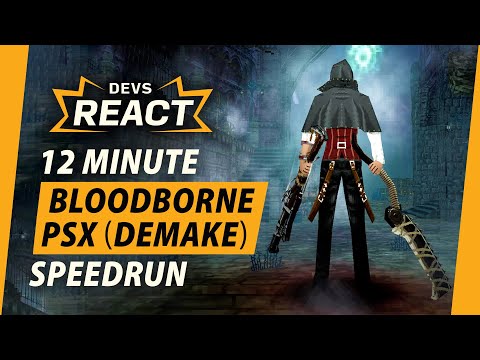
Bloodborne PSX Devs React to Blazing Fast 12-Minute All Bosses Speedrun!

Hey fellow hunters and speed demons! Ever wondered what it's like when the creators of a beloved game watch their masterpiece get absolutely *demolished* by a speedrunner? Well, buckle up, because we've got a treat for you. The brilliant minds behind the Bloodborne PSX demake sat down to witness a mind-blowing 12-minute All Bosses speedrun. Their reactions are priceless, and the sheer speed of the run is something to behold. This isn't just about watching a game; it's about witnessing the pinnacle of skill, dedication, and understanding of game mechanics.

What is Bloodborne PSX?

For those who might not be in the know, Bloodborne PSX is a fan-made demake of FromSoftware's iconic PlayStation 4 title, Bloodborne. Developed by the incredibly talented Lilith Walther, along with a passionate team, this project reimagines the gothic horror of Yharnam with the visual fidelity and limitations of the original PlayStation 1. It captures the essence of the original game – the atmosphere, the challenging combat, and the terrifying bosses – all while sporting that distinct PS1 aesthetic. It's a love letter to both the original game and a bygone era of gaming.

The project gained massive traction, showcasing not only the skill of its creators but also the enduring love the community has for Bloodborne. It’s a testament to what passionate developers can achieve with dedication and a shared vision. Seeing this demake brought to life was a huge moment for fans who dreamed of such a thing.

In my experience, these passion projects often capture a unique spirit that larger studios sometimes miss. The attention to detail in Bloodborne PSX, from the chunky polygons to the CRT filter effects, is simply phenomenal. It truly feels like a lost gem from the late 90s.

The Thrill of Speedrunning

Speedrunning is an art form. It’s about pushing the boundaries of what’s thought possible within a game's engine, finding exploits, optimizing routes, and executing incredibly precise inputs. Runners meticulously study game mechanics, discovering hidden tricks and glitches that allow them to bypass entire sections or defeat bosses in seconds.

The community around speedrun and speedrunning is incredibly dedicated. Runners often collaborate, sharing strategies and discoveries. The goal is simple: beat the game as fast as humanly possible. Whether it's an Any% run (completing the game with any means necessary) or an All Bosses run, the challenge is immense.

The dedication required for an All Bosses speedrun is immense. You need to be consistent with every single boss fight, often requiring near-perfect execution.

This specific run focuses on the All Bosses category, meaning the runner, Romanticore, had to defeat every single boss present in the Bloodborne PSX demake. This is significantly harder than a typical Any% run, as it requires not only mastery of movement and combat but also perfect knowledge of each boss's attack patterns and weaknesses.

The Record-Breaking Run

The run we're talking about clocks in at an astonishing 12 minutes. To put that into perspective, a typical playthrough of the original Bloodborne can take dozens of hours, and even experienced players might take several hours for an All Bosses run. Romanticore didn't just beat the game; they absolutely annihilated it.

Watching this run is a masterclass in efficiency. Every movement, every attack, every dodge seems perfectly calculated. You can see Romaticore exploiting specific mechanics and boss AI to their advantage, shaving off precious seconds at every opportunity. It’s a testament to countless hours of practice and strategic planning.

This kind of performance highlights the emergent gameplay that speedrunning often uncovers. The developers might not have intended for bosses to be defeated this way, but the runner found a path through the game’s systems that leads to incredible times. It's this discovery aspect that makes speedrun so compelling to watch.

Developers React Live

The core of this content is the developers' reactions. Imagine pouring your heart and soul into a project, only to see it torn apart at lightning speed. Lilith Walther, Corwyn Prichard, Evelyn Lark, and Wes Wiggins, the talented individuals behind Bloodborne PSX, joined in to watch Romanticore's run. Their commentary provides a unique and often humorous insight into the speedrunning process and their own creation.

You can see their surprise, their admiration, and perhaps a little bit of disbelief as they witness strategies and shortcuts they might not have even conceived of. It's a fantastic opportunity to hear directly from the creators about their thoughts on how their game is being played at such an extreme level. Their genuine reactions add a layer of personality and heart to the often technical world of speedrunning.

"I honestly didn't think someone could get a time like that on this build. It's incredible!" - Lilith Walther (Lead Developer)

It's this kind of interaction that bridges the gap between developers and the player base. It shows that the creators are not only proud of their work but are also engaged with how the community interacts with it, even in ways they never anticipated. This is what gaming is all about – shared experiences and community engagement.

Key Strats and Glitches

While the full depth of the speedrun strategy is complex, some key elements likely contributed to this record time. These often involve:

  • Boss AI Manipulation: Tricking bosses into specific attack patterns or positions that leave them vulnerable for longer periods.
  • Sequence Breaks: Utilizing glitches or unintended interactions to skip mandatory sections or acquire items out of order.
  • Optimal Movement: Perfecting movement techniques, including dashes and jumps, to conserve time between encounters.
  • Damage Optimization: Knowing exactly how many hits and what type of attacks are needed to defeat each boss with the least amount of time spent.

The speedrun community is brilliant at reverse-engineering game mechanics. They probe and prod until they find the most efficient way through. It’s a constant process of innovation and discovery.

The sheer ingenuity of finding these glitches is astounding. It's like discovering secret passages in a familiar world.

Romanticore's run showcases a deep understanding of these principles, applied with near-flawless execution. The timing is incredibly tight, and any mistake could mean losing significant time, especially in an All Bosses category.

The Community's Role

Content like this wouldn't be possible without the vibrant community that surrounds both Bloodborne PSX and the speedrunning scene. Developers like Lilith Walther have fostered an environment where fan creations are celebrated, and speedrunners like Romanticore push these creations to their absolute limits.

Platforms like Twitch and YouTube are crucial for sharing these incredible feats. Watching a live streaming session of a runner attempting a WR (World Record) is electrifying. The chat often fills with hype, encouragement, and technical discussions. This collaborative spirit is what makes gaming so special.

The interactions between the developers and the speedrunner, as seen in this reaction video, further strengthen this bond. It’s a mutual appreciation for the game and the dedication involved in mastering it.

Future of Demakes

The success of Bloodborne PSX has undoubtedly inspired many other creators. The idea of taking modern games and reimagining them with retro aesthetics is a growing trend. It appeals to both nostalgia and a desire to see beloved titles in a new light.

We can expect to see more ambitious fan projects like this in the future. The line between fan games and official releases can sometimes blur, especially when the quality is this high. It shows the power of passion and the potential for creativity within the gaming world.

Projects like Bloodborne PSX are a powerful reminder of the love and creativity within the gaming community.

Watching this 12-minute All Bosses run and the developers' reactions is a perfect encapsulation of why we love games. It’s about challenge, creativity, community, and a shared passion for the digital worlds we explore. Huge kudos to Romanticore for the insane speed, and to the Bloodborne PSX dev team for creating a game worthy of such dedication!

Frequently Asked Questions

Q1: What is the fastest All Bosses speedrun time for Bloodborne PSX?

The speedrun highlighted in this article achieved an incredible 12-minute All Bosses time. This is considered a world record or near world-record pace for the demake.

Q2: Who are the developers of Bloodborne PSX?

The primary developer is Lilith Walther (@b0tster), with significant contributions from Corwyn Prichard (Additional Art), Evelyn Lark (Music), and Wes Wiggins (Additional VO).

Q3: Can I play Bloodborne PSX myself?

Yes, Bloodborne PSX is a free fan-made demake. You can typically find download links through the developer's social media channels or dedicated fan game websites. Ensure you download from reputable sources.

Q4: What makes a speedrun "All Bosses"?

"All Bosses" means the runner must defeat every boss character featured in the game. This is a more challenging category than "Any%" runs, which focus solely on reaching the end credits as quickly as possible.

What did you think of Romanticore's insane run? Did the developers' reactions surprise you? Let us know in the comments below! And if you're inspired to dive into the world of speedrunning or check out more incredible fan creations, join our Discord community. We're always discussing the latest news, strategies, and hype moments in the gaming world!

The Rejected Routes: Why Some Mario Odyssey Speedruns Don't Make the Cut (And Others Should!)

Hey speedrunning community! Ever looked at a run and thought, "Why wasn't that strategy used?" or "That's so much faster, why is it rejected?" Today, we're diving deep into the wild world of rejected speedruns in Super Mario Odyssey (SMO). It's a topic that sparks debate, curiosity, and sometimes, downright confusion. I've personally sunk countless hours into exploring these less-traveled paths, tinkering with glitches, and optimizing routes that, for one reason or another, didn't make the final cut for the top leaderboards. My goal is to shed some light on *why* these runs get rejected and whether some of them actually deserve a second chance. Let's get into it.

What Exactly Are Rejected Speedruns?

In the context of speedrunning, a "rejected" run typically refers to a strategy, glitch, or route that was either:
  • Discovered and used by a runner, but later deemed invalid by the community or moderators due to a violation of specific game rules or established guidelines.
  • Considered too execution-heavy, too reliant on RNG (Random Number Generation), or too niche to be consistently viable for world records (WRs).
  • A route that was optimized but later surpassed by a significantly faster, legitimate strategy.
These runs often exist in a grey area, representing ingenious discoveries that, for various reasons, don't align with the current competitive landscape of a given game's speedrun categories.

The Super Mario Odyssey Context

Super Mario Odyssey is a treasure trove for speedrunners. Its open-world design, abundance of collectibles (Power Moons), and intricate movement mechanics allow for incredible creativity. From sequence breaks to warp skips, the game practically begs to be broken. This environment naturally leads to the discovery of numerous potential shortcuts and advanced techniques. However, the SMO speedrunning community, much like any other dedicated group, has established rules and categories. The most common categories are Any% (beat the game as fast as possible, often using glitches) and 100% (collecting everything). Within these, specific rules govern what is and isn't allowed.

Common Reasons for Rejection in SMO

Several factors can lead to a SMO speedrun strategy being rejected:
  • Unintended Glitches or Exploits: Some discovered glitches might cause game-breaking issues, lead to unintentional skips of critical game content, or require highly specific, difficult-to-replicate setups that make them impractical or unfair for general competition. For instance, a glitch that allows Mario to clip through an entire kingdom might be fast, but if it requires frame-perfect inputs or specific environmental triggers that are too rare, it might be deemed too unreliable.
  • Rule Set Changes: As the community evolves, rulesets can be updated. A strategy that was once legal might become illegal if the community decides it trivializes the challenge or fundamentally changes the intended experience of a category. For example, if a new input buffer exploit is found that allows for infinite speed, it would likely be banned.
  • Outdated Strategies: Sometimes, a route is discovered that seems fast at the time, but subsequent research or discovery of new mechanics reveals a much faster, legitimate path. The older, slower, or more complex strategy might then be considered "rejected" in favor of the superior one.
  • Category Specificity: Certain strategies might be valid for one category (e.g., an obscure Any% variant) but not for others (like a popular Any% or 100% run).
In my experience with SMO, the line between an ingenious exploit and an unfair advantage is often debated. What one runner sees as a brilliant shortcut, another might see as bypassing the core challenge of a section.

Exploring Notable Rejected Strats

While specific rejected strats can become obscure, some general types of discoveries have historically been points of contention in SMO speedrunning:
  • Major Sequence Breaks: Strategies that allow players to skip entire kingdoms or major progression points. While exciting, these can sometimes bypass intended gameplay loops and are often subject to strict rule scrutiny.
  • AI Manipulation: Exploiting enemy AI patterns in ways that are not intended to gain massive advantages.
  • Save-Warping Exploits: Techniques involving saving and quitting to manipulate game states or character positions in ways that bypass normal progression.
These are the kinds of discoveries that send ripples through the community. They require extensive testing, discussion, and often, moderator decisions.

The Debate Around Rule Changes and Category Evolution

The nature of speedrunning is evolution. New discoveries are made constantly, pushing the boundaries of what's possible. This often leads to spirited debates about rule changes. When a runner presents a groundbreaking new strategy, the community has to decide:
  • Is it a legitimate discovery that should be incorporated?
  • Does it fundamentally break the category?
  • Is it too difficult or reliant on luck to be a standard route?
These discussions are vital. They ensure that speedrunning remains challenging, engaging, and fair for everyone involved. Sometimes, a "rejected" strat from one era becomes the standard in another, especially if new categories are created or existing ones are re-evaluated.
The community's ability to adapt and refine rules is what keeps games like Mario Odyssey fresh for speedrunners years after release. It's a constant push and pull between discovery and definition.

Should Rejected Routes Get a Second Look?

Absolutely! While some rejected strategies are rightfully set aside due to game-breaking exploits or unfair advantages, others might be victims of circumstance:
  • Timing: A strategy might have been too difficult or complex for the technology or understanding at the time, but could be viable now with better techniques or tools.
  • Community Consensus: Sometimes, a route is rejected due to a vocal minority or a misunderstanding that could be clarified with further evidence and demonstration.
  • New Categories: The creation of "Glitchless" categories, or specialized Any% variants, can open the door for previously rejected strategies to find a new home and competitive life.
As a runner who enjoys exploring the edges of what's possible, I find that revisiting these "rejected" ideas can be incredibly rewarding. You might find a hidden gem, or at the very least, gain a deeper appreciation for the optimization that goes into the currently accepted WR routes.
The beauty of speedrunning lies not just in the fastest times, but in the journey of discovery. Even rejected paths have stories to tell and lessons to teach us about the game we love.
My own social channels are where I often showcase these more experimental runs. Whether it's a crazy glitch I'm testing or a route that's borderline, if you're interested in the deeper, sometimes weirder, side of SMO speedrunning, you'll want to check out my Twitch and Twitter.

Frequently Asked Questions

What is the difference between a banned and a rejected speedrun strategy?

A banned strategy is explicitly forbidden by the community's ruleset and will invalidate a run. A rejected strategy might not be explicitly banned but is typically not considered optimal, viable, or accepted for main categories due to its complexity, unreliability, or being surpassed by better methods.

Can a rejected strategy become accepted again?

Yes, this can happen. If the community re-evaluates rules, discovers a new way to perform the strategy consistently, or creates a new category where it becomes viable, a previously rejected strategy could be accepted.

Are there specific tools used to discover these rejected speedruns?

Runners often use game hacking tools, emulators with debugging features, and frame-by-frame analysis to discover and test glitches and advanced movement techniques that might lead to rejected strategies.

How does RNG affect whether a strategy is accepted?

Strategies heavily reliant on unpredictable RNG are often less desirable for competitive leaderboards, as consistency is key. If a super-fast strat only works 1 in 100 times, it's unlikely to be the primary route, though it might be explored in specific "RNG-heavy" categories.

Join the Conversation!

What are your thoughts on rejected speedrun strategies in Super Mario Odyssey? Have you ever encountered a run that you thought was unfairly dismissed? Let us know in the comments below! We love hearing your insights and experiences. If you're passionate about pushing the limits of gaming and want to be part of a community that celebrates the hardcore side of things, consider joining our Discord server. Let's talk speedrunning, WRs, and everything in between!

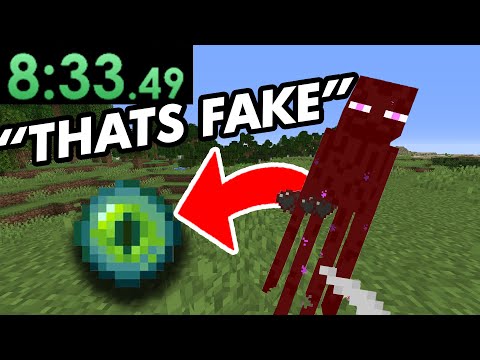
Can Elite Minecraft Speedrunners Detect a Fake Run?

Introduction

Alright, speedrunners and gaming enthusiasts, gather 'round! Have you ever watched a blistering fast Minecraft speedrun and wondered, "Could that *really* be legit?" We all know the dedication, the insane strats, and the near-perfect execution that goes into a top-tier run. But what happens when the lines blur, and a faker tries to crash the party? In this deep dive, we're looking at a fascinating experiment: can elite runners, like Illumina, Smallant, and Feinberg, spot a fraudulent Minecraft speedrun when they see it?

This isn't just about bragging rights; it's about the integrity of the competitive scene. We'll dissect the "Minecraft Odd Run Out" challenge, explore the tactics used to deceive, and analyze how seasoned veterans approach such a mind game. Get ready to put on your detective hats!

The "Odd Run Out" Challenge Explained

The premise is devilishly simple, yet incredibly effective for testing expertise. In this unique challenge, three Minecraft speedruns are presented: two are legitimate, hard-fought attempts at a World Record (WR), and one is a meticulously crafted fake. The goal? For the participating pro speedrunners to identify the imposter. It's a test of their intimate knowledge of the game's mechanics, common glitches, optimal routes, and even the subtle tells that betray an illegitimate run.

In the first rendition of this series, creators like Nerdi TV brought together some of the biggest names in the Minecraft speedrunning community. The pressure is on these experts to differentiate between genuine grit and digital deception. Can they distinguish between a truly incredible performance and one that's been artificially inflated?

This kind of challenge really highlights how much deep knowledge goes into high-level speedrunning. It's not just about playing fast; it's about understanding every nuance.

Behind the Scenes: Crafting the Fake

Creating a convincing fake speedrun is an art form in itself. It requires more than just slapping some cheats on. The "runner" for the fake must mimic the mannerisms, the vocalizations, and the decision-making process of a genuine contender. They need to incorporate plausible, albeit fabricated, sequences of events.

This could involve:

  • Simulating common but difficult-to-execute glitches.
  • Making strategic decisions that *look* optimal but subtly break the rules.
  • Potentially using hidden commands or mods that don't leave obvious traces.
  • Ensuring the overall time is within a believable, yet impressive, range.

The aim is to be good enough to fool even the most discerning eyes, forcing the judges to scrutinize every frame and every decision.

The level of detail required to fake a speedrun convincingly is staggering. You have to think like a runner, anticipate their expectations, and subvert them subtly.

Expert Analysis: The Runners' Perspectives

When presented with the three runs, the invited experts—Illumina, Smallant, and Feinberg in this case—go into analytical mode. They're not just watching for entertainment; they're performing a technical review. They look for:

  • Inconsistent Gameplay: Does the runner suddenly perform actions with unnatural speed or precision?
  • Unexplained Time Skips: Are there moments where significant time is saved without a clear, in-game explanation?
  • RNG Manipulation: While RNG is a huge part of speedrunning, blatant or impossible manipulation can be a red flag.
  • Knowledge Gaps: Does the runner seem unaware of common strategies or optimal paths they should know?

Their commentary often reveals the thought process: "This part feels off," "They wouldn't have gotten that RNG that easily," or "This strategy isn't standard for this version." It's a masterclass in Minecraft speedrunning knowledge.

Common Tells of a Cheated Speedrun

Over the years, the speedrunning community has developed a keen eye for detecting fraudulent runs. Some common indicators include:

  • Perfect RNG Every Time: While lucky streaks happen, a run where every single random event goes perfectly is highly suspicious.
  • Impossible Physics or Movement: Using glitches or exploits that are theoretically impossible or haven't been documented.
  • Abrupt Changes in Skill: A runner might execute one segment flawlessly but then struggle with a much simpler part, suggesting spliced footage or external help.
  • Lack of Common Knowledge: Failing to use established strats or making fundamental errors that a runner aiming for a PB would avoid.
  • Suspicious File Timestamps or Metadata: Though harder to spot in a video presentation, this is crucial during official verification.

Detecting these requires not just watching the run, but understanding the historical context and established techniques within the specific speedrun category.

It's a constant battle. As runners discover new strats and glitches, those trying to cheat have to stay updated too, making detection harder but more rewarding.

The Importance of Integrity in Speedrunning

The spirit of speedrunning is built on honesty, dedication, and the pursuit of personal bests (PB) and World Records (WR). When a run is faked, it undermines the hard work of legitimate runners and erodes trust within the community. These challenges, like Nerdi TV's "Odd Run Out," serve a vital purpose:

  • Education: They teach the audience what to look for and highlight the skills of top runners.
  • Awareness: They remind everyone of the importance of fair play and verification processes.
  • Community Building: They create engaging content that sparks discussion and brings players together.

Platforms like Speedrun.com have rigorous verification processes, but community awareness is the first line of defense against widespread cheating.

The Reveal: Did They Spot It?

The climax of such a video is, of course, the reveal. After the experts have made their picks and justified their reasoning, the creator discloses which run was the fake. The accuracy of the community's top players in identifying the fraud is often a testament to their deep understanding of the game and the meta-game of competitive speedrun.

In this particular instance, the challenge was designed to push their observational skills to the limit. The fake runner, Silver, put in a significant effort to make the deception believable. Whether the pros fell for it, or managed to sniff out the deceit, is the ultimate question that keeps viewers hooked.

It's a fascinating dynamic, playing out across countless games, from the epic scope of MMORPGs to the precise execution required in platformers. The cat-and-mouse game between cheaters and detectors is a perpetual feature of the online gaming landscape.

Conclusion: The Never-Ending Cat and Mouse Game

The "Can Pro Speedrunners Spot A Fake Minecraft Speedrun AGAIN?" experiment, as presented in this video, is more than just a fun challenge; it's a celebration of skill, knowledge, and the dedication required to excel in the world of speedrunning. It underscores that true mastery isn't just about speed, but about profound understanding and integrity.

As technology evolves, so too will the methods of deception and detection. This ongoing battle ensures that the speedrun community remains vigilant and that the records we celebrate are earned through genuine effort. What do you think? Could you spot the fake? Let us know in the comments below!

If you enjoyed this deep dive and want to support the pursuit of true hardcore gaming, consider checking out our NFT store. And don't forget to join our Discord channel to connect with fellow gamers and speedrunners!

Frequently Asked Questions

Q1: What is the main goal of the "Odd Run Out" challenge?

A1: The primary goal is to test the ability of expert speedrunners to identify a single fake speedrun among multiple legitimate ones, highlighting their deep game knowledge and observational skills.

Q2: How difficult is it to create a convincing fake speedrun?

A2: It's extremely difficult. It requires not only knowledge of cheats but also mimicking the nuances of a real runner's playstyle, decisions, and potential mistakes to avoid immediate detection.

Q3: What are some common signs that a Minecraft speedrun might be faked?

A3: Common signs include impossibly perfect RNG, unnatural movement or physics, inconsistent skill levels throughout the run, and a lack of awareness of standard speedrunning strategies.

Q4: Why is maintaining integrity important in the speedrunning community?

A4: Integrity is crucial because speedrunning is built on dedication, fair competition, and the validation of hard-earned achievements. Cheating undermines the efforts of honest runners and damages the community's trust.

Q5: Where can I find verified Minecraft speedruns?

A5: The most reputable source for verified speedruns is Speedrun.com, which maintains leaderboards and requires specific evidence for submitted times.

Fails in Speedrunning #201: Epic Blunders and Hilarious Moments You Can't Miss!

What’s up, speedrunners and gaming enthusiasts! Welcome back to GamingSpeedrun.com. Today, we're diving headfirst into the glorious chaos that is **Fails in Speedrunning #201**. You know the drill: we love the insane precision and lightning-fast runs, but sometimes, things go hilariously wrong. And trust me, this installment is packed with some absolute gems that will have you both cringing and roaring with laughter. Prepare for a masterclass in what *not* to do when every millisecond counts!

What Exactly Are Speedrun Fails?

In the high-stakes world of speedrunning, every second is meticulously planned and executed. A "fail" in this context isn't just a minor slip-up; it's a moment where a run completely derails, often due to a missed input, an unexpected glitch, a tragic RNG moment, or a simple, gut-wrenching mistake. These aren't just bloopers; they are often dramatic illustrations of the extreme difficulty and pressure involved in achieving world records (WRs).
In speedrunning, a fail can mean the difference between a new world record and starting the entire game over. The stakes are incredibly high!
These moments, while frustrating for the runner, often become legendary within the community. They highlight the human element in a pursuit of digital perfection and provide relatable, often hilarious, content for viewers.

Deconstructing Fails in Speedrunning #201

This edition, published on April 17, 2022, brings us a curated collection of these nail-biting, game-breaking moments. The compilation showcases various games and scenarios, demonstrating that no genre is immune to the occasional catastrophic error. From platformers to RPGs, these clips serve as a stark reminder that even the most skilled players are human.
We see players fall to their doom just inches from the goal, get stuck in geometry thanks to a wonky PB attempt, or misjudge a critical jump that sends them spiraling into oblivion. The editor has done a fantastic job of presenting these in a countdown format, building the suspense and the hilarity. Each clip is a story of ambition meeting unexpected reality.
Watching these fails can be a strange mix of "Oh no!" and "LOL!" – it’s part of the thrill of watching speedrunning.
The sheer variety of games featured means there's something for everyone, whether you're a fan of retro classics or modern blockbusters. It’s a testament to the global reach of gaming and the universal nature of making mistakes under pressure.

The Art of the Fail: Learning from Mistakes

While these moments are presented for entertainment, there's a genuine learning opportunity embedded within them. For aspiring speedrunners, studying these fails can be as educational as watching successful runs. * **Understanding Game Mechanics:** Sometimes, a fail highlights an obscure bug or a tricky interaction that players might not otherwise encounter. * **RNG Management:** Seeing how extreme bad luck can ruin a run emphasizes the importance of developing strategies that can withstand unpredictable outcomes. * **Psychological Strength:** The ability to recover mentally after a significant fail is crucial. Watching streamers handle these moments with grace (or sometimes, dramatic flair) teaches resilience. In my own speedrun attempts, I've lost precious minutes due to simple input errors or misjudged enemy patterns. The key is to analyze *why* the fail happened and adjust your strategy accordingly. It's a continuous cycle of learning and adaptation.

Community Submissions: Your Chance to Shine (or Fail!)

A core part of series like "Fails in Speedrunning" is the community's participation. The submission link provided (`https://ift.tt/KqVyRT1`) allows players from all over the world to share their most spectacular blunders. This collaborative aspect is what makes these compilations so dynamic and relatable. If you’ve had a run go spectacularly wrong, consider submitting it! It’s a way to connect with the community, share a laugh, and contribute to the ongoing saga of speedrunning triumphs and (mostly) hilarious failures. Who knows, your epic fail might be the highlight of the next installment!

Impact of Fails on the Speedrunning Community

Fails aren't just random occurrences; they play a significant role in the culture of speedrunning: * **Entertainment Value:** Many viewers tune in specifically for the high-risk, high-reward nature of speedruns, and the inevitable fails add an extra layer of excitement. * **Relatability:** It reminds players that even the best make mistakes, making the pursuit of perfection seem less daunting. * **Content Creation:** Fails provide ample material for highlight reels, compilations, and streaming entertainment, boosting the visibility of speedrunning. * **Community Bonding:** Sharing and laughing at fails creates a sense of camaraderie among runners and viewers alike. It’s a shared experience of the struggles and joys of competitive gaming. The dedication required to achieve a world record is immense. These fails, paradoxically, often serve to underscore that dedication and the sheer difficulty of the task.

Tips for Avoiding Common Fails

Based on the kinds of blunders seen in compilations like this, here are some general tips to help you avoid common speedrun pitfalls: * **Master the Fundamentals:** Ensure you have a solid grasp of the game's core mechanics before attempting advanced strats. * **Practice Consistently:** Regular practice builds muscle memory and improves reaction times. Focus on specific sections where you tend to fail. * **Study the WR Route:** Understand the optimal path and techniques used by top runners. Analyze *why* they do what they do. * **Manage Your RNG:** Develop backup plans for common bad RNG scenarios. Sometimes, a slightly slower but more consistent strategy is better than a risky one. * **Stay Calm Under Pressure:** Practice mindfulness or deep breathing techniques. Getting flustered is a fast track to a fail. Remember that a failed attempt is still practice! * **Take Breaks:** Burnout is real. If you're getting frustrated, step away for a bit. A fresh mind can prevent simple mistakes.

Frequently Asked Questions

What is the definition of a "fail" in speedrunning?

A speedrun fail is any significant mistake or unforeseen event that causes a runner to lose considerable time, abandon the run, or fail to achieve their goal, often resulting from a missed input, glitch, or poor decision-making.

How are these fails compiled and shared?

Compilations like "Fails in Speedrunning" are typically created by community members who gather clips submitted by viewers or taken from streams. These are then edited together, often with commentary or rankings, and uploaded to platforms like YouTube.

Is it possible to learn from speedrun fails?

Absolutely! Analyzing fails can reveal crucial information about game mechanics, potential glitches, the impact of RNG, and the importance of mental fortitude under pressure.

What should I do if I experience a major fail during a speedrun?

The best approach is to remain calm, take a moment to analyze what went wrong, and then reset or continue with renewed focus. Don't let one mistake derail your entire session; learn from it and try again.

Conclusion

"Fails in Speedrunning #201" is more than just a collection of unfortunate events; it’s a vibrant snapshot of the speedrunning community. It celebrates the dedication, the near-misses, and the inevitable mistakes that make this hobby so engaging. While we all strive for that perfect run, these moments of imperfection are what often make the journey memorable and, dare I say, even more fun. Keep practicing, keep submitting those clips (good or bad!), and most importantly, keep gaming! If you enjoyed this dive into the epic blunders of speedrunning, be sure to check out more from the world of gaming right here on GamingSpeedrun.com. What’s the most epic fail you’ve ever witnessed or experienced? Share your stories in the comments below! Let's celebrate the fails together!