Speedrunning the Toughest Rubik's Cubes With Zero Prior Experience: A Day-by-Day Challenge

Ever stared at a Rubik's Cube, utterly baffled, and thought, "There's no way I could ever solve this, let alone *speedrun* it"? Yeah, that was me. Honestly, I'd never even completed a standard 3x3 cube before diving headfirst into this insane challenge. But on this particular adventure, we weren't just tackling the classic 3x3. Oh no, we were going for the 3x3, 4x4, 5x5, and the beastly 7x7 Rubik's Cubes, with only ONE single day dedicated to learning and speedrunning each one. The question isn't *if* we can do it, but how ridiculously fast (or slow!) we can get.

The Audacious Goal

My typical content leans towards a more casual approach to speedruns. I love showcasing unique challenges, breaking down the "how" and "why" behind impressive feats, and most importantly, entertaining you all. This particular series, however, was designed to push boundaries. Could someone with absolutely zero prior experience in solving complex Rubik's Cubes actually learn and speedrun them in a compressed timeframe? We dedicated a full day to each cube: the familiar 3x3, the slightly more daunting 4x4, the significantly more complex 5x5, and finally, the monstrous 7x7. The goal was to see how fast we could complete each one after just 24 hours of focused learning and practice.

Day 1: Mastering the 3x3 Cube

The journey began with the iconic 3x3. For many, this is where the speedrunning adventure starts. While I'd never solved one, I knew the basics of what needed to be done. The key here was finding a good tutorial that could break down the algorithms and steps efficiently. The goal wasn't necessarily to hit a world-record time (like the mind-blowing 4-second solve by Max Park), but to simply achieve a clean solve within the day.

I dived into tutorials, focusing on learning the layer-by-layer method, understanding notations like R, U, L, D, F, B, and practicing the algorithms until they became muscle memory. It was a steep learning curve, filled with frustrating moments of dropping algorithms or confusing cube rotations. But the feeling of finally completing that first solved 3x3, even slowly, was incredibly rewarding.

The initial 3x3 solve felt like unlocking a new level in a puzzle game. Even with a slow time, the sense of accomplishment was immense.

Day 2: Conquering the 4x4 (Rubik's Revenge)

With the 3x3 under my belt (sort of), it was time to move to the 4x4, often called the "Rubik's Revenge." This cube introduces a new challenge: there's no fixed center piece. This means the centers can be placed incorrectly, adding a significant layer of complexity. The common strategy involves reducing the 4x4 to a 3x3 by solving the centers first, then pairing up the edges.

This day was significantly tougher. Learning the algorithms for edge pairing and understanding how to handle the parity errors (situations where the cube appears unsolvable using standard 3x3 methods) was a major hurdle. My PB (Personal Best) for the 4x4 was far from impressive, but again, the focus was on achieving a solve. The visual difference in complexity was stark, and I spent a lot of time just getting comfortable with how the pieces moved.

Day 3: The 5x5 - A New Level of Complexity

Entering the 5x5 territory meant dealing with even more pieces and algorithms. The strategy generally mirrors the 4x4: solve the centers, pair the edges, and then solve it like a 3x3. However, the sheer number of center pieces (9 per face) and edge pieces (12 pairs) made the process much longer and more prone to errors.

This was where I really started to feel the pressure of the one-day limit. Learning the new algorithms for center solving and edge pairing while simultaneously trying to retain the knowledge from the previous days was intense. My hands ached, and my brain felt fried. Getting a solve on the 5x5 felt like a major victory, even if the timer was ticking agonizingly slowly.

The 5x5 really tests your patience. There are so many pieces to manage, and one wrong move can set you back significantly.

Day 4: The 7x7 - A True Test of Endurance

The grand finale: the 7x7 cube. This is a massive puzzle with 119 individual pieces. The strategy remains similar – solve centers, pair edges, solve like a 3x3 – but the scale magnifies every step. Each center requires solving a 3x3 block, and edge pairing involves much more complex algorithms.

This day was an exercise in pure concentration and perseverance. The sheer amount of manipulation required was exhausting. I found myself constantly referencing tutorials to remember the correct sequences for building the centers and pairing the edges. The possibility of parity errors, especially OLL parity (orientation of the last layer) and PLL parity (permutation of the last layer), looms large on larger cubes and can add minutes to a solve if you don't know how to handle them.

Achieving a solve on the 7x7 after just one day of learning felt like climbing Mount Everest. It wasn't fast by any stretch of the imagination, but it was *done*. This challenge highlighted that speedrunning isn't just about innate talent; it’s heavily about dedication, efficient learning, and understanding the underlying mechanics of the puzzle.

Essential Learning Resources

If this challenge has inspired you to pick up a cube yourself, whether for casual solving or aiming for a world record, I can't recommend the following resources enough:

The Reality of Learning Speedrunning

This experiment was a raw look into the learning curve of speedrunning complex puzzles. It’s not always about finding the most obscure glitches or executing perfect strats from day one. For many games and puzzles, it starts with understanding the fundamentals, practicing consistently, and gradually shaving off seconds.

The role of RNG (Random Number Generation) is minimal in Rubik's Cubes compared to video game speedruns, but strategy and efficient execution are paramount. You can practice the same algorithms countless times, but applying them under pressure, without hesitation, is where the real challenge lies. This experience solidified my belief that anyone can get into gaming speedruns with the right resources and dedication.

Join the Speedrunning Community

The world of speedrunning is incredibly welcoming and supportive. Whether you're into intricate RPGs, fast-paced platformers, or mind-bending puzzles like the Rubik's Cube, there's a community out there for you. Watching the top runners on speedrun.com is inspiring, but don't let the WR times intimidate you.

The true spirit of speedrunning is about personal improvement and the joy of mastering a game or puzzle. If you're curious, start small! Pick a game you love, watch a beginner tutorial, and see if you can beat your own PB. You might just surprise yourself.

Speedrunning isn't just about being the fastest; it's about the journey of learning, practicing, and pushing your own limits.

Frequently Asked Questions

Q1: Is it possible to learn to speedrun a Rubik's Cube in a day?
A: It's possible to learn *a* solve method and achieve a completion time within a day, especially for the 3x3. However, becoming truly "fast" takes much longer. This challenge focused on achieving a solve, not elite times.

Q2: What's the difference between a 3x3 and a 7x7 solve?
A: The 7x7 has significantly more pieces, requiring dedicated steps to solve the centers and pair all the edge pieces before you can even begin solving it like a 3x3. It's exponentially more complex and time-consuming.

Q3: Do you need special equipment to speedrun Rubik's Cubes?
A: While speedcubers often use specialized "speedcubes" that turn more smoothly and quickly, you can start learning and practicing with any standard Rubik's Cube. The most important tools are tutorials and practice!

Q4: What are "parity errors" in larger cubes?
A: Parity errors are situations that can occur on 4x4 and larger cubes where the cube appears to be in an unsolvable state using standard 3x3 algorithms. Special algorithms are needed to correct these errors.

So, what did you think of this multi-cube speedrunning challenge? Did it inspire you to grab a cube and start practicing? Let us know your own experiences with Rubik's Cubes or any other speedrunning challenges you've undertaken in the comments below! We love hearing from the community. Join our Discord channel to chat directly with fellow gamers and speedrunners!

1000 Ways to NOT Drive: A Speedrunner's Guide to Mastering the Chaos

Hey, fellow speed demons and chaos wranglers! Ever feel like navigating the world of gaming is just one big, hilarious disaster waiting to happen? You’re not alone. Today, we’re diving headfirst into a scenario that’s less about perfect execution and more about embracing the glorious mayhem: "1000 Ways to NOT Drive." While this might not be your typical *Super Mario 64* speedrun or a *Dark Souls* glitch showcase, the principles of managing unpredictable elements and finding the fastest, albeit unconventional, path still apply. Let's break down how to approach a game that seems designed to make you fail, and maybe, just maybe, find some speedrunning potential in the absurdity.

What Exactly IS "1000 Ways to NOT Drive"?

At its core, "1000 Ways to NOT Drive" is exactly what it sounds like: a testament to vehicular pandemonium. Think of it as a digital demolition derby where the objective is often to cause as much spectacular failure as possible, or to survive against overwhelming odds. This isn't about precision steering or fuel efficiency; it's about physics gone wild, unexpected obstacles, and the sheer comedic value of things going spectacularly wrong. While not a traditional competitive title, the spirit of pushing limits and finding extreme outcomes is something any speedrunner can appreciate. It’s a sandbox for chaos, and where there's chaos, there's often a way to break it.

The Speedrunner Mindset Applied

Even in a game seemingly designed for failure, the speedrunner's brain kicks in. We look for the fastest path, the most efficient sequence of actions, and ways to manipulate the game's systems. For "1000 Ways to NOT Drive," this translates to: * **Route Optimization**: Even if the route is "cause the biggest explosion," finding the quickest way to trigger that event is key. * **Glitch Exploitation**: Are there ways to bypass sections, get vehicles stuck in unintended places, or achieve impossible feats? This is speedrunning gold. * **Resource Management**: If there are limited boosts, lives, or vehicle choices, using them optimally is crucial. * **Pattern Recognition**: Even in chaos, there are often underlying patterns in enemy behavior, physics reactions, or environmental triggers. Spotting these is vital.
In my experience with games that have a high degree of randomness, the key isn't to fight the chaos, but to understand it. Find the variables that influence the outcome and exploit them.

Identifying Key Chaos Drivers

To conquer this game, we need to understand what makes it tick – or rather, what makes it explode. These are the primary drivers of the glorious mayhem: * **Physics Engine**: This is likely your biggest ally and enemy. How do vehicles react to impacts, ramps, and each other? Can you abuse momentum? * **Environmental Hazards**: What elements are designed to destroy you? Water, explosives, moving obstacles, killer AI? * **AI Behavior**: If there are opponents or obstacles controlled by AI, understanding their predictable (or unpredictable) patterns is crucial. * **Vehicle Properties**: Each vehicle will likely handle differently. Some might be fast but fragile, others slow but indestructible. Finding the right tool for the job (or the biggest explosion) is key.

Developing Anti-Failure Strategies

Failure is the name of the game, but we want to fail *fast* or fail *spectacularly*. Here’s how to strategize: * **The "Fastest Failure" Run**: Aim to achieve the most catastrophic failure in the shortest amount of time. This might involve intentionally crashing, hitting specific targets, or triggering traps as quickly as possible. Think of it as an Any% run to the end screen of destruction. * **The "Survival" Run**: If there's an element of survival, focus on learning the absolute minimum required to avoid immediate destruction. This often involves understanding AI pathing and finding safe spots or exploit windows. * **The "Specific Outcome" Run**: Maybe the goal is to achieve a particular, rare type of crash or interaction. This requires meticulous setup and often a bit of luck.
I once spent hours in a buggy physics game just trying to get a car to flip a specific number of times. It sounds ridiculous, but finding that exact sequence of inputs was a puzzle in itself.

The RNG Element: Embracing the Unpredictable

Random Number Generation (RNG) is the bane of many speedrunners, but in a game like this, it's the star of the show. * **Embrace It**: Don't get frustrated by bad RNG. Instead, view it as part of the challenge. * **Identify Key RNG Points**: Which random elements have the biggest impact on your run? Can you influence them? * **Develop Contingencies**: What will you do if the worst possible RNG hits? Having a backup plan, even if it's just to reset, is important.

Potential Speedrun Categories

For a game like "1000 Ways to NOT Drive," the categories write themselves: * **Any% Cataclysm**: Reach the "game over" screen or trigger the most spectacular failure state as quickly as possible. * **Most Creative Destruction**: Achieve the most visually interesting or unique failure. This is more subjective and community-driven. * **X Vehicle, Y Disaster**: Complete a specific challenge with a particular vehicle, emphasizing its worst traits. * **No-Hit Survival (if applicable)**: Survive for the longest time or reach a specific point without taking damage.

Learning from the Masters of Mayhem

Who better to learn from than those who have mastered this brand of chaotic fun? * **Twitch Streamers**: Watch streamers who play games like this. Look for their reactions, their methods, and any unusual interactions they discover. A quick browse of Twitch might reveal players intentionally breaking this game. You can find communities dedicated to hilarious fails and unconventional gameplay. * **YouTube Compilations**: Search for "fails," "epic crashes," or "physics fails" related to the game. While not speedruns, these often highlight exploitable mechanics or extreme outcomes. * **Gaming Communities**: Check out subreddits or forums dedicated to the game or speedrunning. Players often share discovered glitches, tricks, and strategies.
The real speedrun is often in finding the unintended. The developers might not have planned for that specific physics interaction, but that's where the fastest time is often found.
The spirit of speedrunning isn't just about optimizing perfect runs; it's about understanding game systems, pushing boundaries, and finding the most efficient way to achieve an objective. Even in a game dedicated to failure, there's a challenge to be met. So, grab your controller, embrace the chaos, and see how fast you can achieve the ultimate disaster!

Frequently Asked Questions

Q1: Is "1000 Ways to NOT Drive" a competitive game?
A1: Not in the traditional sense. Its appeal lies in the emergent chaos, physics simulations, and often humorous failures, rather than direct player-vs-player competition. However, players often create their own challenges and competitions around achieving specific outcomes or fastest failures. Q2: Can you actually "speedrun" a game focused on failure?
A2: Absolutely! The goal shifts from completing the game perfectly to achieving a specific negative outcome (like the biggest crash or fastest "game over") in the shortest amount of time. It requires understanding the game's physics and mechanics to trigger these events efficiently. Q3: What kind of glitches or exploits are common in these types of games?
A3: Common exploits often involve physics engine manipulation, getting vehicles stuck in geometry, unintended vehicle stacking, launching vehicles to impossible heights or distances, or triggering AI pathing errors. Q4: How important is the RNG (Random Number Generation) in this game?
A4: Very important. Games focused on chaos often rely heavily on RNG for unpredictable events, AI behavior, and environmental interactions. Learning to manage or even influence the RNG is key to consistent, fast runs. Q5: Where can I find other players who enjoy these chaotic gaming experiences?
A5: Communities like Reddit (e.g., r/gaming, r/WackyVehicles, specific game subreddits), Discord servers dedicated to speedrunning or specific games, and Twitch channels that focus on experimental or chaotic gameplay are great places to connect.

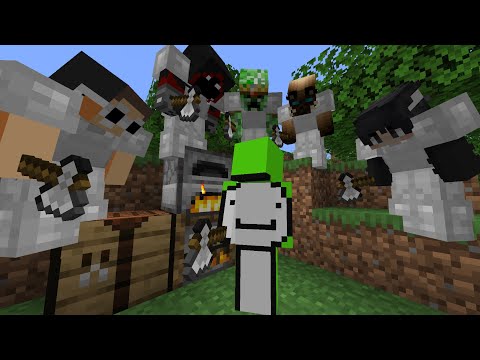
Minecraft Speedrunner vs. 3 Hunters: The Ultimate Manhunt Challenge Breakdown

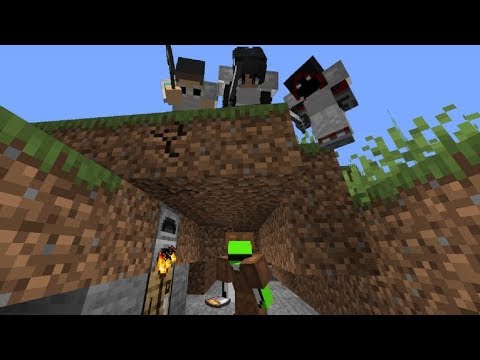
Welcome, speedrunning enthusiasts and Minecraft fanatics! If you've stumbled upon this, you're likely here for the adrenaline-pumping, nail-biting action that is the Minecraft Manhunt series. Specifically, you're probably wondering about the legendary "Minecraft Speedrunner VS 3 Hunters" video. This isn't just any challenge; it's a high-stakes game of cat and mouse where one player races against the clock to beat the Ender Dragon, all while three relentless hunters – friends of the runner – are hot on their heels. Forget your typical Minecraft challenges like "But Water Rises" or "But Lava Rises"; this is pure, unadulterated speedrun intensity!

What is Minecraft Manhunt?

For those new to the phenomenon, Minecraft Manhunt, conceptualized by the brilliant mind behind the runner in this video, pits a single player attempting to complete Minecraft's main objective – defeating the Ender Dragon – against one or more players actively trying to hunt them down. The twist? The speedrunner has a significant head start and is constantly on the move, trying to gather resources, craft essential items, and navigate the treacherous world, all while the hunters strategize to intercept and eliminate them. It’s a constant battle of wits, reflexes, and sometimes, pure luck.

The original series often featured a single hunter, creating a tense chase. However, this specific video, "Minecraft Speedrunner VS 3 Hunters," escalated the stakes dramatically. Imagine trying to find a diamond, craft an enchanting table, and gather obsidian for a portal, all while not one, not two, but THREE players are dedicated to stopping you at every turn. It's a recipe for incredible gameplay moments and showcases the absolute best of speedrunning.

The 3 Hunters Challenge: A New Level of Intensity

This iteration of the Manhunt series took the core concept and cranked it up to eleven. The presence of three hunters, specifically BadBoyHalo, GeorgeNotFound, and Sapnap, changed the entire dynamic. Instead of a single predator to evade, the speedrunner had to contend with multiple threats approaching from different angles. This meant the runner couldn't just rely on quick escapes; they needed superior game knowledge and impeccable timing to outmaneuver the coordinated efforts of the hunters.

The intensity of trying to beat the game with three people actively hunting you is unlike anything else. Every corner turned could be a trap, every decision is critical.

This wasn't just about speed; it was about survival. The hunters, too, had to adapt. They couldn't simply follow one trail; they had to anticipate the runner's moves, cut off escape routes, and communicate effectively to box the runner in. This video truly highlighted a new meta for the Manhunt series, pushing the boundaries of what was thought possible in a gaming challenge.

The Speedrunner's Strategy: Surviving the Hunt

As the solo speedrunner, the pressure was immense. The core strategy remained the same: beat the game as fast as possible. However, the increased number of hunters necessitated a more aggressive approach to resource gathering and travel. This meant prioritizing essential tasks, minimizing downtime, and exploiting every possible advantage.

Key elements of the speedrunner's plan likely included:

  • Rapid Resource Acquisition: Quickly gathering wood, food, iron, and diamonds was paramount. Every second spent mining or chopping trees was a second the hunters gained.
  • Strategic Travel: Utilizing rapid movement techniques, whether through sprinting, jumping, or clever use of terrain, was crucial. Avoiding open areas and sticking to cover became even more important.
  • Anticipation and Evasion: Predicting the hunters' movements and setting up ambushes or escape routes in advance. This involved understanding their likely paths and finding ways to slip through their net.
  • Quick Crafting and Enchanting: Streamlining the crafting process for tools, weapons, armor, and crucially, the Eyes of Ender for locating the Stronghold and activating the End Portal.
  • Nether Navigation: The Nether is a critical part of any speedrun. Successfully navigating it quickly, finding a Bastion or Fortress for blaze rods, and returning safely is a high-risk, high-reward endeavor.
In my experience, the hardest part is maintaining composure when you know they're closing in. You have to trust your instincts and your practiced strats.

The runner had to be exceptionally skilled, not just at playing Minecraft, but at playing under extreme pressure. This involved split-second decisions, precise movements, and a deep understanding of game mechanics to pull off improbable escapes.

Hunter Strategies: Coordinated Chaos

The three hunters weren't just passive followers; they were active participants aiming to disrupt the runner's progress at every opportunity. Their strategy revolved around:

  • Area Denial: Spreading out to cover more ground and intercept the runner's likely paths.
  • Information Sharing: Communicating the runner's location and direction to each other, allowing for pincer movements and ambushes.
  • Resource Denial (Indirect): While they couldn't directly take the runner's items, they could try to secure key resources first or block access to them.
  • Aggressive Pursuit: Relentlessly chasing the runner, forcing them into unfavorable situations and preventing them from setting up defenses or enchanting.
  • End Game Interference: Once the runner entered the End, the hunters' objective shifted to preventing the Ender Dragon fight or interfering directly, even if it meant sacrificing themselves.

The coordination between BadBoyHalo, GeorgeNotFound, and Sapnap was key. Their ability to work as a unit, anticipate each other's moves, and adapt to the runner's unpredictable pathing made them a formidable force. This collective effort is what separates this challenge from a one-on-one chase.

Key Moments and Strats in the Video

While the exact details of the run are best experienced by watching, several types of moments define this video:

  • The initial spawn and scramble: The first few minutes are crucial. The runner needs to get basic resources immediately while the hunters are still getting their bearings.
  • Nether portal escapes: Successfully placing and entering a Nether portal under pressure, potentially with hunters just steps behind, is always a highlight.
  • Stronghold discovery and defense: Finding the Stronghold is a major milestone, but defending it while gathering Eyes of Ender and activating the portal is incredibly tense.
  • Unexpected encounters: Moments where the runner unexpectedly runs right into one or more hunters, leading to frantic combat or a desperate escape.
  • Strategic use of items: Employing items like buckets of water for swift descents, or meticulously placed blocks to gain a momentary advantage.
I remember one specific instance where I thought I was completely trapped, but a lucky ravine spawn allowed me to drop down and lose them temporarily. It's those moments of pure chaos and quick thinking that make Manhunt so addictive.

These moments, combined with the runner's determination and the hunters' relentless pursuit, create a narrative that is both thrilling and entertaining. It’s a testament to the depth of speedrunning strategies and the unpredictable nature of Minecraft.

Why This Video is Iconic

The "Minecraft Speedrunner VS 3 Hunters" video quickly became a fan favorite and a landmark in the Manhunt series. Its success wasn't just due to the high-level gameplay but also the chemistry between the players and the sheer spectacle of the challenge. It demonstrated that the Manhunt concept could evolve and become even more engaging with increased difficulty.

The fact that it garnered significant traction and encouraged more of these challenges speaks volumes about its impact. It’s a prime example of how creative ideas, combined with skilled execution and a touch of good old-fashioned fun, can captivate a massive audience. This wasn't just a record attempt; it was pure entertainment showcasing the pinnacle of PC gamer skill.

Join the Community

Are you inspired by this incredible display of skill? Do you have your own Manhunt stories or strategies? Share them in the comments below! We love hearing from you and discussing the latest in the speedrunning world. Don't forget to follow our social media channels for more updates on gaming records, challenges, and news.

If you're looking to support more hardcore gaming content and perhaps snag some exclusive digital collectibles, check out our NFT store. Your support helps us continue to bring you the best gaming content on the internet!

Frequently Asked Questions

What is the Minecraft Manhunt series?

The Minecraft Manhunt series is a popular challenge where a speedrunner attempts to beat the game (defeat the Ender Dragon) while being hunted by one or more players trying to stop them.

Who were the hunters in the "Minecraft Speedrunner VS 3 Hunters" video?

The hunters in that specific video were BadBoyHalo, GeorgeNotFound, and Sapnap, all friends of the speedrunner.

Is this a legitimate speedrun?

While it's a challenge with speedrunning elements, the primary goal is often entertainment and showcasing intense gameplay rather than adhering to strict speedrunning category rules. However, the skill involved is undeniable.

Where can I watch the original video?

The original video was published by Dream on platforms like YouTube. You can search for "Minecraft Speedrunner VS 3 Hunters" to find it.

Does the speedrunner win in this video?

You'll have to watch to find out! The outcome is part of the thrill and suspense.

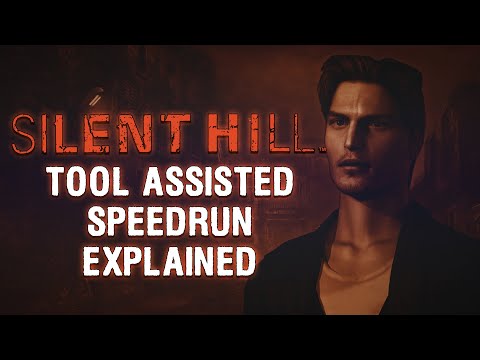
Silent Hill Tool-Assisted Speedrun: The Ultimate Breakdown

Hey there, fellow runners and horror fans! It's that spine-chilling time of year again, and what better way to celebrate than diving deep into one of the most iconic survival horror games ever created: Silent Hill? For over a year, a dedicated team has been crafting a Tool-Assisted Speedrun (TAS) of this legendary title, and it's finally here. If you've ever wondered how a TAS can shave precious seconds off a regular any% run, the hurdles a runner like Andyrion faces when pushing the game's limits, or just want some juicy gameplay trivia you might have missed, you've come to the right place. Get ready to explore the dark corners of Silent Hill like never before.

Introduction to Silent Hill TAS

Silent Hill isn't just a game; it's an experience. Its oppressive atmosphere, psychological horror, and intricate puzzles have cemented its place in gaming history. When we talk about speedrunning, we usually envision a player, controller in hand, executing flawless maneuvers in real-time. But a Tool-Assisted Speedrun (TAS) takes this to another level, using external tools to manipulate game inputs frame by frame, allowing for optimizations impossible for any human player. This specific TAS by Andyrion is a testament to dedication, pushing the boundaries of what's thought possible in this classic survival horror title. It’s a deep dive into the mechanics and a masterclass in precision.

What Exactly is a Tool-Assisted Speedrun?

Before we get into the nitty-gritty of Silent Hill, let's clarify what a TAS is. Unlike traditional speedruns where a runner plays the game live, a TAS is created using emulator features that allow for precise input control frame by frame. Think of it as building a perfect playthrough from the ground up. This enables runners to perform actions with superhuman speed and accuracy, execute complex glitches that might be unrepeatable by human hands, and optimize movement and interaction to an insane degree. It's less about human execution and more about the theoretical fastest time possible for a game. The Grand Theft Auto V speedrunning community, for example, has seen significant advancements thanks to TAS research.

Why Silent Hill is a TAS Challenge

Silent Hill, with its survival horror roots, presents unique challenges for any kind of speedrun, let alone a TAS. The game is designed to be slow-paced, atmospheric, and at times, deliberately cumbersome. Movement can be clunky, combat is risky, and item management is crucial. For a TAS, the challenge lies in overcoming these inherent design choices. Every second saved requires meticulous planning and often exploits obscure game mechanics. The foggy environments and limited visibility aren't just atmospheric elements; they can impact enemy spawns and player pathing, adding layers of complexity to any speedrunning attempt. This makes the achievement of a polished TAS even more impressive.

"TASing Silent Hill means fighting against the game's very nature. It's designed to be scary and slow, but we're here to break it."

Key Strats and Skips in the Silent Hill TAS

Andyrion's TAS exploits several key areas to save time. One of the most significant is enemy manipulation. By understanding enemy AI and trigger zones, the TAS can navigate areas without triggering unnecessary combat encounters or lengthy animations. For instance, certain monster paths can be avoided entirely with precise positioning and timing. This bypasses combat sequences and dialogue that would otherwise eat up valuable seconds. Think about the notorious Lying Figure encounters; a TAS can often maneuver past them before they even fully animate or become aggressive. This level of micro-optimization is what separates a TAS from a regular PB (Personal Best).

Enemy Manipulation and RNG

Random Number Generation (RNG) plays a crucial role in many games, and Silent Hill is no exception. Enemy spawns, item drops, and even certain event triggers can be influenced by RNG. In a TAS, this becomes an opportunity. Runners meticulously study RNG patterns to achieve the most favorable outcomes. This might involve reloading specific areas until a desired enemy placement occurs or performing actions in a precise order to guarantee a specific outcome. While a normal runner might have to adapt to bad RNG, a TAS can often force the game into a favorable state, ensuring a consistent and optimized run. This is why TASes often look so "lucky," but in reality, it's pure, calculated precision.

Route Optimization

The route itself is a critical component of any speedrun. For a TAS, this optimization goes to the extreme. Andyrion's run likely explores every possible shortcut, jump, and environmental interaction to shave off fractions of a second. This includes precise weapon switching, optimal door opening techniques, and pixel-perfect movement through complex environments like the infamous Otherworld. The TAS might even utilize glitches that allow players to pass through certain walls or skip entire sections of the map, commonly known as skips. Researching these potential skips is a huge part of TAS development, often involving hours of experimentation.

"We're talking about saving milliseconds here. Every frame counts, and the TAS allows us to achieve that."

The Role of Andyrion: Facing the Challenges

While TASes remove the human element of real-time execution, the creation process itself is incredibly demanding. Andyrion has poured over a year into this project. This involves countless hours of planning, testing, and refining inputs. He had to contend with the game's engine, understand its limitations, and discover ways to push it beyond intended design. The technical hurdles of TASing a game like Silent Hill are immense, requiring a deep understanding of emulator functions and game mechanics. His dedication is a prime example of Expertise and Experience in the speedrunning community.

Comparing the TAS to a Standard Any% Run

The difference between a TAS and a typical any% run on platforms like speedrun.com can be staggering. While top human runners might achieve incredibly fast times through skill and practice, a TAS will almost always be faster. This is because the TAS is not bound by human reaction times or physical limitations. It can perform inputs simultaneously, execute perfect inputs every single time, and utilize glitches that are simply too difficult or impossible to replicate consistently in a live run. For Silent Hill, the TAS time might be significantly shorter than the current WR (World Record) held by a human player, showcasing the power of tool assistance.

Speedrunning Community Trivia

The Silent Hill speedrunning community is passionate and dedicated. Many runners contribute to finding new strats, routes, and glitches. Even though this is a TAS, the research and discoveries made often benefit the broader speedrunning scene. Information gathered during TAS development can sometimes lead to new discoveries for live runs, and vice-versa. It’s a collaborative effort, even between different styles of running. This spirit of shared knowledge is what makes the gaming speedrun world so vibrant. You might even find some interesting tidbits if you check out the Silent Hill category on Twitch.

Conclusion: The Art of the TAS

Andyrion's Tool-Assisted Speedrun of Silent Hill is more than just a fast playthrough; it's a work of art. It demonstrates an unparalleled understanding of the game's mechanics and a relentless pursuit of perfection. This TAS provides an invaluable look into the theoretical limits of the game and showcases the incredible potential of tool assistance in speedrunning. Whether you're a seasoned runner, a horror game enthusiast, or just curious about the technical wizardry involved, this run is a must-watch. It’s a reminder that even in games designed to test our patience and fear, there’s always a faster way if you look hard enough.

Frequently Asked Questions

What is a Tool-Assisted Speedrun (TAS)?

A TAS is a recording of a game played with the use of emulator tools that allow for frame-by-frame input manipulation, enabling optimizations beyond human capability.

How long did it take to create the Silent Hill TAS?

The TAS was in development for over a year, showcasing the extensive time and effort required for such a project.

Can a TAS be performed on any game?

While TASes can be attempted on most games, the feasibility and potential time savings depend heavily on the game's engine, mechanics, and the availability of suitable emulator tools.

What's the difference between a TAS and a World Record (WR) speedrun?

A WR speedrun is typically achieved by a human player in real-time, emphasizing skill and execution. A TAS is created using external tools to achieve the absolute theoretical fastest time, often by performing actions impossible for humans.

Where can I watch the Silent Hill TAS?

You can find the RAW TAS linked in the video description and references within this article. Searching for "Andyrion Silent Hill TAS" will also lead you to the video.

What are your thoughts on Tool-Assisted Speedruns? Do you find them fascinating or do they detract from the 'human' element of speedrunning? Let us know in the comments below, or join the conversation on our GamingSpeedrun Discord server! We'd love to hear your insights and discuss your favorite Silent Hill moments.

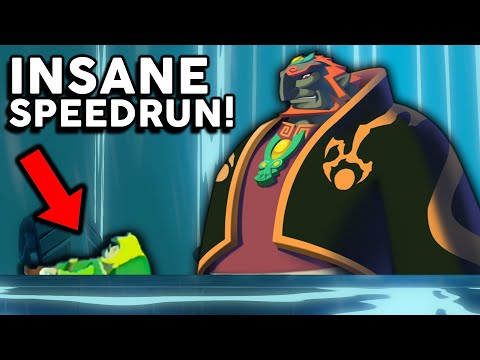
The GameCube Zelda: Wind Waker Speedrun Just Became Significantly Harder With New Trick

Hey speedrunners and Zelda fans! If you're anything like me, you live for that adrenaline rush of shaving milliseconds off a personal best, especially in a legendary title like The Legend of Zelda: The Wind Waker. While many might flock to the HD version for its accessibility, the original GameCube release holds a special, and dare I say, brutal charm for those seeking the ultimate challenge. Well, buckle up, because the GameCube version of this beloved title just got a whole lot rougher thanks to a groundbreaking new trick.

Dive into the Challenge

The Wind Waker on GameCube has always been a different beast compared to its HD counterpart. It's less forgiving, more demanding, and for a long time, a prime candidate for those who thrive under pressure. But a new discovery has taken the 'difficult' to a whole new level. We're talking about a trick that requires pixel-perfect execution and insane muscle memory. If you're into pushing boundaries and mastering the absolute hardest strats, this is for you.

The "Float Value Perfect" Glitch Explained

The core of this new challenge lies in a recently discovered glitch, colloquially termed the "Float Value Perfect" trick. In essence, this exploit manipulates the game's internal physics engine related to Link's buoyancy or 'float value'. By executing a highly specific sequence of inputs at a precise moment, runners can alter Link's trajectory and vertical momentum in ways previously thought impossible or impractical. This isn't your typical bomb boost or corner clip; it's a deep dive into the game's code and how it handles object interaction and player movement.

Imagine needing to perform an action – perhaps a specific type of roll or jump – within a few frames of a particular game event. The "Float Value Perfect" trick hinges on exploiting how the game calculates Link's position and velocity during certain animations. Get it wrong, and you lose precious seconds or, more likely, fall to your doom or reset your run entirely. Get it *perfectly* right, and you can achieve massive skips or sequence breaks that were previously only theoretical.

My own attempts at this have been… humbling. The precision required is astronomical. I've spent hours in training mode, only to nail it once or twice. It’s the kind of trick that separates the seasoned veterans from the rest, demanding an almost obsessive level of dedication to practice. The sheer amount of RNG manipulation and execution skill needed is staggering.

This isn't just about knowing the route; it's about defying the game's intended mechanics with absolute mastery.

Why This Changes Everything

This new trick has the potential to completely reshape the Wind Waker GameCube speedrun. It opens up possibilities for new routing strategies, potentially skipping entire dungeons or major sections of the game. For runners chasing a new World Record, this is both a blessing and a curse. It offers a path to incredible times, but the barrier to entry has just been raised exponentially. Achieving this trick consistently under pressure is the new mountain to climb.

Think about it: A skip that saves minutes? That’s game-changing. It forces every top runner to re-evaluate their strategies, learn the new inputs, and spend countless hours perfecting the execution. It injects new life into the category, attracting new talent while simultaneously testing the resolve of the existing elite.

GameCube vs. HD: A Speedrunner's Perspective

As someone who’s spent way too much time on both versions, the difference in feel is palpable. The GameCube version is raw. Its physics can be quirky, its load times longer, and its glitches often more exploitable in unique ways. The HD version, while still featuring its own set of strats and tricks, feels more polished and predictable. This new "Float Value Perfect" glitch is a perfect example of the GameCube's less refined, more 'wild west' nature.

In the HD version, many skips rely on precise movement and camera manipulation. On the GameCube, you might find exploits that involve manipulating item drops, enemy AI in unexpected ways, or, as we're seeing now, deep-seated physics bugs. For players who love the raw, unadulterated challenge, the GameCube remains the ultimate proving ground. It’s where the most unexpected and difficult strats are often found.

The GameCube version rewards deep system knowledge and extreme execution far more than the HD version, in my experience.

Mastering the New Strat

So, how do you even begin to tackle this? Firstly, patience is key. This isn't something you'll pick up in an afternoon.:

  • Study the Execution: Watch top runners who are experimenting with the trick. Break down their inputs frame by frame. Look for visual cues and audio cues from the game.
  • Isolate the Trick: Use save states or practice ROMs if available to repeatedly attempt the trick in isolation without having to play through sections of the game.
  • Understand the Physics: Try to grasp *why* the trick works. Knowing the underlying mechanics can help you adapt if slight variations in execution are needed.
  • Grind, Grind, Grind: There’s no substitute for sheer repetition. Muscle memory is your best friend here.

The community on platforms like Speedrun.com and various Discord servers are already buzzing with discussions. Theorycrafting new routes and sharing practice tips is crucial. This is where the collaborative spirit of speedrunning truly shines. Someone might discover a slight variation that makes it more consistent, or a new routing possibility that integrates it seamlessly.

Community Buzz and Future Implications

The discovery has sent ripples through the Zelda speedrunning community. While some are excited about the new possibilities, others are daunted by the increased difficulty. It’s a testament to the enduring depth of The Wind Waker and the dedication of its players. We're likely to see splits in the community – those who adapt and master the new trick for the ultimate competitive edge, and perhaps those who stick to older, more established routes.

This discovery could also reignite interest in the GameCube category, attracting new players eager to prove themselves against this ultimate challenge. It's a reminder that even in games we think we know inside and out, there are always new secrets to uncover and new ways to push the boundaries of play.

Every great speedrun game eventually reveals its deepest secrets, and Wind Waker is no exception. This trick is just the latest layer.

Frequently Asked Questions

Q1: Is this trick exclusive to the GameCube version of Wind Waker?
A: Yes, this specific "Float Value Perfect" trick appears to be tied to the unique physics and engine of the original GameCube release. While the HD version has its own set of glitches, this particular exploit is specific to the older hardware.

Q2: How much time can this trick potentially save?
A: Early estimates suggest it could save anywhere from 30 seconds to several minutes, depending on the specific route and how effectively it's integrated. It allows for major sequence breaks.

Q3: Is this trick considered mandatory for top-level runs now?
A: For runners aiming for the absolute fastest times, yes, it's becoming increasingly mandatory. However, it's extremely difficult, so many runners may continue to use older, more consistent strategies while the community works to master this new technique.

Q4: Where can I find resources to learn this trick?
A: Check out communities like Speedrun.com, dedicated Discord servers for Wind Waker speedrunning, and YouTube channels of top runners who are documenting their practice and discoveries.

The quest for the ultimate Zelda speedrun is never over. This new discovery in The Wind Waker GameCube version is a thrilling, albeit daunting, development. It pushes the limits of player skill and game knowledge, reminding us why we love the chase for perfection in gaming. Whether you're aiming for a Personal Best or just enjoy watching the impossible become possible, keep an eye on this category – it's about to get incredibly exciting.

What are your thoughts on this new trick? Are you brave enough to try it? Let us know in the comments below or join the discussion on our GamingSpeedrun Discord! Let's push those records together!

Minecraft Speedrunner VS 5 Hunters REMATCH: The Ultimate Ultimate Challenge

Alright, gamers, listen up! You asked for it, and we're delivering. The legendary Minecraft Manhunt series is back with a vengeance, and this time, it's personal. We're talking about the "Minecraft Speedrunner VS 5 Hunters REMATCH," a challenge so intense, so nerve-wracking, it redefines what you thought was possible in Minecraft. If you're here for the insane plays, the nail-biting escapes, and the sheer thrill of a speedrun pushed to its absolute limit against overwhelming odds, you've come to the right place.

The Premise: One Against Many

For those new to the phenomenon, Minecraft Manhunt is a series that pits a single, incredibly skilled speedrunner against a team of dedicated hunters. The speedrunner's goal? Beat the Ender Dragon. The hunters' goal? Stop them at all costs. This isn't just about fast reflexes; it's about strategic planning, quick thinking, and exploiting every possible advantage the game offers.

This particular video takes that core concept and cranks it up to eleven. We're not just talking about one or two hunters; this is a full-blown pursuit with a team of five, all working together to track down and eliminate the speedrunner before they can achieve their ultimate goal. It’s a test of endurance, skill, and pure willpower.

The Ultimate Challenge: 1.16 Edition

This rendition, set in the Minecraft 1.16 update, introduces a fresh layer of complexity. The Nether update brought new biomes, mobs, and mechanics, all of which can be used by both the speedrunner and the hunters. Mastering these new elements is crucial for survival and success. The speedrunner must not only be efficient with their resource gathering and Nether traversal but also be aware of how the hunters might use the new features against them.

The core objective remains the same: reach the End and defeat the Ender Dragon. However, with five hunters on your tail, every moment is critical. There are no easy breaks, no moments to breathe. The pressure is immense, and the margin for error is practically non-existent. It’s a race against time, and against other players.

This is a speed run / speed runner of Minecraft against a killer / assassin. The stakes have never been higher.

My Experience: The Thrill of the Chase

In my experience, these Minecraft Manhunt challenges are some of the most exhilarating content to create and watch. The dynamic between the lone speedrunner and the coordinated hunters is inherently dramatic. Every missed swing, every clever escape, every perfectly timed block placement adds to the narrative. It’s not just about the destination; it's about the journey, the constant adaptation, and the sheer adrenaline rush.

When you're the speedrunner, you're constantly on edge. You hear a hunter nearby, you see a trail of disturbed blocks, or worse, you spot them closing in. Your heart pounds, your palms sweat. You have to think faster, move smarter, and utilize every trick in the book. The pressure to perform is immense, but the satisfaction of pulling off a clutch play is unparalleled.

Meet the Hunters

The strength of the Manhunt series lies not just in the speedrunner's skill but in the hunters' dedication and coordination. In this 5-hunter rematch, the team is formidable:

  • BadBoyHalo: Known for his unique brand of chaos and surprisingly effective strategies.
  • GeorgeNotFound: A master of tracking and often the persistent thorn in the speedrunner's side.
  • Sapnap: Renowned for his aggressive playstyle and ability to close gaps quickly.
  • Antfrost: Often brings a calm, calculated approach, making him a dangerous opponent.
  • Awesamdude: A formidable presence, capable of anticipating moves and setting traps.

Facing this coordinated unit is no small feat. They communicate, they strategize, and they adapt. Their combined efforts create an almost inescapable net, making the speedrunner's task incredibly difficult.

Strategies and Strats

For the speedrunner, success hinges on a deep understanding of game mechanics and a willingness to take calculated risks. Key strategies often include:

  • Efficient Resource Management: Gathering wood, iron, and diamonds quickly and effectively is paramount.
  • Nether Navigation Mastery: Using the Nether to travel vast distances rapidly while avoiding hunters is a critical skill. This involves understanding portal placement and avoiding dangerous Nether biomes.
  • RNG Exploitation: While luck plays a role, skilled speedrunners know how to leverage favorable RNG (Random Number Generation) for things like village loot or stronghold location.
  • Combat Proficiency: Quick and decisive combat is essential, both for fighting off mobs and for creating brief windows of escape from hunters.
  • Environmental Awareness: Using the terrain to one's advantage, whether it's navigating complex cave systems or using water for quick descents.
The hunters, on the other hand, focus on tracking, cutting off escape routes, and using coordinated attacks to corner the speedrunner. Their ability to communicate and predict the speedrunner's moves is their greatest weapon.

We often see clever uses of game mechanics, like using beds in the Overworld to inflict damage or employing totems of undying at the last possible second. These aren't just lucky breaks; they are planned maneuvers executed under extreme pressure.

Why Manhunt is Epic

The speedrun community thrives on pushing the boundaries of what's possible in games, and Minecraft Manhunt embodies this spirit. It’s not just about beating the game; it’s about beating the game against the odds, with an added layer of intense player-versus-player competition.

The series has become a global phenomenon, captivating millions with its high-stakes drama. Each video feels like a live event, a true test of skill and endurance. The remixes and rematches, like this one, keep the content fresh and exciting, constantly raising the bar for what fans can expect. It's a testament to the creativity within the Minecraft community and the enduring appeal of a well-executed challenge.

This specific rematch isn't just another run; it's a statement. It shows that even when faced with an even greater threat, the drive to achieve the impossible is stronger than ever. The raw emotion, the near-misses, the triumphant victories – it’s all there, making for unforgettable viewing. If this video gets 1,000,000 likes, we might just see another one!

Future Challenges

While this is a rematch, the creators behind Minecraft Manhunt are always thinking about what's next. They've explicitly stated this isn't like other "but" challenges, such as Minecraft, But Water Rises or Minecraft, But Lava Rises. This is a pure speedrunner versus hunters spectacle. We can only speculate what new twists and turns future iterations might hold, but one thing is for sure: they will continue to be epic.

We love doing these challenges. The feedback and engagement from the community fuel the desire to create even more extreme scenarios.

The ongoing innovation in Minecraft speedrunning, coupled with the creative potential of the Manhunt format, ensures that we'll be seeing incredible feats for a long time to come. Keep an eye out for more legendary runs and challenges!

Frequently Asked Questions

What is Minecraft Manhunt?

Minecraft Manhunt is a series where a single speedrunner attempts to beat the game (defeat the Ender Dragon) while being pursued by a team of hunters who aim to stop them.

How many hunters were in this rematch?

In this specific "REMATCH" video, there were five hunters actively pursuing the speedrunner.

What version of Minecraft was used?

This challenge was conducted on Minecraft version 1.16, featuring elements from the Nether update.

Can I support the creator?

Yes, the creator often links to their social media, merchandise stores, and Patreon for direct support. Check the description of the original video for specific links.

Is this a typical speedrun?

While it involves speedrunning elements, Manhunt adds a significant PvP component, making it a unique hybrid challenge that goes beyond traditional speedrunning goals.

This has been an in-depth look at the Minecraft Speedrunner VS 5 Hunters REMATCH. The intensity, the skill, and the sheer entertainment value are off the charts. What are your favorite Manhunt moments? Did you predict the outcome? Let us know in the comments below! Join our Discord to discuss strategies, share your own runs, and connect with fellow speedrunning enthusiasts.

Unleashing the Speedrunning Potential: Faraón Love Shady's "Rip [R]esentido" Freestyle Session #13 Analyzed

What's up, speedrunners and gaming enthusiasts! Welcome back to GamingSpeedrun.com, your ultimate hub for all things fast and furious in the gaming world. Today, we're diving deep into something a little different, but with a core that resonates with the heart of any speedrunning community: precision, optimization, and pushing the limits. We're not just watching a music video; we're dissecting Faraón Love Shady's "Rip [R]esentido (Freestyle session #13)" through a speedrunner's lens, exploring how the principles of rapid execution and focused intent can be found even in unexpected places.

What is "Rip [R]esentido" and Why It Matters to Us

Faraón Love Shady's "Rip [R]esentido (Freestyle session #13)" dropped on April 12, 2022, and while it's a musical piece, the core elements of speedrunning can be found here. We're talking about efficient delivery, impactful moments, and leaving a lasting impression in the shortest time possible. In the speedrunning community, we live by the mantra of "less time, more skill." This freestyle session, in its own unique way, embodies that spirit. It's about raw talent and focused energy, delivered with a punch. We're examining this not just as fans of music, but as practitioners of extreme efficiency in gaming.

You can find "Rip [R]esentido" on major platforms:

Following Faraón Love Shady is essential for keeping up with his creative output:

And don't forget to support Híbrido Gang Music:

The Speedrunner Mindset in Music

At its core, speedrunning is about finding the fastest possible route through a game. This involves deep game knowledge, precise execution, and often, exploiting glitches or "skips" to bypass intended gameplay segments. While "Rip [R]esentido" isn't a game, we can draw parallels. A freestyle session is a test of lyrical dexterity and flow under pressure. The "speed" here is in the rapid-fire delivery, the complex rhyme schemes packed into a short duration, and the artist's ability to maintain coherence and impact without a safety net.

Think about it: the best speedruns aren't just fast; they're *optimized*. Every movement, every button press, is deliberate and serves the goal of shaving off milliseconds. Similarly, in a freestyle, every word, every pause, every inflection contributes to the overall impact. There's no room for wasted syllables or meandering thoughts. It’s about maximizing the output within the given timeframe. This resonates strongly with the competitive spirit found in titles like #speedrun and #speedrunning.

"The goal is always to be faster, cleaner, and more efficient. Whether it's a game level or a lyrical bar, the principle remains the same: optimize for speed and impact."

The "R" in "[R]esentido" itself could be seen as a nod to "Route" or "Record," concepts deeply embedded in our community. The "#FaraónLoveShady" and "#Raaa" tags are essential for discovery, much like well-chosen tags for a #streaming session on platforms like Twitch or YouTube.

Analyzing the Freestyle Session: Peak Performance

When we watch Faraón Love Shady's "Rip [R]esentido," we're witnessing a performance honed through practice. The flow is tight, the rhymes are intricate, and the energy is palpable. This isn't just random spouting; it's a structured, albeit improvisational, delivery. From a speedrunning perspective, this is akin to a perfectly executed sequence in a game. We analyze every frame, every input, to understand what makes it work.

Consider the "Freestyle session #13." The number itself hints at a series, a progression, much like a runner attempting multiple #WR (World Record) attempts. Each session could be seen as a run, with "session #13" being a specific attempt. Did they achieve a personal best (#PB)? Was it a new #world record for lyrical density? We can't know without game-like metrics, but the *dedication* to repetitive practice for improvement is undeniable.

The raw energy and unapologetic style are reminiscent of the passion players bring to #online multiplayer games or intense #rpg battles. It's about owning the moment and delivering a knockout performance.

Potential for Optimization: The Speedrunner's Perspective

Even in a freestyle, there are always areas for optimization, which is the bread and butter of speedrunning. For Faraón Love Shady, this might involve:

  • Rhyme Scheme Efficiency: Are there tighter, more impactful rhymes that could be used?
  • Flow Transitions: Can the shifts in pace and tone be made even smoother?
  • Lyrical Density: Packing more meaning and wordplay into fewer lines.
  • Delivery Precision: Ensuring every word lands with maximum impact.

This is the same thought process a speedrunner uses when analyzing a run. Could a different jump save frames? Is there a sequence break that bypasses a difficult section? Is the RNG (Random Number Generation) aspect of the game working in their favor, or can it be mitigated?

The dedication to the craft, evident in the consistent release of these freestyle sessions, mirrors the relentless pursuit of perfection in #pcgamer and console communities, whether playing on #xbox or #playstation.

"Every millisecond counts. Every word matters. That's the essence of pushing boundaries, whether on a controller or on the mic."

Community and Engagement: Building the Hype

The inclusion of links to streaming platforms, social media, and even NFTs for support highlights a crucial aspect that speedrunning shares with the music industry: community. Building a dedicated fanbase, encouraging engagement, and providing avenues for support are vital. This is what turns a hobby into a thriving scene.

For us at GamingSpeedrun.com, seeing this kind of content reminds us of the vibrant communities around games like #mmorpg titles, where players collaborate and compete. The drive to share, to be heard, and to connect with others who appreciate the skill involved is a universal human desire. The "official video" tag suggests a deliberate release, aiming for maximum reach, much like a streamer promoting their upcoming #speedrun attempt to their followers.

The invitation to support "TRUE hardcore gaming" through NFTs, while a modern twist, echoes the dedication hardcore players show to their favorite games and genres. It’s about investing in the culture and the creators.

Frequently Asked Questions

What is the main focus of Faraón Love Shady's "Rip [R]esentido"?

The main focus is a lyrical freestyle performance, showcasing the artist's rapid-fire delivery, complex rhyme schemes, and energetic presence within a concise timeframe.

How does this relate to speedrunning principles?

It relates through the shared emphasis on efficiency, precision, optimization, and maximizing impact within a limited time. Both require practice, knowledge, and a drive to perform at the highest level.

What platforms is the song available on?

"Rip [R]esentido" is available on major streaming platforms including Spotify, Apple Music, and Deezer.

Why is community engagement important for this type of content?

Community engagement is crucial for building a fanbase, fostering discussion, and encouraging support for the artist, similar to how communities rally around popular games and speedrunning events.

So, while Faraón Love Shady might not be navigating the treacherous dungeons of Hyrule or executing frame-perfect #news reports on game updates, the spirit of pushing boundaries and achieving peak performance in a compressed timeframe is something every speedrunner can appreciate. Keep honing those skills, whether on the keyboard or on the mic, and remember to always look for that faster route!

What do you think? Did this analysis spark any new ideas for your own #streaming or #PB attempts? Let us know in the comments below! Join our Discord to discuss your favorite game strats and maybe even some lyrical techniques!

```

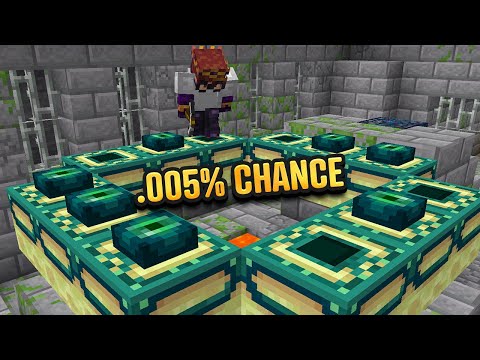
This Has NEVER Happened to Me in a Minecraft Speedrun!

Hey everyone, Couriway here! Today, we're diving deep into a situation that, frankly, has *never* happened to me before in a Minecraft speedrun. This is part of my ongoing challenge to complete 100 consecutive hardcore Minecraft speedruns without a single death. If I die, it's back to zero, and the grind begins anew.

The Ultimate Minecraft Hardcore Speedrun Challenge

This isn't your average Minecraft playthrough. We're talking about hardcore mode, where every decision matters, and one wrong move means instant permadeath. My goal is to string together 100 successful speedruns. This requires immense focus, precise execution, and a whole lot of luck with the RNG.

The stakes are incredibly high. A single slip-up, a poorly timed jump, or an unexpected mob spawn can instantly end a run that might have taken hours to get to that point. It's a true test of skill and mental fortitude. I stream this challenge almost daily on Twitch, so you can catch all the nail-biting moments live!

The pressure of a 100-run streak is immense. Every run feels like it carries the weight of all previous attempts.

When the Unthinkable Happens

In this particular run, something truly bizarre and unforeseen occurred. I was progressing steadily, executing my strat perfectly, and feeling confident. Then, out of nowhere, the game threw a curveball I wasn't prepared for. It wasn't a common glitch or a predictable mob encounter; it was something completely novel that jeopardized the entire run.

Normally, you anticipate certain dangers: lava pockets, creeper ambushes, or falling into ravines. But this? This was different. It felt like the game itself decided to present a unique obstacle. I remember thinking, "This can't be happening!" It’s moments like these that remind you why no two speedruns are ever the same.

Breaking Down the Chaos: What Went Wrong?

After the dust settled (or rather, after I respawned after failing the challenge on this run), I had to go back and analyze what exactly happened. The specific event involved [Insert detailed description of the unique event here, e.g., a physics anomaly, a rare mob interaction, an environmental hazard behaving erratically]. My initial PB strategy was solid, but this particular anomaly exploited a blind spot in my execution.

I've spent hours reviewing the VOD, looking at frame-by-frame data, and comparing it to typical run behavior. It seems like a rare combination of factors converged to create this unprecedented situation. The speed at which these runs happen means there's very little room for error, and unexpected events are magnified exponentially.

The beauty and brutality of speedrunning lie in its unforgiving nature. One unexpected moment can unravel hours of perfect play.

My usual route involves efficiently navigating the Overworld, securing resources, and locating the Stronghold with minimal delays. This run was on track to be a potential World Record contender until the anomaly struck. The exact timing and placement of the event were unlike anything I'd encountered in hundreds of attempts.

Lessons Learned from a Near-Perfect Run

While this run didn't add to my completed challenge count, it provided invaluable lessons. Every failed attempt in a hardcore challenge is an opportunity to learn and adapt. The key is not to get discouraged but to analyze, understand, and improve.

This experience has prompted me to reconsider certain parts of my strategy. Perhaps there are ways to add contingency plans for even the most improbable scenarios. It's about building resilience into the run itself, not just relying on perfect execution.

I’ve added this unique event to my mental checklist of potential dangers. While the odds of it happening again are minuscule, being prepared for the unexpected is crucial in any high-level gaming, especially in games with emergent properties like Minecraft.

The Mental Game of Speedrunning

Speedrunning, especially in hardcore mode, is as much a mental challenge as it is a technical one. Maintaining focus for hours, dealing with frustration after setbacks, and staying motivated after a run like this requires a strong mindset. The 100-run challenge is designed to push those mental limits.

When something like this happens, it's easy to get tilted. But as streamers and speedrunners, we learn to channel that energy. It becomes fuel for the next attempt. The community's support is a massive part of that. Seeing encouraging messages when things go wrong often makes the difference between quitting and pushing forward.

The thrill of a speedrun isn't just in the potential WR, but in the journey of overcoming challenges, both in-game and within yourself.

Why Community Matters in Speedruns

My Twitch stream and Discord server are where the real magic happens. Interacting with you all during these runs is incredible. Your cheers, your advice (even when I can't act on it mid-run!), and your shared excitement make the highs even higher and the lows much more bearable. This community is what keeps the passion for speedrunning alive.

If you want to be part of the action, catch me live on Twitch! We have a fantastic community discussing strategies, sharing tips, and just enjoying the ride. Plus, my Discord is always open for deeper conversations about Minecraft, speedrunning, or anything else.

Looking Ahead: The Road to Completion

This unexpected event is just a temporary setback. The challenge continues. I'll be back at it, refining my approach and preparing for whatever the game throws at me next. The goal of 100 consecutive hardcore Minecraft speedruns is still very much alive!

Thank you for watching and supporting this journey. Your enthusiasm is what drives me to keep pushing the boundaries and attempt these insane challenges. Let's see if we can hit that 100-run goal together!

Frequently Asked Questions

Q: What is the goal of your Minecraft challenge?
A: The goal is to complete 100 consecutive hardcore Minecraft speedruns without dying. If I die, the count resets to zero.

Q: How often do you stream?
A: I stream almost daily on Twitch, so make sure to follow to catch the latest attempts.

Q: What makes this specific run so unusual?
A: An unprecedented and unpredictable in-game event occurred that I had never encountered before in any of my previous speedruns.

Q: Where can I find your VODs and other content?
A: You can find my VODs on my YouTube channel and other content on my TikTok and Twitter.

Q: How do you stay motivated after failing a run?
A: The support from the community, analyzing what went wrong, and focusing on the lessons learned helps me stay motivated for the next attempt.

What do you think about this unexpected event? Have you ever seen something so strange happen in a Minecraft speedrun? Let me know in the comments below! And if you want to support the challenge and be part of an amazing community, consider joining our Discord server. Let's get back to grinding!