The Greatest Internet Masterpiece: Unpacking the Legend of Reddit's r/Place

Hello fellow gamers and speedrunning enthusiasts! Welcome back to GamingSpeedrun.com, your ultimate hub for all things fast and furious in the gaming world. Today, we're stepping away from our usual twitch speedruns to delve into something truly unique, a phenomenon that united millions and created a sprawling, pixelated masterpiece: Reddit's r/Place. This wasn't a game with a set objective or a leaderboard to climb, but an experiment in collective creation, a digital canvas where communities clashed, collaborated, and ultimately, built something legendary.

What Exactly Was r/Place?

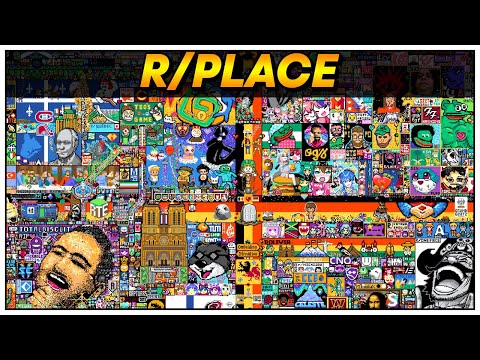
For those who might have missed this internet spectacle, r/Place was a collaborative, real-time pixel art project hosted by Reddit. Launched on April Fool's Day 2017, it presented users with a blank white canvas, 1000x1000 pixels in size. Each Reddit user could place one pixel of a pre-determined color every 5 to 20 minutes (the cooldown varied). The magic wasn't in placing a single pixel, but in the collective effort, the emergent strategies, and the sheer chaos and beauty that unfolded over several days. It was a testament to what the internet could achieve when millions coordinated, even loosely. The initial cooldown was 5 minutes, but it was extended to 20 minutes to foster more deliberate placement and strategy. This seemingly small change had a massive impact on the dynamics of the canvas. It wasn't about rapid-fire placement anymore; it was about planning, communication, and defending your territory.

The Evolution of the Canvas: Strategies and Factions

What started as a seemingly random scattering of colored pixels quickly evolved into a complex battleground of digital territories. Different subreddits and online communities organized themselves, creating elaborate pixel art and defending their creations from rival groups. This led to the emergence of various "factions" and strategic approaches that mirrored aspects of both warfare and, dare I say, speedrunning. * **Territory Expansion:** Many groups aimed to claim large sections of the canvas, often starting with a base color and then meticulously building their art. This required constant vigilance and coordinated efforts to prevent "griefing" – the act of deliberately ruining another group's art. * **The "Blue Corner" and "The Void":** Two of the most prominent emergent phenomena were the "Blue Corner," a blue area often defended by a loose alliance, and "The Void," an ever-expanding black or dark area that systematically consumed other art. These weren't planned entities but organic developments driven by user actions and inactions. * **Strategic Alliances:** As the canvas filled, temporary alliances formed between different communities to defend against mutual threats or to achieve common goals, like creating large flags or intricate designs. * **Pixel "Speedrunners":** While not a traditional speedrun, some communities approached r/Place with an intense focus on efficiency. Their goal was to complete their art or expand their territory as quickly and effectively as possible, minimizing wasted pixels and defending against interference. This involved real-time coordination via Discord and other platforms, much like a coordinated raid in an MMO or a well-executed team speedrun.
It was fascinating to watch these strategies unfold in real-time. You'd see a group meticulously place pixels to form a flag, only for a rival faction to begin systematically replacing those pixels with a different color. The defense then had to mobilize, replacing the "attacked" pixels back to their original state. This constant back-and-forth was the heart of the r/Place experience.

Iconic Creations and Community Battles

The canvas became a vibrant tapestry of internet culture. We saw: * **Flags of the World:** Many nations and communities created their flags, leading to both peaceful coexistence and intense flag wars, especially when flags overlapped. * **Meme Recreations:** Beloved internet memes found new life in pixel form, from the "This is Fine" dog to various Twitch emotes. * **Video Game References:** Given our audience, it was thrilling to see nods to beloved games. There were pixelated characters, game logos, and even iconic in-game items scattered across the canvas. I recall seeing a particularly impressive rendition of a classic gaming sprite that took hours to complete and defend. * **Artistic Masterpieces:** Beyond memes and flags, incredible original art emerged, showcasing the creativity of individual users and coordinated groups. These pieces often served as anchors around which communities would rally. * **The Script Invasion:** Towards the end of the 2017 event, a significant development was the use of bots and scripts to rapidly fill large areas with specific patterns or colors. This sparked debate within the community about the integrity of the "human-only" experiment and highlighted the ever-present challenge of automated cheating in online spaces, a concept familiar to any speedrunning community. One of the most memorable clashes involved a large streamer's community attempting to take over a significant portion of the canvas, only to be met with fierce resistance from multiple smaller, well-organized groups who had established their art beforehand. It was a David vs. Goliath scenario played out in pixels.
The sheer ingenuity and dedication displayed by communities coordinating their efforts was astounding. It truly felt like watching the internet itself come alive, painting its own story.

The Speedrunning Analogy: Optimization and Execution

As a speedrunner, I couldn't help but draw parallels between the strategies employed on r/Place and the world of speedrunning. * **Route Planning:** Groups meticulously planned where their art would go, anticipating potential conflicts and identifying "safe zones." This is akin to planning a speedrun route, deciding the optimal path and sequence of actions. * **Execution Under Pressure:** Defending your pixels while under attack required rapid decision-making and precise execution, much like performing difficult tricks or glitches in a speedrun. A moment's hesitation could mean losing valuable territory. * **Resource Management:** While the resource was time and pixel placement cooldowns, managing these effectively was key. Wasting pixels or time on a losing battle was like taking a suboptimal route or failing a critical trick in a run. * **Community Collaboration (in some runs):** While many individual speedruns are solo endeavors, team speedruns and community-driven development of strats share a similar collaborative spirit to r/Place. Sharing knowledge, refining techniques, and working towards a common goal are universal principles. The emergent "meta" of r/Place, where certain strategies became dominant or certain areas became contested zones, felt very much like the evolution of meta-strats in popular speedrun categories. New techniques would be discovered, shared, and integrated, changing how everyone approached the canvas.

Lessons Learned from the Canvas

r/Place offered more than just entertainment; it provided tangible lessons: * **The Power of Collective Action:** When people with a shared goal unite, even with simple tools, incredible things can be achieved. * **The Nature of Online Communities:** It showcased the best and worst of online interaction – creativity, collaboration, but also conflict and the challenges of moderation. * **Emergent Behavior:** Complex patterns and behaviors can arise from simple rules and individual actions, a concept studied in fields from physics to sociology. * **Digital Art and Ownership:** It raised questions about digital art, creation, and the ephemeral nature of online content. The eventual disappearance of the canvas, leaving behind only the final image, served as a poignant reminder of the temporary nature of digital endeavors. Yet, the memory and the shared experience of creating and defending those pixels live on. The discussions around the 2023 r/Place event, and its potential return, only solidify its legacy as a truly monumental internet event. It was a moment where pixels told stories, communities found common ground (and fought over it), and the internet proved itself to be a canvas for unparalleled collective creativity. It was, in the truest sense, the greatest, most chaotic, and most beautiful piece of art the internet has ever collectively made.

Frequently Asked Questions

What was the main goal of r/Place?

The primary goal of r/Place was to serve as a social experiment, allowing Reddit users to collaborate and create a massive, shared piece of pixel art. There was no single "winner," but rather a collective achievement.

When did r/Place first happen?

r/Place was first launched by Reddit on April 1, 2017, and ran for approximately four days.

Can r/Place happen again?

Yes, Reddit has brought back r/Place for subsequent April Fool's Day events, including a significant return in 2023, with potential for future iterations.

How did communities coordinate their efforts on r/Place?

Communities often coordinated through external platforms like Discord, Reddit's own chat features, and dedicated subreddit threads to plan their pixel placements, defend their art, and strategize against rivals.

Was r/Place just random pixels or was there strategy involved?

While it started with random placements, strategic coordination quickly emerged. Communities planned layouts, defended territories from "griefers" or rival groups, and optimized pixel placement to achieve their artistic goals efficiently.

What were your favorite creations or moments from r/Place? Did your community participate? Let us know in the comments below, and join our gaming Discord server to discuss everything about speedruns and internet phenomena!

Travis Scott's Fortnite Concert: 4 Drunk Gamers React!

Introduction: The Unforgettable Fortnite Event

Alright, fellow gamers and speedrun enthusiasts, gather 'round! Today, we're diving deep into something that absolutely blew our minds and probably yours too: Travis Scott's legendary concert *inside* Fortnite. Forget your usual news updates; this was a full-blown gaming and cultural event. The question on everyone's mind wasn't just "Did you see it?", but "How did it feel to be there?" We've all seen the clips, the highlights, and the pure chaos that ensued. But what happens when you mix an epic in-game concert with a few buddies who've had a bit too much to drink? Buckle up, because we’re about to find out.

The Astronomical Performance

Travis Scott’s "Astronomical" event in Fortnite wasn't just a concert; it was a revolutionary moment. Epic Games completely transformed the island, creating a psychedelic, larger-than-life experience. Players weren't just spectators; they were *participants*. We got to fly through space, dodge asteroids, and experience the music from perspectives never before possible in a game. The visual spectacle alone was groundbreaking, pushing the boundaries of what we thought was achievable in a virtual environment. This wasn't just about listening to music; it was about *living* it. It set a new benchmark for speedrunning potentially new kinds of events, showcasing the power of interactive entertainment.

"It felt like we were in a music video, but we controlled where we went. Absolutely mind-blowing!"

The transitions between songs were seamless, each one offering a new, breathtaking environment. From the depths of the ocean to the vastness of space, the concert was a journey. For many, it was their first taste of a truly immersive virtual event, blurring the lines between gaming and real-world entertainment. This set the stage for future events, proving that Fortnite could be more than just a battle royale; it could be a social hub, a concert venue, and a digital playground all rolled into one. The world watched, and it was epic.

Four Drunk Gamers React

Now, for the main event of *this* particular post. Imagine this: it’s the night of the Travis Scott concert. Four friends, armed with their favorite beverages and ready for an experience. We’re talking about pure, unfiltered, slightly-slurred reactions. This wasn't a carefully curated review; this was raw, honest, and hilariously uninhibited feedback. From shouting praises to completely losing track of what was happening on screen, their responses captured the chaotic joy of the event.

One gamer, let's call him 'Rico', was absolutely mesmerized by the visuals. "Whoa, dude! Look at that! It's like... it's like my screen is melting, but in a good way!" he exclaimed, slurring slightly. His friend, 'Maya', was more focused on the music itself. "This beat is sick! Travis, you absolute legend! Can we get a WR on how many times we can jump to this song?" she shouted, clearly enjoying the rhythm. Meanwhile, 'Leo' was struggling to keep up with the in-game action. "Wait, what? We're underwater now? I thought we were flying! Did anyone grab the loot? This is crazy!" His confusion was met with laughter from the others.

"Is this real life? I think I need another drink... or maybe a new graphics card!"

The fourth member of the group, 'Chloe', seemed to embody the true spirit of the night. "Forget the PB, forget the speedrun, tonight we celebrate! This is what gaming is all about! Pure, unadulterated fun! Travis, you've done it again, you magnificent bastard!" Her enthusiastic, slightly wobbly cheers were infectious. Their collective reactions, a mix of awe, confusion, and pure excitement, perfectly encapsulated the wild, unpredictable nature of experiencing such a massive event, especially with a bit of liquid courage.

Their commentary, while inebriated, highlighted key aspects of the concert that resonated: the stunning visuals, the impactful music, and the sheer novelty of it all. It’s moments like these that remind us why we play games – for the shared experiences, the laughter, and the unforgettable memories, even if they are a little fuzzy the next morning. This is the kind of authentic reaction that truly defines the POG moments in gaming.

Their unscripted, in-the-moment reactions provided a genuine, albeit tipsy, glimpse into the sheer spectacle of the Travis Scott Fortnite concert, capturing the pure fun and slightly bewildered awe that many players felt.

Impact on Gaming and Music Culture

Travis Scott's Fortnite concert was more than just a performance; it was a watershed moment that rippled through both the gaming and music industries. It demonstrated the immense potential for artists to reach vast audiences within virtual spaces, bypassing traditional venues and offering a unique, interactive experience. This event pushed the boundaries of digital concerts, paving the way for future integrations and collaborations. It proved that games like Fortnite could serve as powerful platforms for cultural events, attracting millions of players and fans globally.

The concert’s success boosted the idea of the metaverse as a viable space for entertainment and social interaction. It showed that virtual events could generate massive engagement and create shared cultural moments, much like live concerts or festivals. This has encouraged artists and developers alike to explore new ways of connecting with audiences through immersive digital experiences. The speedrun community itself sometimes incorporates unique in-game events, and this concert was a prime example of a non-traditional event that captured global attention. It’s a testament to how far virtual events have come and where they might be headed, influencing everything from music releases to news cycles.

Frequently Asked Questions

Q1: Was Travis Scott's Fortnite concert a one-time event?

A1: The original "Astronomical" event was a specific series of dates in April 2020. However, Travis Scott has made other appearances in Fortnite, and Epic Games frequently hosts new virtual concerts and events with various artists.

Q2: How many people watched the Travis Scott concert in Fortnite?

A2: The event reportedly drew massive numbers, with estimates suggesting over 12 million concurrent players experienced the concert live across its showings, making it one of the largest virtual events ever held.

Q3: Can I still watch recordings of the Travis Scott Fortnite concert?

A3: While the live event is over, numerous high-quality fan recordings and official highlight reels are available on platforms like YouTube. Searching for "Travis Scott Fortnite concert full event" should yield plenty of results.

Q4: Did this concert affect how games are developed?

A4: Absolutely. The success of the Travis Scott concert significantly influenced game developers and the music industry, highlighting the potential of in-game events and virtual worlds as platforms for entertainment and artist reach. It pushed innovation in interactive entertainment design.

So, what did you think of the Travis Scott concert in Fortnite? Were you one of the millions who experienced it live? Or did you catch it later through clips and streams? Let us know your own reactions – sober or otherwise – in the comments below! Did it blow your mind like it did for our drunk gamers? We also invite you to join our Discord server to discuss all things speedrun, gaming, and more. Your insights make the community stronger!

Max Payne Remake, Tomb Raider & Halo Infinite: The Ultimate Speedrun News Roundup - Week 14, 2022

What's up, speedrunners and hardcore gamers! Welcome back to your essential weekly roundup of all things fast-paced and epic in the gaming world. If you live for those frame-perfect inputs, insane glitches, and shaving off milliseconds, you're in the right place. This week's news is absolutely stacked, with massive announcements that have the potential to shake up leaderboards across the board. Get ready, because we're diving deep into the remake of a classic, the latest evolution of a legendary franchise, and a battle royale's fresh content.

Max Payne 1 & 2 Remake: A Speedrunner's Dream?

Hold onto your hats, because Remedy Entertainment has officially announced a full remake of Max Payne 1 and 2! This is huge news for the speedrun community. These games are already beloved classics with dedicated speedrunning communities, known for their deep strats and bullet-time manipulation. The prospect of a modern engine means potential for entirely new skips, sequence breaks, and exploits we haven't even dreamed of yet.

From a speedrunner's perspective, the key questions are: Will the core mechanics that make these games speedrun-friendly remain intact? Will the RNG elements be manageable? And most importantly, will Remedy embrace the speedrunning community and provide tools or support that help us discover the fastest routes? We're already speculating about potential category extensions and how the iconic bullet-time sequences will translate. This remake could easily become a new cornerstone for record chasers.

The potential for new glitches and sequence breaks in a modern engine is almost limitless. I can't wait to see what the community uncovers.

We'll be keeping a close eye on development updates and early gameplay footage to see if this remake lives up to the hype and, more importantly, if it's primed for some serious world-class speedruns. Fingers crossed for some incredible PB potential!

The New Tomb Raider: What It Means for the Speedrun Community

The news continues to roll in as Amazon Games and Crystal Dynamics revealed a new multi-game Tomb Raider saga is in development, powered by Unreal Engine 5. While details are scarce, the implication of a modern AAA Tomb Raider title is massive for the speedrun scene.

Classic Tomb Raider titles have a rich history in speedrunning, with intricate platforming challenges and puzzle skips being key to achieving fast times. A new entry built on UE5 promises stunning visuals but also opens the door for complex physics interactions, new traversal mechanics, and potentially groundbreaking glitches that could define new categories. Will we see a return to the more exploration-focused gameplay of the originals, or will it lean into the action-heavy approach of recent installments? Both directions offer unique speedrunning opportunities.

For many, the original Tomb Raider games are legendary runs, and the possibility of a new era dawning is incredibly exciting. The focus will be on how the developers implement traversal and combat – elements that are absolutely critical for any successful speedrun. We're hoping for mechanics that allow for creative routing and high-skill ceiling execution, much like the runs we see in games like gaming benchmarks.

The jump to Unreal Engine 5 is significant. We could see some absolutely mind-bending physics exploits if they leverage the engine's capabilities fully.

Halo Infinite Season 2: New Strategies Emerge

The multiplayer sandbox of Halo Infinite continues to evolve with the launch of Season 2, "Lone Wolves." While not a remake or a brand-new title, significant content drops like this can revitalize interest and introduce new speedrunning possibilities, especially in custom games or challenge runs.

The introduction of new maps, game modes, and potentially balance changes can alter established strats. For players focused on completing the campaign quickly, new weapon balancing or enemy AI tweaks might influence optimal loadouts and engagement tactics. While Halo Infinite campaign speedruns aren't as prominent as some other titles, every update provides a chance for the dedicated few to refine their runs and shave off precious seconds. This season's focus on rugged freelancers and Spartans could also inspire new custom game modes that lend themselves to speed challenges.

The key for the community will be to experiment with the new arenas and modes to see if any emergent speedrunning techniques arise. Even minor tweaks can lead to major discoveries in the hands of skilled players pushing the limits.

Other Notable Speedrunning News

Beyond the blockbuster announcements, the speedrunning world is always buzzing:

  • Indie Gems: Keep an eye on smaller indie titles. Often, these games have unique mechanics that become targets for incredibly creative and fast speedruns. We're seeing a surge of interest in games with procedural generation, offering endless replayability and discovery.
  • Platform Updates: Major platform updates or patches for popular live-service games can sometimes introduce unintended bugs or exploits. The speedrunning community is quick to investigate these, potentially leading to new categories or records.
  • Community Tournaments: As always, keep an eye on community-run tournaments and showcases. These events often highlight incredible PB performances and introduce viewers to exciting new runners and games. Supporting these events is crucial for the health of the speedrunning scene.

Community Spotlight & Resources

The heart of speedrunning beats within its passionate community. Whether you're aiming for a new world record or just want to improve your personal best, the resources available are invaluable.

Don't forget to check out:

  • Speedrun.com: The definitive hub for leaderboards, guides, and community forums for virtually every game imaginable. It's the first stop for any aspiring runner.
  • Discord Servers: Most major games have dedicated Discord servers where runners share strats, discuss techniques, and organize practice sessions.
  • Twitch Streams: Watching top runners live on Twitch is an incredible way to learn on the fly. You can ask questions directly and see strategies unfold in real-time. It's a fantastic way to feel part of the gaming speedrun culture.
The shared knowledge within the speedrunning community is what allows us to push boundaries. Never be afraid to ask questions or share your own discoveries.

Remember, every great run starts with a single step, and often, that step involves learning from others. Embrace the grind, stay curious, and celebrate every improvement!

Frequently Asked Questions

What is a speedrun?

A speedrun is the practice of playing a video game or completing a section of a game as quickly as possible, often utilizing glitches, sequence breaks, and optimized strategies.

Where can I find speedrun leaderboards for games?

The primary resource for speedrun leaderboards is Speedrun.com. Many individual game communities also maintain their own sites or forums.

Is it possible to speedrun any game?

While technically possible for almost any game, the viability and popularity of speedruns vary greatly. Games with clear objectives, cutscenes that can be skipped, and exploitable mechanics tend to have more active speedrunning communities.

How do I start speedrunning a game?

Start by choosing a game you enjoy. Watch existing speedruns for that game on platforms like YouTube or Twitch, join the game's specific speedrunning community (usually on Discord), and study available guides or tutorials. Practice the core mechanics and start with shorter segments before attempting a full run.

What does 'PB' mean in speedrunning?

PB stands for 'Personal Best'. It refers to a runner's fastest recorded time for a specific game or category.

That's a wrap for this week's speedrunning news! The landscape of gaming is constantly shifting, and with these major announcements, we're on the cusp of potentially seeing some incredible new feats achieved. Keep practicing, keep experimenting, and keep pushing those limits. We want to hear from you – what are you most excited about speedrunning from this week's news? Drop your thoughts in the comments below!

¿Por qué la Comunidad Gamer Odia a Rankiro Jd y su Contenido sobre Tomiii 11?

¡Hola, speedrunners y amantes de los videojuegos! Hoy abordamos un tema candente que está resonando fuerte en la comunidad: la polémica figura de Rankiro Jd y su presunta "hostilidad" hacia youtubers populares como Tomiii 11. En el mundo del gaming, donde la pasión y la lealtad son primordiales, este tipo de controversias pueden generar mucho ruido. Pero, ¿qué hay de cierto en estas acusaciones? ¿Es Rankiro Jd realmente un creador que busca lucrarse a costa de otros, o es una percepción errónea?

¿Quién es Rankiro Jd?

Rankiro Jd es un popular YouTuber mexicano que ha logrado amasar una considerable audiencia desde sus inicios en 2015. Su contenido se caracteriza por el uso distintivo del programa de voz Loquendo para narrar historias, curiosidades y, lo más relevante para esta discusión, contenido sobre otros influencers y youtubers. Esta técnica le ha valido miles de suscriptores, pero también ha sido el foco de críticas por la naturaleza de algunos de sus reportajes.

En el mundo del speedrun, somos testigos de cómo la comunidad reacciona a la información y cómo se construye la narrativa alrededor de los creadores. La estrategia de Rankiro Jd, centrada en crear contenido "informativo" pero a menudo sensacionalista, genera un debate interesante sobre la ética en la creación de contenido en línea.

La Controversia con Tomiii 11 y el Clickbait

El punto álgido de la controversia gira en torno a cómo Rankiro Jd aborda a figuras como Tomiii 11, un joven prodigio de Minecraft que conquistó YouTube con su carisma y habilidad. Las acusaciones señalan que Rankiro Jd utiliza el nombre de Tomiii 11, y de otros gigantes como MrBeast, para generar titulares llamativos y videos con "clickbait" descarado. Esto significa que los títulos y las miniaturas de sus videos están diseñados para atraer la atención de manera exagerada, prometiendo contenido que a menudo no cumple las expectativas generadas.

Este tipo de tácticas son especialmente criticadas en la comunidad gamer y de speedrunning, donde la autenticidad y el respeto por los logros de los jugadores son fundamentales. La percepción es que Rankiro Jd no estaría aportando valor real, sino capitalizando el éxito y la fama de otros para su propio beneficio. Personalmente, he visto cómo un buen WR puede ser opacado por el ruido mediático innecesario.

"Lucrarse de tomii11 y su vuelta a YouTube... este canal lo odia."

Esta cita, extraída del contenido original, resume la percepción de muchos: que el enfoque de Rankiro Jd no es meramente informativo, sino que busca activamente generar negatividad o controversia alrededor de otros creadores.

Análisis de la Estrategia de Rankiro Jd

La estrategia de Rankiro Jd parece consistir en identificar temas de alto interés y controversia dentro de la comunidad de YouTube y crear contenido alrededor de ellos. Su uso de Loquendo, si bien es un estilo distintivo, se presta a la narración de "historias" o "dramas" que pueden ser más entretenidos que informativos. Al centrarse en youtubers establecidos y populares, asegura una audiencia potencial mucho mayor, ya que estos nombres ya tienen un gran número de seguidores.

La clave de su éxito aparente reside en entender los algoritmos y las tendencias de YouTube. El clickbait, aunque efectivo para atraer visualizaciones iniciales, a menudo genera una reacción mixta. Mientras algunos espectadores disfrutan del drama y el "tea" (chisme), otros se sienten engañados o frustrados por la falta de sustancia. En el mundo del gaming, la comunidad suele ser muy perspicaz y detecta rápidamente las tácticas que buscan manipular.

Impacto en la Comunidad Gamer y el Speedrunning

La controversia generada por Rankiro Jd tiene un impacto directo en la comunidad. Cuando se difunden narrativas negativas o sensacionalistas sobre figuras populares, puede crear divisiones y malentendidos. En el contexto del speedrunning, donde la colaboración y el respeto mutuo son vitales, este tipo de contenido puede ser perjudicial. Un buen record o una hazaña de un jugador puede verse eclipsada por polémicas artificiales.

Además, el uso de la figura de Tomiii 11, un creador que ha enfrentado sus propios desafíos, genera preocupación. La comunidad gamer a menudo se une para apoyar a sus ídolos, y las tácticas de Rankiro Jd son vistas por muchos como una falta de respeto hacia esos lazos.

Otras Críticas y Polémicas

Las críticas hacia Rankiro Jd no se limitan a su contenido sobre Tomiii 11. A lo largo de su carrera, ha sido acusado de:

  • Exageración y Desinformación: Presentar hechos de manera sesgada para crear una narrativa más dramática.
  • Clickbait Agresivo: Utilizar títulos y miniaturas engañosas de forma recurrente.
  • Falta de Profundidad: Sus videos, aunque entretenidos para algunos, carecen de análisis profundo o investigación rigurosa.
  • Ataques Personales: En algunos casos, se percibe que su contenido roza el ataque personal hacia los creadores que menciona.

Estas críticas sugieren un patrón de comportamiento que va más allá de la simple cobertura de noticias de YouTube.

¿Hay una Defensa o Postura Clara?

Desde la perspectiva de Rankiro Jd, podría argumentarse que simplemente está cubriendo temas de interés para su audiencia, utilizando un estilo que le ha funcionado. El uso de Loquendo puede ser visto como una marca personal que lo diferencia. Sin embargo, la línea entre la cobertura informativa y el sensacionalismo es delgada, y las acusaciones de clickbait y manipulación son persistentes.

En GamingSpeedrun, creemos en la transparencia y la honestidad. Si bien entendemos la necesidad de atraer audiencia, consideramos que las tácticas empleadas por Rankiro Jd, especialmente en relación con figuras como Tomiii 11, bordean lo éticamente cuestionable. El respeto por otros creadores y por la comunidad es un pilar fundamental, tanto en el gaming como en el speedrun.

"Lo que buscamos aquí es exponer las estrategias que generan polémica, sin importar si se trata de un record batido o de una controversia entre YouTubers."

Es importante que como consumidores de contenido, seamos críticos y analicemos la información que se nos presenta. El impacto de estos creadores en la percepción pública de otros es significativo, y entender sus motivaciones es clave.

Preguntas Frecuentes

¿Quién es Rankiro Jd y por qué es polémico?

Rankiro Jd es un YouTuber mexicano conocido por usar Loquendo para narrar historias. Su polémica surge principalmente por su uso de clickbait y por cómo aborda temas relacionados con otros youtubers populares como Tomiii 11, lo que muchos consideran una táctica para lucrarse.

¿Qué se le acusa a Rankiro Jd respecto a Tomiii 11?

Se le acusa de utilizar el nombre de Tomiii 11 de manera sensacionalista y con clickbait para generar visualizaciones, sin aportar un valor real y, según algunos, mostrando una actitud de "odio" o desprecio hacia su figura.

¿Por qué este tipo de contenido es relevante para la comunidad gamer y de speedrunning?

La comunidad gamer valora la autenticidad y el respeto. Las tácticas de Rankiro Jd son vistas como manipuladoras y poco éticas, lo que puede generar divisiones y distraer del contenido de valor. En el speedrunning, la camaradería y el reconocimiento de los logros son importantes, y este tipo de controversias pueden ser perjudiciales.

¿El contenido de Rankiro Jd es siempre negativo?

Si bien su estilo de Loquendo puede ser entretenido para algunos, la crítica principal se centra en la naturaleza sensacionalista y de clickbait de muchos de sus videos, especialmente cuando se trata de otros creadores. La percepción general es que prioriza las visualizaciones sobre la calidad o la ética informativa.

La controversia alrededor de Rankiro Jd y su contenido sobre Tomiii 11 es un reflejo de las dinámicas complejas en la creación de contenido en línea. Mientras algunos celebran su estilo único, muchos en la comunidad gamer y de speedrunning critican sus tácticas de clickbait y la forma en que aborda a otros creadores. En GamingSpeedrun.com, nuestro objetivo es mantenerlos informados sobre los temas que importan en el mundo del gaming, analizando las tendencias y las controversias desde una perspectiva gamer.

¿Qué opinas tú sobre Rankiro Jd y su contenido? ¿Crees que sus tácticas son justas o dañinas para la comunidad? ¡Déjanos tu comentario abajo y únete a la conversación en nuestro servidor de Discord! Tu opinión es fundamental para seguir creciendo juntos.

13-Year-Old Kid Donates $4300 Live, Sparks Twitch Investigation

13-year-old kid donating money on stream

What's up, speedrunners and gaming fanatics! We've got a wild story that's shaking the Twitch world right now. A situation unfolded that has everyone talking, and it involves a massive donation from a very young viewer. Let's dive deep into this, figure out what's going on, and discuss the implications.

Twitch Investigation Underway

Reports are flooding in about a 13-year-old kid making staggeringly large donations to streamers, totaling a whopping $4300. This isn't just a one-off; it appears this young viewer has been donating throughout the day. We're actively monitoring the situation, and discussions are already in motion with Twitch to understand the full scope of what's happening.

The platform's policies are designed to protect both viewers and creators, especially when it comes to financial transactions. The involvement of a minor in such a substantial giving spree naturally raises red flags. It's crucial for platforms like Twitch to have robust verification processes in place to prevent situations like this from escalating. The impact on the child, their family, and the streamers involved is significant.

From a speedrunning perspective, the integrity of the platform is paramount. Events like these, while sensational, highlight the need for vigilance and responsible engagement within the community. We're keeping a close eye on official statements from Twitch regarding their investigation and any actions they might take.

Community Reaction and Ethical Concerns

The gaming community, as always, has a lot to say. Social media is buzzing with reactions, ranging from disbelief to concern. Many are calling for "F in the chat" – a common gaming gesture acknowledging misfortune or a serious situation. The sentiment is that this kid is likely in for some serious trouble, whether it’s with their parents or due to platform sanctions.

The sheer amount donated by a minor is concerning. We need to ensure our favorite platforms are safe spaces for everyone, especially younger viewers.

This incident forces us to confront the ethical considerations surrounding large donations in live streaming. While streamers appreciate support, the source of that support matters. The potential for a minor to access and spend such a large sum of money raises questions about parental oversight and platform responsibility. It’s a complex issue with no easy answers, touching on financial literacy, digital citizenship, and platform accountability.

The potential consequences for the streamers who received these donations are also a significant part of the discussion. Depending on Twitch's findings, they might face penalties if it's determined they acted improperly or were aware of the donor's age. This adds another layer of complexity to an already sensitive situation.

The Ethics of Large Donations

As dedicated members of the #speedrun community, we understand the desire to support creators we admire. However, this situation underscores the importance of responsible financial practices. Encouraging genuine, hardcore gaming support is one thing, but ensuring it comes from legitimate sources is another.

Platforms like Twitch have terms of service that streamers and viewers must adhere to. When a minor is involved in transactions of this magnitude, it can lead to chargebacks, account suspensions, and further investigations. The focus right now is on understanding how this happened and preventing similar incidents in the future. It’s a tough lesson learned for everyone involved, and a stark reminder of the responsibilities that come with online interactions.

Supporting your favorite creators is awesome, but always make sure you're doing it responsibly and within your means.

For those looking to support genuine efforts in the #gaming and #speedrunning space, there are always ways to do so ethically. Whether it's through subscriptions, Bits, or direct support where appropriate, understanding the platform's guidelines is key. This situation is a powerful example of why those guidelines exist.

We believe in fostering a community built on respect and integrity. While we chase that next #WR and celebrate every #PB, it’s also vital to address the broader issues that affect our ecosystem. This event, while unfortunate, provides an opportunity for learning and improvement across the board. Let's hope for a swift and fair resolution from Twitch.

Follow for More Speedrun Action

Stay tuned to GamingSpeedrun.com for the latest updates on this developing story and all things #speedrunning. We’re committed to bringing you the most comprehensive and up-to-date coverage in the gaming world. For real-time updates and insights, make sure to follow us on our own Twitch channel! Your support means everything as we continue to push the boundaries of what's possible in #speedrun. Catch us live and be part of the action!

Don't miss out on any major #gaming news or incredible #speedrun achievements! Follow us everywhere.

We invite you to join our vibrant community. Your insights and experiences are what make GamingSpeedrun.com the ultimate destination for gamers. Let's keep the conversation going!

Frequently Asked Questions

Q1: What exactly happened with the 13-year-old and the donations?
A: A 13-year-old viewer reportedly donated a total of $4300 to various streamers on Twitch, prompting an investigation by the platform. The specifics of how the minor accessed these funds and the subsequent platform actions are still unfolding.

Q2: Why is Twitch investigating this?
A: Twitch is investigating to ensure compliance with their terms of service, protect minors, and verify the legitimacy of the transactions. Policies are in place to prevent minors from making unauthorized or excessive financial expenditures.

Q3: What are the potential consequences for the streamers who received the money?
A: Consequences can vary depending on Twitch's findings. They could range from warnings to bans if it's found they facilitated or were aware of the minor's age and the source of funds inappropriately.

Q4: How can viewers support streamers responsibly?
A: Viewers can support streamers through official platform features like subscriptions, Bits, or cheers. For larger sums, it's crucial to ensure you are of legal age and have the consent of any relevant parties, like parents or guardians.

What are your thoughts on this situation? Let us know in the comments below! Join our Discord server to discuss this and all things #gaming and #speedrunning. Your voice matters!

The Impostor Within: Mastering Speedruns in Among Us

The thrill of Among Us isn't just about sussing out the Impostor; for speedrunners, it's about absolute efficiency. We're talking about shaving off precious seconds, optimizing every task, and executing flawless movements to achieve that coveted Personal Best (PB). If you've ever found yourself staring at the clock, wondering how to shave off that last bit of time, you've come to the right place. This isn't just about playing the game; it's about mastering it, understanding its core mechanics, and exploiting them for the fastest possible completion.

Welcome, fellow speedrunners and gaming enthusiasts, to GamingSpeedrun.com! We’re dedicated to bringing you the most comprehensive and up-to-date guides on mastering your favorite games at breakneck speeds. Today, we're diving deep into the colorful, chaotic world of Among Us, not just to survive, but to conquer it as fast as humanly possible. Get ready to learn the tricks, the strats, and the mindsets that separate a good run from a World Record (WR).

Navigating the Map Optimally

Map knowledge is paramount in any speedrunning endeavor, and Among Us is no exception. Whether you're a Crewmate racing against the clock to complete your tasks or an Impostor looking for the perfect kill opportunity, understanding the layout of maps like The Skeld, Polus, or MIRA HQ is non-negotiable. Elite runners have memorized the shortest paths between common task locations and emergency buttons. For instance, on The Skeld, knowing the direct route from Electrical to MedBay can save crucial seconds. We often see runners utilize specific movement patterns to chain tasks together seamlessly, minimizing downtime.

"The fastest route isn't always the most obvious. Sometimes, a slight detour can set you up perfectly for the next task, saving you more time in the long run."

This involves understanding the game's movement mechanics, including how quickly your character accelerates and turns. Practicing movement alone, without focusing on tasks, can build muscle memory for these optimal paths. Remember, every pixel counts when you're chasing a new PB.

Task Optimization Strats

For Crewmates, completing tasks is the primary objective. Speedrunners have developed intricate strategies to complete their assigned tasks in the most efficient order possible. This often means prioritizing tasks that are close to each other or tasks that have shorter animation times. For example, "visual tasks" like MedBay Scan are often done early if they appear on the runner's list, as they provide definitive proof of innocence and can be completed quickly. However, in some speedrun categories, visual tasks might be avoided if they take too long or are in inconvenient locations.

The key here is understanding the *type* of tasks. Short tasks, long tasks, and common tasks all play a role. A common task, like swiping the card in Admin, can be done very quickly and is often found on multiple maps. A long task, like diverting power in Communications, takes more time but might be strategically placed. Runners meticulously plan their task routes, sometimes even deciding to skip certain tasks altogether if they are too time-consuming or out of the way, relying on other Crewmates to complete them or hoping the Impostor is caught before task completion becomes an issue.

  • Identify and prioritize short, common tasks first.
  • Group tasks geographically to minimize travel time.
  • Understand task animations and practice them to execute faster.
  • Be aware of tasks that can be completed by multiple players simultaneously.

Impostor Strategies for Speed

Playing as the Impostor in a speedrun context is a different beast. The goal isn't just to kill; it's to kill *efficiently* and *without getting caught* while potentially sabotaging the Crewmates' task progress. This often means:

  • Strategic Kills: Looking for isolated Crewmates in less-trafficked areas.
  • Vent Usage: Mastering vent routes to quickly escape kill locations or reposition.
  • Sabotage Timing: Using sabotages like Lights or Reactor Meltdown to create kill opportunities or distract Crewmates. For example, turning off lights can obscure your kill animation.
  • Alibis: Faking tasks convincingly and being in plausible locations when bodies are reported.

A truly exceptional Impostor speedrun involves predicting Crewmate movements and task completions to strike at the most opportune moments. It’s a delicate dance of deception and calculated aggression. Sometimes, the fastest Impostor strat is to secure a quick kill early on and then focus on blending in, letting the Crewmates eliminate each other.

Exploiting Glitches and Skips

The world of speedrunning is often defined by the discovery and exploitation of glitches and skips. In Among Us, these can range from minor animation cancels to more significant map exploits. While the developers at Innersloth are constantly patching these, the community is always finding new ones. For example, specific character placements or timing during vent entry/exit might allow for quicker movement or escape.

"The most exciting part of Among Us speedrunning is often discovering a new sequence break or glitch that shaves off seconds that no one thought were possible."

Runners meticulously test these glitches in practice runs, integrating them into their main strategies if they prove reliable and time-saving. Understanding the game's engine and how certain actions interact can lead to game-breaking discoveries. These exploits are often what distinguish a good runner from someone challenging for the WR.

We've seen examples of players finding ways to stack on top of each other in specific locations to trigger events faster or using door mechanics in unique ways to clip through walls. These require precise execution and often a bit of luck with the game's physics. This is where the speedrun community truly shines, constantly pushing the boundaries of what's possible within the game's code.

The Role of RNG

Random Number Generation (RNG) plays a significant role in Among Us, impacting task spawns, Impostor selection, and even the appearance of sabotages. For speedrunners, managing and mitigating bad RNG is a crucial skill. While you can't control the RNG, you can develop strategies that are resilient to its effects.

For instance, if a crucial task spawns in an inconvenient location, a runner needs to have a backup plan. This might involve a slightly longer route or accepting that this particular run might not be a PB. Elite runners also understand the probabilities involved. They know the likelihood of certain tasks appearing or the chances of being chosen as Impostor. This probabilistic understanding allows them to make better decisions under pressure. The "POG" moments often come when a runner overcomes terrible RNG through sheer skill and quick thinking.

In a Crewmate speedrun, a favorable RNG could mean all your tasks are clustered together in one area. An unfavorable RNG might mean tasks are spread across the entire map, forcing longer travel times. As an Impostor, RNG dictates who your fellow Impostor is (if any) and which Crewmates spawn near you.

Advanced Techniques and Mind Games

Beyond raw execution, top-tier Among Us speedrunners employ advanced techniques and psychological warfare. This includes:

  • Baiting: Intentionally leading potential killers into traps or making them think you're an easy target.
  • Stack Kills: In multiplayer settings, multiple players stacking on one spot can obscure kills.
  • Body Hiding: Quickly moving a reported body to a less conspicuous location before the report screen fades.
  • Communication Manipulation: If playing with voice chat (though rare in official speedruns), using subtle cues or misdirection.
  • Task Faking Mastery: Understanding task timings so perfectly that even experienced players can't tell you're faking.

These elements add layers of complexity to the speedrun, turning it into a high-stakes performance. The pressure to perform perfectly, combined with the unpredictability of other players (or the game's AI in some cases), makes each run a unique challenge. Mastering these aspects separates the casual player from the dedicated speedrunning athlete aiming for that ultimate #WR.

Frequently Asked Questions

What is the fastest way to complete tasks in Among Us?

The fastest way involves memorizing optimal map routes, prioritizing short and common tasks, and grouping tasks geographically to minimize travel time. Consistent practice is key to perfecting task animations.

How do speedrunners use glitches in Among Us?

Speedrunners exploit glitches and sequence breaks for faster movement, quicker escapes (e.g., through precise vent usage), or to bypass certain game mechanics entirely. These are constantly being discovered and patched.

Is RNG a major factor in Among Us speedruns?

Yes, RNG significantly impacts task spawns, Impostor selection, and sabotage occurrences. Skilled runners develop strategies that are resilient to bad RNG and capitalize on good RNG.

What's the difference between a PB and a WR in speedrunning?

A PB (Personal Best) is a runner's own fastest time for a specific category. A WR (World Record) is the fastest time achieved by anyone globally for that category.

Can Among Us be speedrun with 2 players?

Yes, Among Us can be speedrun in various player counts, including 2-player lobbies, although the strategies and dynamics will differ significantly compared to full lobbies.

So there you have it! Among Us speedrunning is a deep and rewarding challenge that combines meticulous planning, lightning-fast reflexes, and an intimate knowledge of the game's mechanics. Whether you're aiming for your first PB or dreaming of a world record, mastering these techniques will put you on the right track. Remember, the most important tool is practice. Keep running, keep experimenting, and most importantly, keep pushing those limits!

What are your favorite Among Us speedrun strats? Have you discovered any unique glitches or techniques? Share your thoughts and best times in the comments below! Join our Discord server to connect with fellow runners and discuss the latest strats and news.

The Most Uncomfortable Donation? Supporting Hardcore Gaming with NFTs!

Hey there, fellow gamers and speedrunning enthusiasts! Welcome back to GamingSpeedrun.com, your ultimate hub for all things fast-paced and pixel-perfect. Today, we're diving into a topic that might raise a few eyebrows, a way to support the hardcore gaming community that’s… well, let’s just say *unconventional*. We're talking about NFTs, and how they're being positioned as a pathway to support the kind of dedication that makes games like [Insert Game Name Here] legendary in the #speedrunning scene.

What Are NFTs and Why the Fuss?

For those who’ve been living under a rock (or maybe just grinding in Elden Ring without internet), NFTs, or Non-Fungible Tokens, are unique digital assets verified on a blockchain. In the gaming world, this often translates to unique in-game items, collectibles, or even ownership stakes. The idea is that you can truly *own* your digital gear, trade it, and potentially even profit from it. It’s a concept that’s sparked a massive debate, with passionate fans on both sides.

Some see NFTs as the next evolution of digital ownership, empowering players and creators. Others view them as an environmentally questionable, speculative bubble that distracts from the core joy of gaming. We’ve seen games integrate them, leading to… varied reactions. It's definitely a hot topic, especially when we talk about how creators and streamers make a living.

The Speedrunner's Dilemma: Supporting the Dream

As speedrunners, we pour countless hours into perfecting our routes, discovering glitches, and executing frame-perfect tricks. This dedication is fueled by passion, community, and, let’s be honest, the need to sometimes just survive. Supporting the infrastructure of gaming – the content creators, the streamers, the developers pushing boundaries – is crucial for the scene to thrive. Traditional avenues like donations, subscriptions, and merchandise have been the bedrock of this support.

But what happens when new, less conventional methods emerge? The prompt mentions a call to support "TRUE hardcore gaming" through an NFT store. This implies a belief that this new digital frontier is the way forward for dedicated fans to show their appreciation. It’s an interesting proposition: investing in unique digital assets as a way to keep the #WR dreams alive.

The dedication required for a world record run is immense. Supporting these athletes and content creators is vital for the #speedrunning community.

The core intention here is noble: sustain the passion projects that bring us incredible #record-breaking feats. Whether NFTs are the *right* tool for this job is where the debate heats up. It’s easy to see the appeal for creators looking for new revenue streams, but the community’s reception is often mixed.

Blockchain Battles and Loot Boxes: A New Frontier?

The integration of blockchain technology into gaming is a complex beast. We've seen developers experiment with NFTs for everything from cosmetic skins to land ownership in virtual worlds. The argument for these integrations often revolves around player agency and a potential shift from the often-criticized model of #lootboxes. If you can *own* an item, rather than just having a chance to get it, is that a better system?

From a #speedrun perspective, this could mean entirely new categories or strategies emerging if certain NFT-gated content becomes relevant. Imagine a #PB that relies on acquiring a specific, rare NFT item. The implications for the #gaming world are vast, and not always predictable. The current landscape feels like a constant experiment, with creators and developers trying to gauge community interest and acceptance.

The mention of a specific store link (`mintable.app`) highlights a direct attempt to leverage this new market. It’s a bold move, positioning NFTs as the go-to for supporting "hardcore gaming." I’ve personally seen many communities grapple with this, with some embracing it and others pushing back strongly.

My Experience: The Uncomfortable Truth

Speaking from my own journey in the trenches of #speedrunning, the idea of supporting content creators is something I deeply believe in. I’ve spent hours perfecting runs in games like Super Mario 64 and Ocarina of Time, and I understand the dedication involved. When I see a creator I admire put their heart and soul into their content, I want to support them. In the past, that meant Twitch subs, donations, or buying merch.

The emergence of NFTs as a donation method presents a unique challenge. On one hand, the creator is offering something tangible (in a digital sense) in return for support. They're saying, "Invest in this unique digital item, and you'll be directly helping me continue my work." On the other hand, there's the inherent controversy surrounding NFTs: the environmental impact, the speculative nature, and the general skepticism from a large portion of the gaming populace.

Personally, I find myself on the fence. While I respect the hustle and the desire to find new ways to sustain a passion, the "uncomfortable donation" aspect rings true. It forces a difficult conversation: are we comfortable with this new paradigm of support? Does it dilute the original intent of community-driven appreciation, or is it simply the next logical step in the digital age?

The digital realm of gaming is constantly evolving, and so are the ways we support the creators who entertain and inspire us.

The links provided point towards a specific platform, suggesting a strategic approach to offering these digital assets. It’s not just a casual mention; it’s an invitation to participate in a specific market. This feels like a turning point for some creators, a decision to embrace or reject the burgeoning NFT space as a viable support channel.

For any gamer considering supporting their favorite streamers or content creators through NFTs, it’s crucial to do your research. Understand the platform being used (like Mintable, as mentioned), the specific asset you’re acquiring, and the long-term value proposition. Is it a collectible? Does it offer any utility within a game or a creator’s ecosystem? These are questions that need clear answers.

The goal is to ensure that your support genuinely contributes to the creator’s ability to continue producing the content you love, whether it’s a blisteringly fast #WR attempt or a hilarious #PB compilation. Transparency from the creator about what the funds will be used for is also key. Are they aiming to upgrade streaming gear, fund travel to major #speedrun events, or invest in new projects?

This is where the #gaming community often draws lines. We want our support to be meaningful and impactful, not just another transaction in a volatile market. The #world of digital assets is still relatively new, and navigating it requires a level of understanding and caution.

The Future of Gaming Donations

It’s impossible to predict exactly where this will lead. Will NFTs become a standard way for fans to support creators, alongside subscriptions and direct donations? Or will they remain a niche, controversial option?

What’s clear is that the conversation around funding #hardcore gaming is evolving. The lines between player, collector, and investor are blurring. As #speedrunning continues to grow in popularity, attracting more viewers and participants, the methods of support will undoubtedly continue to diversify. We're already seeing incredible talent emerge from platforms like Twitch, and ensuring these individuals can sustain their efforts is paramount.

The push towards NFTs might be seen as an attempt to capture value in this growing digital economy, offering fans a potentially unique way to contribute. It’s a gamble, perhaps, but one that reflects the ongoing innovation within the broader digital landscape. Whether it's through traditional means or cutting-edge blockchain tech, the spirit of supporting the games and creators we love remains central to the #gaming experience.

Ultimately, the most important thing is to foster a healthy ecosystem where passion projects can thrive. Whether that involves buying a cheap, exclusive NFT or simply hitting that follow button on Twitch, every bit of support counts towards achieving those incredible #WR moments.

Frequently Asked Questions

What exactly is an NFT in the context of gaming?

In gaming, an NFT is a unique digital asset verified on a blockchain. It can represent ownership of in-game items, collectibles, characters, or even virtual land. Unlike regular digital files, each NFT is distinct and verifiable, allowing for true ownership and trading.

Why are NFTs considered an "uncomfortable donation"?

They can be seen as uncomfortable due to several factors: the environmental concerns associated with some blockchains, the speculative and volatile nature of the NFT market, and a general skepticism from parts of the gaming community who feel it detracts from the core experience or exploits players.

Are there alternatives to supporting gamers with NFTs?

Absolutely! Traditional methods include direct donations (PayPal, Ko-fi), Twitch subscriptions and bits, Patreon memberships, buying merchandise, and supporting through platforms like YouTube Premium. Many gamers prefer these established and less controversial methods.

What are the potential benefits of NFTs for gamers and creators?

For creators, NFTs offer a potential new revenue stream and a way to engage supporters with unique digital assets. For gamers, they offer verifiable ownership of digital goods, the possibility of trading or selling these assets, and a direct way to support creators they believe in.

Is it safe to buy NFTs from creators?

Buying NFTs involves risks inherent to any digital marketplace. It's crucial to use reputable platforms, understand the specific NFT's utility or value, be aware of potential scams, and only spend what you can afford to lose. Always verify the creator's official links.

What are your thoughts on using NFTs to support the gaming and speedrunning community? Drop your opinions in the comments below! Let's discuss.

```

Billy Mitchell Accused of Extortion: What it Means for the Gaming World

Billy Mitchell

Hey speedrunners and hardcore gamers! If you've been following the competitive gaming scene, you know that the name Billy Mitchell has been synonymous with controversy for years. The latest news is a bombshell: Mitchell is now being accused of extortion. This isn't just another chapter; it's a whole new, darker plot twist in the ongoing saga that has captivated and divided the gaming community. We're here to break down exactly what's happening and what it means for the future of competitive gaming and high-score chasing.

Latest Developments in the Billy Mitchell Saga

Things just keep getting worse for Billy Mitchell. From the initial disqualifications regarding his Donkey Kong scores to the ongoing legal battles, it seems there's no end in sight for the controversies surrounding the self-proclaimed "King of Kong." The most recent allegations are particularly serious, adding a layer of potential criminal activity to the existing disputes.

Understanding the Extortion Allegations

The core of the new accusations centers on claims that Billy Mitchell has engaged in extortion. While the specifics are still unfolding, this implies an attempt to obtain money or other benefits through threats or coercion. In the context of his ongoing disputes, this could relate to attempts to silence accusers, manipulate evidence, or exert undue influence to protect his reputation or score claims.

The speedrunning community thrives on transparency and fair play. Accusations of this nature strike at the heart of those principles.

This development moves the conversation beyond the technicalities of arcade game scoring and into potentially illegal territory. The implications are significant, not just for Mitchell himself, but for the organizations and individuals involved in these high-stakes gaming disputes.

The Twin Galaxies Dispute: A Deeper Dive

The current turmoil is deeply intertwined with the long-standing dispute between Billy Mitchell and Twin Galaxies, an organization that tracks arcade game high scores. Twin Galaxies has previously nullified several of Mitchell's records, most notably his Donkey Kong scores, citing evidence of manipulation. The legal battles stemming from these decisions have been protracted.

The evidence against Mitchell's original Donkey Kong scores, meticulously gathered and presented, is substantial. For a comprehensive look at this evidence, you can check out resources that detail the findings and analysis, which formed the basis for Twin Galaxies' decision.

This ongoing legal battle has put a spotlight on the complexities of verifying arcade game scores, especially when they involve historical achievements and significant reputations. The recent extortion allegations add a disturbing new dimension to this already contentious relationship.

Impact on the Speedrunning Community

For the broader #speedrunning and #speedrunning communities, news like this can be disheartening. While the #WR chase continues with incredible dedication and sportsmanship, controversies involving prominent figures can cast a shadow. The pursuit of a #PB or a #world #record is built on integrity, practice, and often, community support.

Allegations of unethical or illegal behavior, even if directed at one individual, can erode trust within the scene. It highlights the importance of robust verification processes and ethical conduct for everyone involved, from aspiring players to seasoned record-holders. The commitment to true hardcore gaming is paramount, and such scandals test that commitment.

We've seen incredible leaps in #speedrun strategies and community engagement, but scandals like this remind us of the challenges in maintaining a clean competitive space.

This situation underscores the need for rigorous standards and clear guidelines to ensure that competitive gaming remains a fair and respected pursuit. It also emphasizes the importance of supporting channels and platforms that uphold these values and provide accurate reporting on the scene.

Evidence and Skepticism Surrounding the Claims

As with any high-profile accusation, skepticism is natural, and a thorough examination of evidence is crucial. The details of the extortion claims are still emerging, and it will be up to the legal system to determine their validity. However, given Mitchell's history of score disputes, many in the community are paying close attention.

Resources dedicated to uncovering and presenting evidence, such as those focused on the Twin Galaxies dispute, often provide a platform for detailed analysis. It's important for the #gaming public to approach these accusations with a critical eye, awaiting due process while acknowledging the seriousness of the allegations.

The Future of Billy Mitchell in Gaming

The trajectory of Billy Mitchell's involvement in the gaming world is uncertain. These latest accusations, if proven true, could have severe repercussions, potentially leading to legal penalties and further cementing his controversial legacy. The impact on his public image and his standing within the #gaming community is already significant.

For players focused on achieving new milestones and pushing the boundaries of what's possible in games, the focus remains on legitimate practice and dedication. The spirit of #speedrunning is about personal bests and pushing limits through skill and perseverance, not through illicit means. The community will undoubtedly continue to debate and discuss these developments, seeking clarity and upholding the integrity of competitive gaming.

We'll continue to monitor this developing story and bring you updates as they become available. The pursuit of truth and fairness remains paramount in the world of competitive gaming.

Frequently Asked Questions

What are the new allegations against Billy Mitchell?

Billy Mitchell is reportedly accused of extortion. This involves claims of using threats or coercion to obtain money or other benefits, adding a serious legal dimension to his ongoing disputes.

How does this relate to the Twin Galaxies dispute?

The extortion allegations are connected to Mitchell's long-standing conflict with Twin Galaxies, which previously invalidated his high scores. These new claims suggest potential illegal activities stemming from or related to this intense rivalry.

What is the impact on the speedrunning community?

Such serious allegations can be disheartening for the #speedrunning community, which values integrity and fair play. It highlights the importance of ethical conduct and robust verification processes in competitive gaming.

Is there evidence to support the extortion claims?

Details are still emerging, and the legal process will determine the validity of the claims. As with any accusation, a thorough examination of evidence is crucial. Information regarding his previous score disputes can be found in various gaming news outlets and forums.

What does this mean for Billy Mitchell's legacy?

If the allegations are proven true, they could have significant repercussions for Mitchell's reputation and legal standing, further defining his controversial legacy within the gaming world.

What are your thoughts on these latest developments? Drop your opinions in the comments below, and join the discussion on our Discord server to connect with fellow gamers and speedrunners!