Super Mario Bros. One-Handed WR: 4:58.658 - The Ultimate Deep Dive!

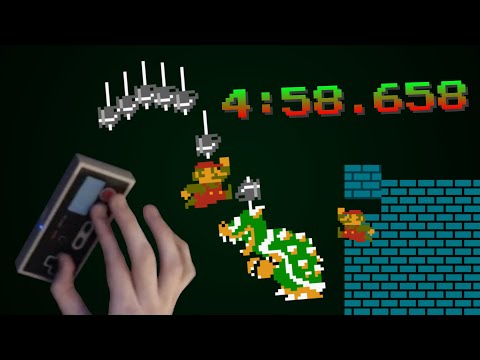
Ever stared at the iconic Super Mario Bros. title screen and wondered what the absolute limits of human execution are? The speedrunning community constantly pushes boundaries, and this recent World Record (WR) in the Super Mario Bros. One-Handed category is a testament to that dedication. A staggering 4:58.658 – let that sink in. This isn't just about beating the game; it's about mastering it under extreme constraints. The question on every gamer's mind is: How is this even possible?

Introduction: The Unprecedented One-Handed Feat

The original Super Mario Bros. is a cornerstone of gaming history. For decades, players have been obsessed with shaving off milliseconds, discovering new speedrunning techniques, and pushing the game to its absolute limits. The "Any%" category is the most popular, but specialized categories like "One-Handed" add a unique layer of difficulty and challenge. Achieving a sub-5-minute time in this category is nothing short of phenomenal. This isn't just a record; it's a demonstration of peak human performance under self-imposed restrictions.

This record, set at 4:58.658, pushes the boundaries of what we thought was possible. It prompts a deep dive into the mechanics of Super Mario Bros., the dedication of its speedrunning community, and the sheer willpower required to achieve such a feat. We're going to explore what makes this category so demanding, the specific strategies employed, and what it means for the future of gaming speedrun.

The One-Handed Constraint: More Than Just a Gimmick

At first glance, playing a game with one hand might seem like a novelty, a simple handicap. However, in a game as precise as Super Mario Bros., this constraint fundamentally changes the gameplay. Every jump, every movement, every decision must be executed with a single hand controlling all inputs. This dramatically increases the difficulty and requires an extraordinary level of muscle memory and strategic planning.

Think about the precise jump timings needed to navigate the Mushroom Kingdom. Even with two hands, a single misstep can cost valuable seconds. With one hand, the margin for error is microscopic. This category forces runners to abandon certain established strategies that might rely on quick, dual-handed manipulations, and instead find new ways to optimize movement and execution using only one limb. It truly tests the limits of dexterity and coordination.

"This category cannot be played on keyboard due to the tremendous comfort advantage it can have."

This quote from the record holder highlights a crucial point: the playing field must be leveled. While keyboards offer certain advantages in precision and speed for some games, for a category specifically designed around a physical limitation, using a standard keyboard would defeat the purpose. The reliance on a specific controller type ensures that the challenge remains focused on the one-handed execution itself.

Understanding the Controller Requirements

The rules of the Super Mario Bros. One-Handed category are designed to maintain the integrity of the challenge. As stated, "An original or dogbone style NES controller must be used for this category." This isn't just about nostalgia; it's about adhering to the spirit of playing on original hardware or authentic replicas. The use of a wireless 8BitDo NES controller, specifically modified by removing the turbo buttons, further underscores the commitment to a pure, challenging experience.

Why this specific controller? The original NES controller, with its iconic D-pad and single action button, is the most basic input device for the game. Using a wireless version removes any potential advantage from cord length or connection interference, while removing the turbo buttons ensures that the player is truly performing each action manually. This adherence to retro hardware standards is a hallmark of many dedicated speedrunning communities, preserving the authenticity of the challenge.

Unpacking the Strategies and Techniques

Achieving a 4:58 requires near-perfect execution of established speedrun strategies, but also potentially new optimizations tailored for one-handed play. While specific details of the record-breaking run would require an in-depth video analysis, we can infer some key aspects based on general Super Mario Bros. speedrunning:

  • Optimal Route: The fastest route through the game is crucial. This involves identifying the shortest and most efficient path through each level, minimizing backtracking and unnecessary actions.
  • Frame-Perfect Jumps and Skips: Many records rely on hitting specific inputs at exact frame intervals to perform advanced maneuvers. This includes skips that bypass entire sections of levels or precise jumps that maintain momentum.
  • Power-Up Management: While less critical in Any% compared to other categories, knowing when to grab a Mushroom or Fire Flower can sometimes optimize certain segments.
  • Enemy Manipulation: Understanding enemy patterns and positioning is key to avoiding them or using them to your advantage (e.g., bouncing off them for extra height).
  • Glitch Exploitation: While the "One-Handed" category might lean towards less glitch-heavy strategies to maintain focus, some minor glitches or unintended mechanics could be leveraged if they provide a significant time save and are within the rules. Techniques like the flagpole glitch, while difficult, could be relevant.

The "One-Handed" aspect likely means that strategies requiring rapid button combinations or complex directional inputs will be significantly harder, forcing a focus on simpler, yet equally precise, one-handed execution.

"I plan to improve this to a 4:57 eventually unless hand pain gets in the way of it."

This statement is a stark reminder of the physical toll speedrunning can take, especially in a category like this. The risk of injury, like carpal tunnel syndrome, is very real. It speaks to the incredible dedication and sacrifice involved in pursuing these records. This pursuit of perfection is a core part of the speedrunning community.

The Role of RNG and Frame-Perfect Execution

Even in a game as old as Super Mario Bros., Random Number Generation (RNG) plays a subtle but significant role. Enemy spawn patterns, coin block contents, and even movement physics can have slight variations. For a speedrunner aiming for WR, minimizing the impact of bad RNG and maximizing the benefit of good RNG is paramount. This often involves developing strategies that are either RNG-manipulation friendly or robust enough to handle minor variations.

The sub-4:58 time strongly suggests that this run was incredibly clean, likely with minimal RNG variance or successful manipulation. The level of precision required for a one-handed run means that even a single missed frame on a jump could cost the record. This is where the true expertise of a top-tier speedrunner shines through – their ability to execute complex inputs with unparalleled consistency, often down to the frame.

The Grind: Training, Dedication, and Pain

Breaking a World Record, especially in a challenging category like Super Mario Bros. One-Handed, isn't achieved overnight. It requires thousands of hours of practice, meticulous study of existing runs, and a deep understanding of the game's mechanics. The runner likely spent countless hours:

  • Practicing individual levels repeatedly to perfect specific segments.
  • Studying the speedrun routes and techniques of other top players.
  • Experimenting with different approaches to find the most efficient one-handed strategies.
  • Enduring the physical strain and potential pain associated with repetitive motions.

This level of dedication is what defines the true spirit of speedrunning. It's a journey of self-improvement, pushing personal limits, and contributing to the collective knowledge of a game's mechanics. The community aspect, sharing strategies and celebrating achievements, is a huge motivator.

Impact on the Speedrunning Community

A new World Record, especially in a classic title like Super Mario Bros., always sends ripples through the speedrunning community. This 4:58.658 run is significant for several reasons:

  • Inspiring New Players: It shows that even in a game that has been optimized for decades, there is still room for incredible human achievement and innovation.
  • Highlighting Niche Categories: It brings attention to specialized categories that might otherwise be overlooked, encouraging more players to try them.
  • Pushing Technical Boundaries: It forces runners to re-evaluate what's possible with limited inputs, potentially leading to the discovery of new techniques or optimizations.
  • Demonstrating Dedication: It serves as a powerful example of the commitment, skill, and perseverance required to reach the top of any speedrun.

The fact that this is a WR (World Record) category with specific rules about controllers also emphasizes the community's desire for fair and consistent competition. The pursuit of these records is a collaborative effort, with runners building upon each other's discoveries.

Frequently Asked Questions

Q1: What is the "One-Handed" category in Super Mario Bros. speedrunning?

The "One-Handed" category requires players to complete the game using only one hand to control an original NES controller (or a faithful replica). This adds a significant layer of difficulty to the standard speedrun.

Q2: Why is a specific NES controller required?

The rule is in place to ensure fairness and maintain the integrity of the challenge. It prevents players from using devices like keyboards, which could offer a significant comfort and control advantage, thereby negating the one-handed constraint.

Q3: How does playing with one hand affect speedrunning strategies?

It forces players to adapt or abandon strategies that rely on quick, dual-handed inputs. Focus shifts to simpler, yet perfectly timed, single-handed executions and potentially new routing or movement techniques.

Q4: Is it possible to cheat in the One-Handed category?

While cheaters exist in all forms of gaming, the speedrunning community has robust verification processes. For a WR like this, the run would be meticulously reviewed for any suspicious activity, and the use of specific hardware adds another layer of trust. The dedication to fairness is high in this community.

Q5: What are the risks of playing in the One-Handed category?

The primary risk is physical strain, such as carpal tunnel syndrome, due to the repetitive motions required to play with only one hand for extended periods.

The pursuit of the 4:58.658 World Record in Super Mario Bros. One-Handed is more than just a gaming achievement; it's a story of human dedication, mastery of game mechanics, and the relentless spirit of the speedrunning community. It showcases how even the most classic games can still offer incredible challenges and inspire breathtaking feats of skill. The dedication of players like the record holder proves that the passion for gaming knows no bounds, even when facing physical limitations.

What are your thoughts on this incredible achievement? Have you ever attempted a speedrun with a handicap? Share your experiences and strategies in the comments below! What other classic games would you like to see broken down for speedrunning potential?

The Shocking Downfall of GuitarHeroStyles: A Deep Dive into the Geometry Dash Community's Fallout

As dedicated speedrunners and gaming enthusiasts, we've all witnessed incredible feats of skill and dedication. But sometimes, the most captivating stories in the gaming world aren't about setting new records, but about the dramatic events that shake communities to their core. The "funa," or public shaming, directed at GuitarHeroStyles, a prominent figure in the Geometry Dash community, has once again resurfaced, leaving many asking: what truly happened, and what's the aftermath?

GuitarHeroStyles, also known as AdvyStyles or Luis Miguel, isn't just another content creator. With over 2.5 million subscribers, he's one of the biggest Geometry Dash players out there, renowned for conquering impossibly difficult levels and pushing the boundaries of what's playable. Many will remember his past viral moments, not just for his insane skills, but for his dedication that sometimes pushed his physical limits, with heart rates soaring to extreme levels during intense gameplay.

Last year, a massive controversy erupted around GuitarHeroStyles, fueled by accusations of misconduct on Discord and Twitter. The fallout was significant, sparking widespread discussion and debate within the Geometry Dash community and beyond. But a year later, what’s the status of this situation? Is he still active? What were the long-term consequences?

At GamingSpeedrun.com, we aim to provide in-depth analysis and cover the stories that matter to gamers. We understand the passion and dedication that goes into mastering games, and we also recognize the importance of understanding the human element behind the screens. This article will delve deep into the GuitarHeroStyles controversy, exploring the accusations, the community's reaction, and the impact on his career and the broader Geometry Dash scene. We'll go beyond the surface to understand the nuances and provide a comprehensive overview.

What Exactly Happened?

The controversy surrounding GuitarHeroStyles, which gained significant traction last year, stemmed from allegations of inappropriate behavior across platforms like Discord and Twitter. While the exact details of the accusations have been widely discussed and debated within the community, they generally revolved around:

  • Allegations of toxicity and harassment towards other members of the Geometry Dash community.
  • Accusations of misleading or manipulative behavior in online interactions.
  • Concerns raised about his conduct as a prominent creator.

These claims led to a significant backlash, with many users and fellow creators expressing their disappointment and anger. The situation escalated rapidly, becoming a trending topic and dominating discussions within the Geometry Dash community for an extended period.

The Community's Reaction

The response from the Geometry Dash community was swift and, for the most part, strongly negative. The "funa" trended, with many users taking to Twitter and other social media platforms to voice their condemnation. This collective outcry aimed to hold GuitarHeroStyles accountable for his alleged actions. The sheer volume of discussion highlighted how much his influence and presence meant to the community, and how deeply his alleged behavior affected those within it.

This wasn't just a minor disagreement; it was a significant event that led to discussions about #gamingintegrity and the responsibilities of large content creators. Many felt that his actions were unacceptable and set a poor example, especially for a game with a younger demographic.

The sheer scale of the "funa" indicated a widespread feeling of betrayal within the Geometry Dash community. It wasn't just a few disgruntled individuals; it was a significant portion of his audience and peers voicing their concerns.

Impact on GuitarHeroStyles' Career

Following the widespread accusations and backlash, GuitarHeroStyles experienced a notable impact on his online presence. While the original article doesn't detail specific penalties like bans, the virality of the controversy and the negative sentiment undoubtedly affected his standing within the community. Many creators and players distanced themselves, and the discussions often centered on whether his actions warranted a permanent consequence.

Despite the severe criticism, it's important to note that his YouTube channel, while perhaps experiencing a dip in engagement or a shift in community perception, remained active. The debate continued on whether he would make a comeback or if the controversy would permanently tarnish his reputation. This situation underscores the precarious balance content creators must maintain between their public persona and private conduct, especially within tight-knit gaming communities.

The situation also brought to light the power of social media in holding individuals accountable. The speed at which the accusations spread and the collective response demonstrate how quickly information, both true and false, can impact a creator's career. For those interested in the dynamics of online communities, this serves as a significant case study. You can find more discussions on community drama and its impact in our articles about #communitydrama.

The Geometry Dash Scene Post-Controversy

The Geometry Dash scene, known for its dedication to extreme difficulty and creative level design, continued to thrive. While the GuitarHeroStyles controversy was a major event, the game itself and its passionate player base moved forward. New creators emerged, pushing the boundaries of level design and speedrunning, and the community continued to evolve.

However, the incident served as a reminder of the importance of #gamingintegrity and ethical conduct within online gaming communities. It prompted discussions about moderation, accountability, and the responsibilities that come with a large following. The community learned valuable lessons about navigating online disputes and the impact of accusations, even if definitive proof or official consequences were not always clear.

The ongoing evolution of Geometry Dash, with its constant stream of new challenges and talented players, ensures that the community remains vibrant. While past controversies cast a long shadow, the focus often shifts back to the game itself, the incredible levels created, and the relentless pursuit of personal bests and #WR (World Records). For those interested in the competitive side of gaming, exploring the world of speedrunning and #SpeedrunGaming can be incredibly rewarding.

The Geometry Dash community, like many others, is a complex ecosystem. While it celebrates incredible skill and creativity, it also grapples with the challenges of accountability and ethical conduct among its prominent figures.

In the end, the GuitarHeroStyles situation serves as a potent example of how quickly a prominent figure can face scrutiny and how the gaming community reacts to alleged misconduct. It's a story that highlights the power of social media, the importance of ethical behavior in the online space, and the resilience of passionate gaming communities like that of Geometry Dash.

Frequently Asked Questions

Q1: What were the main accusations against GuitarHeroStyles?
A1: The primary accusations involved alleged toxic behavior, harassment, and manipulative actions within the Geometry Dash community on platforms like Discord and Twitter.

Q2: How did the Geometry Dash community react to the controversy?
A2: The community largely reacted with strong criticism and condemnation, leading to a significant online "funa" or public shaming campaign.

Q3: Is GuitarHeroStyles still active on YouTube?
A3: Yes, his YouTube channel remains active, although the controversy undoubtedly impacted his reputation and community standing.

Q4: What is the current state of the Geometry Dash community after the controversy?
A4: The community has continued to grow and evolve, focusing on new challenges and creators, while the controversy serves as a lesson on accountability and #gamingintegrity.

Conclusion and Call to Action

The story of GuitarHeroStyles and the "funa" is a complex one, highlighting the intricate dynamics within online gaming communities. It underscores the power of public opinion, the challenges of accountability for influential figures, and the resilience of passionate communities like that of Geometry Dash. While the specific details of the accusations remain a point of discussion, the event undeniably left a significant mark.

As gamers, we are not just consumers; we are participants in a vibrant culture. Understanding these events helps us navigate the broader landscape of gaming, fostering a more aware and responsible community. The pursuit of speed, skill, and pure gameplay remains at the heart of what we do, and stories like these, while cautionary, also fuel our passion for fair play and genuine #Community interaction.

What are your thoughts on the GuitarHeroStyles situation? Did you witness the fallout firsthand? Share your insights, opinions, and any related experiences in the comments below! We also encourage you to join our Discord server to discuss this and other critical topics shaping the gaming world. Your voice matters in building a better #GamerCommunity!

Unraveling the INSANE Minecraft All Advancements World Record: A Deep Dive into the Strategy

What drives a player to push the limits of Minecraft, not just to reach the end, but to conquer every single advancement the game has to offer? The recent World Record (WR) in Minecraft's All Advancements category, showcased in a truly mind-blowing speedrun, has left the gaming community buzzing. This isn't your typical Ender Dragon speedrun; this is a marathon of precision, knowledge, and sheer grit. We're talking about a feat that demands absolute mastery of the game's mechanics, from the earliest stages of survival to the most obscure achievements. Let's dive deep into what makes this record so insane and what strategies were likely employed.

The Ultimate Minecraft Challenge

When you hear "Minecraft speedrun," your mind probably jumps to the Fastest way to defeat the Ender Dragon. But the "All Advancements" category is an entirely different beast. It's a true test of endurance and comprehensive game knowledge. Players aren't just racing against the clock; they're racing against the game's intricate design, meticulously planning every action to achieve dozens, if not hundreds, of objectives. This WR isn't just a good run; it's a masterclass in efficiency and deep gaming expertise.

The Advancements Grind: More Than Just Survival

The sheer number of advancements in Minecraft can be daunting. From basic tasks like crafting a wooden pickaxe to complex feats like brewing every potion or surviving a raid, each advancement requires specific actions and often, specific items or environmental conditions. For a speedrun, this means players must:

  • Identify the most efficient order to complete advancements.
  • Minimize travel time between objectives.
  • Strategically gather resources needed for multiple advancements simultaneously.
  • Develop specific gaming strategies for rare or time-consuming advancements.

Some advancements are straightforward, but others, like obtaining a heart of the sea or finding a woodland mansion, can involve extensive exploration and a significant amount of RNG. The WR holder likely has a near-perfect understanding of how to optimize for these.

Key Strats and Skips for All Advancements

Achieving a World Record in this category requires more than just good gameplay; it necessitates exploiting every possible shortcut and optimizing every single movement. Here are some likely strategies and skips that would be crucial:

  • Early Game Efficiency: Quick crafting of essential tools, finding a village for rapid food and tool acquisition, and establishing a base of operations as fast as possible.
  • Nether Portal Optimization: Building the portal in the most advantageous location to minimize travel to key Nether structures like Bastions and Fortresses. This is often done using specific Nether entry strategies.
  • Bastion and Fortress Runs: Efficiently navigating these dangerous structures to gather crucial items like blaze rods, gold for bartering, and potentially netherite scraps. The strategy here involves knowing exact mob spawns and loot tables.
  • Advancement-Specific Techniques: Mastering techniques for advancements like "The End?" (defeating the Ender Dragon), "Minecraft, but it's an RPG" (completing a raid), and "How Did We Get Here?" (obtaining the status effect of a harming potion).
  • Villager Trading Mastery: Identifying and exploiting villager trades for essential items like enchanted books, diamond gear, and unique crafting materials. A good villager trading setup can save immense amounts of time.
  • Beacon and Elytra Acquisition: Obtaining a beacon for buffs and acquiring elytra for faster travel are critical mid-to-late game advancements that require significant effort.

A particularly "insane" aspect of this run is likely the tight integration of multiple advancement requirements into single, optimized sequences. For example, a single trip to the Nether might be planned to secure blaze rods for potions, gold for bartering (which can yield diamonds), and possibly the materials for fire resistance potions, all while working towards advancements related to Nether exploration.

"The true challenge isn't just getting the advancements; it's getting them in an order that minimizes backtracking and maximizes resource efficiency. Every second counts."

RNG Management: The Unseen Opponent

Minecraft's procedurally generated worlds mean that RNG plays a massive role. World generation, mob spawns, loot tables, and even biome placement are all subject to chance. For an All Advancements WR, managing this RNG is paramount:

  • World Seed Optimization: The runner likely used a carefully selected Minecraft seed known for its favorable structure placement and resource availability.
  • Loot Rerouting: When a chest doesn't contain the expected items, a top-tier speedrunner can often adapt their strategy on the fly, finding alternative ways to acquire the needed materials or shifting focus to a different advancement.
  • Mob Encounter Mitigation: Knowing how to deal with difficult mob spawns, whether through combat, evasion, or specific strategies like using lava or water.

The runner's ability to adapt to unfavorable RNG, or to capitalize on incredibly lucky spawns, is what separates a good run from a World Record.

The World Record Run Analysis

While we don't have the full breakdown of the specific WR run yet, based on the title "Reacting to the most INSANE Minecraft Speedrun (All Advancements World Record)," we can infer that the video likely highlights:

  • Breakthrough Strategies: New speedrunning strategies or glitches that shave off significant time.
  • Exceptional Execution: Moments of flawless gameplay, perfect movement tech, and critical item acquisitions.
  • Overcoming Obstacles: Instances where the runner faced unexpected challenges but overcame them with expert skill.
  • Final Push to the Record: The thrilling conclusion as the timer stops and the new World Record is confirmed.

The raw reaction to such a monumental achievement often captures the sheer excitement and dedication of the speedrunning community. It's a testament to countless hours of practice and innovation.

"Witnessing a World Record being set, especially in a category as demanding as All Advancements, is electrifying. It pushes the boundaries of what we thought was possible."

For those aspiring to achieve similar feats, understanding the nuances of each advancement is key. For example, mastering the Bedrock Edition or Java Edition can unlock different exploitable mechanics. Furthermore, staying updated with the latest speedrun analysis and community discoveries is vital for staying competitive. Exploring resources like speedrun.com can provide invaluable insights into current strategies and records.

Frequently Asked Questions

What are the most challenging advancements in Minecraft speedruns?
Advancements requiring extensive exploration (e.g., finding a Woodland Mansion, obtaining a heart of the sea), those with high RNG dependency (e.g., rare mob drops, specific loot), and complex combat scenarios (e.g., winning a raid, defeating the Wither) are generally the most difficult to incorporate into a speedrun.
How important is RNG in an All Advancements speedrun?
RNG is incredibly important. While good strategy and execution can mitigate some RNG, world generation, mob spawns, and loot tables can significantly impact the run's duration. Elite runners often use optimized seeds to maximize their chances.
What is the difference between Any% and All Advancements speedruns?
Any% speedruns aim to complete the primary objective of the game (usually defeating the Ender Dragon) as quickly as possible, using any glitches or exploits. All Advancements requires the player to complete every single advancement in the game, making it a much longer and more complex category.
What tools do speedrunners use for Minecraft?
Common tools include LiveSplit for timing, external maps for seed analysis, and sometimes modified clients for practice or specific strat development. However, for official WRs, the game must be played on standard versions, often with specific rulesets regarding mods.

Pushing the Boundaries of What's Possible

This latest Minecraft All Advancements World Record is more than just a number on a screen; it's a testament to human ingenuity, dedication, and an almost obsessive understanding of a digital world. It highlights the incredible depth of Minecraft and the passionate community that continues to find new ways to play and master it. Whether you're a seasoned speedrunner or a casual player, witnessing such a feat is inspiring and reminds us that there are always new challenges to overcome and new records to break.

What are your thoughts on this incredible World Record? Did you expect certain advancements to be more or less difficult to incorporate into a speedrun? Share your insights and strategies in the comments below! What other Minecraft speedrun categories would you like us to break down?

The Worst Speedrun Ever: A Deep Dive into Community Meltdowns and Misplays

Alright, speedrunning community, let's talk about the elephant in the room. The phrase "The Worst Speedrun Ever" isn't just a catchy title; it's a siren call for drama, for epic fails, and for those cringe-worthy moments that make you question everything you thought you knew about dedicated players. But what does it truly mean when a speedrun is branded as the "worst"? Is it about a botched execution, a controversial decision, or perhaps a clash within the community itself?

For many of us immersed in the speedrunning scene, the allure isn't just about achieving a new WR. It's about the journey, the optimization, the discovery of new strats, and the sheer dedication. Yet, sometimes, that dedication can lead to spectacular implosions. This isn't about criticizing individual efforts; it's about dissecting the elements that contribute to a speedrun becoming a cautionary tale.

What Makes a Speedrun the Worst?

When a run gets labeled as "the worst," it's rarely a single factor. It's usually a confluence of issues that range from technical execution to ethical quandaries. Think of it as a perfect storm of bad decisions, unfortunate events, and sometimes, pure hubris. Players push the boundaries, and sometimes, those boundaries push back. We're talking about runs where players might:

  • Miss crucial skips that cost minutes.
  • Fall victim to game-breaking glitches that weren't intended.
  • Exhibit poor sportsmanship or questionable integrity.
  • Engage in blatant cheating or hacking.
  • Demonstrate a lack of understanding of fundamental game mechanics.

These aren't just bad runs; they're runs that can become memes, cautionary tales, or even sparks for heated debates within the speedrunning community.

The Element of Player Error: Botched Skips and Missed Frames

Let's face it, every speedrunner has been there. You've practiced a specific movement tech for hours, visualizing every pixel, every frame. Then, during the actual run for a PB or a potential WR, it all falls apart. A mistimed jump, an accidental interaction, or a moment of panic can lead to a cascade of errors.

For instance, in games like Super Mario 64, a single missed frame on a BLJ (Backwards Long Jump) can cost precious seconds. In Halo 2, a botched shield-drop or a missed Grenade Jump can derail an entire attempt. These aren't just small mistakes; in the hyper-optimized world of speedrunning, these errors are magnified. We're talking about milliseconds or seconds that separate victory from utter despair. The "worst" speedrun often stems from these moments where years of practice evaporate due to a fleeting lapse in concentration.

"It's not just about executing the strats; it's about maintaining peak performance under immense pressure. One tiny slip can turn a dream run into a meme."

This is where the skill of a true speedrunner shines. It's not just knowing the route; it's about resilience, the ability to recover from mistakes, and sometimes, the mental fortitude to restart an entire run after a single, costly error. The "worst" runs are often those where recovery seems impossible, and the player is left staring at a shattered attempt.

RNG Ruins Everything: When Luck Becomes the Enemy

Ah, Random Number Generation. The bane and blessing of many speedruns. While some runs rely heavily on predictable RNG manipulation, others are at the mercy of enemy spawns, critical hit chances, or item drops. When the dice roll the wrong way, a perfectly executed run can transform into a frustrating slog.

Consider games like The Elder Scrolls IV: Oblivion, where enemy scaling and loot tables can be notoriously fickle. A run might be going perfectly, only to be crippled by a string of bad loot drops or unfavorable enemy encounters in crucial areas. For a game like Baldur's Gate, the sheer number of dice rolls for combat and skill checks means that a single bad string of luck can lead to a player's character being instantly defeated, turning a masterful strategy into a disaster.

These runs become the "worst" not because the player lacked skill, but because the game itself actively worked against them. It's a humbling reminder that even the most dedicated players are subject to the whims of digital fate. The frustration of seeing a perfectly planned sequence crumble due to a single bad dice roll is a shared experience among many in the gaming community.

Community Drama and Controversy: Beyond the Gameplay

Sometimes, "the worst speedrun ever" isn't just about what happens in-game. It's about the surrounding circumstances. This is where community drama, allegations of cheating, or questionable ethical decisions can overshadow the actual gameplay.

We've seen instances where runs were later found to be faked, or where a runner's behavior outside the game caused significant backlash. These events can tarnish reputations, lead to bans, and spark intense debates about gaming integrity. Think about the controversies surrounding certain speedrun records, where suspicions of manipulation or outright deceit led to lengthy investigations and community fallout. These instances often bring out the worst in online communities, but they also highlight the importance of transparency and ethical conduct.

"The pursuit of records is noble, but it should never come at the cost of honesty. A community thrives on trust, and betraying that trust is the quickest way to earn the title of 'worst'."

These situations often lead to lengthy discussions about community standards and the rules that govern competitive play. When a runner is found to have cheated or acted unethically, the entire community feels the impact, making the "worst speedrun" a collective disappointment.

Case Studies of Infamy

While specific names and games might be sensitive, the patterns of "worst speedruns" are often evident across different communities. We've seen:

  • The "Mandatory Skip Fail" Run: A runner attempting a well-known skip, only to fail it repeatedly, costing minutes and eventually leading to a rage quit or a complete collapse of the run.
  • The "Everything Goes Wrong" Run: A seemingly cursed run where everything that could go wrong, did. Unfavorable RNG, unexpected deaths, and technical issues all conspire against the player.
  • The "Ethically Questionable" Run: A run where the player employs strategies that are technically "legal" by the rules but are widely considered cheap, unsportsmanlike, or exploit game mechanics in a way that detracts from the spirit of the competition.
  • The "Blatantly Cheated" Run: This is perhaps the most egregious. A run where clear evidence of cheats or hacks is present, leading to immediate disqualification and community condemnation.

These examples highlight that the "worst" can be subjective, but certain elements—like blatant rule-breaking or a complete lack of execution—are universally recognized.

Lessons Learned

So, what can we take away from these unfortunate speedruns? Several key lessons emerge:

  • The Importance of Practice: Consistent practice isn't just about learning routes; it's about building muscle memory and the ability to adapt.
  • Mastering RNG: Understanding and, where possible, manipulating RNG is crucial for consistent, high-level play.
  • Integrity Above All: The pursuit of a record should never compromise honesty and fair play. The gaming integrity of the individual and the community depends on it.
  • Resilience is Key: Every runner makes mistakes. The difference between a good run and a "worst run" often comes down to how well one can recover.
  • Community Matters: A strong, supportive community can help runners overcome challenges, but it also holds individuals accountable for their actions.

Ultimately, even the "worst" speedruns can serve a purpose. They provide entertainment, lessons, and sometimes, a much-needed dose of humility. They remind us that even in the most dedicated pursuits, we are all human, prone to error and subject to the unpredictable nature of both games and people. The speedrunning community, despite its occasional stumbles, continues to push boundaries and discover new ways to engage with the games we love.

Frequently Asked Questions

Q1: What is the most common reason a speedrun is considered "the worst"?
A1: It's often a combination of significant execution errors, extremely bad RNG, or notable instances of cheating/poor sportsmanship.

Q2: Can a speedrun be "the worst" if the player is genuinely trying their best?
A2: Yes, a run can be considered very poor if the execution is consistently bad due to nerves or lack of practice, even if the player is trying their absolute hardest. However, truly "worst" runs often involve more than just poor execution.

Q3: How does community drama impact a speedrun's reputation?
A3: Controversies, cheating allegations, or ethical breaches can severely damage a runner's and a specific run's reputation, sometimes eclipsing the actual gameplay itself.

Q4: What's the difference between a bad speedrun and "the worst speedrun ever"?
A4: A bad speedrun is simply one that didn't go well. "The worst" implies a level of infamy, often due to exceptional failure, controversy, or historical significance within the community for negative reasons.

Q5: Are there specific games known for hosting "worst speedrun" moments?
A5: Games with high RNG or complex mechanics like Baldur's Gate or games with deep glitch exploitation like older Nintendo titles are often where these moments occur.

What are your thoughts on "the worst speedruns"? Have you witnessed any particularly memorable failures or community meltdowns? Share your experiences and insights in the comments below! Let's keep the conversation going and learn from every kind of run, good or bad.

If you enjoyed this deep dive, consider joining our GamingSpeedrun Discord to discuss speedrunning strategies, community events, and more! What other controversial topics or legendary runs should we break down next?

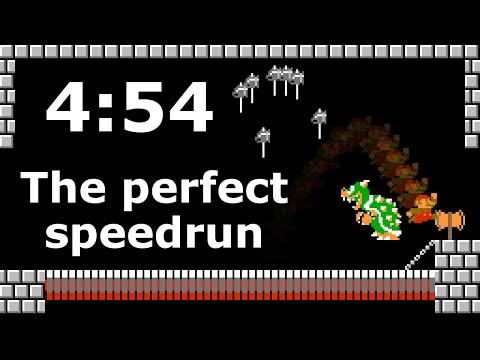
The 4:54 Barrier: Why This Super Mario Bros. World Record Speedrun is Pure Perfection

Introduction

Hey fellow speedrunners and Mario fans! Ever watched a world record attempt and felt a surge of adrenaline, only to wonder how they pulled off those impossible feats? Today, we're diving deep into a run that exemplifies speedrunning perfection: the legendary 4:54 World Record for Super Mario Bros. This isn't just about beating the game; it's about bending its very rules. We'll break down the precise movements, the mind-bending glitches, and the sheer dedication required to achieve such a monumental time. Get ready to understand what makes this run truly special.

The Magic of 4:54

The 4 minute and 54 second mark in Super Mario Bros. isn't just a number; it represents the pinnacle of human execution and game mastery. For years, this time has been a benchmark, a testament to how far the speedrunning community can push the boundaries of what's possible. This specific run, often cited and analyzed, showcases an incredible understanding of the game's engine, exploiting mechanics that were never intended by the developers. It's a dance with pixels, a ballet of precise inputs, and a masterclass in speedrunning strategies.

World 1-1 and the Flagpole Glitch

The opening moments of any speedrun are crucial. In Super Mario Bros., World 1-1 is where the magic often begins. This run utilizes the infamous Flagpole Glitch, a pixel-perfect trick that allows Mario to enter the castle without touching the flagpole. Executing this requires immaculate timing and positioning. You need to hit the last block before the flagpole at a specific frame, causing Mario to enter the warp pipe instead of jumping. This saves precious frames and sets the tone for the rest of the run. It's a prime example of game breaking exploits being used to shave off seconds.

Mastering World 1-2: The Pipe Clip

Following the opening, World 1-2 presents another opportunity for incredible time saves. The "pipe clip" is a technique that allows Mario to pass through the solid pipe on the right side of the screen, bypassing a significant portion of the level. This isn't a simple jump; it involves precise wall-jumps and movement to clip through the geometry. Mastering this glitch requires an intimate knowledge of collision detection and Mario's physics. It's a demonstration of how skilled players can manipulate the game's code through sheer skill and understanding.
The ability to clip through solid objects in Super Mario Bros. is a testament to the deep understanding speedrunners have of game engines. It's not just about playing the game as intended; it's about exploring its very limits.
While the early levels are packed with frame-perfect tricks, the later worlds demand consistent execution and strategic planning. World 4-1 is a crucial point, and the efficiency here sets the stage for the critical endgame. The sequence leading into World 4-2 is often where runs can fall apart. However, in this record-breaking attempt, every jump, every enemy avoidance, is calculated to the millisecond. This showcases not just glitch execution but also a profound understanding of enemy patterns and level design.

The Bullet Bill Glitch and 8-Bit Magic

The infamous Bullet Bill Glitch is another cornerstone of this 4:54 run. This complex strategy involves manipulating the game's AI to launch Mario across the screen at incredible speeds. It's a high-risk, high-reward strat that, when executed flawlessly, shaves off enormous amounts of time. The level 8-2, in particular, is known for its aggressive use of this speedrunning technique, often involving a "wrong warp" that teleports Mario to the final castle. This requires an immense amount of practice and precision, as a single misstep can end the run.

Consistent Acceleration and Precision

Beyond the headline-grabbing glitches, what truly defines this run is the **consistent acceleration** and **overall precision**. The player demonstrates an unparalleled mastery of Mario's movement. Even in sections without major skips, every single button press is optimized for maximum speed. This includes perfect running, jumping, and turning, ensuring Mario maintains his momentum throughout the entire game. The slight variations in acceleration and how they impact Mario's speed are understood and exploited to their fullest. This level of mastery is what separates good runs from legendary ones.
It’s not just about the flashy glitches; it's the seamless integration of them with perfect platforming that makes this 4:54 run so extraordinary. Every single frame counts.

What Makes it Perfect?

The term "perfect" in speedrunning is often debated. However, this 4:54 run comes incredibly close. It's not just about hitting the target time; it's about the near-flawless execution of every strategy, including the most difficult glitches. The RNG (Random Number Generation) was also favorable, allowing for optimal outcomes in certain unpredictable moments, but even with good RNG, the player's skill to capitalize on it is paramount. The ability to recover from minor imperfections and still maintain such a blistering pace is what truly elevates this performance. This is the definition of a PB (Personal Best) that fans strive for.

Potential Improvements

Even in a near-perfect run, the speedrunning community is always looking for ways to shave off more time. While this 4:54 run is incredible, some runners might analyze it to find even smaller optimizations. Perhaps a slightly earlier frame perfect input here, a better jump trajectory there. The pursuit of the absolute fastest time is never truly over. The community constantly innovates, developing new speedrunning strategies and discovering new game mechanics to exploit.

Frequently Asked Questions

What is the significance of the 4:54 time in Super Mario Bros. speedrunning?

The 4:54 time represents a near-perfect execution of the fastest known strategies and glitches in Super Mario Bros., often considered a benchmark for the highest level of play.

What is the "Flagpole Glitch" in Super Mario Bros.?

The Flagpole Glitch is a technique where a player hits the last block before the flagpole at a precise frame, causing Mario to enter the castle warp pipe without touching the flagpole, saving significant time.

Is the Bullet Bill Glitch necessary for this speedrun?

Yes, the Bullet Bill Glitch is a critical component of achieving such fast times in Super Mario Bros. speedruns, allowing for massive leaps and warp pipe activations.

What does "RNG" mean in speedrunning?

RNG stands for Random Number Generation. In speedrunning, it refers to the unpredictable elements in a game that can affect outcomes, such as enemy behavior or item drops. Favorable RNG can significantly aid a speedrun.

How can I start speedrunning Super Mario Bros.?

To start speedrunning Super Mario Bros., you'll need to learn the basic routes and essential glitches like the Flagpole Glitch and pipe clips. Websites like speedrun.com offer leaderboards, guides, and resources from experienced runners. Studying top runs is also highly recommended.

Conclusion and Call to the Community

This 4:54 World Record speedrun of Super Mario Bros. is more than just a video; it's a masterclass in dedication, precision, and understanding the intricate workings of a classic game. It’s a testament to the speedrunner's ability to push boundaries and redefine what's possible. It showcases how glitches, when mastered, become essential tools for achieving the ultimate goal: speed. What are your favorite moments from this run? Did any of these game exploits surprise you? Share your thoughts and your own speedrunning achievements in the comments below! And if you're inspired to chase your own records, join our community on Discord to discuss strategies, share tips, and find fellow runners. What game's speedrun should we break down next?

I Reclaimed the World Record on Alpharad's Speedrun Level: Here's How!

Hey fellow speedrunning enthusiasts and gamers! It's your favorite speedrunner (or at least, I like to think so!) back with some electrifying news. You know how sometimes you hit a wall, you think you've conquered a level, and then BAM! Someone else snatches the glory? Well, that happened to me recently on one of Alpharad's notoriously challenging speedrun levels. But fear not, because I didn't just reclaim the top spot – I shattered my previous record. This isn't just about bragging rights; it's about pushing the boundaries of what's possible and refining every single frame. If you're looking to understand the cutting edge of speedrunning strategies, the nuances of pixel-perfect execution, and how to tackle those seemingly impossible levels, you've come to the right place. I'm here to break down the strategy, the mindset, and the sheer dedication it took to get back to that #1 spot.

The Alpharad Challenge

Alpharad is known for creating levels that are not just difficult, but often ingeniously designed to test a speedrunner's mastery of game mechanics and movement. This particular level was no exception. It demanded not only speed but also an incredible amount of precision. When I initially set the world record, I thought I had pushed it to its absolute limit. However, the competitive nature of the speedrunning community means that records are constantly being challenged. It’s this push and pull, this constant striving for perfection, that makes speedrunning so addictive.

My Previous Run and the Motivation

My initial world record on this Alpharad-designed level was the culmination of weeks of practice. I had optimized every jump, every turn, every possible skip. But as I've learned in my time as a Speedrunner, there's always room for improvement. Seeing someone else claim the record, while initially a sting, ultimately served as a massive motivator. It’s a reminder that the game is alive, the community is pushing forward, and there are still secrets to unlock and efficiencies to find. This wasn't just about personal achievement; it was about the thrill of the chase and the commitment to the art of speedrunning itself. The desire to not just beat my old time, but to set a new benchmark, fueled countless hours of practice.

Deconstructing Alpharad's Design

Alpharad's levels often feature unique mechanics or environmental puzzles that can be exploited or bypassed with the right knowledge. For this specific level, the key was to understand the exact properties of its most challenging sections. I spent hours simply observing the level, watching replays (both my own and others), and experimenting with different approaches. What looked like an insurmountable obstacle could often be overcome with a precise sequence of actions. It’s like solving a complex puzzle, but instead of pieces, you’re manipulating physics and timing. This detailed analysis is crucial for any serious speedrun, as it uncovers the hidden pathways and optimal routes that aren't immediately apparent.

Developing New Strategies: The Key to Reclaiming the WR

The moment I decided to reclaim the record, I knew I couldn't rely solely on my old strategies. The competition is fierce, and other runners likely found new efficiencies. My goal was to find novel ways to shave off precious milliseconds. This involved:

  • Exploring 'Out of Bounds' (OOB) Techniques: Sometimes, the fastest path isn't within the intended level geometry. I tested various OOB glitches to see if any could bypass entire sections of the level.
  • Advanced Movement Tech: I revisited fundamental movement techniques and experimented with more complex, frame-perfect maneuvers that could grant extra speed or height.
  • Environmental Exploitation: Were there specific elements in the level that could be used to my advantage? Think bounce pads with perfect angles, or moving platforms that could be manipulated for an earlier launch.

The most significant breakthrough came when I discovered a new Speedrunning Strategy involving a combination of a specific jump timing and an environmental interaction that allowed me to skip a notoriously difficult platforming sequence. This alone saved me nearly half a second, a massive gain in the speedrunning world.

Precision is Paramount: Frame-Perfect Execution

Once the new strategies were in place, the real grind began: execution. Speedrunning is as much about muscle memory and split-second reflexes as it is about route planning. Every jump, every dash, every input needs to be perfect. A single mistimed button press can cost you the run, let alone the record. This involves:

  • Practicing segments: Breaking the level down into smaller, manageable chunks and perfecting each one.
  • Consistent practice: Repetition is key. Running the level hundreds, sometimes thousands, of times until the movements become second nature.
  • Mental fortitude: Staying focused under pressure, especially when you know you're on a record pace.

The difference between a good run and a world record often comes down to those "frame-perfect" moments – inputs that need to be timed within fractions of a second. Mastering these is what separates the casual player from the elite Speedrunner.

RNG Management: The Unseen Factor

For some games, Random Number Generation (RNG) plays a significant role. While Alpharad's levels are often meticulously designed, there can still be elements of unpredictability. In this case, certain enemy patrols or item spawns, while predictable to an extent, can slightly alter the optimal route or timing. My strategy involved not just optimizing for the *best possible* RNG, but also for robust routes that could still perform well even with slightly unfavorable RNG. This means having backup plans and being able to adapt on the fly. It's a subtle but critical aspect of high-level speedrunning.

"The beauty of speedrunning is finding the perfect blend of calculated strategy and flawless execution, all while taming the unpredictable nature of the game."

The Record-Breaking Run: A Moment-by-Moment Breakdown

The run that secured the new world record was, frankly, almost perfect. From the start, I felt that familiar surge of adrenaline. The opening sequence was clean, hitting all the critical jumps and skips I had been practicing. The new OOB strategy I developed was executed flawlessly, bypassing a section that used to take critical time. The mid-level platforming, usually a point of contention, felt smoother than ever. The key was the precise timing on the new skip I discovered; it felt like butter. The final stretch, where pressure usually mounts, I managed to keep my composure. Every input was sharp, every movement deliberate. Crossing the finish line, I immediately knew it was fast. Seeing the final time pop up was exhilarating. The World Record was mine again!

Lessons Learned for Future Speedruns

This experience reinforced a few core principles of speedrunning for me:

  • Never stop experimenting: The game is always changing, and so should your strategies.
  • Embrace failure: Every failed run is a learning opportunity. Analyze what went wrong and use it to improve.
  • Community is key: Even when competing, the shared passion for speedrunning brings us together. Discussing strats, sharing tips, and pushing each other is vital.
  • Enjoy the process: Ultimately, speedrunning is a hobby. While the competition is intense, the joy of mastering a game and achieving a personal best is incredibly rewarding.

This victory isn't just a personal win; it's a testament to the dedication and innovation within the speedrunning community. It shows that with enough practice, analysis, and a touch of bravery, even seemingly insurmountable records can be broken.

"The pursuit of perfection in speedrunning is a journey, not a destination. Every record broken is just a new starting point for the next challenge."

Frequently Asked Questions

What is the game or level this record is for?

This record is specifically for a custom speedrun level created by the popular content creator Alpharad. These levels are often designed with speedrunning potential in mind.

How much time did you save with your new strategy?

The new strategy, primarily involving an environmental exploit and optimized movement, saved me approximately 0.7 seconds compared to my previous record.

Is Alpharad's level still considered difficult after your new strategy?

Yes, absolutely. While the new strategy bypasses a particularly tricky section, the level still demands high precision and execution throughout. It's now a more optimized challenge, but still far from easy.

Do you plan on defending this record or moving to a new game?

My immediate goal is to defend this record and potentially push it even further. However, I'm always exploring new games and challenges, so you never know what might be next!

How can I get started with speedrunning Alpharad's levels?

The best way to start is by watching existing speedruns of the levels you're interested in. Analyze the routes, practice the segments, and join communities like those on Speedrun.com or dedicated Discord servers to learn from experienced runners.

This is just one example of the incredible depth and dedication found in the speedrunning community. The constant innovation and the pursuit of perfection are what make it such a thrilling aspect of gaming. What are your thoughts on this record? Do you have any personal speedrunning achievements you're proud of? Share them in the comments below or join our Discord server to discuss strategies and challenges with fellow gamers!

Minecraft's Peaceful Mode Speedrun: Conquering the Unconquerable

Alright, speedrunning community, gather 'round! We all know Minecraft. It's the sandbox king, the ultimate creative outlet, and a playground for some of the most insane speedruns out there. But have you ever stopped to think about tackling Minecraft not with a sword and diamond armor, but in its most unassuming state – Peaceful Mode? The thought alone might sound like a contradiction. Speedrunning typically thrives on challenge, on pushing the limits of what's possible through skill and precise execution. So, what happens when you remove the existential threat of creepers and the fight for survival? You get a speedrun category so unique, so strategic, and so reliant on pure game knowledge that it's become a fascinating niche within the wider #minecraftspeedrun world: The Peaceful Mode Speedrun, often specifically the "Set Seed Glitchless" variation.

What is Peaceful Mode Speedrunning?

At its core, Minecraft speedrunning is about completing a specific objective in the fastest time possible. Traditionally, this means defeating the Ender Dragon. However, the beauty of the speedrunning community is its relentless innovation. When players started looking for new challenges, they turned to less conventional settings. Peaceful Mode, where hostile mobs don't spawn and health regenerates instantly, seemed antithetical to the concept of speed. Yet, this is precisely where the intrigue lies. It shifts the focus entirely from combat and survival to intricate knowledge of game mechanics, resource management, and exploiting the game's world generation.

Think about it: no more worrying about a creeper blowing up your carefully placed blocks, no more frantic moments trying to find food, and no more dodging zombie hordes. This doesn't make it easy, though. It forces runners to rely on incredibly specific methods to achieve objectives that would normally be handled by combat or survival tools. It's a testament to how deeply players understand the #minecraft engine.

The Set Seed Glitchless Philosophy

Within Peaceful Mode speedrunning, the "Set Seed Glitchless" category is king. Let's break down what that means for the uninitiated:

  • Set Seed: This means the game world is pre-determined. The runner is given a specific seed that guarantees a particular world generation. This is crucial because it removes the element of RNG (Random Number Generation) in world generation itself, allowing for optimized and repeatable strategies. You know exactly where structures will spawn, where resources will be, and the layout of the land.
  • Glitchless: This is where the purity of the run comes in. It means no unintended game exploits or "glitches" are allowed. This often includes things like the infamous "BLJ" (Backwards Long Jump) in Mario 64 or specific #game-breaking-glitches in other titles. In Minecraft, this might mean no using out-of-bounds exploits or unintended physics manipulations. The goal is to complete the game using intended mechanics, even if those mechanics are less obvious.

This category emphasizes mastery over the game's intended systems. It's about understanding how blocks interact, how item properties work, and how the game's internal logic can be leveraged to achieve incredibly fast times without breaking the game's fundamental rules. It’s about finding the most efficient path through a known world.

Key Strategies and Exploits

Since combat is out of the question, Peaceful Mode speedrunners have to get creative. Here are some of the cornerstone strategies you'll see:

  • Bed Mining: This is perhaps the most iconic strategy. In Minecraft, beds explode when used in the Nether. Normally, this is deadly. In Peaceful Mode, you can strategically place and detonate beds to break through Netherrack at an incredible speed, allowing for rapid traversal and quick access to Fortresses. This is a prime example of using an intended game mechanic in a highly optimized, non-combat way.
  • Elytra & Fireworks: Once you can reach the End and obtain an Ender Dragon egg (which is the objective for this speedrun category), the #elytra becomes your best friend for fast travel. Combined with fireworks, you can achieve incredible speeds, zipping across the landscape.
  • Precise Block Placement and Redstone: Even without combat, understanding how to efficiently place blocks, create simple redstone contraptions for automation (like automatic furnaces for smelting ores), and navigate terrain quickly is paramount.
  • Villager Trading: For specific resources that might be hard to come by, like enchanted books or diamonds, runners often rely on very specific villager trading setups. This requires meticulous planning to set up the right trades and secure the necessary emeralds. It’s a whole sub-game within the speedrun.
  • Strategic Resource Gathering: Knowing exactly where to find specific ores, wood, and other essential items in a known seed is critical. Every second spent digging or foraging is a second lost.

The entire run is a dance of precision. You're not fighting monsters; you're fighting the clock, and every action must be optimized. You need to know the exact number of blocks to mine, the precise placement for a bed explosion, and the fastest route to your next objective. It's a puzzle of epic proportions.

"It’s not about reacting to threats, it’s about predicting the world and executing the perfect sequence of actions before the game even has a chance to present a challenge."

The Ender Dragon in Peaceful?

This is where it gets really interesting. How do you defeat the Ender Dragon in Peaceful Mode? You can't damage it directly with conventional means. The answer lies in a clever exploit of game mechanics and world generation. While not a "glitch" in the traditional sense, it's a highly optimized and specific strategy. Runners will often use beds to damage the Ender Dragon. When you try to sleep in a bed in the End dimension, it explodes, and since you can't die from bed explosions in Peaceful Mode (they just deal damage and you regenerate instantly), you can repeatedly detonate beds to chip away at the dragon's health. It's a battle of attrition, not combat prowess, and it requires immense precision to execute without accidentally taking too much damage (even though it regenerates, there's still a limit before you're defeated by the explosion itself).

This method requires perfect placement and timing. One wrong move, one poorly timed explosion, and your run is over. It’s a true test of patience and understanding of how damage mechanics interact with player health regeneration.

Why Is It So Challenging?

You might think removing combat makes it easier, but you'd be mistaken. The challenge in Peaceful Mode speedruns comes from:

  • Absolute Reliance on Game Knowledge: Every single aspect of the run needs to be memorized. You need to know the exact seed, the optimal path, the location of every crucial resource, and the precise timing for every action.
  • Meticulous Resource Management: Even though health regenerates, you still need specific items. Getting enough iron for a bucket, diamonds for an enchanting table, and materials for beds requires careful planning and execution.
  • No Safety Net: While mobs don't attack, one misstep in a critical segment, like a poorly timed bed explosion or a missed jump with the elytra, can cost you valuable minutes, if not ruin the entire run. The game doesn't forgive mistakes in terms of time.
  • The "Glitchless" Constraint: This prevents runners from using shortcuts that might exist through unintended mechanics, forcing them to rely on the most efficient *intended* paths, which are often incredibly complex.

It's a category that rewards players who have spent thousands of hours in #minecraft, understanding its deepest workings. It’s less about reflexes and more about intellect and preparation.

Breaking Records in Peaceful

The records for this category are truly astounding, often measured in mere minutes. Runners like Illumina, Nikocraft, and SpoonTy have pushed the boundaries of what's thought possible. They utilize extremely precise #speedrunningstrategies, often involving frame-perfect inputs and near-perfect execution of complex maneuvers. Watching these runs is like observing a high-speed chess match where the board is the entire Minecraft world.

These runs are the result of countless hours of practice, analysis, and community collaboration. New strategies are constantly being discovered and refined, pushing the world record times lower and lower. The dedication of these speedrunners is a testament to the enduring appeal of Minecraft and the competitive spirit of the #speedrunningcommunity.

So, the next time you load up Minecraft, consider the possibilities. Even in its most tranquil state, the game offers some of the most demanding and intellectually stimulating speedrunning challenges out there. It proves that true mastery isn't just about surviving the storm, but about understanding the calm just as deeply.

Frequently Asked Questions

What is the main goal of a Peaceful Mode Minecraft speedrun?

The primary goal in the most popular category (Set Seed Glitchless) is to defeat the Ender Dragon using only intended mechanics and without exploiting glitches, all within the Peaceful difficulty setting.

Why is Peaceful Mode speedrunning considered difficult?

Despite the absence of hostile mobs, it demands an incredibly deep understanding of game mechanics, precise resource management, optimized movement, and perfect execution of strategies like bed-based damage, as there's no combat to rely on.

What does "Set Seed Glitchless" mean in this context?

"Set Seed" means the game world is pre-determined, removing RNG from world generation. "Glitchless" means no unintended game exploits are used, adhering strictly to intended game mechanics.

How do players defeat the Ender Dragon in Peaceful Mode?

Runners typically use the explosion from placing and detonating beds in the End dimension to deal damage to the Ender Dragon. Since health regenerates instantly in Peaceful Mode, this method can be used to defeat the dragon.

Are there any specific exploits commonly used in Peaceful Mode speedruns?

While strictly "glitchless," runners heavily rely on optimized use of intended game mechanics such as bed explosions for breaking blocks in the Nether and damaging the Ender Dragon, efficient villager trading, and advanced #elytra strategies for fast travel.

What are your thoughts on Peaceful Mode speedrunning? Have you tried it yourself? Share your fastest times or your most mind-bending strategies in the comments below! If you’re looking for more in-depth discussions and community insights, join our Discord server!