Mastering the Nether: Your Ultimate Speedrun Guide to Mining a Chunk in Minecraft

So, you've seen the whispers, the clips, the impossible times. You've heard about the legend of speedrunning a chunk in the Nether, and you're here because you want to be a part of it. You're not just looking to play Minecraft; you're looking to conquer it, to shave off every precious second, and to push the boundaries of what's possible. Well, you've come to the right place. As fellow speedrunning enthusiasts, we get it. The thrill of a perfect run, the agony of an RNG failure, the sheer dedication it takes – it's a lifestyle. This guide is your blueprint, your strategy, your ultimate weapon to not just *attempt* a Nether chunk speedrun, but to absolutely dominate it. Forget the casual mining trips; we're talking precision, efficiency, and a deep dive into the mechanics that make a world-record run.

Introduction: The Nether Chunk Challenge

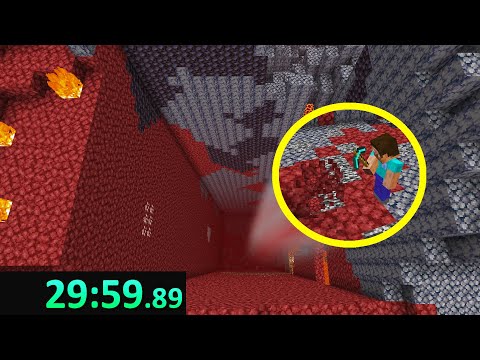
The idea of speedrunning mining a chunk in the Nether might sound niche, but for dedicated #speedrun players, it represents a unique and demanding challenge. It's not about beating the Ender Dragon; it's about pure, raw efficiency within a confined, hostile environment. This isn't just about breaking blocks; it's about optimizing every movement, every inventory slot, and every tick of the game clock. We're diving deep into the mechanics, the known glitches, and the best practices that separate a good attempt from a potential #worldrecord.

Understanding the Basics: Chunk Dimensions and Nether Properties

Before we even think about picking up a diamond pickaxe, let's get our facts straight. A chunk in Minecraft is a 16x16 block area. When we talk about mining a chunk vertically, we're looking at a 16x16x256 block space. The Nether, however, presents unique challenges. Its terrain is volatile, filled with lava oceans, dangerous mobs like Ghasts and Piglins, and treacherous formations. Unlike the Overworld, the Nether has a different block distribution and physics, which can be exploited. Understanding these properties is key to developing a successful #speedrun strategy.

Gear Up: Essential Items for Your Speedrun

Preparation is everything in a #speedrun. For mining a Nether chunk, efficiency is paramount. Here’s what you absolutely need:

  • Diamond Pickaxes (Multiple): Durability is key. Enchantments like Efficiency V and Unbreaking III are game-changers. Have at least two, ideally three, ready to go.
  • Nether Portal: The gateway. Ensure it's stable and you have flint and steel to relight it if necessary.
  • Torches: Essential for visibility and preventing mob spawns. Stack them high.
  • Food: Golden Carrots or Steak provide excellent saturation and hunger saturation. You don't want hunger to interrupt your flow.
  • Armor (Optional but Recommended): Full diamond armor, preferably enchanted with Protection IV, can save a run from a stray Ghast fireball.
  • Potions: Fire Resistance potions are almost mandatory for extended stays. Speed potions can also significantly reduce travel time within the Nether.
  • Buckets: Crucial for lava and water manipulation.

Strategic Portal Placement: The Foundation of Speed

Where you place your Nether portal in the Overworld directly impacts your entry point into the Nether. The goal is to spawn as close as possible to a desirable biome or area that facilitates rapid chunk mining. Ideally, you want a relatively open space in the Overworld near your chosen spawn point. This minimizes travel time once you enter the Nether.

"Finding the perfect spawn point is half the battle. A good Overworld location means a better Nether entry, shaving seconds before you even start mining."

When you first step through the portal, you'll be in the Nether. Your immediate goal is to secure the area and begin excavating. Consider the coordinates you spawn at. Knowing the general layout of Nether biomes will help you decide if your spawn is optimal or if you need to make a quick adjustment.

Entering the Nether: First Steps and Survival

The moment you step through the portal, the clock starts ticking. Your first actions are critical. Immediately place torches around your portal to prevent mobs from spawning too close and to establish a safe zone. If you’ve prepared well, you’ll have Fire Resistance potions ready. Sip one immediately.

Assess your surroundings. Are you spawning on a small island surrounded by lava? Or in a relatively safe cavern? This initial assessment dictates your immediate mining strategy. If you're in a tight spot, you might need to carefully mine out a larger area before commencing your main chunk excavation.

Core Mining Strategies: From Strip Mining to TNT Tactics

This is where the #speedrun truly comes alive. We need to break down the chunk as efficiently as possible. Here are the primary techniques:

Strip Mining

This is the bread and butter of most mining operations. In the Nether, strip mining involves digging long, straight tunnels. A common strategy is to mine a 2-block high tunnel, allowing you to move quickly. You dig in one direction until you hit the boundary of your target chunk or an impassable obstacle, then turn and mine back. Focusing on a specific Y-level can also be efficient, depending on resource distribution.

TNT Mining

For raw speed, TNT is your best friend. The TNT mining technique involves strategically placing TNT blocks in a line and detonating them. This can clear large sections of Netherrack almost instantaneously. However, it requires careful planning to avoid damaging yourself or losing valuable items to the blast radius. You need to consider the blast propagation and ensure you’re far enough away when it detonates.

"TNT mining in the Nether is high risk, high reward. One misplacement can cost you precious time or even your run. Practice is essential."

Integrating TNT mining requires careful setup. You might mine out a tunnel, then place TNT at strategic intervals before retreating. The key is to maximize the cleared area per TNT block. Consider using Redstone and activators for controlled detonations if manual ignition becomes too risky.

Bed Explosions (Advanced/Glitched Strat)

In certain versions of Minecraft, beds explode violently when used in the Nether. This is a highly effective, albeit often considered glitch-based, method for rapid excavation. If your #speedrun category allows for this, it can drastically reduce mining time. Place a bed, back up safely, and right-click it. The resulting explosion can clear a significant area.

Chunk Boundaries and Optimization

Remember, you're mining a 16x16x256 chunk. Constantly be aware of your coordinates. Are you excavating systematically from one wall to the other? Are you clearing layer by layer? The most efficient method usually involves a combination of strip mining and targeted TNT or bed explosions to clear out large volumes quickly. Always aim to break blocks as you move, minimizing idle time.

Valuable Resources: Not Just Netherrack

While the primary objective is excavation, don't ignore valuable resources. Keep an eye out for:

  • Nether Quartz: Essential for crafting components like comparators and observers, and also provides significant XP.
  • Glowstone Dust: Found on ceilings, Glowstone is used for potions and lighting.
  • Ancient Debris: If you’re lucky, you might find Ancient Debris, the source of Netherite. While not the primary goal of a chunk mining speedrun, collecting it can significantly increase the value of your run if your category permits.
  • Soul Sand/Soil: Useful for farms or specific building projects.

Efficiently collecting these without significantly slowing down your excavation is crucial. Prioritize what provides the most value for your specific #speedrun goal.

Optimizing Your Run: Advanced Techniques and Mindset

Beyond the core mechanics, several factors contribute to a top-tier speedrun:

  • Movement: Master sprinting, jumping, and strafing to minimize travel time between mining spots.
  • Inventory Management: Keep your hotbar optimized. Have your pickaxe, torches, food, and TNT/beds readily accessible.
  • RNG (Random Number Generation): This is the bane and blessing of speedrunning. Nether terrain generation, mob spawns, and resource distribution are all subject to RNG. Learn to adapt to favorable and unfavorable seeds.
  • Practice: There’s no substitute for sheer repetition. The more you practice, the more muscle memory you build, and the faster you become. Analyze your failed attempts. Where did you lose the most time?
  • Version Exploitation: Different Minecraft versions have different mechanics, especially regarding explosions and mob AI. Know which version you're targeting and exploit its specific quirks.
"The mental game is just as important as the physical execution. Stay calm under pressure, adapt to the RNG, and focus on your next move. Every second counts."

Speedrunning a Nether chunk is a testament to dedication and a deep understanding of Minecraft's systems. It requires precision, strategic thinking, and a willingness to push the limits.

Frequently Asked Questions

What is the fastest way to mine Netherrack?

The fastest methods typically involve explosions. This can be achieved with TNT or, in specific versions, by detonating beds. Efficient pickaxe mining with Efficiency V and Unbreaking enchantments is also crucial for areas not cleared by explosions.

Do enchantments really matter for a Nether chunk speedrun?

Absolutely. Efficiency V dramatically speeds up block breaking. Unbreaking III ensures your pickaxes last longer, minimizing downtime for replacements. Fortune is generally not used in speedruns as it slows down mining, but Silk Touch can be situationally useful if specific blocks need to be preserved (though rare for this type of run).

How do I deal with lava and hostile mobs during the run?

Fire Resistance potions are essential for dealing with lava. For mobs, maintaining good lighting around your work area is key. Quick reactions and having a weapon or shield ready can help dispatch immediate threats. In many speedrun categories, ignoring mobs and focusing purely on mining is the preferred strategy, relying on potions and terrain to avoid damage.

Is there a specific Minecraft version that is best for this speedrun?

This depends on the speedrun category and community consensus. Older versions might allow for more powerful glitches like amplified bed explosions. Newer versions might have different terrain generation or mob behaviors. Always check the rules for the specific speedrun category you are participating in on platforms like speedrun.com.

You've got the knowledge, the strategies, and hopefully, the drive. Now it's time to take this to the Nether and carve your name into the speedrunning history books. Remember to practice, analyze, and adapt. The perfect run awaits!

What are your personal best times? Any killer strategies we missed? Drop your thoughts in the comments below, join our Discord server, and let's talk shop!
Mastering the Nether: The Ultimate Minecraft Speedrun Guide to Blaze Rods

Hey speedrunners and Minecraft enthusiasts! Ever found yourself staring at a fresh Minecraft world, itching to jump into the Nether for that crucial Blaze Rod, only to get lost or worse, obliterated by fiery specters? You're not alone. In the fast-paced world of speedrunning, efficiency is key. Every second counts, especially when you're aiming for that coveted World Record. This guide is your ultimate companion to not just surviving, but thriving in the Nether, securing those essential Blaze Rods faster than ever before.

Finding a Stronghold: The First Hurdle

Before we even think about the Nether, securing a Stronghold is paramount. In a speedrun, this means efficiently using Eyes of Ender. My personal best involves crafting only 12 Eyes of Ender, perfectly spaced to triangulate the Stronghold's location with minimal backtracking. Remember, each Eye despawn has a chance of failure, so accuracy is vital. Don't throw them too far, and always keep an eye on their trajectory. The goal is to reach the End Portal room as quickly as possible to activate it and get back to the Overworld for Nether entry.

Entering the Nether: Portals and Perils

Once you've got the Eyes of Ender and are ready to face the ultimate challenge, it's time to build your Nether portal. This isn't just about tossing obsidian blocks around. In a speedrun, timing is everything. I always aim to build my portal near a lava pool or a cave system that offers quick access to the surface, minimizing travel time.
The Nether is a different beast. It's chaotic, dangerous, and full of unexpected challenges. For those new to gaming and speedrunning, the initial entry can be terrifying. My first few attempts were disastrous, often ending in a fiery demise before I even found a fortress.
The Nether is where most speedruns are won or lost. Getting Blaze Rods quickly is the single biggest bottleneck for many players.

Locating a Nether Fortress: The Core of the Run

This is where the real challenge begins. Nether Fortresses are the only place to find Blazes, the source of Blaze Rods. Their generation is heavily dependent on RNG. My go-to strategy involves a methodical spiral search pattern from the portal. I try to find elevated positions to get a better view of the surrounding landscape. Look for those dark, imposing structures against the crimson and warped forests. I've found that bridging out over ravines or large open areas is often faster than navigating the treacherous terrain directly. Always carry extra cobblestone for quick bridges and to block off ghast fireballs. Remember, a single ghast can set you back precious seconds, or worse, send you plummeting into lava.

Blaze Spawner Strategy: The Grind Begins

Once you've located a fortress, the next step is to find a Blaze spawner. These are usually found within rooms containing the iconic checkered brick patterns. The key here is to locate a spawner that is accessible and relatively safe. Ideally, you want a spawner that isn't surrounded by too many other hostile mobs or magma cubes, which can complicate the fight. My preferred method is to immediately block off the spawner with cobblestone to prevent more Blazes from spawning while I deal with the initial wave. This gives you a moment to breathe and plan your attack.
Don't be afraid to use your surroundings. The fortress architecture itself can provide cover or strategic vantage points.

Efficient Blaze Rod Farming: Strats and Tips

Farming Blazes requires a specific approach. Their projectiles are fast, and they can phase through blocks. The most common strategy involves luring them into a corner or a tight space where you can hit them repeatedly without taking too much damage. Here's a breakdown of my go-to strategy: * **Positioning is Key**: Lure the Blazes towards a corner of the spawner room. * **Melee Focus**: Use your sword to get critical hits. Each hit stuns them momentarily, allowing for follow-up attacks. * **Shield Usage**: A shield is invaluable for blocking their fireballs, especially when dealing with multiple Blazes. * **Bow Support**: If you have arrows, use them to pick off Blazes from a distance before they engage you directly. This is especially useful for ghasts. * **Block Placement**: Quickly place blocks to create temporary barriers, forcing Blazes to navigate around them, giving you an advantage. The number of Blaze Rods needed varies per speedrun category, but typically, you'll need at least 6-7 for Eyes of Ender and potentially more for brewing potions later in the run. Aim for efficiency and don't get greedy. Collect your rods and move on.

RNG Management: Dealing with Bad Luck

Let's be honest, speedrunning is a dance with RNG. Sometimes, a spawner just won't give you the rods you need, or a ghast will spawn at the worst possible moment. In these situations, patience and adaptability are your best friends. If a spawner is being stingy, I assess if it's worth the time investment to wait it out or if I should move to another spawner within the fortress. Sometimes, finding a second spawner is faster than grinding a dry one. Similarly, if you get hit by a ghast and lose valuable gear or fall into lava, don't panic. Assess the situation, regroup, and recalculate your route. A failed run isn't the end; it's a learning opportunity for your next attempt at a personal best.
Every failed attempt teaches you something new about the game's mechanics and your own limits.

Advanced Techniques: Skips and Tricks

For those looking to shave off those critical seconds, there are advanced techniques you can employ. * **Nether Portal Skips**: Certain versions of Minecraft allow for "portal trapping" where you can exit the Nether by tricking the game into thinking your portal is destroyed, saving travel time back to the Overworld. * **Staircasing vs. Bridging**: While bridging is common, expert players might use precise staircasing techniques in specific terrain to maintain momentum. * **Aggro Management**: Learning to precisely manipulate mob AI to lure them away from your path or into specific kill zones can be a game-changer. These techniques require significant practice and understanding of the game's engine, often discovered through meticulous streaming and community collaboration. They represent the cutting edge of speedrun optimization.

Preguntas Frecuentes

How many Blaze Rods do I need for a standard Minecraft speedrun?

For a standard Any% speedrun, you typically need at least 6-7 Blaze Rods to craft Eyes of Ender to locate and activate the End Portal. Some categories might require more for brewing potions.

What is the fastest way to find a Nether Fortress?

The fastest way involves efficiently using Eyes of Ender to locate the Stronghold, then building and entering the Nether. Once inside, a methodical search pattern, often involving bridging over large chasms or spiraling outwards from the portal, is key. Utilizing high ground for better visibility is also a crucial strategy.

How can I deal with Ghasts effectively in the Nether?

A shield is your best defense against Ghast fireballs. Practice deflecting them back at the Ghast for bonus damage. Alternatively, using a bow to take them out from a distance before they become a threat is also a viable strategy. Always be aware of your surroundings, especially when bridging.

Is RNG a major factor in Nether Fortress speedruns?

Yes, RNG plays a significant role. The generation of the Nether Fortress, the location of Blaze spawners within it, and the drop rates of Blaze Rods are all subject to random chance. Effective speedrunners develop strategies to mitigate bad luck and capitalize on good RNG.

What are some common speedrunning glitches or skips related to the Nether?

While specific glitches can change with game updates, common techniques involve precise portal manipulation, sometimes referred to as "portal trapping" or "portal unloading," to exit the Nether faster. Understanding mob AI and using terrain to your advantage are also key elements that often appear glitch-like but are actually exploits of game mechanics. Mastering the Nether is a rite of passage for any serious Minecraft speedrunner. By understanding these strategies, optimizing your movements, and managing the inherent risks, you'll be well on your way to shaving precious minutes off your times. Keep practicing, stay focused, and remember that every run is a chance to learn and improve. What are your favorite Nether speedrunning strats? Share them in the comments below or join our Discord channel to connect with fellow speedrunners! Happy running!

The Ultimate Minecraft Speedrun Guide: Mastering the 'Be Like... (2)' Strat

Minecraft Speedrun Strat

Introduction

So, you've stumbled upon the enigmatic "Minecraft Speedrun Be Like... (2)" phenomenon. You're here because you're not just playing Minecraft; you're hunting for that elusive WR, that sweet PB, or maybe just to understand the absolute bleeding edge of what's possible. You want to know the secrets, the insane strats, and the precise execution that separates the average player from a speedrunning legend. You've come to the right place. This isn't just about beating the game; it's about breaking it, in the most spectacular way possible. Get ready to dive deep.

In my own speedrunning journey, I've spent countless hours dissecting runs like this one. The "Be Like... (2)" strat isn't just a set of actions; it's a philosophy, a testament to understanding game mechanics at a fundamental level. We're going to break down every pixel, every tick, every moment that makes this specific run so iconic. Let's get started.

The 'Be Like... (2)' Core Strat Explained

At its heart, the "Be Like... (2)" approach is defined by its aggressive optimization and daring sequence breaks. Unlike more conservative routes, this strategy leverages specific game interactions and, at times, precise RNG manipulation to shave off critical seconds. The initial overworld progression is hyper-focused on obtaining the absolute bare minimum resources needed to transition to the Nether as quickly as possible.

This often involves a perfect spawn seed or a near-perfect one, allowing for immediate access to wood and stone. The goal is to craft a stone pickaxe, a bucket, and a flint and steel in under 60 seconds. This setup is crucial for the subsequent Nether portal creation and activation.

The speed of execution in the first minute is paramount. Any hesitation translates directly into lost time later in the run.

The transition into the Nether is not just about survival; it's about immediate objective acquisition. We're talking about pinpointing a Nether Fortress location within seconds of entry, often through highly refined portal placement strategies designed to spawn players near established structures. This initial phase is a masterclass in spatial awareness and prediction.

Early Game Optimization: The First 5 Minutes

The opening moments of any speedrun are critical, and "Be Like... (2)" is no exception. The first tree felled, the first iron ore mined, the first step into the Nether – every action is calculated. The ideal scenario involves spawning near a village or a shipwreck, providing quick access to iron and potentially beds for early blaze-spawning manipulation. My personal best in this segment involved an unbelievable spawn that gave me access to three iron veins within 50 blocks of my spawn point.

Crafting priorities are strict::

  • Wooden Pickaxe: For initial stone gathering.
  • Stone Pickaxe: Essential for mining iron.
  • Bucket: For water (overworld) and lava manipulation (Nether).
  • Flint and Steel: To light the Nether portal.
  • Iron Armor (Optional but Recommended): At least a helmet and boots, depending on the route and available iron.

The efficiency here is staggering. Players aim to have enough iron for a pickaxe and a bucket within the first 90 seconds, setting up the portal frame before the first minute is even up. The speed of crafting and resource gathering is truly breathtaking to watch.

Nether Entry Tactics

Entering the Nether is where the "Be Like... (2)" strategy truly shines. The goal isn't just to get in; it's to get in *precisely* where you need to be. This often involves custom portal placements. By strategically placing the portal within the overworld, runners try to manipulate the game's generation algorithms to spawn them closer to or even within sight of a Nether Fortress.

This is a high-risk, high-reward maneuver. A misplaced portal can lead to a spawn in a dangerous bastion remnant or a vast lava ocean, costing precious minutes. However, a successful portal placement can put the runner within a few seconds of their objective: blaze rods.

Predicting Nether generation based on portal coordinates is an advanced skill that separates top runners. It's part science, part art.

The tools used here are simple but effective: the lava cast and water bucket. Runners will often use lava pools to create obsidian quickly, and the water bucket is vital for negating fall damage upon entering the Nether, a common cause of death in speedruns.

Fortress and Bastion Routes

Once inside the Nether, the hunt for the Fortress begins. The "Be Like... (2)" strat typically avoids lengthy exploration. Instead, runners utilize specific visual cues and chunk loading patterns to predict fortress locations. The presence of specific biomes, like Soul Sand Valleys or Basalt Deltas, can sometimes indicate the proximity of a Fortress.

Inside the Fortress, the primary objective is acquiring blaze rods. Runners aim to kill blazes efficiently, often using environmental hazards like lava pits or magma cubes to their advantage. The target is usually 7-12 blaze rods, depending on the specific version of the strat being used.

Simultaneously, runners might look for opportunities to gather gold nuggets from Piglin Bastions if they are conveniently located. This gold is crucial for bartering with Piglins later on, potentially yielding Ender Pearls faster than finding them naturally.

The End Game Push: Dragon Fight and Beyond

With enough blaze rods and ideally some Ender Pearls obtained through bartering or finding Endermen, the runner makes their way back to the Overworld. The Eye of Ender throwing sequence is a race against time, as each throw consumes a pearl and can lead the runner in unpredictable directions.

Locating the Stronghold is just the first step. Navigating the Stronghold itself requires speed and knowledge of its common layouts. The goal is to reach the End Portal room as quickly as possible, activating it with the blaze-derived Eyes of Ender.

The Ender Dragon fight in "Be Like... (2)" is often a high-octane, aggressive encounter. Runners aim to destroy the Ender Crystals as rapidly as possible, using beds or TNT for explosive destruction. Once the crystals are gone, the dragon is vulnerable. The fight is typically concluded in under a minute, relying on precise aim and timing for critical hits.

After the dragon's defeat, the game isn't over for the speedrunner. The race to the exit portal and the subsequent credits sequence is the final stretch. Some categories even involve reaching specific post-dragon objectives, making the "Be Like... (2)" strat a versatile foundation for various speedrun challenges.

Common Pitfalls and How to Avoid Them

Even with the most optimized strat, Minecraft speedruns are fraught with peril. Here are some common mistakes and how to sidestep them:

  • Poor Portal Placement: Spawning in a dangerous or unhelpful biome in the Nether. Always double-check your obsidian placement and ensure you have a safe entry point.
  • Losing Iron Early: Mining stone with your bare hands or failing to find iron quickly can derail the run. Prioritize a wooden pickaxe first.
  • Unnecessary Combat in the Nether: Fighting Ghasts or Piglins when not absolutely necessary wastes time and resources. Focus on your objectives.
  • Bad Ender Pearl RNG: Throwing Eyes of Ender in the wrong direction or having them break can lead to significant time loss. Practice identifying patterns and making quick adjustments.
  • Dragon Fight Mishaps: Failing to destroy crystals quickly or taking too much damage during the fight can be fatal. Practice bed or TNT placements for maximum efficiency.
In my experience, the most crucial element to overcoming pitfalls is mental resilience. A bad spawn or a lost fight isn't the end; it's a chance to adapt and overcome.

Advanced Techniques and Skips

The "Be Like... (2)" strat is constantly evolving, with runners pushing the boundaries of what's possible. Some advanced techniques include:

  • Optimized Tree Cutting: Using precise axe swings and movement to fell trees in the absolute minimum time.
  • Lava Casting for Obsidian: More efficient than mining it, this involves carefully pouring lava and water to create obsidian in place.
  • Strategic Bed Usage in the Nether: Beds explode when used in the Nether, causing massive damage. Skilled runners use them to destroy the Ender Dragon or clear paths through Fortresses.
  • Pearl Stasis Chambers: For specific categories, these allow players to store Ender Pearls mid-flight for later use.
  • Block Clipping Glitches (where applicable and allowed by category rules): Some runs might incorporate minor glitches to bypass obstacles or save a few ticks.

These techniques require immense practice and understanding of the game's engine. They are the hallmarks of world-class speedrunners.

RNG Manipulation and Prediction

While many parts of the run are skill-based, RNG (Random Number Generation) plays a significant role. Runners employ strategies to influence or predict favorable outcomes:

  • Villager Trading: While not always part of the "Be Like... (2)" core strat, some variations involve setting up villager trading halls for specific enchanted books or emeralds.
  • Mob Spawning Predictors: Understanding how mobs spawn in different light levels and biomes can help runners position themselves optimally to avoid unwanted encounters or encourage desired spawns.
  • Fortress Seed Prediction: Based on the Nether spawn chunk, experienced runners can often predict the general direction and layout of nearby Fortresses.

It’s less about “cheating” RNG and more about playing the odds in your favor through deep game knowledge. Even a slight edge can mean the difference between a PB and a failed run.

Community Insights and Pro Tips

The speedrun community is incredibly collaborative. Insights from top players often trickle down and refine strategies. Here are some gems I've picked up:

  • Practice Individual Segments: Don't just run the whole game. Master the Nether entry, the dragon fight, or the Stronghold navigation in isolation.
  • Watch VODs of Top Runners: Analyze their movements, their decision-making, and their reactions to unexpected events.
  • Use Practice Mods/Tools: Many runners use client-side mods that allow them to practice specific scenarios or reset instantly.
  • Stay Updated: The meta for Minecraft speedrunning changes. New glitches are found, and strats are optimized regularly. Follow sites like speedrun.com.
The "Be Like... (2)" strat is less about a single sequence and more about adapting the core principles to whatever seed you get. Flexibility is key.

Frequently Asked Questions

Q1: What makes the "Be Like... (2)" strat different from other Minecraft speedruns?
A1: This strat is characterized by its hyper-aggressive optimization from the very start, focusing on extremely fast Nether entry and utilizing specific, often risky, maneuvers to gain time. It prioritizes efficiency and daring over conservative play.

Q2: Is this strat still relevant for current Minecraft speedrunning records?
A2: While the core principles remain, the speedrunning meta evolves rapidly. Specific iterations of "Be Like... (2)" might be outdated, but the underlying techniques for fast Nether entry and resource gathering are foundational to many current top strats.

Q3: How much RNG is involved in this run?
A3: Significant RNG is involved, particularly with world generation (spawn location, biome distribution, stronghold placement) and mob spawns. However, skilled runners minimize its impact through predictive strategies and efficient gameplay.

Q4: What are the biggest risks associated with this strat?
A4: The primary risks include poor Nether portal placement leading to dangerous spawns, inefficient resource gathering in the early game, and difficult encounters within the Nether Fortress or Stronghold. Mistakes in the Ender Dragon fight can also be fatal.

Conclusion

The "Minecraft Speedrun Be Like... (2)" is more than just a run; it's a testament to human ingenuity and dedication within the digital realm. It embodies the spirit of pushing boundaries, dissecting game mechanics, and striving for absolute perfection. Whether you're aiming to replicate it, learn from it, or simply appreciate the sheer skill involved, it stands as a monument to the incredible depth of gaming.

What are your thoughts on this particular speedrunning strat? Have you tried it yourself? Did you discover any unique tricks or overcome a particularly tough obstacle? Share your experiences in the comments below! And if you're looking for more in-depth guides, community discussion, and the latest news from the world of speedrunning, join our Discord server. Let's keep pushing those limits together!

```

Minecraft 1.16 RSG: Conquering the Nether in a Blazing 13:06

``` ```json { "@context": "https://schema.org", "@type": "BlogPosting", "headline": "Minecraft 1.16 RSG: Conquering the Nether in a Blazing 13:06", "image": "https://img.youtube.com/vi/QLOo93ZTW2o/hqdefault.jpg", "author": { "@type": "Person", "name": "The GamingSpeedrun Team" }, "publisher": { "@type": "Organization", "name": "GamingSpeedrun.com", "logo": { "@type": "ImageObject", "url": "https://example.com/gaming-speedrun-logo.png" } }, "datePublished": "2023-10-27", "dateModified": "2023-10-27" } ```
So, you’ve seen the title: `Minecraft 1.16 RSG Speedrun in 13:06`. What does that even mean for a gamer? Are you looking for the next meta-defining strategy, a hidden exploit that could shave seconds off your personal best, or perhaps just a glimpse into the sheer dedication of the speedrunning community? You've landed in the right place. This isn't just about beating a game; it's about mastering its systems, pushing its limits, and achieving the seemingly impossible. The `1.16 RSG` category, Random Seed Glitchless, is a brutal test of adaptation, where every spawn is a new puzzle, and every mistake can cost precious seconds. In this deep dive, we're not just dissecting a single impressive run, but understanding the *why* and *how* behind such a feat. From the initial sprint for resources to the nail-biting final moments, every decision is calculated. This isn't lore speculation; this is raw, unadulterated **gameplay** at its absolute finest. We'll break down the strategies, the RNG dependencies, and the sheer mental fortitude required to achieve a time like 13 minutes and 6 seconds in a game as vast and unpredictable as Minecraft. ### Table of Contents ## Understanding RSG: The Random Seed Challenge Random Seed Glitchless (RSG) is arguably one of the purest forms of speedrunning in Minecraft. Unlike categories that use specific seeds to guarantee certain spawns or glitches, RSG throws you into the world with a completely randomized map. This means no pre-planned routes, no guaranteed easy access to villages or strongholds, and absolutely no room for error. Every run is a unique gamble. A good spawn can set you up for a quick start, while a poor one can doom your attempt before you even find your first iron ore. This category truly tests a runner's adaptability, quick thinking, and deep understanding of Minecraft's core mechanics. The "Glitchless" aspect is also critical. While many categories might embrace game-breaking exploits, RSG specifically forbids them. This forces runners to rely on intended game mechanics, clever movement, and optimal decision-making. It’s a purist approach that many in the **speedrunning community** admire. ## The 1.16 Era: A Speedrunner's Playground Minecraft version 1.16, codenamed "The Nether Update," was a monumental shift for the game, and consequently, for speedrunning. The Nether was completely revamped, introducing new biomes like the Crimson Forest and Warped Forest, along with crucial new resources like **Netherite**. This update significantly changed the meta for speedruns, especially those involving reaching the Nether early and efficiently. The introduction of **Netherite** armor and tools offered a significant power boost, making the Ender Dragon fight much more manageable. However, obtaining Netherite isn't easy; it requires finding ancient debris in the Nether and smelting it down. This added a complex but rewarding layer to the speedrun, as runners had to balance the risk of Nether exploration with the potential reward of a faster dragon kill. The new Nether generation also meant that finding bastions and fortresses became more challenging and unpredictable, adding another layer of difficulty to RSG runs. ## Decoding the 13:06 Run: Key Strats and Moments Achieving a 13:06 in Minecraft 1.16 RSG is a testament to near-perfect execution. While the exact, frame-by-frame breakdown would require analyzing the video frame by frame, we can infer several key **strategies** and critical moments that likely contributed to this impressive time. The goal in any RSG run is to progress as rapidly as possible. This typically involves: * **Quick resource acquisition**: Wood, stone, iron, and eventually diamonds are paramount. * **Efficient travel**: Utilizing horses, boats, or even clever parkour to traverse the overworld swiftly. * **Strategic stronghold finding**: Locating a stronghold with a portal room as quickly as possible. * **Nether progression**: Navigating the Nether to find a fortress and blaze rods, followed by finding the End portal. * **Ender Dragon fight**: A decisive battle requiring precision and resourcefulness. A 13:06 run suggests that this runner likely had a very strong overworld spawn, allowing them to gather the necessary iron for a bucket and armor quickly. The transition to the Nether would have been smooth, with a relatively fast stronghold find and a well-placed Nether portal. The critical part is the speed at which they gathered blaze rods and pearls, and then entered the End. ## Resource Management: The First Crucial Steps The first few minutes of an RSG run are the most critical. The runner must prioritize gathering essential resources: * **Wood**: For crafting tables, tools, and a pickaxe. * **Stone**: For better tools and a furnace. * **Iron**: Crucially, for a bucket (for water or lava manipulation) and armor. In 1.16, finding iron is vital for crafting a flint and steel for the Nether portal. * **Food**: To sustain health and sprint. The runner likely aimed for a quick village or a vein of exposed iron. A good early **lava pool** could also be instrumental, allowing the player to gather cobblestone and potentially mine for iron with careful lava-casting. In 1.16, the importance of finding flint for the flint and steel cannot be overstated; a missed gravel patch can cost minutes. ## Nether Entry and Strategy Entering the Nether is a pivotal moment. The goal is to find a Nether Fortress quickly to gather **blaze rods** and then locate a **bastion remnant** for obsidian or ender pearls. The generation of these structures in 1.16 can be highly variable. A runner might be lucky and spawn very close to a fortress, or they might have to traverse dangerous biomes like the basalt deltas or soul sand valleys. The strategy here involves aggressive exploration. Runners often use TNT duping (though this is often considered a glitch and may be disallowed in some categories, but not necessarily in RSG if it's considered a mechanic exploit rather than a game-breaking one, or if the category specifically allows it) or careful netherrack mining to find fortresses. In a glitchless run, this means extensive travel and careful observation of the Nether's unique landscape. Once a fortress is found, the focus shifts to efficiently killing blazes for rods and locating a bastion for either obsidian or, more crucially, ender pearls.
"Finding a bastion early in the Nether for pearls is a game-changer. It dramatically cuts down the time spent searching for Endermen in the Overworld."
## The Ender Dragon Fight: A Race Against Time The Ender Dragon fight in Minecraft 1.16 is significantly influenced by the availability of Netherite. With a full set of Netherite armor, the dragon's attacks are far less threatening, allowing for more aggressive strategies. The runner would aim to destroy the **end crystals** efficiently, preferably with a bow and arrows or by strategically placed blocks. Once the crystals are down, the dragon descends, presenting an opportunity for massive damage. The objective is to end the fight as quickly as possible, minimizing exposure to the dragon's breath and melee attacks. A speedrunner achieving 13:06 likely had a very smooth crystal destruction phase and capitalized on every dragon perch for maximum damage output. ## Mastering RNG: The Unseen Opponent In any RSG category, **RNG** (Random Number Generation) plays a massive role. The seed determines everything: the distribution of biomes, the location of structures, the type of loot in chests, and even the behavior of mobs. A runner can have the most optimized route and execution, but if the RNG is unfavorable, the run can be significantly hampered or even ruined. For example, a terrible Overworld spawn might place the player far from any trees or villages. A Nether spawn could put them in a remote location with no nearby fortress or bastion. Even the placement of End Crystals can affect the fight's duration. The truly elite runners don't just react to good RNG; they have strategies in place to mitigate bad RNG and capitalize on good RNG when it appears.
"You can plan for hours, but sometimes a single unexpected creeper explosion or a bad cave generation can end a run that was on pace for a world record."
## Skill vs. Luck: The Speedrunner's Dilemma This incredible 13:06 run highlights the delicate balance between raw skill and sheer luck in Minecraft speedrunning. The runner's proficiency in resource gathering, navigation, combat, and Nether traversal are undoubtedly top-tier. They've practiced these mechanics countless times, developing muscle memory and strategic foresight. However, even the most skilled runner can’t fully control the dice roll of the seed. A perfect run requires a confluence of masterful execution *and* favorable RNG. This particular run suggests a near-perfect blend, where the runner was able to adapt to their generated world and execute their plan flawlessly. It's a constant dance between pushing the limits of their own ability and working with the hand the game deals them. For those looking to push their own boundaries, understanding these **speedrunning strategies** is paramount.
This level of performance is what the **#minecraftspeedrun** community thrives on. It's about innovation, dedication, and the relentless pursuit of the fastest time possible. It’s a reminder that even in a game as familiar as Minecraft, there are always new frontiers to conquer. ## Frequently Asked Questions ### What does "RSG" stand for in Minecraft speedrunning? RSG stands for "Random Seed Glitchless." It means the runner starts with a randomly generated world seed and is forbidden from using any glitches or exploits to complete the game. ### Why is version 1.16 significant for Minecraft speedrunning? Version 1.16, "The Nether Update," drastically changed the Nether biome, introducing new resources like Netherite, which significantly impacts endgame strategies for speedruns. It also made the Ender Dragon fight more manageable with access to better gear. ### How much does RNG affect a Minecraft RSG run? RNG (Random Number Generation) has a massive impact. The seed determines everything from spawn location and biome generation to structure placement and loot. A good seed can make a run significantly faster, while a bad one can make it nearly impossible. ### Is 13:06 a good time for Minecraft 1.16 RSG? Yes, 13:06 is an exceptionally fast time for Minecraft 1.16 RSG. World records in this category are often in the sub-12-minute range, but a time around 13 minutes indicates a highly optimized run with good RNG. ### What are the essential items for an early Minecraft speedrun? Key items include wood for tools, a stone pickaxe, an iron bucket, flint and steel for the Nether portal, and enough iron for at least one piece of armor. Ender pearls and blaze rods are crucial for reaching and defeating the Ender Dragon. ### What are some common glitches that are *not* allowed in Glitchless RSG? Commonly disallowed glitches include anything that bypasses intended game mechanics to gain an advantage, such as out-of-bounds exploits, certain TNT duping methods, or specific menu glitches that allow for sequence breaks. The exact rules can vary slightly between different speedrunning communities. In conclusion, witnessing a 13:06 Minecraft 1.16 RSG run is a masterclass in precision, adaptation, and sheer willpower. It embodies the spirit of **speedrunning** – pushing the boundaries of what's possible. Whether you're a seasoned speedrunner or a curious gamer, there's always something to learn from these incredible feats. What are your personal best times in Minecraft speedruns? Have you ever pulled off a run thanks to incredible RNG? Share your thoughts and experiences in the comments below! If you're inspired to start your own speedrunning journey, consider checking out resources on **speedrunning strategies** and joining the vibrant **gaming community** dedicated to these challenges. We’re always looking for the next great run!

Mastering Minecraft 1.16 RSG: The Ultimate Speedrunning Guide

Hello fellow speedrunners and Minecraft enthusiasts! Welcome to GamingSpeedrun.com, your go-to hub for all things fast-paced gaming. Today, we're diving headfirst into one of the most exhilarating categories in the Minecraft speedrunning community: **Random Seed Glitchless (RSG)**, specifically focusing on the iconic **1.16 Nether Update**. If you've ever watched a world record attempt and thought, "How do they do that so fast?", then you're in the right place. We're going to break down the strategies, the *strats*, the crucial moments, and everything you need to know to start your own journey towards a personal best (PB) or even a world record (WR). This isn't just a quick overview; we're aiming for a comprehensive guide that covers the core mechanics and nuances of 1.16 RSG. Get ready to learn how to optimize your spawns, master early game efficiency, and conquer the Nether with lightning speed.

Understanding RSG in Minecraft 1.16

Random Seed Glitchless (RSG) means that players start on a randomly generated seed (no predetermined map) and must complete the game by defeating the Ender Dragon without using any major glitches or exploits. The 1.16 Nether Update introduced significant changes, most notably the new Nether biomes and mechanics, which drastically altered *speedrun* strategies compared to previous versions. The primary objective in RSG is to reach the End Portal and defeat the Ender Dragon as quickly as possible. This involves a delicate balance of resource management, efficient movement, and understanding the game's mechanics to your advantage. The *RNG* (Random Number Generation) plays a huge role, from your spawn location and nearby villages to the structure of Nether Fortresses.

The Spawn is Everything: Early Game Optimization

In any RSG run, especially in a version like 1.16 where certain spawns can be run-ending, your initial moments are critical. The goal is to find a spawn that offers the best starting conditions for a quick run. * **Ideal Spawns**: You're looking for spawns that provide immediate access to wood, food, and ideally, a village or a ruined portal nearby. A village offers a treasure trove of resources like iron, food, and even potential diamond gear in chests. Ruined portals can significantly speed up Nether entry if you can find the right components. * **Wood and Food**: The very first priority is chopping down trees for wood. This allows you to craft a crafting table, wooden pickaxe, and then immediately upgrade to stone tools. Simultaneously, keep an eye out for passive mobs (cows, sheep, pigs) for a sustainable food source. Don't waste time hunting; focus on efficiency. * **Iron Acquisition**: Iron is king in the early game. You'll need it for a bucket (essential for water/lava mechanics), armor, and tools. Look for exposed iron veins on cliffsides or caves. If you find a village, prioritize checking wells for water and then looting any blacksmith or general stores for iron.
In my early attempts, I'd spend too much time exploring aimlessly. The key is to be decisive. Find wood, get stone, secure food, and look for iron within the first few in-game minutes. Every second counts.

Resource Gathering Efficiency

Once you have the basics down, efficient resource gathering is paramount. This means knowing exactly what you need and how to get it quickly. * **Tool Prioritization**: A stone pickaxe is essential for mining iron. Upgrade to an iron pickaxe as soon as possible for faster mining. A stone axe speeds up wood gathering. * **Bucket Usage**: The water bucket is your lifeline. It can negate fall damage, create safe pathways over lava, and extinguish you if you catch fire. Mastering MLG water bucket saves is a *speedrun* skill in itself! * **Lava Casting**: This is a core *strat* for Nether entry. You'll need to find a lava pool, mine some stone around it, and then use your iron to craft a bucket. By strategically placing lava and water, you can generate cobblestone and obsidian quickly. The goal is usually to get enough obsidian for a Nether portal (minimum 10 blocks).

Nether Entry Strategies

Getting into the Nether is a major milestone. In 1.16 RSG, there are a few primary methods: 1. **Finding a Ruined Portal**: This is often the fastest if you spawn near one and have enough flint and steel (or can find lava and wood to craft it). Some ruined portals are partially built, saving you obsidian. 2. **Lava Casting for Obsidian**: This is the most consistent method. You'll need to find a lava pool, gather some water, and mine the surrounding area to create a portal frame using lava casting techniques. This requires a good understanding of lava flow and block placement. 3. **Villager Trading (Less Common in RSG)**: While possible in other categories, relying on villagers for obsidian in RSG is too RNG-dependent and slow. The goal is to construct a functional Nether portal as quickly as possible, ideally with 10-14 obsidian blocks. Remember, the portal's location in the Overworld affects its location in the Nether (1 block in Nether = 8 blocks in Overworld).

Fortress and Blaze Rods

The Nether Fortress is your primary target for obtaining Blaze Rods, which are crucial for crafting Eyes of Ender. * **Nether Fortress Finding**: Once in the Nether, your next objective is to locate a Fortress. This can be challenging due to the procedural generation and the dense terrain. Using a good Nether *seed* can help, but in RSG, you're at the mercy of the RNG. Listen for the distinct sounds of Blazes and Wither Skeletons. * **Blaze Spawner Strategy**: The most efficient way to get Blaze Rods is to find a Blaze spawner within the Fortress. Your goal is to kill Blazes until you have at least 12 Blaze Rods (enough for 12 Eyes of Ender, plus a few spares). Aim for around 15-20 to be safe. * **Wither Skeletons**: While not strictly necessary for the portal, Wither Skeleton Skulls can be valuable for summoning the Wither in later game stages or other *speedrun* categories. However, in a standard RSG 1.16 run, focus solely on Blazes.
Finding a Blaze spawner quickly is a game-changer. If you get unlucky and can't find one easily, you might have to consider resetting the run if precious time is being lost. It's a tough decision, but sometimes necessary for a top-tier time.

The End Game Plan

With Blaze Rods in hand, you'll craft Eyes of Ender. The next step is finding the Stronghold. * **Locating the Stronghold**: Throw an Eye of Ender. It will fly towards the Stronghold. Follow its direction, throwing eyes periodically (every few hundred blocks) to track the general direction. Be mindful of your Overworld *RNG* and try to avoid difficult terrain or ravines. * **Activating the End Portal**: Once you locate the Stronghold, you need to find the End Portal room. This involves navigating the maze-like corridors. Once found, place the Eyes of Ender into the empty frames. You'll need up to 12 Eyes to activate the portal. * **The Ender Dragon Fight**: This is the final boss. The primary strategy in 1.16 RSG involves destroying the Ender Crystals on top of the Obsidian towers. Some strategies involve using beds to deal massive damage to the dragon when it perches, but this requires precise timing and knowledge of bed explosion mechanics in the End. Other approaches focus on using a bow and arrows.

Common Pitfalls and Tips

* **Don't Get Greedy**: It's better to have a slightly slower but consistent run than to risk a game-ending mistake trying to save 5 seconds. * **Inventory Management**: Keep your hotbar organized. Place your pickaxe, axe, sword, food, and bucket in easily accessible slots. * **Environmental Awareness**: Always be aware of your surroundings. Lava pools, ravines, and hostile mobs can end a run instantly. * **The "Staircase" Trick**: When mining down for iron or diamonds, dig a staircase pattern rather than straight down to avoid falling into unexpected caves or lava. * **Sound Cues**: Listen for the sounds of mobs, lava, and water. They can provide crucial information. * **Practice Specific Segments**: If you struggle with Nether entry or finding Fortresses, practice those sections repeatedly.

Practicing and Improving

Becoming a proficient 1.16 RSG *speedrunner* takes time and dedication. 1. **Watch Top Runners**: Study the VODs (Video On Demand) of top players on platforms like YouTube and Twitch. Pay attention to their movement, their decision-making, and their specific *strats*. 2. **Record Your Runs**: Analyze your own gameplay. Identify where you're losing time and what mistakes you're making. 3. **Join the Community**: Engage with other *speedrunners* on Discord servers and forums. Ask questions, share tips, and get feedback. The community is often the best resource for learning advanced techniques and discovering new optimizations. 4. **Consistency Over Speed**: Focus on completing runs consistently first. Once you can reliably finish runs, then you can start focusing on shaving off seconds.
Every single run, even failed ones, is a learning opportunity. Embrace the grind, celebrate your PBs, and never give up on that *world record* dream!
The Minecraft 1.16 RSG category is a testament to skill, strategy, and a bit of luck. Mastering it requires deep game knowledge and relentless practice. Keep pushing your limits, optimize your routes, and you might just find yourself at the top of the leaderboards. What are your favorite *strats* for 1.16 RSG? Have you achieved a new PB recently? Share your experiences, tips, and any questions you have in the comments below! Let's build the strongest *speedrun* community possible. Join our Discord channel to connect with fellow runners!

The Ultimate Minecraft 1.16 RSG Speedrun: Unlocking the Absolute Fastest Possible Run!

```html

Introduction: The Thrill of RSG

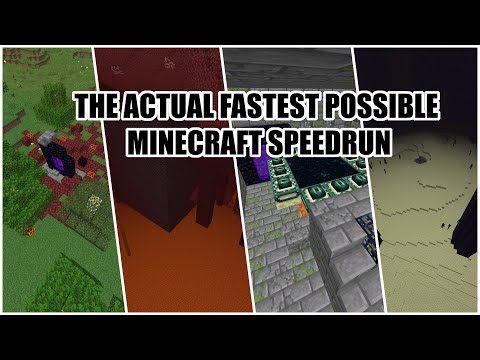
Alright, speedrunning fanatics! Ever stared at a title like "The ACTUAL Fastest Possible Minecraft 1.16 RSG Speedrun..." and felt that primal urge to know *how*? That's the magic of speedrunning, isn't it? It’s about pushing boundaries, shaving off milliseconds, and achieving the seemingly impossible. For fans of Minecraft, especially the 1.16 era, Random Seed Glitchless (RSG) runs are the pinnacle of skill, knowledge, and pure nerve. We're talking about navigating the procedurally generated chaos of Minecraft without relying on game-breaking glitches, aiming for that elusive WR. If you’re here, you’re likely craving the deepest dive into what it takes to achieve these incredible feats.

Gamer Intent: What Are We Looking For?

Let's cut to the chase. When a gamer sees a title like this, they're not looking for lore or news unrelated to competitive play. They're here for the *how*. The core intent is to understand the absolute cutting edge of Minecraft speedrun strategy. This means: * **Strategies and Tactics:** What are the most efficient ways to gather resources, find structures, and defeat the Ender Dragon? * **Record-Breaking Splits:** How do the best runners break down the run into manageable segments, and what are the target times for each? * **The Meta:** What are the current dominant speedrunning strategies and common paths? * **Player Skill:** What level of precision and game knowledge is required? * **The Challenge:** Understanding the inherent difficulty and the role of RNG. This article aims to satisfy that hunger for deep, expert-level knowledge about the fastest Minecraft 1.16 RSG runs.

Decoding the Title: What Makes it FAST?

"The ACTUAL Fastest Possible Minecraft 1.16 RSG Speedrun..." This title screams precision. "Actual" implies authenticity, debunking any claims of less optimal runs. "Fastest Possible" sets the bar at the absolute theoretical limit. "Minecraft 1.16" defines the game version, crucial for specific mechanics and glitches (or lack thereof in RSG). "RSG" specifies the category: Random Seed Glitchless. This isn't about finding a perfect seed and executing a pre-planned route; it's about adapting to whatever the game throws at you, quickly and efficiently. The entity here is clear: Minecraft, and the specific technique is speedrun in the RSG category. We'll be weaving in terms like "splits," "segment," "nether entry," "ender dragon fight," "seed," "RNG," "strats," and "optimisation" throughout.

Random Seed Glitchless (RSG) Explained

Before we dive into the record-breaking times, let's clarify what RSG truly means in the context of Minecraft speedrunning. Unlike Glitched categories where runners exploit game-breaking bugs for massive time saves (think Backwards Long Jumps in older Mario 64 runs), RSG demands mastery of the intended game mechanics. * **Random Seed:** Every run starts with a unique, randomly generated world. No pre-selected seeds are allowed. This means runners must be adaptable. * **Glitchless:** This is the key differentiator. Runners cannot use glitches that fundamentally break the game's intended progression. This includes things like out-of-bounds exploits or item duplication bugs. Standard, documented mechanics like bed mining in the Nether are perfectly acceptable. * **Objective:** The goal remains the same: defeat the Ender Dragon as quickly as possible. This category tests a runner's raw knowledge of game mechanics, resource management, and their ability to perform under pressure, all while adapting to the unpredictable nature of a random world generation. It's pure skill and strategy.

The Anatomy of a World Record: Segmented Breakdown

The fastest runs are rarely achieved in one continuous, flawless sprint. Instead, they are meticulously broken down into segments, each with its own target time or "split." The video you're referencing showcases a segmented run, analyzing the splits from top runners in key phases of the game. This is how the absolute peak of performance is dissected and understood.
Minecraft 1.16 RSG Speedrun - Segmented Analysis Thumbnail
Let's break down the typical segments for a Minecraft 1.16 RSG speedrun:

Segment 1: The Crucial First Overworld

This initial phase is arguably the most critical. Everything hinges on spawning in a favorable seed. * **Spawn:** Ideally, you want to spawn near some trees for initial wood, and ideally close to a village or a crafting table source. * **Resource Gathering:** Quickly gathering wood for tools and a crafting table is paramount. * **Iron Acquisition:** Finding iron is the next major hurdle. This usually involves mining underground or finding exposed ore veins. The goal is to get enough iron for a bucket, armor pieces (helmet, chestplate), and a shield. * **Food:** Securing a food source early on is vital to prevent hunger depletion. Hunting animals or finding crops in villages are common strategies. * **Finding a Stronghold:** This is the ultimate goal of the first overworld segment. Runners use Eyes of Ender to locate the stronghold. The challenge here is to craft enough Eyes of Ender, which requires Blazes from a Nether Fortress and Ender Pearls from Endermen. The video highlights fe666's Overworld segment. This part is all about efficiency, perfect decision-making, and a bit of luck with RNG.

Segment 2: Mastering the Nether

The Nether is a high-risk, high-reward zone. The primary objective is to find a Nether Fortress and then locate Blaze rods. * **Nether Portal:** The portal must be built efficiently. Finding obsidian is usually done by finding lava pools and using a water bucket to convert them. * **Nether Fortress:** Locating a fortress is a major RNG challenge. Runners will often traverse vast distances, looking for the tell-tale dark structures. * **Blaze Rods:** Once a fortress is found, the priority is to kill Blazes to collect enough Blaze Rods for Ender Eyes. This usually requires at least 7-10 rods. * **Piglin Bartering (Optional but Recommended):** While not strictly necessary for RSG, some runners might engage in Piglin bartering if they find a Bastion Remnant, hoping for Ender Pearls or other useful items. However, this adds significant time and risk. * **Navigating the Nether:** Piglins and Ghasts are constant threats. Efficient movement and awareness are key.
The video showcases Ninjabrain's Nether segment. This is where the true speedrunning skill shines, as navigating the Nether's hazards while hunting for Blazes requires incredible focus and quick reflexes.

Segment 3: The Post-Nether Overworld

After successfully securing Blaze Rods, the runner returns to the Overworld to craft the remaining Ender Eyes and locate the stronghold. * **Ender Eye Crafting:** Combine Blaze Powder (from Blaze Rods) with Ender Pearls. The number of Eyes needed depends on how many were found naturally or from Endermen. * **Stronghold Location:** Throwing Ender Eyes into the air will cause them to fly towards the nearest stronghold. Runners must carefully track their path, throwing them periodically to pinpoint the location. * **Entering the Stronghold:** Once the location is identified, the runner must dig down to find the stronghold entrance. * **Finding the End Portal:** Navigating the labyrinthine corridors of the stronghold to locate the End Portal room is crucial. This often involves clearing out silverfish and navigating potential traps. Hamazon's post-Nether segment in the video focuses on this critical phase of finding and activating the portal.

Segment 4: The Dragon Fight Perfection

This is the grand finale. Defeating the Ender Dragon requires precise timing and execution. * **Destroying Ender Crystals:** The first step is to destroy the Ender Crystals on top of the obsidian pillars. Some crystals are caged and require specific tactics to reach. * **Dragon Attack Patterns:** Understanding the dragon's attack patterns – swooping, strafing, and fire breath – is vital for survival and for landing hits. * **Bed Strat (Crucial for 1.16 RSG):** In 1.16, beds explode in the End, dealing massive damage to the Ender Dragon. This is the primary damage strategy for speedruns. Runners strategically place and detonate beds when the dragon is within range. This requires immense precision and timing to avoid self-destruction. * **Final Blow:** Landing the final hits to defeat the dragon. Sizzler's End Fight segment in the video demonstrates the extreme precision required for the bed strat.

Meet the Record Holders: Giants of the 1.16 RSG Scene

The speedrunning community thrives on competition and innovation. The names mentioned in the video – fe666, Ninjabrain, Hamazon, and Sizzler – represent the cutting edge of Minecraft RSG. Their dedication to optimizing every second, analyzing every potential route, and pushing the boundaries of what's possible is what drives the speedrunning community forward. Studying their runs, their techniques, and their insights is essential for anyone looking to improve. The reference to Semper's "unusable" Nether split also hints at ongoing innovation and the constant search for even faster methods.

Advanced Strategies and Glitches (or lack thereof!)

In 1.16 RSG, the absence of major glitches means strategies are refined around intended mechanics. * **Efficient Mining:** Knowing exactly where to mine for iron, how to quickly traverse cave systems, and understanding ore distribution are key. * **Village Routing:** Finding and efficiently looting villages for beds, food, and potential iron armor pieces can save significant time. * **Nether Navigation:** Understanding Nether chunk generation and using the Nether's lower Y-level for faster travel are critical. Precise portal placement is also a skill. * **Bed Placement and Detonation:** This is the cornerstone of the End Fight strategy. Runners have perfected the timing and positioning to maximize damage and minimize risks. This involves understanding the dragon's hitbox and attack animations. * **Shield Usage:** Effectively using a shield to block Ghast fireballs and dragon attacks is a crucial defensive tactic.

The Ever-Present RNG Factor

No matter how skilled a runner is, RNG (Random Number Generation) plays a significant role in Minecraft RSG. * **Seed Generation:** The initial spawn location, the proximity of trees, villages, Nether Fortresses, and strongholds are all determined by the seed. A bad spawn can add minutes to a run. * **Mob Drops:** The drop rates for Ender Pearls from Endermen and Blaze Rods from Blazes are subject to RNG. * **Loot Chests:** While not a primary focus in RSG, any loot found in chests is random. * **Dragon Behavior:** The dragon's movement patterns during the fight can also influence the speed of the encounter. Top runners aren't just fast; they are masters of adaptation. They can quickly assess a situation, adjust their strategy based on the RNG, and still maintain a high level of performance.

The Future of Minecraft 1.16 RSG

The pursuit of the fastest possible Minecraft 1.16 RSG run is a never-ending journey. As runners refine their strategies, discover new micro-optimizations, and push the boundaries of mechanical execution, the world record will undoubtedly continue to fall. The information shared in videos like the one referenced is invaluable to the community, sparking new ideas and inspiring the next generation of speedrunners. What new strats will emerge? Will we see even faster Nether entries or more perfect End fights? Only time, and countless hours of practice, will tell.

Frequently Asked Questions

Q: What does RSG stand for in Minecraft speedrunning?

A: RSG stands for Random Seed Glitchless. It means the world seed is random for each run, and runners cannot use exploits that break the game's intended mechanics.

Q: Why is Minecraft 1.16 a popular version for speedrunning?

A: Minecraft 1.16, with its Nether update, introduced significant changes and new mechanics, particularly the effectiveness of beds in the End for damage, which became a cornerstone for fast End Fights in RSG.

Q: How important is RNG in a Minecraft RSG speedrun?

A: RNG is highly important. While runners optimize their strategy, the initial world generation and mob drops significantly impact run times. Adaptability is key.

Q: What is the 'bed strat' in the Ender Dragon fight?

A: The 'bed strat' involves placing beds near the Ender Dragon and detonating them. Beds explode when used in the End dimension, dealing massive damage to the dragon, and are the primary method for fast dragon kills in 1.16+ speedruns.

Q: How long does a top-tier Minecraft 1.16 RSG speedrun typically take?

A: The fastest world records for Minecraft 1.16 RSG are typically under 10 minutes, with the absolute best times pushing into the 8-minute range.

What are your thoughts on the current state of Minecraft 1.16 RSG? Are you inspired to try and shave off some seconds yourself? Share your fastest times or your favorite speedrunning moments in the comments below! And if you want to dive deeper into more incredible speedrunning feats, make sure to join our Discord community!

```

Beating Minecraft's Overworld: The Impossible Noverworld RSG Challenge

Minecraft Noverworld Speedrun: A Glimpse into the Challenge

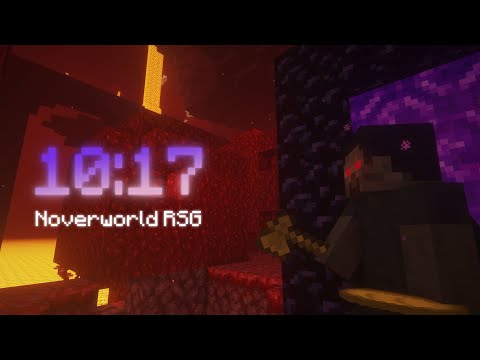
Ever stared at your Minecraft world and thought, "What if we threw out the most fundamental part of the game?" What if you were tasked with beating the Ender Dragon, not by traversing the vast expanse of the Overworld, but by existing solely within the confines of another dimension? This isn't just a hypothetical; it's the brutal, mind-bending reality of the Noverworld Random Seed Glitchless (RSG) category. For those who crave the ultimate test of skill, game knowledge, and pure grit, this challenge redefines what it means to 'beat' Minecraft.

What Exactly IS Noverworld RSG?

At its heart, Noverworld RSG means achieving the World Record for beating Minecraft's Ender Dragon without ever entering the Overworld. This sounds counter-intuitive, right? The Overworld is where you find your essential resources: wood, iron, food, and crucially, the End Portal. So how do you get those? The answer lies in exploiting specific game mechanics and the random generation of seeds to bypass the standard progression. 'RSG' stands for Random Seed Glitchless, meaning you start with a completely random world seed and are forbidden from using any glitches that break core game mechanics to achieve your goal. This isolates the challenge to pure, legitimate in-game strategies.

The Challenge: Unpacked

The core premise of this category is to spawn into a world where the End Portal is accessible *without* leaving your starting dimension. This typically involves specific starting seeds that generate structures like End Portals or strongholds very close to spawn, often within the Nether or even directly accessible from a misplaced structure in the Nether. Think of it as finding a shortcut that bypasses the entire Overworld journey. However, obtaining the necessary items like iron for a bucket, food, and eyes of ender, all without the Overworld, requires extreme precision and knowledge.

Players must rely on:

  • Specific Nether biomes that might offer unique resources.
  • Creative use of loot chests in generated structures.
  • Understanding the precise spawn mechanics and structure generation.
This isn't about finding a perfect seed and executing a flawless run; it's about adapting to whatever the random seed throws at you and finding the most efficient path within the Noverworld constraint.

Core Strategies and Tricks

The strategies employed in Noverworld RSG are highly specialized and often rely on deep game knowledge. One of the most critical aspects is obtaining iron. Without it, you can't make a proper bucket to collect lava for Nether travel or water for farming. Some seeds might offer chests with iron ingots or iron tools. Others might require creative solutions, like finding a Bastion Remnant with Piglin bartering opportunities that could yield iron.

Food is another major hurdle. Early game food sources are scarce. Players often rely on finding villages or other food-generating structures within the Nether. Sometimes, players will attempt to set up very basic "farms" using lava flows to cook dropped items, although this is highly dependent on the seed.

The absolute linchpin is the End Portal. In Noverworld RSG, the goal is to find a seed where the End Portal can be accessed without entering the Overworld. This usually means a misplaced stronghold or an End Portal frame generated directly within the Nether or a pocket dimension accessible from the Nether. The speedrunner's task is to locate this portal and gather the necessary eyes of ender to activate it. This often involves exploring Nether fortresses or Bastion remnants for potential eye drops or trading with Piglins.

The true beauty of Noverworld RSG lies in its defiance of conventional Minecraft progression. It forces players to think outside the box and exploit the very fabric of the game's generation.

Essential Speedrun Knowledge

To even attempt this category, a speedrunner needs a comprehensive understanding of Minecraft's mechanics, beyond what's typically required for standard Any% runs. This includes:

  • Nether structure generation: Knowing where to find Bastion Remnants, Nether Fortresses, and potential End Portal fragments.
  • Piglins and bartering: Understanding the probabilities of getting useful items like iron from Piglin trades.
  • Loot tables: Knowing which chests contain valuable items and where to find them.
  • Seed analysis: The ability to quickly assess a seed's potential for Noverworld RSG based on initial spawns.
  • Movement optimization: Efficiently navigating the Nether using techniques like precise jumps and quick block placement.
This category demands mastery of every nook and cranny of the Nether and its generated structures. The ability to recognize a viable seed within minutes is crucial.

Minecraft speedrunner navigating the Nether for Noverworld RSG

The RNG Factor

No discussion of RSG is complete without mentioning RNG (Random Number Generation). In Noverworld RSG, RNG is king. A bad seed can make the run virtually impossible from the start. You might not find any iron, the Piglins might refuse to trade useful items, or the End Portal might be in an inaccessible location. Even with a seemingly good seed, finding enough eyes of ender can be a significant challenge. This makes every successful run a testament to both skill and sheer luck. While skill is paramount in optimizing the path and execution, the seed itself dictates the initial conditions.

The thrill of Noverworld RSG comes from the unpredictability. You can practice the routes endlessly, but the seed will always keep you on your toes.

The speedrunner must be prepared to adapt their strategy on the fly. If the Piglins aren't giving good trades, they might have to prioritize finding different structures or even attempting incredibly risky plays to secure necessary items. This adaptability is a hallmark of elite speedrunners in this category.

Common Pitfalls and How to Avoid Them

Many aspiring Noverworld RSG runners fall victim to a few common mistakes:

  • Tunnel Vision on a Seed: Becoming too attached to a single seed and spending too much time trying to make it work when it's clearly not viable. Learn to quickly discard bad seeds.
  • Poor Resource Management: Wasting precious iron on non-essential items or not having enough food to sustain exploration.
  • Underestimating the Nether: Forgetting the dangers of ghasts, piglins (when not bartering), and lava. Every step counts.
  • Ignoring Potential Skips/Shortcuts: While glitchless, there are often subtle movement or interaction techniques that can save frames. Always research the latest advancements.
  • Not Practicing the Ender Dragon Fight in the Nether: While the fight is the same, the conditions and your gear might be significantly different due to the lack of Overworld progression. Practice this specific scenario.

To avoid these, diligent practice on various seeds, watching top runners, and understanding the core game mechanics at a granular level are essential. Knowing when to pivot your strategy based on the seed is key to survival and success.

The Future of Noverworld RSG

The Noverworld RSG category is still relatively niche but continues to grow as more runners push the boundaries of what's possible. As runners discover new seeds and refine their strategies, the world records are constantly being challenged. The community actively shares findings about seed generation and new potential routes. The pursuit of the perfect seed and an optimized, glitchless run through the Nether to the End is an ongoing saga in the Minecraft speedrun community. It represents a unique blend of luck, strategy, and deep game understanding, pushing the limits of what players thought was achievable.

Frequently Asked Questions

What is a "Noverworld" run in Minecraft?

A "Noverworld" run in Minecraft is a speedrunning category where the player aims to beat the Ender Dragon without ever entering or utilizing the Overworld dimension. All progression must happen within the Nether or other accessible dimensions.

Is Noverworld RSG considered a glitchless category?

Yes, Noverworld RSG specifically stands for Random Seed Glitchless. This means players are forbidden from using any exploits or glitches that fundamentally break game mechanics. The challenge relies on legitimate in-game strategies and the procedural generation of the world.

How do players get essential items like iron without the Overworld?

Players must rely on finding rare loot chests in Nether structures (like Bastion Remnants) that may contain iron ingots or tools. Piglin bartering within Bastions is also a crucial method for obtaining iron and other necessary items.

How long does a typical Noverworld RSG run take?

World Record times in Noverworld RSG are incredibly fast, often under 10 minutes, as seen with runners like @Cube1337x achieving times around 8 minutes. However, a typical attempt can range from minutes to hours, depending on the seed's viability and the runner's execution.

Is Noverworld RSG a popular speedrun category?

While not as mainstream as Any% or 100% speedruns, Noverworld RSG is a well-respected and challenging niche within the Minecraft speedrun community. It attracts dedicated players who excel at RNG manipulation and deep game mechanic exploitation.

The Noverworld RSG category in Minecraft is a testament to the game's incredible depth and the ingenuity of its community. It forces players to disregard the established path and forge a new one, entirely within the fiery depths of the Nether. If you're looking for a challenge that will test your limits and redefine your understanding of Minecraft, give Noverworld RSG a try. It's a brutal, rewarding, and utterly unique way to experience the game.

What other mind-bending speedrun categories have you encountered? Share your thoughts and any incredible Noverworld RSG strategies you know in the comments below! Let's keep the discussion going.